
Reviewed · COTE D'AZUR TOURS
Antibes: 2 hour walking tour in the old town
Antibes is a small town, but it packs serious variety into two hours. This walking tour strings together sea views, medieval lanes, a classic Provençal market, and even street art and crafts without rushing the vibe.
What I like is the mix: you start at the working harbor, then move up to the ramparts and Fort Carré viewpoints, before dropping into the old town for the market and neighborhoods like Safranier. I also like the small group size (max 10), because it keeps the pace relaxed and makes it easier to ask questions and get photo help.
One possible drawback: it is not for wheelchair users, and since you are walking on old-town streets and ramparts, you should expect some uneven ground. If you want museum time inside, note that the Picasso museum is seen from the outside on this tour.
In This Review
- Key highlights to look for
- Getting your bearings in Antibes, with a guide who makes stories stick
- Port Vauban, Gravette, and Le Nomade, where the sea views set the tempo
- Fort Carré and the ramparts, seeing the town’s layout in real time
- Medieval streets, Antibes Cathedral, and a Picasso connection from outside
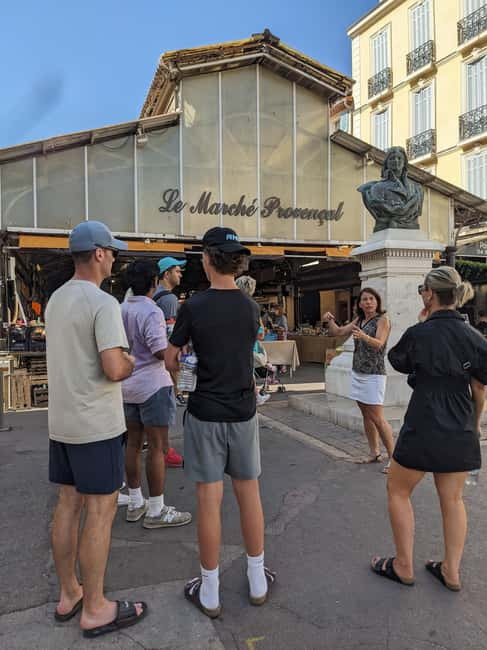
- Marché provençal: the easiest way to feel daily Antibes
- Safranier streets to Place Nationale, where Mediterranean style shows up clearly
- Urban art and artisan workshops: the modern Antibes chapter
- Price and pacing: why $29 feels fair for a 2-hour intro
- Should you book this Antibes old town walking tour?
- FAQ
- How long is the Antibes old town walking tour?
- How much does the tour cost?
- Where does the tour start?
- What group size is this tour?
- What languages are offered?
- Is the tour wheelchair accessible?
- What will we see during the walk?
Key highlights to look for
- Port Vauban start, with heritage boats and luxury yachts setting the tone fast
- Le Nomade sculpture and sea outlooks near Fort Carré
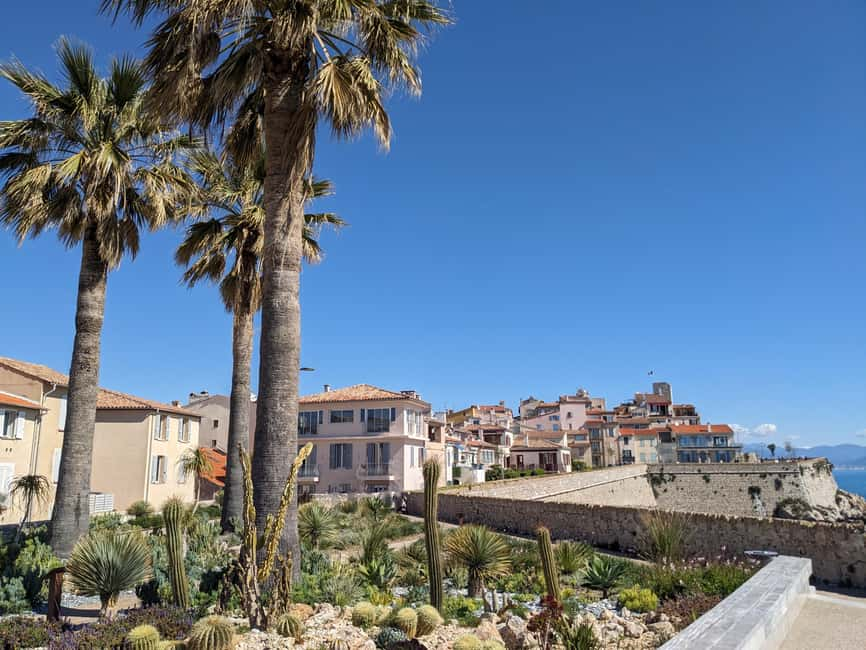
- Old town ramparts and medieval streets that feel built for wandering
- Marché provençal stops for color, scent, and local everyday life
- Safranier neighborhood and Place Nationale for that classic Mediterranean feel
- Urban art plus artisan workshops, including jewels, paintings, and glassblowing
Getting your bearings in Antibes, with a guide who makes stories stick
This is a 2-hour walking tour that works as an intro to Antibes. You meet at 14 Quai de la 1ère Division Française libre, with the exact meetup spot between the David David Blind sculpture and a fishermen’s booth. If you like starting your day oriented by someone who lives here, this format is a good fit.
The guide is Emilie, and her style comes through in how people describe the experience: she’s warm, gives plenty of context, and keeps things moving at a pace that feels right for two hours. Languages are French and English, and the group is capped at 10, so you are not just a face in a crowd.
A practical tip: wear comfy shoes. Even without a long distance, old towns tend to have cobbles, slopes, and little turns that add up. Also, plan to bring your curiosity. This tour is built around interpretation, not just sightseeing checkboxes.
Port Vauban, Gravette, and Le Nomade, where the sea views set the tempo
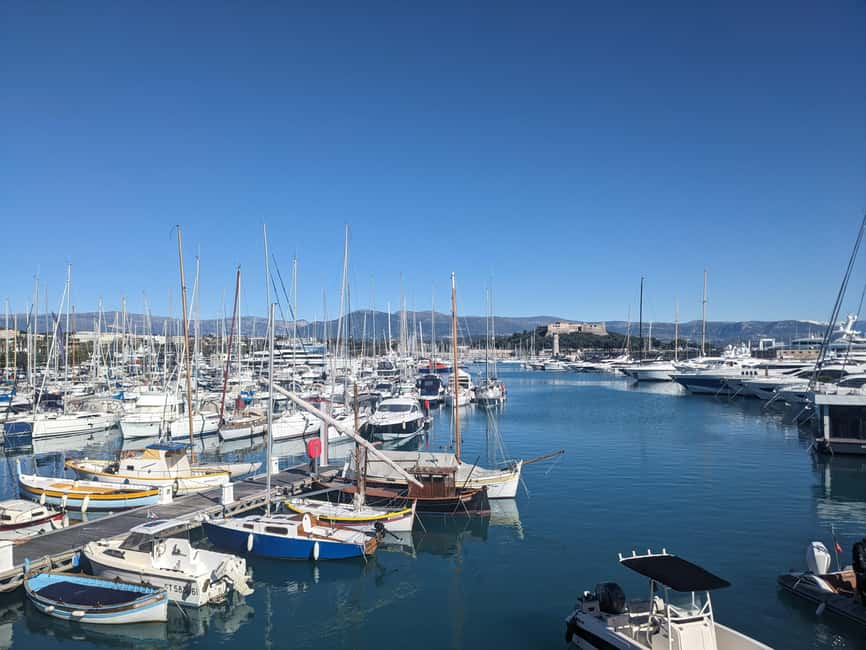
The tour begins right in the heart of the action: Port Vauban Antibes. You get to see the contrast immediately, with heritage boats alongside luxury yachts. That snap from local harbor life to more glamorous marina energy helps you understand why Antibes feels both traditional and international.
From the port area, the walk continues toward Gravette beach. It is one of those places where you can quickly grasp how the sea shapes daily life here. Even if you do not plan a beach day that afternoon, this stop helps you “read” the town, because Antibes is basically arranged around water views and promenades.
Then comes one of the more memorable anchors: the Le Nomade sculpture overlooking the sea. It is the kind of landmark that makes the walk feel cinematic, because the sculpture is built to be seen with the coastline in the background. Nearby viewpoints toward Fort Carré help you notice where the fort sits and how the ramparts connect to the old town above.
More France at boulevard pace:
- 2 Hour Walking Tour in the Old Town of Antibes
★ 5.0 · 45 reviews - Paris Top Sights Half Day Walking Tour with a Fun Guide
★ 5.0 · 2,893 reviews - Montmartre Hidden Gems and Scenic Highlights Walking Tour
★ 5.0 · 2,684 reviews
Fort Carré and the ramparts, seeing the town’s layout in real time
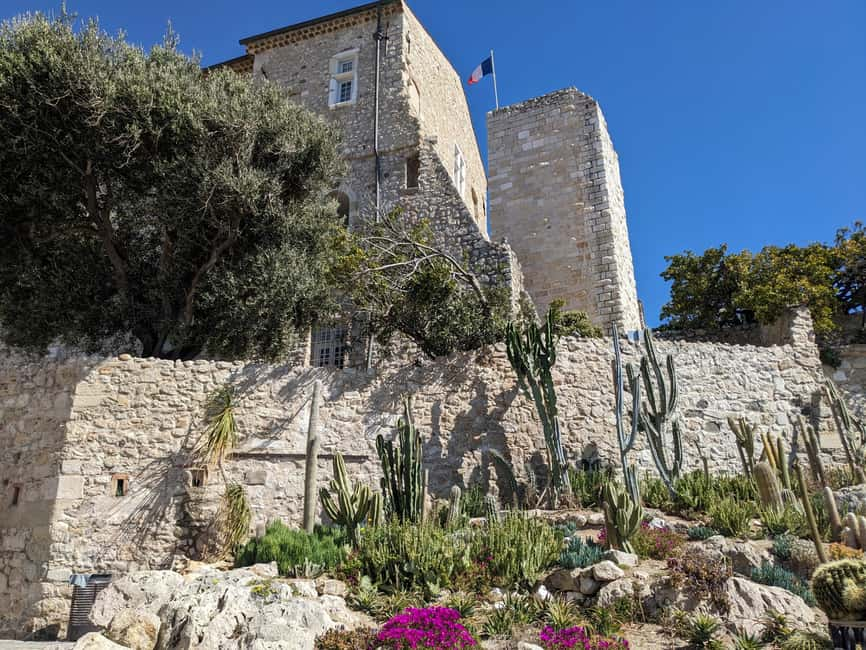
After the waterfront viewpoints, you enter the old town through the ramparts. This is where the tour becomes more than photos. Walking through ramparts gives you a physical sense of the town’s structure, like how Antibes defended itself and how people moved between the harbor and the medieval core.
Fort Carré is the key stop in this phase, sometimes called the Square Fort. The point is not only that it looks impressive, but that it helps you understand the town’s logic: the fort’s positioning explains why certain streets and viewpoints matter.
You also start noticing how Antibes layers different eras. People often come expecting postcard streets, but this tour nudges you to see the transitions, like the way modern details and art show up next to older stonework. That blend becomes a theme later when the walk shifts toward urban art and crafts.
Medieval streets, Antibes Cathedral, and a Picasso connection from outside
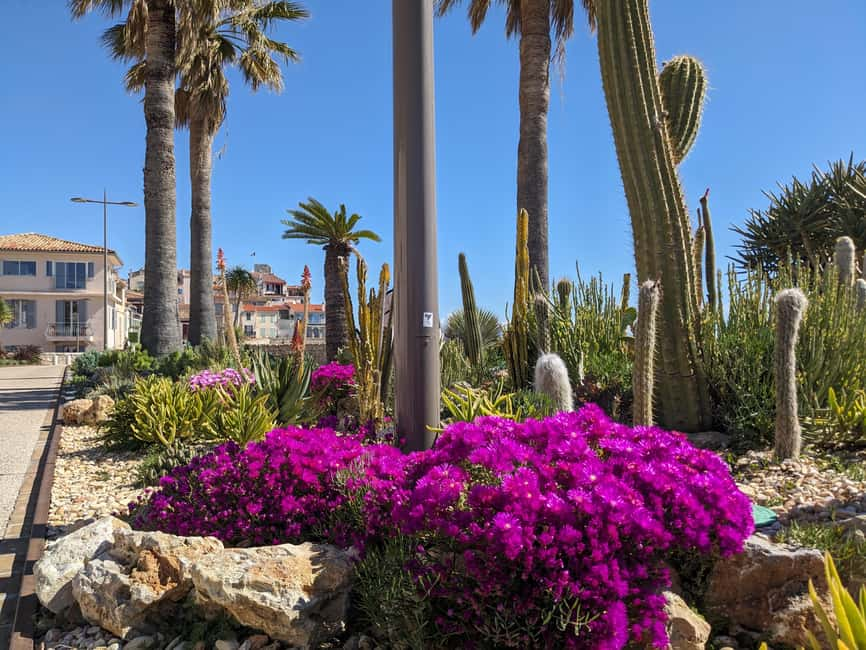
Once inside the ramparts, you move into the medieval streets. This part feels like the heart of old town Antibes: narrow lanes, changing light, and corners that look made for slow wandering. Since the tour is only two hours, you get just enough time in these lanes to feel them, without burning out.
You will pass Antibes Cathedral, and you see the Picasso museum from the outside. That might sound like a limitation if you are hoping for galleries, but it is actually a smart choice for an intro walk. From the street, these landmarks still tell you where the town’s artistic identity shows up, and they set you up to decide later if you want to go inside on your own time.
What I find useful about this stop sequence is how it links place to identity. You are not just collecting names. You are standing at points where the town’s culture, faith, and art are visibly rooted in the urban fabric. It is a good way to build momentum for later visits.
Marché provençal: the easiest way to feel daily Antibes
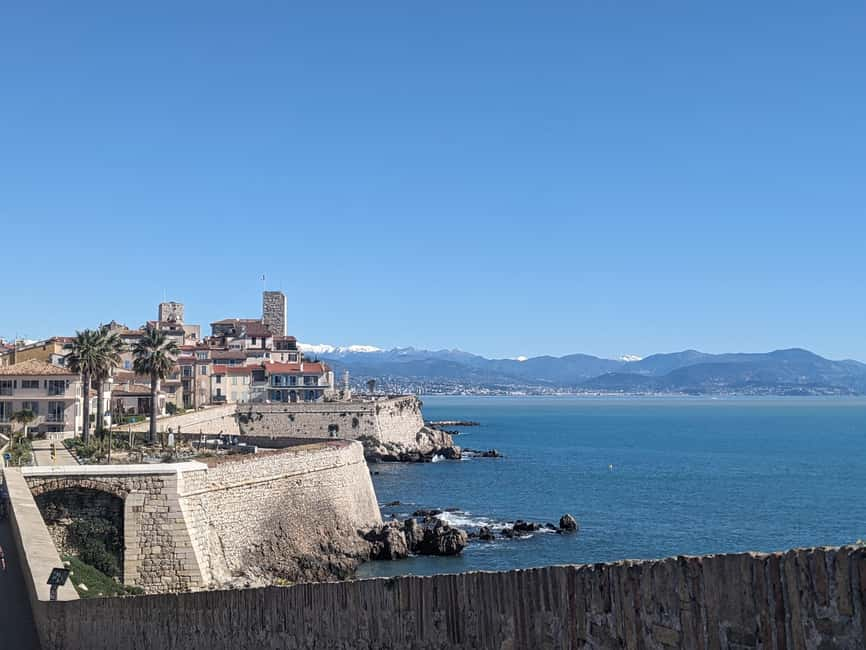
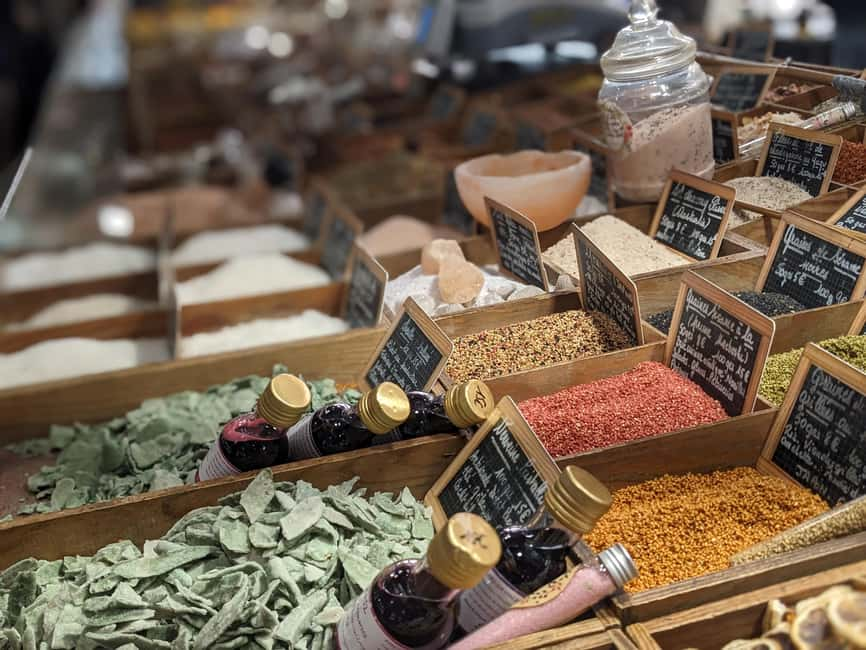
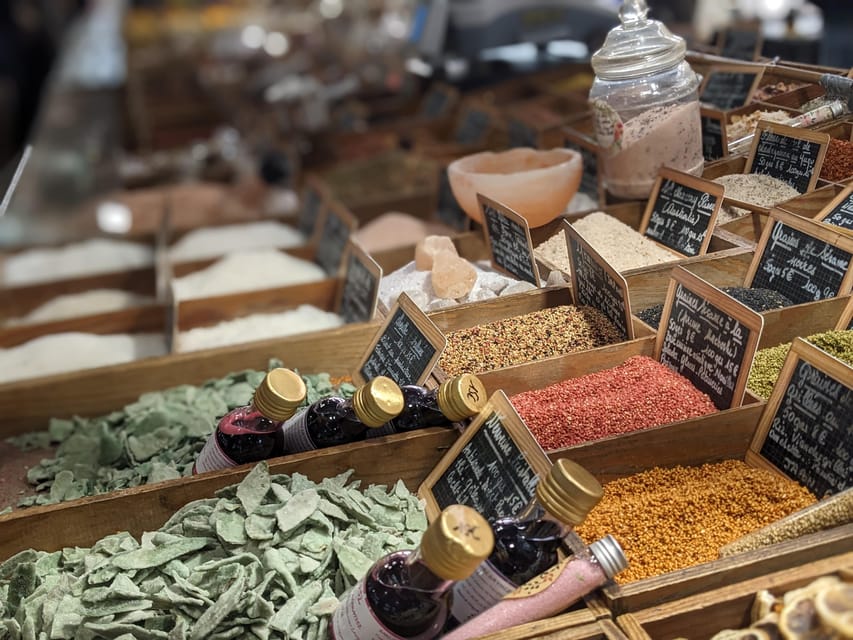
The tour makes room for the Marché provençal, the typical Provençal market area. This stop is valuable because it slows the whole experience down in a natural way. Markets are a kind of sensory guide, and the colors and scents do the job that a long lecture would struggle to do.
You will stroll through the lively market scene, which helps you understand what locals consider normal here. It also gives you a practical advantage: when you later choose where to eat or what to look for at stores, you already have a mental picture of what is local and what stands out.
One consideration: markets can have a lot going on, and your guide will likely manage the flow so you do not get stuck in crowds. This is where a small group helps. You can keep moving while still taking in the atmosphere.
Other Antibes bookings in the margin notes

Safranier streets to Place Nationale, where Mediterranean style shows up clearly
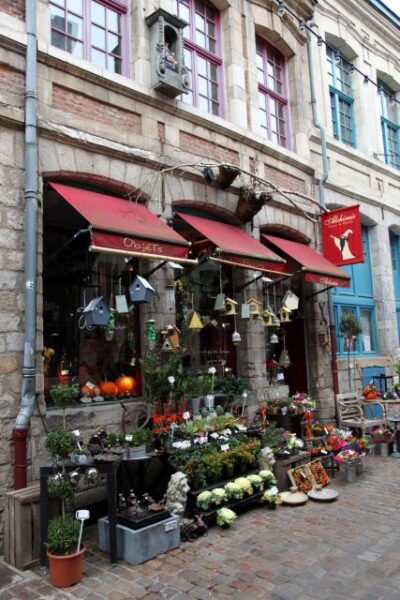
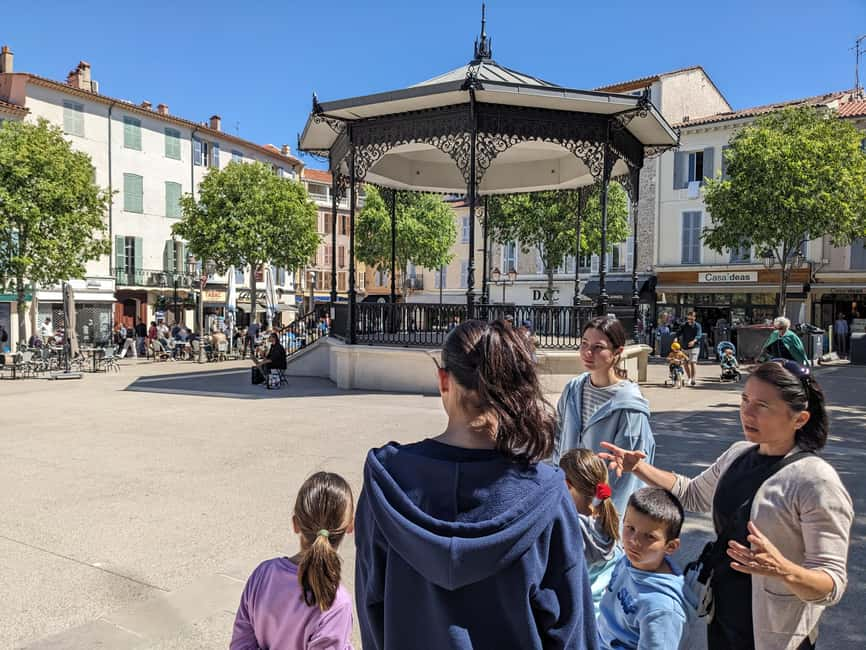
Next comes the Safranier neighborhood, a place you reach by walking the town at human scale. This is the kind of area that rewards paying attention to street character, not just landmarks. You get to see how old Antibes feels in everyday life, with winding paths that make you turn your head often.
Then you arrive at Place Nationale (National Square). This is a high-value stop because it gives you a “pause point.” Squares like this usually concentrate the social energy of a town, and here it reinforces the Mediterranean style that Antibes is known for.
If you like travel that feels grounded rather than staged, this phase delivers. It is not only about famous architecture, it is about how the town holds community space, how it frames views, and how it sets up the next part of the walk.
Urban art and artisan workshops: the modern Antibes chapter
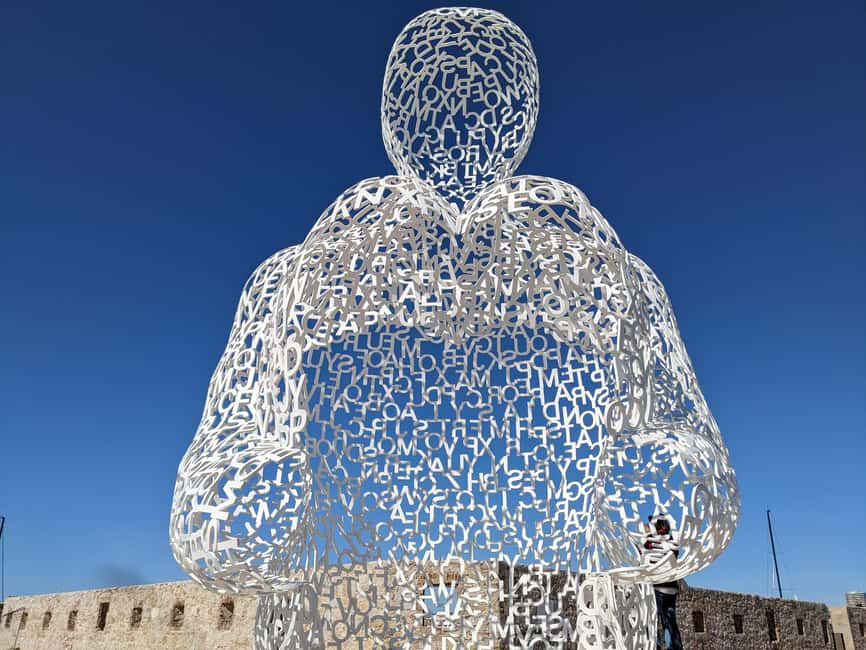
In the final stretch, the tour shifts from old stone to newer creative energy. You will discover urban art as you walk, including those small public works that are easy to miss if you are just passing through. The best part is that the art feels integrated into the street, not placed in a separate gallery-world.
You also see the workshops of local craftsmen, including jewels, paintings, and glassblowing. Even if you do not stop for a purchase, the workshops matter because they show you the town’s ongoing creative economy. Antibes is not only a place people visit for beauty. It is also a place where making things continues.
A smart way to use this time: treat it like a menu of future interests. If a workshop style catches your eye, you now know what kind of local craft is around, and you can seek more later.
Price and pacing: why $29 feels fair for a 2-hour intro
At $29 per person for two hours, the value depends on what you want from the time. If you are trying to cover the waterfront, ramparts, old town streets, a market, and modern art plus crafts, a guided walk is efficient. You get a full arc from sea level to old-town lanes and back, plus interpretation along the way.
The small group cap at 10 is also part of the value story. You are more likely to get answers to questions, and you are less likely to feel rushed. People also highlight that Emilie offers thoughtful photo moments at various spots, which sounds small, but it saves time and helps you leave with better memories.
Pacing is another reason this works. Two hours is long enough to connect dots, but short enough that you are not stuck when the sun is hot or your feet are tired. The tradeoff is obvious: if you want a slow, deep museum day, you should pair this walk with separate time for attractions inside.
Who this is for: first-time visitors who want the layout of Antibes fast, people who like a blend of art and street life, and travelers who enjoy learning what to look for while walking. This is not ideal if you need full wheelchair accessibility, based on the tour’s stated limits.
Should you book this Antibes old town walking tour?
I think you should book it if you want a practical, high-impact introduction to Antibes that connects sea views, medieval streets, the market, and modern creative touches. The mix of Port Vauban to ramparts to market to urban art makes the town feel coherent, not like a random list of stops.
Skip it or plan differently if you need wheelchair-friendly routes, or if you expect museum entry time since major sights like the Picasso museum are seen from the outside on this walk. Also, if you already know Antibes well and only want a very specific single interest, a focused tour might serve you better.
If you are in the classic situation most people have, one day to get your bearings, then you will likely find this $29, two-hour Antibes old town walk an efficient way to start.
FAQ
How long is the Antibes old town walking tour?
The tour lasts 2 hours.
How much does the tour cost?
The price is listed as $29 per person.
Where does the tour start?
You meet at 14 Quai de la 1ère Division Française libre, between the David David Blind sculpture and the fishermen’s booth.
What group size is this tour?
It is a small group, limited to 10 participants.
What languages are offered?
The live guide speaks French and English.
Is the tour wheelchair accessible?
No. It is not suitable for wheelchair users.
What will we see during the walk?
You will cover the Port Vauban, Gravette beach, the Le Nomade sculpture, Fort Carré, the old town ramparts, Antibes Cathedral, the Marché provençal, the Safranier neighborhood, Place Nationale, plus urban art and craftsman workshops (including jewels, paintings, and glassblowing). The tour ends back at the port where it started.
Latest Antibes entries, notes attached



Cote d'Azur Tours, compared.


Fragonard Eze: Perfume Making Class and Factory Tour
Read our review →
Fréjus : Esterel Calanques Cruise (Comfort Boat) + Swim Stop
Read our review →

Saint-Raphaël: Golden Island Afternoon Cruise with Drinks
Read our review →
Saint-Tropez: Kayak Experience in Ramatuelle Reserve
Read our review →
This tour also appears in