
Reviewed · WINE TOURS
Bordeaux Wine Masterclass: Blending workshop with appetizer
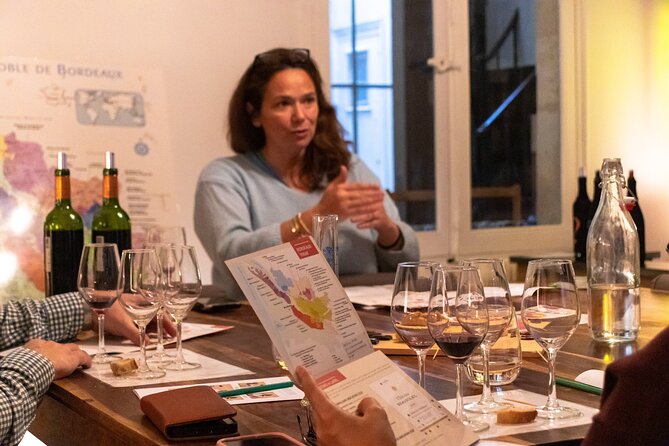
Wine makes Bordeaux feel personal. This 90-minute masterclass turns you from passive sipper into someone who can actually talk about what is in your glass, with a guided tasting that covers French regions and wine-label basics. I like that it is not just Bordeaux, you also sample wines from other key French areas before you start blending.
Two things I really like: you get hands-on tasting practice (color, aromas, and flavor clues), and you finish by making a custom blend using Merlot and Cabernet Sauvignon. The small group size (max 12) also keeps questions from getting lost, and the instructor keeps the energy friendly and interactive.
One possible drawback to think about first: if you are hoping for a heavy classroom lecture, you might find it more like an organized tasting lesson than a formal sommelier performance. Still, the structure is clear, and the pace leaves room to taste and compare, not just listen.
In This Review
- Key things to know before you go
- Entering the room: where the class starts in Bordeaux
- How long it takes and what pacing feels like
- The tasting curriculum: French regions, terroir, and how to read a label
- What you actually drink: multiple wines plus a guided comparison
- Appetizers that are not an afterthought
- The blending workshop: Merlot meets Cabernet
- Who leads your class: English delivery and the human factor
- Price and value: $54.42 for wine, food, and a skill you keep
- Small group energy, mobile tickets, and an easy morning plan
- Should you book this Bordeaux wine blending masterclass?
- FAQ
- What time does the Bordeaux wine masterclass start?
- How long is the workshop?
- Is the masterclass offered in English?
- How many people are in the group?
- What is included in the price?
- What is the minimum drinking age?
Key things to know before you go
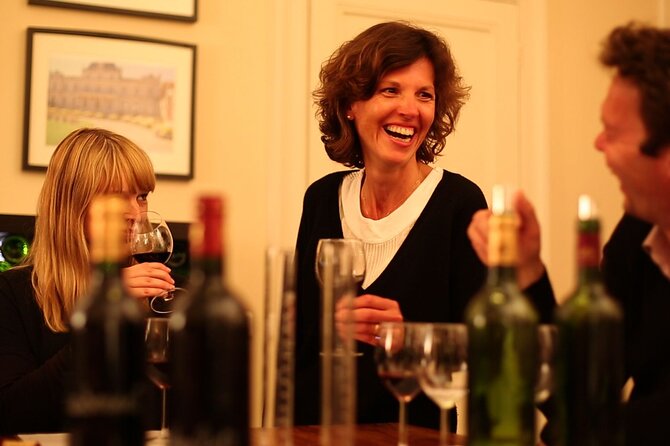
- Small-group tasting (max 12): you get time to ask questions and actually participate.
- You taste multiple French wines: the workshop includes samples from Bordeaux and beyond, not only one region.
- Label and vocabulary tools: terroir, appellation, and how to read a bottle come up in a practical way.
- Blend your own Bordeaux style: you build a Merlot and Cabernet Sauvignon mix and learn how choices change the result.
- Appetizers that match the lesson: cheese, cured meats, fresh bread, and even chocolate show up with the tasting.
Entering the room: where the class starts in Bordeaux
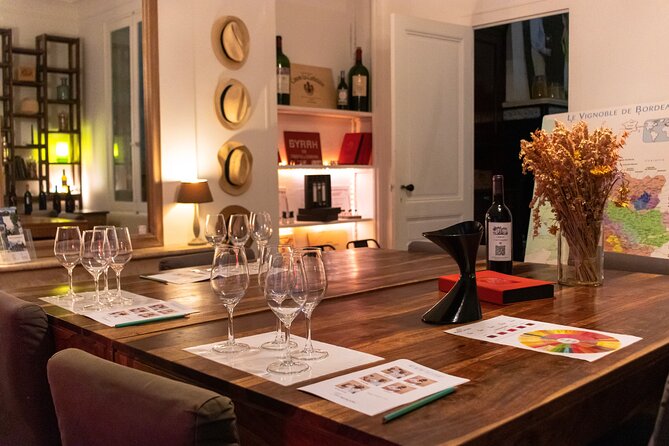
The session starts at 10:30 am at 3 Rue d’Enghien, 33000 Bordeaux. Expect a sit-down, wine-and-food format, not an outdoor walk, which is great if you want an easy plan in the middle of sightseeing.
This is also the kind of activity that fits well into a wine trip because it teaches you the language you need before you hit the vineyards. In plain terms, you will leave knowing how to describe what you like, not just saying it tastes good.
Bring a curious mindset. You will be smelling and tasting on purpose, with prompts that encourage you to notice what is happening in the glass.
How long it takes and what pacing feels like
The tour runs about 1 hour 30 minutes (approx.). The teaching style is tight and structured, with tasting moments spaced so you can learn, compare, and then apply the lesson right away.
If you are the kind of person who hates rushing food, you will still be fine because the snacks are part of the flow. If you are a total beginner, you will likely appreciate that the guide keeps explaining as you go, including how to interpret color and what aromas often signal.
The best part for timing is that it ends back at the start point, so you do not need to map a complicated route after class.
More Wine Tours in Bordeaux
- Bordeaux: Cité du Vin Entry Ticket and Wine Tasting
★ 4.6 · 3,885 reviews - Bordeaux: River Garonne Cruise with Glass of Wine and Canelé
★ 4.5 · 3,630 reviews - From Bordeaux: Afternoon Saint-Emilion Wine Tasting & snack
★ 4.8 · 1,581 reviews
The tasting curriculum: French regions, terroir, and how to read a label
This is not a random wine flight. The workshop is built around a guided tour of French wine logic, starting with the idea that French wines are organized by region and rules, not just by grape.
You will get an overview of major French wine regions, then taste wines tied to those places. The regions mentioned include Burgundy, Côtes du Rhône, Bordeaux, and the Loire Valley. You learn the terms terroir and appellation, which are the two big puzzle pieces behind why two bottles can taste different even when the grape family seems similar.
Then comes the practical part: you learn how to decipher a French wine label. That matters because when you later shop for wine, you will know what to look for and what you can ignore. Labels can feel like code. This class helps you turn that code into decisions you can make confidently.
During tastings, you also practice interpreting:
- the color (what it can hint at)
- the aromas (what to look for beyond fruit)
- the flavors and how to describe them
I like that the instruction is built for real use. You do not just taste once and move on. You taste, compare, then learn the words that help you remember.
What you actually drink: multiple wines plus a guided comparison
The tasting includes at least seven French wines, and the workshop is described as sampling eight different wines. Either way, the structure clearly supports comparison, because the whole point is training your senses and teaching you how blending decisions work.
Expect to taste across French styles rather than staying in one flavor lane. You will likely notice how grapes, climate, and production choices shift the scent profile and flavor weight. The goal is that you start developing preferences with reasons behind them.
One detail I really value in this setup is that the guide helps connect what you sense to what you are learning. So you are not left wondering why one glass seemed different, you are given a way to explain it.
If you enjoy a fun challenge, you might also get a blind-tasting style exercise. One guest specifically called out the blind tasting challenge as a highlight, and it fits perfectly with the class goal of training aroma and perception.
Appetizers that are not an afterthought
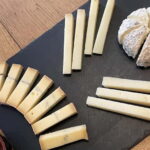
You will not just be drinking wine. You get a French appetizer platter that includes cheese, meat, and chocolate. The workshop also mentions hors d’oeuvres like cured meats, cheese, and fresh bread.
That food pairing matters more than it sounds. It gives your palate a baseline between pours and keeps the tasting from turning into a sugar and tannin blur.
What I like best is the balance. Cheese and cured meats complement red-wine structure, and fresh bread helps you reset between tastings. Chocolate adds a different contrast point, so you get a chance to notice sweetness and aroma shifts without it feeling random.
If you are expecting a full meal, this is not it. Think of it as planned snacks that support tasting. But for a 90-minute class, it is a smart setup that keeps the experience comfortable.
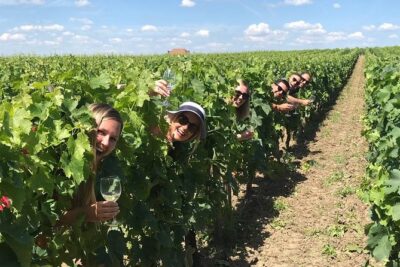
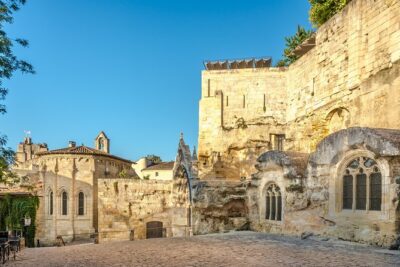
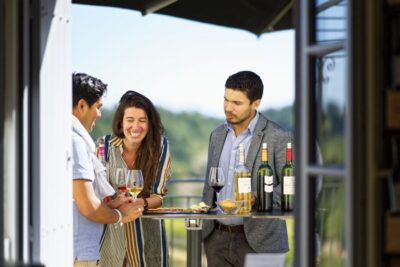
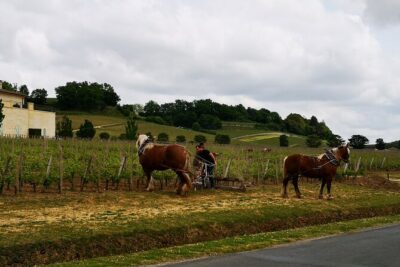
More French appellations, visited:
The blending workshop: Merlot meets Cabernet
This is the moment the class turns from information into a skill. Near the end, you create a custom blend using two Bordeaux varietals: Merlot and Cabernet Sauvignon.
Here is why I think this is worth the money. Blending turns tasting into problem solving. Instead of passively receiving flavor descriptions, you actively choose proportions, then taste the result. You start to understand why certain blends feel smoother, more structured, more aromatic, or more balanced.
The workshop also teaches you blending basics as you go. People can memorize wine terms, sure. But once you blend, those terms start to make sense because your palate is the measuring tool.
In at least one part of the experience, the class helps you discern differences tied to Bordeaux style comparisons, including how blends can change when you move between the wine profiles people associate with the East Bank and West Bank concepts. Even if you are not a Bordeaux nerd yet, you will pick up the idea that place and style show up in the glass.
And yes, you take away a diploma at the end. It is a small thing, but it is also a nice souvenir that says you completed something real, not just attended a tasting.
Who leads your class: English delivery and the human factor
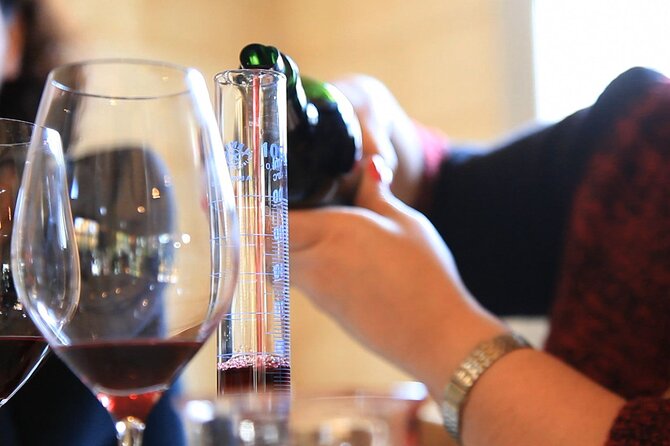
This experience is offered in English and is guided by a professional sommelier. In real life, the guide makes or breaks the class because wine tasting is sensory and a bit personal.
From the names listed with past sessions, instructors can include Gabriel, Vicky, Fabian, Chloe, Dorian, Carol, Remi, Hector, and Hugo. Your exact guide may differ, but the consistent theme is clear: the class encourages participation, answers questions, and keeps the tone relaxed.
I also like that the teaching approach is not about pretending wine is mystical. It is practical. You learn how to describe what you taste and why those descriptions matter.
One thing to be aware of is that at least one guest felt the presentation was more teacher-like than a formal sommelier style. If you strongly care about strict credentialing, you might want to set expectations that this is a guided workshop first, not a polished restaurant performance.
Price and value: $54.42 for wine, food, and a skill you keep
At $54.42 per person for roughly 1.5 to 2 hours, the value comes from three places:
- you taste multiple wines (at least seven, built around about eight samples)
- you eat planned pairings (cheese, cured meats, fresh bread, chocolate)
- you leave with a blending exercise you can actually remember and repeat in your own tasting life
That last part is the quiet bargain. The class teaches you how to not just identify what you like, but describe it. That skill will help you in Bordeaux shops, on future trips, and even when you are ordering wine at home.
If you are doing Bordeaux for the first time, I think this is one of the smarter ways to spend your time before winery visits. You will shop and taste with more confidence, and you will waste less money on random bottles.
Small group energy, mobile tickets, and an easy morning plan
With a maximum of 12 travelers, this does not feel like a factory tasting. You get enough attention to keep learning, even when you ask basic questions.
You also get a mobile ticket, which keeps things simple. No frantic paper ticket searches. Just have the ticket ready and arrive at the meeting point a bit early so you are not stressed.
Starting at 10:30 am is a nice advantage too. You can do this early, then build the rest of your day around Bordeaux neighborhoods, markets, or a vineyard follow-up.
No pets are allowed, and the minimum drinking age is 18, so plan accordingly if you are traveling as a family.
Should you book this Bordeaux wine blending masterclass?
If you want an educational wine experience without being snobby or stiff, I would book it. It is a great fit for both beginners and intermediate wine lovers because it gives you vocabulary and practice, then ends with a hands-on blend using Merlot and Cabernet Sauvignon.
Skip it only if you are looking for a full-day winery tour, transportation to vineyards, or a meal-heavy experience. This class is designed around tasting and learning, with snacks and a diploma, not a long excursion.
If you are pairing Bordeaux with vineyard visits, this is the kind of class that makes your later tastings click faster. You will know what to look for, what to smell, and how to describe what you like, which is the real souvenir.
FAQ
What time does the Bordeaux wine masterclass start?
It starts at 10:30 am. The activity ends back at the meeting point.
How long is the workshop?
The duration is listed as about 1 hour 30 minutes.
Is the masterclass offered in English?
Yes, it is offered in English.
How many people are in the group?
The group size is capped at a maximum of 12 travelers.
What is included in the price?
You get wine tasting with a professional sommelier guide, an appetizer platter (cheese, meat, chocolate), and tasting of multiple wines (included as 7 different wines, and the workshop also describes sampling eight wines).
What is the minimum drinking age?
The minimum drinking age is 18 years old.
More Workshops in Bordeaux
- Bordeaux: Introduction to Bordeaux Wines Tasting Workshop
★ 4.8 · 196 reviews - Bordeaux Super Saver Wine Tasting class and St Emilion region
★ 5.0 · 184 reviews - Guided Bordeaux Wine Tasting Class with 6 Wines and pairings
★ 4.9 · 181 reviews - Fragonard Paris: Mini Perfume Workshop
★ 4.5 · 1,924 reviews
Latest Bordeaux entries, notes attached
Wine Tours, compared.
Authentic Parisian Gourmet Food Tour with 10 Local Dishes & Wines
Read our review →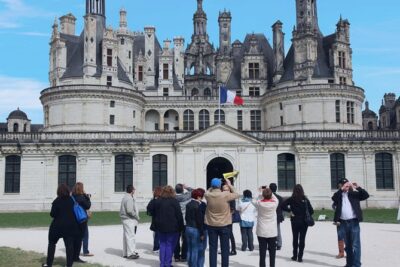
Loire Valley Castles Day Trip from Paris with Complementary Wine
Read our review →
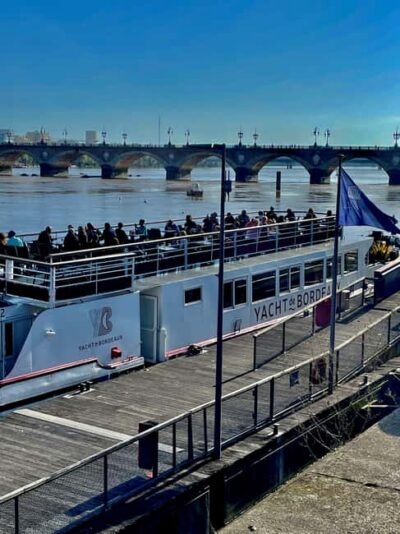
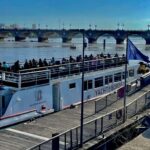
River Garonne Cruise with Glass of Wine and Canelé
Read our review →
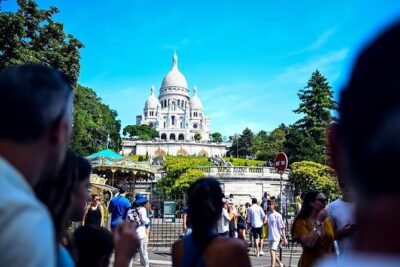
Montmartre Hill French Gourmet Food and Wine Tasting Walking Tour
Read our review →
Montmartre Cheese, Wine & Pastry Guided Walking Tour
Read our review →
Loire Valley Castles Day Trip With Wine Tasting
Read our review →
Paris 3-Courses Gourmet Dinner Seine River Cruise with Champagne
Read our review →This tour also appears in