
Reviewed · CHAMONIX & MONT BLANC TRIPS
Chamonix: Tandem Paragliding Flight with Mont-Blanc Views
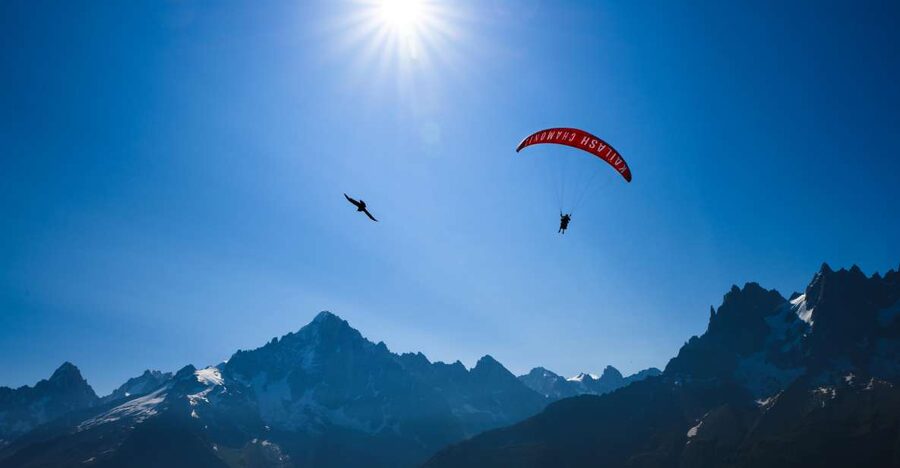
Chamonix from above hits fast, in the best way. This tandem paragliding flight lifts you off near Planpraz for sweeping Mont-Blanc Massif views, with a pilot coach who keeps the experience calm and step-by-step. I love how the setup feels structured (harness, helmet, clear instructions), and I love the way you get real coaching, not just a seat on someone else’s adventure. One thing to weigh is the added cost of the gondola lift since lift tickets are not included.
You’ll start at the gondola area, get geared up with a harness and helmet, then head up to the takeoff slope above the Chamonix Valley. Most of what you do happens with your instructor close by, from your first run on the gentle slope to the moments you’re learning to steer or enjoy optional in-air tricks. The total time booked is 1 hour, but the actual flight is about 20 minutes, so manage expectations if you want hours of sky time.
If you’re open to a little adrenaline, this is a seriously fun way to see the mountains from a perspective most people never get. The experience is family-friendly (ages 5 to 100), but it has limits: it’s not suitable for kids under 5 or anyone over 287 lbs (130 kg).
In This Review
- Key Things I’d Circle Before You Go
- Planpraz to Harness On, What This Flight Really Feels Like
- The Gear Up Moment: Harness, Helmet, and Instructor Coaching
- Going Up to Takeoff: Why the Timing and Position Matter
- The Takeoff Run: A Few Steps, Then Lift
- In the Air: Learning to Pilot Without Making It Complicated
- Chasing Mont-Blanc Views: Where to Look During Your 20 Minutes
- Optional Acrobatics: How to Decide If You Want Thrills
- Landing and the Let-Down That’s Actually a Compliment
- Price and Value: What $187 Gets You (and What It Does Not)
- Who This Tandem Paragliding Experience Is Best For
- A Quick Packing Checklist That Actually Helps
- Should You Book Kaïlash Parapente Tandem Paragliding in Chamonix?
- FAQ
- How long is the full experience, and how long are you actually flying?
- Where do I meet for the paragliding flight?
- What are the age and weight limits?
- What should I bring with me?
- Are GoPro photos and videos included?
- Is the gondola lift included in the price?
Key Things I’d Circle Before You Go
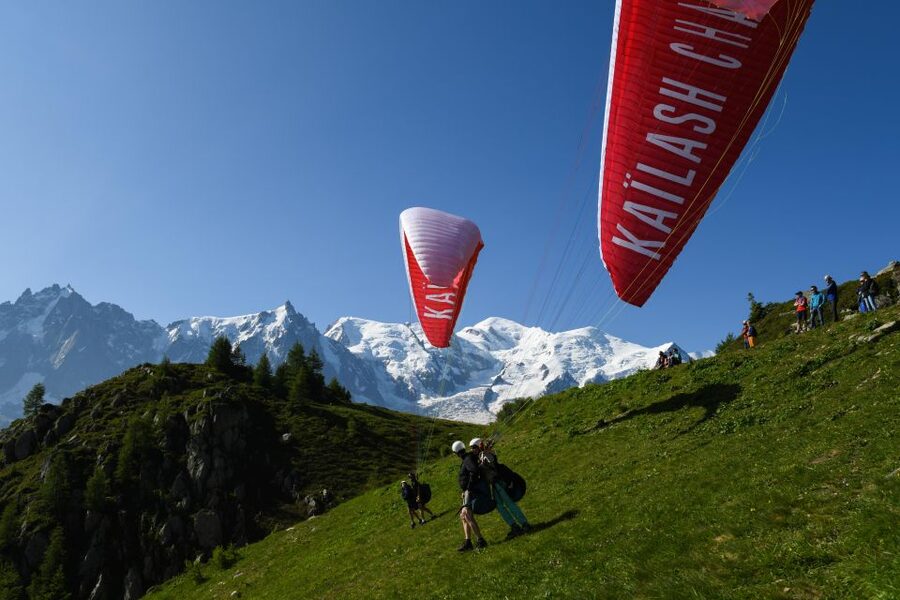
- Takeoff over the Chamonix Valley: You launch from high ground and feel the wind do the work right away.
- Real instruction in the air: You learn to pilot, with guidance from your flight instructor.
- Optional acrobatics: If you want thrills, you can add controlled turns and maneuvers mid-flight.
- Mont-Blanc views from an angle that feels new: You look at familiar peaks in a way that’s hard to describe until you’re there.
- Private group feel: You’re not juggling a crowd, which helps nerves and makes coaching easier.
- GoPro add-on is optional: Photos and video are extra, so you can decide how much you want to capture.
Planpraz to Harness On, What This Flight Really Feels Like
Chamonix is already a wow-factor town, but paragliding turns the volume up. What makes this experience special is the balance: you get the thrill of takeoff and open sky, and you also get a guided flow that keeps you focused on the next simple step.
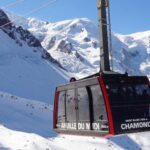
You’ll meet at Planpraz Gondola in front of the site map, between the cash desk and the departure gates. That location matters because it sets you up right for the “up we go, then gear up” rhythm. If you’re the type who hates wandering with a question mark in your head, this helps. Your crew meets you, fits your harness and helmet, then walks you through what happens next.
I also like that you’re not locked into one experience style. Some people want a smooth, calm glide. Others want the fun stuff in the air. The flight is designed so your pilot can match the energy level, and you can add optional acrobatics if you feel good.
The Gear Up Moment: Harness, Helmet, and Instructor Coaching
Before you ever run, you get the equipment fit and a quick safety and how-it-works briefing. You’ll wear a harness and helmet, and the instructor stays involved through the process. This isn’t a “good luck, see you later” situation.
Expect the coaching to be practical. In this activity, the goal is for you to understand what you might do (or not do) while airborne. Even if you don’t plan to “control” much, knowing what’s happening makes the whole flight feel less mysterious and more like a guided ride with sky views.
I’ve seen a pattern in the best flights: people feel safe because the instruction is clear. Several pilots named in the experience notes, including Francis, Ivan, Sebastian, David, Oliver, and Eric, are repeatedly praised for making passengers feel at ease and for giving confident, reassuring guidance. That shows up in how the flight is run: start gentle, explain what comes next, then gradually add fun.
More altitude out of Chamonix:
- Paragliding Tandem Flight over the Alps in Chamonix
★ 5.0 · 428 reviews - Chamonix: Tandem Paragliding Flight
★ 4.9 · 264 reviews - From Geneva: Chamonix Full-Day Ski Trip
★ 4.4 · 166 reviews
Going Up to Takeoff: Why the Timing and Position Matter
Once you’re set up, you head to the takeoff location high above the Chamonix Valley. This is where value lives. A lot of paragliding experiences are only about the moment you fly, but your takeoff position determines how quickly you get impressive views and how smooth the first minutes feel.
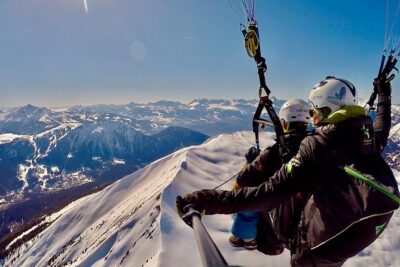
You’ll be facing toward Mont Blanc as you prepare to launch. That direction matters because it sets your visual payoff right away. You don’t spend your first moments turning your head to find the view, because the view is already positioned for you.
Wear what you’d wear for a cold, windy outdoor moment. Even in a mountain town, you can get chills when you’re up high and exposed. Comfortable clothes and a jacket are the right call, and sunglasses help because brightness on snowy or rocky peaks can be intense.
The Takeoff Run: A Few Steps, Then Lift
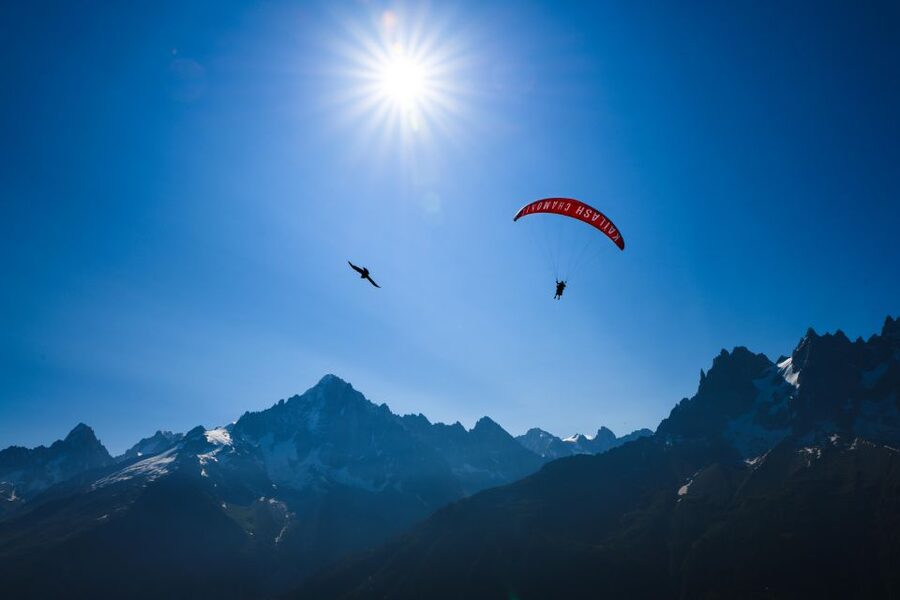
The flight begins with a short run on a gentle slope. It’s not a sprint, but it is your first physical moment of commitment. Your instructor helps at every step, and you’re coached until you’re ready to launch.
Then the wind does its job. One minute you’re grounding yourself, the next you’re sliding into flight and realizing your stomach and your eyes are about to tell the same story: this is real, and it’s beautiful.
In the experience notes, people describe the sensation as calm once you’re airborne, not chaotic. Several mention smooth transitions after a nervous start. If you’re worried about nerves, this is where the training style matters. A good pilot keeps your attention on simple cues, not on fear.
In the Air: Learning to Pilot Without Making It Complicated
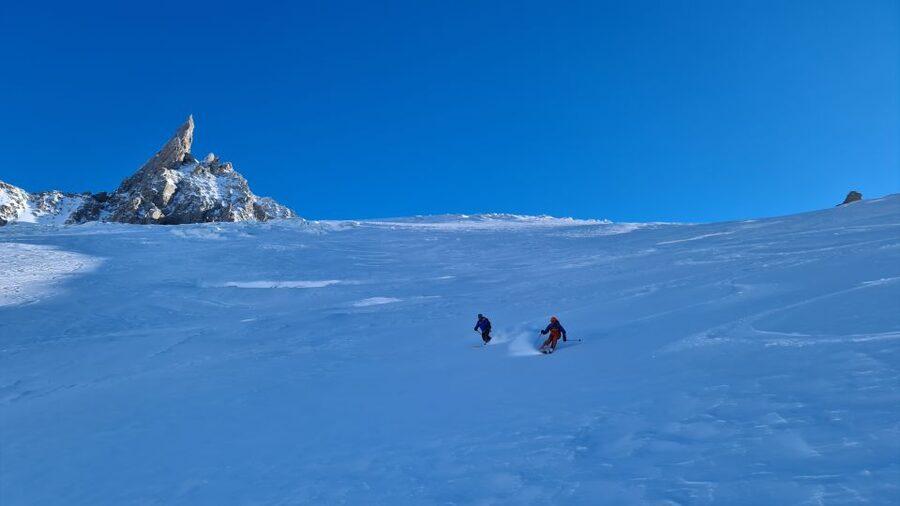
Here’s what you should know: this isn’t just a scenic ride. You’ll fly for at least 20 minutes, and you get pilot training during the flight. The instruction is meant to be understandable. You’ll learn tips and tricks about paragliding, and you can often steer or participate more than you’d expect for a tandem flight.
In the notes, multiple people mention that pilots let them take control briefly. Others mention enjoying turns, including fun maneuvers like 360s. Even if you choose a calmer flight, you’ll still get the basic understanding of how the system responds and how the instructor keeps the whole setup steady.
I like this approach for practical reasons. It turns your time in the sky from something you just watch into something you participate in. You don’t have to be athletic or technical. You just need to listen, then do what you’re told.
Also, if conditions bring a little turbulence, your pilot handles it. Light turbulence can happen up in mountainous air, and the experience notes include mentions of slight turbulence that didn’t spoil the trip. That’s another reason clear instruction is important, you want to know what to expect and trust that your pilot is managing it.
The Chamonix dossier continues:
Chasing Mont-Blanc Views: Where to Look During Your 20 Minutes
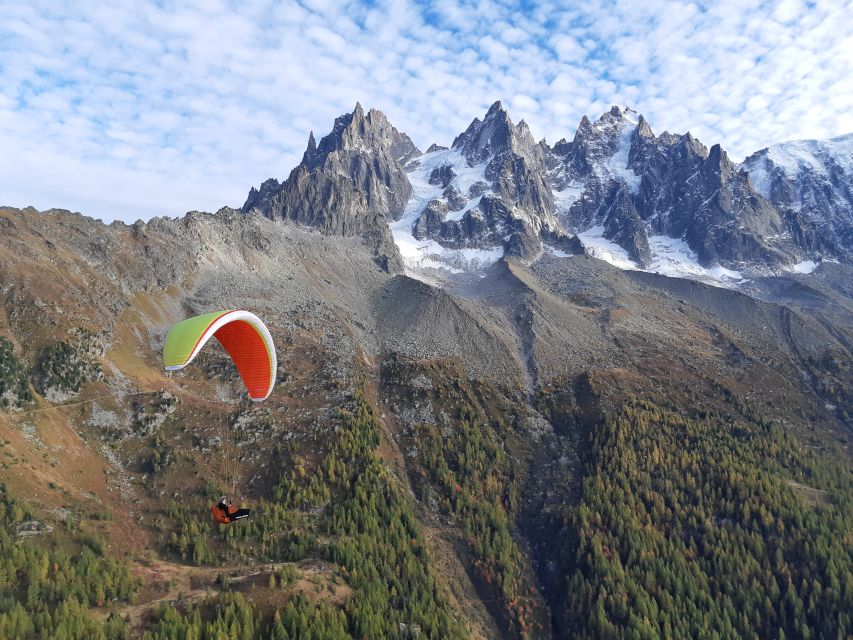
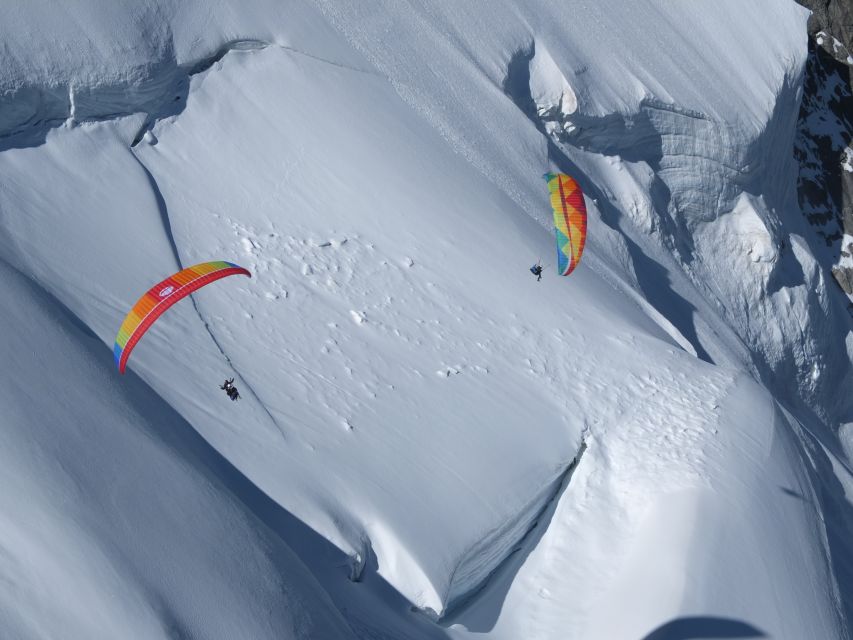
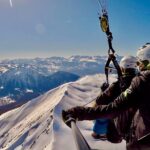
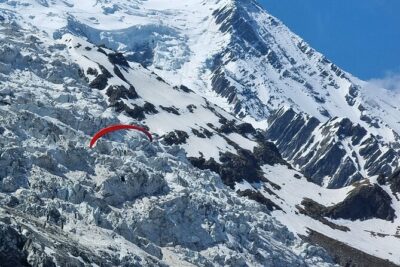
The big draw is the Mont-Blanc Massif from above Chamonix. The angle you get from the air changes how you perceive the valley, the mountain ridges, and the scale of the peaks. From the ground, Mont-Blanc can look intimidating and far away. From the air, it feels close enough to study.
So where should you look? Here’s my advice for your brain during the flight. Start forward first, keep your eyes on the main massif line. Then sweep left and right to take in how the valley opens beneath you. You’ll likely see the Chamonix area spread out in a way that makes the town’s geography click.
Some pilots are especially good at pointing out features. In the experience notes, people mention spectacular views toward areas like glaciers and the water features around the Mont-Blanc region, and even spotting wildlife such as chamois when conditions allowed. Wildlife isn’t guaranteed, but the point is: a great pilot doesn’t just fly, they help you notice what’s worth noticing.
If you want photos, this is where your body position matters. Keep your camera handy before you need it, and don’t wait until you’re already airborne and distracted. Also, sunglasses stay useful, even if you’re not a huge photo person.
Optional Acrobatics: How to Decide If You Want Thrills
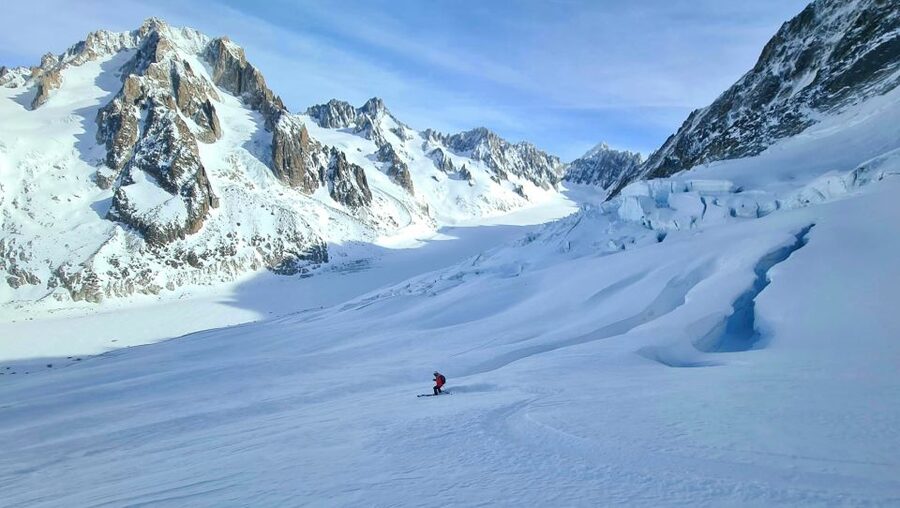
If you want excitement, this flight includes optional in-air acrobatics. That can mean anything from more dynamic turns to maneuvering that feels more like a roller coaster than a glide, while still staying under your pilot’s control.
How do you decide? Trust your comfort level. If you’re nervous about flying, you can ask your pilot to keep it smooth and save any tricks for later. If you love controlled adrenaline, you can say you want the fun part earlier.
The experience notes include repeated praise for pilots who adapt to what their passenger wants. People mention roller-coaster-like movements after sharing their preferences, and others describe doing crazy tricks at the end. The theme is consistent: you’re not forced into thrills, but you can get them if you ask and if your pilot feels the conditions are right.
This is also a good chance to stop worrying about safety as a vague concept and start thinking of it as active management. Your instructor runs the operation, and your job is to listen and follow simple cues. When you do that, your nerves usually shrink fast.
Landing and the Let-Down That’s Actually a Compliment
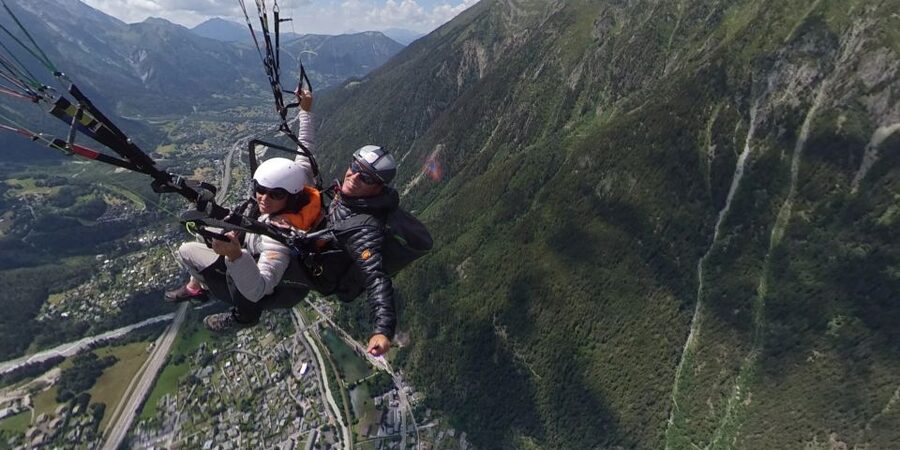
Landing is usually smooth in tandem paragliding when the pilot is on top of the approach. The notes include mentions of smooth landings and simple takeoffs and landings that feel easy once you’re in the flow.
You’ll leave with a mix of relief and disbelief. Relief because you made it safely and comfortably. Disbelief because, until you’re up there, it’s hard to grasp what a mountain valley looks like from above.
If you add acrobatics, expect your emotions to be extra high. Don’t fight the feeling, just let the adrenaline cool down before you rush off. Take a minute to breathe, then decide if you want optional photo and video.
Price and Value: What $187 Gets You (and What It Does Not)
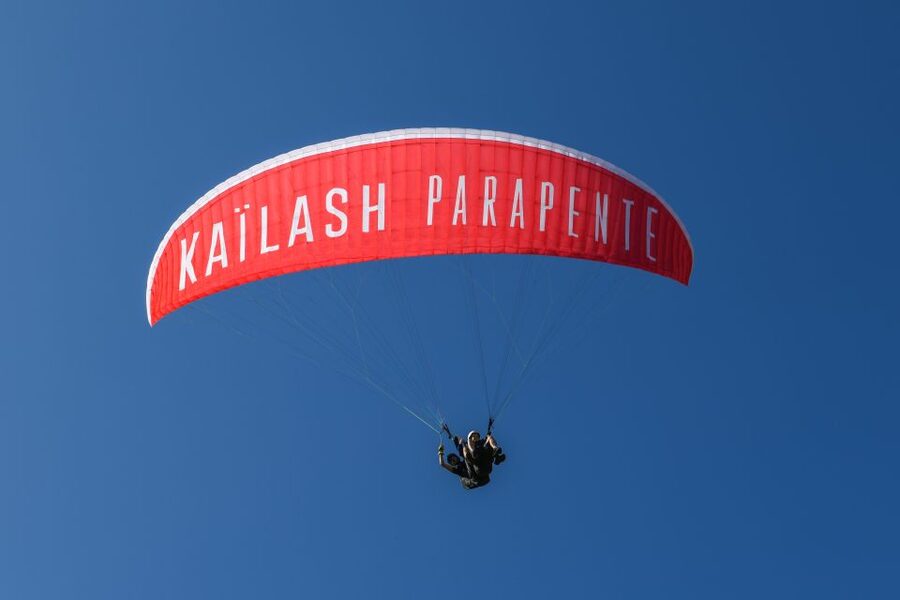
At around $187 per person, you’re paying for more than a seat in a paraglider. You’re paying for:
- A trained instructor presence from gear-up through the flight
- Pilot training during the airborne portion
- A flight that lasts about 20 minutes, with the real coaching time built in
- Equipment that’s described as well maintained
This is a key value point. If you compare it to tours that are mainly sightseeing, the instruction and the chance to steer make it feel more like an activity than a transfer. You’re not only looking, you’re doing.
Two cost-related considerations matter:
- GoPro photos and videos are optional and cost extra. You can skip them if you already plan to bring your own camera.
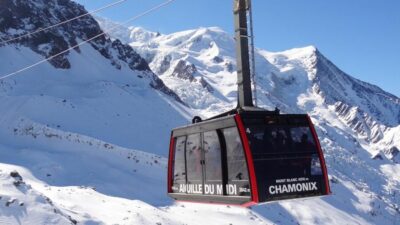
- Lift tickets are not included. You’re meeting at Planpraz Gondola, so plan on paying for the gondola ride separately if you don’t already have access.
You’ll also want to factor in basics: comfortable shoes and a jacket. Those are not “extra fees,” but they protect your comfort and make the day smoother.
Who This Tandem Paragliding Experience Is Best For
This fits a wide range of people because it’s tandem and instructor-led. The activity is open from age 5 up to 100, but there’s a weight cap of 287 lbs (130 kg).
You’ll enjoy it most if:
- You want a memorable mountain view that’s genuinely different from the usual cable car viewpoints
- You like learning something new, even if it’s “learn a little” instead of “learn a trade”
- You’re curious about controlled thrills and want a pilot to handle the hard parts
It’s not ideal if you:
- Want a long duration in the air. The flight itself is about 20 minutes.
- Have limits that affect running a few steps on uneven or sloped terrain. You can’t assume you’ll walk out and do nothing, you do participate in takeoff with a short run.
A Quick Packing Checklist That Actually Helps
Bring comfortable shoes, because you’ll run a few steps during takeoff. Add sunglasses, since the brightness up there can be intense. Wear comfortable clothes and bring a jacket, even if the day feels warm at the base.
If you’re bringing a GoPro, note that GoPro photos and videos from the provider are optional, so you can decide based on whether you want edited material or just your own raw footage.
If you tend to get cold in wind, bundle slightly. Mountain air doesn’t care how sunny it was an hour ago.
Should You Book Kaïlash Parapente Tandem Paragliding in Chamonix?
I’d book it if you want a top-tier Chamonix “wow” that doesn’t require training for months. The combination of coaching, the chance to learn to pilot, and optional acrobatics makes it flexible. You can go calm or go thrill-seeker, and your pilot can adapt.
I’d think twice if you’re chasing lots of time in the air. The total booked experience is 1 hour, but expect about 20 minutes flying. That said, those 20 minutes are packed, and the views plus the instruction are exactly the kind of value that tends to justify the cost.
Final tip: pick your guide style with your mouth, not your mind. If you’re nervous, say it early. If you want tricks, say it early too. The pilots highlighted in the experience notes, like Sebastian, David, Francis, Ivan, Oliver, and Eric, are repeatedly praised for making passengers feel safe and for tailoring the flight to the person in the harness.
FAQ
How long is the full experience, and how long are you actually flying?
The total experience is about 1 hour, and the duration of the flight is about 20 minutes.
Where do I meet for the paragliding flight?
Meet at Planpraz Gondola in front of the site map of Planpraz/Brévent, between the cash desk and the departure gates.
What are the age and weight limits?
The experience is not suitable for children under 5 years old, and it has a weight limit of 287 lbs (130 kg).
What should I bring with me?
Bring comfortable shoes, sunglasses, a jacket, and comfortable clothes.
Are GoPro photos and videos included?
No. GoPro photos and videos are optional for an additional fee.
Is the gondola lift included in the price?
Tickets for the lift are not included.
Latest Chamonix entries, notes attached
Chamonix & Mont Blanc Trips, compared.
Paragliding Tandem Flight over the Alps in Chamonix
Read our review →
This tour also appears in