
Reviewed · LOIRE CASTLES TOURS
Chateau Gaillard Royal Domain Admission Ticket
Oranges and power politics live here. Château Gaillard is a small Loire Valley palace with a big story, from Charles VIII’s Renaissance ambitions to the first orange trees brought to France. I love how the visit is focused, not overwhelming, and I really like the orangery-and-citrus payoff at the end. One thing to consider: this experience is mostly a self-paced admission with a French guide option, so if you want English guiding the whole time, plan accordingly.
The chateau and gardens feel intentionally kept at a human scale. I also like that you get a proper art historian guide option through the free French guided tours, so you can switch between wandering and listening. My only caution is practical, the site is entered on foot, so comfortable shoes are worth more than looking stylish.
In This Review
- Key things I’d clock before you go
- Château Gaillard in one breath: why this ticket feels smart value
- Walking into the palace: Charles VIII’s Renaissance palazzotto
- The art and collections you actually want to see
- The Renaissance gardens and how the story keeps moving
- The orangery: the Charles VIII orange-tree moment
- Seven paths of Paradise, plus caves and citrus scent
- The citrus bar: tastings that make the ticket feel real
- English options and where a free French tour fits in
- Time on site, group size, and how not to rush it
- Practical location note: Amboise area, on foot access
- Who this Château Gaillard ticket is best for
- Should you book this Château Gaillard admission ticket?
Key things I’d clock before you go

- A 2 to 3 hour visit that stays manageable, even if you hate rushing
- Renaissance rooms tied to real people like Anne de Bretagne and Mary Stuart
- Orange-tree history connected to Charles VIII and the gardener Dom Pacello da Mercoliano
- Seven walking paths of Paradise plus caves, with citrus scent everywhere
- Citrus bar tastings like honey of heaven, orange blossom jelly, orange cake, and juice
- Maximum of 40 people, which helps keep the mood calm
Château Gaillard in one breath: why this ticket feels smart value
Château Gaillard is priced at $24.14 per person, and I think that’s a fair deal for what you actually get. You’re paying for more than walls. You’re getting a guided lens on art and a narrative thread through the gardens and orangery. For most people, the whole experience lands around 2 to 3 hours, which means you’re not bleeding your day to see one site.
The best part is the way the place tells its story without trying to be a theme park. You can wander the palace rooms, then follow the orange-tree plot all the way into the garden paths and the greenhouses. And because the group size is capped at 40, the experience stays walkable and not chaotic.
Is it a huge royal complex? No. It’s more like a carefully restored, working-feeling estate. That’s why it works so well for travelers who want something authentic, a bit intimate, and still packed with detail.
Walking into the palace: Charles VIII’s Renaissance palazzotto
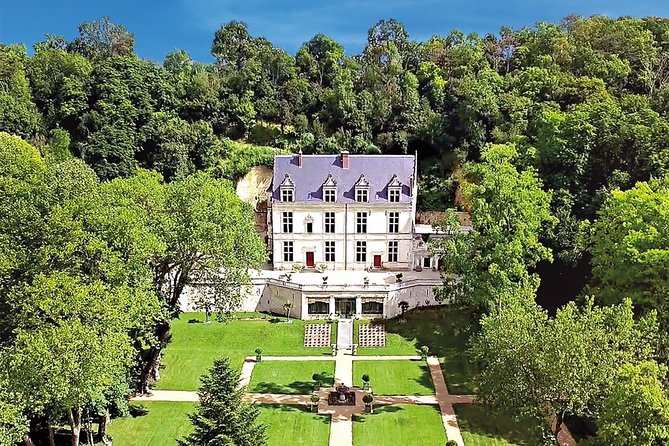
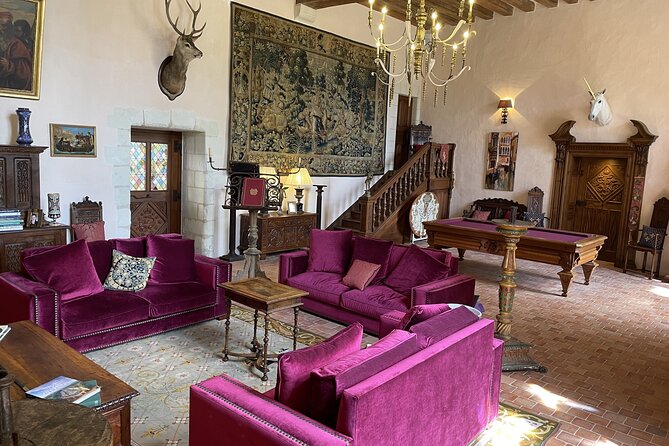
Your visit starts at the chateau, a palazzotto associated with Charles VIII. This is the kind of place where the “setting” matters. Instead of being one frozen moment, it’s been shaped through centuries, and it’s connected to major figures of the French Renaissance.
I like how the experience frames the palace as a living meeting point for power and culture. You’re not just looking at furniture and portraits. You’re also being pointed toward the human chain of who came through, including Louis XII, Anne de Bretagne, François I, Catherine de Medici, and Mary Stuart. Even if you’re not a hardcore history person, that name-checking gives you a map in your head, and it makes the rooms feel more specific.
A practical note: people describe Château Gaillard as charming rather than shiny. The restoration work is real, and the collections are impressive, but the vibe is old and lived-in. If you’re the type who needs everything to look brand-new for the photos, you might find it less glossy than other chateaux. If you want character, you’ll probably enjoy it.
More Loire chateaux by the day:
- From Paris: Full-Day Loire Valley Chateaux Tour
★ 4.4 · 1,269 reviews - Loire Valley Day Tour Chambord and Chenonceau plus Lunch at a Private Castle
★ 5.0 · 380 reviews - From Paris: Small-Group Loire Valley Castles Full-Day Tour
★ 4.8 · 244 reviews
The art and collections you actually want to see
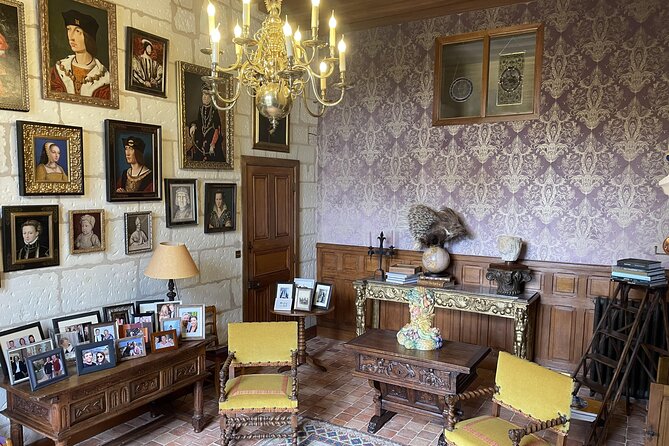
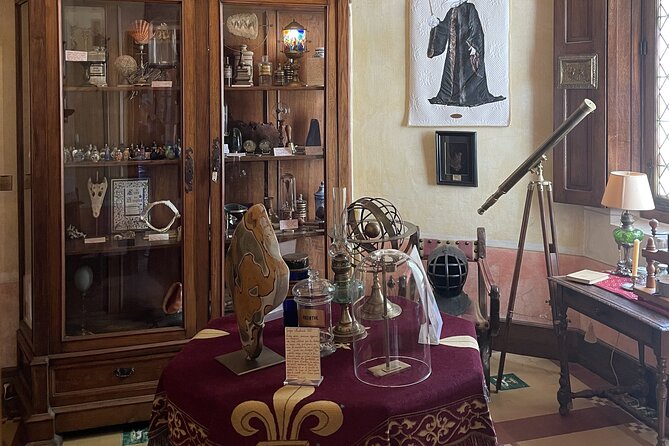
Inside, the collections focus on Renaissance-era pieces and the layers of what the estate has held over time. There’s mention of a full renovation carried out over five years by “Master of Art” artisans, with 300 workers from the Loire Valley. That kind of local craftsmanship matters because it explains why the place feels restored without looking over-engineered.
What I find especially useful is that you’re guided toward standout objects and themes, not just shown a room-by-room checklist. You can expect to encounter unique 16th-century art and references to major names like Rembrandt and Titien. The glasswork is a big visual hook too, with mention of about 8,000 handmade glass windows.
There’s also cultural variety you can feel in the interior décor. For example, you might come across a Comedia dell Arte tapestry, and you’ll see Italian collections referenced as part of the story. If you like art that shows off storytelling, this stop is a win.
One room detail to know: there’s a special mention of Mary Stuart’s room, described as a space tied to her time at Château Gaillard after her marriage. Even if your itinerary doesn’t linger long here, it’s worth slowing down, because this is where the history becomes intimate instead of abstract.
The Renaissance gardens and how the story keeps moving
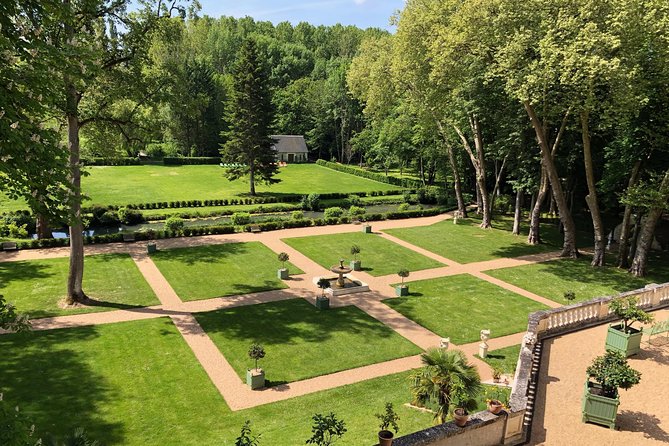
After the palace, the tone shifts from indoor art to outdoor atmosphere. Château Gaillard is famous for its Renaissance gardens, and the route is set up so you don’t just wander randomly. You move through a landscaped system connected to a key theme: the “royal” origins of the gardens.
You’ll find a mention of a 15-hectare park created with the help of Dom Pacello da Mercoliano, a Neapolitan monk and master gardener. That name is more than trivia. It’s the backbone of how the garden becomes part of the national story of plants, food, and prestige.
The route includes seven walking paths called Paradise. I love this kind of structure because it gives your legs a job and your brain a sequence. If you’re the type who gets restless without a plan, follow the paths instead of cutting across.
You’ll also see cues in the terrain, including caves in the hill. That’s a great change of pace on a sunny day, and it helps break up the garden walking into distinct “chapters.”
The orangery: the Charles VIII orange-tree moment
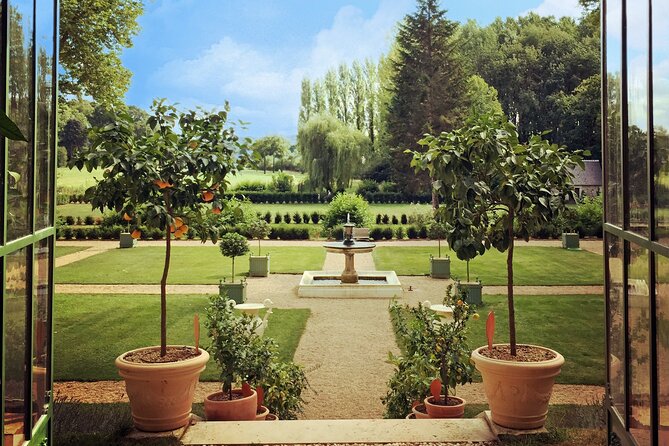
Here’s the reason Château Gaillard sticks in my mind. It’s not just a garden with pretty trees. It’s tied to the acclimatization of the first orange trees in France.
In 1496, Charles VIII is said to have brought back in his luggage Dom Pacello da Mercoliano, described as the greatest master gardener of Europe. Then in 1500, the estate becomes “Les Jardins du Roy,” and Pacello is set up to develop the garden around royal cultivation and annual gifts to the king.
This is where the visit turns sensory. You’ll discover the royal orangery and learn how the orange-tree introduction became a prestige project, not just horticulture. The route pushes you to smell the citrus in the greenhouses, so you get the theme through your nose, not just through explanations.
I also like the detail about what Pacello developed, including the beginnings of French-style gardens and a new variety of plums called greengage. That small note helps the whole garden story feel grounded in real plant breeding and daily work, not just royal theater.
Other Tours bookings in the margin notes




Seven paths of Paradise, plus caves and citrus scent
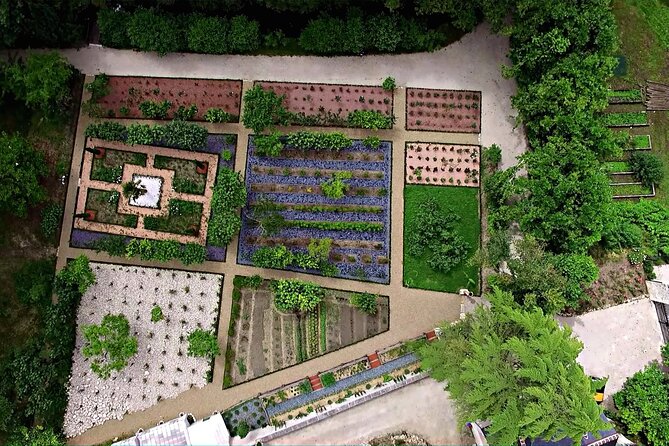
When you step into the gardens, think of it as a slow walk through a curated set of experiences. The paths of Paradise are designed to change your view and pace. You’re not just looking at plants. You’re moving through designed perspective.
There are also caves in the hill. Even if you don’t spend ages in them, the presence of caves adds texture, and it gives the gardens a little drama. On a hot day, caves can feel like a natural cooldown.
And then there’s the orangery zone, where the citrus scent becomes unavoidable. This is one of those details that makes the gardens memorable even if you forget the exact botanics. The whole point is that you can literally smell what the story is about.
If you want to make the most of this, I suggest building in small pauses. Don’t race through the paths. Stop when the view opens up, then continue. With a 2 to 3 hour total, you have time for that.
The citrus bar: tastings that make the ticket feel real
The visit ends at the citrus bar, and this is where the experience pays off. You can taste the honey of heaven, orange blossom jelly, homemade orange cake, and freshly pressed orange juice.
That kind of finish is more than a sweet souvenir moment. It connects the whole orange-tree narrative to something you can actually eat. If you’ve toured other gardens where you just look and take a photo, this feels more complete.
There’s also mention of blood orange wine at the bar. One traveler even said it was delicious and bought a bottle to take away. I don’t know what each tasting includes in your exact ticket flow, but the concept is consistent: expect citrus-forward treats as part of the atmosphere.
If you’re traveling with kids, this ending often wins them over. If you’re an adult who thinks you won’t enjoy tastings, you might still like this one because it ties directly to the orange story, not generic samples.
English options and where a free French tour fits in
The ticket is offered in English, and you can choose to join optional free guided tours in French. The included element is a professional art historian guide connected to those free tours.
So you’re not locked into French, but the site gives you a path to learn more if you enjoy hearing expert context. I like this setup because you can tailor your learning level. You can wander on your own through the rooms and gardens, then pop into a French-led segment when you want names, details, and art references.
Because the format isn’t described as a full English guided tour, plan to use the guide option strategically. Pick one or two moments you care about most: either the palace art and Renaissance collections, or the orangery and horticultural story.
Time on site, group size, and how not to rush it
You’re looking at about 2 to 3 hours. That’s enough time to see the highlights without becoming a blur, especially since the group size is capped at 40.
Smaller groups matter here because the palace rooms and garden routes can feel intimate. If you’ve ever been stuck in a crowd at a historic site, you know how the pacing gets ruined. With this cap, you’re more likely to have space to stop, read what you want, and take your time near the orange story points.
Pedestrian access only is another reason to plan your walking pace. Comfortable shoes help, even if you don’t plan to cover every garden corner.
Practical location note: Amboise area, on foot access
The site is listed with pedestrian access at 29 allée du Pont Moulin, 37400 Amboise, near public transportation. So you’re in the right Loire Valley orbit, even if the general location is described broadly as Tours.
This is one of those stops where getting off the bus and walking the final bit is normal. If you’re combining it with other Amboise sights, leave room for travel time plus the walk inside the estate.
Who this Château Gaillard ticket is best for
This is a great fit if you like Renaissance art but don’t want a mega-site that eats your whole day. It’s also ideal if you care about food, plants, and how horticulture connects to power and culture.
I’d particularly recommend it for:
- Couples who want a calm, romantic-feeling garden walk plus art
- People who like sensory travel, because the citrus scent and tastings are central
- Travelers who enjoy specific historical names and would like context beyond a plaque
- Anyone visiting the Loire Valley who wants something a little smaller and less crowded
It may be less ideal if:
- You need a fully guided English tour throughout
- You prefer very large, grand-scale palaces with long self-guided trails
- You dislike walking, since pedestrian access is part of the experience
Should you book this Château Gaillard admission ticket?
Yes, I’d book it if you want a compact Loire Valley stop with both art and an orangery story that actually goes somewhere. The price is reasonable for a 2 to 3 hour visit, especially because the ending includes citrus tastings like orange cake and juice, plus the option to join a free French art historian tour.
Book in advance to lock in admission, and if you can, plan it for a time when you’re not rushing to the next stop. I’d also come with comfortable shoes and an appetite for citrus.
If you’re the type who enjoys small-group atmosphere and wants a Renaissance palace that feels more human-sized than grand and distant, this is a smart choice.
Latest Tours entries, notes attached







Loire Castles Tours, compared.

Loire Valley Castles Day Trip from Paris with Complementary Wine
Read our review →

Loire Valley Castles Day Trip With Wine Tasting
Read our review →


Loire Valley Castles Trip with Chenonceau and Chambord from Paris
Read our review →
Amboise: Clos Lucé Castle, Da Vinci Park and Museum Ticket
Read our review →
Loire Valley Wine and Castles Small-Group Day Trip from Paris
Read our review →This tour also appears in