Reviewed · TICKETS
Château of Azay-le-Rideau Entry Ticket
Renaissance on a river island is rare. The château at Azay-le-Rideau sits on an Indre River island, and the restoration brings it to life through the 19th-century living and dining rooms of the Marquis of Biencourt. It’s also UNESCO-protected, so you get that rare feeling of a working heritage site, not just a scenic backdrop.
The main drawback is time: you’re looking at about 1.5 hours on average, so if you want long, deep theatrical scenes and slow wandering, you may feel a bit rushed.
In This Review
- Key points to know before you go
- Azay-le-Rideau on an island, and why that changes the whole experience
- Price and value: what about $15 really buys you
- Entering the château: the exterior details worth slowing down for
- A fast-moving, small-group visit that still feels thorough
- How the château’s story layers the Renaissance, royal power, and restoration
- The royal apartment tied to Louis XIII (and what to watch for)
- The Marquis of Biencourt living room and dining room you should prioritize
- Kitchen staging and the new interpretation area: what feels modern in a historical space
- Park time, tea rooms, and why your break should be planned
- Good to know before you go: timing, ID, and what’s not allowed
- Should you book the Château of Azay-le-Rideau entry ticket?
- FAQ
- How long should I plan for my visit?
- What languages are available for the tour?
- Are tea rooms included, and when are they open?
- Is the château wheelchair accessible?
- What do I need to bring at the ticketing station?
- Are strollers or large bags allowed?
- Can I take photos with flash?
- Is there free entry for some visitors?
Key points to know before you go
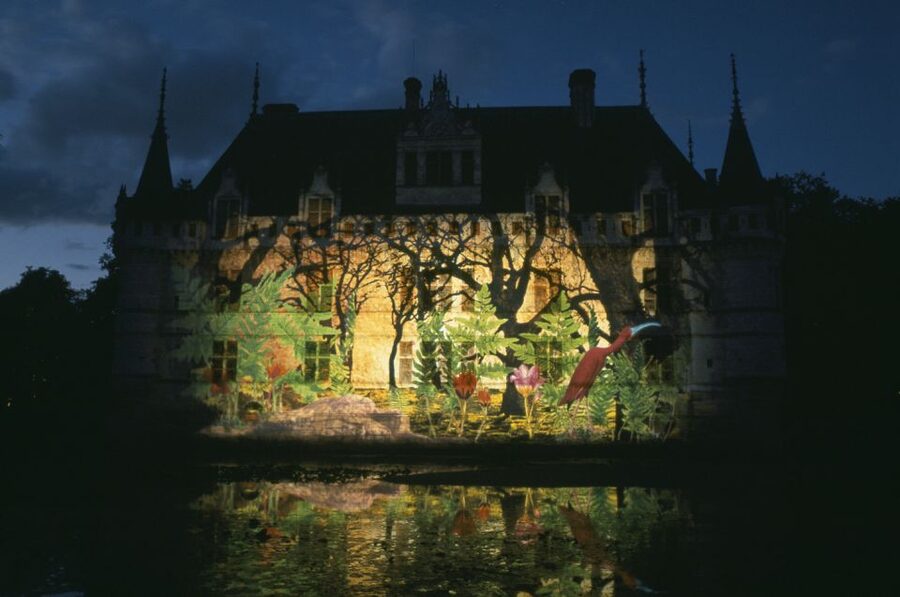
- Island setting, instant drama: the château rises from the Indre, with façades overlooking the lakes.
- Restoration makes the visit feel new: highlighted collections, a guided-style tour path, and mobile tour guide applications.
- Marquis of Biencourt rooms: the 19th-century living room and dining room are a must-see.
- Kitchen atmosphere plus interpretation: staged presentation and a new interpretation area help connect the rooms.
- Short, focused visit: small group size and a tight average duration make it efficient.
Azay-le-Rideau on an island, and why that changes the whole experience
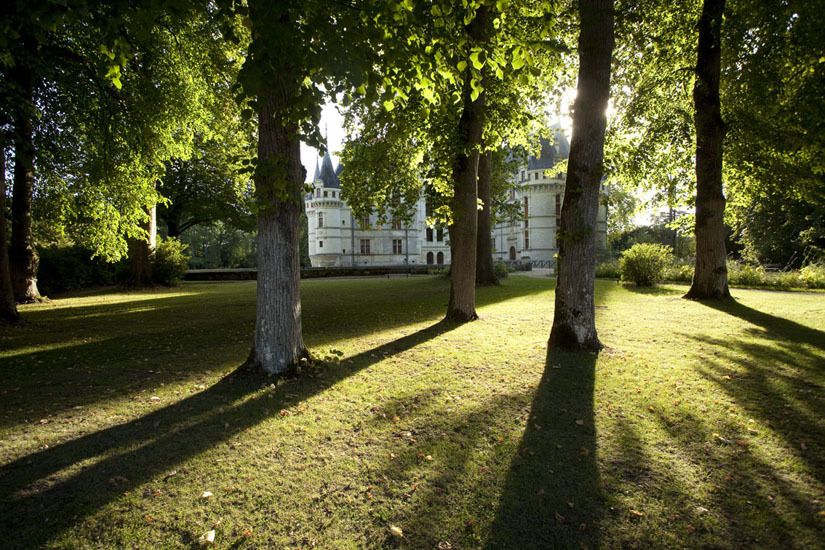
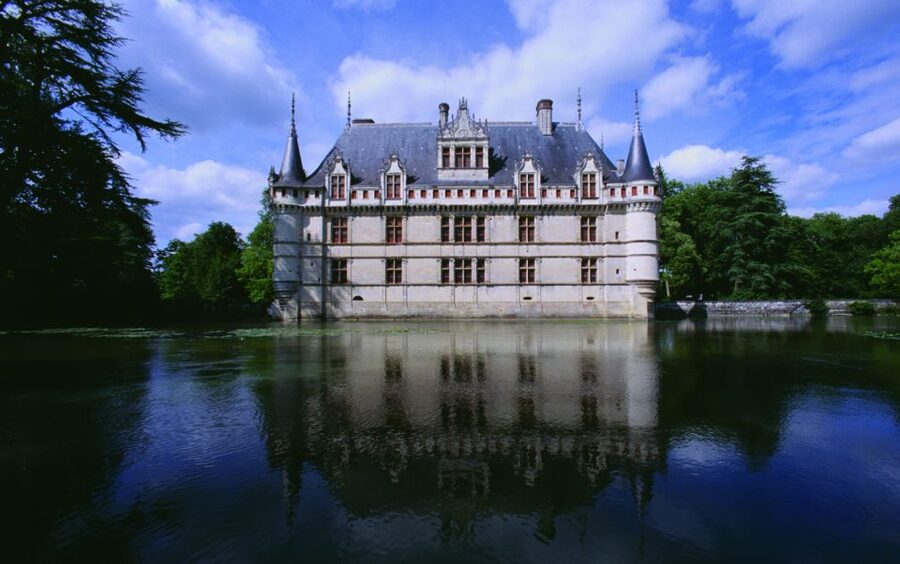
Azay-le-Rideau is the kind of château that makes you pay attention before you even buy anything. The building is set on an island in the Indre River, so the views feel designed rather than accidental. From outside, you’ll notice the façades that look over the water, plus gothic motifs mixed into the overall Renaissance feel.
That island setting is more than pretty. It affects light, sightlines, and even how you move through the grounds. You get those classic Loire Valley reflections, and you also feel that the château has a built-in rhythm, like it was made to be approached from specific angles.
Then there’s the romantic park angle. After centuries of ownership, the château sits within a 19th-century park that turns this from “just a building” into an enjoyable half-day outing. You’re not stuck staring at stone walls. You can breathe, look, and reset your eyes between interior rooms.
Price and value: what about $15 really buys you
At around $15 per person, this ticket is priced like a practical add-on to a Loire Valley day, not a long, expensive excursion. The value comes from two things: coverage and context.
First, you get entry to a UNESCO-protected château with multiple time periods layered inside. You’re not paying to see only one era. You’ll encounter Renaissance ornamentation, gothic motifs, a royal apartment associated with Louis XIII, and later 19th-century décor tied to the Marquis of Biencourt.
Second, the restoration programme changes how you experience the site. You’ll see new highlighted collections and a dream-like tour path, plus mobile tour guide applications that help you connect what you’re looking at with what it means. In other words, you’re not just collecting photos. You’re getting a guided-feeling route through the château at your own pace.
One more value point: tea rooms are part of the experience during the season. If you’re visiting between April 1 and September 30, that’s a nice way to turn a quick château stop into a calmer break.
Entering the château: the exterior details worth slowing down for
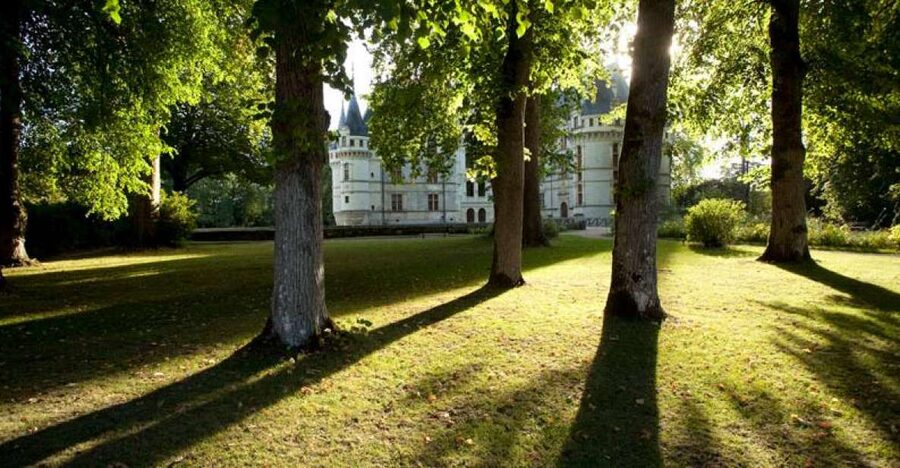
Before you rush indoors, take a few minutes for the exterior. At Azay-le-Rideau, the stonework does a lot of talking.
Look for the Renaissance ornamentation around openings and corners, and keep an eye out for gothic motifs that show up in the decorative language. The château’s composition also includes overhanging corner turrets, giving the building a slightly theatrical silhouette, especially when you catch it from the right side.
If you like architecture, this is a good château to visit with your eyes turned outward. The façades overlooking the lakes create a strong frame for the building, so even quick glances feel rewarding. And because it’s on water, small changes in position give you new views quickly.
A fast-moving, small-group visit that still feels thorough
This is set up as a small-group experience, limited to 10 participants. That matters because it reduces the “herded crowd” effect you sometimes get at major châteaux. You still move through in a structured way, but you should feel more comfortable pausing when something catches your eye.
Your average visit time is about 1.5 hours, and that tends to be a good match for what’s offered. The restoration and interpretation approach focuses you on key rooms and connections rather than asking you to memorize everything in one go.
Guided tours are in French, and audio guides are available in French, English, German, Italian, and Spanish. So if you don’t speak French, you still have strong options. The idea is to let you follow the story even if the live portion isn’t in your language.
If you’re the kind of traveler who likes efficiency, this visit style should work well. If you want to linger for hours in every room, you might end up wishing for more time.
How the château’s story layers the Renaissance, royal power, and restoration
Azay-le-Rideau didn’t come from nowhere. It was rebuilt and reshaped by owners who each left a mark, and the château’s interior experience reflects that layering.
In 1510, Gilles Berthelot acquired the seigneurie and fortress of Azay and rebuilt it in the Italian style popular at the time. That early Renaissance rebuilding is a big reason the château feels so different from older medieval fortresses. You can often sense that transition in the way the château is composed and decorated.
Later, Berthelot fled after a relative named Semblança was accused of embezzlement and executed. Then François I is part of the chain too. The château was given by François I to Antoine Rafin and his descendants, who lived there until the 18th century.
In the 18th century and beyond, the château changed hands and eventually became associated with the Marquis Charles de Biencourt, who is credited with the château’s beautiful gardens. Today, you get that outcome in the experience: not only a building, but a park setting shaped for romance and walking.
When you’re inside, try to keep that ownership timeline in your head. It makes the room-to-room shifts more meaningful, especially when you hit the royal-era section tied to Louis XIII.
The royal apartment tied to Louis XIII (and what to watch for)
One highlight that gives Azay-le-Rideau extra weight is the royal apartment used by Louis XIII in 1619. This is one of those moments where a château stop becomes more than visual pleasure. You’re not just seeing décor, you’re seeing a room type associated with a monarch’s presence.
The data emphasizes that the site includes this royal apartment as part of its protected, UNESCO-level heritage. If you’re the type who likes to connect spaces to power, this is a key stop.
When you move through, pay attention to how the layout and ornamentation shift from the broader Renaissance feel into a more “official” royal atmosphere. Even if you’re using audio, listen for the way the interpretation frames the significance of Louis XIII’s stay. That context helps you see why certain rooms matter more than others.
The Marquis of Biencourt living room and dining room you should prioritize
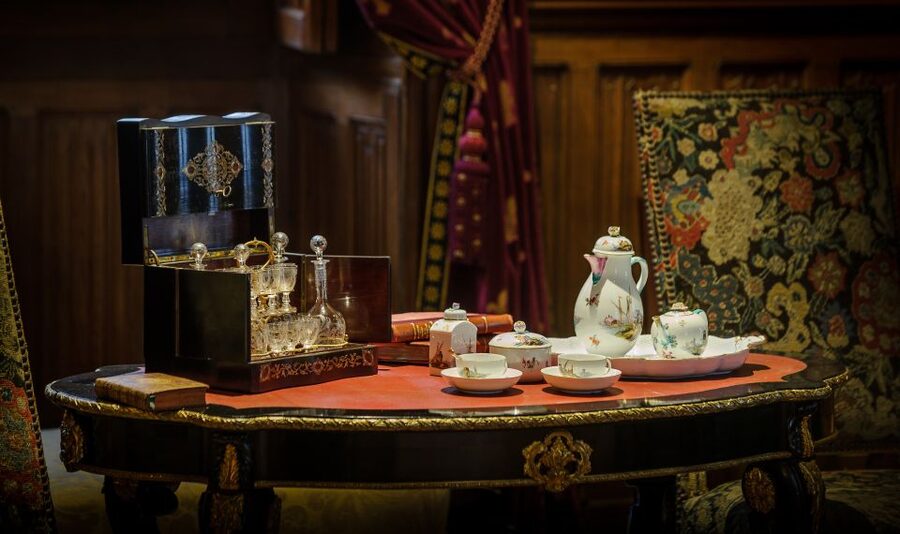
If you only remember one “inside” section, make it the living room and dining room of the Marquis of Biencourt. These are specifically described as 19th-century décors, which means you’re not just stepping back into Renaissance stone and ornamentation.
This is where Azay-le-Rideau becomes unusually pleasant. The château’s architecture is dramatic, but the Biencourt rooms bring human-scale atmosphere. Think of them as a change in tempo, from grand building to daily life, dressed up for status.
It also fits the restoration emphasis. The château offers new highlighted collections and a dream-like tour path. In practice, that usually means the route is engineered so major rooms like these land at the right moments, rather than being treated as optional extras.
If you like period rooms that feel lived-in, even when staged, you’ll appreciate this stop. Keep your pace steady here, because it’s the section most likely to reward your attention.
Kitchen staging and the new interpretation area: what feels modern in a historical space
Not every château modernizes in a way that improves the visit. Azay-le-Rideau’s restoration programme includes an atmospheric staging of the kitchen and a new interpretation area.
This is a smart approach because kitchens can be one of the hardest rooms for visitors to understand. Without context, you might just see space. With staging and interpretation, you can start imagining how the château operated, how meals and preparation fit into daily schedules, and what the space meant socially.
The restoration programme also adds new highlighted collections. That matters because it can make the difference between a visit that feels like a museum checklist and one that feels like a guided storyline. In this case, the “story” approach seems to connect the rooms better than a simple self-guided stroll.
Still, there’s a consideration. The experience can lean more toward museum-like interpretation than heavy theatrical reenactment. If you’re hunting for lots of dramatic period action, adjust your expectations. You’ll get atmosphere and explanation, just not constant live-style scenes.
Park time, tea rooms, and why your break should be planned
One reason Azay-le-Rideau works as a trip, even if you’re short on time, is that it’s easy to take breaks without feeling like you’re abandoning the château.
The park is described as romantic and is part of the overall experience. The combination of the 19th-century park setting and lake-side château views gives you a natural “pause button.” That’s valuable if you’re doing other Loire stops the same day. You need at least one place where your eyes can rest.
Tea rooms are included in the experience, but only during the season. They’re open from April 1 to September 30. If you’re traveling outside that window, plan for the château visit only and make your food stop elsewhere.
Also, there’s bicycle storage included. If you’re doing Loire Valley cycling, this is one of those stops that fits naturally into a route. Even if you’re not bringing a bike, it signals that the place expects visitors to arrive in different ways and stay a while.
Good to know before you go: timing, ID, and what’s not allowed
A few practical points can save you irritation.
- Last entry is 1 hour before closing time, so don’t show up at the last minute if you want a calm pace.
- Expect an average 1.5-hour visit. If you’re doing multiple castles, schedule it like a focused stop, not a long afternoon.
- You’ll need passport or ID card.
What’s not allowed:
- baby strollers
- luggage or large bags
- flash photography
For younger visitors, there are free-entry rules. Visitors under 18 have free entrance, and EU citizens under 26 get free entrance as well, but you must show photo ID with a picture at the ticketing station first.
There are also seasonal free days. The first Sunday of January, February, March, November, and December offers free entry, and there’s free access during European Heritage Days, held the third weekend of September each year.
If you want the quietest experience, aim to arrive earlier in your chosen time window. Even with a timed feeling to the visit, arriving earlier usually gives you more breathing room around the key rooms and viewpoints.
Should you book the Château of Azay-le-Rideau entry ticket?
I think you should book this ticket if you want a classic Loire Valley château that mixes Renaissance architecture with restored interiors, without requiring a full day commitment. It’s priced reasonably for what you get: UNESCO-protected heritage, a well-structured visit path, multilingual audio options, and the Biencourt rooms that many people remember as the emotional center of the experience.
You should book with a few expectations in mind if you crave long, dramatic staged entertainment. This visit works best as an efficient, interpretation-guided walkthrough that gives you the story through rooms, décor, and atmosphere.
If your travel style is short stops, strong viewpoints, and clear highlights, you’ll likely feel satisfied. And if you’re traveling in cycling mode, the included bicycle storage and park setting make it a comfortable match.
If you’re ready to plan, set aside around 90 minutes, bring your ID, and save your photo-snapping time for the façades overlooking the water. That’s where Azay-le-Rideau’s design hits hardest.
FAQ
How long should I plan for my visit?
The average length of a visit is about 1.5 hours.
What languages are available for the tour?
Guided tours are in French. Audio guides are available in French, English, German, Italian, and Spanish.
Are tea rooms included, and when are they open?
Tea rooms are included, and they are open from April 1 to September 30.
Is the château wheelchair accessible?
Yes, the activity is wheelchair accessible, and adapted tours are available for disabled visitors.
What do I need to bring at the ticketing station?
Bring your passport or ID card.
Are strollers or large bags allowed?
No. Baby strollers and luggage or large bags are not allowed.
Can I take photos with flash?
No, flash photography is not allowed.
Is there free entry for some visitors?
Yes. There is free entrance for visitors under 18, and EU citizens under 26, with photo ID shown at the ticketing station. Free entrance is also offered on the first Sunday of January, February, March, November, and December, and during European Heritage Days (third weekend of September).
Tickets, compared.

Versailles Palace and Gardens Full Access Ticket
Read our review →
Eiffel Tower Entry Ticket with Optional Summit Access
Read our review →
Moulin Rouge Cabaret Show Ticket with Champagne
Read our review →
Montparnasse Tower Observation Deck Entry Ticket
Read our review →