Reviewed · FOOD & DRINK
Châteauneuf-du-Pape: tour/tasting in the heart of Domaine Tour St Michel
Family wine tours beat big-city flash every time. Here, you get an estate-style look at how wine moves from winemaking to aging, with the family’s own story folded in. It’s a guided cellar walk plus a commented tasting, all in about an hour.
I especially like how structured the visit feels. You’re shown key spaces like the reception area, vinification cellar, and aging cellar, so the process makes sense instead of feeling random. And the tasting is practical, not performative, with at least three wines from the estate’s collection.
One consideration: the whole experience is short, with 30 minutes for the tour and 30 minutes for tasting. If you want a long, leisurely hangout with deep technical stops, you may feel a bit rushed.
In This Review
- Key things to know before you go
- Entering Domaine Tour Saint Michel, right where Châteauneuf-du-Pape starts
- 1700 CR de Sorgues, and the 1-hour pacing that keeps it fun
- The 30-minute cellar tour: reception, vinification, then aging
- The tasting that ends the tour: at least three wines, with water on request
- How this quick tour teaches you to compare Rhône labels
- Price and value: why $20 can feel like a steal
- Who this tour suits best, and who might want a different style
- Should you book Domaine Tour Saint Michel?
- FAQ
- How long is the Châteauneuf-du-Pape tour and tasting at Domaine Tour Saint Michel?
- Where does the tour start?
- What is included in the ticket price?
- What languages are available for the guide?
- Can I cancel and get a refund?
- Is the experience suitable for everyone?
Key things to know before you go
- A true family-run estate vibe, with the history of the people behind the wine.
- Step-by-step cellar route, covering reception, vinification, and aging.
- Commented tasting of at least three wines, often including Châteauneuf-du-Pape.
- Private group format, which keeps questions flowing and the pace calmer.
- Great value for $20, especially since parking and water are part of the deal.
- Low-pressure tasting culture, so you can focus on enjoying the wines.
Entering Domaine Tour Saint Michel, right where Châteauneuf-du-Pape starts
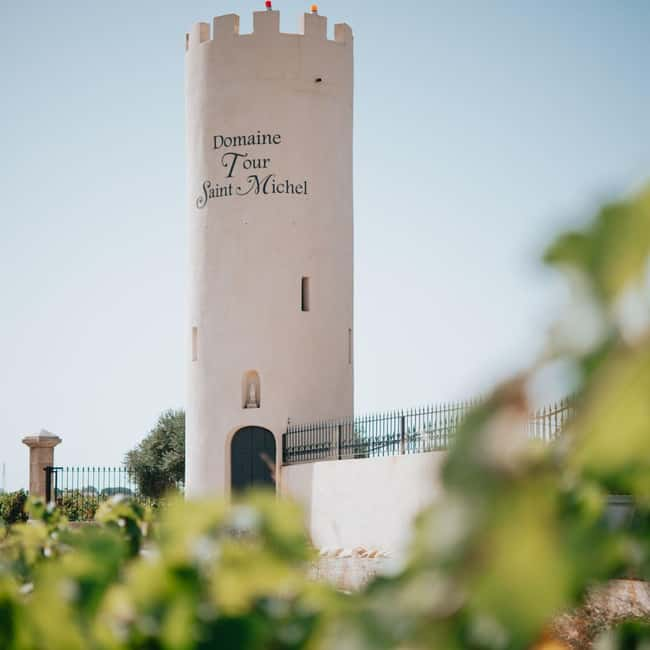
Domaine Tour Saint Michel is the kind of place that makes you slow down, even when the schedule is tight. You’re in the heart of Châteauneuf-du-Pape, but the experience doesn’t try to impress you with staged showmanship. Instead, it leans on the essentials, the spaces where wine is actually made and matured, and a guide who explains what you’re seeing.
I like that the tone stays friendly and human. The tour isn’t built for wine exams. It’s built for everyday understanding, from how the estate thinks about its wines to how the cellar works. If you’re new to Rhône wines, you’ll still feel oriented. If you’re returning to the region, you’ll get a solid snapshot of how one family estate approaches the craft.
And yes, this is where tasting labels can get interesting fast. The tasting selection can include Châteauneuf-du-Pape, Côtes-du-Rhône, Côtes-du-Rhône Villages, Lirac, and Vin de France. That variety alone gives you a useful comparison set, without turning the visit into a long lecture.
1700 CR de Sorgues, and the 1-hour pacing that keeps it fun
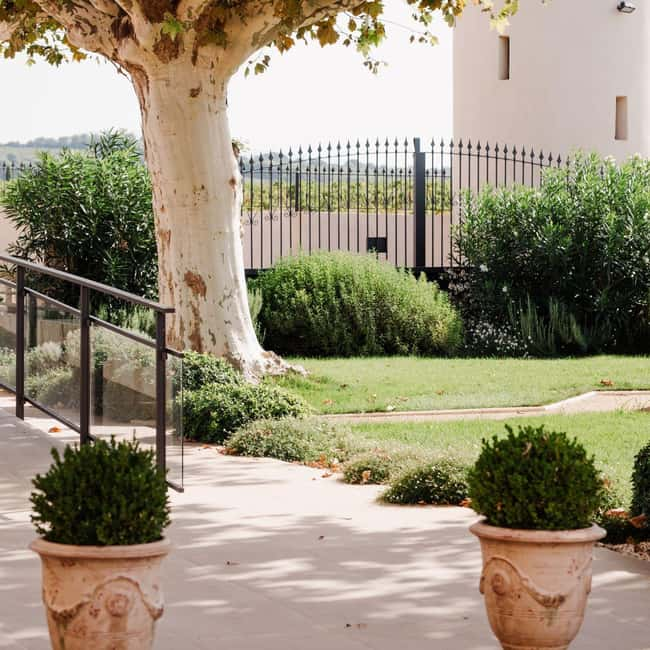
Your starting point is 1700 CR de Sorgues. The nice practical part is that parking is available in the courtyard, which means you’re not spending your first 10 minutes hunting for a spot. That matters here because wine tours work best when you arrive calm and ready.
The entire visit runs 1 hour, split into 30 minutes for the guided tour and 30 minutes for tasting. That timing is a big deal for planning. You can fit this into a day of exploring without forcing the rest of your schedule to revolve around a long tour.
Also, you should know the tour is a private group. That often translates to a smoother Q and A flow, especially when you have questions about what you’re tasting or what you just saw in the cellar. It’s less about watching a performance and more about talking through the process as you go.
One small heads-up: the tour runs in French and English, but some content may appear in the original language. So if you only speak English, don’t worry, most of the key explanations should still come through your live guide. Just be prepared for a bit of French on signs or printed material.
The 30-minute cellar tour: reception, vinification, then aging
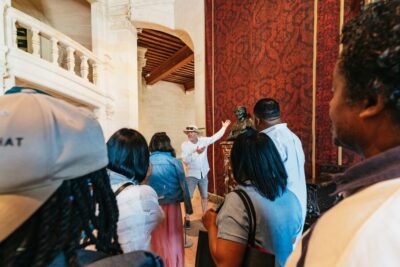
The tour portion is where you get the most clarity per minute. Instead of wandering, you follow a guided route through the estate’s main cellar areas. You’ll start in the reception area, then move into the vinification cellar, and finish in the aging cellar. Each stop is a different stage of the wine’s journey, and the guide ties the steps together.
Here’s what I like about that structure. It keeps you from treating wine as a mystery product. You can look at each room and think, okay, this is where wine changes, this is where decisions happen, and this is where time does its work. Even if you’re not chasing technical details, the “stage by stage” approach gives you something solid to remember.
Vinification is the key word to watch during the tour. That’s where winemaking processes happen, and it’s the part that helps you connect the label in your glass to what’s actually happening before fermentation ends and aging begins. Then, in the aging cellar, the experience shifts from action to patience. You’ll see how the estate keeps the process moving after the wine is already made.
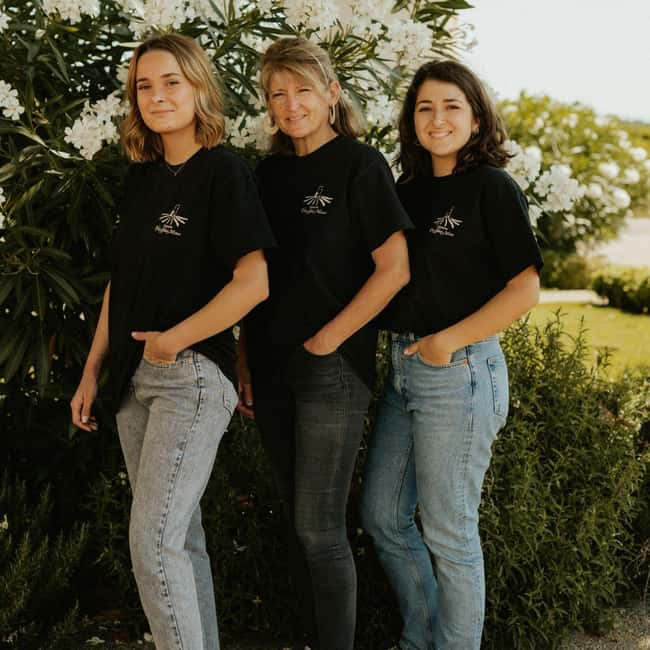
If you’re the type who loves asking practical questions, this is a good match. In multiple experiences, guides connected with guests by answering questions and adjusting the explanation style to the group. Some guides have a family connection to the winery, which can add an extra layer of context, not just about wine, but about how a household runs around the winery’s needs.
The tasting that ends the tour: at least three wines, with water on request
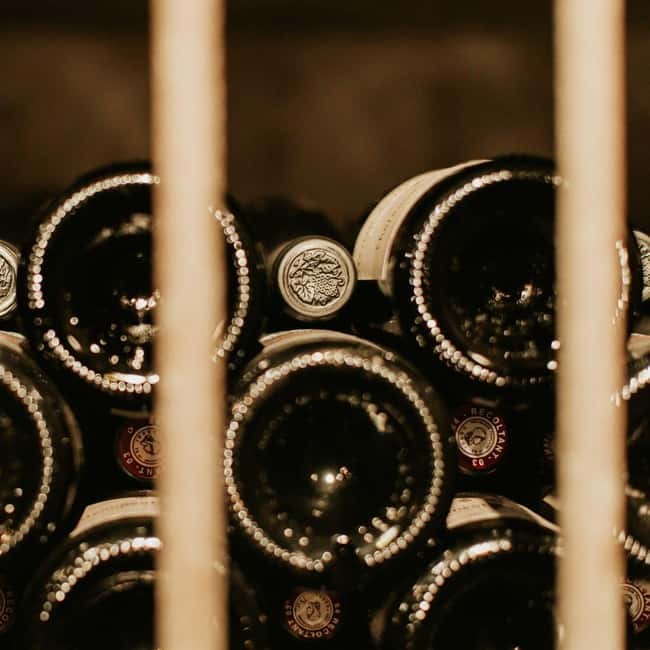
The tasting is the payoff, and it’s also where the tour earns its good reputation for value. You’ll taste at least three wines from the estate’s collection, and the guide provides commentary while you sample. The lineup can include Châteauneuf-du-Pape, Côtes-du-Rhône, Côtes-du-Rhône Villages, Lirac, and Vin de France.
This is a smart setup for most people because it’s enough variety to notice differences, without overwhelming you with too many pours. You can actually form opinions. You can also compare how each wine fits with what you saw earlier in the cellar route.
I also appreciate that the tasting includes water on request. It’s one of those small details that makes the experience smoother. You’re drinking wine, yes, but you’re not meant to feel foggy afterward. It helps you stay present, so you can keep listening to the guide’s notes instead of focusing on just finishing tastings.
A theme that shows up in strong experiences here is the lack of pressure. You can taste, ask, and decide later. That matters because too many tastings turn into sales pitches. Here, the vibe stays friendly and oriented around helping you understand what you like.
How this quick tour teaches you to compare Rhône labels
One reason this tour works so well is that it doesn’t treat Châteauneuf-du-Pape as the only star. The tasting can span multiple Rhône-related appellations and categories from the estate. That means you get more than a single checkbox moment like, I tasted Châteauneuf-du-Pape. You get a mini comparison set.
You’ll also see how the estate’s philosophy shows up physically in the cellar. Since you visit vinification and aging areas, you start to connect the process you observed to what’s happening in the glass. Even if you don’t have a technical background, the stage-based route helps you interpret the wines as outcomes of time and method, not just branding.
What you learn can also depend on the guide. Some guides have wine-industry study backgrounds, and they tend to answer questions with an extra layer of clarity. Other guides may come from the family side, which often changes the conversation from purely technical to more personal and practical, like how the estate thinks about consistency, daily work, and tradition.
Either way, you should walk in ready to ask questions. If you care about what makes Châteauneuf-du-Pape different from nearby labels on the tasting table, bring that up. If you’re simply looking for what tastes good today, say that too. In strong visits, guides tailor explanations to guest interests, not just a script.
Price and value: why $20 can feel like a steal
At $20 per person for an hour, this tour is priced in a way that feels accessible. But the better question is what you get for that money. You’re not paying just for wine. You’re paying for a guided cellar route plus a commented tasting of at least three wines, plus parking in the courtyard. Water is also available on request.
That combination is the value. If you’ve done winery tastings elsewhere, you’ve likely noticed that the cheaper options sometimes skip the cellar walk or keep explanations minimal. Here, you get the stage-based tour, which makes the tasting more meaningful. The tasting itself is guided and structured, not just a self-serve flight.
And because it’s a private group, you avoid the “everyone talks over everyone” problem that can happen in larger tours. You’re more likely to get real answers and a pace that fits your questions. That turns a budget-friendly price into an experience that feels respectful of your time.
There’s also a practical planning advantage. One hour is short enough that you’re not sacrificing half a day of sightseeing. That keeps this from becoming an expensive mistake if you end up wanting more time elsewhere.
Who this tour suits best, and who might want a different style
This experience fits best if you want a focused wine moment with real explanation, not a half-day adventure. It’s also ideal if you like the idea of learning from someone who can answer questions and keep the visit friendly.
I think it’s especially good for:
- Adults 18 and up who want a quick, clear understanding of winemaking stages.
- People who prefer a small-group, question-friendly format.
- Visitors who want at least three wines to compare without a heavy schedule.
It is not suitable for pregnant women and children under 18, so plan around that if traveling as a family. Also, because the visit is intentionally compact, it’s not the best match if you’re looking for a long, slow deep dive or a long outdoor walk. The focus is on the cellar process and the tasting at the end.
If you’re balancing multiple stops in Châteauneuf-du-Pape, this is a great anchor. It gives structure: see the cellar stages, then taste. After that, you can decide what else you want to explore based on what you liked in your glass.
Should you book Domaine Tour Saint Michel?
Book this tour if you want a short, structured cellar experience that ends with a guided tasting of at least three wines. The price-to-content ratio is strong, and the private group format usually makes the whole hour feel smoother and more personal.
Skip it only if you’re after a long wine day with extended vineyard touring and hours of tasting. This one is built to be efficient and informative, with a friendly atmosphere and a clear sequence from reception to vinification to aging.
If you like the idea of comparing wines that can include Châteauneuf-du-Pape and other Rhône labels from the estate, you’ll likely leave with a better sense of your own preferences. And if your goal is to learn without getting overwhelmed, this is a smart, low-stress choice.
FAQ
How long is the Châteauneuf-du-Pape tour and tasting at Domaine Tour Saint Michel?
The experience lasts 1 hour total, with 30 minutes for the guided cellar tour and 30 minutes for the wine tasting.
Where does the tour start?
The starting location is 1700 CR de Sorgues, and you return there at the end.
What is included in the ticket price?
You get a guided tour of the cellar, parking in the courtyard, a tasting of at least three wines, and water available on request.
What languages are available for the guide?
The live tour guide offers French and English.
Can I cancel and get a refund?
Yes. You can cancel up to 24 hours in advance for a full refund.
Is the experience suitable for everyone?
It is not suitable for pregnant women or children under 18 years. The tour is wheelchair accessible.
France by the Course
- Paris: Seine Cruise & Crepe Tasting near the Eiffel Tower
★ 4.4 · 11,231 reviews - Authentic Parisian Gourmet Food Tour with 10 Local Dishes & Wines
★ 5.0 · 4,754 reviews - Bordeaux: Cité du Vin Entry Ticket and Wine Tasting
★ 4.6 · 3,885 reviews - Normandy D-Day Small-Group Day Trip with Omaha Beach, Cemetery & Cider Tasting
★ 5.0 · 2,786 reviews
Food & Drink, compared.
Seine Cruise & Crepe Tasting near the Eiffel Tower
Read our review →
Authentic Parisian Gourmet Food Tour with 10 Local Dishes & Wines
Read our review →

Normandy D-Day Small-Group Day Trip with Omaha Beach, Cemetery & Cider Tasting
Read our review →
Illuminated Evening River Cruise & Waffle Tasting
Read our review →
Montmartre Hill French Gourmet Food and Wine Tasting Walking Tour
Read our review →