
Reviewed · WINE TOURS
Discovery of the Bordeaux vineyard in 3 wines
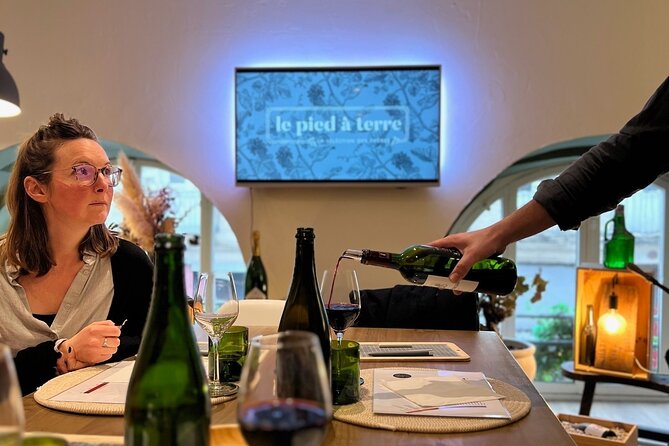
Three glasses of Bordeaux can change how you taste. This small-group session at Le Pied à Terre guides you through 3 emblematic wines while explaining what to look for, with stories that reach back to Roman times. I like that it feels easy to follow in English, so you are not decoding wine jargon all afternoon.
I also like the way the tasting is tied to Bordeaux itself. You move from a left-bank style red to a right-bank style red, then finish with a dry white made for freshness, with the host naming the key grapes and what those terroirs tend to do in the glass. That structure helps you understand the region fast, not just sip and move on.
One drawback to consider: if you already know a lot and want a tighter, more scripted lesson, the storytelling can occasionally feel a bit rambling. If you are an advanced drinker, you may want something more technical and less chat-based.
In This Review
- Key takeaways before you book
- Getting oriented at 22 Rue Judaïque
- Your 90-minute plan: what happens during the tasting
- The three wines: left bank power, right bank elegance, dry white freshness
- Left Bank red: power and structure
- Right Bank red: elegance and balance
- Dry white: freshness with purpose
- A possible plus: Grand Cru Classé wines show up
- How the tasting lessons change what you notice in a glass
- Roman-era wine stories and why Bordeaux labels matter
- Pairing with Basque charcuterie and Maison Pierre OTEIZA
- Price and logistics: what $42.33 buys you in Bordeaux
- Who this class is for, and who might want a different style of tour
- Should you book Le Pied à Terre’s 3-wine Bordeaux session?
- FAQ
- Where is the meeting point for this wine tasting?
- How long does the experience last?
- How many wines will I taste?
- Is the experience offered in English?
- Will there be food with the wine tasting?
- What is the group size limit?
- Are service animals allowed and is it near public transportation?
- What is the cancellation policy for a full refund?
Key takeaways before you book
- Three wines, built around Bordeaux’s key styles: left bank power, right bank elegance, and a dry white for lift.
- A practical tasting method: you get clear steps for tasting and pairing, not just opinions.
- Host-led, story-forward teaching: Roman-era context and estate history make the region stick.
- Basque charcuterie plus Maison Pierre OTEIZA: food is part of the learning, not an afterthought.
- Small group size: capped at 12 people, so questions actually land.
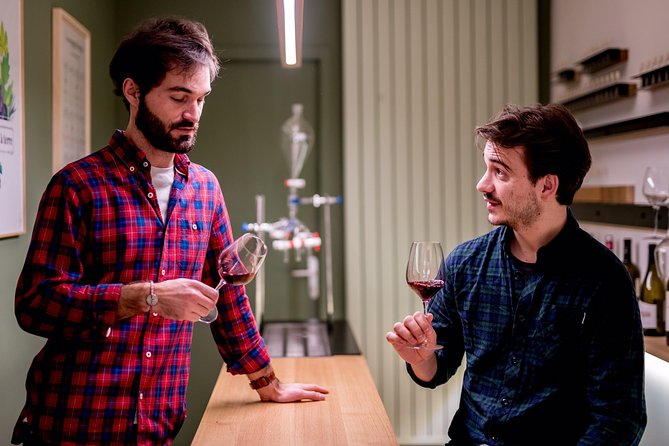
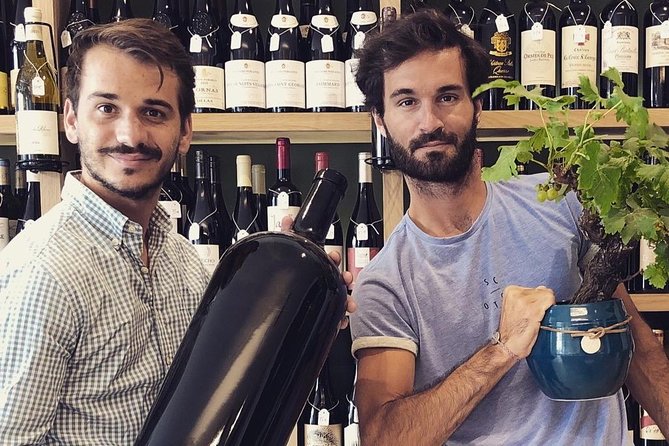
- Often led by a brother team (James or Pierre): friendly humor, lots of back-and-forth, and real room to ask why.
Getting oriented at 22 Rue Judaïque
The meeting point is at 22 Rue Judaïque, 33000 Bordeaux. The whole experience runs from there, and it ends back at the same spot, which is great when you do not want to plot a second location during your day.
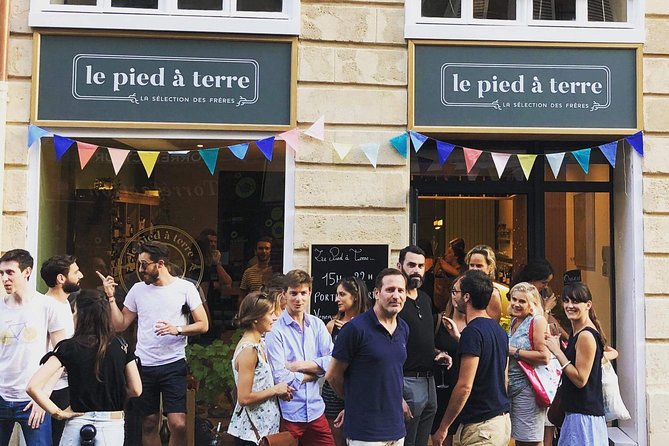
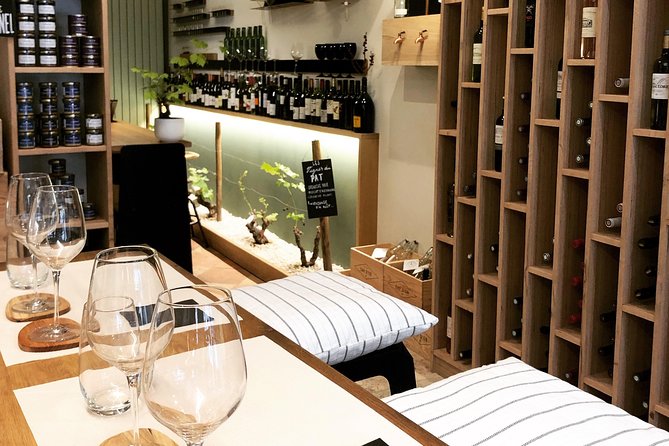
The tasting happens in the provider’s own space, Le Pied à Terre. Based on how the session is described, it is in a wine shop setting with an upstairs tasting room feel, which matters because you get an easy, local atmosphere, not a cold conference-style room.
Practical note: show up a few minutes early. This is not a long day, about 1 hour 30 minutes, so a late start cuts into your questions and your palate-adjustment time.
Your 90-minute plan: what happens during the tasting
This is a guided tasting class, around three carefully selected Bordeaux wines. You are not just handed glasses and left to interpret them alone. Instead, the host walks you through what you are tasting, where the style comes from, and how food can change what you think you are smelling.
Expect the rhythm to be simple:
1) You taste and learn the core profile of the wine.
2) You connect it to grapes, appellation context, and winemaking choices.
3) You talk through pairing ideas and tasting technique.
4) You repeat the process across the three wines so the pattern becomes your own.
The experience is capped at 12 people. That small size is one of the main reasons the session works, because you can ask basic questions and still get time to learn the next step.
More Wine Tours in Bordeaux
- Bordeaux: Cité du Vin Entry Ticket and Wine Tasting
★ 4.6 · 3,885 reviews - Bordeaux: River Garonne Cruise with Glass of Wine and Canelé
★ 4.5 · 3,630 reviews - From Bordeaux: Afternoon Saint-Emilion Wine Tasting & snack
★ 4.8 · 1,581 reviews
The three wines: left bank power, right bank elegance, dry white freshness
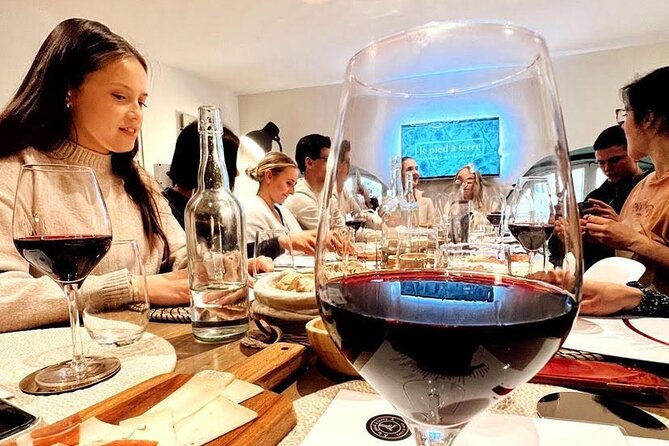
The heart of this experience is how it teaches Bordeaux through contrast. You will taste three wines that represent the region’s big “families,” so you learn what to expect when you see a bottle style on a menu or in a shop.
Left Bank red: power and structure
The left-bank red is presented as the “power” style. In Bordeaux terms, that usually means heavier structure and depth, and your host explains the typical grapes and winemaking logic behind that feel. You learn what to notice in the glass, like how the wine’s weight and tannin shape the finish.
This matters because once you understand how left-bank reds tend to behave, you stop treating every red as a one-off. You start predicting what the wine will do with food and time.
Right Bank red: elegance and balance
Then you shift to a right-bank style red, described as more elegant. The goal is not to crown one side as better. It is to show the different priorities, like how right-bank reds often read as smoother, lighter on their feet, or more focused depending on the vintage and producer choices your host brings to the table.
You also get context on estate and history. That storytelling gives the taste a backbone, so your brain files the wine under something real instead of a random flavor memory.
More French appellations, visited:
Dry white: freshness with purpose
Finally you taste a dry white chosen for freshness from top estates. Even if you usually skip whites, this step helps you learn how Bordeaux can be crisp, not just serious reds.
The practical win here is palate training. You finish the tasting with a palate reset, so you can compare the reds more clearly and leave with a clearer idea of what each style is “for.”
A possible plus: Grand Cru Classé wines show up
One shared experience notes that in their session, two of the three wines were Grand Cru Classé. You should not count on the exact labels changing session to session, but it does suggest you may get bottles that sit high in the Bordeaux classification world.
How the tasting lessons change what you notice in a glass
This is the kind of wine class that aims at usable skill. Your host teaches tasting steps in a way that helps you explain what you are sensing, and it is not about sounding fancy.
You will get tips for:
- how to taste for structure and balance, not just sweetness or acidity
- how to use your nose without turning it into a contest
- how to think about pairing, so you taste the wine with food logic, not in isolation
This works best if you actively participate. In the feedback, people consistently mention lots of chances to ask questions and a relaxed vibe that still feels structured.
Also, the session is taught in a friendly way by the host team. James is specifically mentioned as a fantastic guide in multiple accounts, and Pierre also appears as one of the brothers leading the class. The shared theme is humor plus clear explanations, which helps when you are learning new tasting language.
Roman-era wine stories and why Bordeaux labels matter
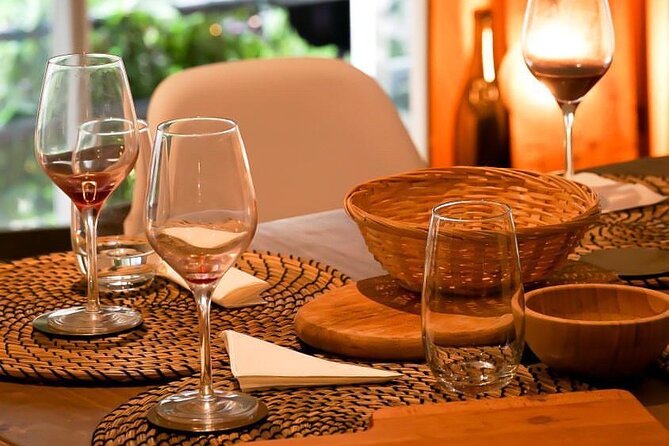
A big reason this tasting sticks is the context. You get historical side-stories, including references reaching back to Roman times. That might sound decorative, but it does something practical. It gives the region a timeline so the wines stop feeling like a modern product line and start feeling like a long-running craft.
There is also talk around how Bordeaux wine gets its identity, including how the certification and governance process works. One account highlights learning about the systems that let winemakers label wine as coming from Bordeaux. That is valuable because it changes how you read a bottle, especially if you later plan to shop for wine beyond a restaurant list.
If you want to understand Bordeaux fast, this context is a shortcut. It turns what could be a random tasting into a mental map of why styles look the way they do.
Pairing with Basque charcuterie and Maison Pierre OTEIZA
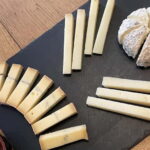
Food is part of the lesson here. You get a starter described as charcuterie and cheese from the Basque Country, with products from Maison Pierre OTEIZA.
This matters because wine tasting that ignores food can leave you with a wine-only memory. The food helps you learn how flavors interact, so when you later order a bottle in Bordeaux, you have a real basis for what you liked and why.
One shared experience notes the board is small, described as bread, cheese, and ham. If you are expecting a full meal, temper your expectations. But for a 90-minute tasting class, it is more than enough to teach pairing, and it keeps the session from dragging into dinner territory.
If you have dietary needs, you might find the host is flexible. One account says the team can accommodate vegans and vegetarians if you let them know ahead of time. Plan to mention it during booking so the pairing matches your needs.
Price and logistics: what $42.33 buys you in Bordeaux
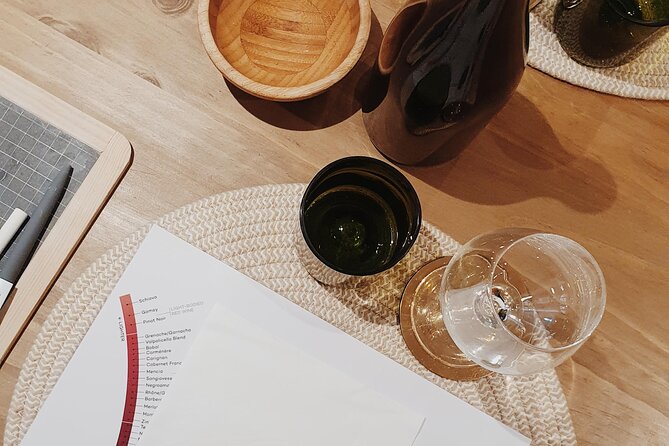
At $42.33 per person, this is a mid-range wine experience, but the value comes from structure. You are paying for guided learning time, small-group interaction, and three tasting flights with pairing.
For Bordeaux, that pricing can make sense because it is not a generic “sip and wander” stop. You get a guided comparison across left bank, right bank, and a dry white, plus tasting technique you can use later.
A second value driver is timing. At about 1 hour 30 minutes, you can fit this into a day that also includes walking around the city, a market stop, or even one other wine-related activity. It is also booked fairly far ahead on average, about 22 days in advance, which usually signals steady demand and a consistent format.
One more practical detail: you get a mobile ticket, and service animals are allowed. The meeting point is also near public transportation, which helps if you are coming in from another neighborhood.
Who this class is for, and who might want a different style of tour
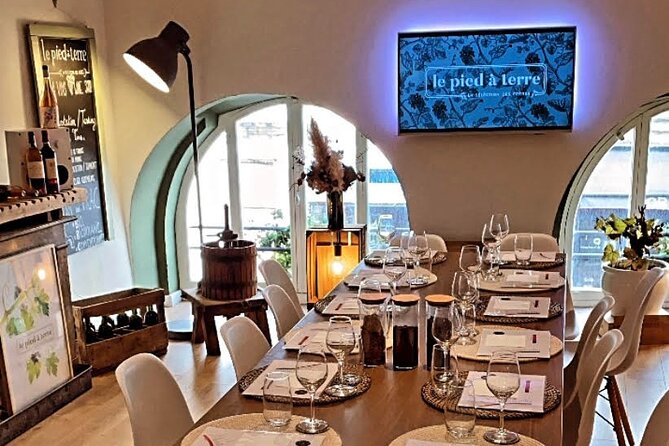
This experience is a strong fit if you:
- are new to Bordeaux and want a clear starting map
- like learning through conversation and examples, not just lectures
- want tasting skills that translate into real choices later
It is also a good “first wine class” in France. Multiple accounts describe it as ideal for learning, with hosts explaining how to properly taste and how Bordeaux classifications work.
If you are already advanced, you may still enjoy it, especially for the contrast between the three styles. Just consider the one caution: the talk can run a bit long and can feel more story-driven than tightly scripted. If you want only technical details, you might feel slightly constrained.
Solo travelers can also do well here, since the format is small and interactive. The pace makes it easy to ask a question without feeling like you are interrupting a group tour machine.
Should you book Le Pied à Terre’s 3-wine Bordeaux session?
Book it if you want a high-impact, low-pressure introduction to Bordeaux that you can use the next day. The best reason to choose this one is the combination of tasting format plus teaching: three wines with context, paired food, and a host who answers questions with humor and patience.
Skip it only if you are strictly looking for a winery visit with vineyard walking or long cellar time. This is an education experience centered on the tasting room and the comparison flight, not a full day on a vineyard bus route.
If you want one practical move, do this: come hungry for learning, not for drinking. Ask your host what to look for in the next glass, and you will leave with a clearer idea of Bordeaux styles than you could get from a quick bar tasting alone.
FAQ
Where is the meeting point for this wine tasting?
You start at 22 Rue Judaïque, 33000 Bordeaux, France.
How long does the experience last?
The tasting runs for about 1 hour 30 minutes.
How many wines will I taste?
The program centers on a guided tasting of around three wines.
Is the experience offered in English?
Yes, it is offered in English.
Will there be food with the wine tasting?
Yes. The starter includes charcuterie and cheese from the Basque Country, with products from Maison Pierre OTEIZA.
What is the group size limit?
The activity has a maximum of 12 travelers.
Are service animals allowed and is it near public transportation?
Service animals are allowed, and the meeting point is near public transportation.
What is the cancellation policy for a full refund?
You can cancel up to 24 hours in advance for a full refund.
If you cancel less than 24 hours before the start time, the amount paid will not be refunded.
Latest Bordeaux entries, notes attached


Wine Tours, compared.
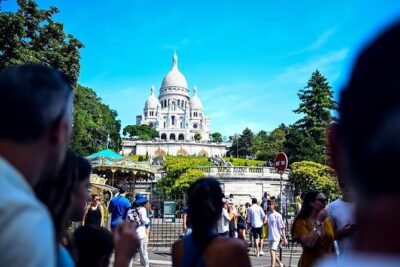
Authentic Parisian Gourmet Food Tour with 10 Local Dishes & Wines
Read our review →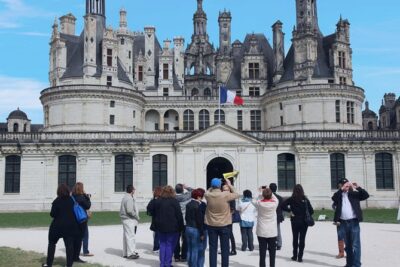
Loire Valley Castles Day Trip from Paris with Complementary Wine
Read our review →
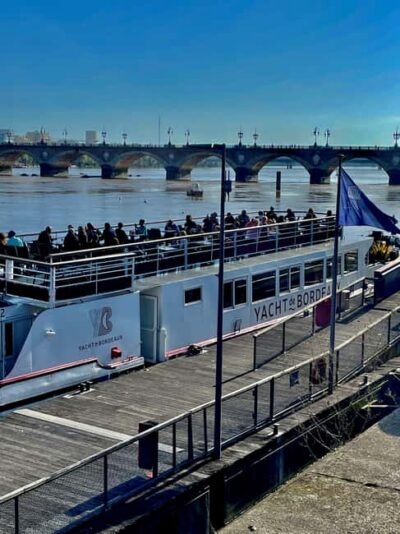
River Garonne Cruise with Glass of Wine and Canelé
Read our review →
Montmartre Hill French Gourmet Food and Wine Tasting Walking Tour
Read our review →
Montmartre Cheese, Wine & Pastry Guided Walking Tour
Read our review →
Loire Valley Castles Day Trip With Wine Tasting
Read our review →
Paris 3-Courses Gourmet Dinner Seine River Cruise with Champagne
Read our review →This tour also appears in