Reviewed · TICKETS
France: Villa Cavrois Entrance Ticket
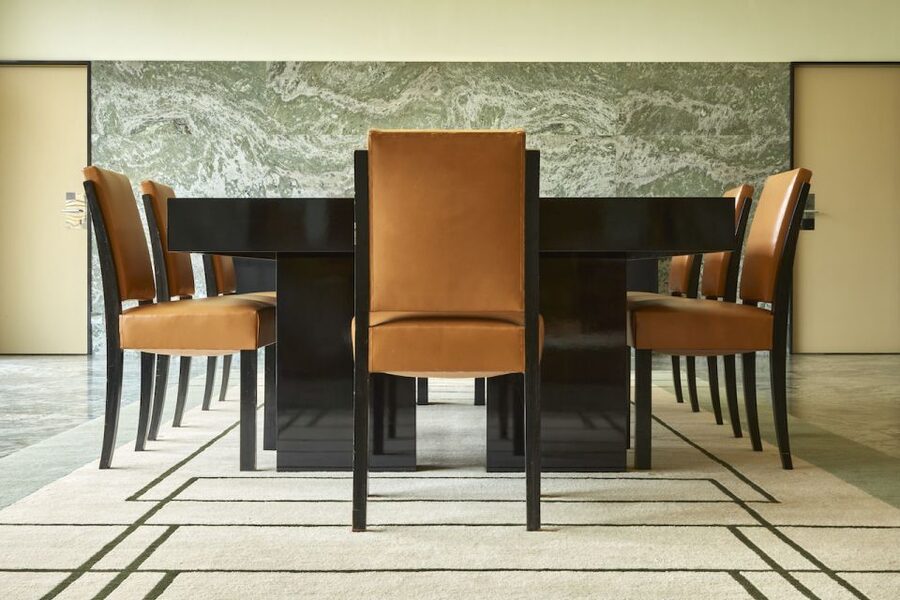
Villa Cavrois feels like modern art with roots. I love how the villa turns the industrial story of Roubaix and Tourcoing into something intensely architectural, and I also love the sheer payoff of seeing a Mallet-Stevens masterpiece up close. One drawback to plan for: rules are strict, and there are no lockers for dumping your stuff during the visit.
This is the kind of place where you start to see the North of France differently. The villa was built for Paul Cavrois, tied to the high-end fabric company Cavrois-Mahieu that helped fuel Paris fashion from the Roubaix area. And Mallet-Stevens imagined the Cavrois home as a real modern castle, not a decorative country house.
You’ll mostly explore on your own with an entrance ticket, no live guide included. Also note the site guidance is a little mixed about wheelchairs, so if you use one, double-check before you go. Finally, it closes on Mondays and on several big holidays, so you will want to time your visit.
In This Review
- Key reasons Villa Cavrois entrance is worth your time
- From textile fortunes to a modern castle in Croix
- Your entrance ticket: what you actually get (and what you don’t)
- The Mallet-Stevens modern-castle idea you are walking into
- The restoration story that makes the building matter
- Park time: where the villa feels like it belongs
- Photo rules and luggage limits that affect your comfort
- Planning tips: best day, best pace, best match for you
- Should you book the Villa Cavrois entrance ticket?
- FAQ
- Do I need a live guide for Villa Cavrois?
- How long is the ticket valid?
- Is there free entrance for kids or young adults?
- Can I take photos inside the villa?
- What can I bring with me, like bags or strollers?
- Is it wheelchair accessible?
Key reasons Villa Cavrois entrance is worth your time
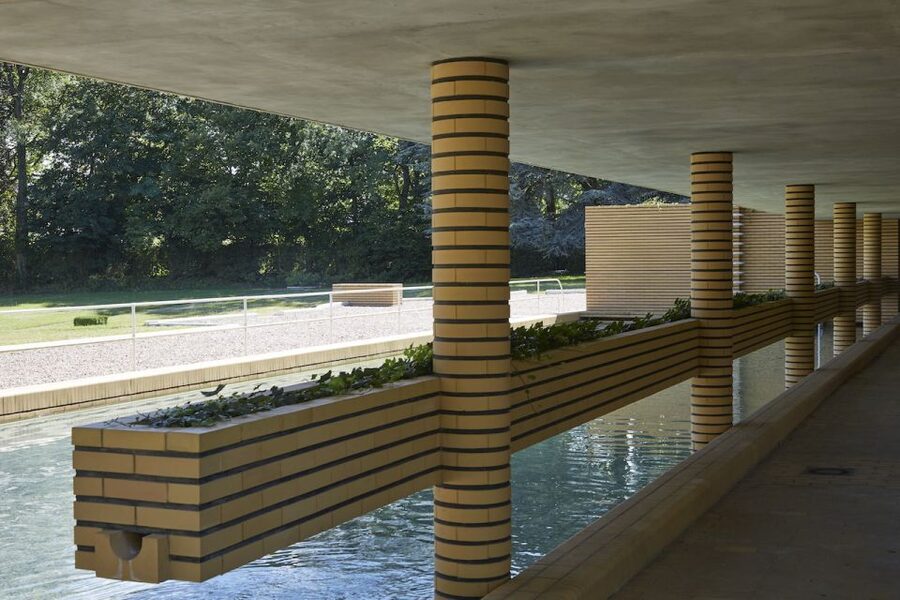
A signature Mallet-Stevens modern castle concept in Hauts-de-France
A preservation comeback after vandalism and rapid deterioration
Historical monument protection since 1990 with active state acquisition
A self-paced visit that works well if you like to move at your own speed
Photo rules that are clear (no flash, no big rigs)
From textile fortunes to a modern castle in Croix
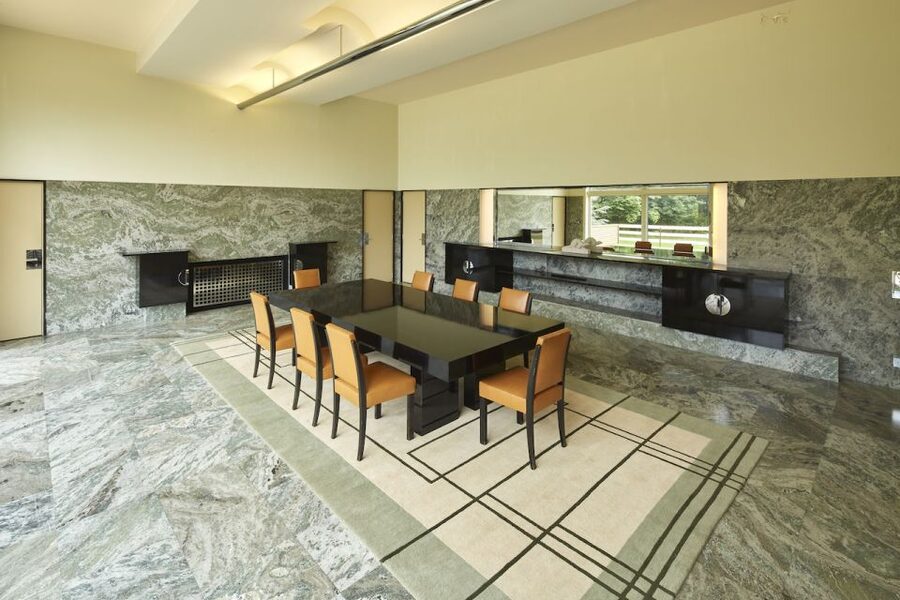
To make sense of Villa Cavrois, you need to picture the Roubaix region in the early 1900s. This was one of the most industrialized parts of France. Roubaix and Tourcoing were major textile centers, and Roubaix earned its nickname as the city of a thousand chimneys.
That industrial boom fed into luxury manufacturing too. The Cavrois-Mahieu company, founded in 1865, produced high-end fabrics for Parisian fashion houses. By the early 1920s, it had multiple factories and a sizable workforce, and the company’s success gave Paul Cavrois the means to build a family home.
In 1922 and 1923, he acquired land in Croix, just outside Roubaix. Then, in 1929, he brought in architect Robert Mallet-Stevens to design the villa. The result opened a few years later, in 1932, tied to a family wedding celebration.
Why I think that context matters: if you come straight from a typical museum, it can feel odd that a villa is the star. But once you connect it to textiles, industry, and wealth moving through the region, the building feels like a statement. Not just a home, but a piece of the North’s ambition, expressed through modern architecture.
Your entrance ticket: what you actually get (and what you don’t)
This experience is essentially an entrance ticket for the villa visit. It’s valid for one day from first activation, so you are not locked into a strict minute-by-minute tour. You are also not getting a live guide included, which is good if you prefer self-guided wandering, but it does mean you should be ready to read what you see on site.
I like that the experience is straightforward, because it fits many travel styles. If you are doing the wider Roubaix and Tourcoing area, you can plug in Villa Cavrois without rearranging your whole day.
Practical timing matters:
- It is closed on Mondays, and on January 1st, May 1st, and December 25th.
- The last access is 45 minutes before closing.
Also, the ticket is non-refundable, so pick a date you are confident about. If your plans are flexible, consider waiting until your route is settled before finalizing.
The Mallet-Stevens modern-castle idea you are walking into
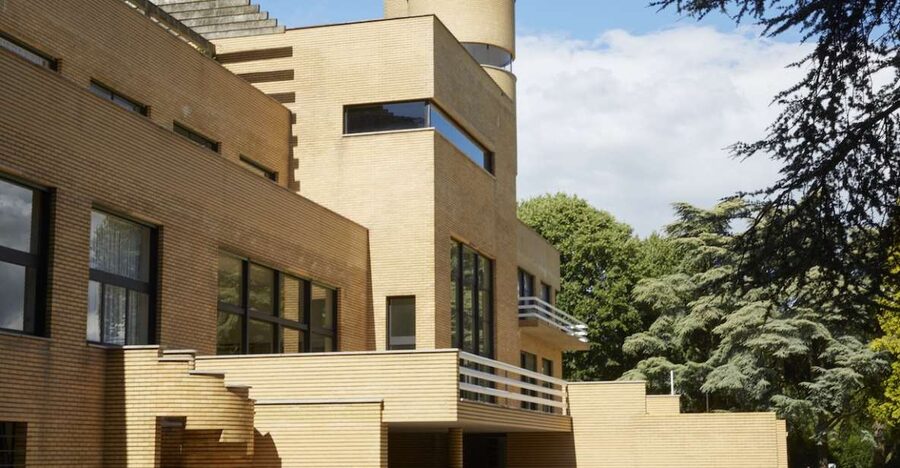
The headlines call Villa Cavrois the most emblematic achievement of Mallet-Stevens, and after seeing how the story fits together, I get why. The villa was conceived as a real modern castle. That’s a helpful phrase, because it nudges you to look for intention, not coziness.
Remember, this is not a typical “stately home” experience. The design was built for a specific moment, and for a family with resources tied to luxury textiles. When a wealthy industrial family hires a star architect, the goal is usually to project taste and power, and here the tool is modern architecture.
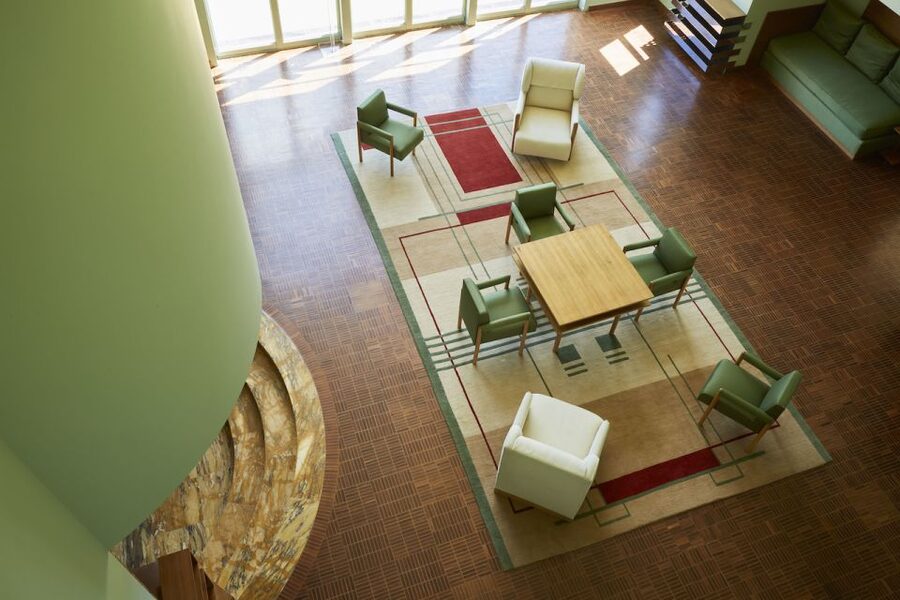
You will likely spend time inside moving room to room and noticing how the building was organized. Since you do not have a guide included, I recommend treating the visit like a visual puzzle: slow down long enough to compare what you see in the villa with what you know about the era. Ask yourself whether the spaces feel meant for everyday living, or meant for showing off modern seriousness.
One note on photography: photos are allowed without flash in the villa. That makes the visit easier if you like to document details, but you still need to follow the rules about equipment.
What I like most about the self-paced format is how it lets you match your attention span. If you have 45 minutes of focus in you, you can do a quick circuit. If you like architecture, you can linger in the spots that catch your eye.
The restoration story that makes the building matter
Villa Cavrois has a second life. After it was abandoned, it suffered vandalism and deteriorated quickly, even though it was listed as a historical monument in 1990. That sequence is important, because it explains why the experience can feel like both architecture and recovery.
The big turning point came from a preservation association that helped mobilize action. In 2001, the state acquired a large part of the property. That includes the villa and the central part of the park.
This is one of those “you can see the consequences” places. When buildings are left to deteriorate, time shows up fast. So the fact that you can visit today is part of the story, not just the background.
In my view, the restoration angle is a major part of value. You are not only paying to see a design from the 1920s, you are supporting the reality that heritage takes work. You also get a chance to see how a modern castle concept was preserved and made accessible again.
If you care about the cultural reasons to travel beyond postcard sights, this is the kind of place that rewards that mindset. It is also one reason people speak highly of the restoration. You can feel that attention to repair in the overall experience.
Park time: where the villa feels like it belongs
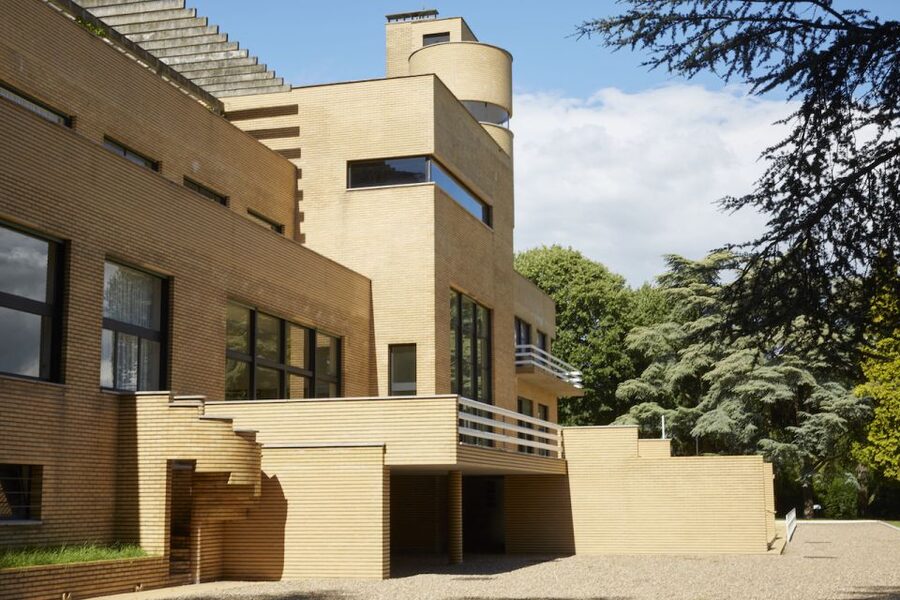
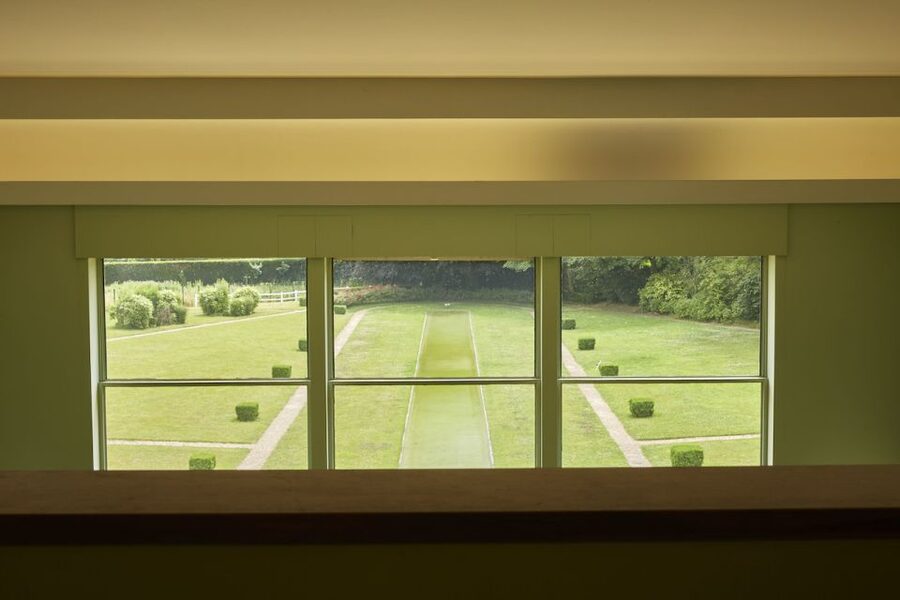
The experience includes access to the villa and the central part of the park. Even if the park is not the main reason you came, it adds context. The villa was designed to sit in a setting, and the outdoor space helps you grasp how the building would have looked as part of a property, not as an isolated object.
Because the state acquired the villa along with the central park area, you are seeing the part that was prioritized for preservation. That usually means the area you access is the one most connected to the villa’s original relationship with land and approach.
Practical tip: wear shoes you can walk in comfortably, since you will likely do laps from villa to park spaces. And if you are traveling with kids or just like an easy break, the park gives you a natural reset during the one-day window.
Photo rules and luggage limits that affect your comfort
I am going to be blunt here: your day at Villa Cavrois will depend on traveling light.
A few rules you should take seriously before you arrive:
- No flash photography in the villa.
- No professional cameras, tripods, or any bulky professional equipment unless you have made a request to the monument.
- No luggage or large bags.
- Suitcases are not allowed.
- No alcohol and drugs.
One experience detail that really stood out from the visitor perspective: there are no lockers to store belongings during your visit. That means if you show up with a backpack that feels bulky, you will be stuck carrying it.
So here is my practical approach:
- Bring only what you need for a few hours: water, phone, a light layer, and whatever you use for photos.
- Keep bag size small enough to feel comfortable with you the whole time.
- If you love serious photography, plan ahead for the equipment request rules, otherwise your setup may get blocked.
Other on-site rules that can surprise you:
- Pets are prohibited in the park and the villa. Only guide dogs are accepted.
- Strollers are prohibited within the villa. Leave them in front of the main entrance, under the awning inside the park.
- Baby strollers are not allowed, so if you are traveling with an infant, plan alternate options carefully.
You might think these are minor, but they can change the mood of your visit. Follow them, and your time stays smooth. Ignore them, and you spend energy managing restrictions instead of enjoying the architecture.
Planning tips: best day, best pace, best match for you
With a one-day window, you have flexibility, but you still need to plan around the closed days:
- Closed Mondays
- Closed January 1st, May 1st, December 25th
If you want free entry, there are several options:
- Free entrance for visitors under 18, or EU citizens under 26, but you must show photo ID with a picture at the ticketing station first.
- Free entrance on the first Sunday of January, February, March, November, and December.
- Free entrance during European Heritage Days, held the third weekend of September.
This can make Villa Cavrois a smart budget stop in the right season. The standard price is $12 per person, which is reasonable for a notable Mallet-Stevens site when you consider that it includes entrance to the villa and the central park.
Wheelchair planning needs extra care. The information you may see says wheelchair accessible, but it also notes the experience is not suitable for wheelchair users. If that matters to you, you should confirm before you go, because you do not want to arrive and then realize the situation on the ground is not workable.
Who I think should book:
- People who like architecture and design, especially from the early 20th century
- Travelers who want something more specific than a big city monument
- Anyone interested in how the Roubaix textile boom shaped the region’s ambitions
Who might hesitate:
- If you rely on carrying lots of gear, this is not the best fit because of the luggage limits and no-locker situation.
- If you need a guided explanation to enjoy places, you may want to read up beforehand, since there is no live guide included.
Should you book the Villa Cavrois entrance ticket?
I recommend booking if you want a high-impact architectural visit in the Roubaix-Croix area, and you are comfortable exploring on your own. At $12, it is good value for a Mallet-Stevens site with historical monument status and a conservation story that is not just backstory, it is part of what you experience.
I would skip or rethink if you plan to arrive with lots of bags, big equipment, or anything that breaks the rules about luggage, tripods, or flash. The lack of lockers is the key detail that can turn a smooth visit into an annoying one. If you travel light and respect the photo and access guidelines, Villa Cavrois is the kind of stop that makes you slow down, look closer, and walk away thinking about modernity in the North of France.
FAQ
Do I need a live guide for Villa Cavrois?
No. The entrance ticket includes entry, and a live guide is not included.
How long is the ticket valid?
The ticket is valid for one day from the first activation.
Is there free entrance for kids or young adults?
Yes. Visitors under 18 get free entrance, and EU citizens under 26 also get free entrance, but you must show a photo ID with a picture at the ticketing station first.
Can I take photos inside the villa?
Yes, photos are allowed without flash in the villa.
What can I bring with me, like bags or strollers?
Luggage or large bags are not allowed, and suitcases are not allowed. Strollers are prohibited within the villa, but they can be left in front of the main entrance under the awning inside the park. Pets are prohibited, with guide dogs accepted.
Is it wheelchair accessible?
The information says wheelchair accessible, but it also states it is not suitable for wheelchair users. If you use a wheelchair, check carefully before planning your visit.
Tickets, compared.

Versailles Palace and Gardens Full Access Ticket
Read our review →
Eiffel Tower Entry Ticket with Optional Summit Access
Read our review →
Moulin Rouge Cabaret Show Ticket with Champagne
Read our review →
Montparnasse Tower Observation Deck Entry Ticket
Read our review →