
Reviewed · PROVENCE DAY TOURS
From Avignon: Wine Tour with Visit to Châteauneuf du Pape
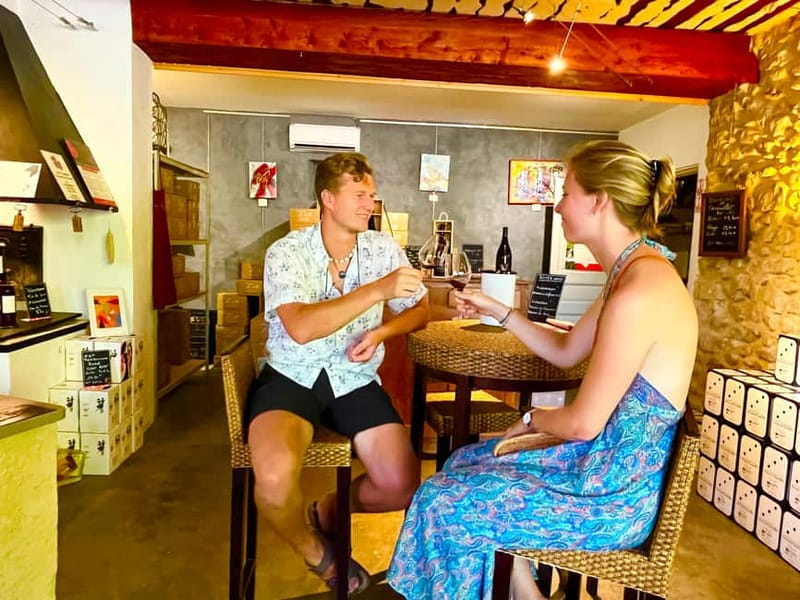
If wine labels are your thing, this tour turns them into real places. You’ll meet Arnaud (Ventourisme) in Avignon, then spend the day bouncing between three Rhône sub-regions defined by wind, stone, and slope, with tastings that add up to at least 9 wines in three wineries. You also get time for vineyard views, and if you go in the morning seasonally, a local picnic that feels like a true countryside break, not a rushed lunch.
What I like most is the regional logic. Beaumes de Venise, Gigondas, and Châteauneuf-du-Pape are close on the map, but they taste like different worlds. Second, the pace works for learning, because Arnaud keeps the day friendly and unhurried, with time to ask questions and even practice a few French words. One possible drawback to plan for: the vehicle is a small group car, so it can feel snug (and big luggage and walking frames are not allowed).
In This Review
- What makes this tour work so well
- Meeting Point in Avignon, and why the start matters
- Beaumes-de-Venise: muscat on the protected side of the Dentelles
- Gigondas: Mistral winds, altitude, and reds with a spine
- Vineyard picnic in Gigondas: what you’re really eating for
- Châteauneuf-du-Pape: river stones, iconic reds, and the long-aging promise
- Price, time, and the real value of $93 per person
- Logistics you should actually know before you go
- Who this tour suits best, and who should choose differently
- Should you book this Avignon to Rhône wine tour?
What makes this tour work so well
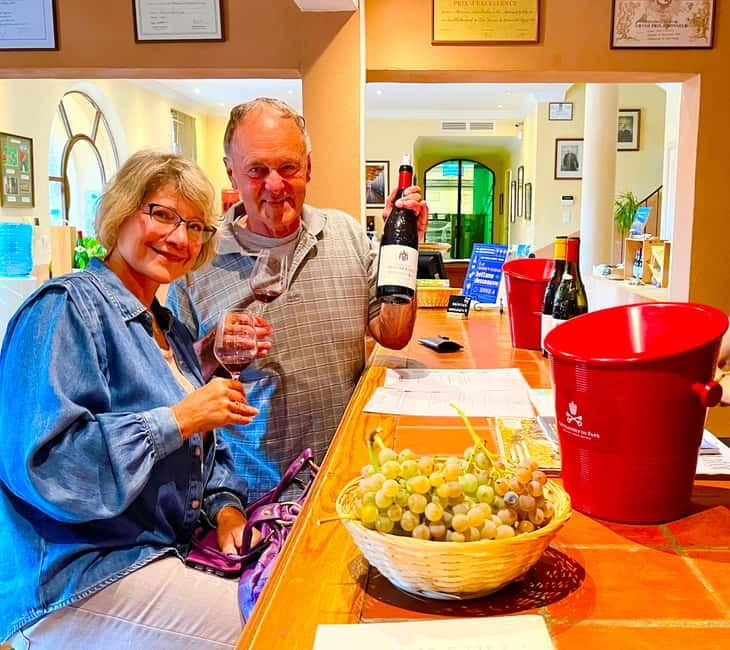
Here are the key reasons this Vin Rhône day tends to land with people.
- Three appellations, one clear story: muscat sweetness, famous Gigondas reds, then Châteauneuf-du-Pape intensity
- At least 9 wines minimum across 3 different wineries (morning seasonal version, and the all-year versions in the same format)
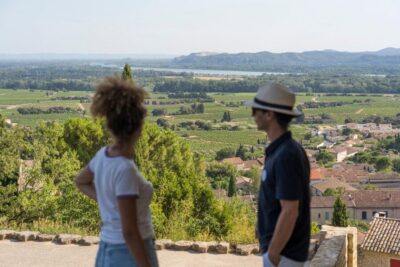
- Vineyard views + photo time: you’re not stuck only inside tasting rooms
- A real local picnic in peak season (April to October mornings), with farm-style produce
- Small group size (max 6), so you get real attention during tastings
- Arnaud’s practical guidance: helpful for pronunciation, questions, and understanding terroir fast
Meeting Point in Avignon, and why the start matters
Your day begins at Hôtel Le Bristol Avignon, right in front of the hotel. Look for the black car with Ventourisme on the sides. This matters because you are not trying to coordinate multiple taxis, and the group stays together from the first minutes.
You’ll be picked up and dropped off in Avignon, which is a big value point if you want to drink wine without worrying about driving logistics later. Also, the group stays small, limited to 6 participants, which helps the guide move at a human pace instead of a factory pace.
One more practical note: you’ll be in a car with rules on space. Oversize luggage is not allowed, and luggage or large bags are not allowed either. Walking frames are also not allowed. If you’re bringing only a small day bag, you’ll be fine.
Beaumes-de-Venise: muscat on the protected side of the Dentelles
Your first tasting stop is typically Beaumes-de-Venise, especially in the April to October morning run. This appellation is tucked on the southern face of the Dentelles de Montmirail, with three peaky mountain ranges that act like a shield.
That protection is not just scenery. It changes the feel of the vineyards and, more importantly, the wine. Beaumes de Venise is generally less windy and warmer than other nearby wine areas, which helps explain why Muscat is the headline wine here. This muscat is a natural sweet wine, with AOC status dating back to 1943.
During the tasting, you’re not just sipping. You get context for how people drink Muscat. It works as an aperitif, but it also pairs naturally with desserts, blue cheese, and charcuterie. There’s also a red AOC, but it came later, with rules since 2005. Winemakers can use up to 10% white grapes in the blend, which is a detail that makes you taste more curiosity in the glass when the guide points it out.
Terroir here is mostly limestone or sandstones, with sandy or clay soils. If you like learning why a wine tastes the way it does, this first stop gives you a foundation for the day. The only real tradeoff: Beaumes can set expectations high in a hurry, because muscat sweetness is memorable and different from the red-focused areas that come next.
More French appellations, visited:
- Chateauneuf du Pape wine tour
★ 5.0 · 484 reviews - From Avignon: Châteauneuf du Pape Half-Day Wine Tour
★ 4.7 · 365 reviews - Provence Cru Wine Small-Group Half-Day Tour from Avignon
★ 4.5 · 290 reviews
Gigondas: Mistral winds, altitude, and reds with a spine
Next up is Gigondas, and this stop is all about the power of the local weather. Gigondas sits on the northern face of the Dentelles de Montmirail, where the wind hits more directly. The Mistral can blow around 150 days a year. Even when it is cold, it pushes clouds away and helps dry vineyards, which can reduce disease pressure.
Gigondas is also higher than Beaumes, with altitude roughly 100 to 600 meters. That height shows up in the way the grapes develop, and in the way the wines can taste more structured.
The “signature” is red. Gigondas is famous for reds dating back to 1971, and rosé has also been possible since 1971. White is newer. It joined the AOC in 2023, so it’s not the oldest tradition on this slope.
The specific soils matter here too. Sandy marls are a standout in Gigondas, though you can also find clay, sandy soil, limestone, and sandstones. In other words, the terroir is not one note. It gives you a chance to taste depth while the guide helps you map that depth to what you are looking at outside.
For many people, the Gigondas tasting is the moment where the day shifts from “pretty stops and good wine” into “okay, I get why these wines are different.” It’s also a good checkpoint for your palate before you tackle Châteauneuf-du-Pape.
Vineyard picnic in Gigondas: what you’re really eating for
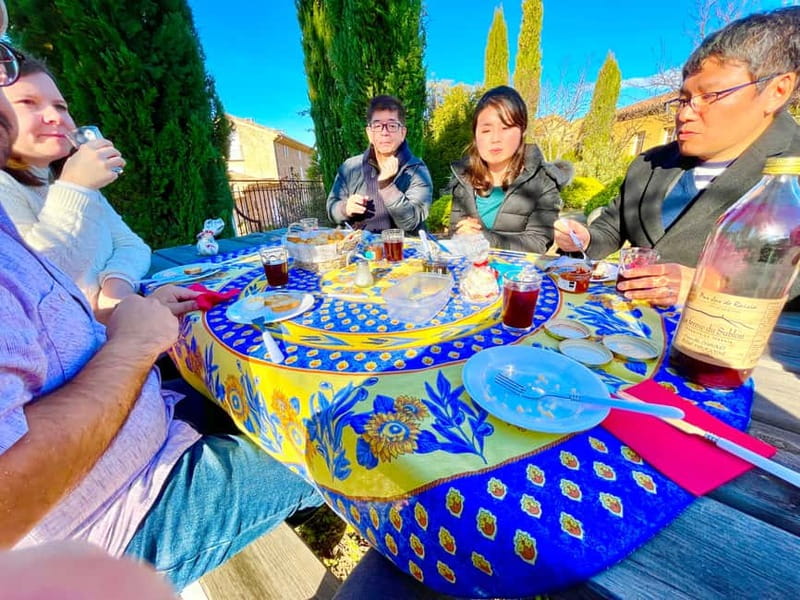
If you’re on the morning tour from April to October, you get the picnic, and it’s timed after the Gigondas tasting. The schedule gives you about an hour for the picnic experience, which is long enough to slow down and actually enjoy the setting.
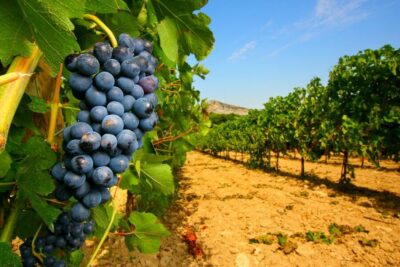
This is not a restaurant lunch. It’s a picnic style break with fresh farm products. Typical items listed include eggs, black olives tapenade, sweet pepper tapenade, fresh goat cheese, seasonal fruits, and fruit juice. Other spreads mentioned include bread, anchovies, and a clementine. So yes, you get salty, savory, sweet, and fresh.
Why I like this part for visitors: it helps you understand the wines as part of everyday life in the region. Muscat and sweet wine make much more sense when you eat fruit and local produce beside them. And if you bought a couple bottles, you’re already thinking about what you’ll eat with them back in your room later.
One practical consideration: since this is in-season, you’ll likely be outdoors. Bring sun protection, even if the tasting rooms are comfortable.
Châteauneuf-du-Pape: river stones, iconic reds, and the long-aging promise
The day’s big headline stop is Châteauneuf-du-Pape, the iconic southern Rhône appellation. This is where you go for the “world famous” red wine identity, and it delivers. Production is 92% red, with 8% white.
The region’s reputation is old. It became the first AOC in France in 1936 and today its wines are known around the world. But what you’ll learn here is that the terroir is not just a vague romantic idea. One detail stands out right away: big river stones. Those stones can shape ripening and heat retention, which helps the wines become richer in general.
The soils also include clay soil, sandy soil, sandstones, and limestone. So the signature is not single-minded stone alone. It’s a combination, and that combination is part of why Châteauneuf wines often taste powerful and complete.
Timing matters too. Wines from here can be kept in a cellar for 20 to 30 years, so this appellation is built for patience. Even if your tasting pours are not aged bottles, the guide’s context helps you understand why people talk about aging with confidence.
This is also the stop where you’ll likely want your camera out. The tour is structured to give you chances to take pictures in the vineyard views, so you’re not just buying a bottle, you’re taking home the mental image of what the wine came from.
Other Avignon bookings in the margin notes

Price, time, and the real value of $93 per person
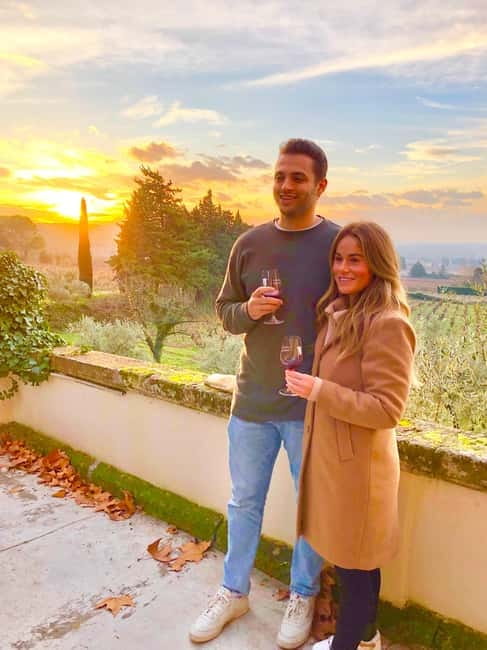
At $93 per person, this tour is mostly “value by inclusion.” You are not only paying for a tasting. You’re paying for transport from Avignon, a small-group guide, and tastings across three appellations that each have their own terroir and wine profile.
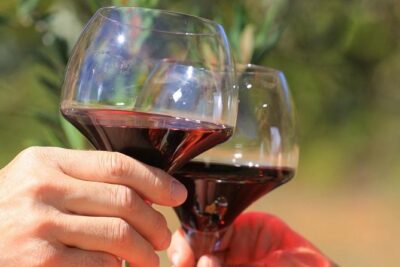
A big value piece is the tasting volume. The April to October morning version includes a tasting of a minimum of 9 wines in 3 different wineries, and that includes Châteauneuf-du-Pape. In the all-year versions, the tour keeps the same idea but runs in the opposite direction and skips meals. In November to March, the schedule tightens, with only 2 estates then Châteauneuf, with no meals.
So you can line up your expectations with the season:
- If you go April to October mornings, you get the widest experience: three wineries, at least 9 wines, and a picnic.
- If you go in the other available time slots, you still get multiple tastings across the core areas, just without the picnic.
The other value is the “human scale” of the guide and group size. With a limit of 6, you tend to get a real back-and-forth during tastings, including help with French pronunciation. That improves the experience even if you’re not a wine expert.
If you care about comfort, keep one thing in mind: compact car seating means it’s better with a small group. One note from past guests was that a roomier vehicle would be nicer for comfort, especially if the group is more than one or two people. So if you’re tall or prefer lots of personal space, plan accordingly.
Logistics you should actually know before you go
This is a wine tasting tour with countryside driving, so a few details matter more than you might think.
Group and guide: Small group, max 6, guided in French and English. Arnaud is the face of the experience, and his style is described as friendly, patient, and focused on keeping the pace comfortable.
Timing: Depending on season, expect these windows:
- April to October mornings: 9:30 am to around 3:30 pm, with picnic included.
- All year round: 2:00 pm to around 6:30 pm, same tour pattern in opposite direction, no meals.
- November to March: 9:30 am to around 12:30 pm, two estates plus Châteauneuf, no meals.
Weather: The tour can be canceled because of weather conditions.
What not to bring: Oversize luggage, luggage or large bags, and walking frames are not allowed in the car.
Who should skip it: It is not suitable for pregnant women or people with heart problems.
Who this tour suits best, and who should choose differently
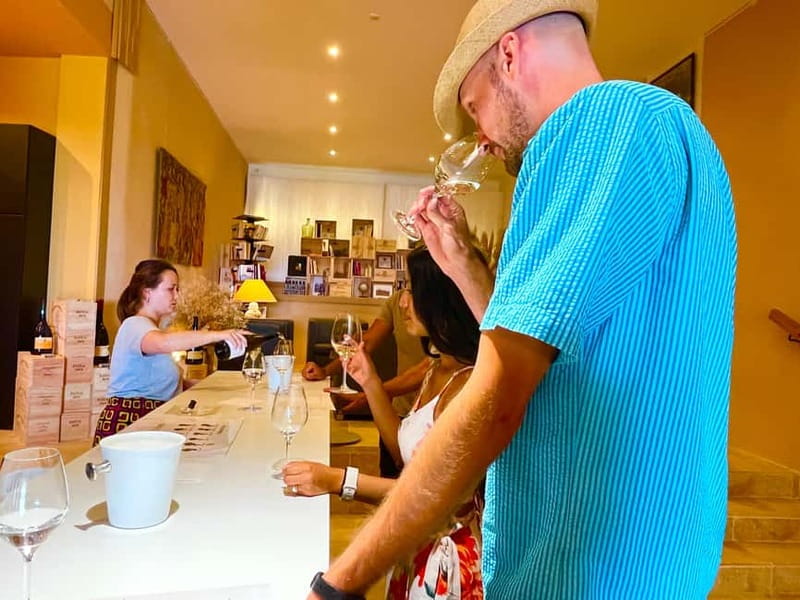
This tour is ideal if you want a tight, guided introduction to the southern Rhône without spending the whole day driving yourself. You’ll get variety fast: muscat sweetness in Beaumes de Venise, Gigondas reds shaped by mistral winds and altitude, and Châteauneuf-du-Pape reds defined by river stones and aging potential.
It also suits you if you like structure. The day moves in a logical order from one terroir identity to the next. And the tastings are diversified enough that you should not end the tour thinking everything tasted the same.
Choose a different option if:
- You need a lot of room in the vehicle, since this is a small car setup.
- You want only one style of wine, because this tour covers sweet muscat, reds, and (depending on the tasting lineup) touches on whites as part of the appellation profile.
Should you book this Avignon to Rhône wine tour?
I’d book it if your goal is simple and high value: you want more than one region, multiple wineries, and at least 9 wines in a half-day format that stays organized. The small-group size plus Arnaud’s approach makes it more than just a bus-and-sip situation.
Book it especially if you’re traveling between April and October and can do the morning run. That’s when the picnic turns the day into a countryside break, with local produce that fits naturally with the wines you’re tasting.
If you’re visiting in winter, don’t feel like you’re getting less of the core experience. You still go to Gigondas or Beaumes and then to Châteauneuf-du-Pape, just with fewer stops and no meal. That still gives you a strong Rhône sampler, without the full all-day commitment.
If you tell me your travel month and whether you prefer reds only or you’re open to sweet Muscat styles too, I can help you pick the best time slot.
Latest Avignon entries, notes attached


Provence Day Tours, compared.
Provence Highlights Full-Day Tour from Avignon
Read our review →
4×4 Camargue Safari 4h – Departure from Arles
Read our review →
Luberon Villages Half-Day Tour from Aix-en-Provence
Read our review →
This tour also appears in