
Reviewed · COGNAC & DISTILLERY VISITS
Jarnac: Braastad cognac prestige visit
Jarnac is a small town, but the cognac work is big. This Braastad prestige visit is interesting because it links the whole process, from vineyard decisions to distillation and blending, then finishes with a focused tasting of the oldest bottles. I like that the tour is built around real production steps, not just slogans or glassware photos.
I also like the payoff: a guided run through the distillery and aging cellar, capped with a tasting of three top, age-worthy cognacs (XO, XO supérieur, and Extra). One consideration is timing. You get about 90 minutes, so if you want hours of bottle talk, you will need to plan extra time for shopping after the tour.
In This Review
- Key things to know before you go
- Braastad in Jarnac, where craft starts long before the glass
- Where you meet and how the 90 minutes flow
- The historical intro and the iconic building moment
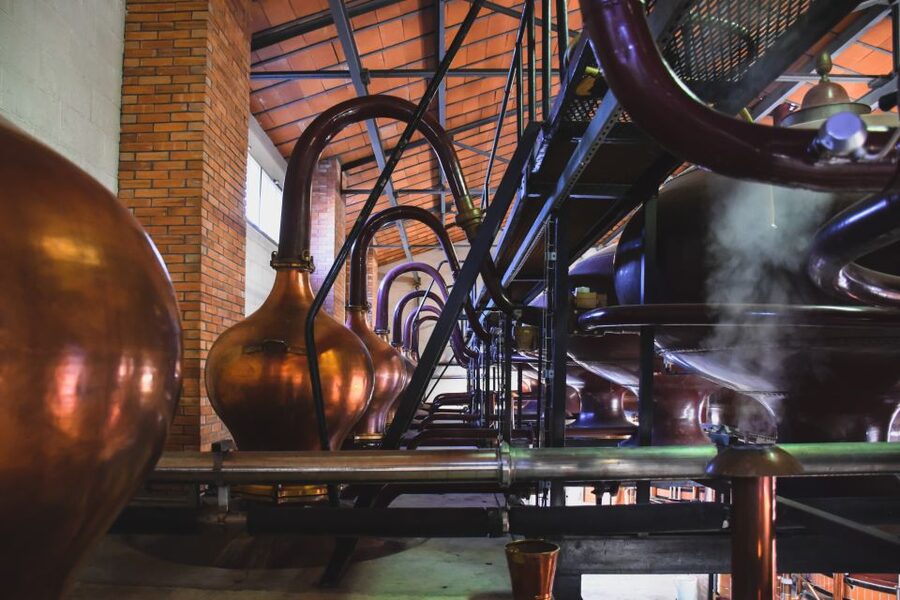
- The distillery stop: learning distillation in front of 10 pot stills
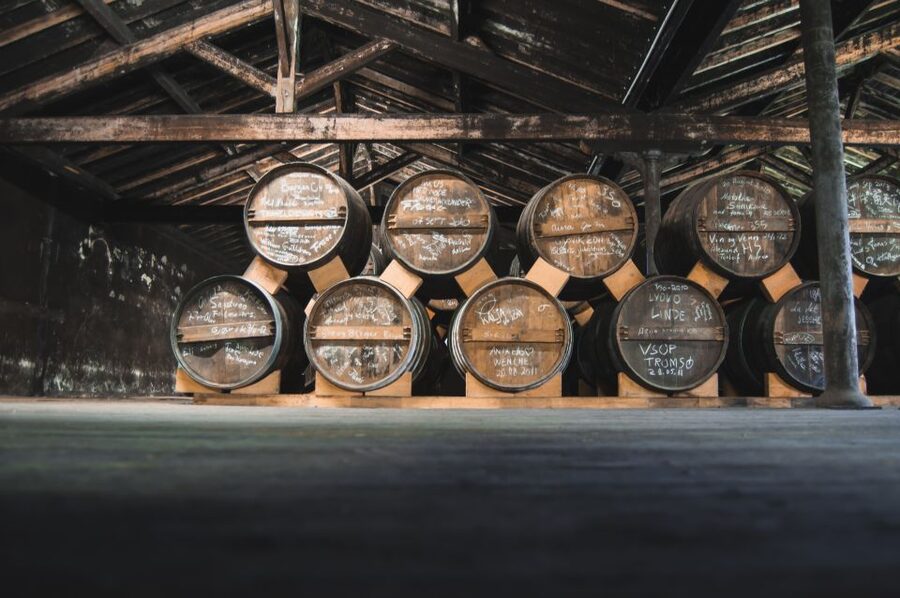
- The aging cellar and blending logic, where patience becomes flavor
- The museum of bottles: small details that help tasting make sense
- The tasting: XO, XO supérieur, and Extra, and how to think about it
- Shopping time in Mainxe-Gondeville, what’s worth your attention
- Price and value: $41 for production access plus three oldest pours
- Who should book this prestige visit
- Should you book the Braastad prestige visit?
- FAQ
- How long is the Braastad cognac prestige visit?
- Where does the tour start?
- Is there free parking nearby?
- What languages are the tours offered in?
- What is included in the tasting?
- What parts of the production process will I learn about?
- Will I see the distillery?
- Is there time for shopping?
- What is the price?
- Can I cancel if plans change?
Key things to know before you go
- From grapes to blending, you’ll follow the full chain of production: vineyards, harvest, winemaking, distillation, aging, and blending.
- 10 pot stills in the distillery make the craft feel concrete and hands-on.
- Aging cellar time helps you understand how the spirit changes before it ever meets the blender’s judgment.
- Museum and old bottles add context when you want more than just a technical explanation.
- Tasting of the oldest bottles (XO, XO supérieur, Extra) shows how aging and blending shift flavor.
Braastad in Jarnac, where craft starts long before the glass
Cognac tasting tours can split into two types. Some are mostly storytelling. Others are mostly production facts. This one tries to do both, and it helps that Braastad has been doing it since 1875. That matters, because you’re not just learning what cognac is, you’re seeing how a family-run house thinks about consistency, patience, and standards.
The tone on this tour is practical. You learn that the house doesn’t just receive grapes and make decisions at the very end. Instead, the brand takes care of key moments all the way through: vineyards, harvest choices, winemaking, distillation, aging, and finally blending. If you like the idea that terroir is expressed through a controlled process, this approach makes sense.
And you do not have to be a total cognac nerd to enjoy it. The pace is guided and structured, so the science stays understandable, and the tasting gives you a chance to connect the dots.
Where you meet and how the 90 minutes flow
The visit starts at 29 Quai Île Madame. There’s free parking along the river Charente, and the meeting point is at the front door. From there, the visit moves to the production side of the experience in Mainxe-Gondeville, where the core tour and shopping time happen, then you return to the meeting point.
Plan for a focused session, not a half-day wander. At 90 minutes, you’ll see a lot, but you’ll also move along at a set rhythm. That’s actually a strength. You get a clean overview, you get to taste, and you get out without burning your whole day.
This is also a good tour size for people who want guidance. The tour includes a live guide in English, French, or Norwegian. In past sessions, guides like Eric have stood out for being friendly and professional, and for answering even the basic questions without making you feel out of place.
The historical intro and the iconic building moment
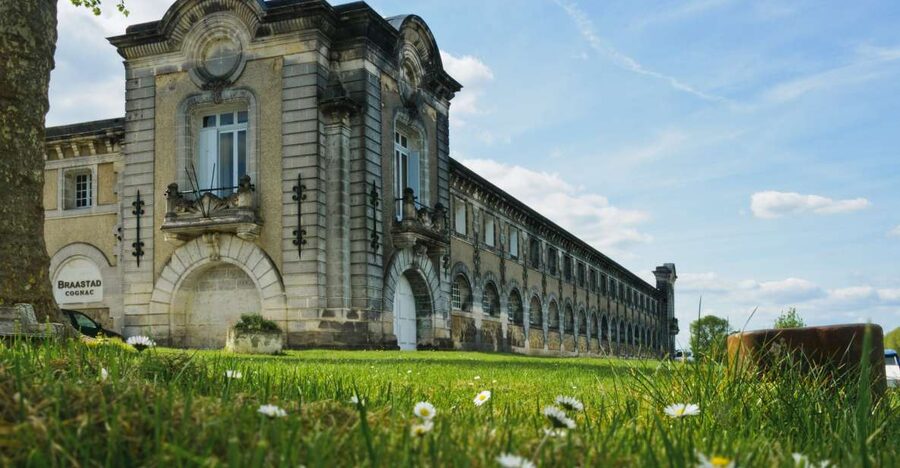
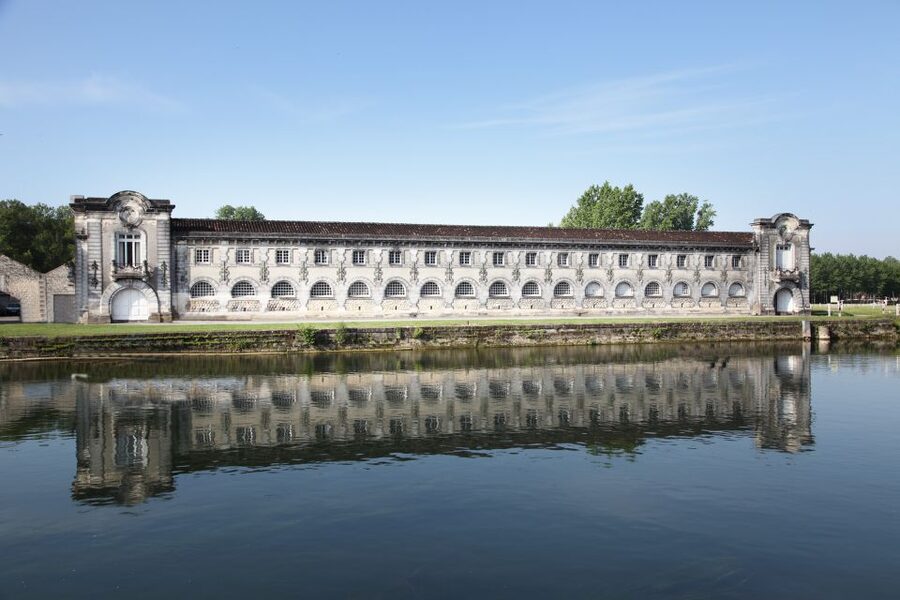
Before you walk into the production areas, you get the history of the spirit and the brand. It’s brief, but it frames what you’ll see next: cognac is both tradition and technique. Then you get the chance to walk into the heart of the company, including the iconic building.
This part is useful because it sets expectations for how the rest of the visit works. When you know that cognac involves choices at multiple steps, you stop thinking of it as one single process and start thinking of it as a chain. The building and the history help you hold that idea in your head, so the cellar and distillation explanations land better.
If you’re the type who likes context, this opening gives you enough background to make the technical rooms feel meaningful, not random.
The distillery stop: learning distillation in front of 10 pot stills
One of the most satisfying parts is the walkthrough of the distillery, where you can admire 10 pot stills. Seeing pot stills up close changes the way you think about distillation. It stops being an abstract word and becomes a visible, mechanical step in the making.
During the guided portion, you learn how distillation fits between fermentation and aging. The point is not just that distillation happens. The point is that distillation shapes what will later age into different flavor outcomes. You also hear how the house keeps watch and makes decisions at each stage to protect quality.
If you’re picturing a glass-and-soap-tour, this isn’t that. The distillation room gives you something real to look at, and it makes the rest of the tasting easier to interpret later.
Practical tip: if you have questions, this is the best time to ask them. It’s when everything feels most concrete, and a good guide can connect your question to what you’re standing in front of.
The aging cellar and blending logic, where patience becomes flavor
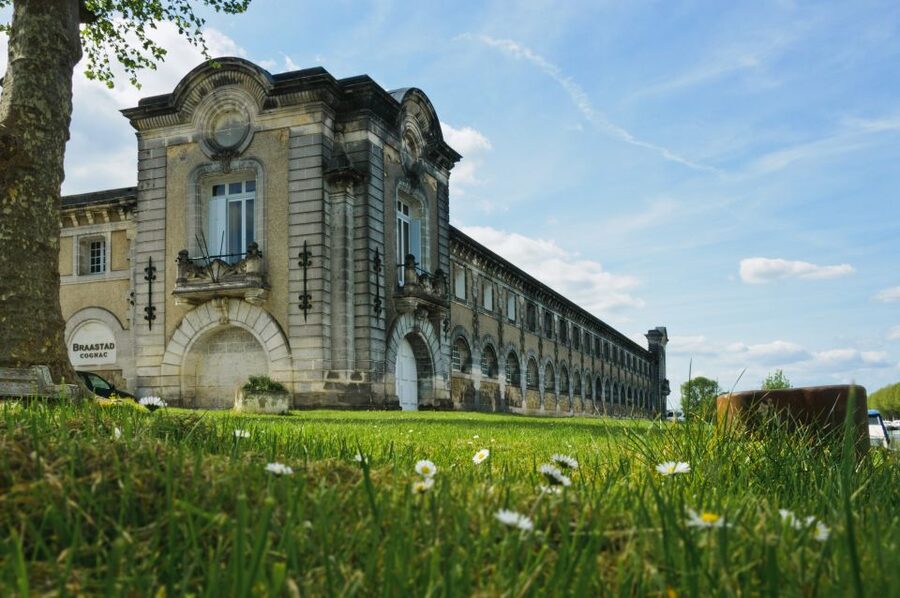
After distillation, you move into the aging cellar. This is where cognac stops being about process and starts being about time. You learn how the spirit is held for ages, then prepared for blending at the best moment.
The aging cellar explanation matters because many people treat cognac tasting as if it’s all about one year or one batch. Here, you see that the story is longer. Aging is a slow transformation, and blending is a craft tool that brings harmony to different lots.
You’ll also get to admire how the house thinks about storage and maturation. Even without heavy chemistry, the tour helps you understand that the end result is not accidental. It’s the outcome of repeated decisions, especially when you want a consistent style.
If you like the idea of a house protecting its standard, this section delivers. The visit frames aging and blending as purposeful work, not waiting in a warehouse.
The museum of bottles: small details that help tasting make sense
Between the cellar and the tasting, the tour includes a museum component with fun facts and elegant old bottles. This is a quieter stop, but it helps anchor the story.
I find these bottle museums practical. They give your brain something to connect to later while you taste. A tasting note is just language until you’ve seen how people have collected and prized cognac over time. The museum section bridges that gap, so the tasting feels less like a party trick and more like an education.
It also gives you a chance to slow down. You can look at labels and shapes, and you start noticing how presentation and branding have evolved without breaking the core idea of cognac.
The tasting: XO, XO supérieur, and Extra, and how to think about it
The tour ends with a tasting of three cognacs designed to show the art of aging and blending: XO, XO supérieur, and Extra. This is the part most people remember because it turns the whole tour into taste.
Even if you don’t keep a notebook, you can still learn a lot if you taste with a simple framework. Ask yourself three things for each pour:
- How does it smell at first, then after a few seconds?
- Does it feel lighter or heavier on the palate?
- Does the finish linger in a warm, dry way or in a sweeter, rounder way?
XO tiers are often discussed in terms of maturity, but on this tasting you’re really learning the impact of how long and how the house blends to shape the final character. XO supérieur and Extra, in particular, are where you can start noticing deeper integration of aromas and a smoother arc from sip to finish.
From the way guides like Eric have been described, the tasting isn’t just sit, sip, clap. You get explanations that help you connect aroma and flavor back to the earlier stops, especially aging and blending logic.
One consideration: the tasting involves alcohol. If you’re driving, plan ahead. A good tasting tour is fun, but it should also be safe.
Shopping time in Mainxe-Gondeville, what’s worth your attention
The visit includes shopping time after the guided portion. This is not the time for impulse buying based on label design. It’s the time to buy with context.
If you want a souvenir that makes the tour feel real, look for:
- Bottles tied to the categories you tasted (XO, XO supérieur, Extra)
- Smaller packs or gift sizes if you are bringing it home to share
- Anything the house recommends for aging style, not just brand name
Because the tour focuses on aging and blending, you’ll get more satisfaction from a bottle that matches what you learned, rather than the one that looks fanciest.
Price and value: $41 for production access plus three oldest pours
At $41 per person for 90 minutes, this tour is priced like a true tasting experience with production access, not like a basic introduction. You are paying for time in real spaces: history and the heart of the company, the distillery viewing with 10 pot stills, the aging cellar and museum component, plus the tasting of three older cognacs.
For me, the value is strongest if you fit one of these categories:
- You want to learn how cognac is made, not just taste it.
- You enjoy structured tastings with guidance.
- You like family-run brands and long-term craft thinking.
If you already know cognac well and you just want a quick hit of tasting with no education, you might find the format a bit too structured. But for most people who want both learning and a meaningful end tasting, $41 feels fair.
Who should book this prestige visit
Book this if you:
- Are staying in Nouvelle-Aquitaine and want an easy add-on with a clear schedule.
- Prefer hands-on production learning, including distillation and aging.
- Enjoy guided tasting where someone explains what you’re tasting and why.
Skip it if you:
- Want a long, unhurried day with deep technical workshops and extended cellar time.
- Prefer self-guided browsing only, with no structured walkthrough.
This is also a nice option for couples and small groups, because the tour has a flow that works well even without private treatment.
Should you book the Braastad prestige visit?
I’d book it if you want a straightforward, high-return cognac education in a short time. The best reason is the combination of real production access and a tasting that actually demonstrates aging and blending through XO, XO supérieur, and Extra.
If you care about quality and enjoy learning how a family house makes choices from vineyard to cellar, this one fits the bill. And if you just want something fun in Jarnac that ends with good pours and clear explanations, it is a solid use of your time.
FAQ
How long is the Braastad cognac prestige visit?
The tour lasts 90 minutes.
Where does the tour start?
The meeting point is 29 Quai Île Madame, with the meeting place at the front door.
Is there free parking nearby?
Yes. There is free car parking along the river Charente.
What languages are the tours offered in?
The live tour guide is available in English, French, and Norwegian.
What is included in the tasting?
The tasting includes three exceptional and oldest cognacs: XO, XO supérieur, and Extra.
What parts of the production process will I learn about?
You will be guided through the steps of making cognac, including vineyards and harvest, wine making, distillation, ageing, and blending.
Will I see the distillery?
Yes. You’ll visit the authentic distillery and can admire the 10 pot stills.
Is there time for shopping?
Yes. There is shopping time during the visit.
What is the price?
The price is $41 per person.
Can I cancel if plans change?
The activity offers free cancellation up to 24 hours in advance for a full refund.
Barrel Rooms of Cognac
- Immersive tour DISTILLERIE PERE MAGLOIRE
★ 5.0 · 314 reviews - Lavender Field & Distillery Tour between Nimes & Arles
★ 4.9 · 173 reviews - Jarnac: Braastad cognac discovery tour
★ 5.0 · 103 reviews - Guided tour Distillery of Lavender between Nîmes & Arles
★ 5.0 · 84 reviews
Cognac & Distillery Visits, compared.

Lavender Field & Distillery Tour between Nimes & Arles
Read our review →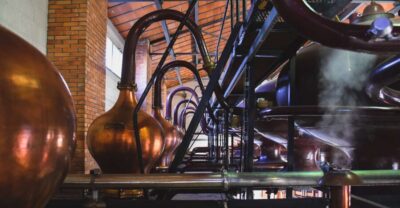
Guided tour Distillery of Lavender between Nîmes & Arles
Read our review →
Pont-l’Évêque: DISTILLERIE PERE MAGLOIRE Entry with Tastings
Read our review →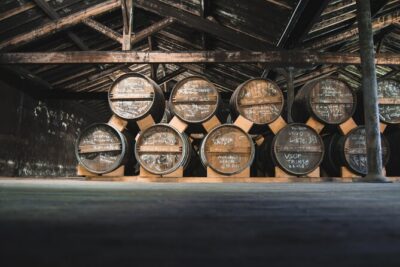
This tour also appears in