
Reviewed · MUSEUMS
Limoges: Musee National Adrien Dubouche Ticket
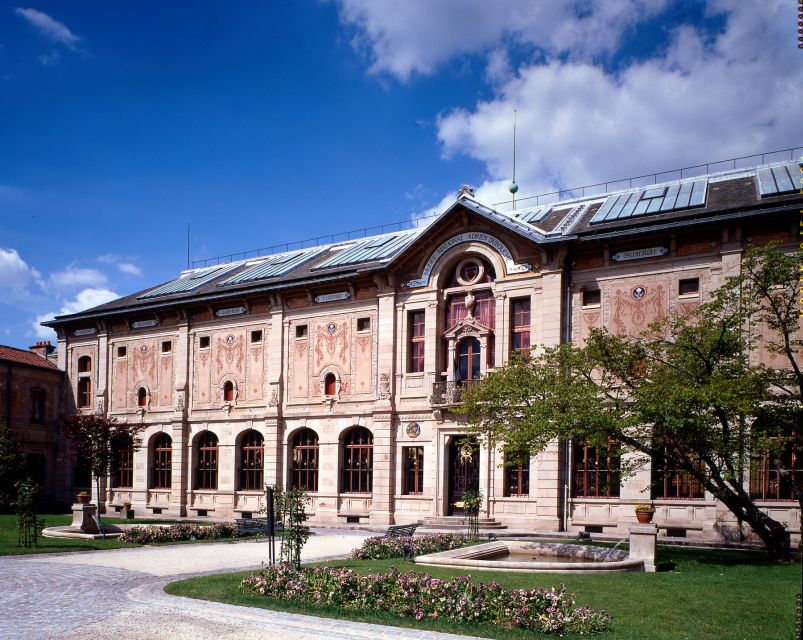
Porcelain fans, this is your kind of stop. The Musée National Adrien Dubouché in Limoges turns a city obsession into a walk-through museum experience, with 18,000 pieces spanning centuries of Limoges porcelain. Add in a beautiful Italian façade and a building recognized as a historical landmark, and you have a stop that feels both artsy and oddly calming.
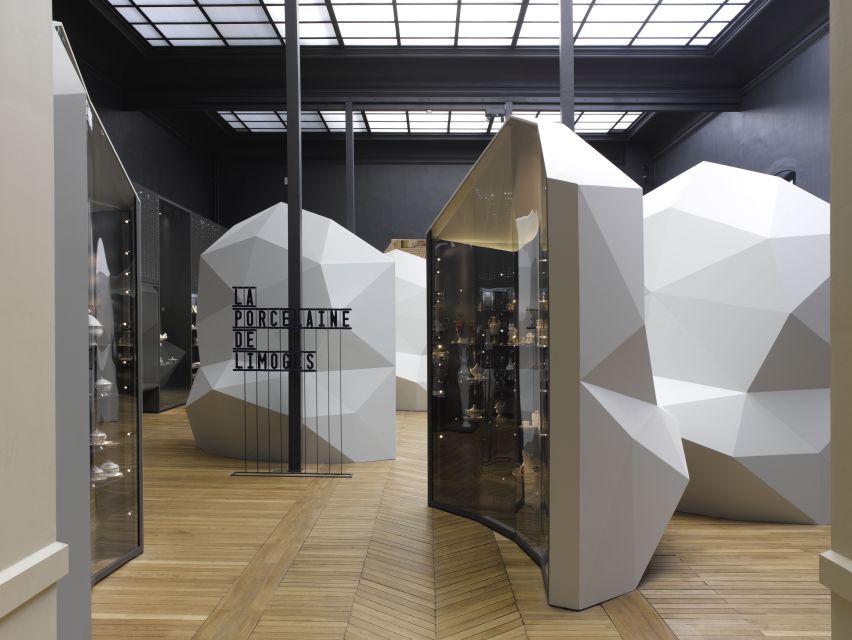
I especially like two things. I love how much attention the museum gives to the materials and the actual process behind porcelain, not just finished objects. I also like the airy feel of the galleries, and the way the third floor can make you slow down and really look.
One thing to plan for: the second floor presentation can feel a little confusing at times. If you prefer a perfectly linear storyline, give yourself extra time and follow the room themes instead of rushing from case to case.
In This Review
- Key highlights you’ll care about
- Why Limoges porcelain belongs in your itinerary
- Practical details: where to go and when to visit
- First impressions: the historical façade and “museum you can walk through”
- Old classrooms of the École d’arts décoratifs: start where craft was taught
- Art Nouveau halls: when style and ceramics meet
- Techniques and materials room: learn what porcelain is built from
- Halls of fine porcelain artworks: slow down and choose what to look at
- How long you should plan (and how to pace a self-guided visit)
- What the $8 ticket buys you, and why it feels like value
- What is not included, so you don’t get surprised
- Who this museum visit suits best
- Should you book this Musée National Adrien Dubouché ticket?
- FAQ
- Where is the Musée National Adrien Dubouché?
- What are the opening hours?
- Is the museum closed on any specific dates?
- How much does the ticket cost?
- What does the ticket include?
- What is not included?
- Are large bags or luggage allowed inside?
- Are there free entry options?
- Is there a cancellation policy?
Key highlights you’ll care about
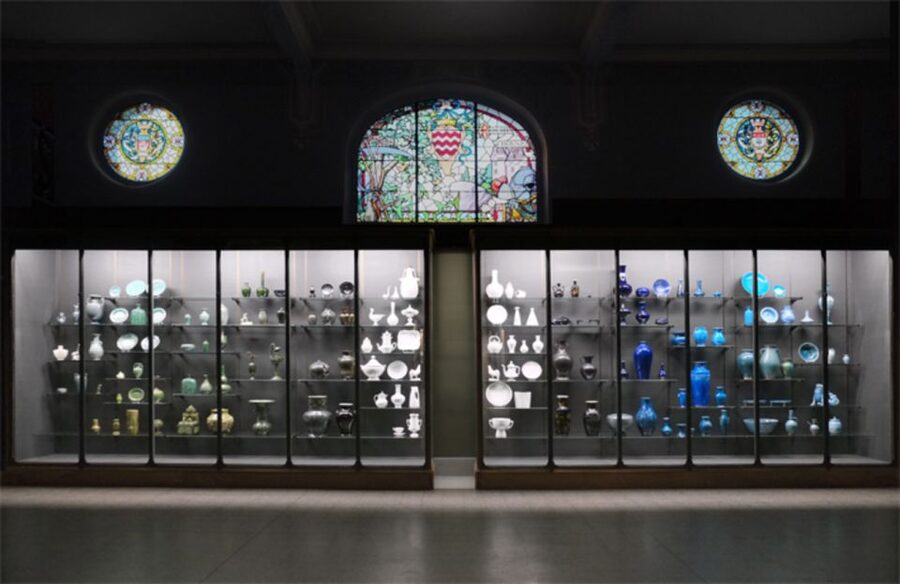
- World’s largest public collection of Limoges porcelain, with 18,000 pieces on display
- Four distinct museum areas, from old classrooms to specialist technique rooms
- Art Nouveau halls that help you connect style with craft
- Technique-focused rooms that explain how porcelain and ceramics are made
- Calm, spacious visiting, based on what many people say they loved
Why Limoges porcelain belongs in your itinerary
Limoges is famous for porcelain, but this museum gives you the why, not just the wow. Instead of treating ceramics like a single decorative category, the Musée National Adrien Dubouché presents porcelain as a craft that changes with time, taste, technology, and even everyday life.
You get a rare payoff from a ticket that is priced like a bargain. The collection is huge, yet the visit stays approachable. I like that the museum doesn’t force you to sprint. You can wander at your own pace and still feel like you’re learning something useful.
Practical details: where to go and when to visit
Plan your day around the museum’s split opening hours. It is open daily except Tuesdays, with hours from 10:00 AM to 12:30 PM, and then 2:00 PM to 5:45 PM. It also closes on December 25th and January 1st.
Your meeting point is simple: Musée National Adrien Dubouché, 8 bis place Winston Churchill, 87000 Limoges. Since this is a museum entry ticket, you’ll just show up and enjoy the galleries at your own pace, no guided pace required.
Also note two practical rules that can shape your experience:
- No luggage or large bags are allowed, so travel light.
- The museum is wheelchair accessible, so if you use a chair, you can plan around the space comfortably.
First impressions: the historical façade and “museum you can walk through”
The first thing you’ll notice is the building itself. The museum sits in a structure with an Italian façade, and it was listed as a historical landmark in 1992. That matters because it sets expectations early. This isn’t a generic box with display cases. It feels like a real place with a legacy.
As you enter, take a minute to get oriented. The museum is arranged into four separate areas, so mentally map your route before you start drifting. It makes the huge collection feel manageable instead of overwhelming.
Old classrooms of the École d’arts décoratifs: start where craft was taught
One of the most interesting areas is the museum’s old classroom setting tied to the École d’arts décoratifs. Walking through rooms that once served as spaces for training changes how you see what comes next.
Here’s what I find valuable for your visit: it reframes porcelain from an object you buy into something that was studied, practiced, and taught. When you understand that craft education shaped design choices, later display rooms make more sense.
If you like museums that mix art with the practical side of making, you’ll probably enjoy lingering here. It’s a good early stop because it sets a mindset: look at technique and intention, not just decoration.
Art Nouveau halls: when style and ceramics meet
After the educational feel of the classroom area, you move into the museum’s Art Nouveau halls. This is where ceramics start to look like they’re responding to broader design movements, not just local tradition.
What I like about this section for real life visitors is the balance between beauty and meaning. You’re not only looking at pretty pieces. You’re seeing how style can influence color choices, motifs, and the overall presence of an artwork.
If you get decision fatigue easily in museums, Art Nouveau halls are a good reset. The visual style gives your eyes a guide. You can appreciate how themes repeat and evolve without needing to read every label to follow along.
Techniques and materials room: learn what porcelain is built from
One of the strongest reasons to come is the museum’s focus on how porcelain and ceramic-making works. You’ll spend time in the area dedicated to porcelain and ceramic-making techniques, where the museum explains materials and the process behind the craft.
This is where many people walk out feeling like they learned something they can actually use. You start to notice details you would otherwise miss, like how a finish changes the look of surface patterns, or how different stages of making impact the final object.
If you’re curious about materials, this room is a highlight. And if you’re not, it can still be a game changer because it gives you a language for what you’re looking at. Even a short stop here can improve your whole day.
Halls of fine porcelain artworks: slow down and choose what to look at
The final area focuses on the finest porcelain artworks. This is the room cluster where the museum really leans into spectacle, but in a controlled, thoughtful way. You’re not just surrounded by objects. You’re guided through the idea that porcelain has been used for art, ceremony, and status.
What I recommend here is simple: don’t try to see everything at once. With more than 18,000 pieces in the building, your best strategy is to pick a few themes and follow them through the artwork halls.
For example, choose one category:
- decorative motifs
- figurative pieces
- high-detail surfaces and finishes
Then spend longer on pieces that match your theme. It turns a huge museum into something personal.
Some people really enjoy the feeling of light and space in these sections, especially on higher floors. One review mentioned the museum being bright, with a particularly lovely experience on the third floor. Even if you don’t seek out the third floor, it’s worth paying attention to where the museum feels most open when you plan your pacing.
How long you should plan (and how to pace a self-guided visit)
A ticket like this tempts you to rush, but it pays to slow down. For visitors who are truly interested in ceramics, a good target is about 3 to 3.5 hours.
Here’s a pacing plan that works well:
- First hour: classrooms area plus a quick orientation
- Next hour: Art Nouveau halls, sampling rather than trying to cover every display
- Middle of the visit: techniques and materials room, take notes if you like
- Final stretch: fine artworks halls, focus on a few themes and stop when your eyes start glazing over
Also keep one mental note in mind: the second floor can feel confusing. That doesn’t mean you won’t enjoy it. It just means you should not treat it like a quick pass-through. If you’re the type who likes clarity, allow extra time and move room by room.
What the $8 ticket buys you, and why it feels like value
At about $8 per person, this is the kind of ticket that gives you a lot for the price. The value isn’t just the headline number of pieces. It’s the way the museum connects the craft process to the objects themselves, with distinct zones devoted to design eras, teaching, techniques, and finished artworks.
A big museum collection can feel like a blur. Here, the structure helps you keep your footing. You’re not only paying for access. You’re paying for a learning-friendly layout that makes a huge collection more digestible.
And since the visit is self-paced and you can roam the museum at leisure, you’re not stuck on someone else’s timing. That is often what makes budget tickets feel like real bargains.
What is not included, so you don’t get surprised
This entry ticket covers museum entrance only. That means:
- Food and drinks are not included.
- Hotel pickup or drop-off is not included.
So if you’re staying in town, plan for a snack break outside the museum or close by. The museum’s split hours also mean you might be making a lunch decision between the morning and afternoon openings.
Who this museum visit suits best
You’ll likely love this if you:
- are a porcelain or ceramics fan
- enjoy museums where the craft process matters
- like Art Nouveau design
- want a calm, light-filled museum day rather than a sprint
It can also be a good cultural stop even if you’re not a ceramics expert. The techniques focus makes the experience easier to understand. But if you dislike anything that might feel disorganized, budget in extra time for the second-floor presentation, since some visitors find it a little confusing.
Should you book this Musée National Adrien Dubouché ticket?
Yes, I think you should book it if you want a real Limoges experience with tangible learning. The price is low, the collection is massive, and the museum structure helps you connect materials, teaching, style, and finished porcelain in one place.
Book it especially if you enjoy museums that let you roam. You can go at your own pace, and the experience tends to reward careful looking. If you’re short on time, consider visiting during one of the open blocks and be ready to focus on fewer areas rather than trying to see every room.
FAQ
Where is the Musée National Adrien Dubouché?
The address is Musée National Adrien Dubouché, 8 bis place Winston Churchill, 87000 Limoges.
What are the opening hours?
The museum is open daily except Tuesdays, from 10:00 AM to 12:30 PM, and 2:00 PM to 5:45 PM.
Is the museum closed on any specific dates?
Yes, it is closed on December 25th and January 1st.
How much does the ticket cost?
The ticket price is $8 per person.
What does the ticket include?
The ticket includes museum entrance.
What is not included?
Food and drinks are not included, and there is no hotel pickup or drop-off included.
Are large bags or luggage allowed inside?
No, luggage or large bags are not allowed.
Are there free entry options?
Yes. Entry is free for students under 26 years old, teachers leading school or educational groups, job seekers, or RSA beneficiaries. Entry is also free for everyone on the first Sunday of each month.
Is there a cancellation policy?
You can cancel up to 24 hours in advance for a full refund.
Worth the Coat Check
- Paris: Orsay Museum Entry Ticket
★ 4.7 · 25,647 reviews - Louvre Museum Masterpieces Guided Tour with Access
★ 4.5 · 12,023 reviews - Paris: Louvre Museum Entry Ticket With Host and River Cruise
★ 4.6 · 9,926 reviews - Les Invalides: Napoleon’s Tomb & Army Museum Entry
★ 4.6 · 9,185 reviews
Museums, compared.

Louvre Museum Masterpieces Guided Tour with Access
Read our review →
Louvre Museum Entry Ticket With Host and River Cruise
Read our review →
Les Invalides: Napoleon’s Tomb & Army Museum Entry
Read our review →
Musée de l’Orangerie Reserved Entrance Ticket
Read our review →
Louvre Museum – Exclusive Guided Tour (Entry Included)
Read our review →
Louvre Museum Hosted Entry and Mona Lisa Audioguide
Read our review →
This tour also appears in