
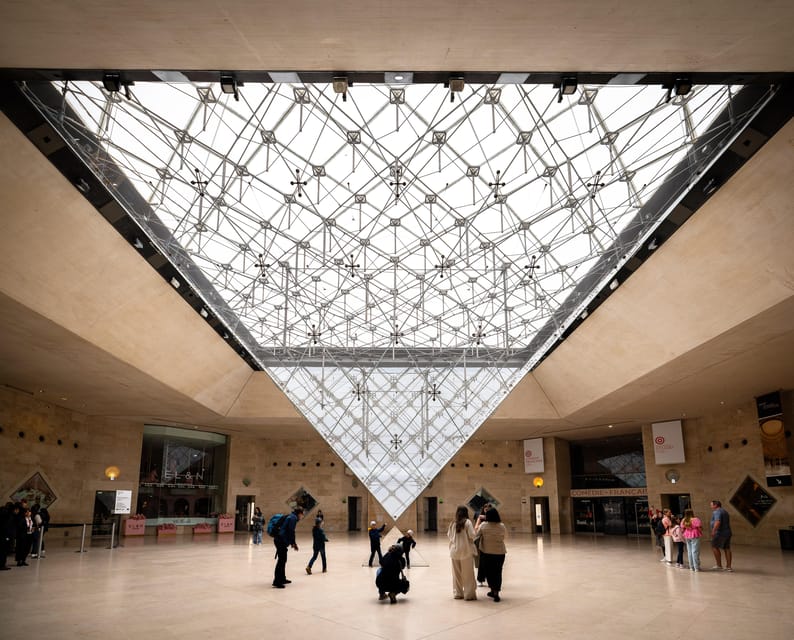
Reviewed · LOUVRE TICKETS & TOURS
Louvre & Mona Lisa Small Group Tour with Reserved Entry
The Louvre can feel like a maze. This small-group tour turns that chaos into a focused walk through the museum’s best-known works, with reserved entry so you start faster and spend more time looking. You get a real guide and headsets, so you can actually hear the stories while you’re standing in front of the art.
Two things I really like: first, the small group size of 12 or fewer, which keeps the pacing human instead of stampede-fast. Second, the guide-led route hits major stops like the Winged Victory of Samothrace, the Mona Lisa, and Delacroix’s Liberty Leading the People, without you needing a PhD to connect the dots. Guides such as Omar, Addie, Maxim, Caroline, and Severine are repeatedly praised for clarity and energy.
One possible drawback to plan for is that the Mona Lisa area can still be crowded on busy days, and your 3-hour visit is tight. That means you might spend a bit of time waiting in or near the Mona Lisa queue, depending on conditions.
In This Review
- Key highlights worth planning around
- Reserved entry at the Louvre Pyramid: why it changes everything
- Meeting at Arc de Triomphe du Carrousel, then a straight run into the museum
- The 3-hour plan: how you see a mega-museum without losing your mind
- Winged Victory of Samothrace: the sculpture that makes the scale feel real
- Mona Lisa time: expect crowds, use your 3 hours wisely
- Canova and the switch from ancient to later masterpieces
- French Wing and Delacroix: seeing Liberty Leading the People in context
- The Louvre building itself: from palace foundations to royal symbols
- Small-group guidance: what you gain beyond faster entry
- Price and value: is $115 worth 3 hours?
- Practical tips before you go: bags, security, and comfort
- Who this tour is best for, and who should skip it
- Book it or not: my straight answer
- FAQ
- How long is the Louvre tour?
- How big is the group?
- Where do we meet the tour staff?
- Where does the tour end?
- Does the tour include reserved access to the Louvre?
- Is the ticket line skipped?
- Are headsets included?
- What do I need to bring?
- What size limits or items are not allowed?
- Is the tour wheelchair accessible?
Key highlights worth planning around

- Reserved entry plus headsets so you avoid the worst lines and don’t miss key info while walking
- A true small-group format capped at 12 people or fewer for easier questions and better attention
- Must-see classics on the same route, including Winged Victory and the Mona Lisa
- French Wing stop for Delacroix, plus big cultural context about what you’re seeing
- Long view of art history, from older sculpture to 19th-century masterpieces
- End point at the Louvre Pyramid, handy for continuing your day around central Paris
Reserved entry at the Louvre Pyramid: why it changes everything

At the Louvre, the museum is not the hardest part. The hardest part is getting inside and then staying oriented once you’re there. With reserved access, you skip the ticket line and start with less friction, which matters because you only have 3 hours.
I also like that this tour starts near a landmark you can find fast. Meeting by the Arc de Triomphe du Carrousel makes wayfinding simpler than hunting for a tiny office in a huge courtyard.
Finally, the headsets are a practical touch. The Louvre is noisy, and other groups talk too. Headsets help you keep up even when the guide is moving you briskly toward the next masterpiece.
Meeting at Arc de Triomphe du Carrousel, then a straight run into the museum
You meet staff dressed in blue beside the Arc de Triomphe du Carrousel. A helpful orientation trick: stand with your back to the Louvre Pyramid entrance. Then look across the road, where you’ll see the arc just before the entrance to the Tuileries Garden. Coordinators stand along the wall railing, to the left of the Arc.
From there, the tour focuses on motion and timing. You’re not wandering in the general direction of art. You’re taken through a route that targets major works and key building moments in a compact window.
The tour ends at the Louvre Pyramid, which is smart. It’s one of the easiest places to regroup, take a breather, and decide what to do next in Paris.
More hours budgeted for the Louvre:
- Paris: Louvre Guided Tour with Reserved Access & Boat Cruise
★ 4.3 · 16,353 reviews - Louvre Museum Masterpieces Guided Tour with Access
★ 4.5 · 12,023 reviews - Paris: Louvre Overview, Exploration tour and Reserved Entry
★ 4.1 · 10,145 reviews
The 3-hour plan: how you see a mega-museum without losing your mind

The Louvre is the kind of place that can swallow an entire day. This tour is designed for people who want the highlights, not a thesis.
In 3 hours, you’ll cover a wide span of periods and styles. Expect stops that range from older sculpture traditions to landmark paintings and 19th-century drama. The goal is to give you a guided understanding of what you’re looking at, plus enough practical routing that you don’t feel lost.
A big part of the value is that the guide explains why things matter. You’re not just “seeing art.” You’re learning how artists, politics, and the building itself connect. That turns random objects into a story you can remember later.
Winged Victory of Samothrace: the sculpture that makes the scale feel real
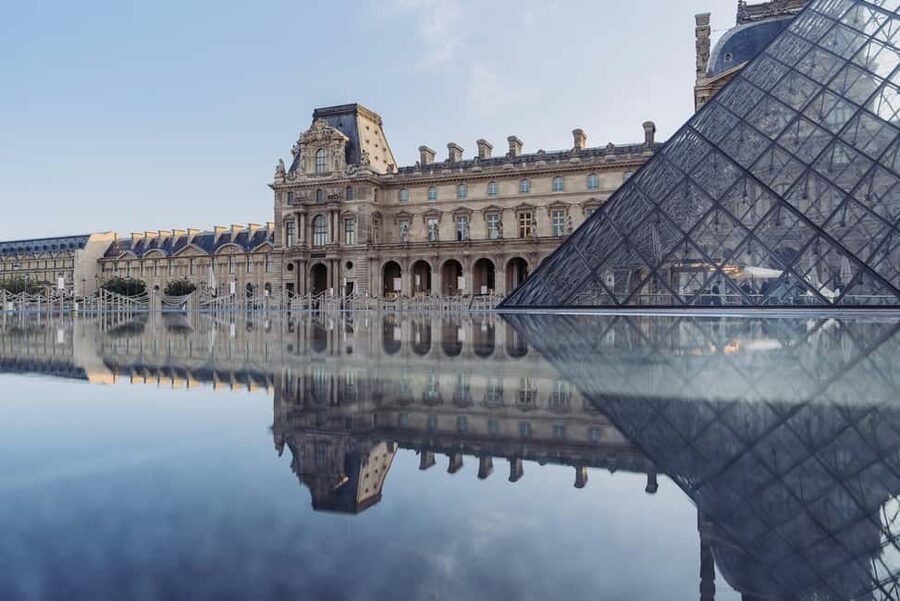
One of the standout moments is the Winged Victory of Samothrace, a famous 2nd-century B.C. sculpture. Even if you’ve seen photos, it hits differently in person.
This is where a guide helps most. The guide frames what you’re seeing so it doesn’t become just another statue among many. You’ll also get context that helps explain its dramatic pose and why it’s remembered so widely.
Practical tip: give yourself a few seconds to just look. In a group setting, people rush to the next spot. If you can, slow down when you reach Winged Victory. The best view is usually the one you find by stepping slightly to the side and letting your eyes adjust.
Mona Lisa time: expect crowds, use your 3 hours wisely
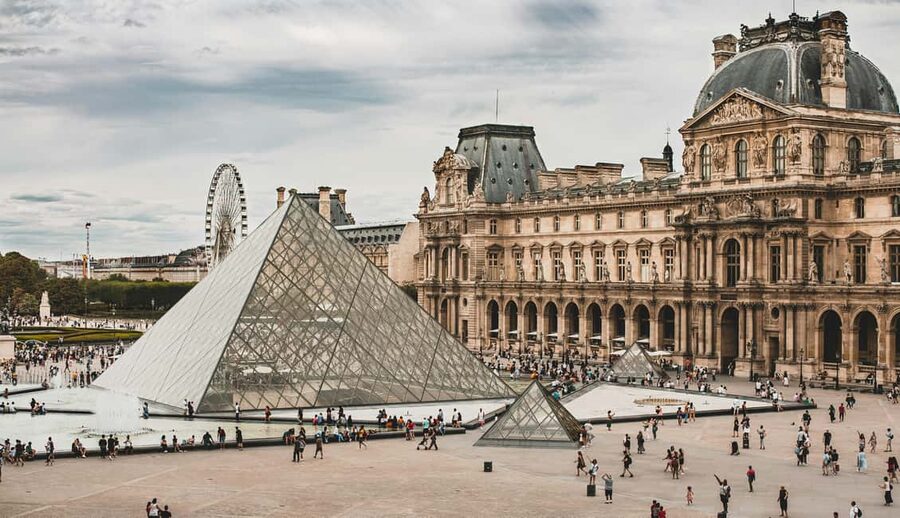
The Mona Lisa is the obvious draw. It’s also the one that can create the most stress, because the surrounding area can feel like a queue festival.
The tour experience is designed to get you there as part of a controlled route. Still, if it’s busy, you may find yourself waiting some, especially around the Mona Lisa viewing line. If you’re the type who gets impatient in lines, keep your expectations flexible.
How to make it work anyway:
- Stand close enough to see details, but don’t shove. Stay respectful and adjust your position calmly.
- Take one minute to look, then move so the next person can see.
- If you want extra time, plan to return later on your own after you’re done with the guided portion.
The tour is timed to show you the big works efficiently. It’s not the kind of visit that guarantees you’ll have the Mona Lisa area to yourself.
More Things to Do in Paris




Canova and the switch from ancient to later masterpieces
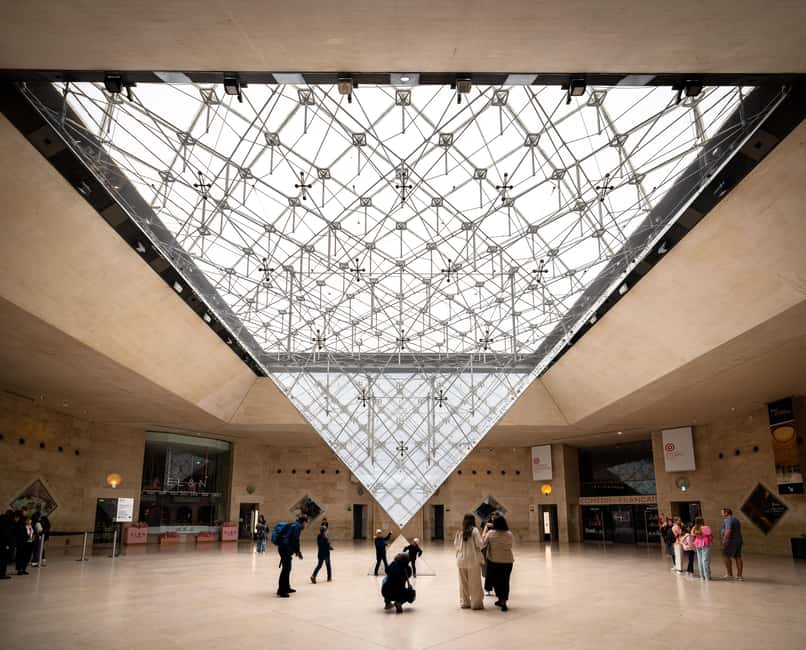
Another included highlight is Canova’s Psyche and Cupid. This matters because it shifts you from ancient sculpture style into later artistic storytelling.
That contrast helps your brain. You start noticing differences in texture, pose, and mood. You also begin to understand why the Louvre is so famous for not being one single era museum.
If you come in thinking you’ll only care about paintings, this stop is a good reminder that the sculpture rooms are a major part of what makes the Louvre work.
French Wing and Delacroix: seeing Liberty Leading the People in context
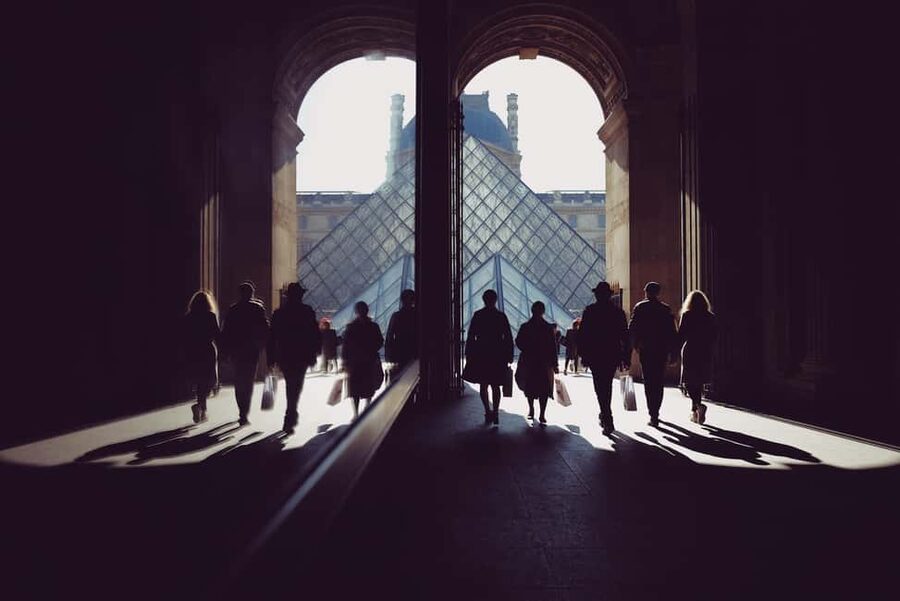
The French Wing stop is built around Delacroix’s Liberty Leading the People. This painting is easy to recognize in reproduction, but seeing it in the museum changes the feel.
The guide’s job here is to connect the drama on the canvas with what was happening culturally and politically around the time. Without that framing, the painting can stay as “a famous image.” With the framing, it becomes a snapshot of conflict, hope, and power.
I like this part of the tour because it breaks up the rhythm. You go from awe of sculpture scale to the intensity of a narrative painting. It keeps your energy up in a way that’s tough to do when you’re doing the Louvre unguided.
The Louvre building itself: from palace foundations to royal symbols
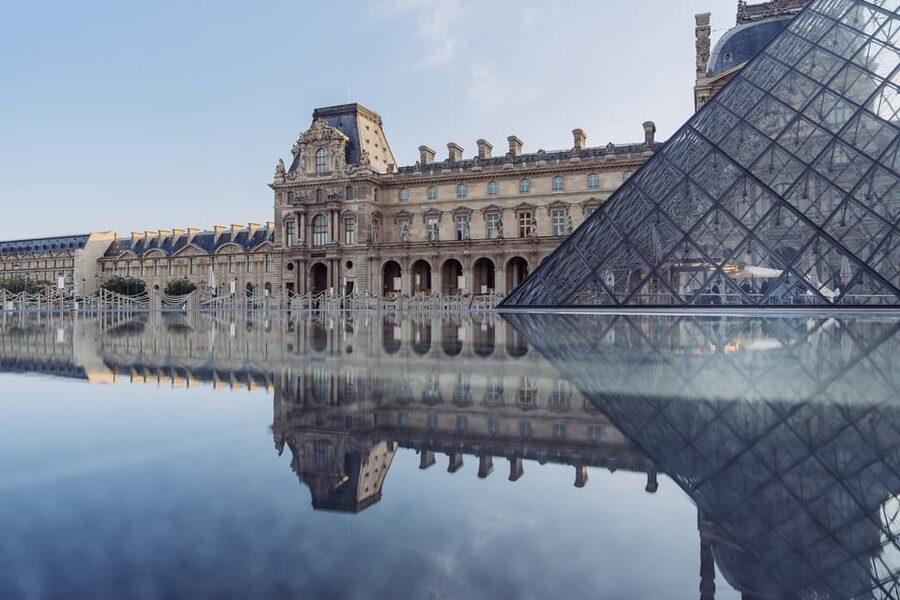
This tour doesn’t just focus on individual masterpieces. It also helps you read the museum building like a historical artifact.
You’ll hear about the Louvre’s medieval foundations, when it was a royal palace, and how later rulers shaped the collection. You may also encounter references to Napoleon’s crown and treasures associated with King Louis XV.
That kind of context is valuable because the Louvre’s layout can be confusing if you don’t know what you’re standing in. A palace becomes galleries. Galleries become a path. Understanding that helps you move with confidence, even if you only have a short time.
Small-group guidance: what you gain beyond faster entry
Reserved entry is great. But the biggest difference with a guided format is what happens once you’re inside.
In this tour, your guide uses a tight route and clear explanations to help you understand:
- What you’re looking at
- Why it became famous
- How it fits into wider European art and history
Guides like Omar and Severine are repeatedly noted for passion and for making the talk feel lively, not like a lecture you can’t escape. Others like Addie, Maxim, and Caroline are praised for keeping things moving and for being patient with groups who don’t know the Louvre layout well.
The small group format helps questions stay real. If you’re unsure about a detail, you’re more likely to get an answer without the guide having to pause for a crowd.
Price and value: is $115 worth 3 hours?
At $115 per person for a 3-hour tour, it’s not a “cheap afternoon” activity. The good news is that the price is doing useful work for you.
Your ticket and reservation fee are included. The entrance ticket is 22€ and the reservation fee is 70€ per group. Since the reservation fee is per group, the cost impact per person depends on how close your group is to 12 people or fewer. Either way, you are paying for time savings plus a guided, structured route.
For me, this is the best way to think about value:
- If you try to DIY the highlights, you’ll spend time figuring out where to go next.
- If you try to do it with a generic audio app, you’ll still need to filter what matters.
- With a guided small group and reserved entry, you trade money for focus and less wasted walking and waiting.
This is the tour I recommend when you have limited time in Paris and you still want the “I saw that” masterpieces.
Practical tips before you go: bags, security, and comfort
Plan around museum rules so your day stays smooth.
What to bring:
- Passport or an ID card
What to expect at the door:
- You must pass security before entering the museum.
- Large bags and umbrellas must be left at the bag check, and it’s free of charge.
Size limits:
- Items larger than 55 x 35 x 20 cm are not permitted in the museum.
Not allowed:
- Baby strollers
- Luggage or large bags in the galleries
Also, the tour is not suitable for wheelchair users, so if mobility is an issue, you’ll need another plan.
Comfort tip that matters in the real world: you’re doing a lot of walking in 3 hours. Wear shoes that can handle museum floors and crowds. Bring a water plan if you know you’ll need it, and keep your bag simple so security checks go fast.
Who this tour is best for, and who should skip it
This is best for you if:
- You want the major hits, not every corner of the museum
- You prefer a guide to explain what you’re seeing
- You’re short on time in Paris and want a tight schedule
- You like asking questions and moving in a group of 12 or fewer
You might want to skip this tour if:
- You want a slow, self-paced museum day where you can linger for 30 minutes per room
- You get annoyed by any waiting near the most famous works, especially the Mona Lisa area
- You need wheelchair access (this one is not suitable)
Book it or not: my straight answer
Book this tour if you’re coming to Paris with limited time and you want the Louvre’s biggest names with less stress. Reserved entry plus headsets plus a tight 3-hour route is a strong combo for first-timers and for anyone who doesn’t want to spend their museum time plotting navigation.
If you’re a hardcore art-history person who loves wandering, you may find a guided “highlights” format too fast. But even then, this tour can work as a smart kickoff. You see what matters today, then you return later for the deeper cuts.
FAQ
How long is the Louvre tour?
The tour lasts 3 hours.
How big is the group?
It’s a small group of 12 people or fewer.
Where do we meet the tour staff?
Meet staff dressed in blue beside the Arc de Triomphe du Carrousel.
Where does the tour end?
The tour finishes at the Louvre Pyramid.
Does the tour include reserved access to the Louvre?
Yes. It includes reserved access and entrance ticket and reservation fee.
Is the ticket line skipped?
Yes. The tour is designed to skip the ticket line.
Are headsets included?
Yes. Headsets are provided so you can always hear your guide.
What do I need to bring?
You should bring a passport or ID card.
What size limits or items are not allowed?
Large bags and umbrellas must be left at the bag check. Items larger than 55 x 35 x 20 cm are not permitted. Baby strollers are not allowed, and luggage or large bags cannot go into the galleries.
Is the tour wheelchair accessible?
No. It is not suitable for wheelchair users.
Latest Paris entries, notes attached






Louvre Tickets & Tours, compared.

Louvre Guided Tour with Reserved Access & Boat Cruise
Read our review →
Louvre Museum Masterpieces Guided Tour with Access
Read our review →
Louvre Overview, Exploration tour and Reserved Entry
Read our review →
Louvre Museum Entry Ticket With Host and River Cruise
Read our review →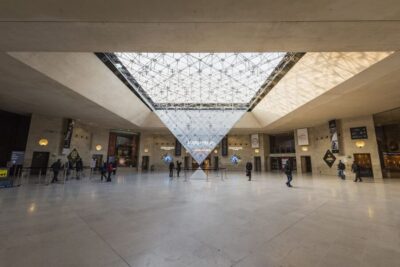
Mona Lisa & Louvre Masterpieces Tour with Reserved Access
Read our review →
Louvre Museum – Exclusive Guided Tour (Entry Included)
Read our review →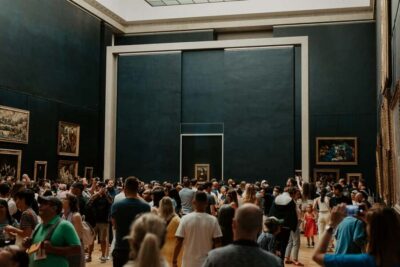
Louvre Museum Hosted Entry and Mona Lisa Audioguide
Read our review →
Louvre Access with Mona Lisa Escort or Guided Option
Read our review →This tour also appears in