
Reviewed · MUSEUMS
Marseille: Musée de l’Illusion Entry Ticket
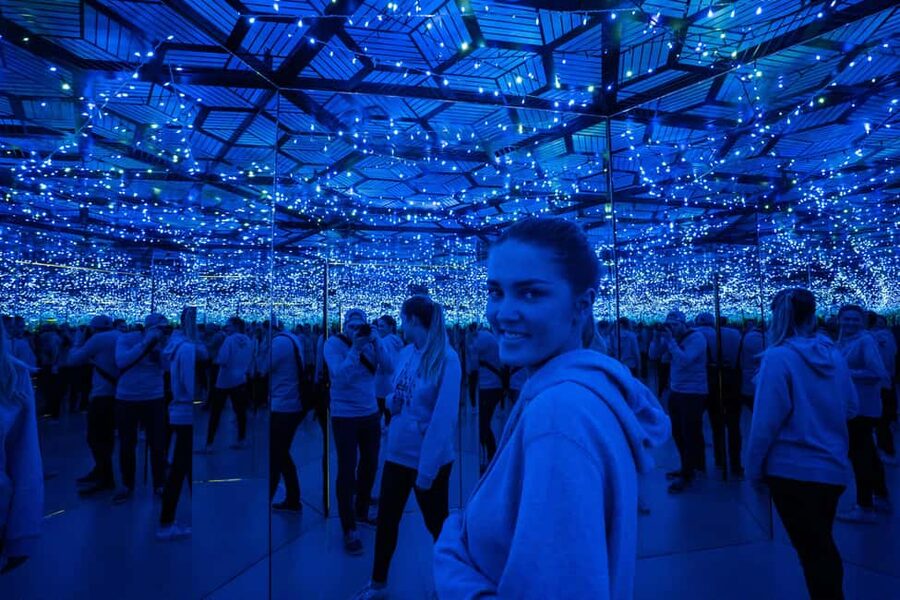
Some places make your eyes argue with your brain. At Musée de l’Illusion Marseille, you play with that conflict for about an hour in a kid and adult friendly way. It is a visual playground of perspective tricks, hands-on stations, and clever installs.
I especially like the photo-ready perspective rooms where you can look like you are floating, shrinking, or suddenly upside down. I also like that the experience does not stop at the wow moment, it explains the science side through sensory exhibits, holograms, and puzzles.
One heads-up: it is only 1 hour, so if you prefer slow museum wandering, you may want to arrive with a plan for your photo stops. Also, there is no food or drinks included, and outside food is not allowed.
In This Review
- Key highlights at Musée de l’Illusion Marseille
- Musée de l’Illusion Marseille: the simple plan for a fun 1 hour
- Entering the museum: the illusions start before you think
- The perspective-changing rooms: where you look like you do not obey physics
- Sensory exhibits and holograms: hands-on learning without feeling like a class
- The science of illusion: what you learn, and why it sticks
- Photo and video tips: capture the illusion without losing the fun
- How to pace your visit inside one hour
- Who this ticket suits best, and who should think twice
- Price and value: is $22 worth it in Marseille?
- Ready to book or wait? My take
Key highlights at Musée de l’Illusion Marseille
- Perspective-changing rooms built for photos
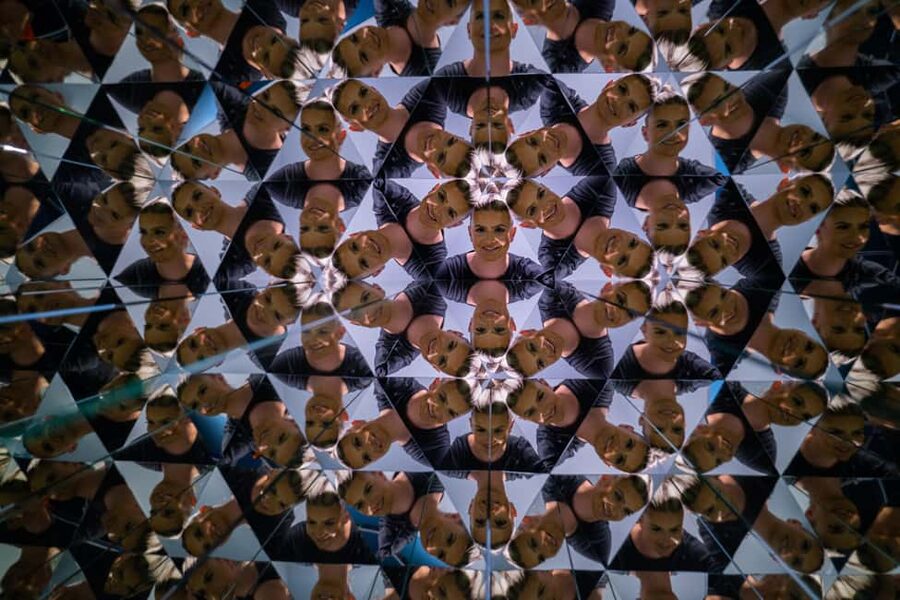
- Floating, upside-down, and shrinking illusion effects
- Sensory exhibits that explain how perception works
- Holograms and puzzles for hands-on fun
- A focused 1-hour visit window
- Wheelchair accessible
Musée de l’Illusion Marseille: the simple plan for a fun 1 hour
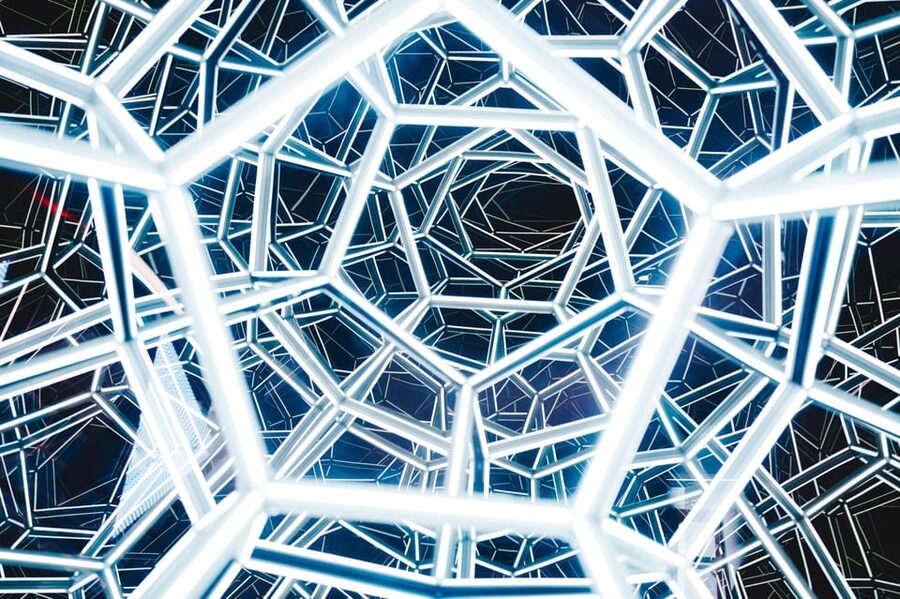
For $22 per person, you are buying entry to a tightly focused experience that runs about an hour. That matters, because you can fit it into a busy day in Marseille without turning it into an all-day project. It also keeps the vibe active. This is not a hushed gallery marathon.
The museum layout is built around moving from one illusion setup to the next. You will spend time in rooms that shift perspective, then switch to sensory and education-style stations that break down what you are seeing and why you misread it. If you like interactive stops during sightseeing, this one is a strong match.
Value question: is $22 a lot for an hour? Compared to big art museums, yes. Compared to other ticketed attractions that are built around play, it feels fair. The payoff is that it works on multiple levels. You get the visual trickery, plus a clearer idea of the science behind it.
Entering the museum: the illusions start before you think
Your ticket gets you into Musée de l’Illusion Marseille, and that first moment sets expectations fast: this is a place where the normal rules of sight do not always apply. You are not just looking at art, you are participating in the setup.
That is where the experience starts to feel different from a typical museum visit. The rooms are designed so you are part of the illusion, usually through forced perspective and visual tricks that make your body look like it is doing something impossible. If you bring a charged smartphone and a camera, you will be ready for the fast switch from walking to posing.
Practical tip: give yourself permission to look silly. These installations are most fun when you stop trying to hold still and instead focus on how the illusion changes from different angles.
More French collections worth the coat check:
- Paris: Orsay Museum Entry Ticket
★ 4.7 · 25,647 reviews - Louvre Museum Masterpieces Guided Tour with Access
★ 4.5 · 12,023 reviews - Paris: Louvre Museum Entry Ticket With Host and River Cruise
★ 4.6 · 9,926 reviews
The perspective-changing rooms: where you look like you do not obey physics
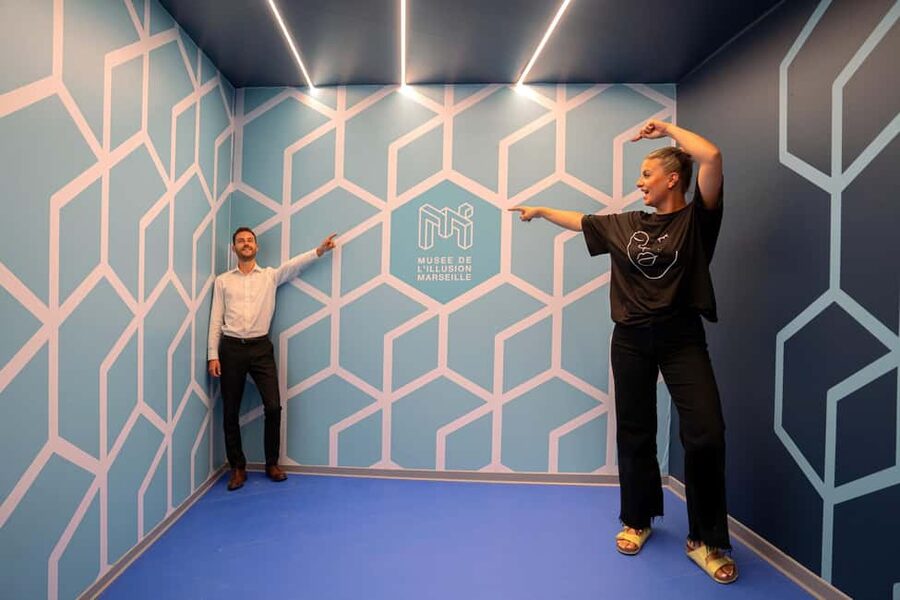
The core of the visit is the set of rooms and installations that change your perception. The museum is known for moments like appearing to float mid-air, standing upside down, or shrinking in size. These are not just gimmicks. They are training your eyes to notice the cues your brain usually ignores.
Here is what is worth paying attention to while you are in these spaces:
- Try different distances from the setup. Small changes can flip the illusion from convincing to obviously wrong.
- Notice how your position relative to lines, edges, and lighting affects what your brain accepts.
- Move slowly during photos, then pause. The illusion can look best when you stop competing with motion.
Why this part is so satisfying is simple: it is instant feedback. In many attractions, you see something cool once and then move on. Here, you can repeatedly test what your brain thinks is happening, in real time.
Potential drawback in this section: if you are uncomfortable with close-up photo moments, you might find it slightly awkward. But even then, you can still enjoy it as a visual puzzle without pushing poses.
Sensory exhibits and holograms: hands-on learning without feeling like a class
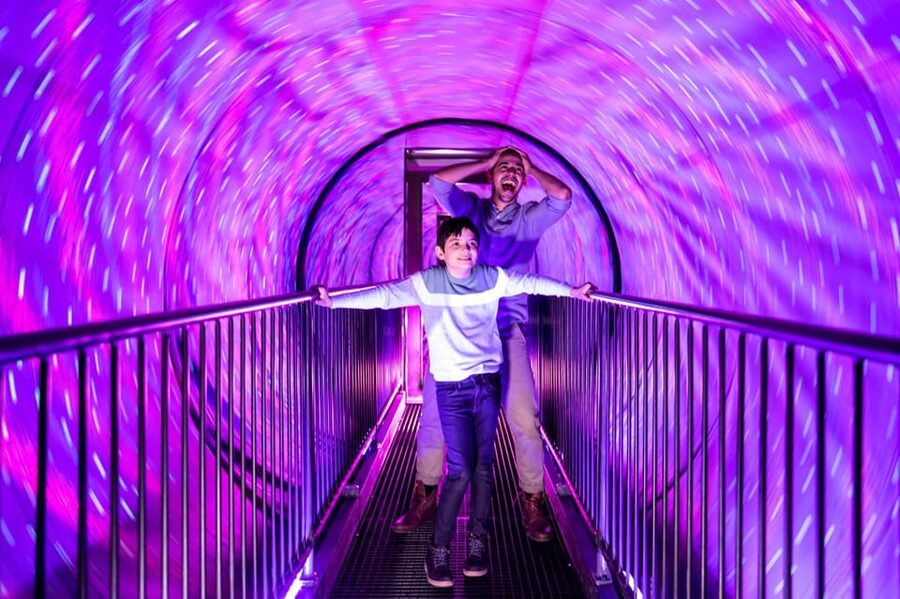
After the main perspective wow, the museum shifts into more sensory and installation-based learning. You will run into visual and interactive stations, including holograms and puzzles. This is the zone where the experience becomes more playful for curious adults, and more engaging for kids, because you are doing something rather than just watching.
The big advantage here is balance. You get the eye candy, but you also get explanations that help you decode what is happening. The museum focuses on how your mind builds an interpretation. Sometimes that interpretation is correct. Sometimes it is confidently wrong.
If you like “wait, how did they do that?” moments, this is where you will get them. The installations are designed to show the difference between what you see and what you think you see. That is the heart of optical illusion science, and you feel it physically through the way your perception responds.
One more practical note: give yourself time at the puzzle stations. They can be the most mentally rewarding part, especially if you enjoy figuring things out with friends or family.
The science of illusion: what you learn, and why it sticks
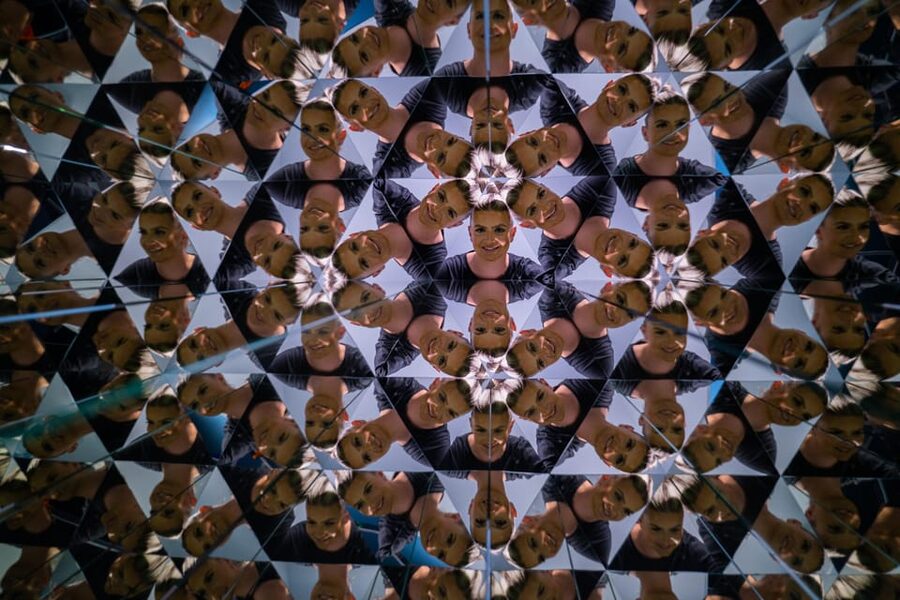
A good illusion museum does two things. It surprises you, then it teaches you something you can carry into the real world. Musée de l’Illusion Marseille aims for both.
Based on the experience structure, you will encounter educational content that connects the visuals to perception science. The museum uses sensory exhibits and visual information to help you understand the gap between direct sight and brain interpretation. That is why the experience can feel both distracting and instructive at the same time.
Why it sticks: you are not only learning facts. You are experiencing the mistake your brain makes. Then you get the explanation for why it happened. That combination turns the illusions into real learning, not just entertainment.
If you go with mixed ages, this part is also a good peacekeeper. Kids can chase the visual effects, and adults can focus on the reasoning side. You are all doing the same experience, just from different angles.
More Things to Do in Marseille



Photo and video tips: capture the illusion without losing the fun
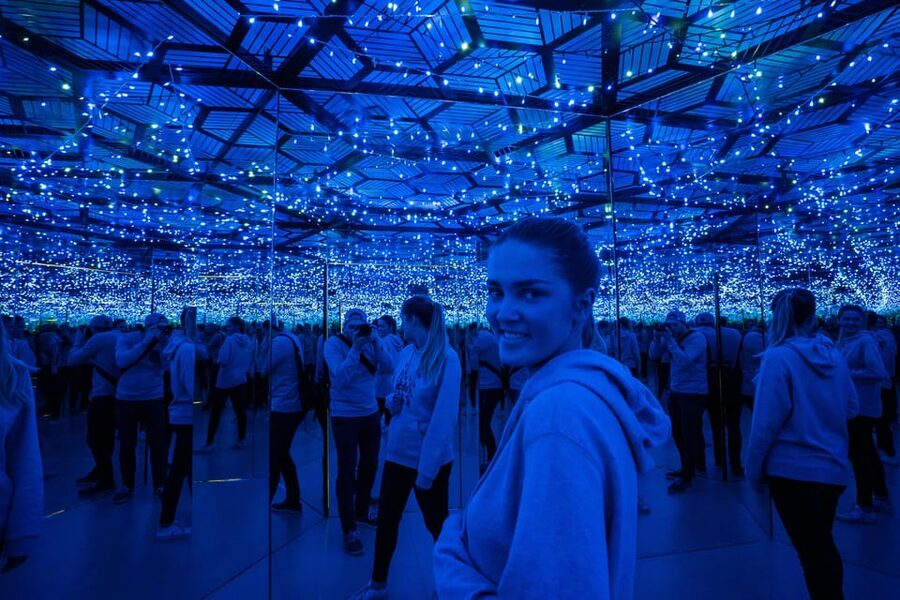
Bring a camera and a charged smartphone. That is not just a suggestion. The museum’s best moments are tied to the rooms built for visual tricks. If your phone battery is low, you will spend time worrying instead of enjoying.
Here are practical ways to get better photos here, without turning the visit into work:
- Take one wide photo to show the whole illusion setup, then take a closer shot for your pose.
- Swap angles. Many perspective effects look stronger from one side than the other.
- Use portrait mode for people shots, landscape for room shots. (It helps you frame the forced perspective correctly.)
- If a spot is crowded, step back. You can still capture the illusion and keep your eyes on the effect.
A slightly humorous truth: the museum is more fun when you stop trying to make your photo look perfect. The illusion itself is the main character.
How to pace your visit inside one hour
You only have about 60 minutes, so pacing is everything. You will want to avoid spending too long repeating the same effect. Instead, try a rotation:
- Start with the perspective rooms for your big photo moments.
- Move to sensory and puzzle stations when you want a break from posing.
- Save a final pass for any favorite rooms where you can test angles and get your best shot.
If you are a slower walker or you have a group with mixed energy, add a little extra time at the end to prevent rushing. Even with a short visit window, you should leave feeling like you did the main ideas, not just the first half.
Who this ticket suits best, and who should think twice
This experience is a great fit if you want a high-energy break from classic sightseeing. It works especially well for families, because the interaction level stays high. It is also ideal for groups of friends, since the rooms are naturally social, with lots of chances to take photos and react together.
You will also enjoy it if you like hands-on science. The museum does not bury you in facts. It explains perception through what you are experiencing, which makes the learning feel earned.
Who might want to think twice? If you dislike photo-leaning attractions, or if you need quiet and spacious galleries, this may feel too playful and crowded for your taste. And if you want a deep, multi-hour museum study, the 1-hour duration may feel short.
Price and value: is $22 worth it in Marseille?
At $22 per person for about an hour, the ticket is in the middle for a paid attraction. The key for value is what you care about.
- If you want interactive fun and photo moments, it is strong value. The rooms are designed around immediate visual payoff.
- If you want a quiet, traditional museum, you might feel it is overpriced for the time.
- If you want a mix of entertainment plus a simple science explanation, it feels well matched to the ticket cost.
Also consider what you are not paying for. Food and drinks are not included, and alcohol and drugs are not allowed. So budget a small snack or plan another stop outside the museum for a proper break.
Ready to book or wait? My take
I think this is an easy yes if you are looking for a fun, fast attraction that works across ages and interests. The best reason to book is the combination: perspective-changing rooms plus a science explanation that helps you understand why your eyes fooled you. It is not just a one-note trick.
I would hold off if you are only interested in traditional museum collections or if you are chasing a long cultural program. For that, you would likely be happier elsewhere in Marseille.
If you do book, bring your camera and charged smartphone, plan for about an hour, and go in ready to test angles. You will get more from it when you treat it like a hands-on visual puzzle, not just a place to walk through.
Latest Marseille entries, notes attached







Museums, compared.
Louvre Museum Masterpieces Guided Tour with Access
Read our review →
Louvre Museum Entry Ticket With Host and River Cruise
Read our review →
Les Invalides: Napoleon’s Tomb & Army Museum Entry
Read our review →
Musée de l’Orangerie Reserved Entrance Ticket
Read our review →
Louvre Museum – Exclusive Guided Tour (Entry Included)
Read our review →
Louvre Museum Hosted Entry and Mona Lisa Audioguide
Read our review →
This tour also appears in