
Reviewed · FRANCE
Molène Archipelago: Sea trips from Crozon. Seals, dolphins,
Wild seals and possible dolphins, close to shore. The Molène Archipelago sea trip from Camaret-sur-Mer takes you into the UNESCO Molène Biosphere Reserve, with serious wildlife watching plus history on the water.
What I like most is the long, observation-first pace and the fact you get real tools for it. You’ll have binoculars for spotting seabirds and marine life, and the guide’s commentary is designed to help you notice what you would otherwise miss.
One thing to consider is that you’re at sea for 7 hours, so you’ll want to be comfortable with wind, spray, and the not-so-predictable Brittany weather. This trip also isn’t a fit for everyone, including people with back problems, low fitness, mobility impairments, pregnancy, and children under 5.
In This Review
- Key reasons this trip works so well
- From Camaret-sur-Mer to the UNESCO Molène waters
- The 7-hour timing: wildlife time first, island time second
- What you’ll look for: seals, seabirds, and possible dolphins
- Crozon cliffs, legendary lighthouses, and Brest harbor history
- The Molène Island stop: 2.5 hours that feel human, not rushed
- Eco-responsible wildlife viewing, and why it changes the day
- Boat comfort and getting the best viewing angles
- Price and value: what $129 gets you in practice
- What to bring so you stay comfortable in sea-breeze weather
- Who this Molène trip suits best
- Simple logistics that make day-of easier
- Should you book Molène Archipelago with Iroise Explorer?
- FAQ
- How long is the Molène Archipelago sea trip?
- Do you have time on Molène Island?
- Is lunch included during the stopover?
- Where is the meeting point in Camaret-sur-Mer?
- What wildlife can you expect to see?
- What should I bring and are binoculars included?
Key reasons this trip works so well
- UNESCO Molène Biosphere Reserve focus with wildlife watching in the Iroise Marine Natural Park area
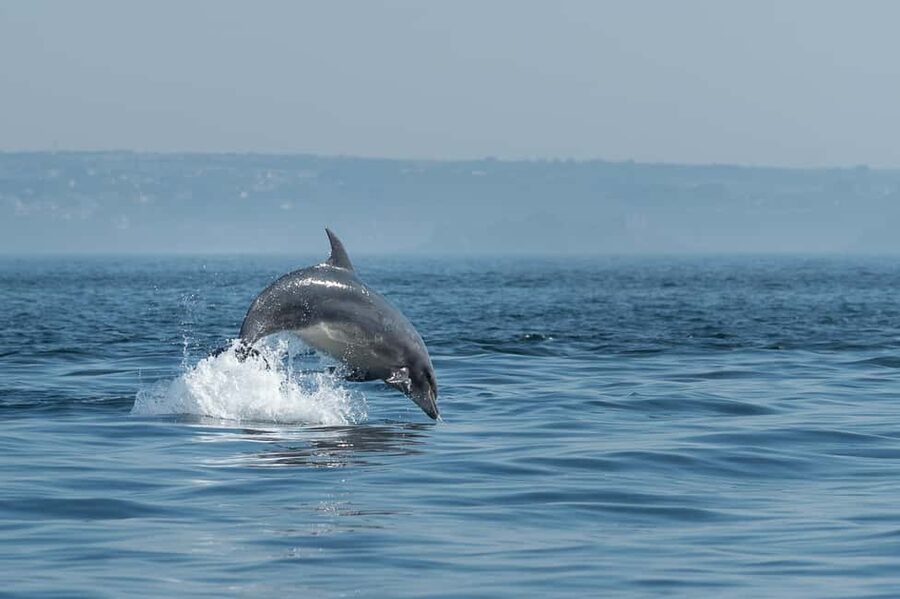
- Guided observation of gray seals, seabirds, and likely dolphin encounters
- A real 2.5-hour stop on Molène Island, with time for a stroll and lunch or a picnic
- Binoculars included, so you can actually track birds and marine mammals
- Eco-responsible approach aligned with the Marine Park charter, including respectful distances
- Maritime heritage on the route, not just sightseeing from a boat
From Camaret-sur-Mer to the UNESCO Molène waters
This is a sea day built around one idea: the Iroise Marine Natural Park and the Molène Biosphere Reserve are best appreciated from the water. The boat trip runs from Camaret-sur-Mer, boarding at Rue Louis-Auguste Téphany, 29570 Camaret-sur-Mer, about 100 meters after the tourist office (dock on your left coming from shops and restaurants).
You’ll feel the change as you head offshore. Closer to land, you get classic Crozon peninsula drama, then the coastline gives way to open marine space where seabirds start doing what they do best: scanning, diving, and calling like they own the place.
The 7-hour timing: wildlife time first, island time second
The full outing is 7 hours, including a 2.5-hour stopover on Molène Island. That island break matters because it turns this from a drive-by wildlife cruise into a day with two modes: time at sea for observations and time on land for village life and sea-air reset.
The sea portion is where the main show happens. You’ll get documented comments throughout the route, with focus on marine fauna and seabirds, plus what you might be seeing in the water (including algae and marine life knowledge). The guide also shares present and past maritime history, so the day has both wonder and context.
Then you switch to land. Two and a half hours is long enough to walk the port area and village streets, and even plan a relaxed lunch or picnic, without turning the stop into a rushed check-the-box experience.
What you’ll look for: seals, seabirds, and possible dolphins
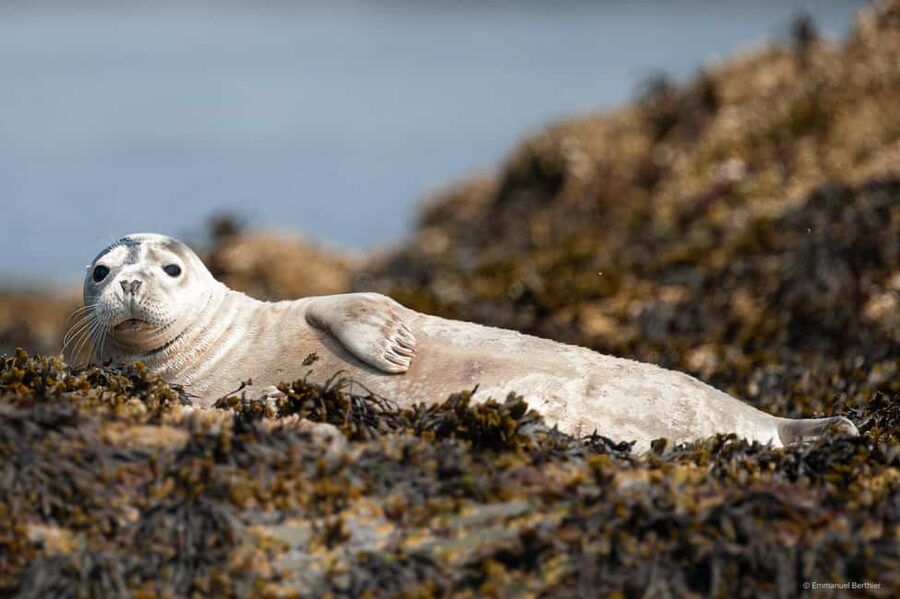
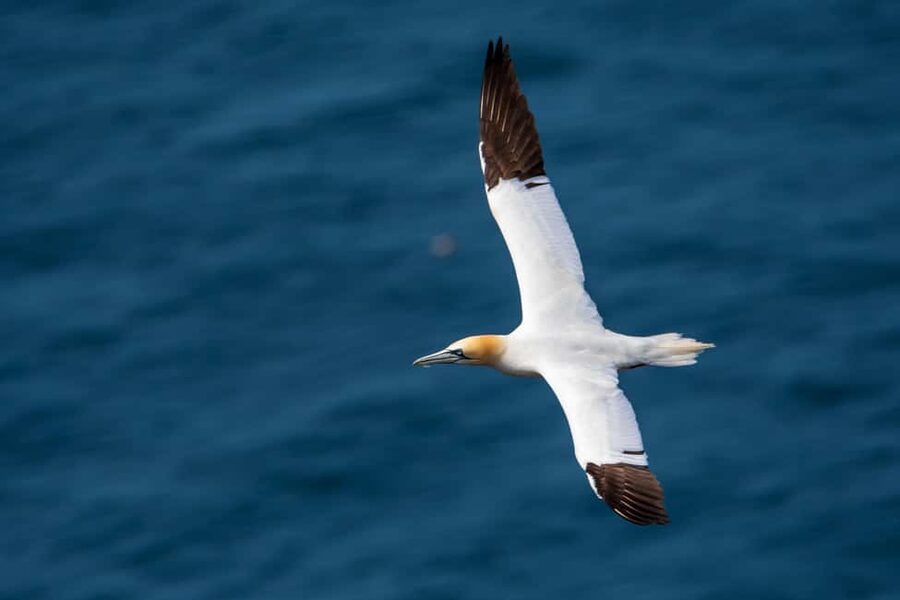
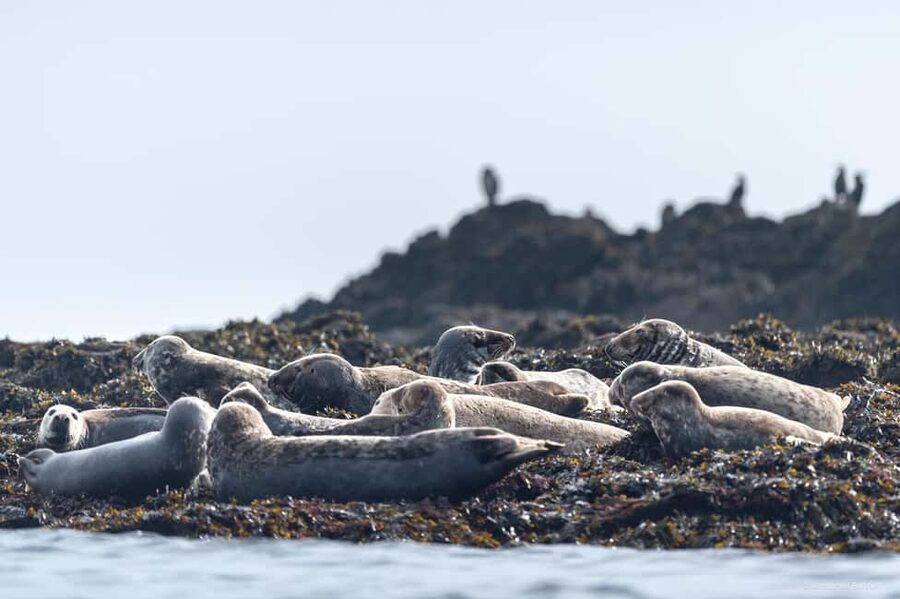
The headline is wildlife watching, and the tour is set up for it. You’re specifically set for privileged observation of gray seals, seabirds, and likely dolphin encounters in the waters of this reserve.
Here’s how I’d think about it as a practical nature day. Seals and birds tend to show up more reliably, because they use predictable spots for feeding and resting. Dolphins are less guaranteed by nature itself, but the route is chosen with their habitat in mind, so you’re not just “hoping for the best,” you’re going where these animals actually live.
One detail I really appreciate is the way the trip handles viewing. You’re provided binoculars, and the approach is described as respectful: getting close enough for a good look without pushing wildlife to the point that it stops being wildlife and starts being a performance.
Crozon cliffs, legendary lighthouses, and Brest harbor history
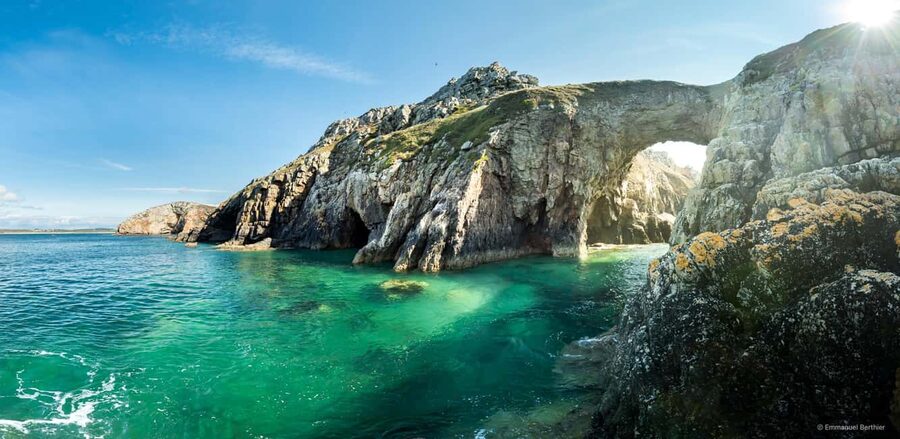
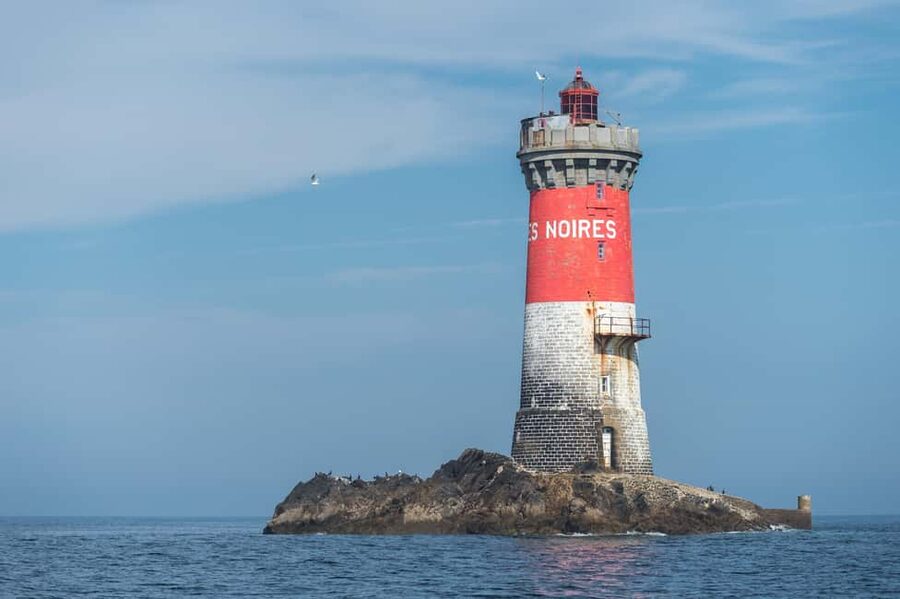
Even if your whole goal is animals, this isn’t a one-note cruise. Along the way, you’ll get views and explanations tied to maritime heritage: legendary lighthouses, unspoiled wild islets, and the spectacular cliffs of the Crozon peninsula.
There’s also a layer of history connected to Brest harbor protection. The route includes references to historic fortifications that were used to safeguard the harbor, which helps you understand why people built and defended these coasts the way they did. In other words, you get a sense of how the sea shaped the region, not just what animals are floating in it today.
This is the kind of background that makes your photos better too. When you know what you’re looking at, you frame the scene differently.
The Molène Island stop: 2.5 hours that feel human, not rushed
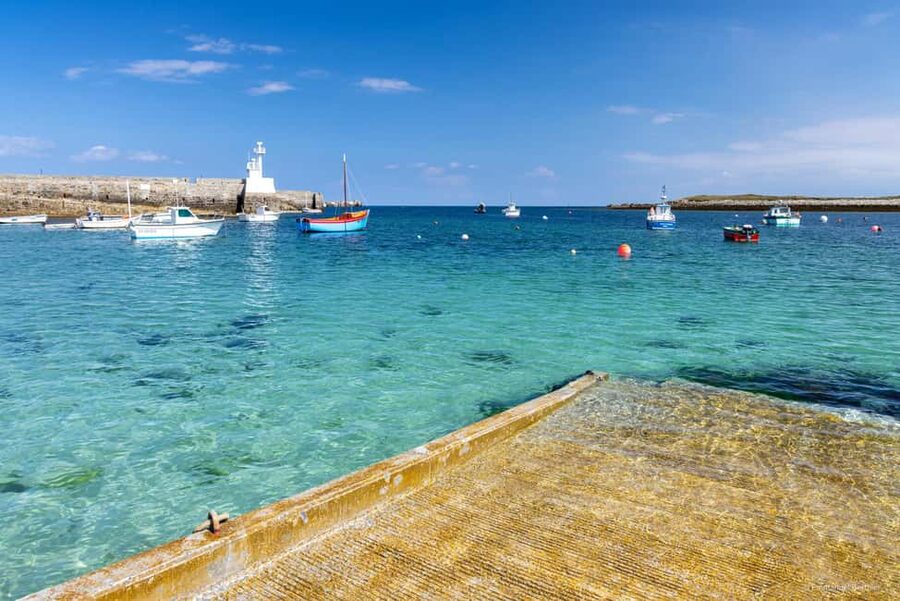
Molène Island is where the day becomes more than a wildlife chase. You get a 2.5-hour stopover, with disembarking on the island itself, so you can actually step into the village atmosphere and look around at a slower pace.
What you can do with that time:
- Walk through picturesque village streets and the port area
- Eat lunch or picnic (not included) and take a breather
- Spend time on the beaches, weather and energy permitting
This is also the moment to reset your senses. On the water you’re in scan mode for birds and seals; on Molène you can take in the place as a lived environment, not just a backdrop.
And because lunch is not included, this stop gives you control. Bring a picnic if you like, or plan a simple meal that fits the time you have. Either way, you’re not paying extra just to buy something you could bring.
Eco-responsible wildlife viewing, and why it changes the day
This trip operates with an eco-responsible approach aligned with the Marine Park charter. That shows up in the viewing style and the way the guide manages proximity.
For you, that means better chances of seeing calm behavior. Animals that are disturbed often stop feeding, moving, or interacting in the ways you actually came for. A responsible approach is also usually safer and more comfortable for everyone on board, because the skipper and guide are focused on observation rather than chasing.
It’s also worth noting you’re given mandatory individual life jackets, and safety equipment is part of the experience. That’s not the most fun detail, but it’s the kind of no-nonsense standard that makes the whole day feel more secure.
Boat comfort and getting the best viewing angles
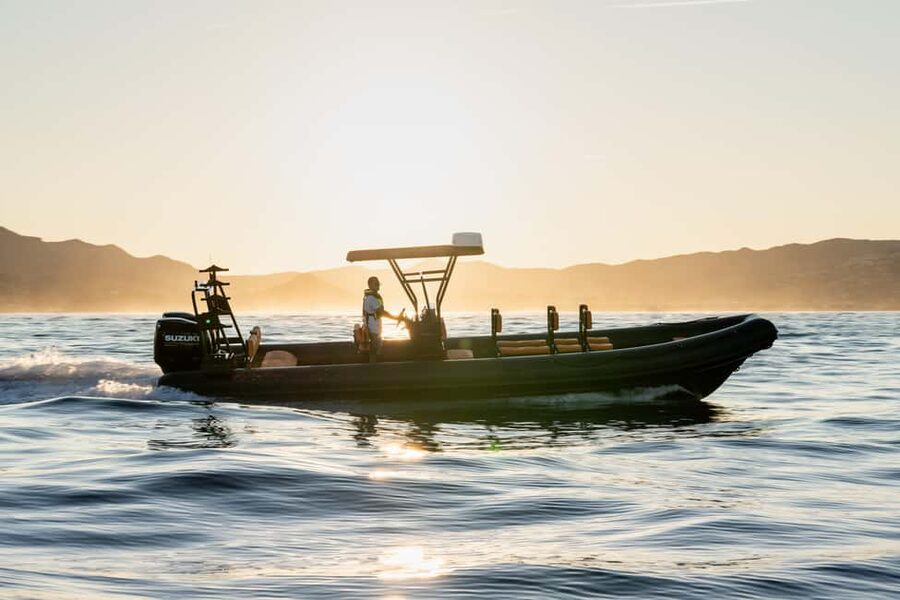
You’re on a smaller boat, and that can be a real advantage in places where larger vessels would feel too far away. One of the most helpful points from on-the-water experiences is that compact boats can make it easier to get good angles near coastal features and even some tight spots along the route, depending on conditions.
You’ll get a guided experience with observation time rather than a nonstop ride. Binoculars help, but so does the fact the guide answers questions and adapts to what you’re spotting in real time.
If you tend to overheat on boats, dress smart. Your wind layer will be doing most of the work, and you’ll likely be moving between sun and spray.
Price and value: what $129 gets you in practice
At $129 per person for a 7-hour outing, this isn’t a cheap impulse activity. But it’s also not just a seat on a boat. You’re paying for:
- Round-trip boat transportation
- Guided, documented commentary tied to wildlife and maritime heritage
- Binoculars for observation
- A guaranteed 2.5-hour stop on Molène Island with disembarking
- Mandatory life jackets and safety equipment
When I judge value, I care about how much time you get in the right places. Here, you’re not stuck on the boat the whole day, and you’re not stuck on land with no sea wildlife focus either. The day is built as a full experience, with enough time on both sides to actually feel like you’ve been somewhere.
If your travel style is wildlife plus authentic place time, this price starts to look reasonable. If you only want a quick look at sea animals and you hate wind, you might feel it’s steep.
What to bring so you stay comfortable in sea-breeze weather
Brittany weather can change fast, and sea trips are exposed. Pack with comfort in mind.
Bring:
- Warm clothing and a windbreaker
- Comfortable shoes
- Sunglasses and a sun hat
- Sunscreen and water
- A jacket and weather-appropriate outdoor clothes
Even in better weather, spray and wind can turn a pleasant day into a cold one fast. Dress for that, not for the first ten minutes.
Who this Molène trip suits best
This tour is a strong match if you want:
- Wildlife viewing that’s guided and observation-focused
- A balance of sea time plus a real island stop
- Maritime heritage explanations alongside the animals
- A respectful, eco-responsible approach
It’s not suitable for children under 5 years, and it’s also not a fit for pregnant women, people with back problems, people with mobility impairments, or people with low level of fitness. Children must meet the weight guidance listed, at least 33 lbs (15 kg).
If you’re comfortable walking around a small island and you can handle wind at sea, you’ll likely enjoy this format.
Simple logistics that make day-of easier
Boarding is at Rue Louis-Auguste Téphany in Camaret-sur-Mer. If you’re driving, you can park for free near the quay of the same street. If that spot is full, there’s free municipal parking at Super U about 200 meters away.
Public toilets are available about 100 meters from the boarding point, below the tourist office. Those little details matter more than you’d think when you’re planning a long day out.
Should you book Molène Archipelago with Iroise Explorer?
I’d book this if your ideal day in Brittany includes wildlife time with seals, seabirds, and the chance of dolphins, plus a meaningful island stop on Molène. The combination of UNESCO-area access, guided observation with binoculars, and the 2.5-hour on-island experience makes it feel like a real excursion rather than a rushed sightseeing loop.
Skip it if you know you won’t enjoy being at sea for 7 hours, or if the physical constraints listed make it a poor match for your body or your group. Also, come prepared for wind and bring the right layers, because this is the coast, and the coast does what it wants.
If you’re ready for a nature-forward day with context and respectful wildlife viewing, this one is a solid choice.
FAQ
How long is the Molène Archipelago sea trip?
The tour lasts 7 hours total.
Do you have time on Molène Island?
Yes. You get a 2.5-hour stopover on Molène Island, including disembarking.
Is lunch included during the stopover?
No. Lunch is not included. You can have lunch or a picnic during the Molène stopover.
Where is the meeting point in Camaret-sur-Mer?
Boarding is at Rue Louis-Auguste Téphany, 29570 Camaret-sur-Mer, with the dock about 100 meters after the tourist office, on your left.
What wildlife can you expect to see?
The tour focuses on observation of gray seals and seabirds, with likely encounters with dolphins in these waters.
What should I bring and are binoculars included?
You should bring comfortable shoes, warm clothing, a windbreaker, sunglasses, sun hat, sunscreen, water, and weather-appropriate layers. Binoculars are provided, and life jackets are mandatory for safety.
More Dolphin Watching in Crozon
- Whale-Watching, Dolphins & Whales from Bandol
★ 4.8 · 40 reviews