
Reviewed · EIFFEL TOWER SUMMIT TOURS
Paris Baking Insider Experience near Eiffel Tower
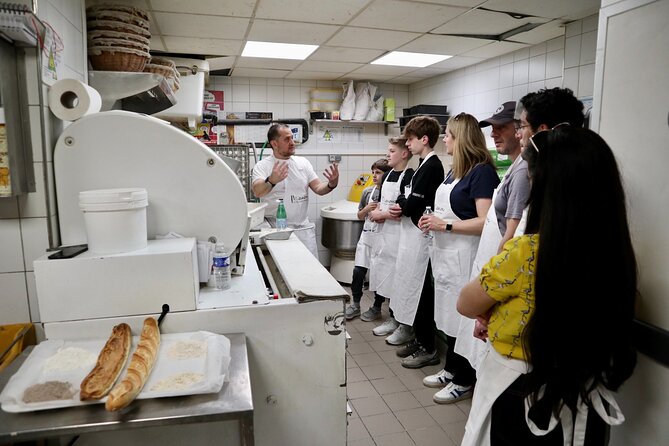
This class turns French pastry into something you can actually do. In a small group at a working boulangerie near the Eiffel Tower area, you learn techniques like lamination and shaping baguettes, then eat and take away what you make. I especially like the hands-on pace, because you are not just watching flour fly, you are learning how the dough should feel. One heads-up: the shop is on a second floor with 15 steps and no elevator, and you need to stand for a while.
I also like how the teaching connects baking to real choices, like how different flours behave and how to tell bread styles apart. You will work with dough for things like baguettes and puff croissants, plus you get tastings that help you understand why flavors and textures change. The only drawback to weigh is the setting itself, it is a cozy, tight workspace, so moving around with a group of up to 8 can feel a bit like an obstacle course.
In This Review
- Key things that make this Paris baking class work
- A Working Boulangerie Lesson, Not a Demo You Forget
- The 2-Hour Flow Inside the Bakery
- Baguettes, Shaping Tips, and the Real Meaning of Care
- Puff Croissant Dough and Lamination, Step by Step
- Flour, Yeast, and Sourdough: How French Bakers Think
- Tastings Along the Way, Plus Take-Home Treats
- Meeting at Rue de l’Annonciation, and the Steps You Should Plan For
- Price and Value: Is $108.84 Worth It?
- Who Should Book This Paris Baking Class
- Should You Book It?
- FAQ
- How long is the Paris baking class?
- How many people are in the group?
- Where do I meet, and where does it end?
- Is it offered in English?
- What ticket do I get?
- Is there any food included?
- Are service animals allowed?
- Are children allowed?
- Is it wheelchair accessible or elevator-friendly?
- What is the cancellation policy?
Key things that make this Paris baking class work
- Working boulangerie access where the class happens around a real production vibe, not a staged kitchen
- Hands-on dough work, including lamination and shaping techniques for baguettes and croissant-style dough
- Tastings along the way so you connect technique to flavor and texture
- Small-group teaching (max 8), which helps even beginners get their hands corrected in real time
- You leave with plenty of baked goods for sharing or dinner, just plan luggage space
A Working Boulangerie Lesson, Not a Demo You Forget

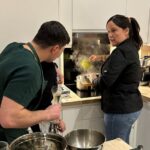
If you like Paris for its food craft, this experience is a smart use of your time. Instead of a quick tasting with a few tips, you get a 2-hour hands-on workshop inside a working bakery, where staff continue their day and you learn how real pastries are built.
The best part is the blend of skill and context. You do not just roll or fold dough and hope for the best. You learn why bakers treat flour and dough differently, why lamination matters, and how shaping affects the final baguette look and bite.
Also, multiple instructors in the reviews got singled out by name, including Jess, Nisha, Priya, Candice, Pierre, and Rachel. That matters because teaching style shows up fast in a small space. When you get patient, practical coaching at arm’s length, it turns a class into a real memory.
One more practical note, you should show up hungry. The experience includes snacks and there are tastings during the lesson. You will also likely bring food home, so it is not an empty stomach situation. It is more like, you get fed twice, first during class, then at dinner.
The 2-Hour Flow Inside the Bakery
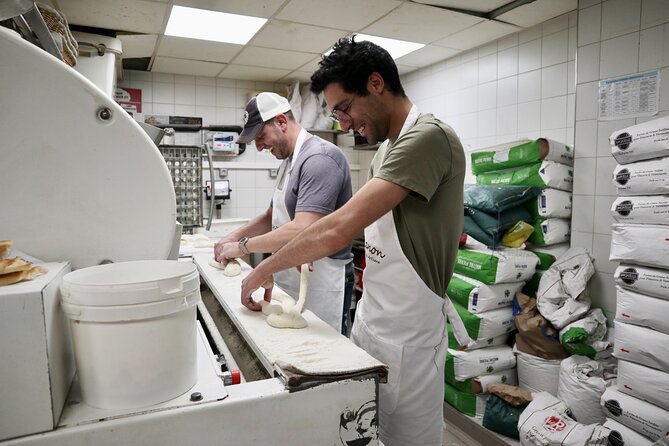
The class is about two hours, and it ends back at the meeting point. That makes it easy to fit into a morning or afternoon when you are already doing Eiffel Tower area sightseeing.
Here is the typical feel of the session based on how the lesson is described and what people report:
- You start with snacks and usually a warm welcome before you get to work.
- Then you move into the practical portion, where you handle dough for bread and pastry.
- Along the way, the guide points out what matters and why, like flour choices, fermentation topics, yeast vs sourdough, and shaping.
- You also do tastings so you can compare what different doughs and techniques create.
- You finish with takeaway baked items from what you shaped and made in the workshop.
The “small-group” part is not just marketing. With up to 8 travelers, you get real coaching on how to roll, fold, or form dough. In a bigger class, mistakes can be hard to correct, especially in a tight space. In this format, the guide can keep an eye on your hands and posture without you feeling lost.
More lifts to the iron summit:
- Paris: 1-Hour Seine Cruise departing from the Eiffel Tower
★ 4.4 · 77,472 reviews - Paris: Eiffel Tower Entry Ticket with Optional Summit Access
★ 4.4 · 20,035 reviews - Eiffel Tower Dedicated Reserved Access Summit or 2nd Floor
★ 4.3 · 18,352 reviews
Baguettes, Shaping Tips, and the Real Meaning of Care
Baguettes are where this class becomes more than fun. The lesson focuses on how to shape baguettes and how you can tell different styles apart. That is useful even if you never plan to bake daily at home.
What I like about this approach is that it trains your eye and your touch. You learn that a baguette is not only about ingredients. It is about technique, shaping, and how the dough holds structure.
In the reviews, people highlighted that they learned how much work goes into a baguette and how many steps happen behind the scenes in a real boulangerie. Even if your workshop skips the most time-consuming parts of the full production day, you still get the key skills that explain why baguettes look and taste the way they do.
Practical tip for you: when you get to the shaping portion, slow down and copy the guide’s hand movements rather than rushing to “finish fast.” French bread technique rewards patience, and the coach is there to help you get it right.
Puff Croissant Dough and Lamination, Step by Step
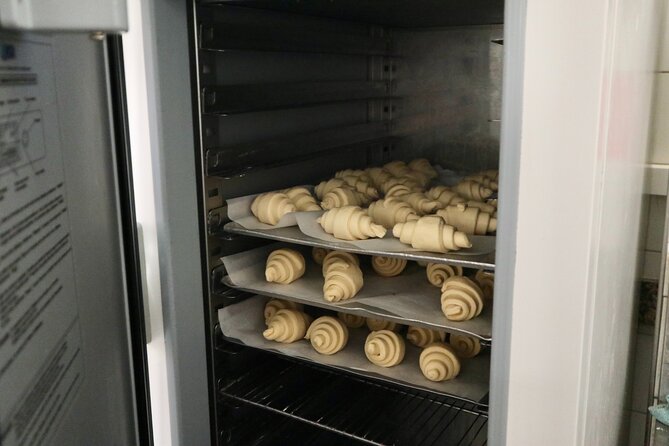
If baguettes get you curious, croissants get you obsessed. The class includes hands-on work related to laminating dough and learning how to prepare puff croissant dough.
A lot of people think croissants are magic. This lesson demystifies them. You learn the folding logic, why layers matter, and how to work with dough so it puffs instead of collapsing. Several reviews mention that the croissant portion felt more like rolling dough than doing everything from scratch, which can be either perfect or a little disappointing depending on your expectations. The tradeoff is time. You get meaningful technique practice without the class turning into a day-long project.
So here is the best way to frame it for yourself. You are not being asked to create every pastry component from raw materials over a full fermentation timeline. You are learning the technique that drives the texture, mainly lamination and handling.
Practical tip for you: if you have sensitive wrists or shaky hands, tell the guide early. In a small group, adjustments happen fast and you will spend less time fighting the dough and more time learning the steps.
Flour, Yeast, and Sourdough: How French Bakers Think
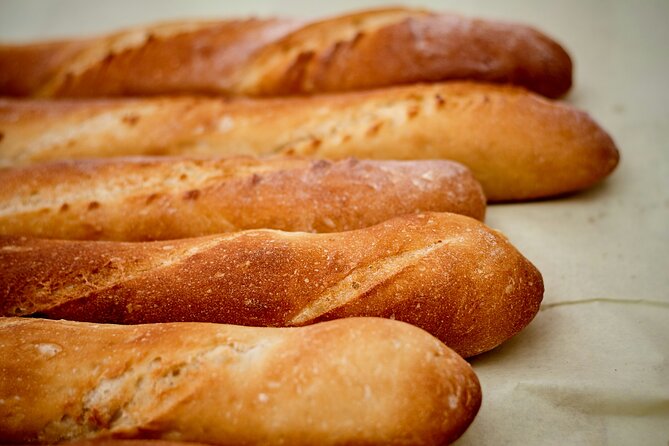
This is one of the more “aha” parts of the experience. You learn the difference between bread flours, and you get guidance on yeast versus sourdough.
Even if you do not bake at home right away, this helps you understand what you are tasting. You start to realize why one bread feels lighter, another feels springy, and another leans tangy. You also learn that flour is not interchangeable, and that dough behavior guides the process.
One of the strongest repeated themes across reviews is how instructors connected technique to history and to the way bakeries actually run. That helps the class feel local and real, not like a generic cooking workshop.
If you are the type of traveler who reads labels and cares about texture, you will love the way this class trains your palate. You are tasting as you learn, so you remember the lesson later when you see bread in a Paris bakery window.
More Things to Do in Paris




Tastings Along the Way, Plus Take-Home Treats
This class is built around the idea that baking is sensory. You will have tastings during the workshop, so you can compare flavor and texture outcomes while the dough is still fresh in your mind.
On top of that, many reviews mention taking baked goods home, including items like baguettes, croissant dough products, and sweet treats such as financiers. That is a big part of the value. You are not paying for a snack plus a short lesson. You are paying for an experience that feeds you during class and again after.
For value-minded packing, the advice is simple. Bring space in your bag for baked goods. If you are carrying a small daypack, think about transferring items to a larger tote before you leave the neighborhood. Warm pastries travel differently depending on packaging and temperature, so give yourself enough room to manage it.
Meeting at Rue de l’Annonciation, and the Steps You Should Plan For
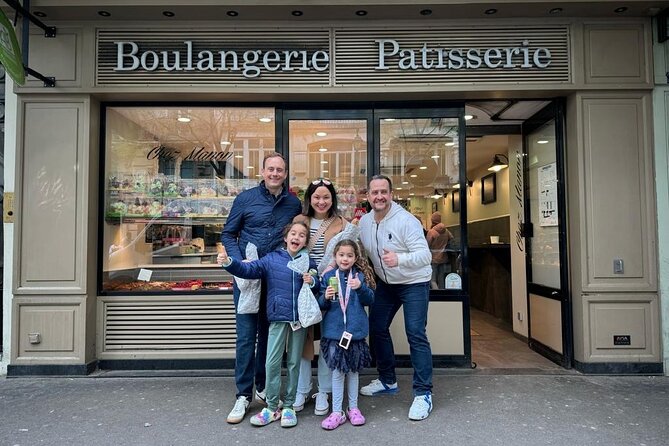
Your meeting point is 31 Rue de l’Annonciation, 75016 Paris, France. The tour starts there and returns to the same place.
Logistically, here is what you need to know:
- The bakery is on a second floor with 15 steps and no elevator.
- You need to be able to stand for an extended period.
- The group size is small, max 8 travelers, but the workspace can be tight.
- It is near public transportation.
- The experience is offered in English, and you get a mobile ticket.
This is the main potential deal-breaker. If you have mobility issues, trouble standing, or need step-free access, this might not be a good fit. Also note that kids under 5 can join free of charge, but they cannot participate in the hands-on portion due to safety, so you will want to plan for that if you are traveling with very young children.
If you are fine on your feet, do yourself a favor and wear shoes you can stand in comfortably. In a hands-on class, you will likely be leaning, reaching, and repositioning often.
Price and Value: Is $108.84 Worth It?
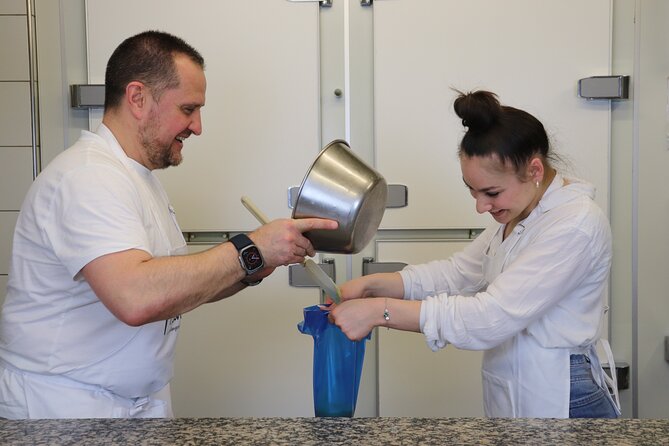
At $108.84 per person for about two hours, this is not a budget activity. The good news is that the structure supports the price.
You are paying for:
- Expert instruction in a real working boulangerie setting
- Hands-on baking practice that you control with your own hands
- Tastings during the session
- And, for many people, take-home baked goods
Compare that to the typical “watch and sample” format. If your goal is to collect flavor memories only, there are cheaper options. If your goal is to learn a skill you can repeat later, the cost starts to make sense.
The small-group cap of 8 is another value point. In a class this short, the instructor attention matters. When you can get corrections on your shaping or lamination, you are more likely to leave feeling capable instead of just entertained.
My advice: if you want a true food skill, this price can feel fair. If you expected everything made completely from scratch in the time window, then adjust your expectations. The lesson format sometimes uses ingredients that save time, so you spend class learning technique rather than waiting through all fermentation steps.
Who Should Book This Paris Baking Class
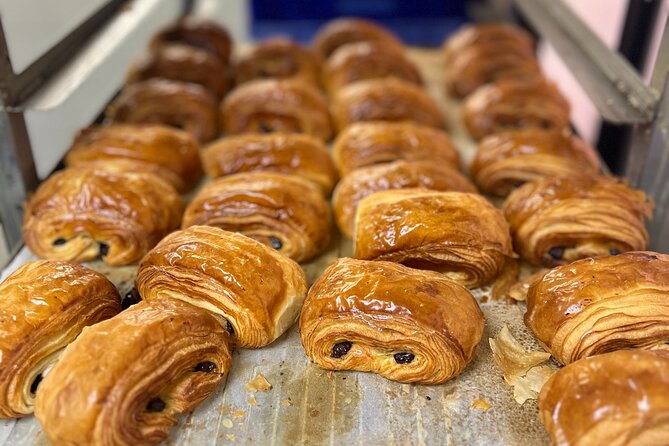
This experience is a great fit if you:
- Want authentic Paris food craft in a real bakery environment
- Like hands-on classes more than lectures
- Are curious about bread science basics like flour differences, yeast, and sourdough
- Want a small-group experience with English instruction
- Are traveling as a couple or small family and want something active
It is also a good pick for food travelers near the Eiffel Tower who want a break from big-ticket attractions. Instead of another line and another crowd, you get a quiet, focused activity where you do meaningful work.
If you dislike standing, or you cannot handle the stairs, I would look for a more accessible option. The workshop requires it.
Should You Book It?
Yes, if you show up ready to work with dough and you want to learn real technique. This class is built around hands-on practice, small-group coaching, and tastings that help you understand what you are making. The value gets even stronger if you are the kind of traveler who likes bringing food back home for a second meal.
Book it with a practical mindset: bring comfortable shoes, plan for the 15-step climb, and leave room in your bag for baked goods. If those fit, you will walk away with skills, not just crumbs in a photo roll.
FAQ
How long is the Paris baking class?
It lasts about 2 hours.
How many people are in the group?
The experience has a maximum of 8 travelers.
Where do I meet, and where does it end?
Meet at 31 Rue de l’Annonciation, 75016 Paris, France. The activity ends back at the meeting point.
Is it offered in English?
Yes, the experience is offered in English.
What ticket do I get?
You get a mobile ticket.
Is there any food included?
Yes. Snacks are included, and there are tastings during the hands-on lesson.
Are service animals allowed?
Yes, service animals are allowed.
Are children allowed?
Children are allowed, but they must be accompanied by an adult. Kids under 5 can join free of charge, but they cannot participate in the hands-on baking due to safety.
Is it wheelchair accessible or elevator-friendly?
The bakery is on the second floor and there are 15 steps with no elevator. You also need to be able to stand for an extended period.
What is the cancellation policy?
Free cancellation is allowed up to 24 hours in advance for a full refund. Cancel at least 24 hours before the start time to get your money back.
Latest Paris entries, notes attached





Eiffel Tower Summit Tours, compared.

1-Hour Seine Cruise departing from the Eiffel Tower
Read our review →
Eiffel Tower Entry Ticket with Optional Summit Access
Read our review →
Eiffel Tower Dedicated Reserved Access Summit or 2nd Floor
Read our review →

Seine Cruise & Crepe Tasting near the Eiffel Tower
Read our review →
Eiffel Tower Stairs Climb to Level 2 & Summit Option
Read our review →
Eiffel Tower Access by Elevator & Seine River Cruise
Read our review →
This tour also appears in