Reviewed · THINGS TO DO IN PARIS
Paris: Baking Insider Experience
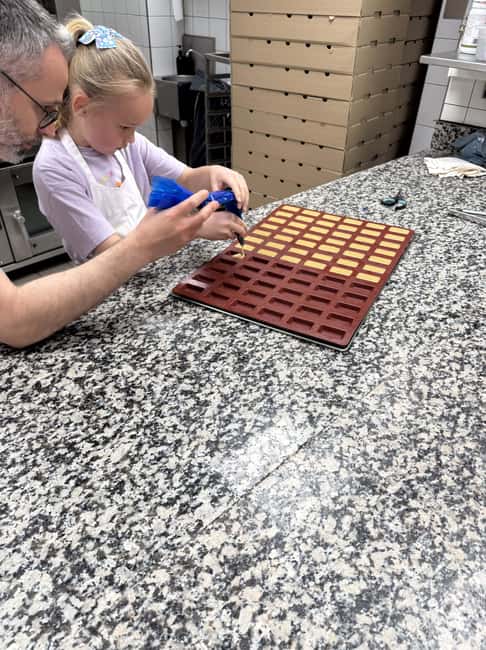
Bread flour to golden crust, all in two hours. This working bakery lesson is a hands-on Paris intro to the techniques behind baguettes and croissants, taught in a small group that keeps you close to the action. You learn by doing, not watching.
I particularly like the way the instructor breaks down the “why” behind the dough: flour types, yeast versus sourdough, and how lamination changes everything. Guides such as Priya, Clara, David, Salome, Pierre, and Nisha bring that expertise in a practical way, so the steps make sense when you try them later.
One thing to consider first, especially if you have mobility limits, is the physical setup: it includes 15 steps to the bakery on the 2nd floor with no elevator, and you must stand for a while. Also, timing can affect what you can take home from the croissant portion.
In This Review
- Key highlights worth planning for
- A real boulangerie lesson, not a pastry performance
- What you make in the 2-hour session
- The dough science lesson you actually remember
- Tastings that turn recipes into judgment
- Small group energy, and why your guide matters
- The take-home factor, plus the croissant timing reality
- Price and value: why $106 can make sense here
- Who this fits best, and who should reconsider
- Before you go: how to show up ready to bake
- The best way to use this class after Paris
- Should you book it?
- FAQ
- What is the duration of the Paris baking insider experience?
- How large is the group, and is it a small group experience?
- What language is the live guide?
- What is included in the experience?
- Can children participate?
- Is the experience suitable for wheelchair users?
- Is there a lot of standing or stairs involved?
- What is the price and where do I meet the group?
Key highlights worth planning for
- Max 8-person class with real attention from a French baker, not a big demo
- Baguette and roll shaping practice plus guidance on dough handling
- Lamination basics taught in plain, usable steps
- Flour, yeast, and sourdough differences explained while you work the dough
- Sweet and savory tastings that show how flavor shapes results
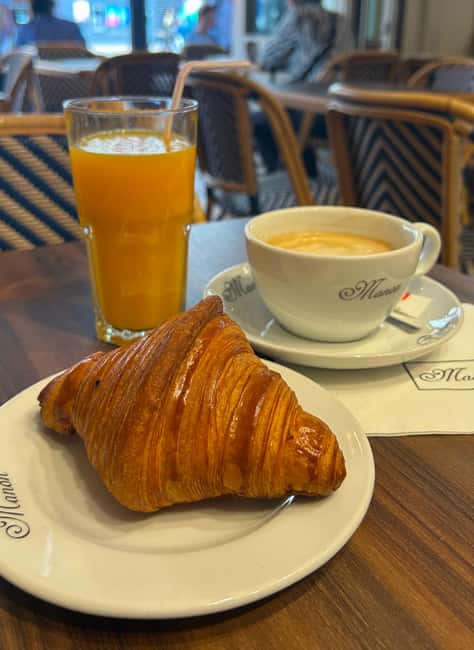
- Working bakery experience in an active shop, with opportunities to take home what you make
A real boulangerie lesson, not a pastry performance
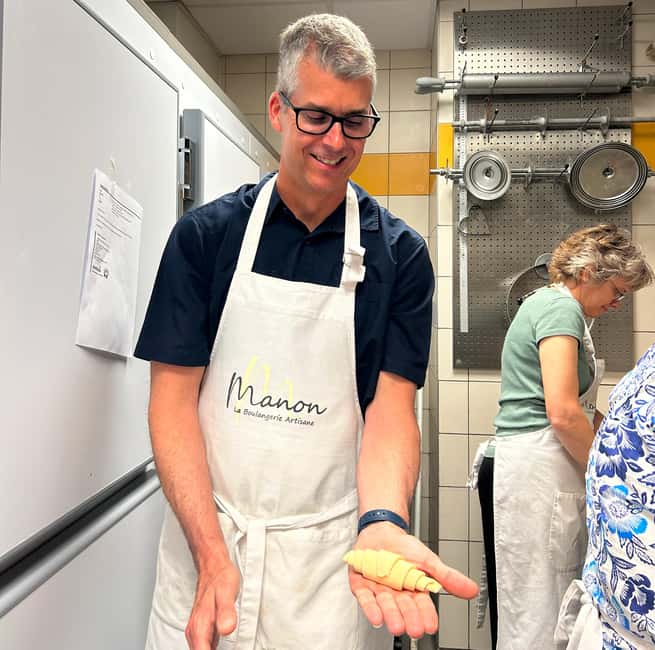
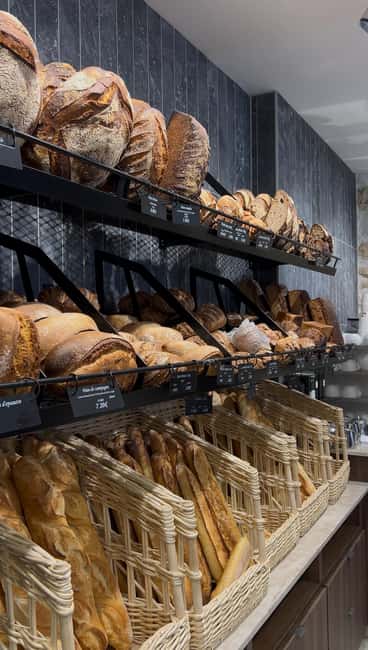
Paris baking classes come in two flavors. Some feel like a classroom with apron props. This one is different because you learn inside a working bakery environment, where the rhythms of the shop are part of the lesson.
That matters. When you’re shaping dough while a bakery is doing bakery things, you pick up habits faster. You also get a better sense of what separates good bread from merely good-looking bread.
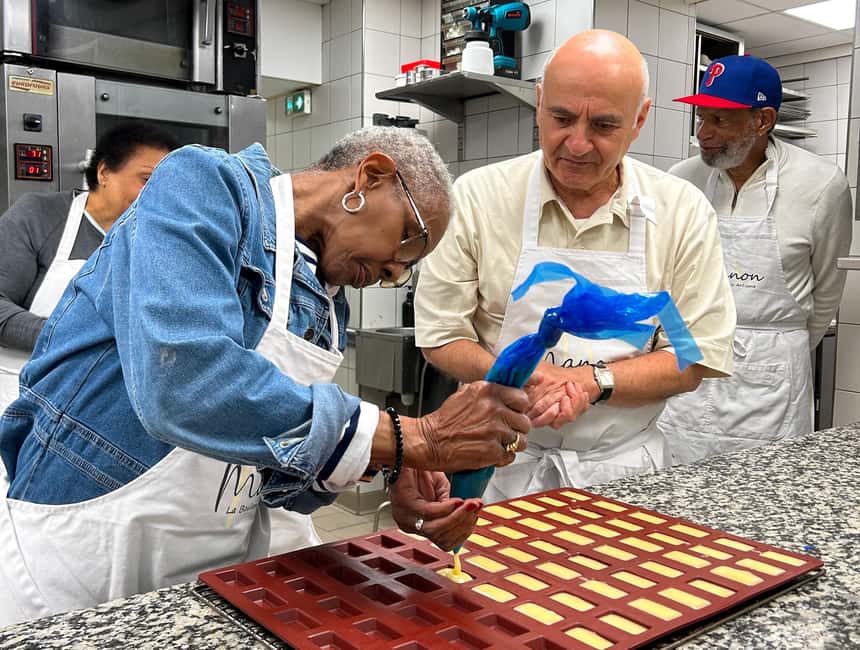
The small group size (maximum 8) is another big reason this works. With fewer people, the baker can correct your dough shaping and technique in real time, like when to be gentle versus when to commit. That kind of feedback is hard to get in larger classes.
What you make in the 2-hour session
This is a 2-hour insider experience, so the goal is focused practice, not a full day in the dough cave. You typically prepare bread and pastry dough and learn classic French methods, with tastings along the way.
Here’s what you can expect to work on during your session:
- Bread-making techniques, including shaping and dough handling
- Croissant dough skills, including lamination practice
- Baguette-shaping technique and what “proper form” actually looks like
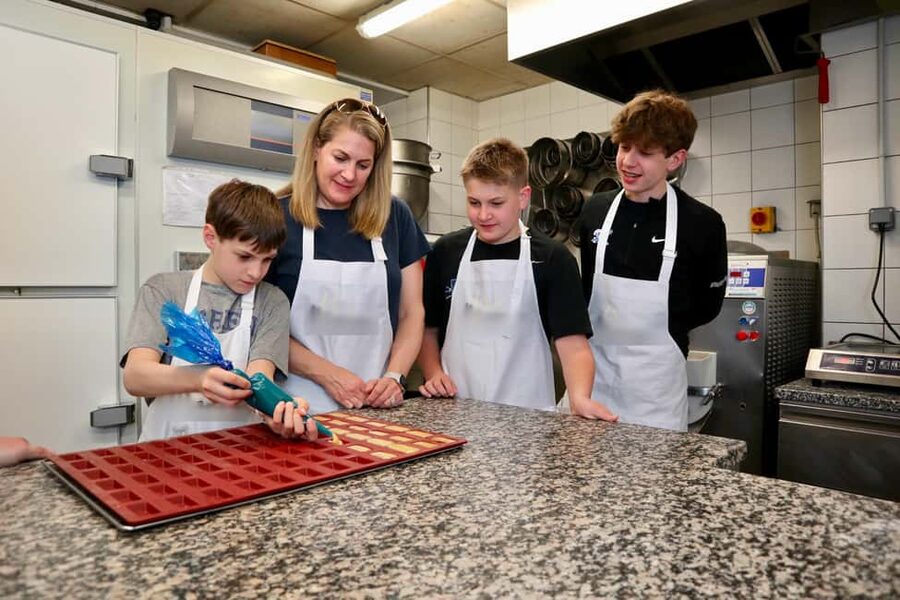
- Additional pastry items that can include sweet and savory bites such as financiers
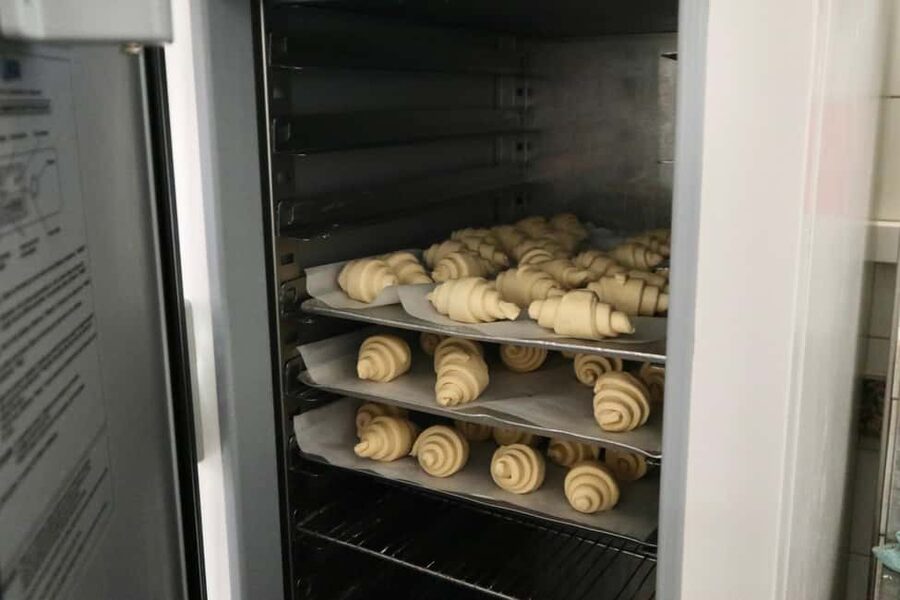
A key detail from real sessions: you may not always have time to finish every item fully from start to finish. One practical example from a similar class flow is that croissants can take longer, so some groups roll and make them but do not always take them home. The rest of the session still gives you the hands-on method, plus you leave with plenty of what you produced.
Also, you can count on a bakery-style variety. Even when you focus on one main item, you’ll taste multiple flavors during the lesson. That helps you connect what you do with what you taste.
More Things to Do in Paris
- Paris: 1-Hour Seine Cruise departing from the Eiffel Tower
★ 4.4 · 77,472 reviews - Disneyland® Paris 1-Day Ticket
★ 4.6 · 49,412 reviews - Paris: Versailles Palace and Gardens Full Access Ticket
★ 4.6 · 41,579 reviews
The dough science lesson you actually remember
One of the most praised parts of this experience is the instruction on ingredients and process, explained in a way that sticks. You don’t just get a recipe. You learn how different components behave.
You’ll cover:
- Differences between bread flours
- The practical difference between yeast and sourdough
- How lamination affects texture and puff
- Baguette-shaping techniques that improve how bread bakes
Why this is valuable: once you understand what flour protein levels do, or how fermentation changes flavor, you start making better choices even when you’re not following the exact same plan. That’s the “take it home” skill.
And the instructors lean into real bakery logic. For example, it’s not only how to mix. It’s how the dough should feel during working. More than one guide, including Priya and Salome, is described as patient and step-by-step clear, especially for beginners.
Tastings that turn recipes into judgment
Baking in theory is one thing. Baking with taste feedback is where you level up.
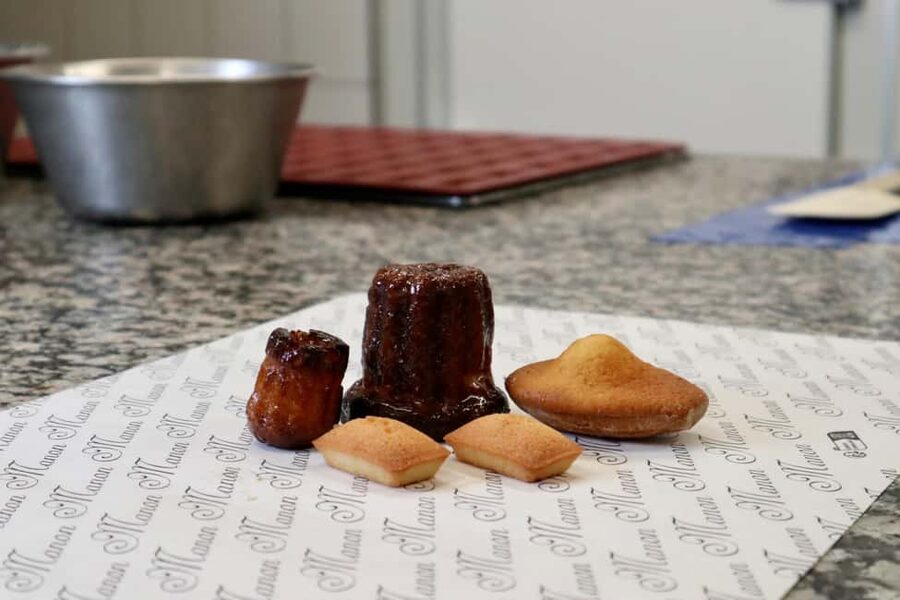
Throughout the session, you’ll taste a range of French flavors, both sweet and savory. Those tastings do more than fill your stomach. They teach your palate what to watch for: sweetness balance, salt depth, butter aroma, and the “baked now versus underbaked” difference.
You’ll also hear stories and context behind iconic French treats. Guides like David and Pierre often add cultural notes, plus practical do’s and don’ts for how to behave in a bakery setting. That may sound small, but it changes how you shop afterward.
If you’ve ever wondered why your baguette tastes different from what you ate in France, this helps you connect the dots. You start to notice cues, like crust color, crumb openness, and aroma.
Small group energy, and why your guide matters
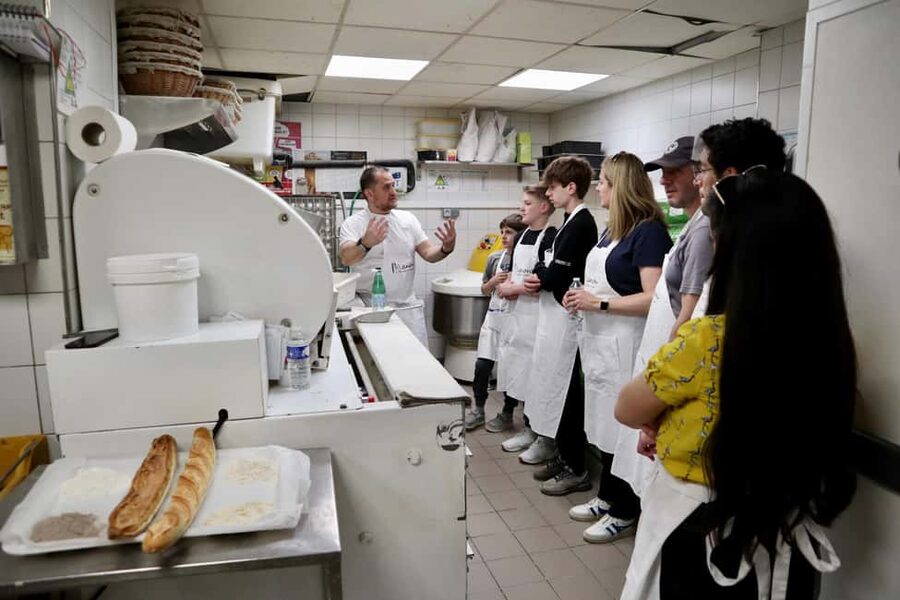
This class caps at 8 participants, and many sessions run with even fewer people. That turns the experience from standard instruction into coaching.
When the group is small, the guide can:
- Watch your hand movements while you shape
- Correct your dough consistency before it becomes a mistake
- Explain technique in the moment instead of after you finish
You’ll also meet a guide who makes the class feel human. Names that come up in real sessions include Priya, Clara, David, Salome, Pierre, Valentina, Nisha, Martin, Igor, and Jessica. People describe them as funny, patient, and genuinely proud of their craft.
That tone matters. If you’re nervous about baking, a supportive instructor makes it feel doable. If you already bake, you get more than basics. You get bakery-style reasoning and method refinement.
The Paris dossier continues:


The take-home factor, plus the croissant timing reality
One of the best reasons to choose a hands-on class is walking away with your work. Many sessions include taking home baked goods you made, and plenty of people highlight that bag-full feeling after class.
But there’s a reality with croissant dough. One session note shared that participants rolled croissants but did not have time to take them home because of the longer process. That doesn’t mean you wasted time. You still learn the lamination and shaping techniques, and you can apply them later.
So my advice is simple:
- Go in expecting bread and pastry items you can take home
- Don’t count on every item being fully finished for travel unless the schedule clearly allows it
Either way, you’ll eat warm results during the experience, and you’ll leave with more than just photos.
Price and value: why $106 can make sense here
At $106 per person for 2 hours, this isn’t a budget snack. It’s a paid workshop with limited capacity and expert guidance.
Here’s where the value comes from:
- Small group size keeps instruction personalized
- You work with real dough and real techniques, not just observation
- You learn process details such as lamination and shaping
- You get tastings and snacks included
- You may take home items you prepared in the bakery
If you’ve spent money on other “food experiences” that were mostly walking and tasting, this class is different because it gives you a repeatable skill. Even if you never become a serious baker, you’ll understand what to look for the next time you buy a baguette or croissant in Paris.
The other value angle is timing. Two hours is long enough to learn and practice, short enough that you’re not spending your whole day chasing yeast and flour.
Who this fits best, and who should reconsider
This experience is a great match if you:
- Want an authentic Paris food moment inside a working bakery
- Prefer hands-on instruction over lectures
- Enjoy baking, even if you’re a beginner
- Like the idea of learning practical technique, not only tasting
It’s also family-friendly in many cases, with an important caveat. Children can join if accompanied by an adult. Kids under 5 can join free of charge, but they won’t participate in hands-on baking due to safety concerns.
Who should reconsider:
- Anyone who struggles with standing for a while
- Anyone who needs wheelchair access, since it is not suitable for wheelchair users
- Anyone who cannot manage stairs, because it involves 15 steps to the bakery on the 2nd floor with no elevator
If you’re traveling with someone who has mobility issues, you may need to choose a different activity nearby.
Before you go: how to show up ready to bake
This class is physically active. You’ll be on your feet and working with dough, so plan like it’s kitchen time.
Wear something you can stand in comfortably. Dough work can be messy, even with careful instruction. Closed-toe shoes are a safe call.
Come hungry. Snacks are included, but you’ll also be tasting along the way, and the lesson is designed for you to eat what you make.
If you’re traveling with a child who will observe rather than bake, bring patience and a positive attitude. The session still has plenty of learning and tasting moments, and the bakery environment itself is a great part of the experience.
The best way to use this class after Paris
The real win isn’t only the two hours. It’s what you do afterward.
When you’re back on the street and you’re choosing a baguette, you’ll start to notice:
- How shape and scoring can affect bake and texture
- How dough handling changes the crumb
- The flavor cues that go with fermentation choices
- The difference between yeast-driven and sourdough-driven results
You’ll also feel more confident walking into a bakery. More than one guide emphasizes cultural basics, like how to not slow things down and how to ask calmly for what you want.
If you buy a financier mold or a small baking tool later, you’re doing the right kind of souvenir shopping. Tools that support the skill you learned are more useful than magnets.
Should you book it?
Book this if you want a hands-on, small-group Paris baking class with expert coaching, tastings, and a real bakery setting. At $106 for 2 hours, it’s best viewed as a skill workshop, not a casual tour stop. Guides like Priya, Salome, Pierre, Nisha, and Martin show up repeatedly in positive experiences, and the teaching style sounds built for both beginners and people with some baking experience.
Skip it if stairs, standing time, or mobility needs will make the session uncomfortable. Also, if your main goal is fully finished croissants to take home, know that timing can affect what you can bring.
If you’re in the sweet spot, you’ll leave with dough confidence, new flavors to recognize, and baked goods that feel like real Paris, not just a photo op.
FAQ
What is the duration of the Paris baking insider experience?
The class lasts 2 hours.
How large is the group, and is it a small group experience?
It is a small group experience limited to 8 participants.
What language is the live guide?
The live tour guide provides instruction in English.
What is included in the experience?
You get a hands-on baking lesson, an expert guide, and snacks. The experience also includes tastings as part of the class flow.
Can children participate?
Children are allowed but must be accompanied by an adult. Kids under 5 years can join for free, but they cannot participate in the hands-on baking due to safety concerns.
Is the experience suitable for wheelchair users?
No. It is not suitable for wheelchair users.
Is there a lot of standing or stairs involved?
Yes. You must be able to stand for an extended period. There are 15 steps to the bakery on the 2nd floor with no elevator.
What is the price and where do I meet the group?
The price is $106 per person. The meeting point may vary depending on the option booked.
Latest Paris entries, notes attached





Things to Do in Paris, compared.

1-Hour Seine Cruise departing from the Eiffel Tower
Read our review →

Versailles Palace and Gardens Full Access Ticket
Read our review →



Eiffel Tower Entry Ticket with Optional Summit Access
Read our review →