
Reviewed · MACARON & PASTRY CLASSES
Paris: Bread and Croissant-Making Class
Flour on your sleeves. Paris in your hands. This small-group class takes you behind the counter of a family-run boulangerie to learn French bread basics that actually affect the outcome, not just the romance. I love the hands-on format, where you work the dough and shape real loaves, and I love the way the master baker shares practical crust and texture tips plus bakery stories that make the work feel like part of French culture. The main tradeoff is simple: at $258 for 2 hours, you are paying for high-touch instruction and take-home results, not a long sightseeing day.
You’ll meet at Le Petit Mitron (8 rue Oberkampf, 75011) and settle into a working bakery space right in the city. Once you start, expect plenty of interaction, dough time, and bread you can’t easily recreate by watching a video at home. One more consideration: it is not ideal for very young kids, since it is not suitable for children under 6.
In This Review
- Key things I’d watch for before you book
- First stop: Le Petit Mitron, a real bakery setting
- Going behind the counter to learn baguette secrets
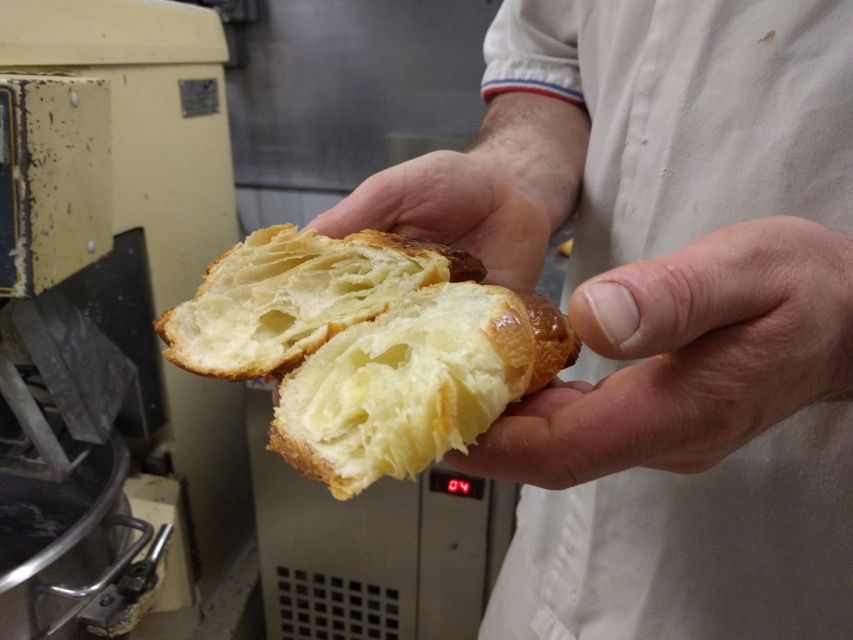
- Shaping croissants: where technique turns into layers
- The special touch: tasting while the oven is working
- La Parisse and the bakery identity you don’t get in generic classes
- Your guides: a master baker plus interpretation that keeps things flowing
- What you take home, and why that part matters
- Price and value: what $258 buys in a Paris bakery
- Who should book this bread and croissant class
- Should you book this Paris baguette and croissant workshop?
- FAQ
- How long is the bread and croissant-making class?
- Where do I meet for the class?
- What is the price per person?
- How big is the group?
- What languages are available for the instructor?
- What’s included in the price?
- Do I get the recipes after class?
- Is free cancellation available?
- Is it suitable for young children?
- Can I reserve now and pay later?
Key things I’d watch for before you book
- Family-bakery access: You go behind the counter and learn from a long line of bakers, with techniques passed down.
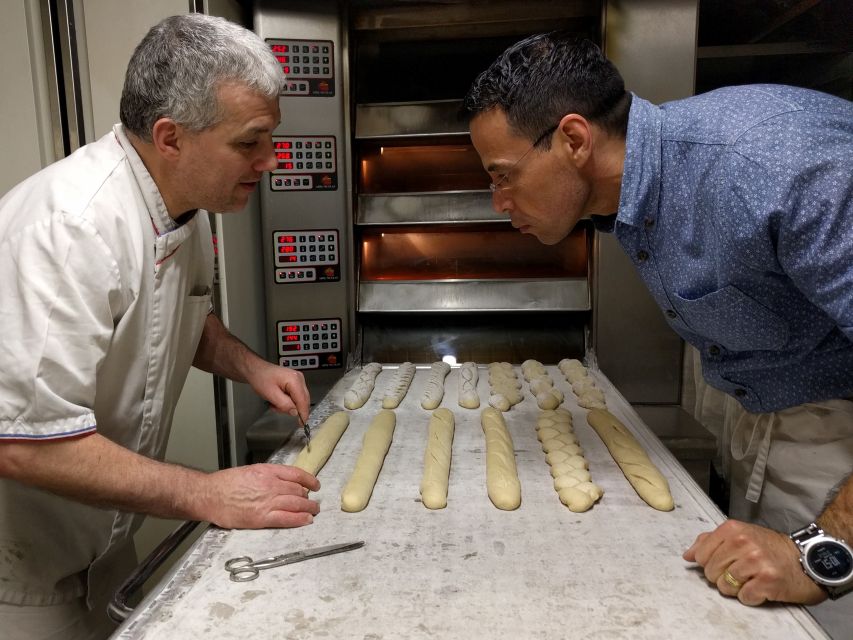
- Two dough projects: You make a classic baguette style and also shape croissants during the session.
- La Parisse special baguette: You bake a version unique to the bakery, not just generic baguette theory.
- Small group size: Limited to 8 participants, so questions and corrections actually happen.
- Email recipe follow-up: You get a copy of the recipe sent by email after class.
- Language support: English, French, Japanese, and Spanish instruction is offered depending on your group.
First stop: Le Petit Mitron, a real bakery setting
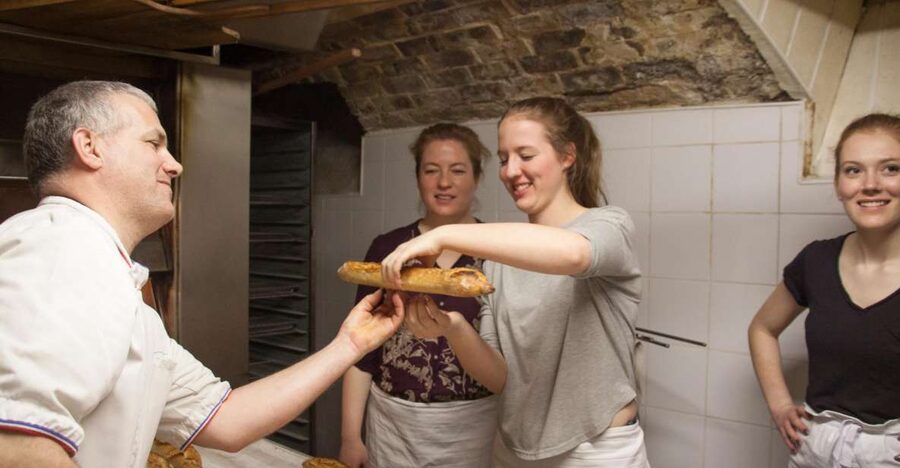
This class doesn’t start with a screen or a lecture room. You meet at Le Petit Mitron at 8 rue Oberkampf, right in Paris’s 11th arrondissement, and you head straight into the bakery workflow. That matters because bread is timing, temperature, and touch. If you are going to learn it, you want to learn it where the dough is actually being handled.
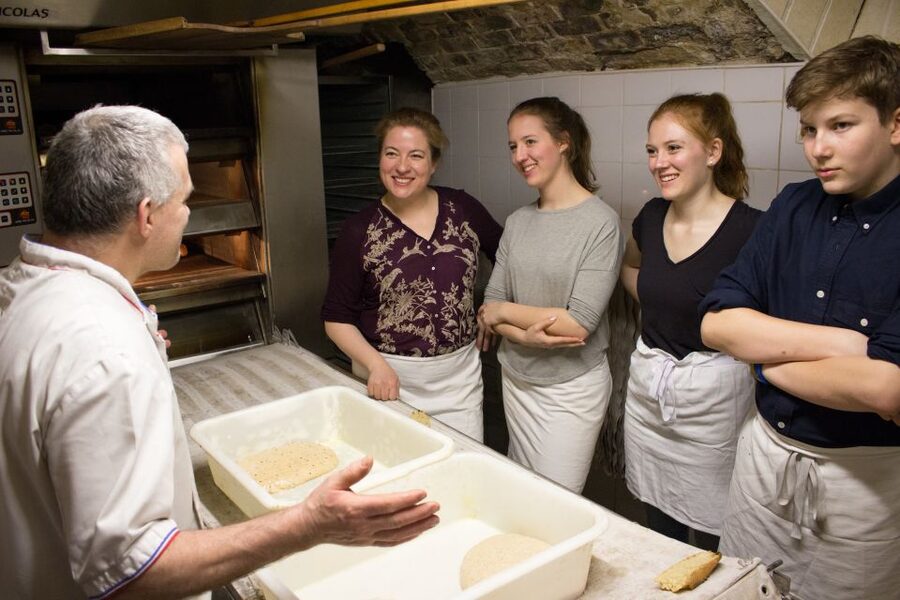
The group stays small, capped at 8. In practice, this means you can ask a question when your dough looks different from the dough next to you. It also means the instructors can watch your shaping and tell you what to adjust before you bake.
You also get an apron and the utensils you need as part of the experience. So you can show up ready to get flour on your sleeves without turning the trip into a laundry project.
Going behind the counter to learn baguette secrets
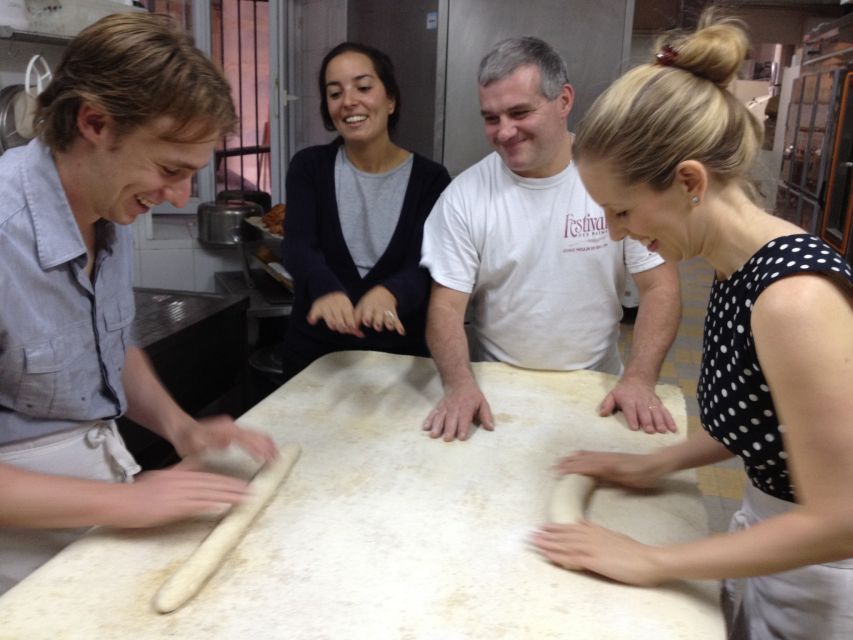
The heart of the class is the baguette work. You’ll see the real step-by-step process of how an authentic baguette is made, and you’ll also learn what to focus on as you go hands-on.
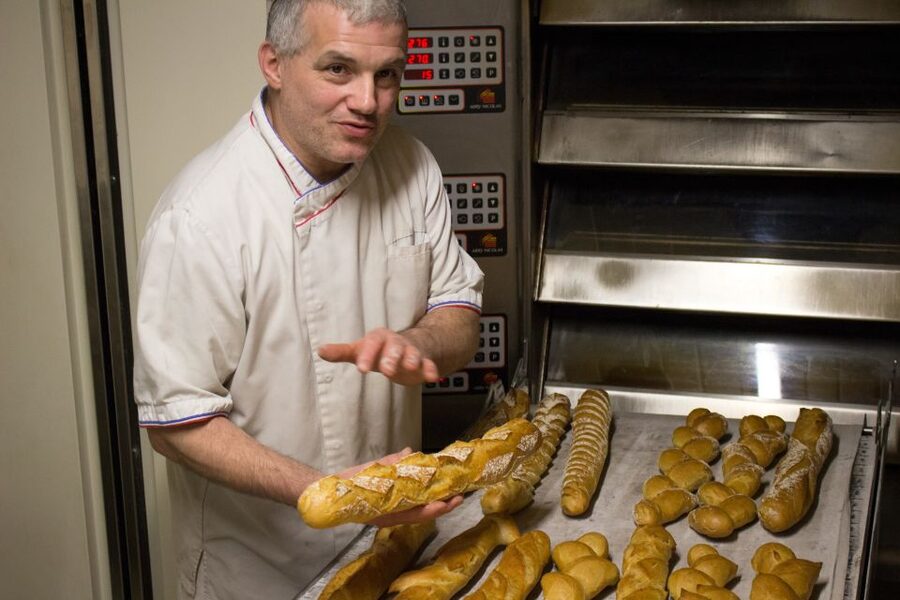
A big part of French baguette success is the contrast: a crusty golden exterior and a soft, warm interior. The baker’s instructions focus on the small choices that create that contrast. Think about things like how the dough feels when it is ready, how you handle it without crushing the structure, and how shaping affects expansion in the oven.
You’ll also bake two types of baguette. One is the classic French baguette style. The other is the bakery’s signature special, called La Parisse. That second one is a great sign for value. A lot of classes cover one template. Here you learn how the bakery’s approach makes a difference in a second product.
And yes, this is not just technique. The baker also shares context and stories about French bread, including how the baguette’s shape and bread culture developed over time. That kind of background is useful because it explains why bakers treat shaping and timing as a serious craft, not a casual hobby.
More piping bags and patient shells:
- Paris: Montmartre Cheese, Wine & Pastry Guided Walking Tour
★ 4.8 · 2,255 reviews - Paris: Macaron Class at Galeries Lafayette
★ 4.2 · 1,196 reviews - Paris Croissant Small-Group Baking Class with a Chef
★ 5.0 · 910 reviews
Shaping croissants: where technique turns into layers
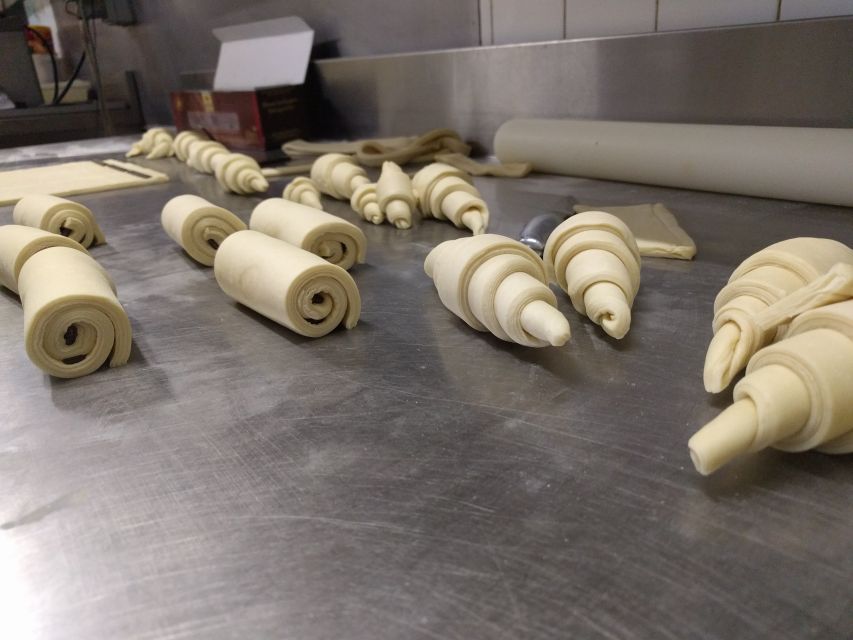
After baguette fundamentals, the class shifts into croissants, the flaky pastry that makes people say, I could never do that at home. The instructor shows you how to make and shape croissants, and you get practical guidance while your dough is in your hands.
Croissants are mostly about layer formation and how you handle the dough during shaping. You won’t just be told to follow steps blindly. The instructions aim to teach you what to look for. If your dough feels too stiff or too slack, you learn how to adjust your approach so the dough stays workable.
From the way the class is run, you should expect active participation rather than watching the whole thing from one spot. The small group size makes this easier. You get correction, not just a countdown to the next demo.
The special touch: tasting while the oven is working
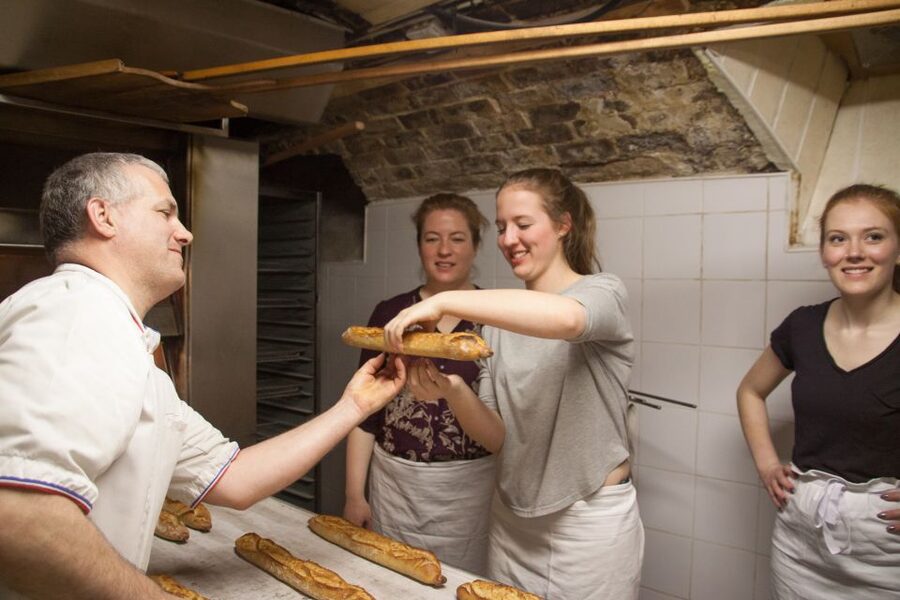
One of the best parts of learning bread is that the bakery keeps producing while you learn. In this class, you get tasting during the session, including warm baguettes and croissants you make and sample. It is not just a nice extra. It helps you connect technique to outcome.
When you taste, pay attention to details the baker points out: crust color, aroma, and the texture inside. Those observations are exactly what you’ll want to recreate later when you bake at home. If you have ever tried to copy a recipe but ended up with something that looks right but doesn’t feel right, tasting in-class is how you calibrate your expectations.
And because this is a working bakery, you’re also seeing how the bread is handled once it’s baked. That gives you a more complete picture than a cooking class that stays purely theoretical.
La Parisse and the bakery identity you don’t get in generic classes
La Parisse is the standout “this is this bakery” component. The class is designed so you don’t just learn a generic baguette method. You learn a special version tied to what the bakery is famous for in Paris.
Why does this matter? Because it forces you to understand bread as something local. Flour sources, dough handling, fermentation decisions, and shaping habits all show up in the final bread. Even if two recipes share similar ingredients, the method can steer the result into different territory.
If you are the kind of traveler who likes authentic food experiences, this is one of those moments where you feel the difference between tourist baking demos and a real workshop run by a professional.
Other Paris bookings in the margin notes

Your guides: a master baker plus interpretation that keeps things flowing
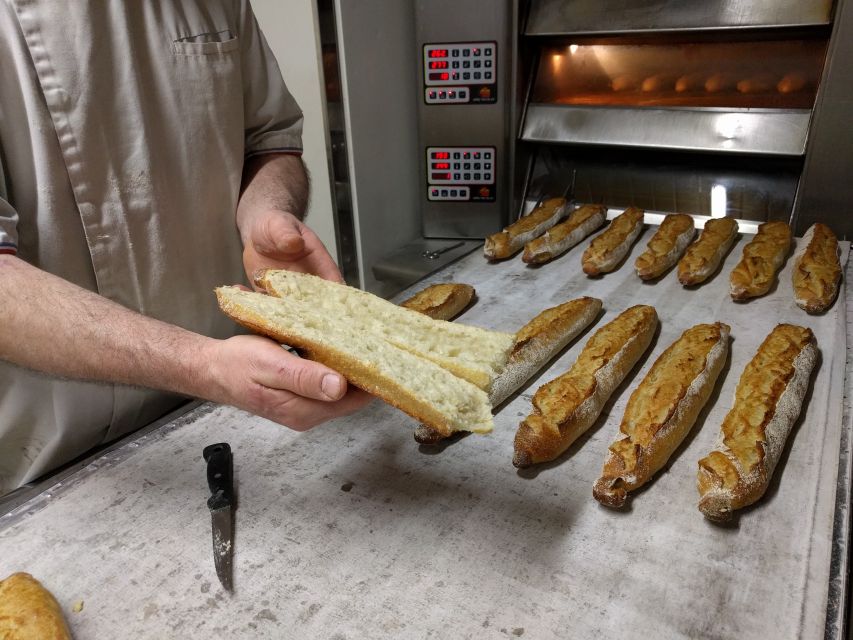
Communication is a major part of whether a class feels smooth or stressful. This experience includes language support, with instruction offered in English, French, Japanese, and Spanish.
In practice, many past sessions have featured an English interpreter alongside the master baker. Names that have shown up include Luce, Luis, and Elsa. If you get one of these interpreters, you’ll likely find the lesson becomes easier to follow, with explanations that match what you are seeing with the dough.
Also, the teaching style comes through in the feedback people share: the baker brings energy, humor, and a clear passion for craft. That combination keeps you from zoning out during the steps that are slow but important, like waiting for dough readiness and focusing on shaping technique.
What you take home, and why that part matters
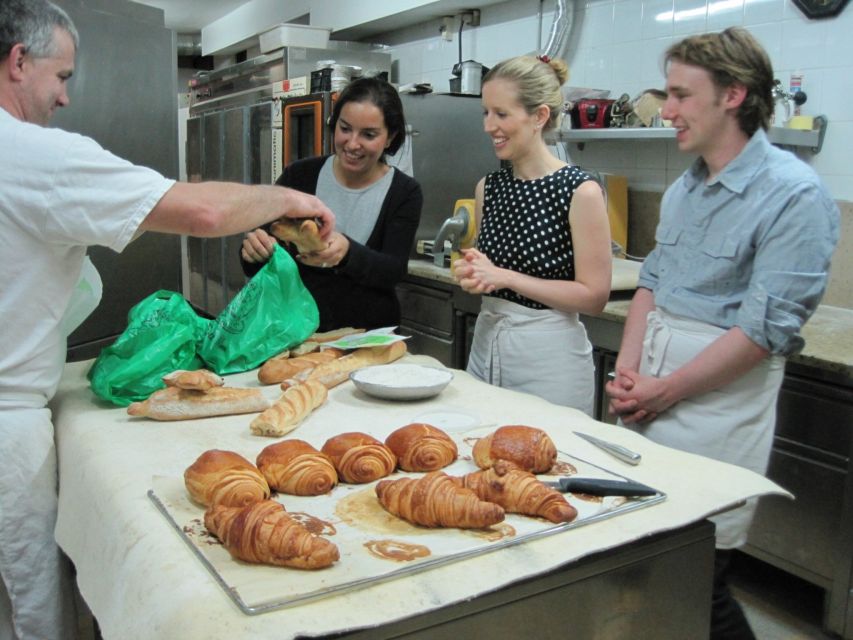
A French baking class should earn its keep after you leave the bakery door. Here, you do get follow-up support. You receive a copy of the recipe, sent to you by email.
That is more valuable than it sounds. Bread recipes can be hard to remember precisely, especially when technique matters as much as ingredients. Having the written recipe helps you recreate your experience at home without guessing what the baker meant by a particular step.
You also leave with what you made and sampled. Many participants describe leaving with a big supply of baguettes and croissants. That gives you a practical reason to care about what you learned. You get to eat your results that same day, and you get a real comparison point for future attempts at home.
Price and value: what $258 buys in a Paris bakery
Let’s be honest. $258 per person is not a budget cooking class. For 2 hours, you could find cheaper options. So the real question is what you receive for the price, and whether it matches your goals.
Here’s the value case:
- You learn from a bakery pro with family roots in the trade, not a one-off guest instructor.
- The group stays small (8 people), which improves the odds of getting personalized corrections.
- You work with real dough, make baguettes (including La Parisse), and make and shape croissants.
- You get included ingredients, utensils, and an apron.
- You receive recipes by email after class.
- You taste what you bake during the session.
If your goal is a quick taste of Paris and a light snack experience, this will feel expensive for what it is. If your goal is to learn technique you can actually repeat, the price starts to make more sense. You’re paying for time with a craftsperson and for the practical feedback that turns recipe reading into results.
Who should book this bread and croissant class
This class is a strong fit if you:
- Want hands-on French baking in a real boulangerie setting, not a tourist show.
- Care about technique, especially crust texture and shaping.
- Like small-group experiences where you can ask questions.
- Want edible take-home results plus follow-up recipes.
It may not be the best fit if:
- You want a long, multi-stop sightseeing day. This is focused and contained, by design.
- You are bringing very young kids. It is not suitable for children under 6.
If you have gluten concerns, this class is worth extra caution. One participant mentioned discussion around gluten intolerance and that flour may be made on site with no additives, but you should still ask the bakery directly about ingredients and cross-contact if that matters for you.
Should you book this Paris baguette and croissant workshop?
I’d book it if you’re serious about learning bread the way French bakers think about it: timing, touch, and shaping. The small-group size plus the real bakery access make the class feel like craft training rather than a simple meal activity.
Skip it only if $258 is hard to justify for a 2-hour session, or if you’d rather spend your time on sightseeing instead of dough work. But if your ideal Paris day includes learning La Parisse alongside classic baguette technique, shaping croissants, and leaving with recipes in hand, this is a very worthwhile use of time.
FAQ
How long is the bread and croissant-making class?
The class lasts 2 hours.
Where do I meet for the class?
Meet at Le Petit Mitron, 8 rue Oberkampf 75011 Paris.
What is the price per person?
The price is $258 per person.
How big is the group?
The group is limited to 8 participants.
What languages are available for the instructor?
The instructor offers instruction in English, French, Japanese, and Spanish.
What’s included in the price?
Included are all ingredients, utensils and an apron, and a copy of the recipe sent by email.
Do I get the recipes after class?
Yes. You receive a copy of the recipe by email.
Is free cancellation available?
Yes, free cancellation is available up to 24 hours in advance for a full refund.
Is it suitable for young children?
It is not suitable for children under 6 years old.
Can I reserve now and pay later?
Yes, you can reserve now and pay later to keep travel plans flexible.
Latest Paris entries, notes attached





Macaron & Pastry Classes, compared.
Montmartre Cheese, Wine & Pastry Guided Walking Tour
Read our review →
Paris Croissant Small-Group Baking Class with a Chef
Read our review →
Saint-Germain: Gourmet Chocolate & Pastry Walking Food Tour
Read our review →
Paris Chocolate, Macaron & Pastry Food Tour: 10 Gourmet Tastings
Read our review →
Macaron Bakery Class at Galeries Lafayette Paris
Read our review →This tour also appears in