Reviewed · THINGS TO DO IN PARIS
Paris: Explorer Pass with 3, 4, 5, 6, or 7 Attractions
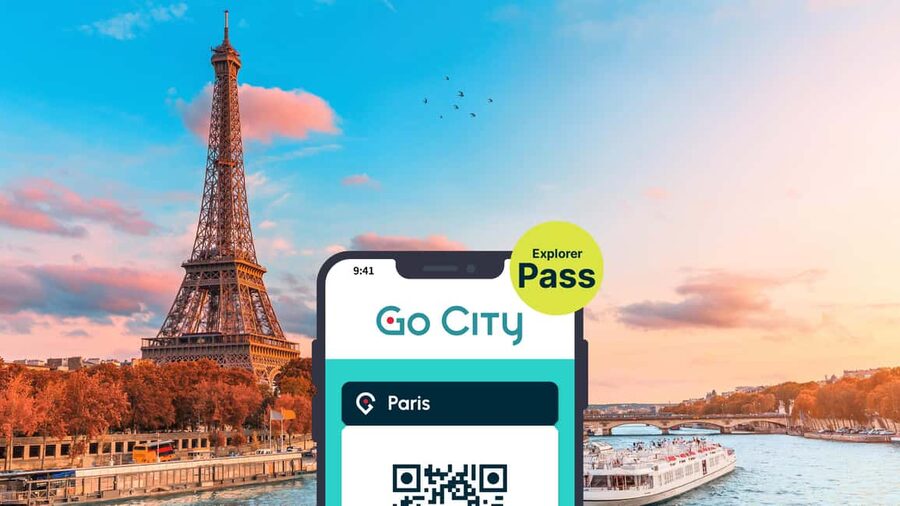
Paris can feel like a blur. This pass turns the blur into a plan. The Go City digital Explorer Pass lets you pick 3 to 7 major sights, then use your phone to get scanned at each entrance.
I like two things most. First, you can lock in the big stuff without guessing, like an Eiffel Tower 2nd-floor guided climb plus time on the water with Seine River cruise options. Second, the flexibility is real, because you can spread visits across a 30-day window and still feel like you did the “must-sees.”
One caution: timing and availability matter. Many of the most popular picks need reservations, and if your slots do not line up, you can end up with a disappointing outcome like no activity available, even though the pass sounds like a guarantee.
In This Review
- Key things to know before you buy
- Is This Pass a Smart Fit for Your Paris Trip?
- Price and Value: When the $93 Pass Actually Makes Sense
- How the Go City Digital Pass Works (and Why the Scan Matters)
- Your “Core Route” Example: Eiffel Tower, Seine, Montmartre, then Central Paris
- Eiffel Tower 2nd Floor Guided Climb: The Best Use of Your First Day
- Seine River Walk + Cruise: How to Slow Down in Paris
- Montmartre Lunch or Dinner with the Artists: Food Plus Atmosphere
- Hop-On Hop-Off Strategy: Big Bus in the Mix
- Montmartre Area by Hop-On Plus Petit Train Option
- Arc de Triomphe Stops: Quick Access to a Major Viewpoint
- Notre Dame and the Archaeological Crypt Experience: Pair It With Your Walking Rhythm
- Louvre Museum: Guided Time Then Your Own Choices
- Reservations and the Most Common Points of Friction
- Practical Tips for Your First Scan Day
- Who This Pass Suits Best (and Who Might Feel Frustrated)
- Should You Book the Paris Explorer Pass?
- FAQ
- How many attractions are included with the Paris Explorer Pass?
- How long is the pass valid after I start using it?
- How do I get the pass working on my phone?
- Do I need reservations for attractions?
- Where do I go to use the pass?
- What do I need to bring on the day of my visit?
Key things to know before you buy

- Pick 3 to 7 attractions, then build a route that matches your energy level
- Phone-based scanning means a charged smartphone is not optional
- Reservations are often required for the most in-demand experiences
- Your pass activates on your first visit, then you get 30 days for the rest
- One visit per attraction keeps things fair, but it limits repeat stops
- Use the Go City app for updates, since hours and access steps can change
Is This Pass a Smart Fit for Your Paris Trip?

This kind of pass works best when you want structure, but not rigid tour schedules. If you love the idea of hitting major landmarks like the Eiffel Tower, Notre Dame area, and the Louvre, then having a single paid ticket removes a lot of daily ticket math.
I also think it fits well if you like planning in layers. You can build a “core day” around the heavy hitters, then fill gaps with smaller experiences from the list. The key is choosing attractions that naturally cluster, so you are not burning hours on backtracking.
If you hate apps or last-minute planning, this may feel like extra work. You will need the Go City app and you should expect to check the latest access instructions before you go.
Price and Value: When the $93 Pass Actually Makes Sense
The price is around $93 per person, and the big promise is savings, up to 50% compared to buying tickets one by one. That can be true, but only if you actually use enough included attractions.
Here is the practical way I’d think about it. If you pick only 3 items and two of them are lower-cost, you may not see the big savings. If you use 6 or 7 items, especially ones with guided time and premium access, the value tends to show up fast.
Also watch the “hidden cost” of time. Guided climbs, cruise boarding, and museum entry windows can require planning. If you travel on a tight schedule with little flexibility, reservations and timing could turn into a headache.
More Things to Do in Paris
- Paris: 1-Hour Seine Cruise departing from the Eiffel Tower
★ 4.4 · 77,472 reviews - Disneyland® Paris 1-Day Ticket
★ 4.6 · 49,412 reviews - Paris: Versailles Palace and Gardens Full Access Ticket
★ 4.6 · 41,579 reviews
How the Go City Digital Pass Works (and Why the Scan Matters)

Your pass is digital. You go straight to the attraction or tour, then show your pass at the ticket office or gate to be scanned. No need to carry a stack of paper tickets, which is great. But it also means your phone becomes your wallet.
Before you use it, you will receive two confirmation emails after checkout. The second one has the subject line Go City via GetYourGuide, and that is the one that helps you sync the pass with the Go City app. After that, you can save it to your phone or print a copy if you want a backup.
Two timing rules matter a lot. The pass is valid for 1 year from purchase, but it only starts counting once you use your first attraction. Then you have 30 days to visit the remaining attractions you bought. Each attraction can be visited once.
Your “Core Route” Example: Eiffel Tower, Seine, Montmartre, then Central Paris

A strong way to use this pass is to aim for a route that moves east and west without zig-zagging. One example path starts at the Eiffel Tower guided climb, then heads to the Seine River for a short walk and a cruise, before shifting north toward Montmartre and finishing around Notre Dame and the Louvre.
You do not have to follow this exact order, but it shows the logic. The Eiffel Tower and Seine area are close enough to do early, and Montmartre connects nicely to central sightseeing by using transit and hop-on options.
Eiffel Tower 2nd Floor Guided Climb: The Best Use of Your First Day

The Eiffel Tower is the headline for a reason, and the 2nd-floor guided climb format helps you get there with context. You are not just standing in line and taking photos. A guided approach usually makes the experience feel more complete because you are learning what you are looking at while you are up there.
What I like about this in a pass format is the commitment. Once you reserve and show up, you know you will get the iconic moment. It also gives you a mental map for the rest of the day, because from those levels you can spot key neighborhoods and riverside angles.
The drawback is simple: the Eiffel Tower is popular, so plan for a smooth arrival. If you show up without your pass synced, or you arrive late for your planned entry window, you are the one who pays the stress bill.
The Paris dossier continues:


Seine River Walk + Cruise: How to Slow Down in Paris

After the Tower, the route naturally shifts to water. You get a short walk segment, then a Seine River boat cruise that gives you a different view of Paris than street-level walking.
Cruises work well with a pass because they feel like an activity, not just an entrance ticket. You trade walking time for river time, and you get iconic sightlines while sitting down. If you choose options like an aperitif cruise with champagne, it turns the cruise into a meal-adjacent experience, which is a nice way to break up your sightseeing energy.
What to watch: boarding times and the flow of crowds. You cannot treat the cruise like a casual stroll. Use your app schedule, arrive early, and keep your phone ready for the scan process.
Montmartre Lunch or Dinner with the Artists: Food Plus Atmosphere

Montmartre is one of those places where the setting does half the work. With this pass, you can choose lunch or dinner in Montmartre, and that is a big deal because it bundles two needs: a place to eat and a reason to be in the right part of town at the right time.
If you are the type who tries to squeeze food between landmarks, this is where you can win. Instead of rushing to find a restaurant after your last stop, you can plan your meal as the stop itself.
The main consideration is that Montmartre dining is also popular. If your chosen time is tied up, you might need to adjust your day. That is why reservations for top experiences matter so much.
Hop-On Hop-Off Strategy: Big Bus in the Mix

This pass includes a 1-day Big Bus Paris hop-on hop-off tour. I love these buses for one reason: they reduce decision fatigue. You can get your bearings quickly and decide later where you want to get out.
A hop-on system also helps when you want flexibility but do not want the hassle of constant line-by-line transit planning. If you have limited time, this bus can connect you to multiple sights in one day with less effort than doing everything on foot.
The drawback is that it can be tempting to “ride for the sake of riding.” If you spend too much time on the upper deck without stepping off, you will still be sightseeing, just in a slower way. Use it to get to specific points, then walk the short distances from there.
Montmartre Area by Hop-On Plus Petit Train Option

Montmartre is steep. That is the deal. This pass includes options like Montmartre & Sacre Coeur walking and also a Petit Train de Montmartre option in the broader attraction list.
In practice, I’d treat the walking and the train as tools, not rules. If your legs are fresh, walking can be fun because you notice side streets and viewpoints. If your legs are tired, the train option can help you keep the day enjoyable and still hit the main viewpoints.
The key is choosing one main Montmartre plan, not five small ones. Otherwise you end up moving between stops without actually spending time where you want to look around.
Arc de Triomphe Stops: Quick Access to a Major Viewpoint
The pass example route includes Arc de Triomphe hop-on stop time. Even if you do not do everything at the Arc, adding it to your route gives you another central landmark check.
This is also where hop-on systems shine. You can pass by the Arc area, decide if you want the view and time, and then continue without committing to a long detour before you know how the day is going.
Notre Dame and the Archaeological Crypt Experience: Pair It With Your Walking Rhythm
The pass lists Notre Dame & Archaeological Crypt Experience and an example stop includes the Notre Dame area hop-on timing. What I like about pairing something like this with nearby touring is pacing.
If you do a long museum day the day before, the crypt experience can feel like a different kind of focus. It is also a natural transition point between river and museum areas in a practical sightseeing rhythm.
The consideration is that crypt-style experiences are not usually “drop in and wander.” Treat it like a scheduled stop and use your app to confirm the access instructions for the day you visit.
Louvre Museum: Guided Time Then Your Own Choices
The Louvre is where planning pays off. This pass includes guided tour time plus self-guided time in the Louvre experience set.
I like that combo because guided time can help you prioritize. It can also reduce that classic “where do we start” feeling. Then self-guided time lets you chase the pieces you actually care about without feeling like you missed the rest of the group.
The drawback is pacing. The Louvre is huge. If you try to do it like a checklist marathon, guided time and self-guided time can still feel rushed. Pick a realistic target list. Give yourself permission to skip sections so you actually see what you came for.
Reservations and the Most Common Points of Friction
Here is where this pass can make or break your experience: reservation needs and availability. The pass includes popular experiences that often require reserving in advance. If you do not lock those in early, you can hit outcomes like no activity available for a chosen option.
Also, digital pass systems rely on correct, up-to-date access steps. If a meeting point or access direction is off in your expectations, you will waste time. The safest move is to check the Go City app right before you leave, not the day before.
If something goes wrong, keep your digital trail. Save the two confirmation emails and any screenshots in case you need to reference details fast. With a pass that depends on syncing, small timing issues can create big stress.
Practical Tips for Your First Scan Day
- Bring a charged smartphone so your pass stays accessible at the gate.
- Sync your pass using the Go City app after the second confirmation email arrives.
- Treat the first attraction as the activation moment. Once you start, you have 30 days for the rest.
- Build one “anchor day” around the Eiffel Tower or the Louvre, then sprinkle in Seine, Montmartre, and hop-on stops around it.
- Do not plan so tight that one delay ruins everything. Cruise and guided entries tend to be timing sensitive.
Who This Pass Suits Best (and Who Might Feel Frustrated)
This pass is a strong fit for you if you want a simple way to combine major landmarks like the Eiffel Tower, a Seine cruise, and big central museum time like the Louvre without buying separate tickets for each.
It also works well for groups and first-time visitors because it reduces the constant question, What do we do next and how do we get tickets? Your phone becomes your entry ticket.
You might feel frustrated if you hate planning, or if your schedule is set in stone for specific dates with no flexibility. Reservations, changing access steps, and the fact that each attraction can be visited once can limit the “spur of the moment” style.
Should You Book the Paris Explorer Pass?
Book it if you have a clear interest in multiple top sights and you want an easy digital ticket system. This pass is most valuable when you use enough attractions to beat the cost of buying tickets separately, and when you take reservation needs seriously.
Skip or reconsider if you are hoping for a fully walk-up itinerary with no prep. If you plan to buy only 3 items and keep everything spontaneous, you might not feel the savings and you could end up spending more time managing access than sightseeing.
If you are the kind of traveler who likes order plus freedom, this pass can be a great way to experience Paris with less friction and more time for photos, people watching, and that famous Seine-side calm.
FAQ
How many attractions are included with the Paris Explorer Pass?
You can choose a pass for 3, 4, 5, 6, or 7 top Paris attractions.
How long is the pass valid after I start using it?
The pass is valid for 30 days after you use your first attraction. The pass itself stays valid for 1 year from the purchase date.
How do I get the pass working on my phone?
After you purchase, you receive two confirmation emails. Wait for the second email with the subject line Go City via GetYourGuide, then follow the instructions to sync the pass with the Go City app. You can also save it to your phone or print a copy.
Do I need reservations for attractions?
Some of the most popular activities require reservations, so it is best to reserve well in advance to avoid disappointment.
Where do I go to use the pass?
You go straight to the attraction or tour and show your pass at the ticket office or gate for scanning.
What do I need to bring on the day of my visit?
You should bring a charged smartphone so your digital pass is accessible when scanned.
Latest Paris entries, notes attached







Things to Do in Paris, compared.

1-Hour Seine Cruise departing from the Eiffel Tower
Read our review →

Versailles Palace and Gardens Full Access Ticket
Read our review →



Eiffel Tower Entry Ticket with Optional Summit Access
Read our review →