Reviewed · THINGS TO DO IN PARIS
Paris: French Revolution Tour Relive the 14th July 1789
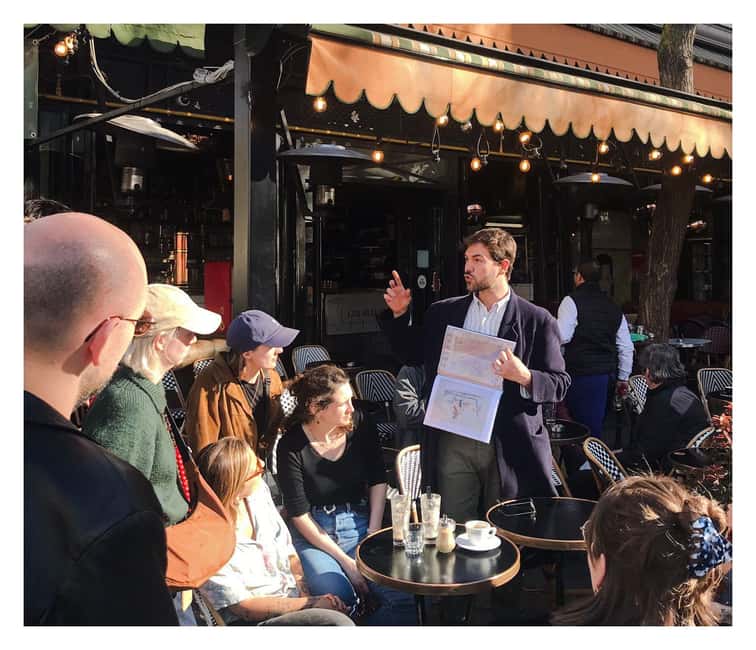
Paris turns into a history lesson on foot. This Paris French Revolution tour relives 14th July 1789 hour by hour, using real streets to explain why events escalated the way they did. It’s a compact 90-minute format, led by Robin, and sized small enough that your questions do not get lost.
I love the focus on Le Faubourg Saint Antoine and the surrounding neighborhoods, because you learn the social pressure behind the uprising, not just the headline moments. I also like the way Robin tells the story with humor and clear context, then checks in with the group so you can actually talk history.
The one drawback: the tour stays centered on the lead-up and events around 1789, so you will not get the later threads you might hope for, like what comes after. If you want the full timeline through Napoleon, you may need to pair it with another walk.
In This Review
- Key highlights to notice on this Paris French Revolution tour
- Why this July 14, 1789 walk beats the usual museum version
- Meeting at Place du Dr Antoine Béclère and getting oriented fast
- Le Faubourg Saint Antoine: the neighborhood context you will feel in your feet
- La Folie Titon: why the odd-named places matter
- Le passage de Lhomme and the street-level storytelling trick
- The Bastille finish: Place de la Bastille with context, not just crowds
- Price, group size, and why $37 can actually feel fair
- Who should book this Paris French Revolution tour
- Should you book ParisVu’s 14th July 1789 tour?
- FAQ
- How long is the Paris French Revolution tour?
- How much does it cost?
- Where does the tour start and end?
- Where exactly should I meet the guide?
- What landmarks does the tour include?
- Are there live guides, and what languages are offered?
- How big are the groups?
- Is the tour walk-based?
- Are there any additional fees during the tour?
- Can I cancel for a refund?
Key highlights to notice on this Paris French Revolution tour
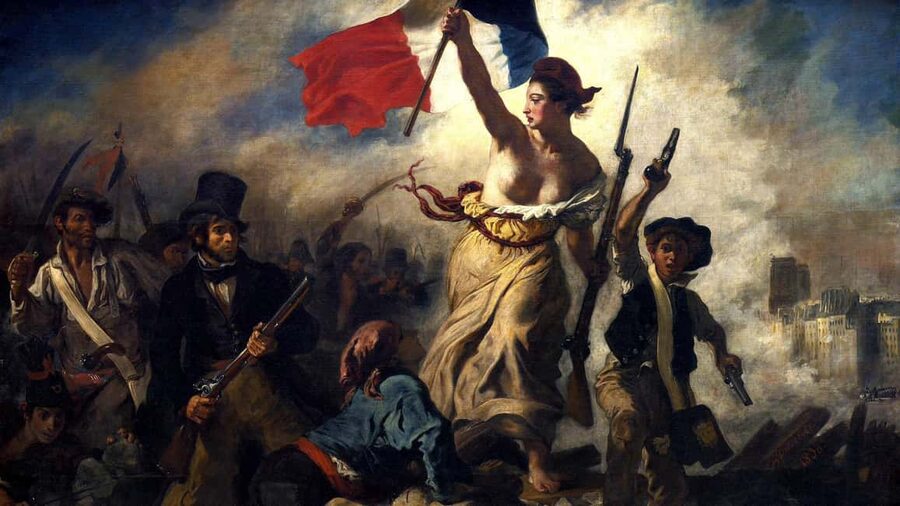
- Hour-by-hour reenactment of July 14, 1789 that keeps the story moving instead of feeling like a lecture
- Le Faubourg Saint Antoine, a working-class setting that helps explain why people acted
- La Folie Titon, a stop most visitors miss until someone connects it to the past
- Le passage de Lhomme, where the narrow streets make the history feel more real
- Photo-stop viewpoint moments that help you map the day’s events onto the city
- End at Place de la Bastille, so you finish at the icon everyone recognizes, with context in your head
Why this July 14, 1789 walk beats the usual museum version
If you only see the French Revolution through paintings and museum labels, you miss the engine. This tour takes what happened in 1789 and puts it back into the streets, the neighborhoods, and the daily life that made the uprising plausible. You get a clear chain of causes, not just dates.
I especially like the hour-by-hour structure. It helps you keep track of how anger turns into action, and why rumors, shortages, and fear mattered in the moment. One of the strongest themes you’ll pick up is that the day at the Bastille was not random. It grew out of pressure building in everyday life.
Another reason it works: you’re walking where people could plausibly move through Paris, not just hopping between distant landmarks. The route includes working neighborhood streets and then lands you at the Place de la Bastille, so the big symbol gets explained rather than simply photographed. And yes, you still get the classic finale energy, but you arrive informed.
The guide also turns the city into a clue-finding game. You might notice how small architectural details and street layouts can help you imagine what people saw and felt. Several guests mention that Robin pointed out the kind of things you normally walk by without noticing.
Meeting at Place du Dr Antoine Béclère and getting oriented fast
This tour starts at 1 Pl. du Dr Antoine Béclère, and the meeting point is described as between Café les Blouses Blanches and Mon Café. If you’re the type who hates last-minute stress, give yourself extra time to find the exact spot, then look for your guide and group before you drift off into the coffee line.
You’re not in a crowd. The tour is built for small groups, with sizing described as up to around 12 to 15 people, and several reviews emphasize a smaller feel, often around 10 participants. That matters because you can ask questions and get direct answers. It also means the guide can adjust the pace when a topic hits you.
The guide, Robin, gets mentioned again and again for storytelling, clarity, and a light touch. More than one guest notes he brings humor while still explaining serious social conditions. One review even describes him as having a teaching academic background. Either way, the effect is the same: you end the walk understanding more than you started with.
Timing is tight but comfortable. It runs about 90 minutes, which is long enough for a real neighborhood walk and enough context to connect the dots, but short enough to fit into a busy sightseeing day.
More Things to Do in Paris
- Paris: 1-Hour Seine Cruise departing from the Eiffel Tower
★ 4.4 · 77,472 reviews - Disneyland® Paris 1-Day Ticket
★ 4.6 · 49,412 reviews - Paris: Versailles Palace and Gardens Full Access Ticket
★ 4.6 · 41,579 reviews
Le Faubourg Saint Antoine: the neighborhood context you will feel in your feet
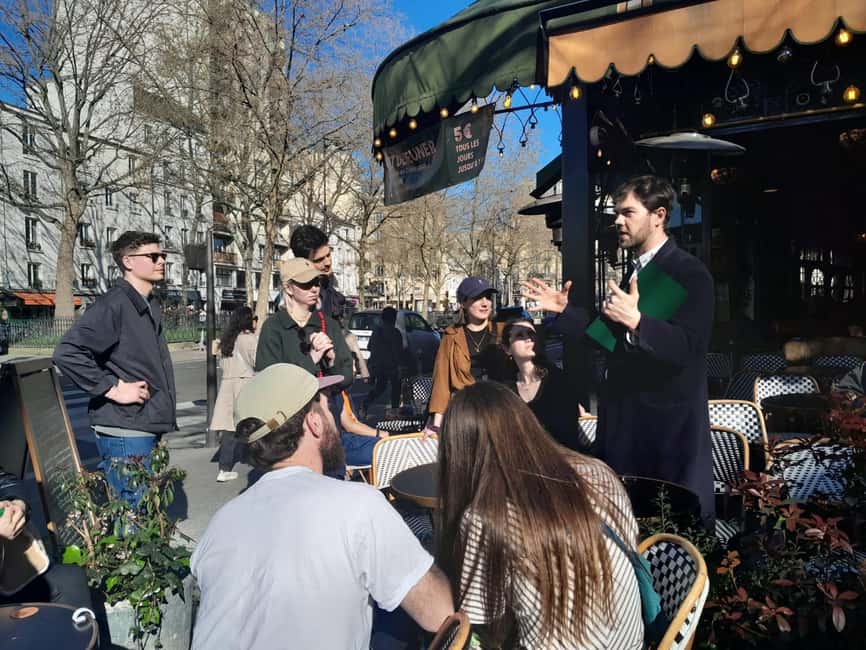
Le Faubourg Saint Antoine is one of the most important stops, and not just because it’s famous in Revolution stories. This area helps explain the tension between the lived reality of ordinary people and the political decisions coming from above. When you hear the story tied to real streets, it stops being abstract.
What I like about this portion of the walk is that it leans into causes. Instead of jumping straight to the spectacle, Robin spends time on why people were ready to revolt. Guests specifically call out the social conditions of the time and how the guide connects them to what you see today.
Walking through a neighborhood like this also changes how you interpret the city around you. You start noticing that Paris was never only about grand boulevards. It was also craft, work, crowd movement, and daily friction. The tour uses those ideas without turning them into a textbook.
You’ll likely get a mix of viewpoints too. Some stops feel like straight-line walking, others are more pause-and-look. Reviews mention that Robin points out small details that connect to events in the 18th century. That kind of attention helps you stop treating Paris as a backdrop and start treating it as evidence.
Potential drawback to consider: if you want nonstop dramatic moments, this section gives more background than you might expect. It’s still interesting, but the payoff is understanding, not just spectacle.
La Folie Titon: why the odd-named places matter
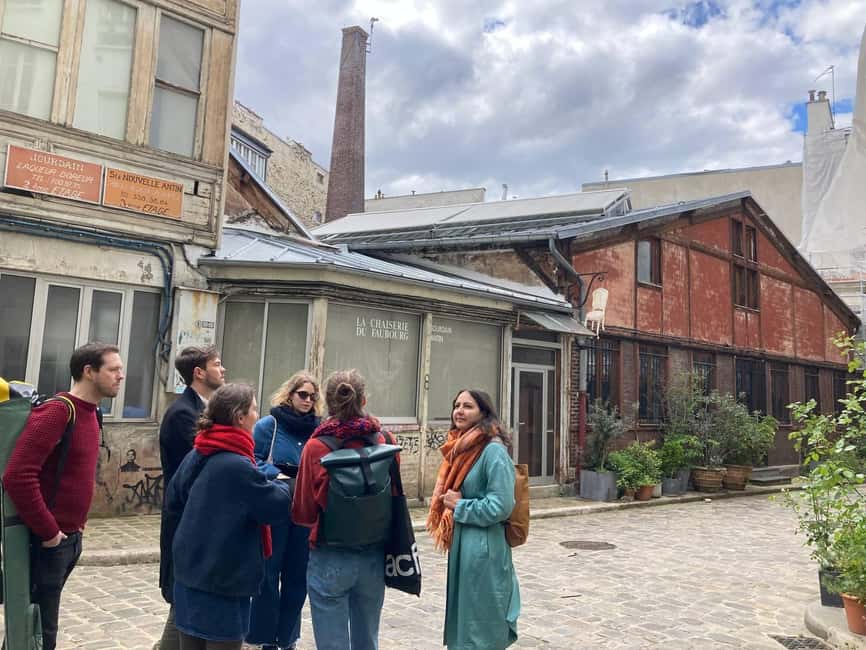
You will also make time for La Folie Titon. The name alone sounds like something you’d pass by without a second thought. This is exactly why it makes a good stop. A big part of learning the Revolution in Paris is knowing which sites shaped daily life, not just which sites became symbols later.
On this tour, La Folie Titon is used to help you imagine the neighborhood world that existed before the day everyone remembers. Robin’s storytelling style seems built to connect the weird and specific details to the broader story of unrest. Guests mention that he has a talent for explaining the smallest details that show what happened in the 18th century.
In practical terms, this stop also breaks up the walk. If you’re tired of hearing the same kind of landmark talk, a place like this gives your brain a new anchor. It’s not just “look at the building.” It’s “here’s why this location mattered.”
I’d also say this helps if you’re history-curious but not trying to pass an exam. The guide’s tone is described as accessible, and that matters when you’re working through a complicated period like the French Revolution.
Le passage de Lhomme and the street-level storytelling trick
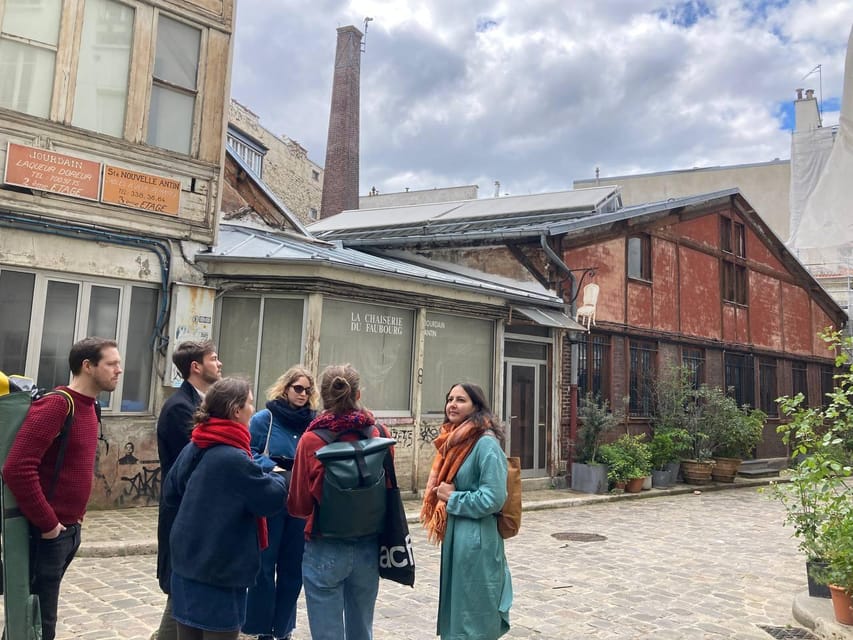
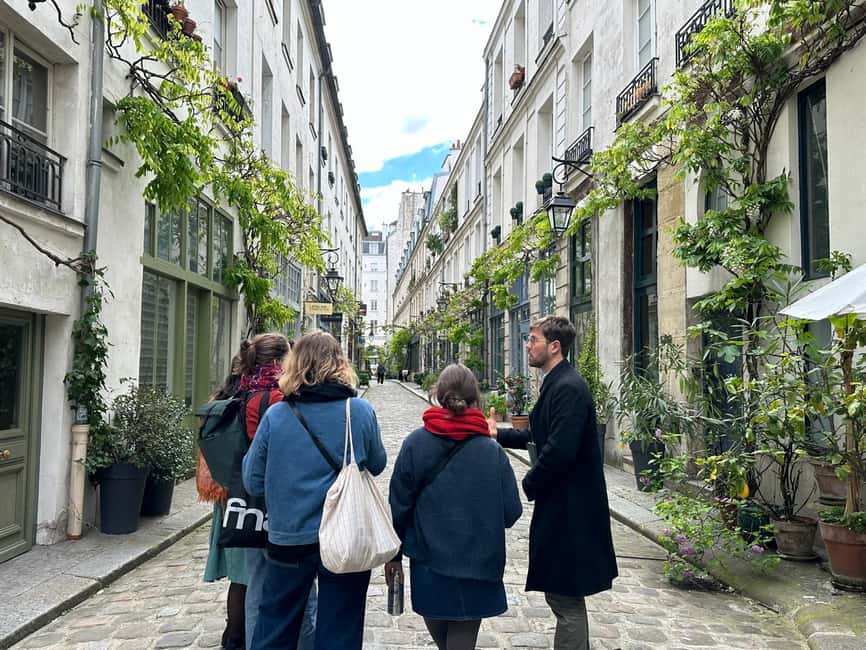
Next, you’ll visit le passage de Lhomme, a stop that fits the tour’s main idea: history is easier to understand when you walk it. Narrow passages and tucked-away lanes change your pace. They force you to slow down and pay attention, which makes the story stick.
The best part here is how the guide uses the space. Reviews mention that Robin brings the past down to street level, pointing out what you would never notice on your own. That’s a big win for value, because it transforms a casual stroll into a guided interpretation.
This is also where the interactive style shows up. Several guests say Robin encourages engagement, answers questions clearly, and keeps the tour dynamic instead of turning it into passive listening. In a 90-minute walk, that level of participation can make the difference between forgetting the details later and remembering them on your next day in Paris.
One small heads-up: passages and older streets can be a bit tight for photos and for people who move slowly. The tour is designed as a walk, and you will want comfortable shoes.
The Paris dossier continues:


The Bastille finish: Place de la Bastille with context, not just crowds
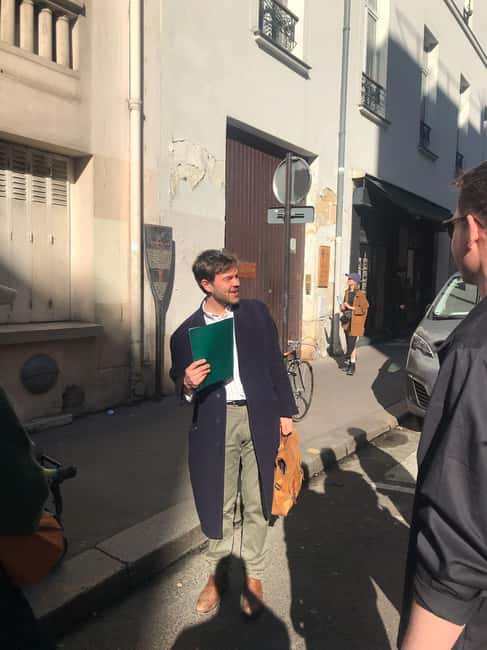
The tour ends at Place de la Bastille. That’s the big name, the symbol, the place you already recognize from books, movies, and postcards. The difference here is that you finish with a mental map of why this moment mattered and how it grew.
You also get at least one photo stop viewpoint along the way. That’s useful because it helps you translate what you heard into what you can see. When you leave the tour, you’re not just thinking about the event. You’re also thinking about the city as a system of routes, proximity, and movement.
Finishing at the Bastille also gives you an option right after the tour. If you still have energy, you can continue exploring at street level using what you learned. If you prefer to sit for a bit, you at least have context so the area does not feel like a tourist stage.
A good balance check: the walk is focused on the 1789 period. One review mentions the tour doesn’t extend far beyond 1789, which is great if you want depth in that specific window. If you want the Revolution’s later phases and beyond, plan a second activity so your timeline feels complete.
Price, group size, and why $37 can actually feel fair
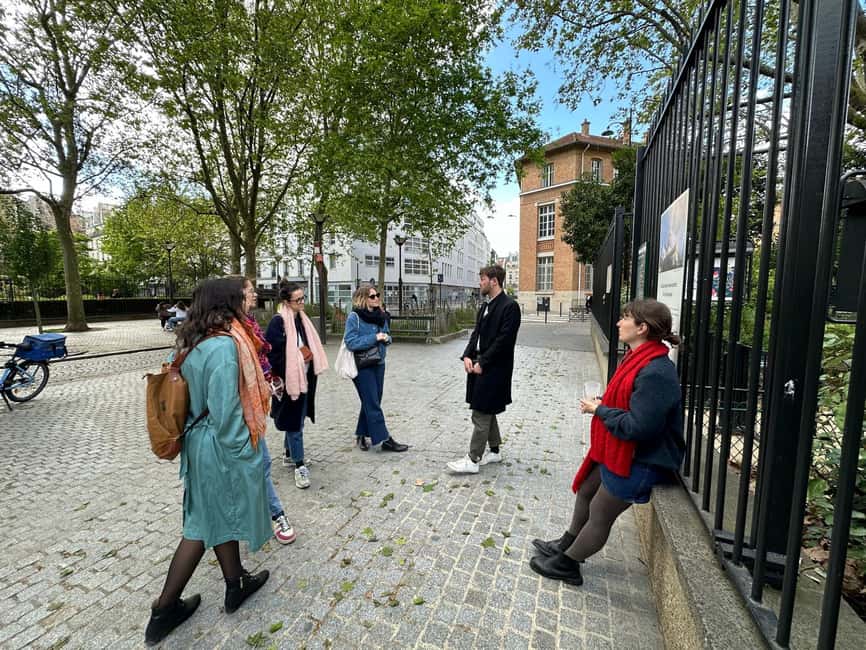
At $37 per person for about 90 minutes, this is priced like a specialty walking tour, not a big-ticket production. The value comes from the guide plus the small group setup. When a tour is capped around 10 to 12 people (and sometimes described up to 12 to 15), it’s easier for the guide to steer the discussion and for you to ask follow-up questions.
You also don’t get hit with surprise add-ons. The tour is described as having no additional fees, and it runs as one included tour segment, about an hour and a half. That helps if you’re building a tight itinerary and you don’t want to play guess-and-check with costs.
For me, the key value signal is this: guests consistently praise Robin as both entertaining and informative, with a storytelling style and the ability to answer questions. In a walking tour, that matters more than how many stops you rack up, because your understanding depends on the guide’s explanations.
One more value angle: the focus on neighborhoods away from the most obvious tourist beats. If you’re already planning the usual highlights, this type of route adds perspective without requiring you to spend a whole day in Transit Paris mode.
Who should book this Paris French Revolution tour
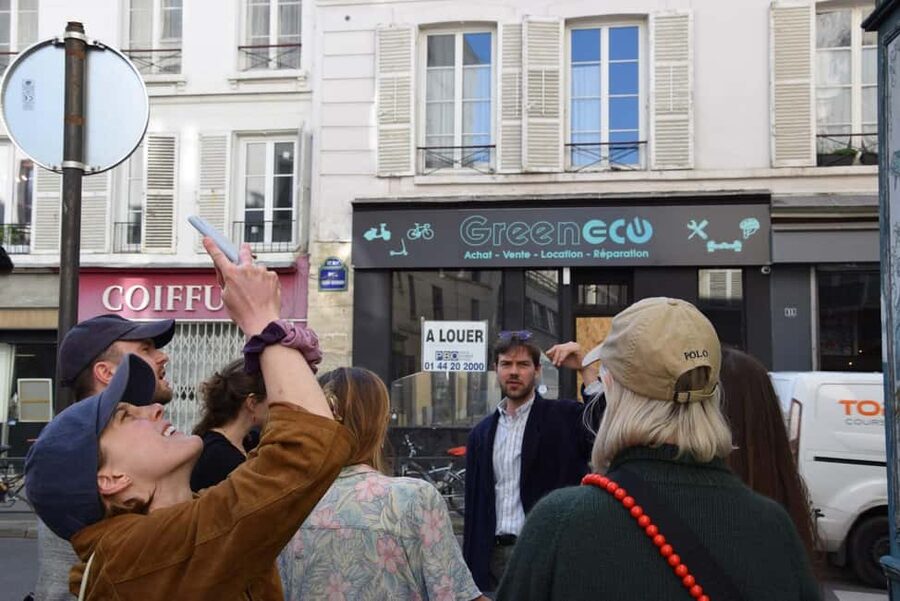
This tour is a strong fit if you like history tied to real places and you enjoy walking. You’ll probably get the most out of it if you want the Revolution explained through ordinary life, local neighborhoods, and the run-up to the day of 14 July 1789.
It also works well for families and mixed groups as long as everyone is comfortable with a neighborhood walk for 90 minutes. Several reviews mention the tour feels fun and engaging, not dry, and that it’s designed to keep people talking.
If you are a hardcore Revolutionary timeline collector who wants every phase after 1789, you might find the scope too narrow unless you pair it with another tour. Still, focusing on one moment can be a plus, especially if you want clarity rather than overload.
Should you book ParisVu’s 14th July 1789 tour?
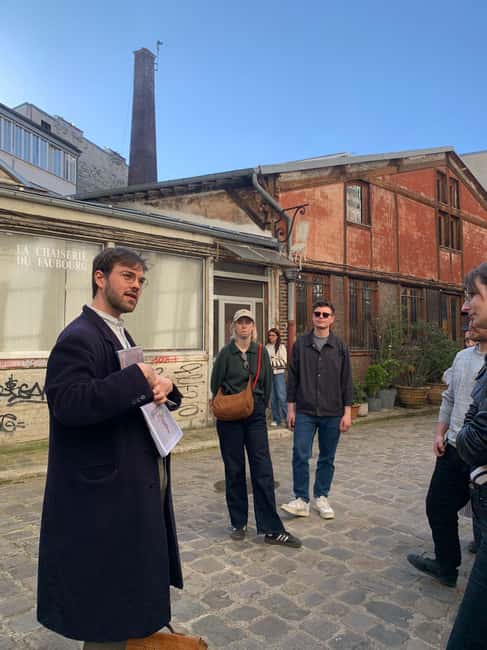
I’d book it if you want a small-group French Revolution tour in Paris that uses streets as the textbook. Robin’s storytelling approach, the repeated emphasis on social conditions, and the neighborhood route all point to a tour that helps you see the event as something that happened to real people.
You should skip or pair it if your main goal is a long, multi-era Revolution storyline. Since the tour centers on 1789, you’ll want another option for later developments if that’s your priority.
If you have one window for a focused walking tour, this is a good choice, especially when you care about understanding the city, not just collecting landmarks.
FAQ
How long is the Paris French Revolution tour?
The tour lasts about 90 minutes, and each tour is described as approximately an hour and a half.
How much does it cost?
The price is listed as $37 per person.
Where does the tour start and end?
The starting location is listed as 1 Pl. du Dr Antoine Béclère. The tour finishes at 28 Pl. de la Bastille.
Where exactly should I meet the guide?
The meeting point is described as between Café les Blouses Blanches and Mon Café.
What landmarks does the tour include?
The listed highlights include Le Faubourg Saint Antoine, La Folie Titon, le passage de Lhomme, and Place de la Bastille.
Are there live guides, and what languages are offered?
Yes, the tour has a live guide. Languages listed are English, French, and German.
How big are the groups?
The group size is described as small. It’s listed as maximum 12 participants in the summary, and also mentions small groups limited to about 10 participants, with another note of up to 12 to 15 to keep it interactive.
Is the tour walk-based?
Yes. It includes guided tours and walks, and it is designed as a street-level experience.
Are there any additional fees during the tour?
No additional fees are listed, and the tour is described as including what you need for the visit.
Can I cancel for a refund?
Yes. Free cancellation is offered up to 24 hours in advance for a full refund.
Latest Paris entries, notes attached






Things to Do in Paris, compared.

1-Hour Seine Cruise departing from the Eiffel Tower
Read our review →
Versailles Palace and Gardens Full Access Ticket
Read our review →
Eiffel Tower Entry Ticket with Optional Summit Access
Read our review →