
Reviewed · SEINE SIGHTSEEING CRUISES
Paris: Hop-On Hop-Off Seine Cruise Pass with 9 Stops
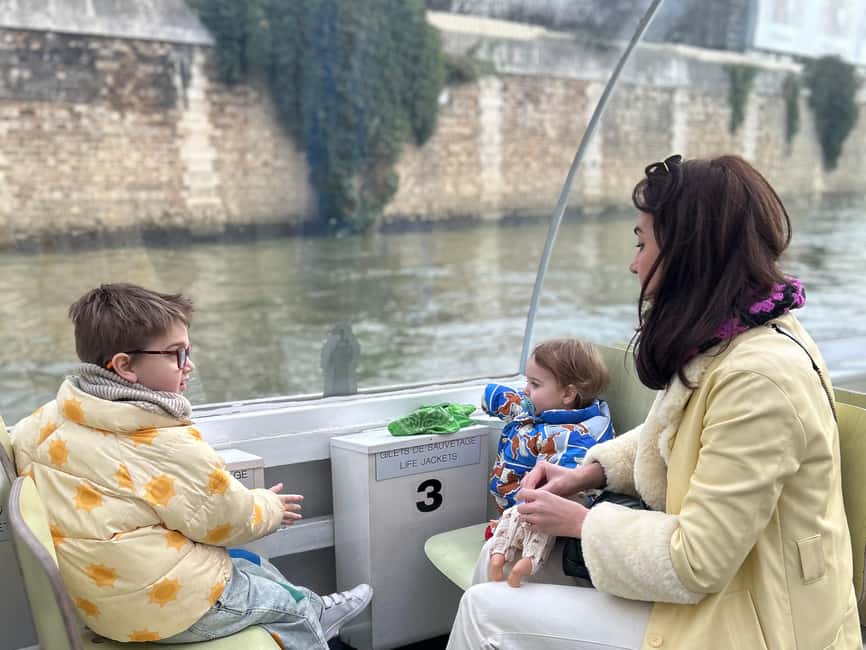
Riding the Seine beats fighting crowds. With Batobus hop-on hop-off, you can hop between 9 stops on a heated glass boat and build a Paris day around the big-name sights.
I especially like having a pass that lasts 24 or 48 hours, so you can pace yourself instead of rushing between landmarks. And the included interactive webapp (English, French, Italian, Spanish, German) helps you make sense of what you’re seeing at each stop.
One thing to plan around is that your pass clock starts when you first board. Start late, and you’ll have less time to hop off and explore.
In This Review
- Key highlights worth your attention
- Why the Batobus Seine ride feels smarter than walking (or buses)
- How the 24- or 48-hour pass works with real sightseeing time
- Finding your way at the 9 stops (and why direction matters)
- Stop by stop: Eiffel Tower, Orsay, Saint-Germain, and Notre-Dame
- Tour Eiffel, Port de la Bourdonnais
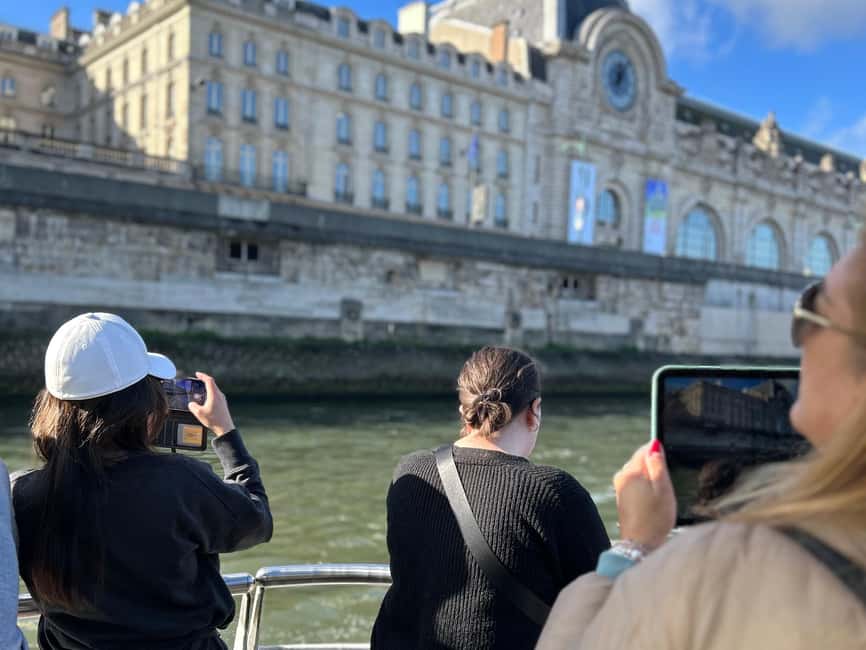
- Musée d’Orsay, Quai de Solférino
- Saint-Germain-des-Prés, Quai de Malaquais
- Notre-Dame, Quai de Montebello
- Stop by stop: Jardin des Plantes, Hôtel de Ville, and the Louvre zone
- Jardin des Plantes, Quai Saint-Bernard
- Hôtel de Ville, Quai de l’Hôtel de Ville
- Louvre, Quai du Louvre and the Pont Royal area vibe
- Stop by stop: Place de la Concorde, Pont Alexandre III views, and Invalides
- Place de la Concorde, Port des Champs-Elysées
- Pont Alexandre III, seen from the boat
- Invalides, Port des Invalides
- The boat experience: heated comfort, terrace photos, and real-world visibility
- Using the interactive webapp on your charged smartphone
- Price and value: what this $27 Seine pass really buys
- What to bring, and what to expect onboard
- Who this Batobus pass suits best (and who should skip it)
- Should you book the Batobus hop-on hop-off Seine cruise pass?
- FAQ
- How long is the Batobus hop-on hop-off pass valid?
- How many stops are included?
- Where do I board the boat?
- Do I need a smartphone?
- Are drinks or snacks included?
- Is the boat wheelchair accessible?
Key highlights worth your attention
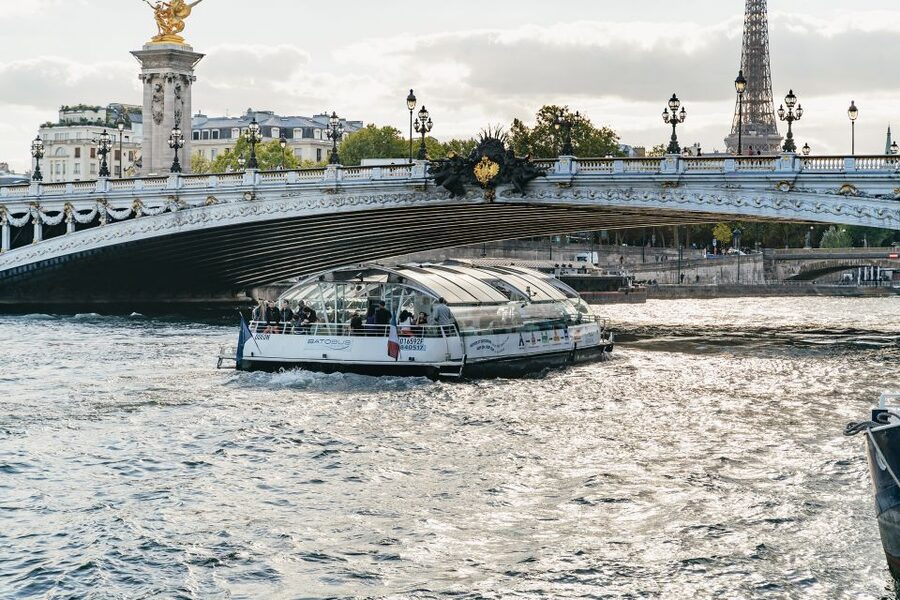
- Heated, glass-enclosed boat with a terrace for comfortable sightseeing and better photo angles
- 24- or 48-hour freedom to hop off for as long as you want, then re-board later
- 9 strategically placed stops that put you close to major monuments and museums
- Multilingual interactive webapp so you can understand each area without guessing
- Frequent service that keeps waiting time low at most stops
Why the Batobus Seine ride feels smarter than walking (or buses)
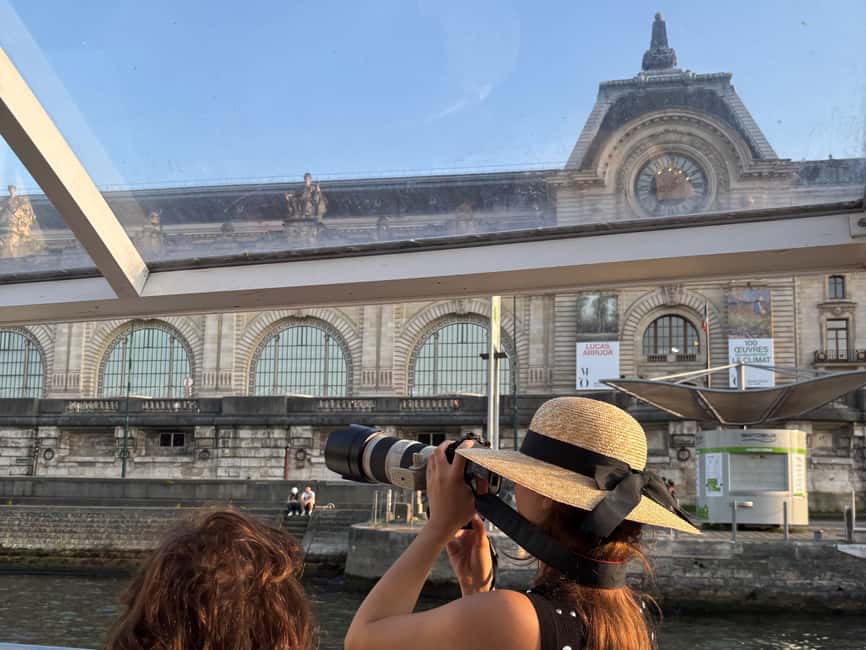
Paris looks different from the water. The river gives you a long, uninterrupted view of the city’s geometry, domes, bridges, and façades, all in one smooth glide. It also saves your legs for the parts of the day where you actually want to wander.
I like that this isn’t just a “sit and watch” cruise. It’s a hop-on hop-off loop, so the boat becomes your moving base. You can ride, step off when the sight grabs you, then get back on without fighting traffic or chasing subway connections.
And the comfort matters. The boat is heated and has a terrace, so even when the weather is moody, you’re still set up to enjoy the views instead of hunching indoors.
How the 24- or 48-hour pass works with real sightseeing time
This pass is built for uneven days. You might want one long museum stop, a shorter stop for a cathedral photo, and some wandering in between. With the hop-on hop-off format, you’re not locked into a fixed tour length for each landmark.
There are also two timing rules you should understand early:
- Your ticket is valid for 24 or 48 hours, and the countdown begins when you use it the first time.
- You’ll need to scan your ticket each time you hop back on.
That first rule changes how I plan my day. If you want a relaxed first loop, I’d start earlier in the day. If you only have limited time, a 24-hour pass can still work well because the stops are close to major sights and you can keep moving when you’re ready.
More Boat Tours in Paris
- Paris: 1-Hour Seine Cruise departing from the Eiffel Tower
★ 4.4 · 77,472 reviews - Paris: Evening River Cruise with Music
★ 4.4 · 22,721 reviews - Paris: Louvre Guided Tour with Reserved Access & Boat Cruise
★ 4.3 · 16,353 reviews
Finding your way at the 9 stops (and why direction matters)
You board at any of the designated stops along the Seine. Your best bet is to pick a starting point you can reach easily, then treat the route like a “floating line” that connects the highlights.
The main stops you’ll use are:
- Tour Eiffel: Port de la Bourdonnais
- Musée d’Orsay: Quai de Solférino
- Saint-Germain-des-Prés: Quai de Malaquais
- Notre-Dame: Quai de Montebello
- Jardin des Plantes: Quai Saint-Bernard
- Hôtel de Ville: Quai de l’Hôtel de Ville
- Louvre: Quai du Louvre
- Place de la Concorde: Port des Champs-Elysées
- Invalides: Port des Invalides
One practical tip: check the journey direction so you end up on the right side of the river for your next walk. It’s easy to lose time if you get off where you hoped to cross, then you discover you need an extra walk or detour.
In busy seasons, you’re also going to appreciate how easy it is to re-board. Service is frequent, and the next boat often arrives within about 20 to 25 minutes depending on the stop and timing.
Stop by stop: Eiffel Tower, Orsay, Saint-Germain, and Notre-Dame
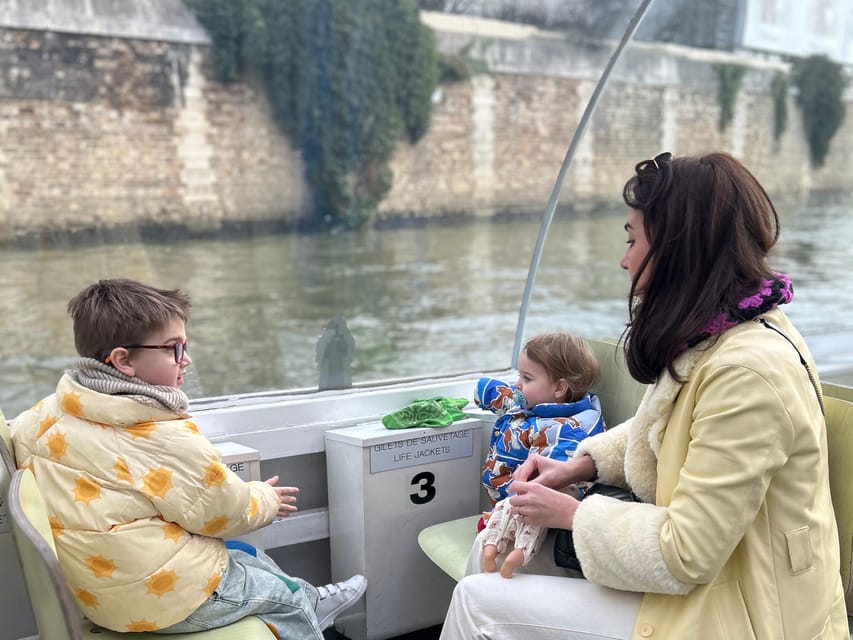
Tour Eiffel, Port de la Bourdonnais
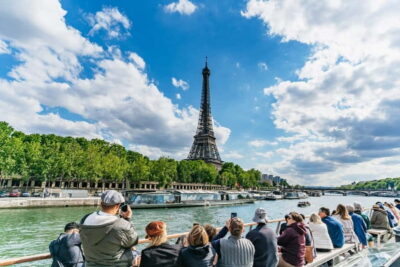
This is your “Paris in one view” stop. When you hop off here, you’re at the foot of the Eiffel Tower area, so the river walk sets the tone for the rest of your day.
If you want to keep it artsy without changing locations too much, you’re also close to the Cité de l’Architecture museum. It’s a solid choice if you like architecture and want something different from the typical photo-only approach.
More bridges counted from the Seine:
Musée d’Orsay, Quai de Solférino
This stop is a dream if you love painting and want a controlled, timed museum experience. Orsay has a strong reputation for artwork, and the fact that it’s right off the river route means you can balance museum time with sightseeing time.
My advice: if you’re sensitive to lines, use the hop-on hop-off as your “time buffer.” You can ride first to get your bearings, then decide how much museum time you actually want.
Saint-Germain-des-Prés, Quai de Malaquais
This area is perfect for a slower, neighborhood-style break. You can wander around the literary and intellectual vibe of Saint-Germain-des-Prés, with stops and streets that feel very “older Paris.”
If you want a café pause, this is one of the more natural places to do it between major monument visits.
Notre-Dame, Quai de Montebello
This stop gives you one of the most iconic views on the river. Hop off here and spend your time walking the Latin Quarter edges, browsing, and picking up small street-level moments rather than treating it like only a single landmark.
It also works well for an early evening rhythm. As daylight shifts, the river views change fast, and it’s one of the easier places to build that mood into your itinerary.
Stop by stop: Jardin des Plantes, Hôtel de Ville, and the Louvre zone
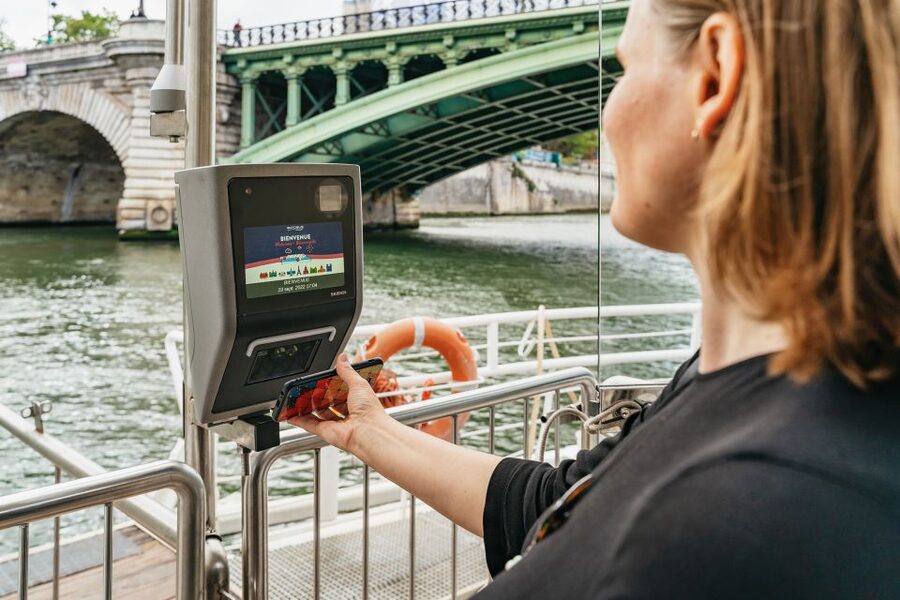
Jardin des Plantes, Quai Saint-Bernard
If you’ve been walking nonstop, this stop is your reset button. Jardin des Plantes gives you a green escape right along the Seine corridor.
It’s also a smart stop if your group splits. One person might want a museum or exhibit area, while another wants space to breathe. You can get back on the boat when everyone’s ready.
Hôtel de Ville, Quai de l’Hôtel de Ville
This stop places you near Paris City Hall, which is an excellent anchor point for city-grid exploration. From here, it’s also a quick step to the Centre Pompidou area, so you can mix classic landmarks with modern art energy.
I like this stop because it feels like “real Paris administration meets big-city culture.” It’s a useful counterpoint to the cathedral-and-monument focus.
Louvre, Quai du Louvre and the Pont Royal area vibe
For the Louvre, the practical benefit is timing. You can decide how long you want to spend with art that pulls you in, then return to the boat without committing to a full day if you don’t want one.
The riverfront location also gives you a different sense of scale. You’re seeing the Louvre zone as part of the city’s geometry, not just as a single building with an entrance line.
Stop by stop: Place de la Concorde, Pont Alexandre III views, and Invalides
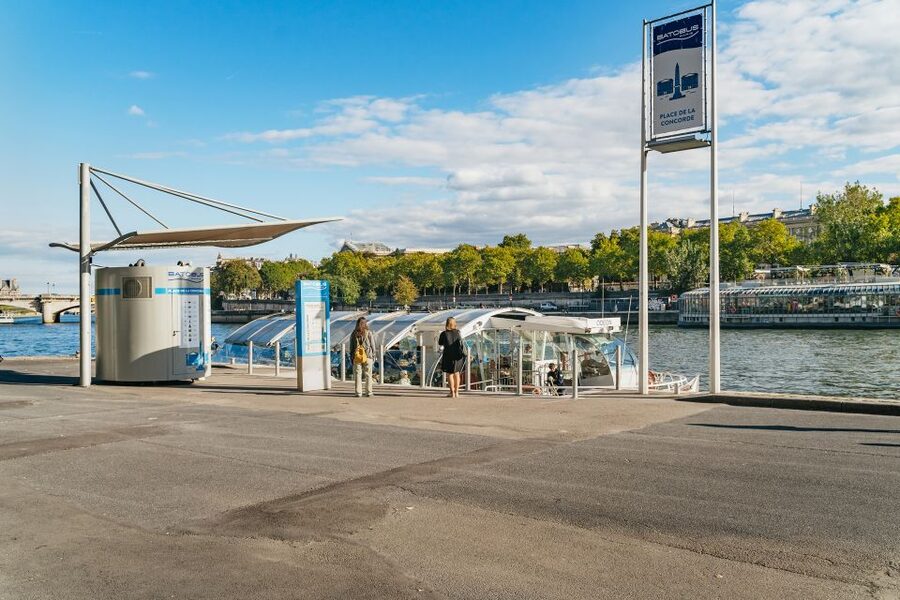
Place de la Concorde, Port des Champs-Elysées
This is a classic “grand Paris” square stop. You can use it for a long stroll, people-watching, and museum-hopping depending on what’s nearby for your interests.
It’s also a good place to regroup. If your feet are tired, you can take a slower pace here and still feel like you’re making progress on your sightseeing list.
Pont Alexandre III, seen from the boat
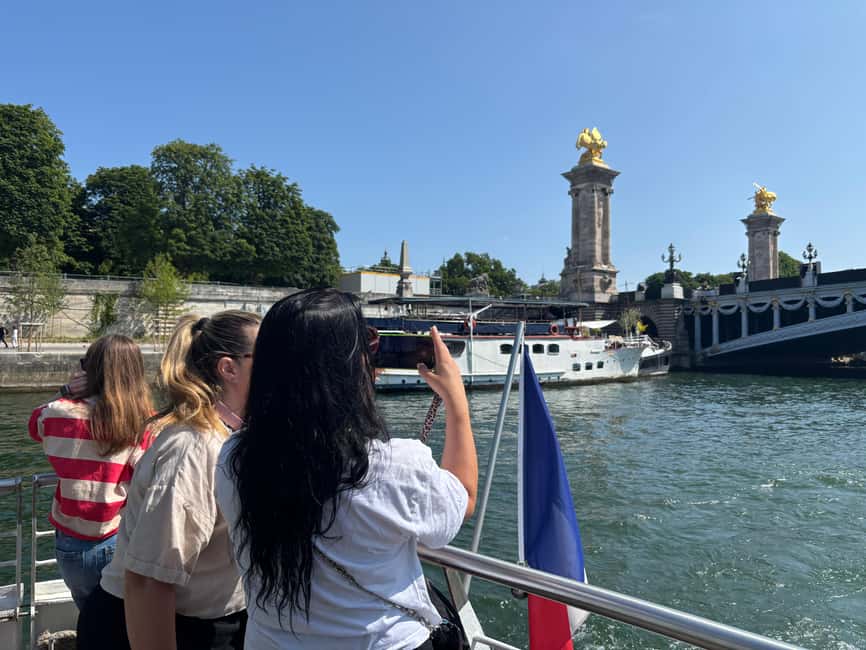
Even though you may not disembark specifically for every bridge moment, this bridge area is the kind of sight the Seine does best. It’s visually dramatic, and you’ll get those sweeping river views that you don’t get from most street viewpoints.
If you’re into photos, keep an eye on the light here. The river angle can make the bridge look extra sculptural.
Invalides, Port des Invalides
This stop is for people who like history with a strong landmark presence. You’ll be close to Hôtel des Invalides, including Napoleon’s tomb, which gives this stop real weight.
It’s also a lovely place to pair with the bridge views because the boat keeps offering sight lines while you move.
The boat experience: heated comfort, terrace photos, and real-world visibility
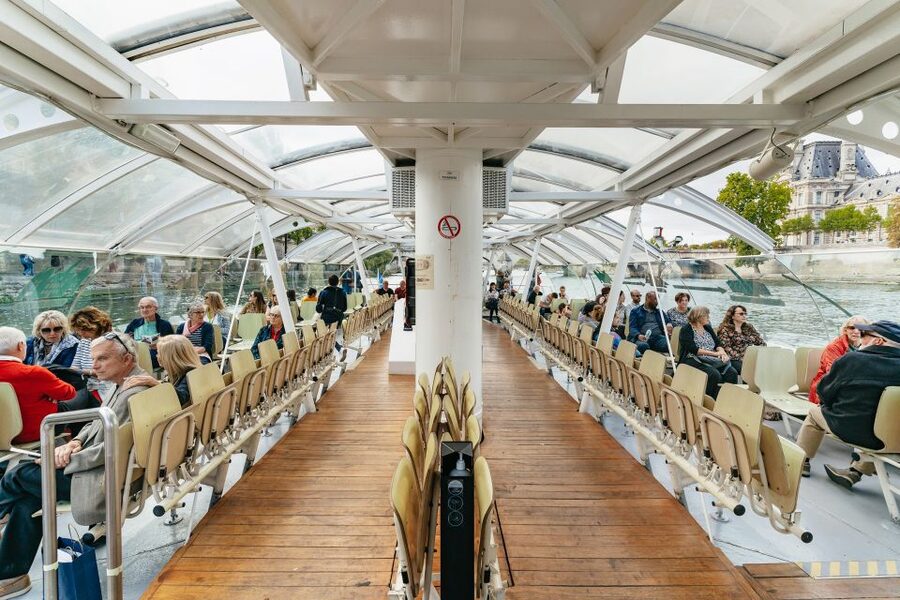
The boat is designed for comfort. The most meaningful detail is that it’s heated, and the terrace gives you an option to step out toward clearer sightlines.
Photo tip: shooting through glass can reduce crispness. If the top glass looks blurry, try positioning so you’re shooting through the clearest portion, or lean into terrace angles when you can. One of the big advantages of the terrace is that it lets you trade “through-glass” for “near-glass” when you want a sharper result.
Also, keep in mind shade and warmth. On hot days, the glass can amplify heat, even if you’re moving. If you’re out in summer, plan for breaks and choose times that aren’t peak heat if you can.
Using the interactive webapp on your charged smartphone
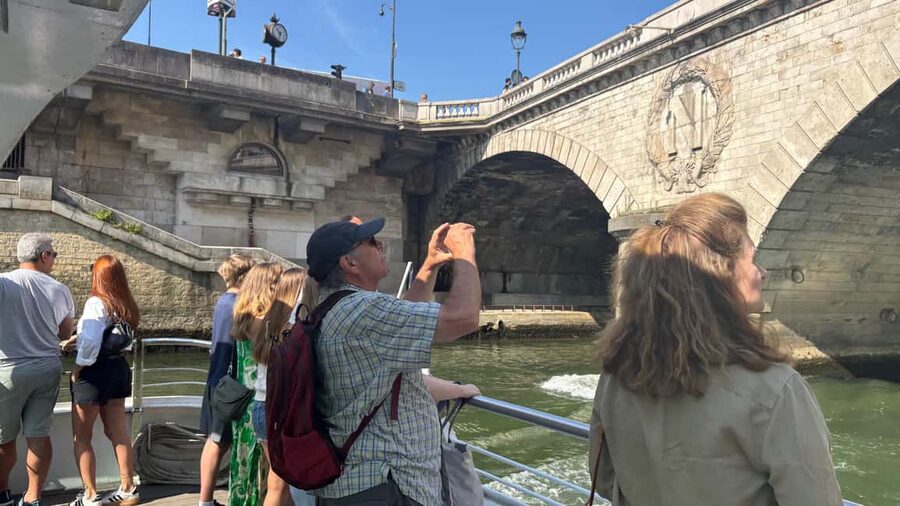
The cruise is visual, but the included webapp is what turns views into understanding. It gives monument context and suggestions for what to do around the stops, and it’s available in English, French, Italian, Spanish, and German.
Here’s how I’d use it:
- Before you ride, open the app and download or prepare your language choice.
- As you approach a stop, skim what’s relevant so you know what you’re hunting for once you step off.
- When you re-board, use it again as a quick “what am I seeing next” guide.
A practical note from the experience: there isn’t a full audio layer you can rely on. So if you want the commentary, make sure your phone is ready and your battery is good.
Bring a charged smartphone, and you’ll get a lot more out of the time between stops.
Price and value: what this $27 Seine pass really buys
At about $27 per person for a pass, you’re paying for three things:
1) River transport along the Seine corridor
2) Flexibility to decide how long to spend at each monument
3) A guided-like layer via the webapp
What makes the value feel real is that the stops land you near major targets like the Eiffel Tower, Louvre, and Notre-Dame. That matters because in Paris, time is expensive. If you can swap a chunk of walking or multiple transit hops for one boat ride plus short walks, the pass starts to justify itself fast.
It’s also a good fit for short trips. You might not have enough days to hit everything. This pass helps you cover a lot of the “must-see” list without turning your schedule into a treadmill.
What to bring, and what to expect onboard
You’ll want:
- A charged smartphone for the webapp
- Comfortable shoes for the walking you’ll do once you hop off
You should also know what’s not allowed:
- No luggage or large bags
- No non-folding strollers
Baby carriages are allowed if they’re fold-up, but if you travel with bulky gear, plan to keep it minimal.
The vibe onboard is family-friendly. You’ll likely share space with kids and pushchairs during peak times. If you need a quieter ride, try earlier departures and aim for terrace time where you can get photos and fresh air.
One more important note: this service is not suitable for wheelchair users, based on the provided details.
Who this Batobus pass suits best (and who should skip it)
This is a strong match if you:
- Want an easy way to connect Paris’s top sights without constant subway planning
- Like making choices on the fly, especially for museum time versus street time
- Prefer a seated break during your sightseeing day, with great river views
I’d also say it’s especially practical for mixed-interest groups. One person can chase a big museum, another can do a neighborhood walk, and the boat keeps the group connected.
Skip it if you:
- Need wheelchair access, since it’s listed as not suitable for wheelchair users
- Plan to bring large luggage or non-folding strollers
Should you book the Batobus hop-on hop-off Seine cruise pass?
If you want a relaxed way to see major Paris monuments in a short time, I’d book it. The biggest win is the combination of 9 convenient stops plus the option to take your time once you arrive. You’re not just sightseeing, you’re also buying yourself breathing room.
I’d especially choose it if you like flexibility, dislike getting stuck waiting for transit, and want a comfortable ride with a terrace for photos. If your schedule is tight, start earlier so your pass has enough time to cover the stops you care about most.
If you tell me your travel month and which sights are your top 3 priorities, I can suggest a simple “hop order” that keeps your walking sensible.
FAQ
How long is the Batobus hop-on hop-off pass valid?
You can choose a 24-hour or 48-hour consecutive pass. The validity starts from the moment you use it for the first time.
How many stops are included?
The service includes 9 strategically located stops along the Seine, with boarding available at each stop.
Where do I board the boat?
You can hop on at any of the 9 stop locations, including Tour Eiffel (Port de la Bourdonnais), Musée d’Orsay (Quai de Solférino), Notre-Dame (Quai de Montebello), Louvre (Quai du Louvre), Place de la Concorde (Port des Champs-Elysées), and others along the route.
Do I need a smartphone?
Yes. You should bring a charged smartphone, because the experience includes an interactive webapp with information about the monuments and things to do.
Are drinks or snacks included?
No. Drinks and snacks are not included.
Is the boat wheelchair accessible?
No. This activity is not suitable for wheelchair users.
Rivers to Slide Along
- Paris: Tootbus Hop-on Hop-off (Optional River Cruise)
★ 4.3 · 15,279 reviews - Paris: Big Bus Hop-On Hop-Off Tour with Optional Cruise
★ 4.4 · 13,279 reviews - Paris: Illuminations River Cruise with Audio Commentary
★ 4.3 · 12,340 reviews - Paris: Louvre Museum Entry Ticket With Host and River Cruise
★ 4.6 · 9,926 reviews
Latest Paris entries, notes attached






Seine Sightseeing Cruises, compared.
1-Hour Seine Cruise departing from the Eiffel Tower
Read our review →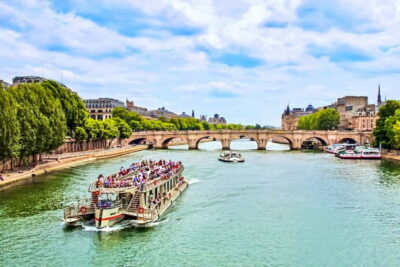
Seine Cruise & Crepe Tasting near the Eiffel Tower
Read our review →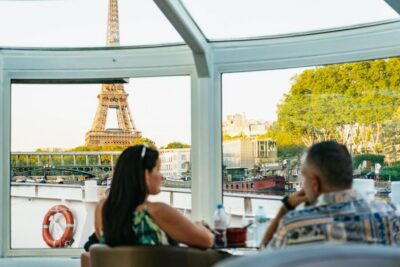
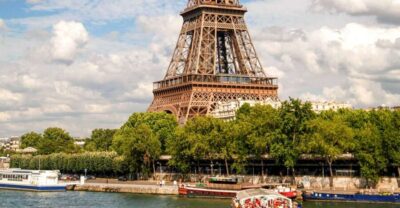
Eiffel Tower Access by Elevator & Seine River Cruise
Read our review →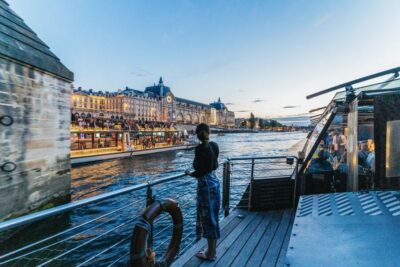
3-Course-Dinner Cruise on the Seine with live music
Read our review →
Bateaux Parisiens Seine River Gourmet Dinner & Sightseeing Cruise
Read our review →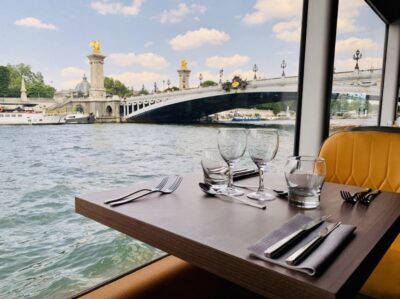

3-Course Gourmet Dinner Cruise on Seine River
Read our review →This tour also appears in