

Reviewed · LOUVRE TICKETS & TOURS
Paris: Louvre Museum Skip-The-Line Tour
Two hours can feel like a whole art era. I love the skip-the-line setup that gets you inside faster, and I also love how the visit is organized around major works like Botticelli’s frescoes, not random wandering. The only real drawback is time, two hours means you have to accept that you will not see everything the Louvre offers.
What makes it especially appealing is the private format and the way the guide teaches connections between ideas and images. For example, I’m a fan of how a guide named Boris can frame art through light and the way the sun shows up in different periods. You also meet in a very specific spot, at the Arc de Triomphe du Carrousel, with your guide carrying a red tote canvas bag, which saves you from that early-morning scavenger hunt.
In This Review
- Key points I’d circle before you book
- Louvre in two hours: a route built for real highlights
- Skip-the-line starts at Arc de Triomphe du Carrousel
- Ancient shock: the statue of Nike and why it matters
- Early Renaissance to humanism: Botticelli and Mantegna in context
- Venetian painting and the shift in mood: Bellini’s influence
- Da Vinci and the art-logic of the Louvre: Mona Lisa plus more
- Neoclassicism and Napoleon’s image-making: David in the spotlight
- Romanticism’s drama: Raft of the Medusa and Liberty Leading the People
- Ingres and the human body as an idea: Une Odalisque
- How the guide connects art to ideas, not just captions
- Price and what you’re paying for in a $294, 2-hour format
- Who should book this Louvre tour, and who should consider another plan
- Should you book this Louvre skip-the-line tour?
Key points I’d circle before you book
- Skip-the-line entry helps you spend your time looking, not waiting.
- Renaissance to Neoclassicism to Romanticism gives you a clear storyline instead of disconnected highlights.
- You’ll see major “name” works like Mona Lisa and Liberty Leading the People, plus lesser-known Renaissance faces like Botticelli fresco details.
- The tour includes huge visual moments, like the statue of Nike of Samothrace and Veronese’s Marriage at Cana.
- Private group pacing works well if you want questions answered without a big crowd noise level.
- The guide speaks English, French, or Serbo-Croatian, so explanations stay direct.
Louvre in two hours: a route built for real highlights
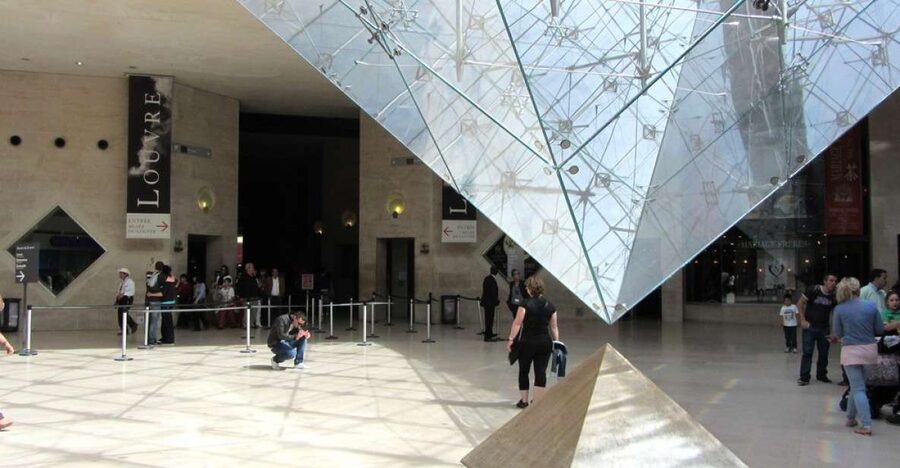
The Louvre can swallow a full day if you let it. This tour gives you a structured path across three art movements you keep hearing about in school, Renaissance, Neoclassicism, and Romanticism, but you get to meet them through actual masterpieces.
Instead of trying to see everything, you get a curated sweep through key turning points: the shift from medieval thinking toward humanism during the early Renaissance, then the classical “rules” and heroic style of Neoclassicism, and finally the emotion and drama of Romanticism. That arc is what makes two hours feel efficient, you leave with a mental timeline rather than a list of artworks.
And yes, you’ll still hit famous works. But the value is that the guide is usually tying them to the same bigger idea, why artists made these choices, and how style changes as the centuries change.
Skip-the-line starts at Arc de Triomphe du Carrousel
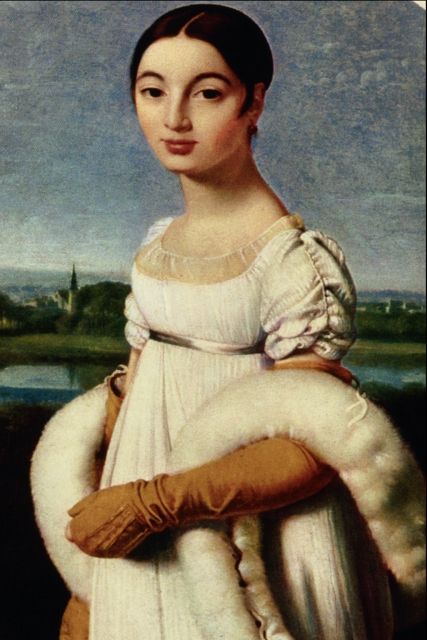
Logistics can make or break a Louvre plan, so I like that the meeting point is unmistakable: meet at the Arc de Triomphe du Carrousel. Your guide will be carrying a red tote canvas bag, so you can spot them quickly and get moving.
The tour is rain or shine, so if drizzle is in the forecast, bring a light layer and plan to keep your essentials secure. The museum also has strict rules on bags and items, anything larger than 55x35x20 cm is not permitted inside, and oversize luggage is not allowed on the tour either.
Because you have a private group, you’re not stuck in a large cattle flow. That usually means fewer awkward pauses and less time lost when your guide needs to re-group your small party at a doorway or inside a busy gallery.
More hours budgeted for the Louvre:
- Paris: Louvre Guided Tour with Reserved Access & Boat Cruise
★ 4.3 · 16,353 reviews - Louvre Museum Masterpieces Guided Tour with Access
★ 4.5 · 12,023 reviews - Paris: Louvre Overview, Exploration tour and Reserved Entry
★ 4.1 · 10,145 reviews
Ancient shock: the statue of Nike and why it matters
One of the smartest choices in this tour is how it starts you with a statue moment, the Nike of Samothrace. This is a 2nd-century BC marble sculpture of the Greek goddess Nike, often described as Victory. Seeing it early helps you understand something important, the Louvre is not just a museum of “Renaissance greatness.” It is also a museum of how earlier civilizations shaped later art.
The practical payoff is that you get a “wow” moment almost right away, then your guide can connect that classical foundation to what Renaissance artists wanted to achieve. If you’ve ever wondered why people talk about humanism and antiquity in the same breath, this kind of opening gives you a visual reason.
Early Renaissance to humanism: Botticelli and Mantegna in context
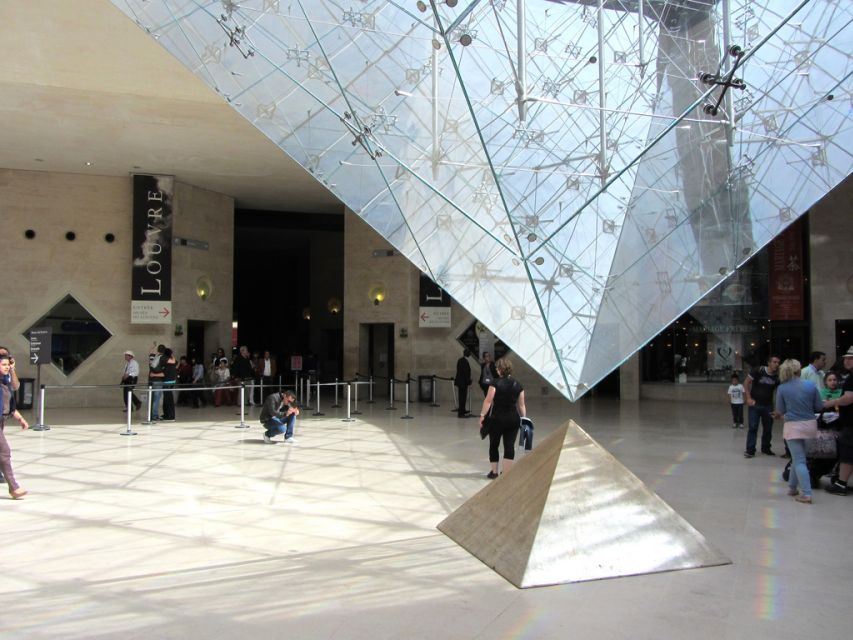
After the classical kick, the tour leans into the Renaissance storyline. Botticelli is a major stop, including a fresco like Venus and the Three Graces Presenting Gifts to a Young Woman. Botticelli’s fresco work is a great anchor because you can actually see how Renaissance art balanced myth, elegance, and recognizable human forms.
Then you shift to early Florentine work through Mantegna, including Saint Sebastian. This is one of those stops that works even if you are not an art-history person. The guide’s job here is to help you connect style choices to the historical moment, the transition from medieval conventions to a more human-centered approach.
If you like explanations that stay grounded in what you can see, this is where the guide style matters. In past tours I’ve joined in Europe, clear guiding can be the difference between art feeling like memorization and art feeling like evidence. Here, you are explicitly learning about how artists moved toward new ideas, not just naming dates.
Venetian painting and the shift in mood: Bellini’s influence
Renaissance art is not one uniform look, and this tour highlights that with Venetian painting through Bellini. You’ll see Bellini’s work as part of the Renaissance sweep, which helps you notice that different regions had different priorities in painting.
Venetian art is often where color, light, and texture begin to feel more like lived experience. Even if you only catch it for a few minutes, having it placed in the middle of the tour helps you compare it against what you just saw in earlier Renaissance stops.
The tour design is doing something useful here: it keeps the story moving. You do not spend half the visit on one room. You keep comparing, which trains your eye faster than staring alone.
More French collections worth the coat check:

Da Vinci and the art-logic of the Louvre: Mona Lisa plus more
Leonardo da Vinci is represented by works including Mona Lisa, and it would be easy for that to become a tourist stamp. Here, it works better because your guide is likely framing it inside the larger transition of Renaissance art thinking, not as a one-off photo moment.
Then you move into a big painting spectacle with Veronese’s Marriage at Cana. The tour description notes it as the largest painting in the Louvre, and that matters. Large works can feel overwhelming if you don’t know where to look, but a good guide can point out what the scale is doing for the composition and how the scene pulls your attention across the canvas.
This part is also where you benefit from the tour’s time discipline. The Louvre can make you feel like you are always sprinting between crowds. A guided route helps you hit high-demand pieces without losing your entire energy budget.
Neoclassicism and Napoleon’s image-making: David in the spotlight
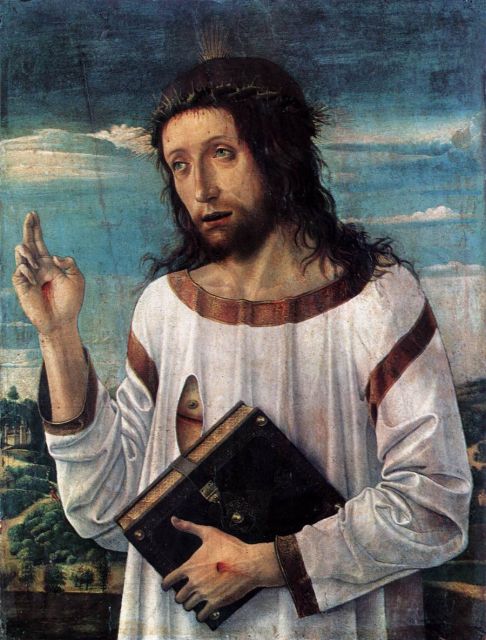
Neoclassicism is where the tour starts shifting into the language of structure, authority, and heroic narratives. Jacques-Louis David shows up with key works, including The Oath of The Horatii and Crowning of Napoleon.
David is a perfect bridge between art and politics. If you want to understand why Neoclassicism is tied to ideas of order and civic virtue, David is an obvious place to see it. In this tour, those works help you see how art can be used as a message system, not just decoration.
You also get a smoother mental map because the tour keeps linking periods. You’ve just seen Renaissance humanism and the evolving style of painting. Now Neoclassicism feels like a response, more controlled and more “public-facing,” with characters positioned to carry meaning.
Romanticism’s drama: Raft of the Medusa and Liberty Leading the People
Romanticism is all about emotion, tension, and the sense that art can react to events in the real world. This tour includes Gericault’s Raft of the Medusa and Delacroix’s Liberty Leading the People.
The Raft of the Medusa stop is useful because it’s not just a dramatic scene, it’s a lesson in how artists turned outrage and human suffering into paint. Then Delacroix’s Liberty Leading the People adds a political punch, and the tour highlights that it commemorates the July Revolution of 1830.
That pairing is smart because it shows Romanticism in two modes. One is the emotional aftermath of catastrophe. The other is the rallying energy of revolution. If you’ve ever felt confused about Romanticism versus just “pretty landscapes and sadness,” this structure makes it easier to pin down.
Ingres and the human body as an idea: Une Odalisque
Ingres appears with Une Odalisque. This is an important stop for a different reason. Ingres is often tied to the academic approach to the human form, and the tour’s inclusion signals that Neoclassicism and its related styles did not disappear when Romanticism gained steam.
This moment gives you a chance to compare what the tour has taught you about human-centered Renaissance ideals with how later artists used the body in more stylized, controlled ways. You might not leave an Ingres fan by the end, but you’ll likely leave with better instincts for why different artists drew the body differently in different eras.
How the guide connects art to ideas, not just captions
The best part of a tour like this is the guide’s ability to translate the big concepts into what you can actually see. Based on the kind of feedback the guides earn, the explanations tend to be clear and historically grounded. One guide named Boris is specifically praised for giving a historical perspective and connecting the way the sun and light are depicted in the art of the time.
That kind of framing is practical. When you know what to look for, you can enjoy the museum without needing to memorize facts. It also helps if you are traveling with mixed ages. I like that one guide style described as accommodating and attentive, especially when there are teenagers in the group, because the Louvre needs pacing that works for everyone.
Also, the tour is private. That matters because you can ask follow-up questions and keep your pace. If you care more about Renaissance frescoes or more about political drama in Romantic paintings, a private guide can usually steer emphasis toward your interests.
Price and what you’re paying for in a $294, 2-hour format
At $294 per person for a 2-hour private skip-the-line Louvre tour, the price is not “cheap.” But it is not random either. You are paying for three things that save real travel time and stress.
First, you are paying for skip-the-line museum entry, which is the biggest bottleneck at the Louvre. Second, you are paying for a live guide to manage the route through multiple art periods, so you do not waste your limited time on wandering. Third, the tour includes your ticket, so the cost is more transparent than options that add fees later.
If your goal is to experience a concentrated hit list of Renaissance, Neoclassicism, and Romanticism masterpieces, this format tends to be good value. If your goal is a slow, do-it-yourself Louvre day where you can linger in every wing, you might feel the time pressure.
This is a “strategic highlight” tour. It’s best if you want momentum and a clear narrative when you walk out.
Who should book this Louvre tour, and who should consider another plan
This fits best if you want structure. If you love stories across time periods, you will appreciate the emphasis on the medieval-to-humanism transition, then the Neoclassical shift into formal ideals, then Romanticism’s emotional and political energy.
It can also work nicely for families with teens, as long as your teenagers are willing to look at art for more than one quick stop. A private group format can make it easier to keep everyone engaged.
If you are an art-history superfan planning to see far beyond the tour’s selected works, you may feel boxed in by the two-hour focus. In that case, consider spending extra time after the tour on the areas your guide pointed out, so you can slow down where you actually got curious.
Should you book this Louvre skip-the-line tour?
I think this is a strong choice if you want major Renaissance, Neoclassical, and Romantic masterpieces in a time-efficient, guide-led route. The lineup includes big-name works like Mona Lisa and politically charged pieces like Liberty Leading the People, plus essential art moments like Nike of Samothrace and Botticelli fresco work.
Book it if you value a clear storyline, a private group pace, and explanations that help you see what matters. Pass or consider a different option if two hours will feel too short, because this tour is intentionally selective.
If you do book, keep your bag within the museum size rules and arrive ready to walk. Then you’ll get the real win, you leave the Louvre with a mental map, not just a pile of photos.
Latest Paris entries, notes attached







Louvre Tickets & Tours, compared.

Louvre Guided Tour with Reserved Access & Boat Cruise
Read our review →
Louvre Museum Masterpieces Guided Tour with Access
Read our review →
Louvre Overview, Exploration tour and Reserved Entry
Read our review →
Louvre Museum Entry Ticket With Host and River Cruise
Read our review →
Mona Lisa & Louvre Masterpieces Tour with Reserved Access
Read our review →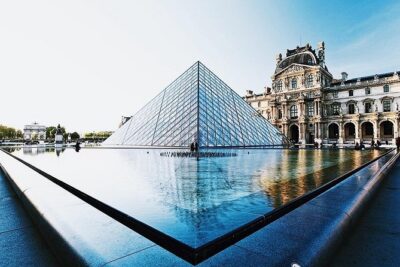
Louvre Museum – Exclusive Guided Tour (Entry Included)
Read our review →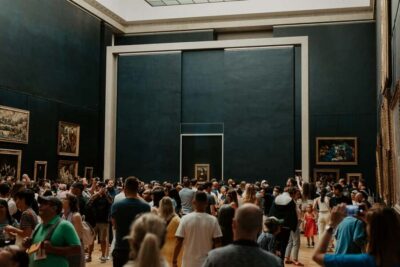
Louvre Museum Hosted Entry and Mona Lisa Audioguide
Read our review →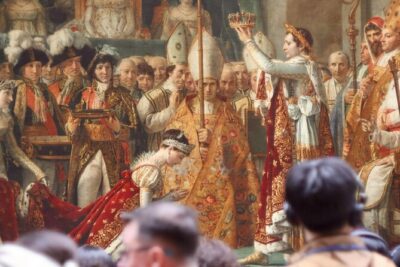
Louvre Access with Mona Lisa Escort or Guided Option
Read our review →This tour also appears in