
Reviewed · MUSEUMS
Paris Museum of Modern Art Entrance Ticket
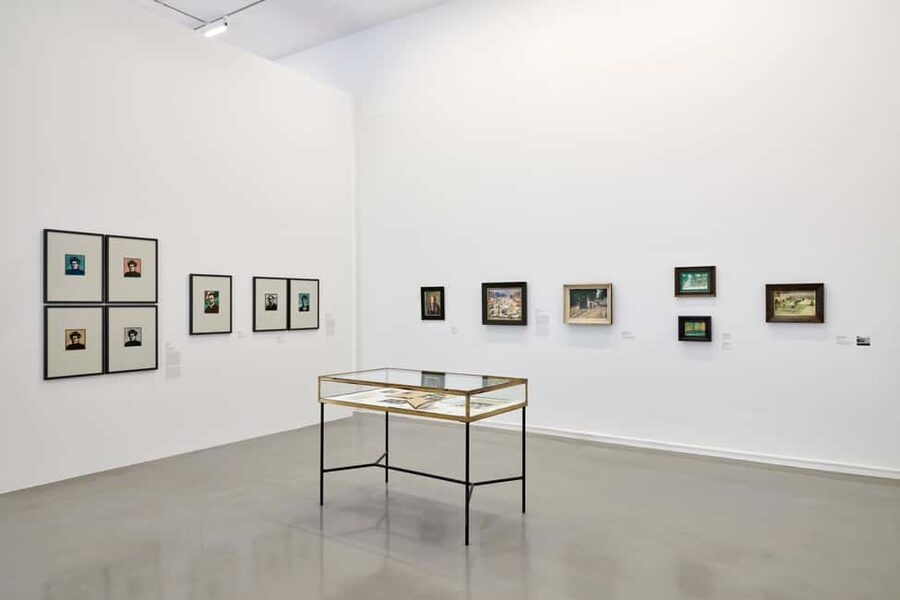
Modern art, in a 1930s palace. With this entrance ticket, you get an easy, focused visit to the Musée d’Art Moderne de la Ville de Paris, set in a luminous 1930s building between the Champs-Elysées and the Eiffel Tower. I love the contrast here, art that feels bold and modern inside architecture that feels grand and almost theatrical.
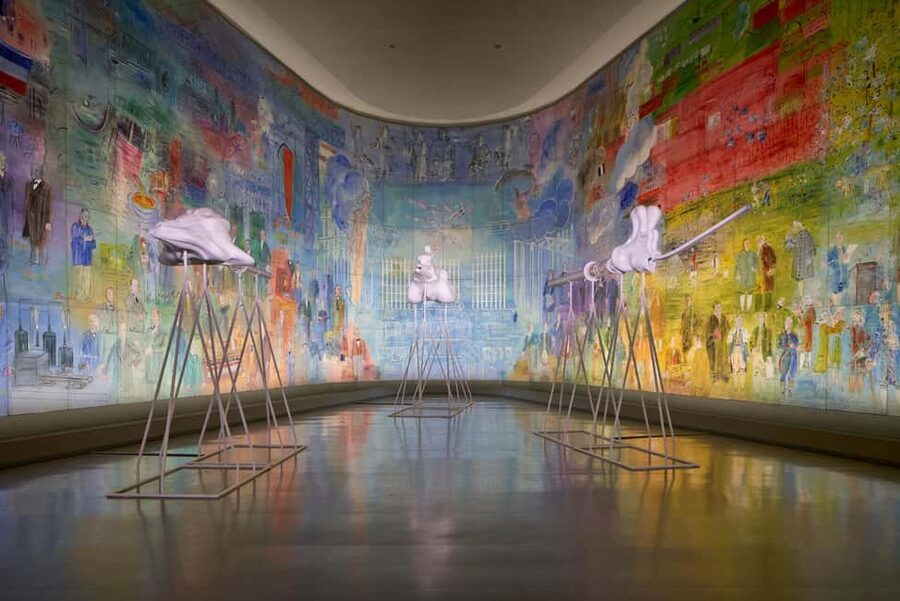
Two things I especially like: first, you can go straight for the museum’s in situ treasures, like Matisse’s La Danse and Dufy’s monumental La Fée électricité. Second, the collections let you connect the dots across decades, with major names such as Picasso, Matisse, Chagall, and more, plus contemporary voices like Boltanski and Parreno. It’s a strong mix of “I recognize that artist” and “wait, I’ve never seen this before.”
The one drawback to plan around is time. The ticket is set for about 1 hour, and if you’re visiting during a period when temporary exhibitions take center stage, you might feel a bit rushed compared to a full afternoon museum stroll. Also, it’s non-refundable, so double check your date and opening hours.
In This Review
- Key things to know before you go
- A 1930s modern-art showcase in the heart of Paris
- Your 1-hour game plan: see the museum, not just the walls
- The permanent collections: names you’ll recognize, surprises you won’t
- The architecture is part of the experience, not decoration
- The in situ showstoppers you should prioritize
- Temporary exhibitions during 2025-2026: plan around the dates
- Thursday late hours: a bonus, or a trap for time planning
- Photography rules and how to actually enjoy looking
- What the 4.3 rating says about expectations
- Who should book this ticket
- Quick FAQ
- FAQ
- How long is the Paris Museum of Modern Art entrance ticket good for?
- What are the museum opening hours?
- Can I get a refund if I change my plans?
- Is the museum wheelchair accessible?
- Is flash photography allowed inside the museum?
- Is admission free for disabled visitors?
- Should you book this museum ticket?
Key things to know before you go
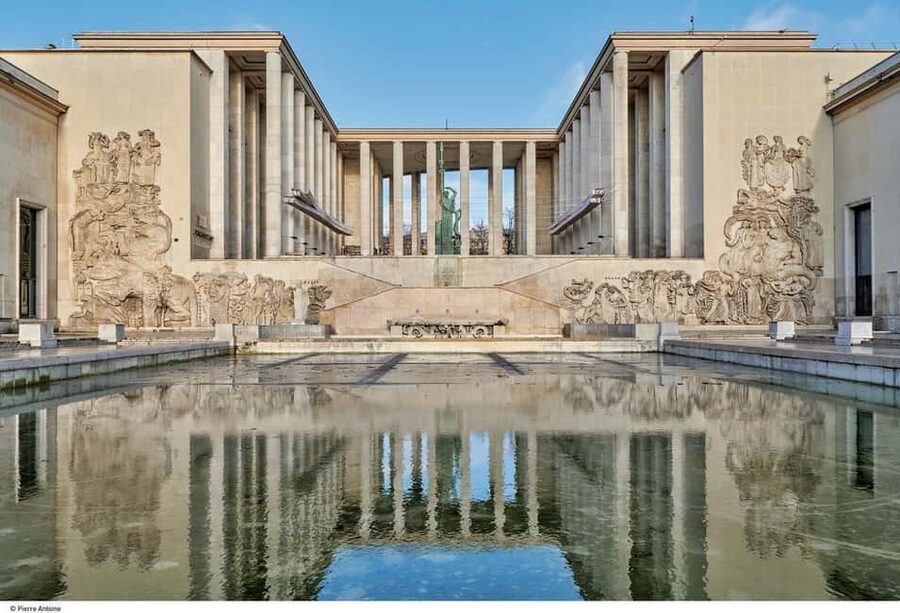
- 1930s palace setting: you’re not only looking at art, you’re inside a carefully designed monument
- Monumental in situ works: target Matisse’s La Danse and Dufy’s La Fée électricité for big impact fast
- Modern-to-contemporary coverage: 20th and 21st century collections with artists like Picasso, Matisse, Chagall, Boltanski, and Parreno
- Temporary exhibitions in 2025-2026: Otobong N’Kanga (Oct 10, 2025 to Feb 22, 2026) and George Condo (Oct 10, 2025 to Feb 8, 2026)
- Prime location for a Seine and Eiffel combo: you can pair it with a stroll through the central city without losing a whole day
- No flash photography: plan to browse, not photograph in bursts with flash
A 1930s modern-art showcase in the heart of Paris
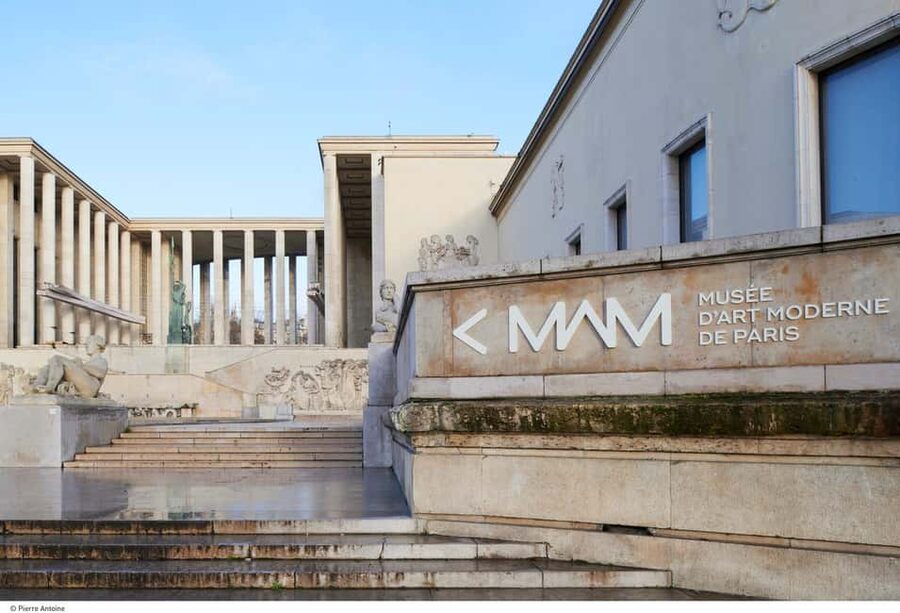
The Musée d’Art Moderne de la Ville de Paris is one of those places where the building does half the work for you. The museum lives in a 1930s palace with smooth lines, classical and modern details, and mythological sculptures that make the entrance feel like stepping into a designed world. That matters because modern art can be easier when the space around it is calm and intentional.
This ticket gets you into a museum that covers a lot of ground. Expect a permanent collection spanning major artistic trends from the early 20th century to the present, with the museum’s holdings described as over 13,000 works, and often referenced as over 15,000 across modern and contemporary eras. In plain terms: you will not “see everything,” but you can still see enough to feel like you had a real cultural hit.
The location is also a practical win. You’re between the Champs-Elysées and the Eiffel Tower, near the Seine corridor. That means you can build a day around it without burning time on transfers, especially if you already plan to be in the Eiffel Tower area.
Your 1-hour game plan: see the museum, not just the walls
A 1-hour visit sounds short because it is. But short can be great if you have a target list. Treat this as a “highlights sprint,” not a slow, take-your-time marathon.
Here’s the order I’d use if you want maximum payoff:
First: get oriented fast. As soon as you enter, spend a few minutes scanning the flow of galleries. You’re looking for the fastest path to the museum’s biggest named works, especially the in situ pieces.
Second: go big on the must-sees. The museum has rare and exceptional works installed in the space, and they are perfect for a timed visit. Put Matisse’s La Danse and Dufy’s La Fée électricité on your short list. These kinds of works tend to hit harder than a small painting glimpsed in passing, because you can take in scale and setting in one go.
Third: use the rest of your time for “artist connections.” After your anchor works, shift to a couple of artist threads. If you’re drawn to Picasso and Matisse, see where their ideas land in the collection’s broader story. If your taste runs toward narrative intensity or modern experimentation, you’ll also find pieces that lean toward those themes.
The ticket duration is listed as 1 hour. Check availability for starting times so you arrive when you can actually focus. If you show up late in the day, you may feel like you’re rushing through the parts you most wanted to linger with.
More French collections worth the coat check:
- Paris: Orsay Museum Entry Ticket
★ 4.7 · 25,647 reviews - Louvre Museum Masterpieces Guided Tour with Access
★ 4.5 · 12,023 reviews - Paris: Louvre Museum Entry Ticket With Host and River Cruise
★ 4.6 · 9,926 reviews
The permanent collections: names you’ll recognize, surprises you won’t
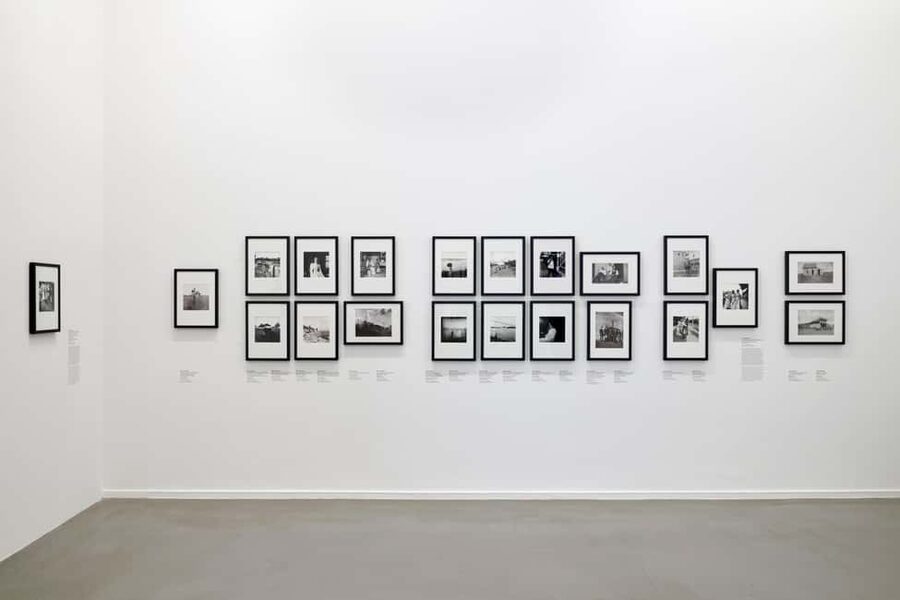
The permanent collection is where you build your “modern art timeline brain.” It starts in the early 20th century and moves toward the present, so you’re not only seeing iconic names, you’re seeing how styles and ideas change over time.
Here’s what you can reasonably expect to find as you move through the galleries:
- Picasso, Matisse, Chagall, and others: These artists appear as major anchors. Even if you only know one work by each name, the collection is built to let you compare how artists handle color, form, and emotion.
- A contemporary layer: In addition to the earlier modern giants, you’ll also encounter work by artists such as Boltanski and Parreno. That contemporary presence is important. It prevents the museum from feeling like a mausoleum of famous paintings.
One of the best reasons this museum works well for a short visit is that it’s built around strong visual moments. You don’t need to “read art history cover to cover” to leave feeling satisfied. If you keep your focus on a handful of named artists and a couple of major installed works, you’ll likely come away with a clear sense of what the museum is trying to say.
The architecture is part of the experience, not decoration
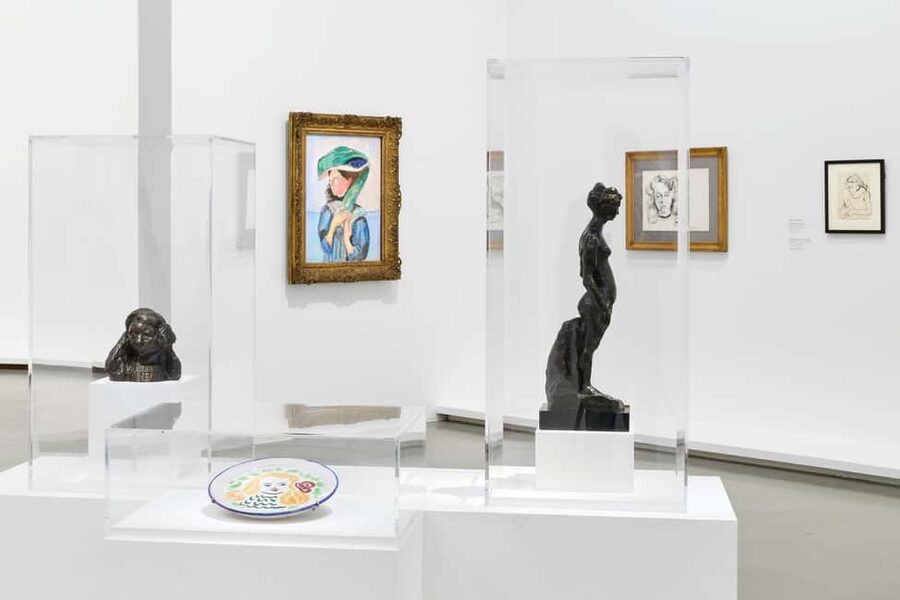
I love that this museum treats the building as a partner. The 1930s setting has an almost luminous quality, and it affects how you experience color and scale. When you stand in a dramatic interior and then look at modern works, the contrast can make the art feel even more direct.
Also, the architecture includes mythological sculptures. You might not “study” them in an hour, but noticing them helps you understand the museum’s tone. This is not a neutral white box. It’s a designed space with classical roots and modern restraint.
That matters because modern art can feel either exciting or confusing depending on your mood. A beautiful setting doesn’t solve the mystery, but it helps you stay open to the art. You’re more likely to slow down at the works that reward it.
The in situ showstoppers you should prioritize
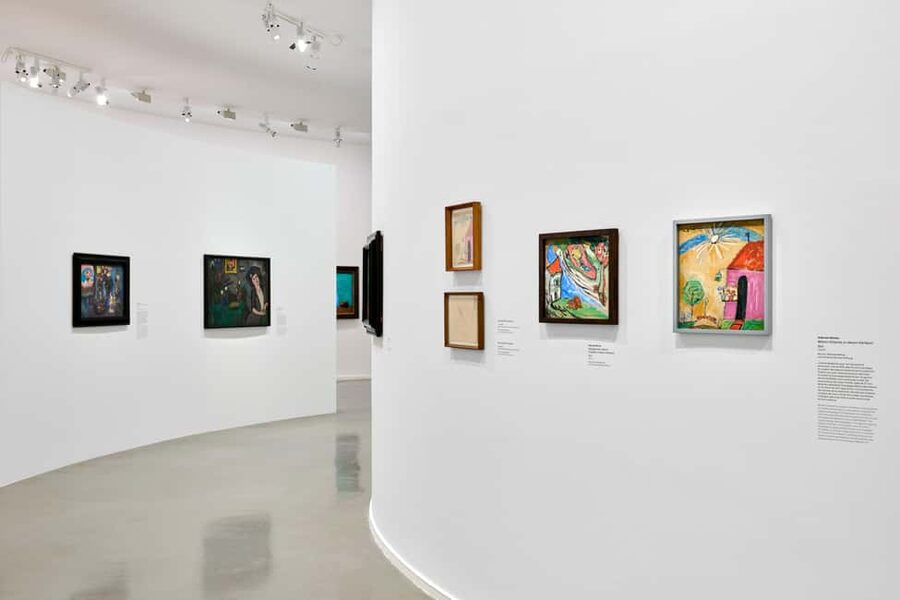
If you do only one thing, make it this: target the museum’s monumental installed works. These are exactly the kind of pieces that pay off in limited time.
Matisse’s La Danse is famous for a reason. Even people who are new to Matisse often feel something quickly because the work has a direct emotional presence. Dufy’s La Fée électricité is another powerhouse. It’s monumental, and it’s the sort of piece where you can’t help but feel the energy coming off it as you stand close enough to notice details.
Why prioritize them? Because installed works let you experience art as environment, not just object. You’re not only looking at brushwork. You’re noticing how the composition interacts with the surrounding space.
In short: if you’re short on time, aim for the installed giants first, then let the rest of the galleries fill in the story.
More Things to Do in Paris

Temporary exhibitions during 2025-2026: plan around the dates
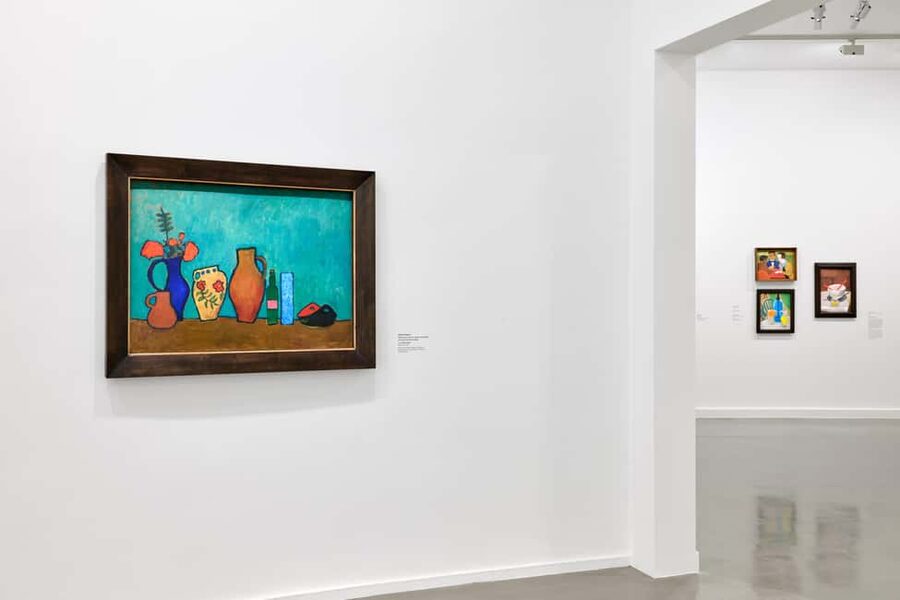
This museum also runs major temporary exhibitions, and they can shape what you see during your visit.
If your dates fall between October 10, 2025 and February 22, 2026, the temporary exhibition Otobong N’Kanga will be on view. This is the museum’s first monographic exhibition of Nkanga in a Parisian museum. Her work explores themes connected to ecology and feminism, and it’s described as both strong and plastically inventive, meaning the forms and materials feel expressive and physical rather than flat.
If your dates fall between October 10, 2025 and February 8, 2026, the museum presents George Condo in a major exhibition. Condo works across painting, drawing, and sculpture, and his universe draws from visual culture spanning Western art history to the present. If you like artists who build a crowded inner world, this is likely to feel energized.
Here’s the practical takeaway: if you book this ticket for a specific exhibition, confirm what will be open and at what pace you can realistically see it. One reason people feel disappointed with short visits is when the focus they planned for doesn’t line up with what’s available at the time slot they pick.
Thursday late hours: a bonus, or a trap for time planning
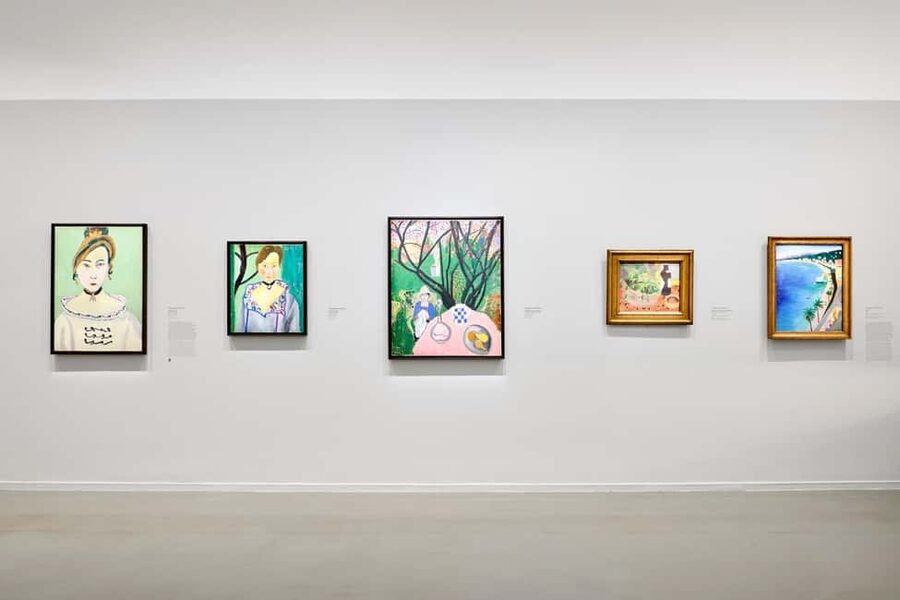
The museum’s standard hours are Tuesday to Sunday, 10:00 to 18:00. On Thursdays, the museum has a late opening until 21:30, with last entry at 20:45.
That late Thursday window can be a great idea. The central location is lively at night, and the museum can feel like a calmer pocket in the middle of the city. But it also means you should be ready for the museum’s schedule to shift around temporary programming. Since your visit is only 1 hour, your window is precious.
My advice: pick your time slot based on your priority. If your priority is broad permanent collection highlights, aim for a standard daytime slot. If your priority is a temporary exhibition and you want a night visit, Thursday evening can work well, just keep your expectations tight and your route planned.
Photography rules and how to actually enjoy looking
Flash photography is not allowed. That’s typical museum policy, but it affects how you document your visit.
Instead of thinking of photos as your main tool, use them as memory backups for just a few key works you really love. Then spend most of your hour looking directly. You’ll likely remember more that way, and you won’t lose time adjusting for rules.
If you’re visiting with friends, set a simple agreement: meet up at one or two anchor works. That prevents the classic “split up, panic, rush” loop that ruins short visits.
What the 4.3 rating says about expectations
The overall rating is 4.3 across 51 reviews, which suggests most people are satisfied. The strongest praise centers on the emotional power of specific displays, especially Matisse. When a museum is timed and short, it’s usually the named highlights that land hardest, and that matches what I’d expect from a building built for large, installed impact.
There are also a couple of caution signals. One review described disappointment when a ticket for a special exhibition did not align with the permanent collection hours during a Thursday evening. That’s not a reason to avoid the museum, but it is a reason to plan. If you’re choosing your time based on which collection you most want, double check that day’s setup so you do not walk in expecting more than you’ll actually get.
A separate review focused on emotional storytelling tied to a theme of love and sadness, with the idea that a friend brings a ray of light. Even if that exact storyline isn’t what you’re hunting, it’s a good reminder that modern art here can be deeply personal. When you see it as art telling human stories, the experience can feel less like wandering and more like reading between the lines.
Who should book this ticket
This is a strong fit if you:
- want a high-impact modern art hit without a full-day commitment
- like major artists such as Picasso, Matisse, and Chagall
- care about architecture and want a museum experience that feels designed, not generic
- are already planning time around the Eiffel Tower, the Champs-Elysées, and the Seine
You might want to skip it or rethink the timing if you:
- hate feeling rushed and need 2 to 3 hours minimum for modern art
- are very sensitive to schedule changes around temporary exhibitions
- are visiting specifically to cover a wide permanent collection, not just a short highlights route
Quick FAQ
FAQ
How long is the Paris Museum of Modern Art entrance ticket good for?
The experience duration is listed as 1 hour. Check availability to see the starting times.
What are the museum opening hours?
It is open Tuesday to Sunday from 10:00 to 18:00. On Thursdays it stays open until 21:30, with last entry at 20:45.
Can I get a refund if I change my plans?
No. This activity is non-refundable.
Is the museum wheelchair accessible?
Yes. Wheelchair accessibility is listed.
Is flash photography allowed inside the museum?
No. Flash photography is not allowed.
Is admission free for disabled visitors?
Yes. Admission is free for disabled visitors and their guest or helper.
Should you book this museum ticket?
If you want a focused modern art experience in a central part of Paris, I’d book it. The combination of the 1930s palace setting and the museum’s heavyweight in situ works, especially Matisse’s La Danse and Dufy’s La Fée électricité, makes the 1-hour format feel worthwhile rather than flimsy.
Just book with your priorities in mind. Pick a time slot that matches whether you care more about the permanent collection or the temporary exhibitions running in late 2025 into early 2026. If you do that, you’ll leave with strong images in your head and a clear sense of why this museum matters.
Latest Paris entries, notes attached





Museums, compared.
Louvre Museum Masterpieces Guided Tour with Access
Read our review →
Louvre Museum Entry Ticket With Host and River Cruise
Read our review →
Les Invalides: Napoleon’s Tomb & Army Museum Entry
Read our review →
Musée de l’Orangerie Reserved Entrance Ticket
Read our review →
Louvre Museum – Exclusive Guided Tour (Entry Included)
Read our review →
Louvre Museum Hosted Entry and Mona Lisa Audioguide
Read our review →
This tour also appears in