
Reviewed · MUSEUMS
Paris Museum Pass: 2, 4, or 6 Days
Skip lines in Paris with one smart pass.
The Paris Museum Pass turns the city’s ticket chaos into a simple rhythm: priority entry to 60+ museums and monuments across Paris and nearby day trips, with pickup close to the Louvre. For first-timers, it also gives you a workable plan when Paris feels too big, because you can jump between major hits and smaller stops without buying a fresh ticket every time.
I especially like how the pass nudges you toward smart coverage, like pairing the Louvre with nearby culture and using the priority entry benefit to reduce the time you stand around. One caution: you still need to manage timed reservations for certain museums, and Louvre entry is not guaranteed during renovation and heavy crowds.
In This Review
- Key things to know before you commit
- Getting value fast: $129, 2-6 days, and how to use the clock
- Priority entry in real life: what you gain, and where it can still be slow
- The big three: Louvre, Musée d’Orsay, and Arc de Triomphe
- Louvre Museum: book your timeslot, then breathe
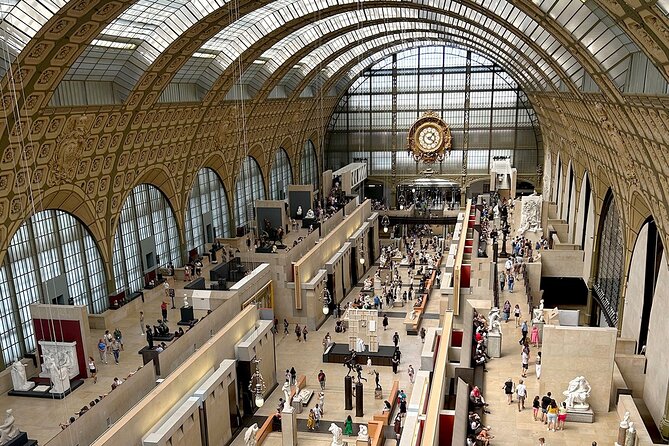
- Musée d’Orsay: famous art, sometimes crowded despite the pass
- Arc de Triomphe: great payoff for classic sightseeing days
- Inside Paris: how to plan neighborhoods so you waste less time
- Louvre-area must-dos versus smaller museums you can actually enjoy
- Reservation-required sites: your shortcuts need planning too
- Outside Paris day trips: Versailles and the classic “change of scenery” move
- Seine cruise option: when it fits, it is a good use of daylight
- Who this pass is best for, and who should skip it
- Should you book the Paris Museum Pass?
- FAQ
- How long is the Paris Museum Pass valid?
- Are the pass days consecutive calendar days?
- Where do I pick up the Paris Museum Pass?
- Do I need a timeslot for the Louvre?
- Which other museums require reservations besides the Louvre?
- Does the pass include skip-the-line access?
- What major attractions in Paris are included?
- Can I include a Seine river cruise?
- Is the pass needed for children or EU citizens under 26?
- What are the booking rules for cancellation and pay later?
Key things to know before you commit
- Priority entry helps you bypass the worst ticket lines, but peak season can still bring waits.
- Louvre timeslot is mandatory, and the voucher includes the link to book it.
- Orangerie and several other sites require reservations even though the pass covers admission.
- Your pass days are consecutive calendar days, based on when you first use it.
- Pickup is near the Louvre and the office hours matter if you want an early start.
Getting value fast: $129, 2-6 days, and how to use the clock

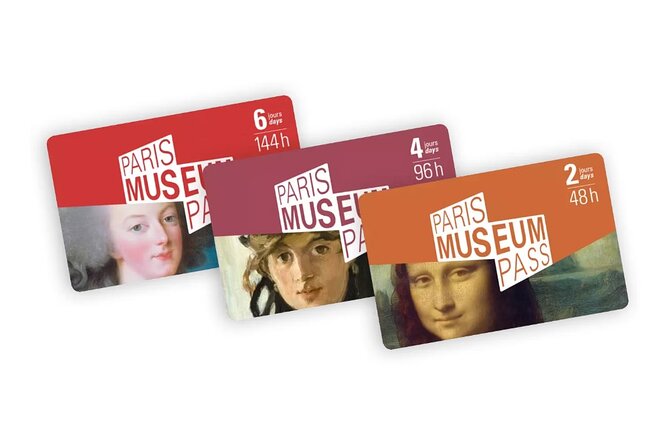
For $129 per person, the Paris Museum Pass is really a budgeting tool. You are not just buying tickets, you are buying back time and mental energy. If your plan includes multiple paid museums, monuments, or the kind of day where you hop from one classic stop to the next, the pass often makes the math work. If you only want one or two famous sights, you might spend less by buying individual tickets.
The pass comes in 2, 4, or 6-day options. The catch is how the days are counted. They are based on consecutive calendar days, not “48 hours from first use.” If you start using the pass at 14:00, that calendar day counts as day 1. That rule matters when your arrival day is late or your departure day is early. I advise you to plan your first pass day deliberately, especially if you are buying a shorter option.
Pickup is also part of the value equation. Your pass must be collected at the tour office near the Louvre, open 7 days a week from 9:00 to 16:00. So if you want to use the pass on day 1 at a reasonable hour, you do not want to scramble for pickup later in the day.
Priority entry in real life: what you gain, and where it can still be slow
The headline benefit is skip the ticket line with priority entry at many included sites. In practice, this often means less time queued at entrances where you would normally be buying tickets on the spot. In high demand locations, that time savings can feel huge.
But do not treat the pass like magic. The most popular museums can still be crowded even when you have priority access. One clear example from real-world use: in August, getting into Musée d’Orsay with the pass still took a while in the hot sun. The priority access helped, but it did not eliminate waiting.
Also watch for the difference between “fast entry” and “timed entry.” Some museums require you to book a timeslot even with the pass. Others may not require a scheduled time, but still have crowd control. The Louvre is the biggest one to plan around.
More French collections worth the coat check:
- Paris: Orsay Museum Entry Ticket
★ 4.7 · 25,647 reviews - Louvre Museum Masterpieces Guided Tour with Access
★ 4.5 · 12,023 reviews - Paris: Louvre Museum Entry Ticket With Host and River Cruise
★ 4.6 · 9,926 reviews
The big three: Louvre, Musée d’Orsay, and Arc de Triomphe
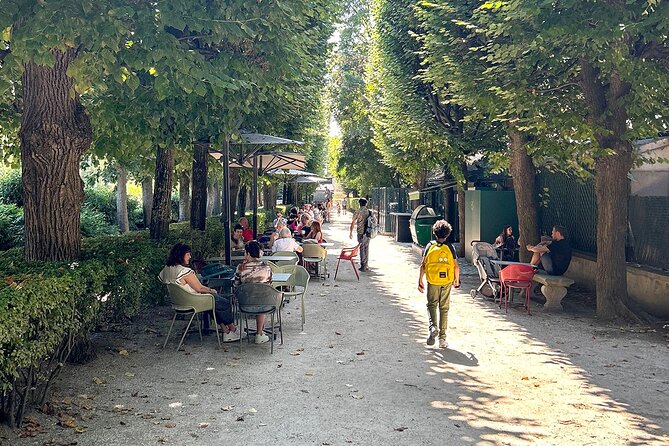
If you only care about three things in Paris, I would build your plan around the Louvre, Musée d’Orsay, and the Arc de Triomphe. The pass is a strong match for those priorities because it links you to the major art and history drawcards without the repeated ticket purchase.
Louvre Museum: book your timeslot, then breathe
For the Louvre, a timeslot is required in advance. The link to book is found on your voucher. This is the single most important planning step if the Louvre is on your must-see list. Also, due to renovation work and visitor volume, entry to the Louvre cannot be guaranteed. That means you should not schedule anything else that depends on a guaranteed Louvre visit.
A practical way to handle the Louvre day: treat your timeslot as the anchor. Then build a flexible second task nearby in case your first plan gets slowed by crowding.
Musée d’Orsay: famous art, sometimes crowded despite the pass
Musée d’Orsay is a huge win for anyone who wants the drama of Impressionism and Post-Impressionism. The pass gives you priority entry benefits, and many visitors find it cuts the normal ticket hassle. Still, especially in peak season, you should expect lines at the entrance even with priority.
If you hate waiting in heat, go earlier in the day and avoid mid-afternoon if you can.
More Things to Do in Paris




Arc de Triomphe: great payoff for classic sightseeing days
Arc de Triomphe is included on the pass. You can often save major time because the pass helps you get through the ticket line faster. It pairs well with a “big views” day. If your energy is limited, this is one of those sights where the payback is fast: you get iconic Paris views and then you can move on to your next stop without losing half the day to logistics.
Inside Paris: how to plan neighborhoods so you waste less time
The pass includes a long list of museums and monuments across Paris, which is great for choice, but it can be overwhelming. The best strategy is to group stops by geography and pacing, not just by topic.
Here is the approach I use when I want to maximize a museum pass without turning my day into a frantic checklist:
- Pick one “anchor” attraction per half day (Louvre, Orsay, a major monument, or a major church site).
- Add one or two nearby museums from the pass list.
- Save smaller museums for the end of the day when you are done walking long distances.
Because the pass includes both classic landmarks and less obvious options, you can build a route that matches your mood. For example, if you want variety beyond the big names, you can mix in museums like Musée du quai Branly, Musée Picasso Paris, Musée Rodin, or Cité des Sciences et de l’Industrie. If you prefer architecture and design, Les Arts décoratifs and Musée des Arts et métiers can be satisfying, and they break up the art-only rhythm.
This is also where you can use the pass to avoid decision fatigue. Instead of asking, What should I do next?, you can ask, What is still open nearby that is on my pass?
Louvre-area must-dos versus smaller museums you can actually enjoy
The Louvre is the obvious heavyweight, but you will feel the pass value most when you also use it on sites that are hard to fit if you are buying tickets one by one.
Here is the tradeoff to understand. Big museums can be crowded, even with priority entry. Smaller museums can be calmer, and you can spend more time looking instead of moving through bottlenecks.
That is why I love mixing one flagship museum with one or two “you can linger here” stops. The pass makes this easier because admission is covered. Examples from the pass list that work well for a slower pace include Musée Gustave Moreau, Musée national du Moyen Âge, Thermes et hôtel de Cluny, and Musée national des Monuments français. If you like film, La Cinémathèque française and the Musée du Cinéma category can also be great breathers from classic art galleries.
One more practical note: if you want to see a specific exhibit inside a major museum, make sure you plan around any reservation requirements for that site. The pass covers admission, but not every experience is “walk up and go” in real life.
Reservation-required sites: your shortcuts need planning too
The pass is powerful, but some venues require more than just presenting the pass at the gate. Your best move is to treat reservation-required museums like appointments.
Mandatory reservations are listed for these places:
- L’Orangerie
- Museum of the Art and History of Judaism
- Hotel de la Marine
- Cité de l’architecture et du patrimoine
For these sites, you can have the pass and still be stopped until you have the correct reservation. The timing matters, especially if you are trying to fit multiple major museums in a single day.
The Louvre has its own rules too, because entry needs a timeslot, and entry cannot be guaranteed during renovations and heavy crowds.
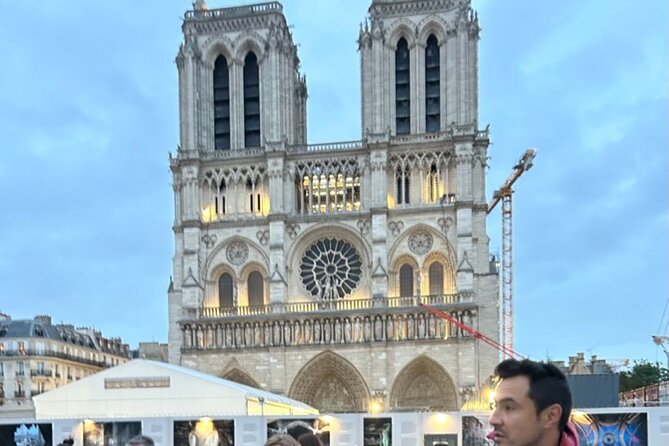
One more timing lesson from experience: even when you have priority entry, some sites still do not behave like a quick bypass. For example, Sainte-Chapelle is included on the overall pass logic people expect, but priority entry may not translate into a dramatically shorter entrance line in all situations. So if Sainte-Chapelle is on your list, plan to go early and stay flexible.
Outside Paris day trips: Versailles and the classic “change of scenery” move
A major benefit of this pass is that it is not trapped inside the city center. The outside-Paris list gives you a real option for a full day away from central Paris while still using the pass.
The headline day trip is Versailles. The pass includes Musée national des Châteaux de Versailles et de Trianon. Versailles can be a long, high-energy day, but it is also one of the best uses of a multi-day pass. You are turning a whole day into paid attraction coverage, instead of paying for transportation plus separate entry costs for each stop.
Other included outside-Paris options include:
- Abbaye royale de Chaalis
- Château de Fontainebleau
- Château de Chantilly (Musée Condé)
- Musée national de Port-Royal des Champs
- Château de Malmaison and Bois-Préau
- Château de Rambouillet
- Villa Savoye (nearby in the greater Paris region)
If you have 4 or 6 days, I recommend at least one outside-Paris day trip. It prevents your trip from becoming a museum-only loop and gives your feet a break from repeated central-city walking.
Seine cruise option: when it fits, it is a good use of daylight
If you choose the option with the river cruise, it is included. A cruise is a smart add-on for two reasons. First, it is an easy way to see landmarks aligned along the river without switching neighborhoods again and again. Second, it gives your day a natural off-ramp when you are museumed-out.
One practical tip: if you add the cruise, pay close attention to the meeting point details because there can be different boat companies operating. If the meeting point feels confusing, confirm the correct operator name tied to your booking.
Who this pass is best for, and who should skip it
This pass is a strong fit for you if:
- You want 60+ covered sights and you are likely to hit several major museums.
- You like art and history and you can handle timed planning where required.
- You want priority entry to reduce the time cost of queues.
It is less ideal if:
- Your Paris plan is light on museums and heavy on one or two sights only.
- You hate the idea of checking timeslots for major venues like the Louvre.
- Your schedule is too tight to accommodate reservation-required sites.
Also, keep in mind a helpful detail that affects value. Public museum entrance is free for children under 18, and for EU citizens under 26. In those cases, the pass may not be necessary for admission, but museums can still request a time slot booked for entry. So your savings might come more from priority access and convenience than from outright admission cost.
Should you book the Paris Museum Pass?
If your trip is 4 to 6 days, you are the prime candidate. The pass shines when it becomes your default ticket for a museum-heavy plan, and when you are able to build a route that uses priority entry more than once per day.
If you are doing only 2 days, it can still work, but you must be choosy. Anchor the day around the Louvre and one or two other included highlights, then use the pass for nearby add-ons. If you do not care about multiple museums, the pass can feel like you bought coverage you do not fully use.
My bottom line: book it when you want maximum art and monument coverage per day, and you are willing to book Louvre and other reservation-required timeslots so you do not lose the time savings you paid for.
FAQ
How long is the Paris Museum Pass valid?
You can choose a pass valid for 2, 4, or 6 days.
Are the pass days consecutive calendar days?
Yes. The days of use are consecutive and based on calendar days. If you begin using your pass at 14:00, that day counts as day 1.
Where do I pick up the Paris Museum Pass?
You must collect it at the tour office near the Louvre. The office is open 7 days a week from 9:00 to 16:00.
Do I need a timeslot for the Louvre?
Yes. To ensure entry to the Louvre, you need to book a timeslot in advance. The link to do this is on the voucher.
Which other museums require reservations besides the Louvre?
Reservation is mandatory for L’Orangerie, the Museum of the Art and History of Judaism, Hotel de la Marine, and the Cité de l’architecture et du patrimoine.
Does the pass include skip-the-line access?
Yes. The pass includes priority entry and skip the ticket line for included museums and monuments.
What major attractions in Paris are included?
The pass includes Arc de Triomphe, Musée d’Orsay, Musée du quai Branly, Sainte-Chapelle, Panthéon, Musée Rodin, and the Louvre Museum (among many others listed).
Can I include a Seine river cruise?
Yes, a river cruise is included if you select that option.
Is the pass needed for children or EU citizens under 26?
Public museum entrance is free for all children under 18, and for EU citizens under 26. The museum pass is not needed for admission, but museums may still request a time slot.
What are the booking rules for cancellation and pay later?
Free cancellation is available up to 24 hours in advance for a full refund. You can also reserve now and pay later, meaning you can book your spot without paying today.
Latest Paris entries, notes attached






Museums, compared.


Louvre Museum Masterpieces Guided Tour with Access
Read our review →
Louvre Museum Entry Ticket With Host and River Cruise
Read our review →
Les Invalides: Napoleon’s Tomb & Army Museum Entry
Read our review →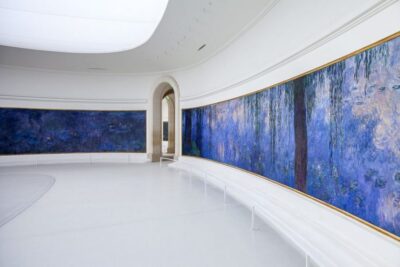
Musée de l’Orangerie Reserved Entrance Ticket
Read our review →
Louvre Museum – Exclusive Guided Tour (Entry Included)
Read our review →
Louvre Museum Hosted Entry and Mona Lisa Audioguide
Read our review →
This tour also appears in