
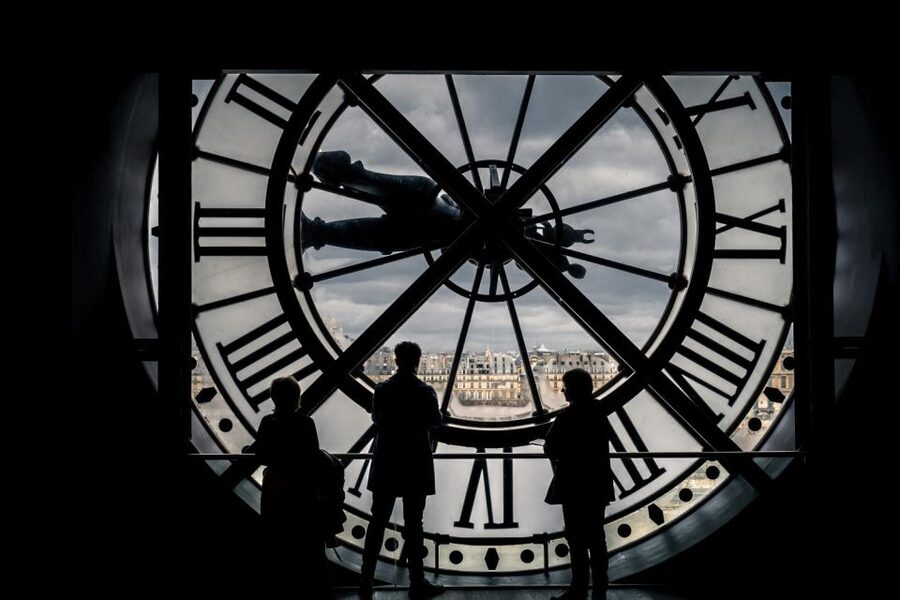
Reviewed · ORSAY TICKETS
Paris: Orsay Museum Entry Ticket and Digital Audio Guide App
Orsay turns art history into one big walk. With a flexible entry ticket plus a digital audio guide app, you get to shape your pacing around Impressionism and Post-Impressionism without feeling trapped by a strict schedule.
I especially like the flexible entry time, and I love that the museum covers French art from 1848 to 1915 in a former railway station.
Two things make this feel like good value. First, you get entry to Musée d’Orsay for one day with a smooth admission flow. Second, the included digital audio guide app gives commentary on over 300 masterpieces in 11 languages.
One drawback to plan for: the audio guide app isn’t perfect. Some people ran into gaps where certain famous works were missing or the app did not match what was on view, so treat the app as a guide, not a guarantee.
In This Review
- Key takeaways before you go
- Orsay With Flexible Entry: What It Really Buys You
- Queue C1 and the Reality of Paris Security Lines
- Inside the Station: Architecture That Guides Your Route
- Digital Audio Guide App: Download Before You Arrive
- Your Self-Guided Route Through 5 Sections of 1848 to 1915
- Impressionists and Post-Impressionists: Be Smart About Crowds
- Art Highlights You’ll Actually Recognize (and What to Look For)
- Price and Value: Is $31 Worth It for Your Style?
- Should You Book This Orsay Ticket With Audio Guide?
- FAQ
- Is this a guided tour with a person leading us?
- Do I get the digital audio guide included with the ticket?
- Do I need headphones?
- Is entry tied to a specific time slot?
- Does the audio guide cover temporary exhibitions?
- Are bags allowed?
Key takeaways before you go
- Queue C1 entrance is designed for tickets without a designated time slot, helping you get moving fast.
- Flexible entry lets you adjust if your Seine walk, café break, or museum-hopping day runs late.
- Digital audio guide app in 11 languages covers 300+ works, and you can use it at your own pace.
- Orsay’s 5 sections make it easier to build a route around Impressionists and Post-Impressionists.
- No temporary exhibition coverage means you should read any onsite signs for special shows.
- Security lines still happen during peak season, so plan extra time even with tickets.
Orsay With Flexible Entry: What It Really Buys You
This ticket is about control. You’re not locking yourself into a single arrival moment, which matters in Paris where plans change fast. A flexible entry time is a simple but real upgrade, especially if you’re timing your day around other stops on the left bank.
I also like that you get a full museum admission for one day in the Orsay building itself. It’s not just “another art museum” experience. You’re walking through a former railway station, and the architecture supports the viewing experience as you move from one room to the next.
The added layer is the audio guide app. It aims to explain what you’re seeing, not just label it. With commentary on over 300 masterpieces, you can slow down when a painting, sculpture, or decorative object catches your eye and still understand the context.
The best fit for this style of ticket is a traveler who wants choices. If you like wandering, pausing often, and deciding on the spot what matters most that day, this works well. If you want a strict, curated route with a person leading you step-by-step, you might prefer a live guided tour instead.
Queue C1 and the Reality of Paris Security Lines
Here’s the practical truth: you might skip the ticket-purchase line, but you still face security. Your ticket does not provide priority access at security checkpoints, so don’t assume you’ll sail in instantly during peak times.
That said, you’re directed to use Queue C1 entrance for admission tickets without designated time slots. In plain terms, this helps you avoid the most chaotic queue situation. Several experiences describe getting in smoothly by going straight through the C1 flow, with bag scanning and ticket checks that felt more streamlined than standard lines.
Still, you should budget time like a local. During busy seasons, arriving early helps. The guidance given for peak periods is to show up at least 2 hours before closing, and ideally 3 hours if crowds are heavy. That extra cushion isn’t just for comfort. It protects your visit, so you don’t feel rushed.
If you hate lines, pick an off-peak arrival. Midday tends to be the busiest, and you’ll feel it most when you reach the Impressionist concentration. If you’re flexible, start earlier in the day or push later to avoid the densest crowd waves.
More afternoons under the Orsay clock:
- Paris: Orsay Museum Entry Ticket
★ 4.7 · 25,647 reviews - Paris in a Day: Louvre or Orsay, Eiffel Tower, City Walk & Cruise
★ 5.0 · 1,956 reviews - Paris: Musée d’Orsay Skip-the-Line Tour with Expert Guide
★ 4.5 · 1,145 reviews
Inside the Station: Architecture That Guides Your Route
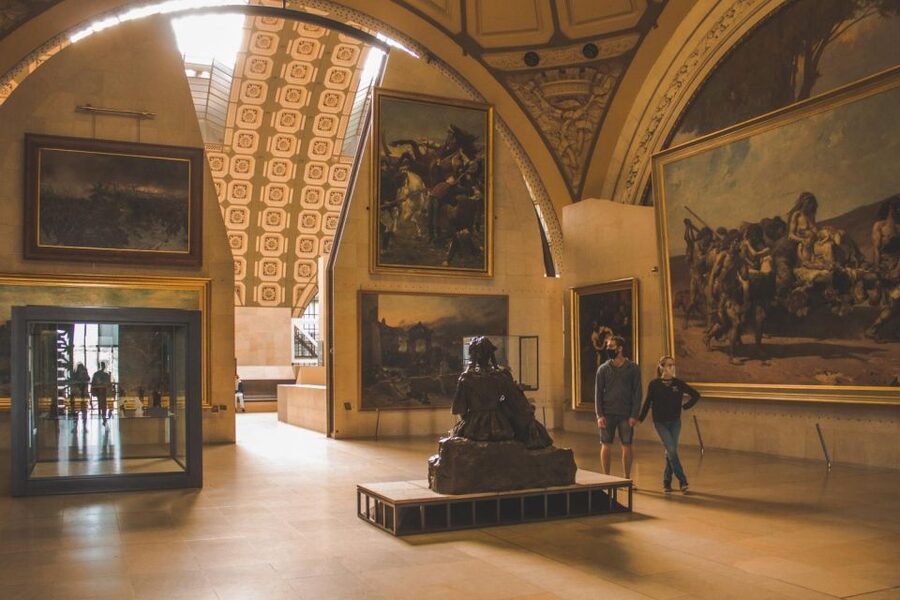
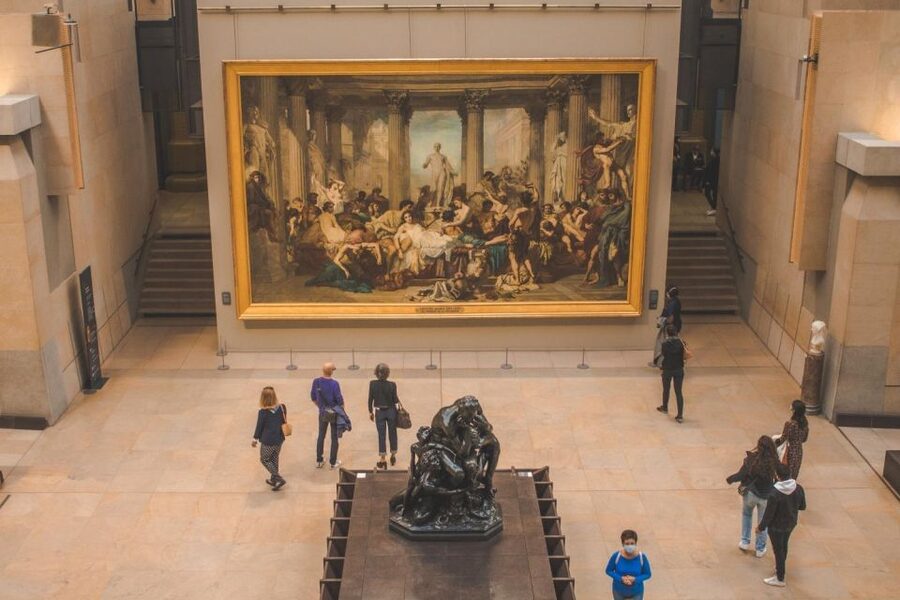
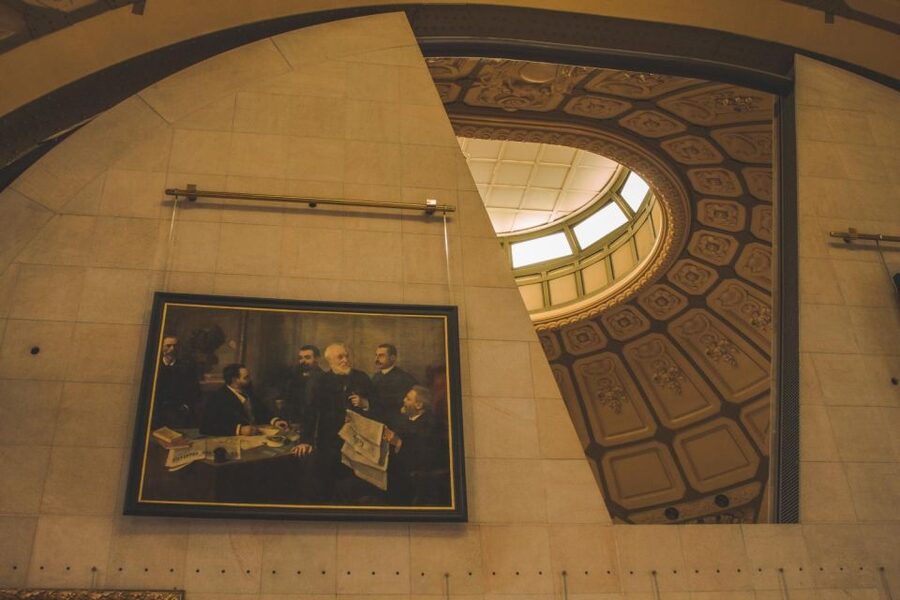
Orsay’s building is part of the experience, even if you come for the paintings. The museum sits on the Seine’s left bank and is housed in a former railway station. You feel that industrial-to-art transformation as soon as you’re inside, with high spaces and big sightlines that make it easier to orient yourself.
The building also affects how you move. Instead of feeling like a maze, you get natural “movement corridors” as you climb and descend. Many people love starting with a top-floor plan and working down, because it can make the route feel more logical as you follow the art-forward flow of the museum.
One useful trick: use the architecture to reduce decision fatigue. As you enter, don’t try to plan the perfect route on the spot. Pick a direction first. Then let the audio guide help you choose what to stop for longer. That way, you spend energy enjoying art, not constantly re-planning.
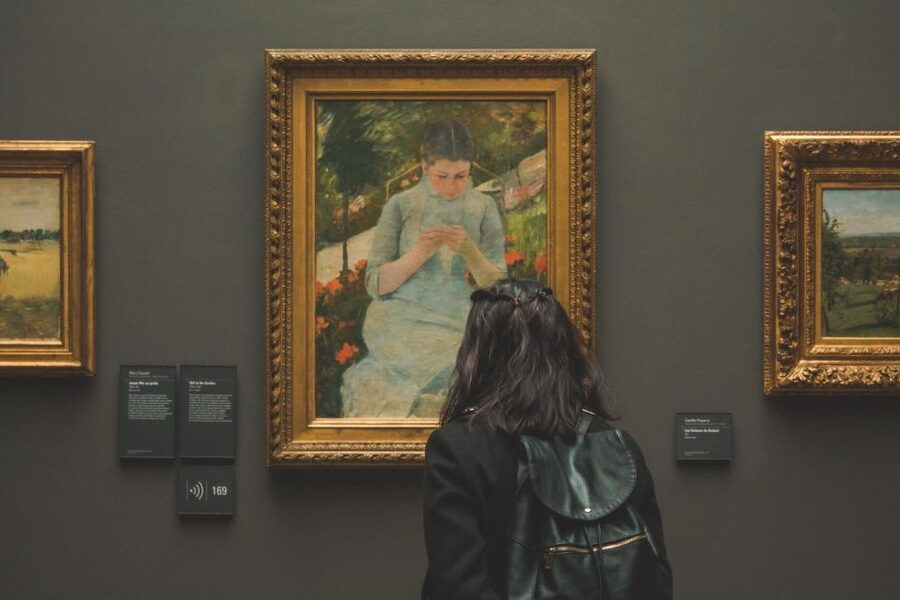
And yes, the museum includes more than paintings. Expect sculptures, decorative furniture, accessories, and photographs. That mix matters because it prevents the visit from becoming repetitive. You’ll get moments where you’re not just staring at canvases, but also reading the design and objects that surrounded daily life and artistic taste in that era.
Digital Audio Guide App: Download Before You Arrive
This is where preparation earns you time. The audio commentary is provided through a separate app with a link you receive by email one day before your booked date. The app is downloadable from the Global Tickets links provided, and you need to download it before you go.
You should also bring headphones. The information provided is clear that headphones are required. If you forget them, you’ll either sit through the audio without sound (not helpful) or you’ll spend extra time solving the problem on site.
One more important point: the included digital audio guide is distinct from the museum’s own audio guide, which is offered separately for an additional fee. So if you see other audio options onsite, don’t accidentally pay twice for the same thing.
How well does it match what you see? The overall experience is positive, but not flawless. Some visitors reported that certain major works did not appear in the digital guide or that the app did not match the current installations. Plan for small gaps. The museum signage and labels are still there, and you can use them to fill in any missing bits.
Finally, language coverage is not guaranteed for every artwork. The app supports 11 languages, but some languages may not be available for specific pieces. If you’re traveling as a group with different language needs, check your preferences ahead of time.
Your Self-Guided Route Through 5 Sections of 1848 to 1915
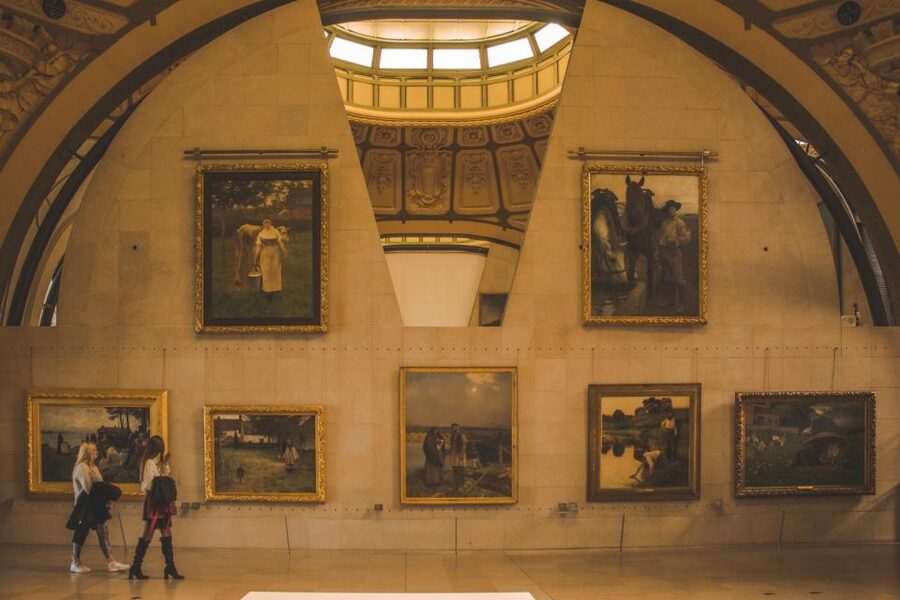
Even without a live guide, you can structure this visit like a pro. The museum is organized across 5 sections, and the ground floor includes not just art but also decorative furniture and accessories. That means you can build a route that feels like moving through a world, not just a set of rooms.
A good strategy is to decide your theme first: Impressionism and Post-Impressionism. The museum is strongly known for that focus, and once you’re inside, it helps to let that guide your route. As you move through the collections, use the audio guide for context on techniques and artistic shifts, then return your attention to color, light, and brushwork.
Here’s how to use the audio without wasting time. Don’t listen to everything in order. Pick key stops. When a room catches your attention, pause and listen to one or two commentary segments per room. Then move on. This keeps you from spending your whole day staring at a phone screen.
Also, keep one eye on what is on view. Some exhibitions may be out on loan to other museums. That matters because you might arrive expecting a particular sight, and the museum’s display can change. The audio guide should still help you understand the bigger picture, but you might not always see every planned item.
And remember, the audio guide does not include information about temporary exhibitions. If you want the full story of special shows, you’ll need to rely on onsite materials for those parts. For the core permanent collection, the audio guide aims to cover the heavy hitters.
More French collections worth the coat check:




Impressionists and Post-Impressionists: Be Smart About Crowds
Timing is the difference between a relaxing art day and a shoulder-to-shoulder shuffle. The guidance is consistent: mid-day is the most crowded, especially around the Impressionist galleries. If you can choose your arrival time, aim for earlier or later rather than the middle of the day.
Even if you’re using the C1 entrance, crowds still build inside the museum. And Orsay has a big “why is it so popular” effect. Once people discover the Impressionist section, they tend to cluster there. So even a ticket that helps you enter fast doesn’t remove the reality that the galleries get busy.
I like a two-step approach to crowd management:
1) Go early to cover the areas you care about most.
2) Save a slower, more flexible circuit for later so you can enjoy what you discover on the fly.
One extra tip that comes up often is a top-floor-first approach. The idea is that you start with the higher level, then work down. It can help you beat the densest traffic patterns because you’re hitting major galleries while the rest of the crowd is still filtering in.
If you only have a limited amount of time, don’t assume two hours will feel enough. The museum is huge, and the collection is deep. Even one strong focus like Impressionism can take longer than you think because it’s easy to get sidetracked by adjacent masterpieces and the decorative arts around them.
Art Highlights You’ll Actually Recognize (and What to Look For)
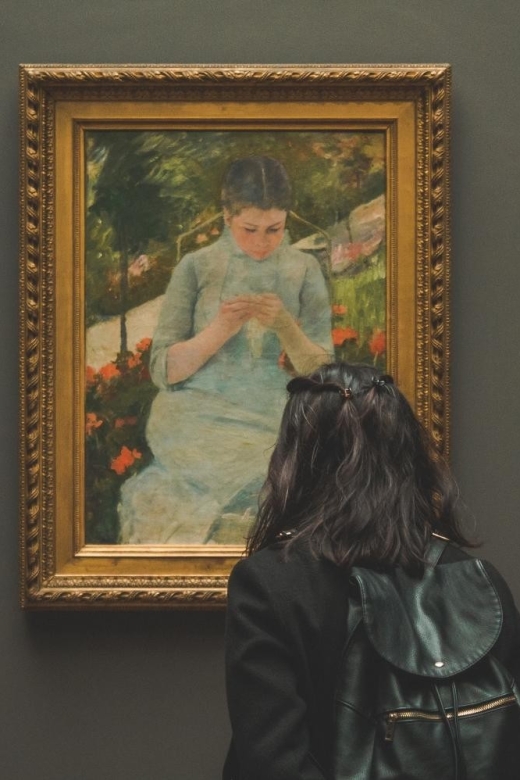
You’re going to see names you already know, and that’s part of Orsay’s power. Expect major artists such as Degas, Renoir, Manet, Monet, Cezanne, and more. If Impressionism is your entry point into French art, this museum is one of the best places to connect the dots.
Post-Impressionism is also central. You’ll likely run into works connected to Van Gogh and Courbet, plus other artists that help show how painters pushed beyond Impressionism. You may also see pieces associated with Sargent in the broader selection, depending on what’s on view.
So what should you look for, beyond recognizing names? Use the audio guide to understand the “why” behind the technique. Impressionist and Post-Impressionist art can feel abstract if you’re just staring at color. The audio commentary helps you connect brushwork to the bigger artistic questions: how artists captured movement, how they structured scenes, and how they pushed emotional intensity further than earlier styles.
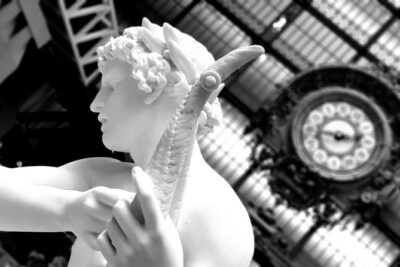
Also pay attention to the museum’s blend of mediums. Orsay isn’t only paintings. Sculptures and photographs give you a different kind of perspective on 19th-century life and taste. And the decorative furniture and accessories remind you that art history wasn’t limited to canvas and marble. It lived in everyday objects, design, and style.
If you’re a first-timer, you might be tempted to rush from famous painting to famous painting. Resist that urge. Pick a few paintings and let the audio explain the decisions behind them. Then stand back and look again. That simple loop tends to turn a “seen it” visit into one you remember.
Price and Value: Is $31 Worth It for Your Style?
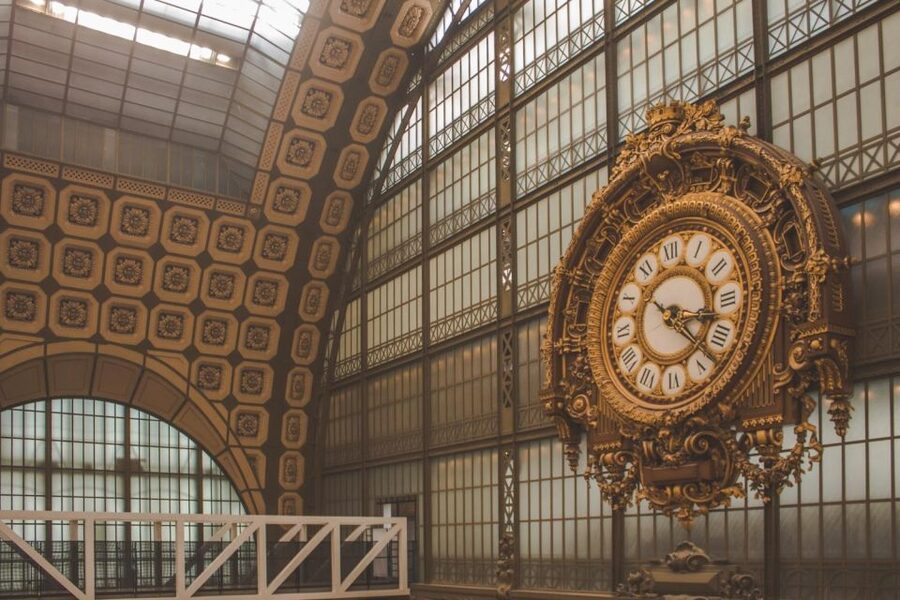
At around $31 per person, the value comes from three things: admission, a flexible day window, and the included digital audio guide app.
The biggest practical value is not paying the “I waited in line” tax. Tickets help you avoid the worst queues, especially around the ticket counter situation. Using Queue C1 supports that faster entry feeling, even if security still takes time.
The audio guide adds value, but in a specific way. It’s useful when you want context, like what you’re looking at and why it matters in Impressionist and Post-Impressionist development. It’s less valuable if you plan to rely only on wall labels and skip audio. Some people felt the audio guide was not worth an extra cost, especially if it didn’t match certain works on view.
So who should buy this? If you want flexible timing and you’ll actually use the app in the galleries, this is a strong choice. If you’re the type who prefers a live person explaining paintings in real time, you might do better with a guided tour instead.
If your priorities are narrow, be careful. You may find it harder to enjoy fully if you try to “finish” the museum in a hurry. Orsay rewards slower looking, especially for the Impressionist concentration. With that in mind, think of the ticket price as paying for time saved at the door and meaning added inside the galleries.
Should You Book This Orsay Ticket With Audio Guide?
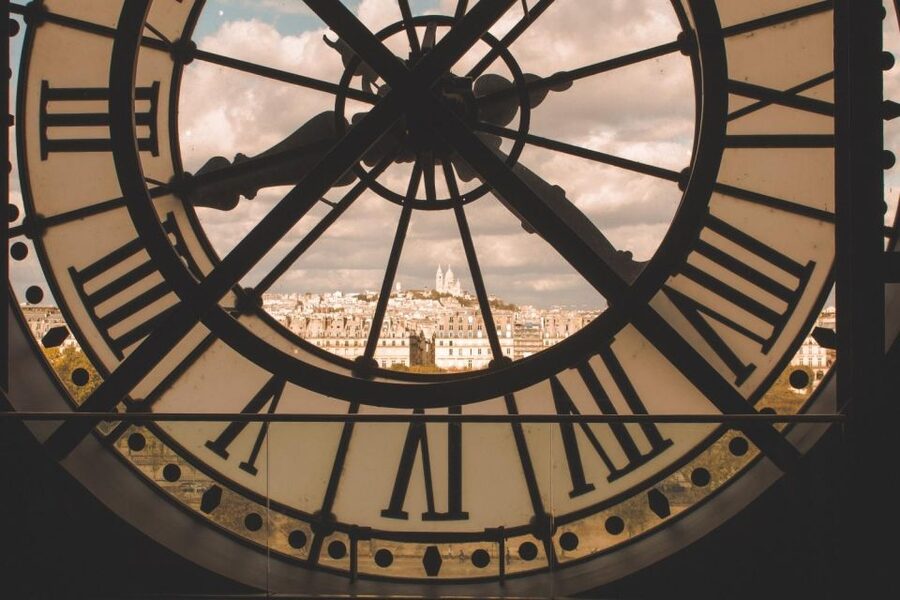
Book it if you want control, not a rigid schedule. Flexible entry time plus an included audio guide app is a great pairing for a self-guided day, especially if you’re planning more than one Paris stop.
Also book it if your goal is to understand what you’re seeing. The audio commentary on over 300 masterpieces in 11 languages is designed to make the movements and artists click. I’d call this a smart match for first-timers who want more than names on plaques.
Skip this version or consider an alternative if you strongly prefer live guidance, or if you’re worried about audio app gaps. The information provided and the experiences shared suggest there can be mismatches between the app and current installations, and temporary exhibitions won’t be covered in the audio.
My decision rule is simple: if you’ll download the app ahead of time, bring headphones, and plan for a realistic amount of looking time, this ticket can be a very solid deal. If you only want a quick hit of highlights and you hate any chance of app issues, you might want to rethink and choose a different format.
FAQ
Is this a guided tour with a person leading us?
No. This is not a guided tour. You go to Musée d’Orsay on your own and enter using your GetYourGuide voucher.
Do I get the digital audio guide included with the ticket?
Yes. A complimentary digital audio guide app is included, available in 11 languages. You need to download it using the provided app link and get access through the emailed link sent one day before your visit.
Do I need headphones?
Yes. Headphones are listed as something to bring.
Is entry tied to a specific time slot?
This ticket gives you flexible entry time on the day you booked. You should use the Queue C1 entrance for admission tickets without designated time slots.
Does the audio guide cover temporary exhibitions?
No. Information about temporary exhibitions is not included in the audio guide.
Are bags allowed?
Luggage or large bags are not allowed. It’s a good idea to travel light so security and scanning go smoothly.
More Self-Guided Tours in Paris
- From Paris: Versailles Palace Self Guided & Gardens tickets
★ 4.4 · 1,100 reviews - Bruges Guided or Audio Trip with Canal Cruise Option from Paris
★ 4.0 · 795 reviews - Versailles Domain Audio Guided Half Day Tour from Paris
★ 3.5 · 415 reviews - Giverny & Monet’s House Audio Guided Half-day Tour from Paris
★ 4.0 · 379 reviews
More Audio Tours in Paris
- Paris: Illuminations River Cruise with Audio Commentary
★ 4.3 · 12,340 reviews - From Paris: Giverny Day Trip with Audio Guide or Live Guide
★ 4.3 · 2,372 reviews - Giverny and Monet’s House Half Day Trip from Paris Guide or Audio
★ 4.0 · 1,319 reviews - Paris: Openair Double Decker Bus Audio-Guided City Tour
★ 3.5 · 938 reviews
Latest Paris entries, notes attached







Orsay Tickets, compared.

Paris in a Day: Louvre or Orsay, Eiffel Tower, City Walk & Cruise
Read our review →
Musée d’Orsay Entry Ticket and Seine River Cruise
Read our review →
Musée d’Orsay Skip-the-Line Tour with Expert Guide
Read our review →
The Musée d’Orsay Guided Tour Orsay Museum Semi-Private 6ppl Max
Read our review →
Louvre & Musée d’Orsay Guided Museum Tour Semi-Private 6ppl Max
Read our review →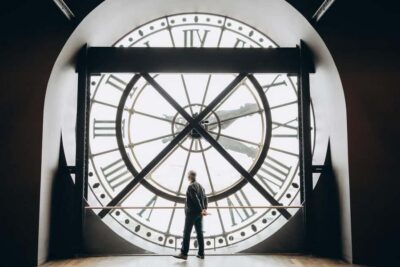
This tour also appears in