
Reviewed · MUSEUMS
Paris: Paradox Museum Entrance Tickets
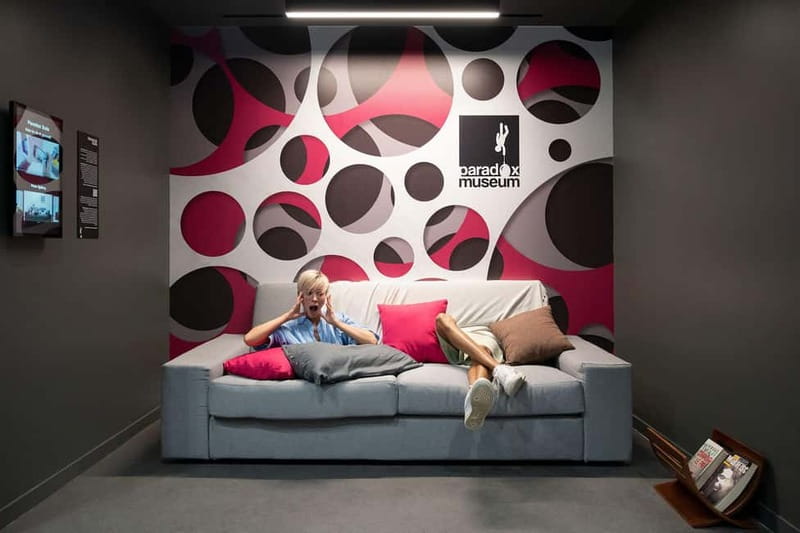
Ninety optical tricks make reality feel negotiable. This ticket gets you into the Paradox Museum for a one-way maze of 90 illusions, with photo points and clear explanations of what is going on. I also like that it works as a family-friendly brain break, and the staff can step in when you need help with group photos, though a possible drawback is that you may want more time if you like to read everything slowly or take extra shots at each stop.
You’ll follow signage through a guided-feeling route (it is set up as a one-way flow), and the exhibits are designed so you can figure out the “how” with your own eyes. Expect an educational vibe too, with QR codes that add science context without dragging the fun down. With an average visit around 90 minutes, it is a good add-on when you want something different from classic sights.
One more heads-up: this isn’t a fit if you have epilepsy, since the museum notes it is not suitable.
In This Review
- Key things to know before you go
- What the Paradox Museum ticket gets you in 84 minutes
- Entering the one-way illusion maze and getting your bearings fast
- The 90 optical illusions: how to make the visit fun and photo-friendly
- The science of paradoxes, explained right at the exhibit
- Staff help where it counts, without hovering
- Time management: getting through the maze without feeling rushed
- The Paradox Boutique and café stop you can actually enjoy
- Value in Paris: why this ticket can make sense
- Who should book Paradox Museum Paris, and who should skip it
- My quick booking checklist before you arrive
- Should you book this ticket?
- FAQ
- How long does the Paradox Museum Paris visit take?
- How much is the ticket per person?
- What is included with the ticket?
- What time do I need to arrive, and is there a last entry time?
- What languages are available for the host or greeter?
- Is the Paradox Museum Paris wheelchair accessible?
- Is this activity suitable for people with epilepsy?
- How big are the groups?
- Can I get help with photos?
Key things to know before you go

- 90 optical illusions across a one-way route, built for photos
- Photo points with suggested angles, so your pictures actually look good
- Staff support for group shots when you need an extra hand
- Explanations at each exhibit plus QR codes for extra science context
- Café and Paradox Boutique on-site for a quick rest and a souvenir stop
What the Paradox Museum ticket gets you in 84 minutes
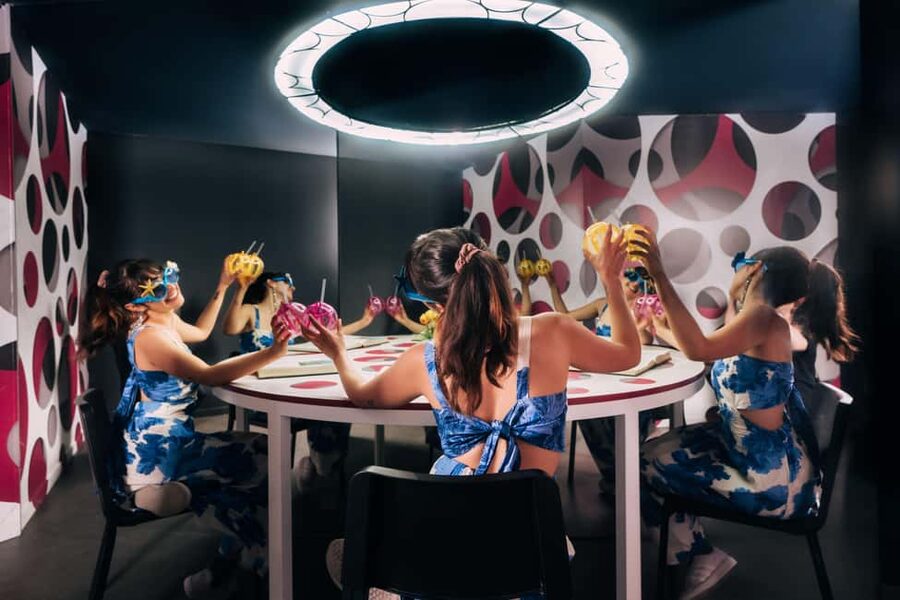
This is not a quiet museum where you whisper and shuffle. It is a hands-on, eye-bending experience built around the idea that reality can look different depending on how your brain interprets what you see.
Your ticket covers admission to the exhibits, plus access to the museum store and café. The museum sets aside about 84 minutes on average, but the real time you need depends on your pace. If you are more of a “try the illusion, snap the photo, move on” person, you will likely hit the target. If you love reading the explanations and getting multiple takes, you may feel rushed near the end.
I like the way the museum is set up so you do not have to plan a route in your head. You check in, follow the signs, and the maze-like layout does the work for you. It keeps the flow moving, which also helps if you are visiting with kids or a small group.
One practical detail: last entry is at 6 p.m., two hours before closing. So you should arrive early enough to avoid feeling like you are sprinting through paradoxes.
Entering the one-way illusion maze and getting your bearings fast
The experience starts the way a good “interactive museum” should: you go in, you follow directions, and you start meeting illusions right away. The route is set up as a one-way flow system with signs. That matters because it reduces decision fatigue. You do not need to keep stopping to wonder where to go next.
I also like that the exhibits are designed with a “what to do” mindset. Instead of leaving you to guess, each stop includes instructions and a short explanation of what is happening. You are not just looking at something. You are doing something with your eyes and brain, then learning the trick behind the trick.
This layout is especially helpful if you go with family. Kids can keep moving, adults are less likely to get bored, and nobody has to be the designated map reader. It also makes it easier to keep a group together, which is a big deal when you are trying to time photo moments.
More French collections worth the coat check:
- Paris: Orsay Museum Entry Ticket
★ 4.7 · 25,647 reviews - Louvre Museum Masterpieces Guided Tour with Access
★ 4.5 · 12,023 reviews - Paris: Louvre Museum Entry Ticket With Host and River Cruise
★ 4.6 · 9,926 reviews
The 90 optical illusions: how to make the visit fun and photo-friendly
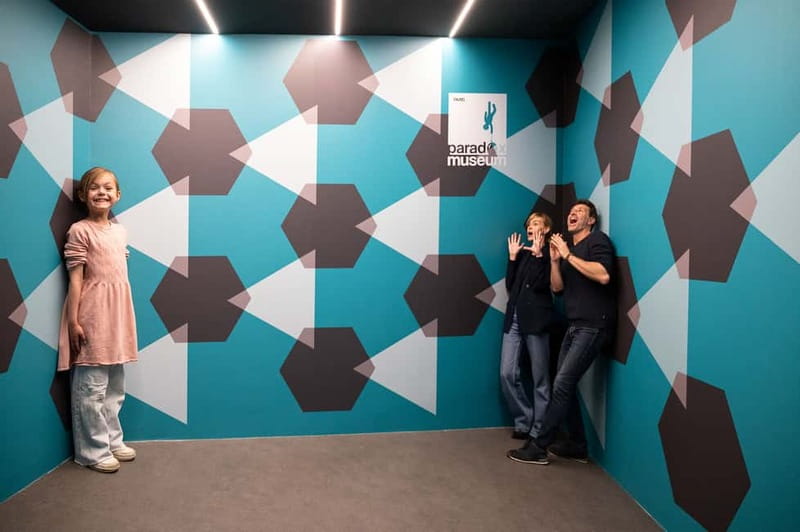
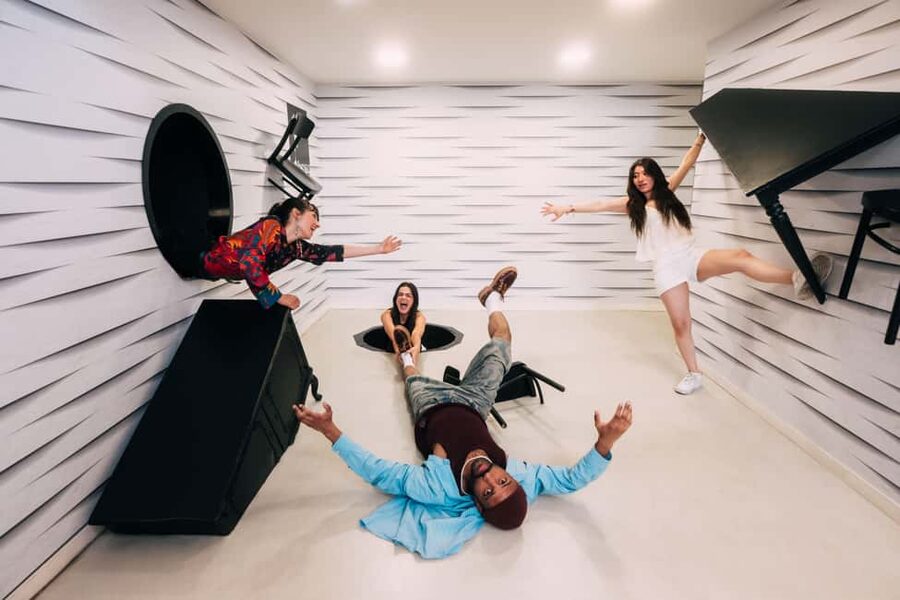
The headline is 90 different optical illusions. That number is big enough that you will not feel like you are repeating the same trick, but it is also manageable within an hour and a half if you keep a steady pace.
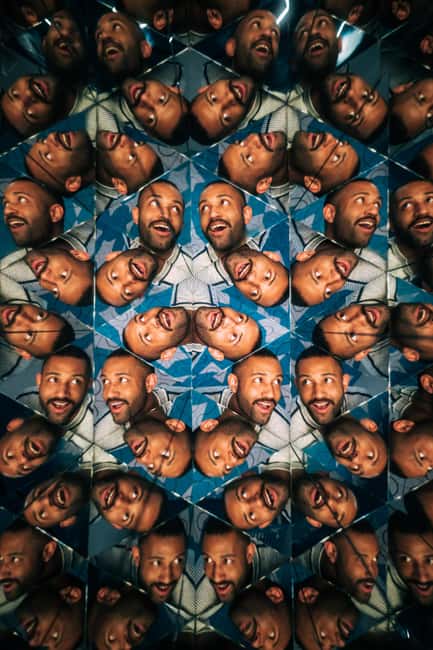
Each exhibit is built around a specific visual effect. Some are the classic “my eyes think they see one thing, but my brain is fooled” kind. Others play with perception in a way that makes you pause, then laugh at how confidently your vision lied to you.
What you should do, practically, is treat it like a photo scavenger hunt with a science worksheet. Here is a simple rhythm that works well:
1) Try the illusion first, no peeking at the explanation.
2) Take one quick photo immediately after you figure it out.
3) Then read the exhibit text or scan the QR code to understand why it works.
The museum also includes marked photo points designed to help you get the right angle. That is huge, because lighting and positioning matter for illusion photos. If you skip the marked spot, your image might look less impressive later. Use the spot, then experiment by moving your hands and stance slightly for better results.
If you are going on a busy day, the photo points can turn into a short wait. The one-way flow usually helps, but if you want fewer pauses, aim for an off-peak time. Even simple choices like going earlier in the day can change the whole feel.
The science of paradoxes, explained right at the exhibit
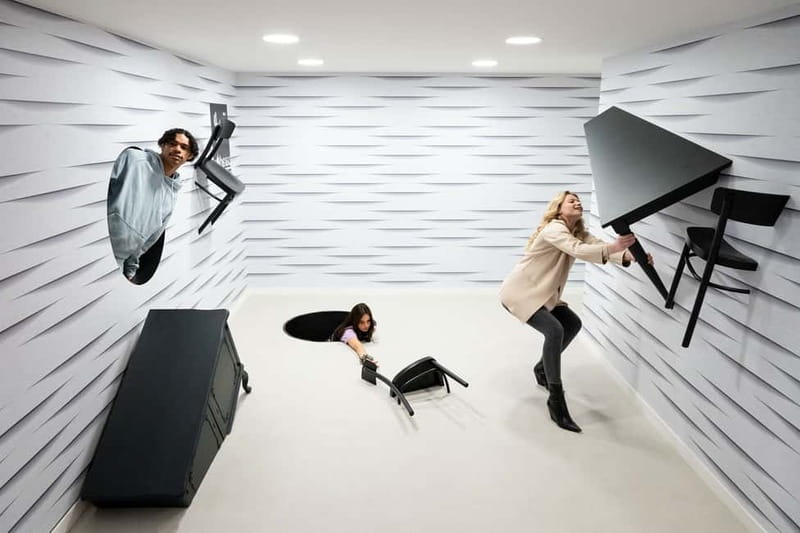
This museum does not just show illusions and call it a day. It also explains the science behind paradoxes. At each exhibit, you get descriptions that explain both what to do and what is going on.
That structure is great for two kinds of visitors:
- If you love learning, you get the explanation right where the effect happens.
- If you just want fun, the instructions still guide you through the experience without turning it into a lecture.
The museum also uses scannable QR codes. That is useful when you want more context, but you do not want to slow down the main flow. You can scan quickly, move on, and go back later if something sparks your curiosity.
I appreciate that the museum tries to make the ideas accessible. Paradoxes can sound abstract, but here the concept is tied to what you actually experience in front of you. Your brain plays along first, then the explanation clears up the confusion.
Staff help where it counts, without hovering
The museum experience is not fully dependent on a guide walking you through every step. Instead, it is set up for self-guided discovery within that one-way route.
Still, staff do show up at key moments. They can help if you need support taking group photos. That is a real quality-of-life detail, especially if you are traveling with family, or you want a couple to get a couple shots without splitting your group.
One small caution: the museum support is not described as being right next to every single exhibit item. So if you want help at every photo point, you might not get it instantly. The trade-off is that you keep control of your pace. Most people seem to like that balance.
If you are traveling solo, you might find it slightly more work to manage your photos while still reading and trying the illusions. A good tactic is to plan a few “solo” photo moments where you use the marked points, then let your hands free for the rest.
More Things to Do in Paris


Time management: getting through the maze without feeling rushed
Plan for around 84 minutes, but build in a little flexibility. The average visit is close to 90 minutes, and that aligns with the number of illusions plus the time needed for reading and photos.
If you want to leave feeling satisfied, I recommend treating the visit as three phases:
- The fast start: 20 to 30 minutes to hit a good chunk of illusions while the effects feel fresh.
- The photo block: 30 to 40 minutes where you slow down just enough to use the photo points properly.
- The finish and learn: the last 15 to 25 minutes for the remaining exhibits and the QR scans you missed earlier.
This keeps you from rushing at the end. It also helps if you are with kids, because children often want “one more” after a great photo. Better to leave room for that than to regret it when you hit the last entry window.
And again, remember last entry is at 6 p.m., two hours before closing. So if you are aiming to do other evening plans in Paris, pick your timing carefully.
The Paradox Boutique and café stop you can actually enjoy

Included with the ticket, you have access to the museum store and café. That means you can keep the experience going even after the last illusion photo.
The Paradox Boutique is the kind of gift shop that makes sense here. You get games, clothing items, souvenirs, and accessories, all tied to paradox themes. You should expect typical tourist-shop pricing, but one detail I like is that at least one review notes the gift shop was not overpriced. That suggests it aims to be fair rather than just cashing in.
The café is also a practical benefit. When you spend 84 minutes doing eye and brain workouts, you might want a pause. If you need a snack or a break before heading back into Paris, you do not have to hunt for food right away.
Also, if you are traveling with kids, the store-café combo helps keep moods steady. It gives everyone a transition moment instead of everyone spilling out hungry and overstimulated at once.
Value in Paris: why this ticket can make sense
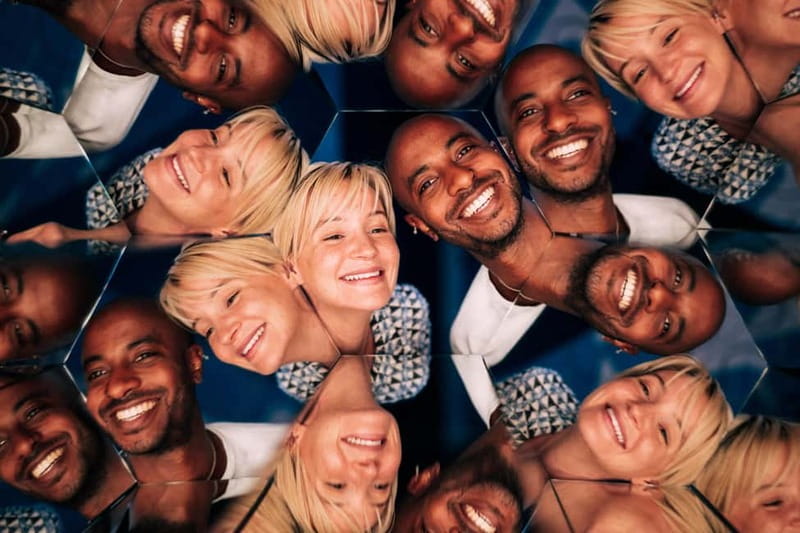
For Paris, $34 per person for around 84 minutes is often a fair trade when you want something hands-on, especially if you have kids. A classic museum visit can cost a similar amount and still feel passive for younger travelers. Here, your eyes do the work. Your brain does the work too.
I also think the value is stronger because you get more than a single photo moment. You get 90 distinct illusions plus explanations and QR codes, plus the café and boutique access. In other words, it is not just a “one trick” stop.
Several reviews highlight good value for money and excellent photo opportunities. That matches what the museum is clearly designed to do. If you care about photos, the marked photo points and photo-ready layout help make your pictures look good instead of random.
The best way to think about price is this: you are buying a focused, structured experience that is easy to fit into a travel day. In a city where time can feel expensive, that matters.
Who should book Paradox Museum Paris, and who should skip it
This is a strong match if you want:
- A family-friendly activity that keeps kids engaged
- A photo-heavy museum experience without needing fancy equipment
- A short, structured indoor plan for a rainy day in Paris
- A science-meets-fun stop where you learn while you play
One review specifically notes it worked well for a daughter and father-daughter style visit. Another mentions an older visitor found it suitable at age 64. That suggests it is broad enough for adults and kids who enjoy interactive learning.
But it is not for everyone. It is not suitable for people with epilepsy. If that applies, you should choose a different activity.
If you are the kind of visitor who needs a lot of time alone to read every panel and linger at each illusion, you might find the pace slightly tighter than you want. The experience is designed as a route with an average time target.
My quick booking checklist before you arrive
A smooth visit depends more on timing and mindset than on anything else. Here is a simple checklist you can use:
- Aim to arrive early enough that you feel comfortable before last entry at 6 p.m.
- Wear shoes that let you move easily. You will walk and pivot for photo angles.
- Plan for photos at the marked photo points. They save time and improve results.
- If you care about learning, use the exhibit explanations first, then scan QR codes selectively.
- If you are with a group, decide ahead of time who will take which photos so nobody is stuck searching for help.
If the museum is not crowded, you get to enjoy the illusions without waiting. If it is busy, expect some lines at photo moments.
Should you book this ticket?
Yes, if you want a practical, short activity that mixes learning with major eye-candy. The combination of 90 illusions, photo points, and clear exhibit instructions makes it easy to have fun quickly, and still come away feeling like you learned something real.
I would skip it only if epilepsy is a concern, or if you strongly prefer traditional museums where you can slow down for long reading sessions. Otherwise, this is a smart Paris add-on, especially for families, rainy days, and anyone who loves clever visual effects.
FAQ
How long does the Paradox Museum Paris visit take?
The experience is listed with a duration of 84 minutes on average, and it is designed as a one-way flow through the exhibits.
How much is the ticket per person?
The price is $34 per person.
What is included with the ticket?
Your ticket includes entrance to the Paradox Museum Paris exhibits, and access to the store and café.
What time do I need to arrive, and is there a last entry time?
Last entry is at 6 p.m., which is two hours before closing.
What languages are available for the host or greeter?
The host or greeter is available in English and French.
Is the Paradox Museum Paris wheelchair accessible?
Yes, it is wheelchair accessible.
Is this activity suitable for people with epilepsy?
No, it is not suitable for people with epilepsy.
How big are the groups?
The group size is limited to 10 participants.
Can I get help with photos?
You can ask questions and the staff can help with group photos. There are also marked photo points to support good angles.
Latest Paris entries, notes attached






Museums, compared.
Louvre Museum Masterpieces Guided Tour with Access
Read our review →
Louvre Museum Entry Ticket With Host and River Cruise
Read our review →
Les Invalides: Napoleon’s Tomb & Army Museum Entry
Read our review →
Musée de l’Orangerie Reserved Entrance Ticket
Read our review →
Louvre Museum – Exclusive Guided Tour (Entry Included)
Read our review →
Louvre Museum Hosted Entry and Mona Lisa Audioguide
Read our review →
This tour also appears in