Reviewed · GUIDED
Paris: Pere Lachaise Cemetery Guided Tour
Père Lachaise feels like Paris’s most personal museum. You walk the cemetery’s cobbled paths and get live French guide storytelling that brings the famous dead to life, plus you’ll get to see standout graves like Marcel Proust and Edith Piaf. The big catch is simple: it is not suitable for wheelchair users or anyone needing special assistance, so wear shoes and plan for walking over uneven ground.
This is a 3-hour, entrance-included tour that works well if you want meaning, not just names. It is a certified necro-romantic experience in a site with about 70,000 graves, 5,300 trees, and 44 hectares of garden-like paths and lanes, and the tone is part humor, part historical accuracy. With a 4.8 rating from 901 reviews and guides under Thierry Le Roi & les Nécro-Romantiques, the emphasis is on stories you can follow, not rushed sightseeing.
In This Review
- Key Things You’ll Notice on This Père Lachaise Tour
- A Hilltop Open-Air Museum With 70,000 Graves
- Where You Start: Rue des Rondeaux and Metro Gambetta
- What 3 Hours Feels Like on the Ground
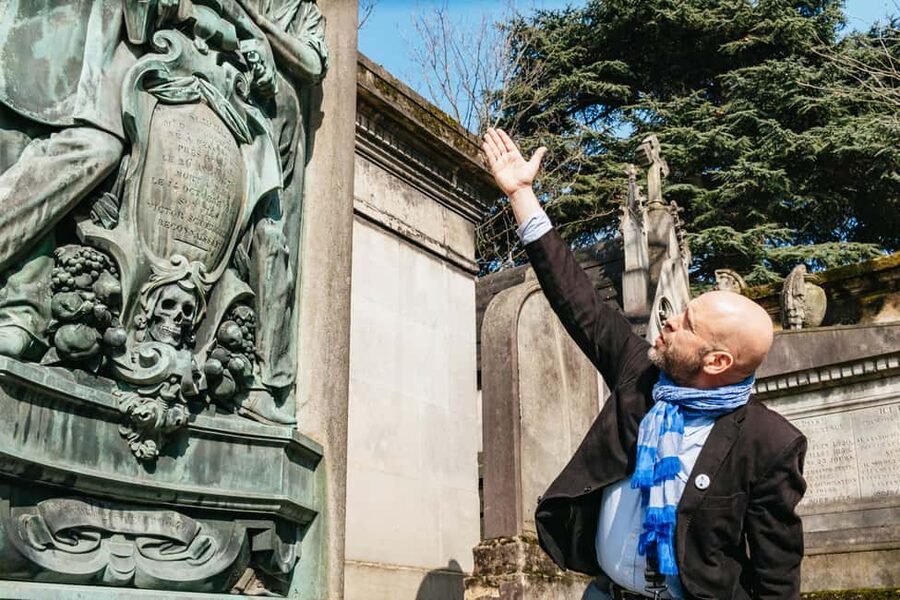
- How the Guide Turns Monuments Into Stories
- The Main Stops: Famous Graves You’ll Plan Around
- Marcel Proust, the Literary City Within the Cemetery
- Edith Piaf, Emotion and Public Memory
- Honoré de Balzac, The Power of Craft
- Molière and La Fontaine, Comedy and Storytelling as Memorial
- Chopin and Jim Morrison, Music Across Eras
- Oscar Wilde, A Transnational Stop
- Molière, La Fontaine, and the Fun of Comparisons
- Delacroix and Géricault, Art and Image-Making
- Jim Morrison, the Moment That Feels Like Pop-Culture History
- Funerary Art: What You’re Actually Learning to Look For
- Tips for Comfort and a Smooth Start
- Who This Tour Is Best For
- Price and Value: What $23 Buys in Real Terms
- Should You Book This Père Lachaise Guided Tour?
Key Things You’ll Notice on This Père Lachaise Tour
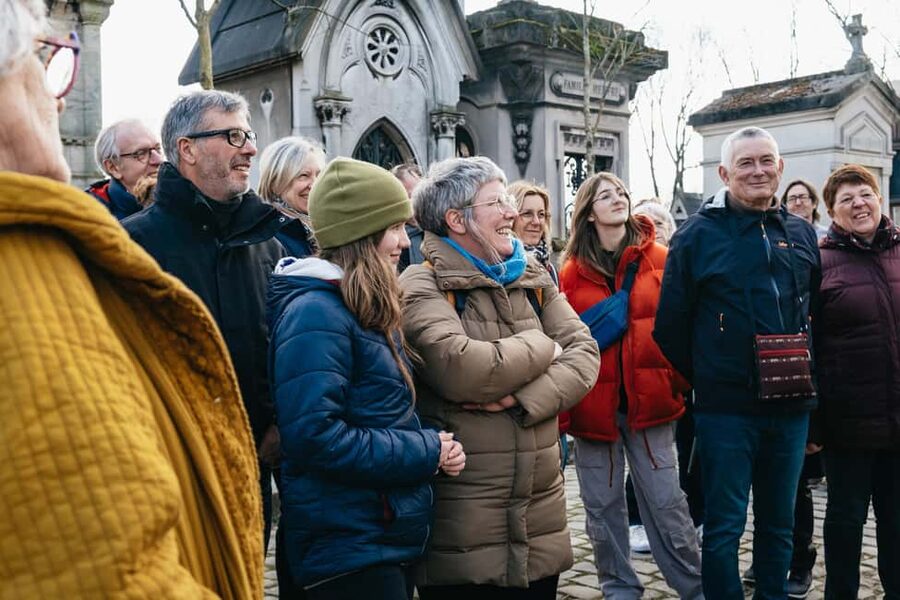
- Guided funerary art, not just famous names: you learn how the monuments work and why the cemetery became world-famous.
- A guide-driven story pace: jokes land, but the history stays straight.
- Big stops that anchor the walk: Proust, Piaf, Balzac, Molière, La Fontaine, Chopin, Oscar Wilde, Jim Morrison, and others.
- A true walking experience: cobbled paths, lots of turns, and plenty of ground to cover in 3 hours.
- Top-rated live guiding: Thierry is repeatedly praised for humor and deep site knowledge.
A Hilltop Open-Air Museum With 70,000 Graves
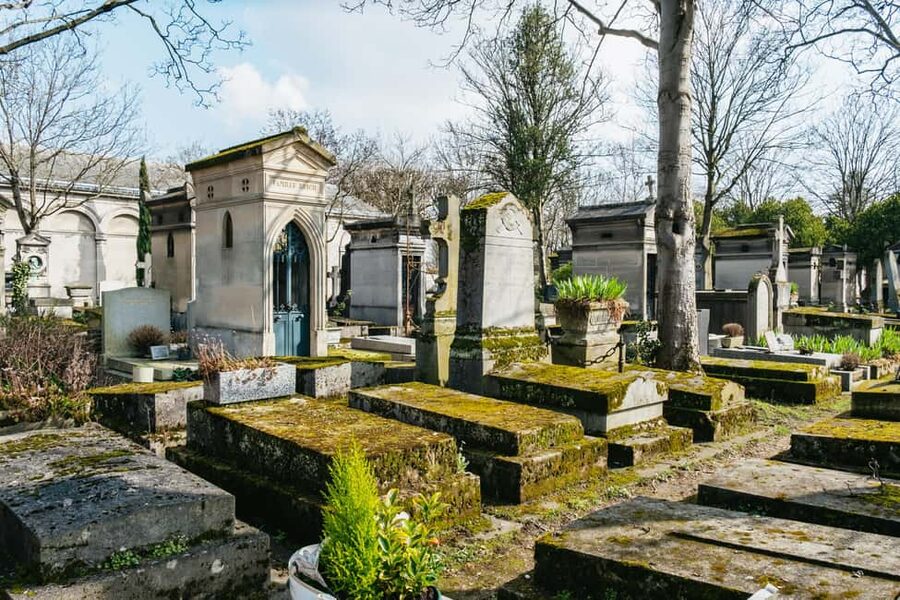
Père Lachaise is not a quiet corner of Paris. It is a full-on open-air museum, spread across a big area, with cobbled paths and funerary art you can’t really appreciate from a map alone. The setting helps you understand why this cemetery has become a destination. It is landscaped in a way that feels like an outdoor neighborhood, with trees and winding routes that make the place feel both grand and intimate.
The tour’s pitch makes sense for visitors who want more than checkmarks. Yes, you’ll see famous graves. But the better reason to go is the way the cemetery is framed as a story machine. The tour is described as necro-romantic, and that means you are not only learning dates. You are getting anecdotes about the people, plus the little details that turn a monument into a personality.
There’s also a practical upside. Because Père Lachaise can feel like a maze, a guide helps you keep your bearings fast. Instead of spending your energy hunting for names, you spend it noticing. That is where the value of a guided tour comes in.
Where You Start: Rue des Rondeaux and Metro Gambetta
This tour is easy to find once you know where to meet. You meet at the entrance to Père Lachaise Cemetery on Rue des Rondeaux. The nearest metro station is Gambetta (Line 3), but the meeting point is not right at the station, so you should give yourself a buffer.
Plan to arrive 15 minutes early. That’s not overkill in a place like this. The cemetery entrance area gets busy, and you’ll want a moment to orient yourself before the guide starts the first segment.
Also, language matters here. This is a French-language tour. If your French is basic, you might still catch a lot of the story through tone and repetition, but you should expect that the core content is delivered in French.
More Things to Do in Paris
- Paris: 1-Hour Seine Cruise departing from the Eiffel Tower
★ 4.4 · 77,472 reviews - Disneyland® Paris 1-Day Ticket
★ 4.6 · 49,412 reviews - Paris: Versailles Palace and Gardens Full Access Ticket
★ 4.6 · 41,579 reviews
What 3 Hours Feels Like on the Ground
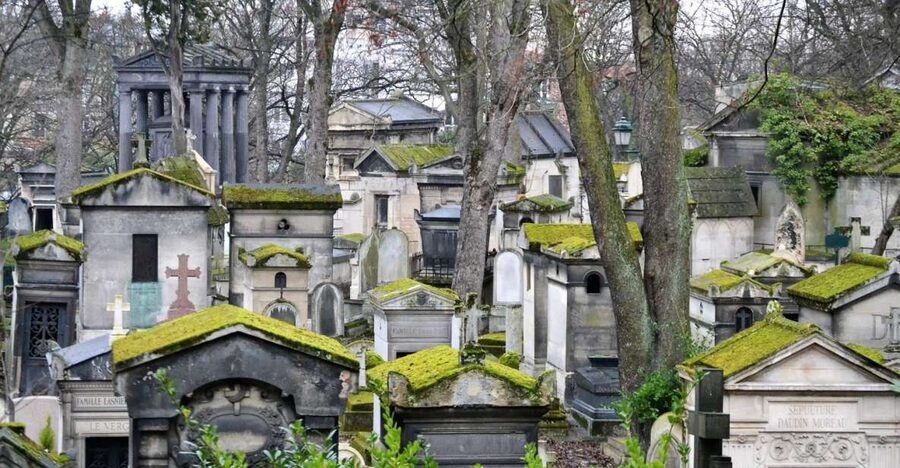
Three hours sounds simple until you walk in a place built for the long term. Père Lachaise is large, and the paths twist. Even if you’re an experienced walker, you’ll feel the pace. This tour is designed around that reality. You’re not doing a long hike in the mountains, but you are moving.
That’s why the one clear “bring this” item is comfortable shoes. The cemetery’s cobbled paths and uneven ground are part of the experience, but they are also what make good footwear non-negotiable.
Another timing note: you can check starting times by availability, which means the best plan is to pick a slot that fits your day rhythm. If you’re also visiting other Paris landmarks that require less walking, scheduling this earlier in your day can help you stay fresh.
How the Guide Turns Monuments Into Stories
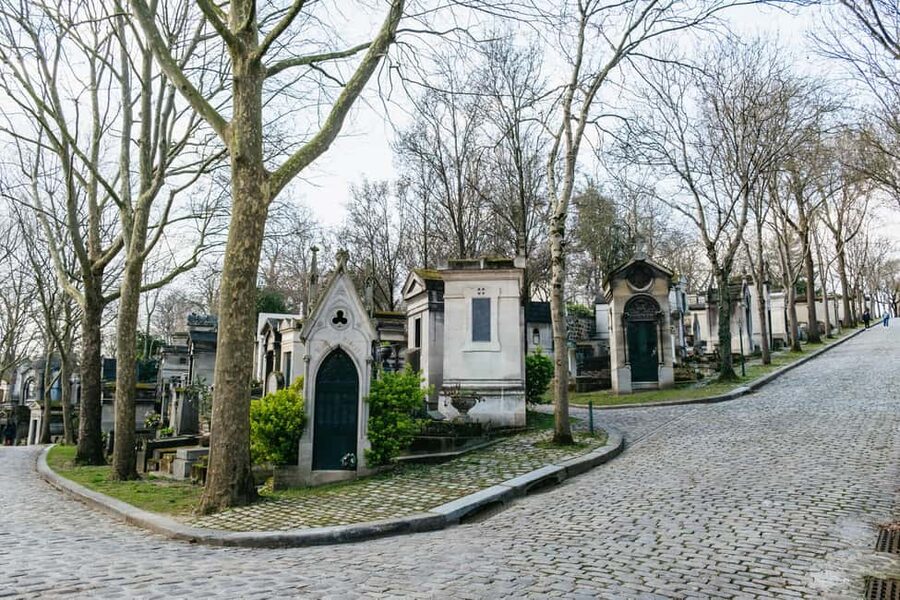
The heart of this tour is the live guide, connected to Thierry Le Roi & les Nécro-Romantiques. The style is described as humor with historical accuracy, and that balance is exactly what you want in a cemetery tour. If it turns too solemn, you lose momentum. If it turns too silly, you miss the point. This format aims for the middle.
The guide’s job is to help you read the place. Funerary art can look beautiful at a glance, but it becomes more meaningful when you know what to pay attention to: symbolism, the way names and dates are presented, and how each person’s public image gets translated into a monument.
The best part is the energy. The tour frames Père Lachaise as an enchanted hill in the heart of Paris, and the storytelling keeps the walk from feeling like a list. You get anecdotes that link past reputations to the present day, which is where the necro-romantic label earns its keep.
The Main Stops: Famous Graves You’ll Plan Around
This tour doesn’t only mention big names. It guides you to them, and it uses those stops as anchors for broader storytelling about art, literature, and culture.
Here are the headline figures you can expect to see during the walk, along with what each stop tends to help you understand.
Other Paris bookings in the margin notes
Marcel Proust, the Literary City Within the Cemetery
If you come to Père Lachaise for one literary landmark, Marcel Proust is a strong choice. Seeing Proust’s grave in this setting helps you connect French literature to the physical world. You also start to notice how Père Lachaise memorializes writers differently from more political or musical figures.
This stop is a good moment to slow down and look. At least take in the monument’s overall form, how the name is presented, and the surrounding placement within the cemetery’s lanes. Even without special knowledge, you’ll feel how carefully the cemetery treats fame as something meant to last.
Edith Piaf, Emotion and Public Memory
Edith Piaf is one of the most moving stops on any Père Lachaise route. Piaf’s presence reminds you that some legacies are built from voice and performance, and that gets echoed in how people remember her. The tour format uses her grave to connect biography with cultural impact.
When you pause here, don’t rush to the next name. Spend a minute thinking about what “final resting home” means when a person’s work is still in the air decades later. That’s the kind of interpretation the guide’s commentary is meant to spark.
Honoré de Balzac, The Power of Craft
Honoré de Balzac brings a different energy. He represents craft, ambition, and the long haul of writing. In a cemetery tour, seeing Balzac’s monument helps you understand how Père Lachaise became a stage for reputations.
This is also a helpful stop if you like history told with personality. The guide’s humor and anecdotes can work well here because Balzac’s story can handle both seriousness and wit.
Molière and La Fontaine, Comedy and Storytelling as Memorial
Molière and La Fontaine are often linked because they both shaped how France tells stories. On this tour, they matter not just because they are famous, but because they show the range of literary influence the cemetery holds.
Look at this pair as a thematic block. After you’ve seen a dramatic figure like Piaf and a novelist like Balzac, stepping into the world of comedy and fables helps the cemetery feel less like a graveyard and more like a cultural index.
Chopin and Jim Morrison, Music Across Eras
Chopin and Jim Morrison are a striking combination, and that’s the point. One is tied to classical music, the other to rock history. Seeing both on the same tour widens your mental map of “French culture” into a broader idea of artistic legacy.
This is where the guide’s past-and-present anecdotes are especially useful. You begin to understand why Père Lachaise is famous beyond France. People recognize the names, but the cemetery also gives those names an emotional geography you can stand in.
Oscar Wilde, A Transnational Stop
Oscar Wilde is another major name that helps explain why this cemetery functions like a European landmark, not a purely local one. Wilde’s grave makes the tour feel connected to the wider world of art and literature.
If you enjoy cross-cultural angles, you’ll likely appreciate this moment. It helps you see how Père Lachaise became a final resting point for extraordinary women and men whose impact traveled far beyond their lifetimes.
Molière, La Fontaine, and the Fun of Comparisons
After multiple stops, you start noticing patterns. The tour encourages you to treat each monument as a different “voice” in the cemetery’s overall language. That’s where you get more than basic sightseeing. You learn to compare.
Even if you are not an art expert, you can still make sense of the differences by focusing on: how the monument’s design communicates the person, and how the cemetery’s placement and pathways create a route through art and memory.
Delacroix and Géricault, Art and Image-Making
Delacroix and Géricault represent the visual arts side of Père Lachaise’s fame. Their inclusion strengthens the tour’s point: this cemetery is known for funerary art, and it brings together major figures from multiple creative fields.
When you reach these stops, treat them like breaks in the walk. The guide’s commentary can help you look longer at sculptural elements and how the monument contributes to the overall aesthetic experience of the cemetery.
Jim Morrison, the Moment That Feels Like Pop-Culture History
Jim Morrison is one of the stops that helps Père Lachaise connect with a modern audience. His name brings a different kind of recognition, which helps the tour stay lively.
In practical terms, this is also a reminder that the cemetery is not frozen in a single century. It hosts legacies that feel current, even when the stonework is older.
Funerary Art: What You’re Actually Learning to Look For
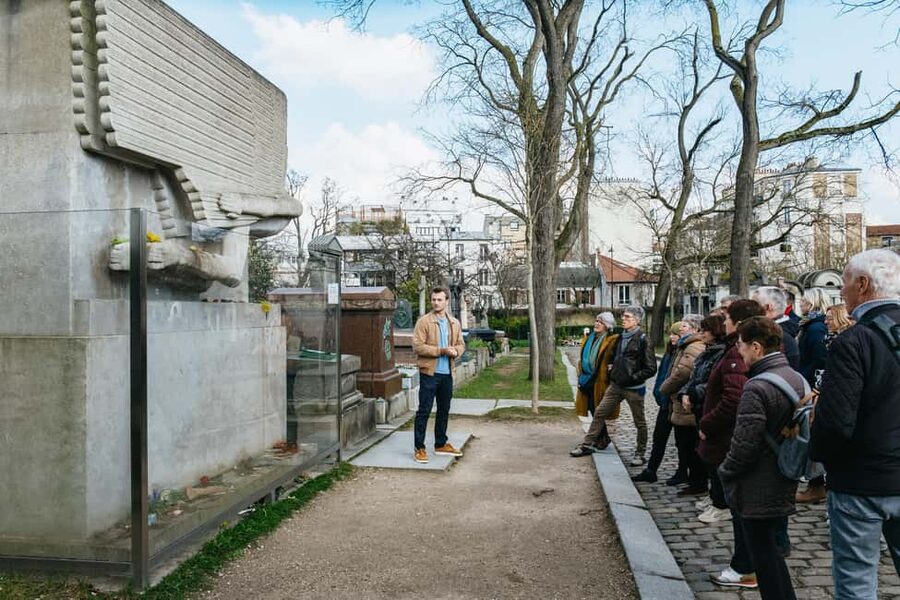
The tour promises stunning funerary art, but the real value is what the guide helps you notice. Funerary art is designed to speak after the person is gone. That means it usually mixes emotion, symbolism, and public image.
As you move through Père Lachaise, you’ll likely find yourself paying attention to three things:
- How the monument’s design communicates status and personality
- How inscriptions and names are presented as lasting records
- How sculptural style shapes the feeling of the space around it
The guide’s humor and historical accuracy also matter here. If you walk through funerary art without context, you might admire the look but miss the meaning. With a guide, the art becomes a readable form of biography.
Tips for Comfort and a Smooth Start
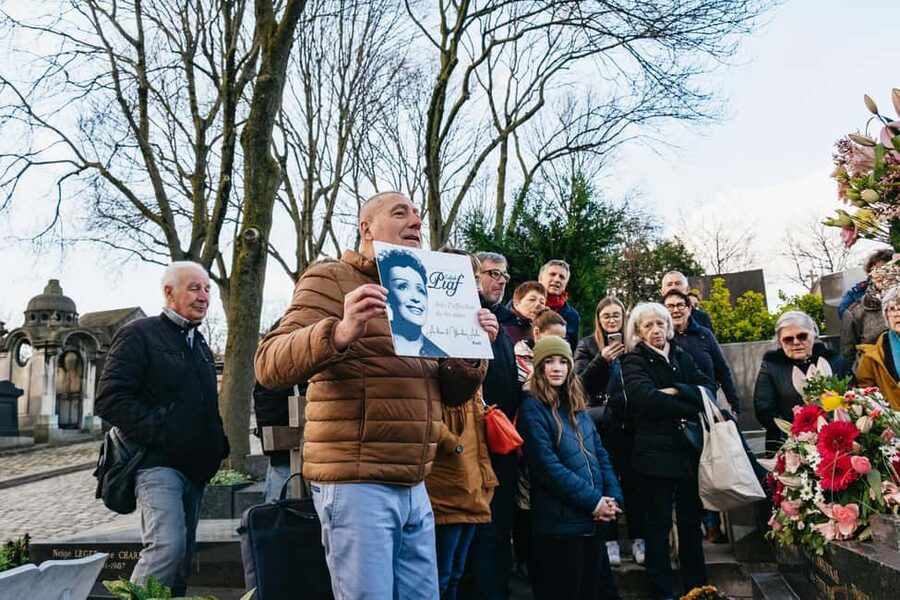
You’ll have a better experience if you handle the few realities up front.
First, wear shoes that can handle uneven ground. The cemetery’s cobbled paths are part of what makes it feel authentic, but they are also what can punish flimsy footwear.
Second, plan your day so you can walk. This isn’t a sit-down museum visit. It’s a 3-hour outdoor route inside a labyrinthine cemetery. If you stack it with other lots-of-walking stops, you may feel tired sooner than expected.
Third, come ready for a French-language tour. This is not listed as an English tour, so if French is difficult for you, you’ll want to manage expectations. Still, the format is guided by storytelling, and that can make the experience easier to follow even if your vocabulary is limited.
Who This Tour Is Best For
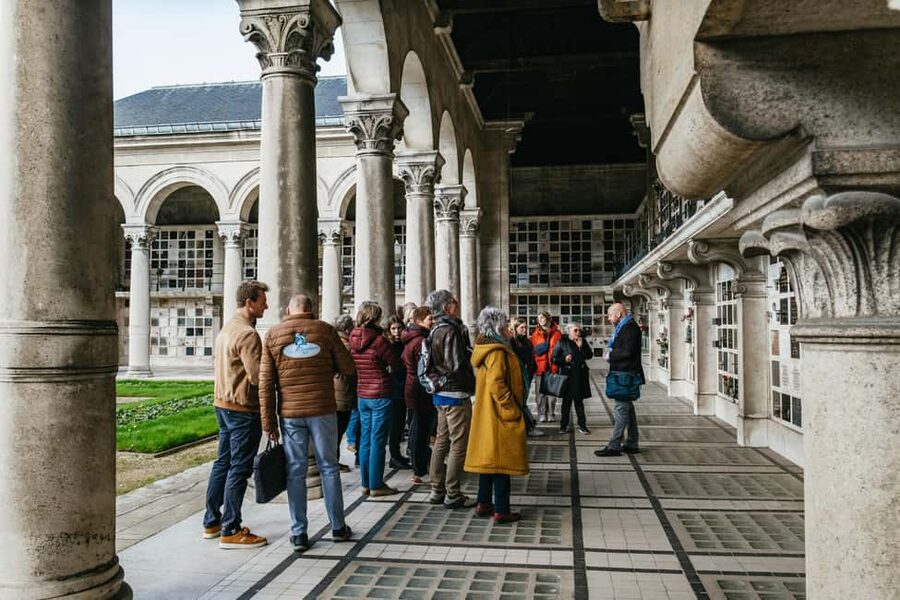
This guided tour fits best if you want:
- A Paris cemetery experience that feels like a cultural walk, not a silent visit
- Famous graves with commentary that explains why they matter
- Humor and historical accuracy in the same package
It is especially good for couples, solo travelers, and anyone who likes literature, music, and art but doesn’t want to build a self-guided itinerary from scratch.
It is not a good fit if you need wheelchair access or special assistance, since the local provider can’t accommodate those needs.
Price and Value: What $23 Buys in Real Terms
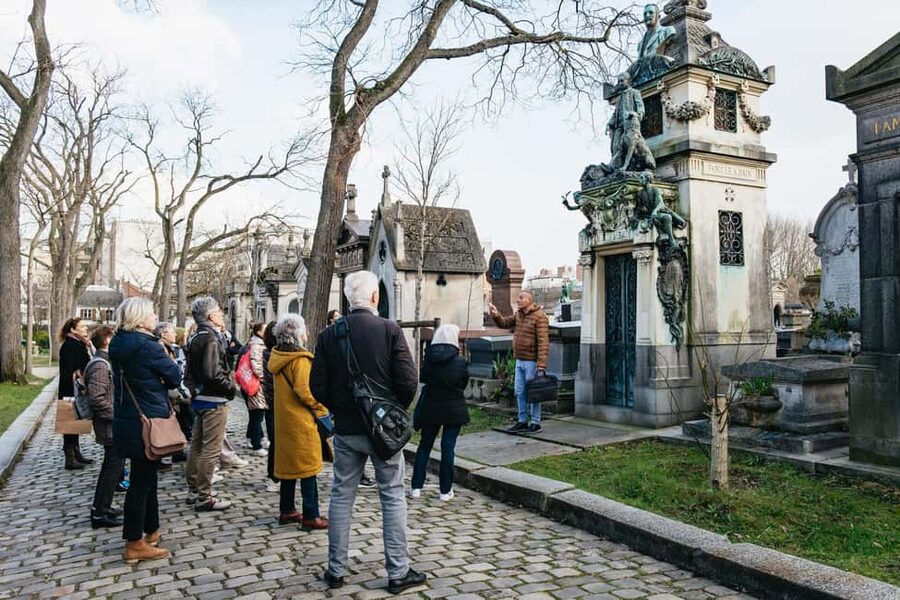
At about $23 per person for a 3-hour live guided tour, this is one of the most affordable ways to get a structured, narrative experience in one of Paris’s biggest sites. The price includes the live guide and the entrance fee.
The real value is not that you pay less than you would for entrance alone. The value is that the guide turns time spent walking into comprehension. Père Lachaise is too big and too twisty to do well without help, unless you already know where you’re going and what you’re looking at.
So if you want an organized route, clear stories, and famous stops handled in a way you can actually enjoy, the pricing makes sense. If you prefer total DIY freedom and you already know exactly which graves you want, you might question whether you need a guide. But for most visitors, the guide saves energy and adds meaning.
Should You Book This Père Lachaise Guided Tour?
I’d book it if you want Père Lachaise to make sense quickly, with a guide who balances humor and history, and if you care about seeing major names like Proust, Piaf, Balzac, Molière, La Fontaine, Chopin, Oscar Wilde, and Jim Morrison in a way that feels like more than a photo stop.
I would skip it if you cannot do uneven walking, or if you need the tour in a language other than French.
If you’re aiming for an authentic Paris experience that is memorable for the art and the stories, this is a solid choice, and the 4.8 rating backs up the idea that the guiding quality is the main reason people come back.
Latest Paris entries, notes attached






Guided, compared.

Louvre Guided Tour with Reserved Access & Boat Cruise
Read our review →
Louvre Museum Masterpieces Guided Tour with Access
Read our review →
Louvre Museum – Exclusive Guided Tour (Entry Included)
Read our review →
Skip-the-Line Guided Palace Tour and Full Access
Read our review →
Louvre Access with Mona Lisa Escort or Guided Option
Read our review →
Louvre Museum: Skip-the-Line Small Group Guided Tour
Read our review →
Louvre Museum Paris Essential Guided Tour Semi-Private 6ppl Max
Read our review →