
Reviewed · MUSEUMS
Paris: Rodin Museum Guided Tour with skip-the-line tickets
Rodin hits differently when someone connects the dots. I like this tour for its skip-the-line entry and its tight 2-hour small-group format that keeps you moving without feeling rushed, plus the garden time is a real payoff. The one thing to factor in is that it is not a sit-and-rest museum style tour, and the notes say it may not work well for wheelchair users.
If you get a guide like Blerta Meraj or Vincent, you’ll see why the reviews are so consistent. They bring an artist’s lens, keep the pace lively, and explain why Rodin’s work looks the way it does, not just what it’s called. You’ll walk out with a clearer sense of how late-19th-century political, artistic, and philosophical ideas fed into Rodin’s big break, and how that shaped modern art too.
In This Review
- Key takeaways before you go
- Skip-the-Line Rodin entry, with context that actually sticks
- Start at 77 Rue de Varenne, then orient fast
- The core loop in the Musée Rodin galleries (2 hours total)
- What you’ll see: The Thinker, The Kiss, The Gates of Hell, and more
- How the guide ties Rodin to ideas, not just aesthetics
- Rodin’s studio visit: the “how” behind the look
- The gardens are part of the plan, not a break between highlights
- The building’s rococo details: why the setting affects the art
- Timing, pace, and what a 2-hour plan can realistically cover
- Price and value: why $116 can be fair for this kind of access
- Who should book this Rodin tour (and who should think twice)
- Should you book this Musée Rodin skip-the-line tour?
- FAQ
- How long is the Rodin Museum guided tour?
- Is this a small group tour?
- Does it include skip-the-line tickets?
- Where do we meet?
- Is the guide in English?
- What should I bring, and what is not allowed?
- Is wheelchair access available?
- Is food included, and do we cover temporary exhibitions?
Key takeaways before you go
- Skip-the-line tickets save time right when you’d rather be inside.
- Small group size (about 8 to 9) makes it easier to ask questions and get pointed attention.
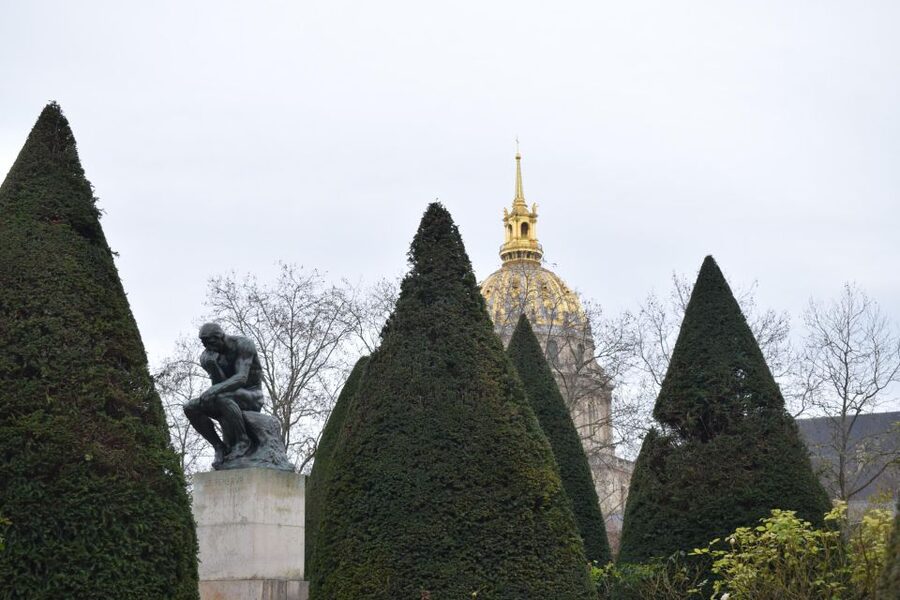
- Rodin’s major works covered including The Thinker, The Kiss, and The Gates of Hell, plus lesser-known pieces.
- Studio-style storytelling helps you understand technique and why the sculptures feel so alive.
- French Gardens + building architecture are not side quests, they’re part of the main route.
Skip-the-Line Rodin entry, with context that actually sticks
Getting into Musée Rodin quickly is not a minor detail in Paris. Lines can eat an entire morning, and you only have two hours here, so this tour’s skip-the-line ticket matters. Once you’re in, the guide keeps things focused on the sculptures and the ideas behind them.
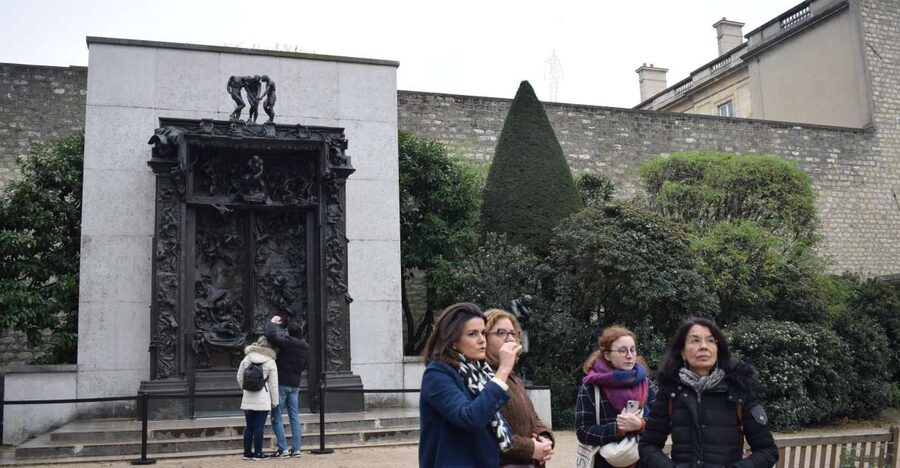
I also like that the tour isn’t just gallery sightseeing. You’re guided through how Rodin revolutionized sculpture, then pulled back to see how that connects to modern art overall. That context turns names like The Kiss or The Gates of Hell into something you can interpret on the spot.
Start at 77 Rue de Varenne, then orient fast
Your meeting point is in front of the museum at 77 Rue de Varenne, 75007. The guide meets you holding a sign that says Connecting France. If you’re arriving by Metro, give yourself an extra 5 to 10 minutes to line up with the right entrance and sign, not just the building.
Before you hit the main museum flow, expect a short orientation and setup. This is the kind of quick start that helps you understand where you’re going next, and it also helps when you’re trying to see specific works in limited time.
More French collections worth the coat check:
- Paris: Orsay Museum Entry Ticket
★ 4.7 · 25,647 reviews - Louvre Museum Masterpieces Guided Tour with Access
★ 4.5 · 12,023 reviews - Paris: Louvre Museum Entry Ticket With Host and River Cruise
★ 4.6 · 9,926 reviews
The core loop in the Musée Rodin galleries (2 hours total)
This is a 2-hour small-group tour, and it follows a structured path through the museum galleries and gardens. The “two hours” is important, because it forces a smart rhythm: enough time to look closely, then enough explanation to change how you look.
The tour is semi-private with a cap around 8 persons, and the overall limit is listed as up to 9 participants. That size is big enough to feel social, but small enough that a good guide can adjust if you want to linger at a particular sculpture.
You’ll also hear about the building itself. The notes call out rococo style elements in the architecture, and that matters because Rodin’s setting is not neutral. The space and the sculptures were meant to be experienced together.
What you’ll see: The Thinker, The Kiss, The Gates of Hell, and more
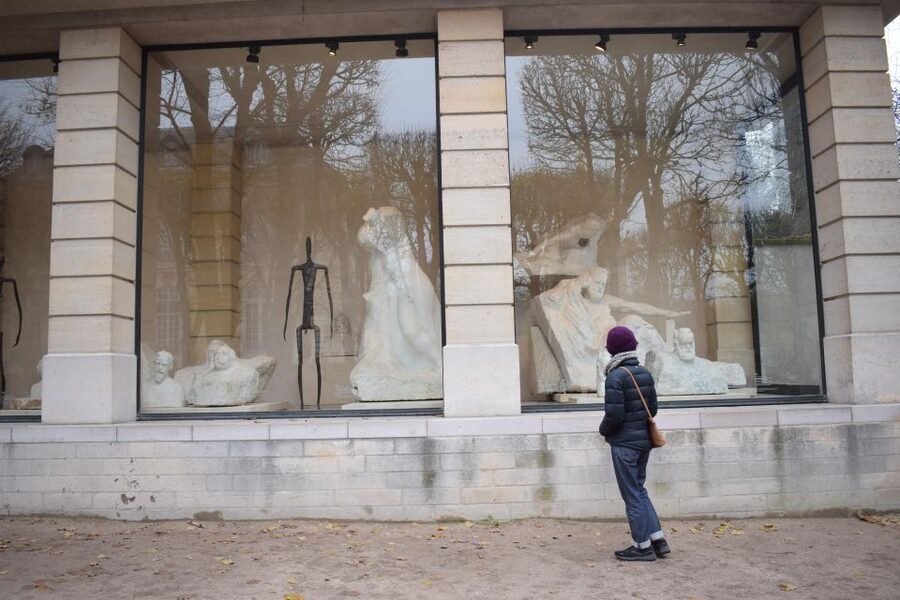
The highlights are clear, and the route is designed to hit the big recognizables: The Thinker, The Kiss, and The Gates of Hell, along with additional sculptures. You won’t get a museum survey of every room, so the payoff comes from seeing key works and understanding why they work as a group.
Here’s the practical advantage for you. When you see multiple “famous” Rodin pieces back to back, you start noticing his recurring approach to emotion, movement, and surface detail. Even if you only knew one statue by name, you’ll leave with a stronger sense of what to look for in the others.
If you’re an art lover, you might also enjoy the lesser-known pieces on the route. Those are often where a guide’s personality really shows up, because they can explain what makes them distinct without relying on people’s prior fame.
How the guide ties Rodin to ideas, not just aesthetics
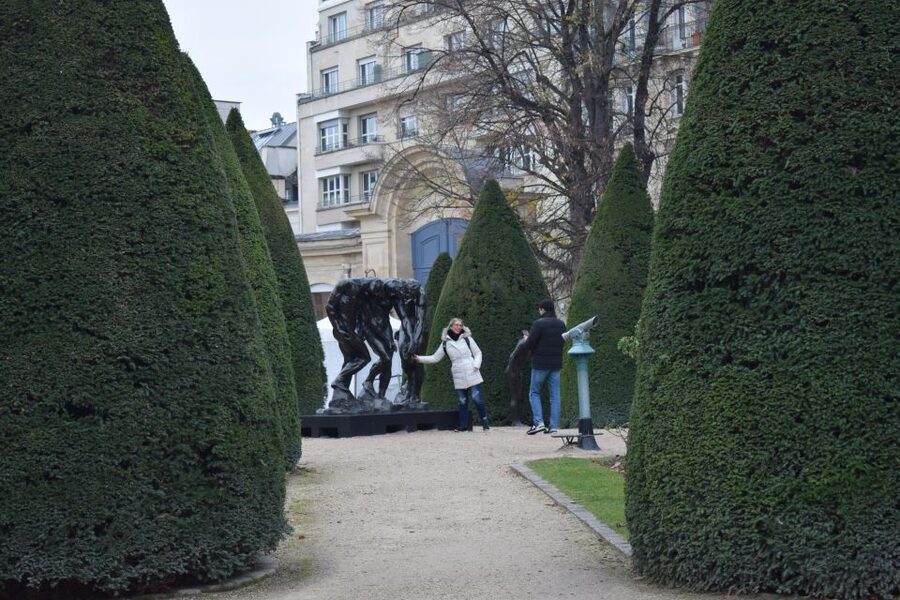
This tour leans into the why behind the work. You’ll hear about late-19th-century political, artistic, and philosophical movements and how they influenced Rodin’s unique approach. The goal is to show you Rodin as a turning point, not just a famous sculptor behind velvet ropes.
In plain terms, that means you’ll get a clearer story for each major work you see. Instead of treating The Gates of Hell like a dramatic backdrop, you’ll understand how Rodin used form and narrative energy to make modern sculpture feel urgent and psychological.
The best reviews also hint at how this teaching lands. Guides like Blerta Meraj and Vincent are repeatedly praised for being entertaining while still packing serious information. That combination matters, because it keeps you engaged even if you’re visiting after a long travel day.
More Things to Do in Paris



Rodin’s studio visit: the “how” behind the look
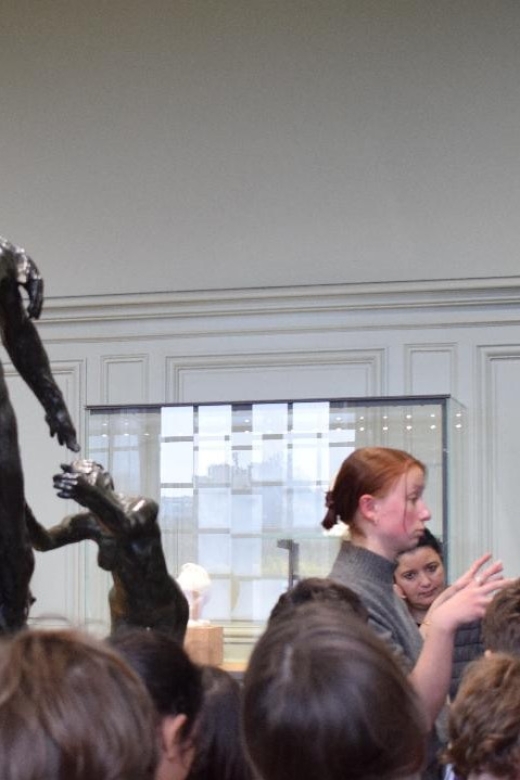
One of the tour’s most interesting components is the studio time, where your guide provides an insider’s perspective on Rodin’s avant-garde vision and techniques. Even if you’ve seen photos of Rodin sculptures, studio context helps you understand what you’re actually looking at.
Why this matters for you: technique changes interpretation. When you know what Rodin was experimenting with, the surface and the pose feel less like a fixed image and more like a choice. You’ll start noticing details you might otherwise miss, like the way different parts of a sculpture seem to push and pull attention.
Also, this is where having an artist-leaning guide can be a big advantage. Multiple reviews mention that Blerta Meraj is an artist herself, and that perspective shows up in how she explains what you’re seeing. It’s not just facts. It’s a way of training your eye.
The gardens are part of the plan, not a break between highlights
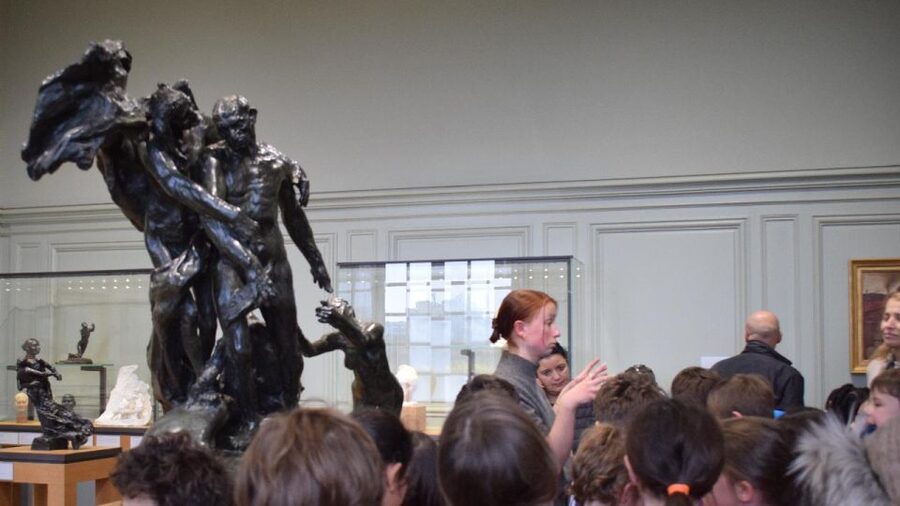
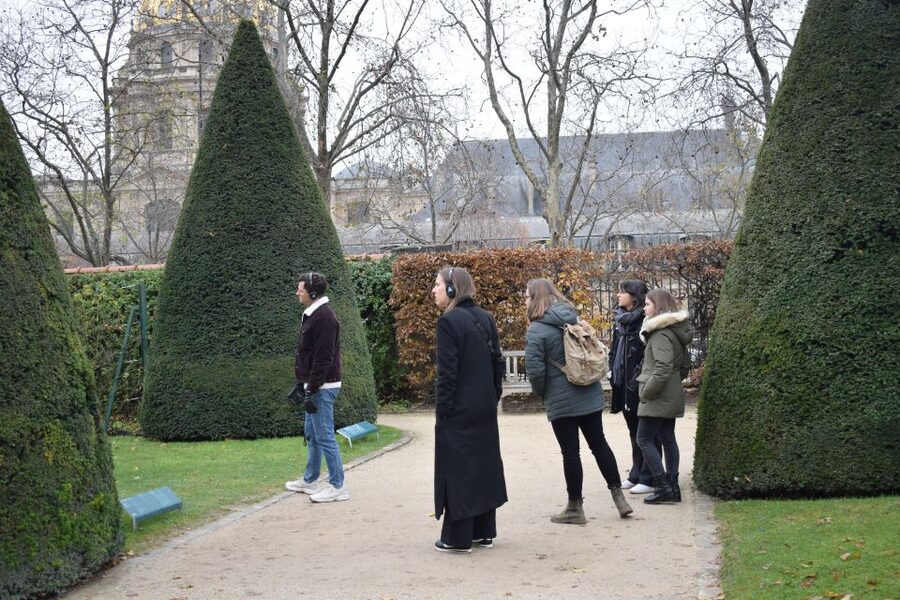
After the galleries, you’ll stroll the French gardens. This is not just “walk around because it’s nice.” The tour is designed so the garden helps you see Rodin differently.
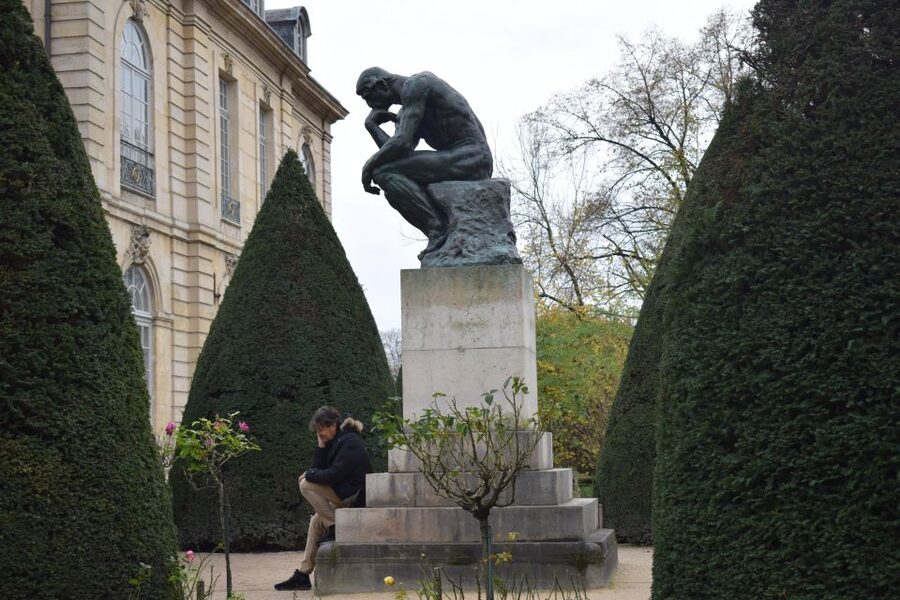
In outdoor space, you get new viewing angles and stronger sense of scale, and that changes how pieces like The Thinker land emotionally. You also get breathing room, which is useful in a timed 2-hour experience. Paris museums can feel like a sprint, but gardens give you time to settle your eyes.
You’ll also find additional works by the artist as you walk. That means the garden isn’t empty scenery, it’s another mini-gallery where the guide can keep tying back to themes you saw inside.
The building’s rococo details: why the setting affects the art
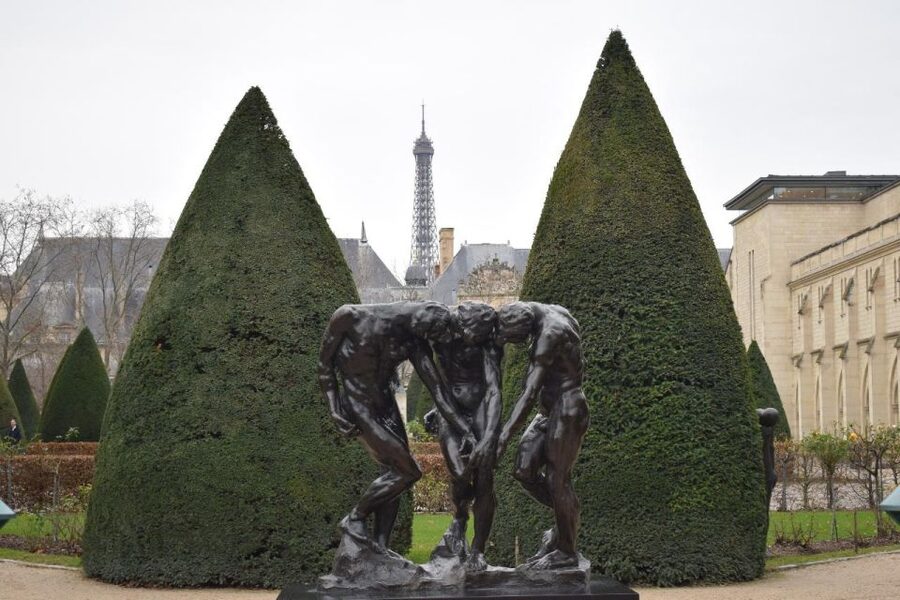
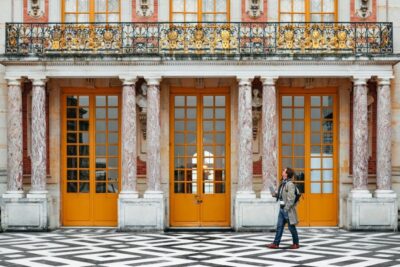
The tour includes commentary on the building architecture, including rococo style elements. If you’ve ever wondered why some museum buildings feel like part of the show, this is your answer.
Here’s the practical takeaway. When you notice the building style while you look at sculpture, you get a fuller sense of how the museum frames Rodin. It’s an art-and-architecture experience, not only a statue lineup.
Timing, pace, and what a 2-hour plan can realistically cover
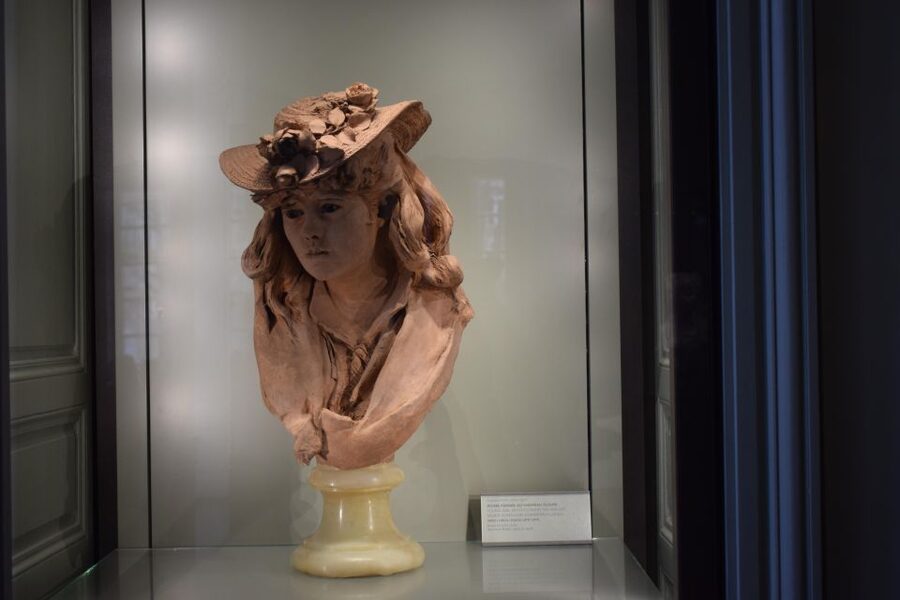
A 2-hour tour can’t cover everything in Musée Rodin. What it can do is give you a high-impact route that hits the major works and the ideas that connect them.
The pacing is also part of the value. Reviews highlight a pattern where you look around, then the guide explains what you’re seeing, and then you look again with better context. That rhythm is perfect for first-timers and also helpful if you’ve been to the museum before and want a new lens.
Because the group is small, the guide can keep the pace moving without leaving you behind. If you’re traveling with teens, this kind of pacing can be especially useful, since the tour has a track record of keeping even jet-lagged visitors engaged.
Price and value: why $116 can be fair for this kind of access
At $116 per person for a 2-hour guided experience, you are paying for three main things: skip-the-line tickets, a professional local guide, and curated time in both galleries and gardens.
If you were doing it solo, you’d still need to manage entry lines and figure out your own route. Here, you get an efficient plan with a guide who can point out what matters fast. For art-focused travelers, that time-saving can be worth a lot.
Also, the small-group cap is part of the equation. It’s not a massive crowd tour where your questions vanish into noise. You’re more likely to get personal attention, or at least enough attention that you feel guided rather than herded.
Who should book this Rodin tour (and who should think twice)
This tour is a strong fit if you:
- Love sculpture and want to understand why it looks and feels the way it does
- Want a guided route that covers the major works, plus a few extras
- Prefer small groups and a lively, explanation-forward guide
It may be less ideal if you:
- Want a long, unstructured museum wander. Two hours goes quickly.
- Need full wheelchair access. The notes say wheelchair tours are available only on request, but the tour is also listed as not suitable for people with mobility impairments and for wheelchair users. That means you should ask specific questions before you assume it will work.
For everyone else, comfortable shoes matter. You’ll walk through galleries and gardens, and you’ll want your feet ready for museum-floor time plus outdoor paths.
Should you book this Musée Rodin skip-the-line tour?
I’d book it if you want a smart, high-impact Rodin introduction that includes more than just the famous statues. Skip-the-line entry plus a studio-and-ideas approach is a great combination, especially when you only have two hours.
I would hesitate only if accessibility is a concern for you, or if you prefer a totally self-paced museum visit. Otherwise, this tour is built for attention, interpretation, and quick wins, with guides who are consistently praised for being both funny and informed.
If you’re standing in front of Musée Rodin looking at the crowds and thinking, I just want to get inside and make this time count, that’s exactly what this tour is designed to do.
FAQ
How long is the Rodin Museum guided tour?
The tour duration is 2 hours.
Is this a small group tour?
Yes. It is listed as a small group with a limit of up to 9 participants, and it is also described as semi-private for more interaction, up to 8 persons.
Does it include skip-the-line tickets?
Yes. Skip-the-line museum entrance tickets are included.
Where do we meet?
You meet in front of the museum at 77 Rue de Varenne, 75007, Paris. The guide will be holding a sign that says Connecting France.
Is the guide in English?
Yes. The tour is offered with a live guide in English.
What should I bring, and what is not allowed?
Bring a passport or ID card and comfortable shoes. Luggage or large bags are not allowed, and umbrellas are not allowed.
Is wheelchair access available?
Wheelchair tours are available only on request, but the activity information also states it is not suitable for people with mobility impairments and wheelchair users. If you need wheelchair access, check with the operator in advance.
Is food included, and do we cover temporary exhibitions?
Food and drinks are not included. Access to temporary exhibitions is also not included within the tour.
Latest Paris entries, notes attached






Museums, compared.
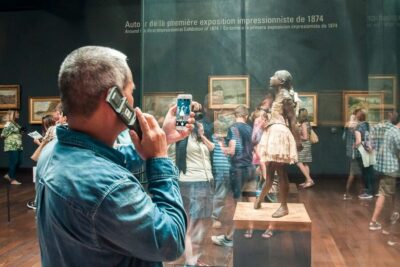
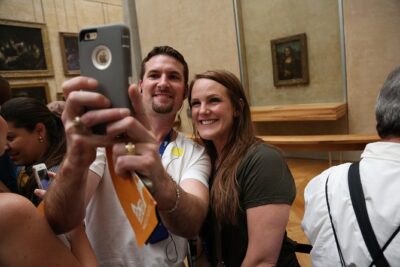
Louvre Museum Masterpieces Guided Tour with Access
Read our review →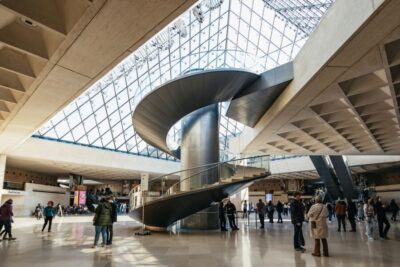
Louvre Museum Entry Ticket With Host and River Cruise
Read our review →
Les Invalides: Napoleon’s Tomb & Army Museum Entry
Read our review →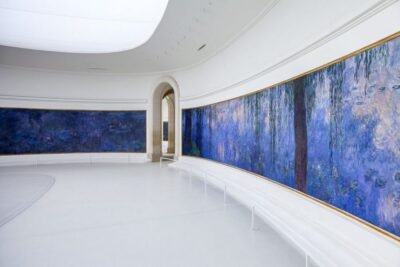
Musée de l’Orangerie Reserved Entrance Ticket
Read our review →
Louvre Museum – Exclusive Guided Tour (Entry Included)
Read our review →
Louvre Museum Hosted Entry and Mona Lisa Audioguide
Read our review →
This tour also appears in