Reviewed · GUIDED
Paris: Roland-Garros Stadium Guided Backstage Tour
Big names, close-up access, and real match-day spaces. This Roland-Garros guided tour takes you under the stadium lights and through the corridor to the clay court, with stories that connect the venue to champions like Rafael Nadal. I love that the experience is built around what the French Open is actually about, not just show-and-tell.
My other favorite part is standing at Philippe-Chatrier Court to take in the retractable roof design and the open views across the clay courts and the city. A possible drawback is that parts of the stadium can be limited on certain days, so you may not see every room, like some locker areas, depending on stadium activity.
In This Review
- Key highlights
- Entering Roland-Garros at Avenue Gordon Bennett, Gate 36
- The Backstage Walk: Tribunes, Off-Limits Feel, and the Player Route
- Philippe-Chatrier Court: Retractable Roof Design and Clay-Court Sightlines
- French Open Legends: Why the Names Matter Here
- Media Rooms, Trophies, and the Match-Day Machine
- Pacing, Group Size, and Language: Getting the Most Out of 90 Minutes
- Price and Value: Why $24 Can Feel Like a Win
- What You’ll Leave With: The Roland-Garros Feeling
- Best Fit: Who This Roland-Garros Backstage Tour Suits
- FAQ
- FAQ
- How long is the Roland-Garros stadium guided backstage tour?
- Where do I meet for the tour?
- What languages are available with the live tour guide?
- Is the tour wheelchair accessible?
- What is included in the price?
- Can some areas be closed during the visit?
- Is there free cancellation, and can I reserve now and pay later?
- Should You Book This Roland-Garros Backstage Tour?
Key highlights
- Player corridor access that puts you on the same route toward the clay court
- Philippe-Chatrier Court with a look at the retractable roof and the famous sightlines
- French Open legends in the guide’s stories, including Steffi Graf and Rafael Nadal
- Presidential tribune stop and other exclusive-feeling stadium areas
- Media and behind-the-scenes rooms, with entertaining explanation of how match media works
- Short, focused timing at about 90 minutes for a high-impact Paris visit
Entering Roland-Garros at Avenue Gordon Bennett, Gate 36
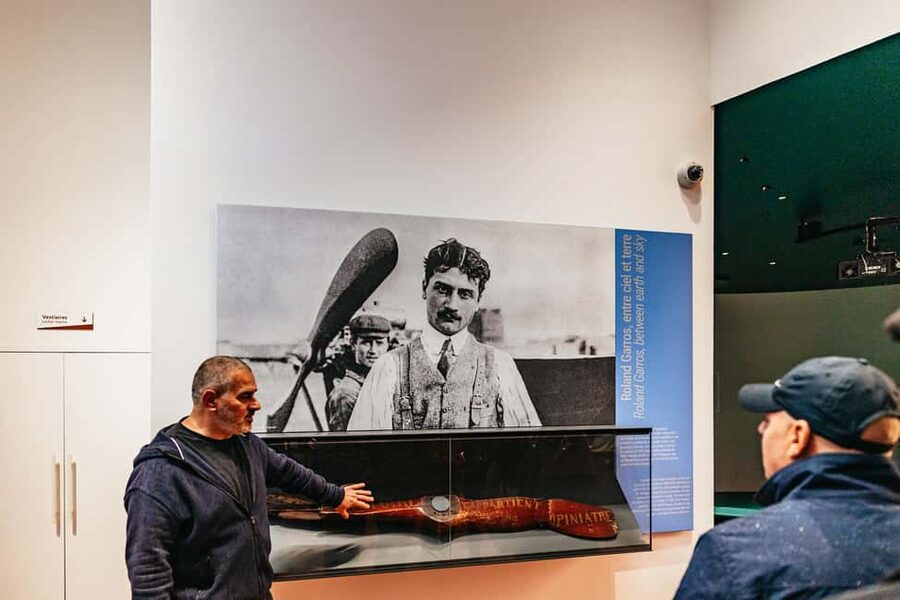
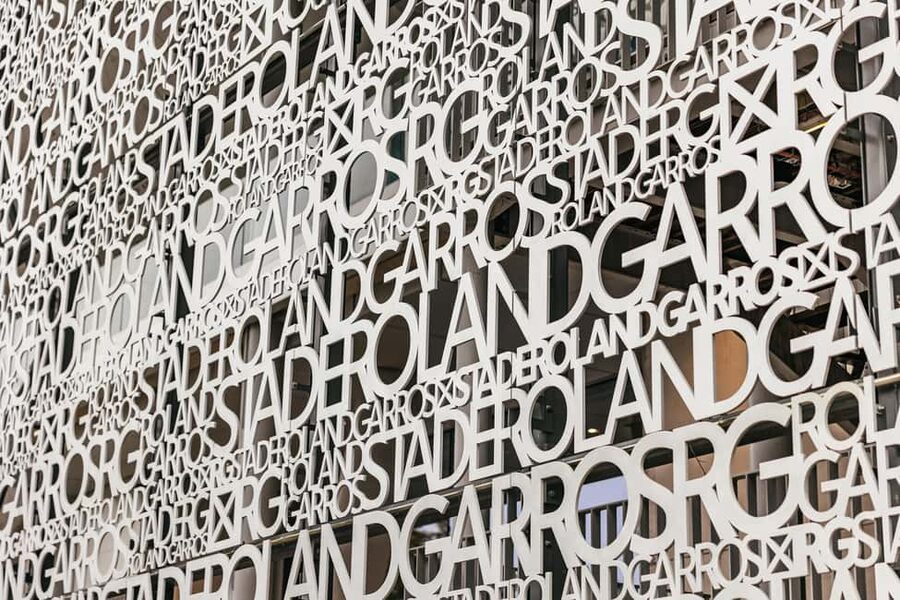
The tour meets at Avenue Gordon-Bennett, inside the Grande Boutique at Gate 36. In practice, this is nice because you are not hunting around a big stadium complex with no bearings. If you want smooth timing, aim to arrive a few minutes early and use the boutique entrance area as your reference point.
Once the group gathers, the whole vibe is orderly. You get a live guide and an entrance included in the price, so there is no feeling of paying extra for basics. Also, the tour runs with a guide in Spanish, French, and English, which makes it easier to follow the stories without leaning on your phone for trivia.
If you plan to shop, note that the stadium shop is open from 9:30 AM to 6:30 PM. I like pairing the tour with a quick browse, because you will understand what you are looking at once you have seen the building from the inside.
The Backstage Walk: Tribunes, Off-Limits Feel, and the Player Route
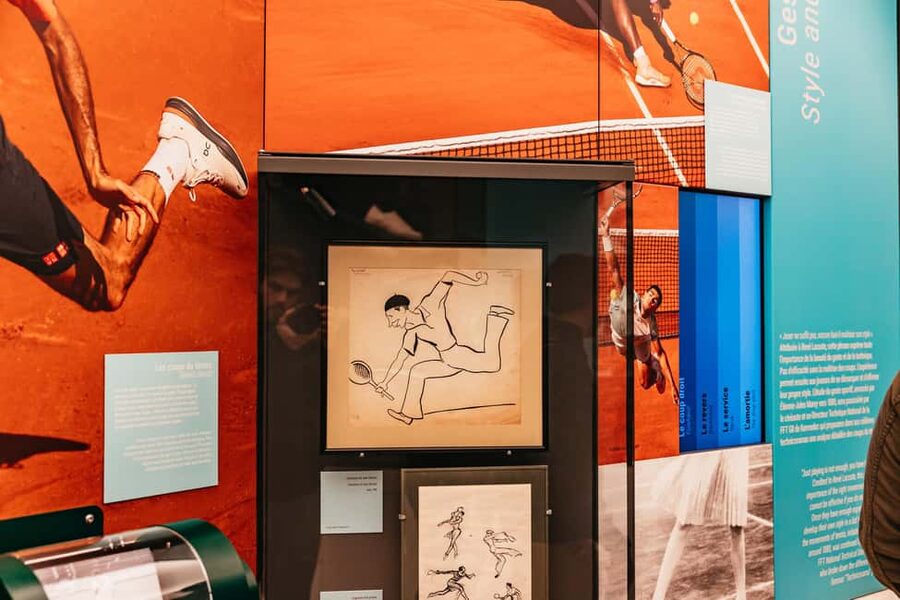
Most stadium tours feel like you are skimming the edges. This one leans into the real backstage feeling. You start with a guided walk through the Stade Roland-Garros areas, where the guide points out spaces that are normally restricted during French Open days.
A big highlight is the route players use. You walk through the corridor that leads toward the clay court, which is exactly the moment where it clicks for me. Even if you only watch tennis casually, standing in that hallway makes the sport feel physical. It is not abstract. It is the path from backstage to performance.
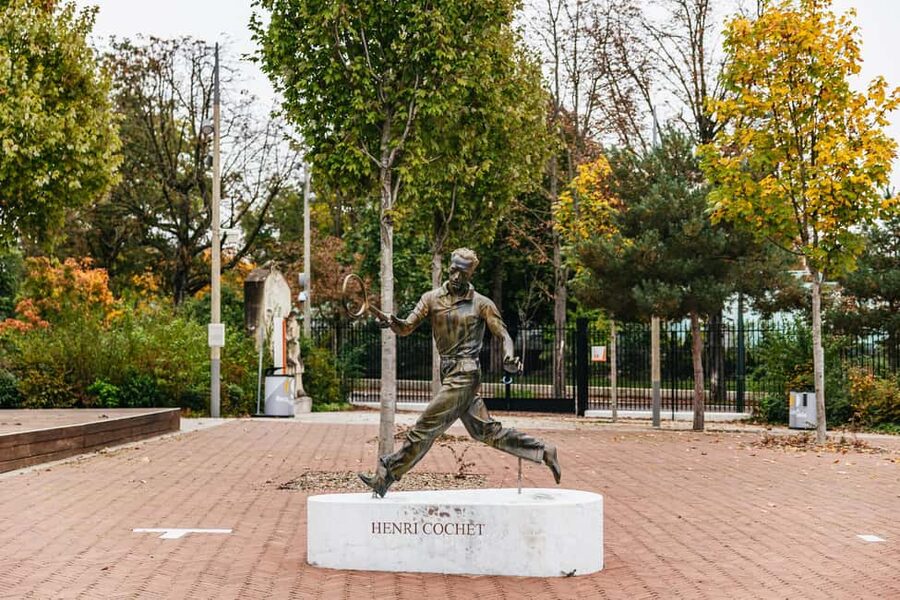
Along the way, you also hear about major figures in French tennis history and the French Open era. The stories include names like Steffi Graf, Rafael Nadal, Björn Borg, Chris Evert, and the Four Musketeers of French tennis, Jean Borotra, Jacques Brugnon, Henri Cochet, and René Lacoste. The guide ties them to the stadium, so you are not just memorizing a list of champions. You are learning why Roland-Garros matters.
You may also pass through areas like the presidential tribune. For me, that is one of the most fun stops, because you get a sense of scale and ceremony without needing a ticket for a final. It is a quick window into how high-profile the event can feel, even when you are standing in everyday tour shoes.
More Things to Do in Paris
- Paris: 1-Hour Seine Cruise departing from the Eiffel Tower
★ 4.4 · 77,472 reviews - Disneyland® Paris 1-Day Ticket
★ 4.6 · 49,412 reviews - Paris: Versailles Palace and Gardens Full Access Ticket
★ 4.6 · 41,579 reviews
Philippe-Chatrier Court: Retractable Roof Design and Clay-Court Sightlines
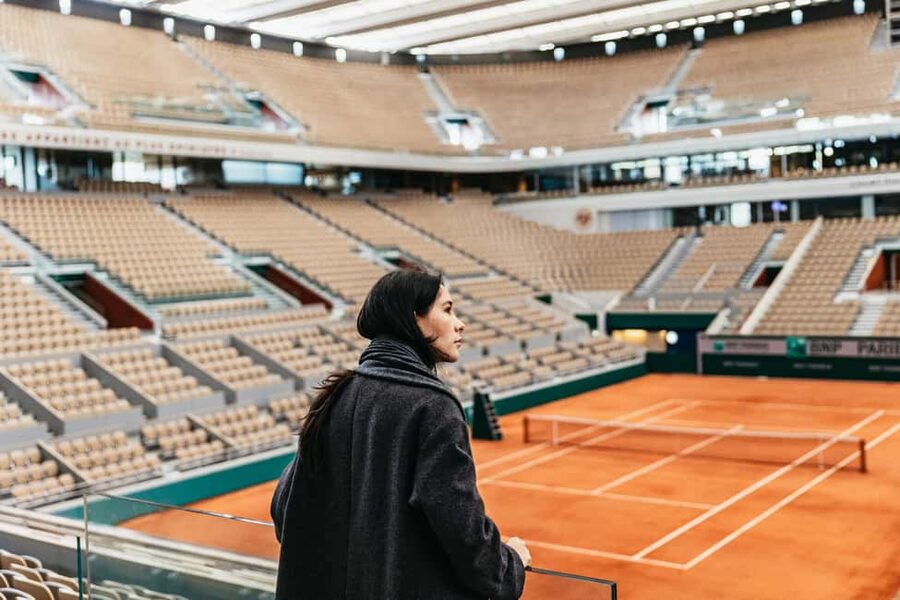
The heart of the tour is the look at Philippe-Chatrier Court. You go up close enough to feel like you are inside the arena, not outside peeking in. The retractable roof is the star detail here, and it is worth taking a moment to look at the structure and think about what it changes during play.
The court is clay, and the tour emphasizes the unobstructed view of the courts and the surrounding cityscape. That mix is part of what makes Roland-Garros unique in Paris. This is not a tennis bubble. You get the sense of the venue sitting within the city fabric.
I also like that you are not just shown the court. You are guided through what makes the court special, including how the stadium was designed for modern tennis while keeping the identity of clay. That context matters because it helps you understand why the French Open experience is so different from other majors.
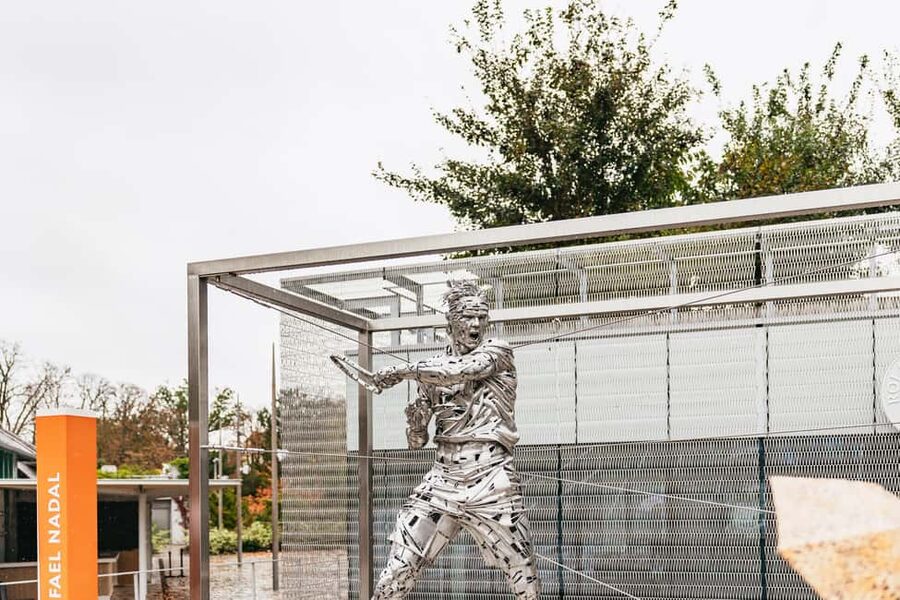
One more detail that tends to stick: the guide often connects the court to specific champions and their legacy, including Rafael Nadal. If you are a Nadal fan, you will likely enjoy the feeling of standing where his story is remembered in the stadium environment.
French Open Legends: Why the Names Matter Here
The French Open is a tournament of styles, and the best guides explain how the venue shapes those styles. This tour does it through the people. You hear about legends tied to different eras, from Steffi Graf’s dominance to Rafael Nadal’s legendary consistency. You also hear about players like Björn Borg and Chris Evert, which helps fill in the wider tennis context.
The Four Musketeers segment is a smart touch. It shifts you from modern star power to the roots of French tennis culture. When you hear Jean Borotra, Jacques Brugnon, Henri Cochet, and René Lacoste in a place like Roland-Garros, the history feels like it belongs here, not like a distant museum speech.
If you are not a lifelong tennis nerd, you do not need to know every champion beforehand. What you need is curiosity. The guide’s job is to connect the names to specific stadium moments, like what you are seeing at Philippe-Chatrier and the player route that leads to it.
Media Rooms, Trophies, and the Match-Day Machine
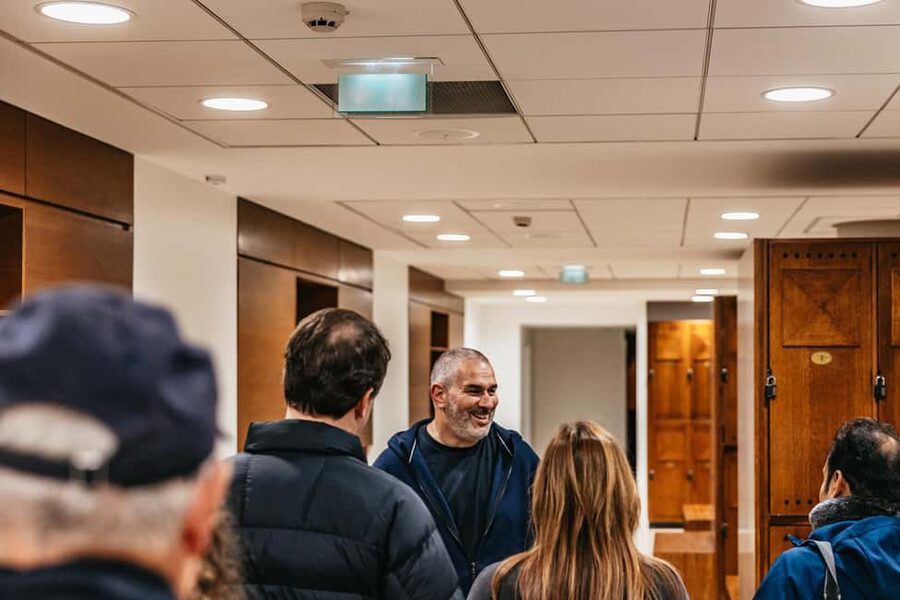
One reason I think this tour works for more than just hardcore tennis fans is how it shows the machinery around the matches. You are not only touring seats and courts. You get glimpses into the spaces that support match day: media rooms, areas for press-related activity, and trophy displays behind glass.
Some guides also bring the tour to life with playful interactions. In the media rooms, you might even get a fun mock-interview style moment. That kind of stop is short, but it is memorable because it lets you imagine the pressure of answering questions while the stadium energy builds.
You might see trophy displays too, including the chance to take photos near the French Open trophies behind glass. Even if you never plan to attend the tournament itself, this is the closest you will get to that match-day glow without a ticket.
One important caution: access to certain rooms can depend on what is happening at the stadium that day. Some visits may miss areas like locker rooms if there are renovations or operational restrictions. If that would disappoint you, keep your expectations flexible and focus on the core court moments, the player corridor, and the Philippe-Chatrier stop.
Other Paris bookings in the margin notes
Pacing, Group Size, and Language: Getting the Most Out of 90 Minutes

This is a 90-minute tour, so it moves. That is good news if you want a focused hit of Roland-Garros without spending half a day in transit. It also means the guide’s timing matters.
In past tours, group size has varied, and in a bigger group it can be harder to hear at certain points. If you are sensitive to audio, try to position yourself where you can see the guide clearly. If English is your preferred language, the tour offers English guidance, but clarity can vary by guide and accent, so be ready to ask for repetition if needed.
The other practical piece is understanding that parts of the stadium may not be accessible on the day of your visit. That is not a failure on the tour’s side. Stadium operations can affect what is open. The best strategy is to arrive ready to enjoy what you can access, especially Philippe-Chatrier and the player corridor, which are usually the centerpiece.
Price and Value: Why $24 Can Feel Like a Win
At about $24 per person, this is one of those Paris activities that punches above its weight. You are getting a live guide plus entrance, and you are not only seeing the exterior of a famous stadium. You get interior access to key spaces, including Philippe-Chatrier Court, the player corridor route, and stadium areas that are not typical tourist viewpoints.
The value is strongest if you care about context. A guided explanation turns a photo stop into a story you can keep. You will likely leave knowing why certain French Open traditions exist and how the stadium design supports play on clay, including the retractable roof feature.
It also helps that the tour is structured to avoid “filler.” You spend your time in places you can picture during a match on TV: the approach to the court, the center-court experience, and the stadium rooms connected to press and ceremony. That is a lot to fit into 90 minutes.
If you are someone who travels for iconic landmarks but hates long tours, this also works. It is short enough to pair with other nearby sights in your Paris plan.
What You’ll Leave With: The Roland-Garros Feeling
By the end, you do not just know where the court is. You understand the match day flow. You remember the corridor walk, the way Philippe-Chatrier opens up with those sightlines, and the way the guide connects the stadium to champions and eras.
For tennis fans, it can feel like a personal milestone. For non-fans, it is still enjoyable because it is a clean look at how sport spaces function in a major city. You get Paris location and tennis culture in one package.
Also, it helps that the tour feeds your imagination. After you visit, it is easier to watch a French Open match on TV and understand what you are seeing in real spatial terms.
Best Fit: Who This Roland-Garros Backstage Tour Suits
I think this tour is ideal if you fit one of these categories:
- You watch tennis and want real access to Roland-Garros spaces that are normally off-limits
- You want an intro to French Open history without reading a book first
- You like guided experiences where the guide actively explains what matters in the building
- You are a curious traveler who enjoys sports architecture and how venues are designed for competition
It is also a smart choice if you do not plan your Paris trip around attending the tournament itself. The French Open is seasonal, but the stadium is here year-round for guided visits. This gives you a way to “experience the tournament” even if you cannot be in Paris during finals week.
FAQ
FAQ
How long is the Roland-Garros stadium guided backstage tour?
The tour lasts about 90 minutes.
Where do I meet for the tour?
Meet inside the Grande Boutique on Avenue Gordon-Bennett at Gate 36.
What languages are available with the live tour guide?
The tour guide is available in Spanish, French, and English.
Is the tour wheelchair accessible?
Yes, the tour is wheelchair accessible.
What is included in the price?
The tour includes a tour guide and the entrance fee.
Can some areas be closed during the visit?
Yes. Due to stadium activities, some areas may not be accessible on the day of your visit.
Is there free cancellation, and can I reserve now and pay later?
You can cancel up to 24 hours in advance for a full refund, and you can reserve now and pay later.
Should You Book This Roland-Garros Backstage Tour?
If you like tennis, it is a straightforward yes. You are paying a reasonable price for access to Philippe-Chatrier Court and the player corridor, plus you get guided stories that connect the stadium to the sport’s biggest names and French tennis legends.
Even if you are not a die-hard fan, book it if you enjoy architecture, sports venues, and seeing how match-day spaces work. Just keep one expectation in check: on some days, a few rooms may be limited due to stadium activity. When that happens, the main court experience and behind-the-scenes atmosphere are still the point of the visit, and that is what makes it worth your time in Paris.
Latest Paris entries, notes attached






Guided, compared.
Louvre Guided Tour with Reserved Access & Boat Cruise
Read our review →
Louvre Museum Masterpieces Guided Tour with Access
Read our review →
Louvre Museum – Exclusive Guided Tour (Entry Included)
Read our review →
Skip-the-Line Guided Palace Tour and Full Access
Read our review →
Louvre Access with Mona Lisa Escort or Guided Option
Read our review →
Louvre Museum: Skip-the-Line Small Group Guided Tour
Read our review →
Louvre Museum Paris Essential Guided Tour Semi-Private 6ppl Max
Read our review →