Reviewed · THINGS TO DO IN PARIS
Somme Battlefields from Paris with Australian memorial & Amiens Cathedral
The Somme hits harder than you expect. This day trip from Paris ties Australian WWI sites to preserved trenches, major memorials, and a final stop at Amiens Cathedral.
You’ll love the tight small-group format (max 8) and the fact that your transport is handled in an air-conditioned minivan. It’s also built around free entry at every main stop, so you can focus on the places that matter.
My one main caution is the length. Plan on a long 11-hour day, and in colder months the weather can be brutal, especially if you’re wearing thin layers or have slippery shoes.
In This Review
- Key takeaways before you go
- A Somme day trip that feels personal, not rushed
- Price and value: what your $278.26 is really paying for
- The logistics that make or break a long war day
- Stop-by-stop: how each place changes what you understand
- Thiepval Memorial of the Missing: when absence becomes names
- Lochnagar Crater: the first day of the Somme, still visible
- Beaumont-Hamel Newfoundland Memorial: preserved trenches you can walk
- Pozieres Memorial: quick, but don’t skip the details
- Villers-Bretonneux Military Cemetery: the Australian story hits close to home
- Sir John Monash Centre: turning battlefield facts into human stories
- Lunch at Le Tommy with Dominique and the Somme artifacts
- Amiens Cathedral: the contrast that makes the day feel complete
- What to wear and how to handle the emotional side
- Guides, pacing, and why small-group matters here
- Who should book this Somme day trip from Paris?
- Should you book? My straight answer
- FAQ
- How long is the Somme battlefields tour from Paris?
- What is the meeting point and start time?
- Is admission included for the main stops?
- How many people are in the group?
- Is the tour available in English?
- What should I pack for the day?
Key takeaways before you go
- Max 8 people, so you get calmer pacing and more personal attention at the memorials
- Air-conditioned minivan from Paris with a relaxed, planned route across the Somme area
- Free admission at the major stops, including the Sir John Monash Centre and memorial grounds
- A uniquely Australian focus, ending at Villers-Bretonneux and the Monash Centre
- Preserved trench walking at Beaumont-Hamel, where the ground feels uncomfortably real
- A thoughtful finish at Amiens Cathedral, a powerful contrast to the WWI sites
A Somme day trip that feels personal, not rushed
This is not a skim-the-map history loop. You’re spending real time at the places where families still search for answers, and where the ground holds the scars. With the small group size, you’re less likely to feel like you’re being herded, and more likely to notice details you’d miss on a larger tour.
What I like most is the way the day moves from names and memorials, into the physical remains of fighting, and then toward interpretation at the Sir John Monash Centre. It gives you both the emotion and the context, so your brain can hold the scale of the Battle of the Somme without getting lost.
And if you care about the Australian story in WWI, this route is built around it. Villers-Bretonneux and the Monash Centre are not add-ons. They are the emotional spine of the day.
Price and value: what your $278.26 is really paying for
At $278.26 per person, you’re paying for a lot more than sightseeing. The big value is that you get round-trip transport, a driver/guide, and free admission tickets to all the main stops listed in the day.
You’ll also get a major practical perk: the tour is described as guaranteed to skip long lines. That matters because WWI sites and museums can still involve queues, and you don’t want to spend your one day sitting in a line outside in the cold.
The one clear extra cost is food. Lunch time gives you about one hour at Le Tommy, but it’s not included. If you budget for lunch in advance, the rest of the day stays refreshingly predictable.
More Things to Do in Paris
- Paris: 1-Hour Seine Cruise departing from the Eiffel Tower
★ 4.4 · 77,472 reviews - Disneyland® Paris 1-Day Ticket
★ 4.6 · 49,412 reviews - Paris: Versailles Palace and Gardens Full Access Ticket
★ 4.6 · 41,579 reviews
The logistics that make or break a long war day
This starts early, 7:00 am, with pickup at Dada12 Av. des Ternes in Paris. You come back to the same meeting point at the end, so you don’t have to fight train schedules or transfers after a long day.
The minivan matters. A small group and an air-conditioned vehicle keep the day from feeling chaotic, and it’s easier to manage toilet breaks and short stops along the way than on a bigger bus. The day can also run in all weather conditions, so your clothing choices will do a lot of the heavy lifting.
One more practical note: mobile tickets are included, so you should have your phone charged. The day starts at the meeting point in Paris, so you’ll want to be there a bit early to avoid stress.
Stop-by-stop: how each place changes what you understand
Thiepval Memorial of the Missing: when absence becomes names
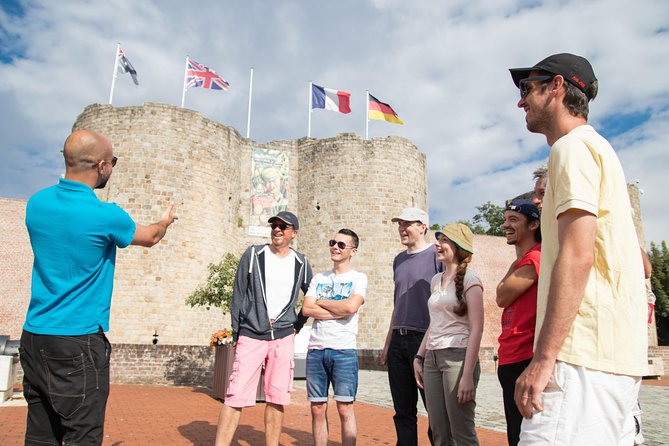
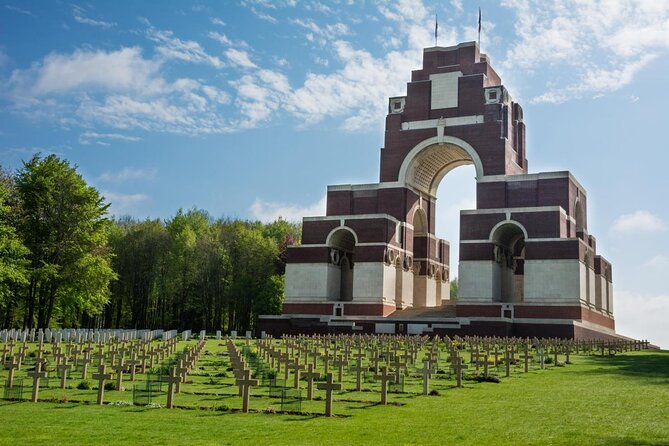
Your day begins at the Thiepval Memorial. This is one of those places where you feel time slow down. The memorial lists more than 72,000 United Kingdom and South African men who died with no known grave.
You get about 30 minutes here. That’s enough time to take in the scale, then stand and read a little longer than you planned. I’d treat this stop as your mental warm-up, because it sets the theme for the rest of the day: loss without closure.
A drawback of such a moving location is that you may feel emotionally wiped by the time you get to the next site. If you’re visiting with kids or teens, consider taking short breaks for fresh air and water so they don’t get overwhelmed too quickly.
The Paris dossier continues:


Lochnagar Crater: the first day of the Somme, still visible
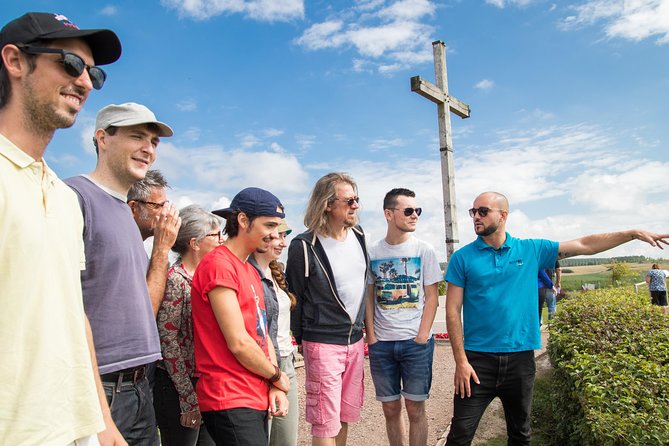
Next is Lochnagar Crater, created on July 1st, 1916, the opening day of the Battle of the Somme. It’s about 30 meters deep and around 100 meters wide, which is hard to picture until you’re standing near it.
This stop is also about 30 minutes. You’ll spend the time looking down into the crater and absorbing what it meant in real life: sudden destruction, shock, and a landscape that would never return to normal.
If you’re sensitive to physical reminders of war, this is intense. But it’s also one of the most “see it with your own eyes” moments on the day. Even a quick look helps you grasp the scale of the fighting.
Beaumont-Hamel Newfoundland Memorial: preserved trenches you can walk
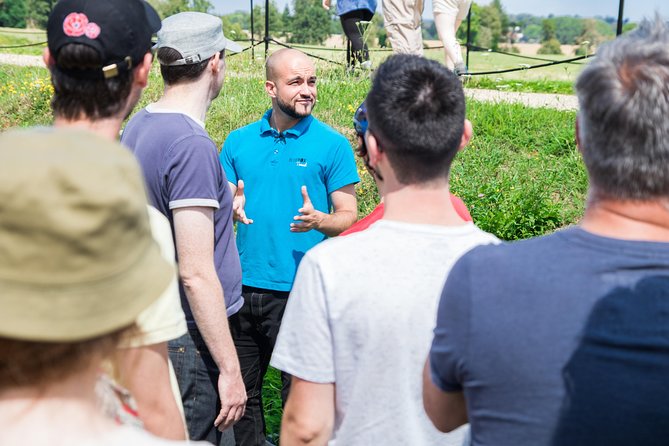
Beaumont-Hamel is the stop that often makes the day click. The Newfoundland Memorial at Beaumont-Hamel is described as the largest preserved Somme battlefield site, and you can still see and walk the trenches.
You get about 30 minutes here. That walking time is valuable because it turns history from a story into a space. The trenches are not just shapes on a map. They give you a sense of confinement, exposure, and the way terrain forced survival.
This is also a stop where guides can make a big difference. The better guides (names you might encounter include Etienne, Aaron, and Philip) often connect trench layout to what soldiers faced, not just dates and units. If you want the emotional “why” behind the facts, this is where you feel it.
Pozieres Memorial: quick, but don’t skip the details
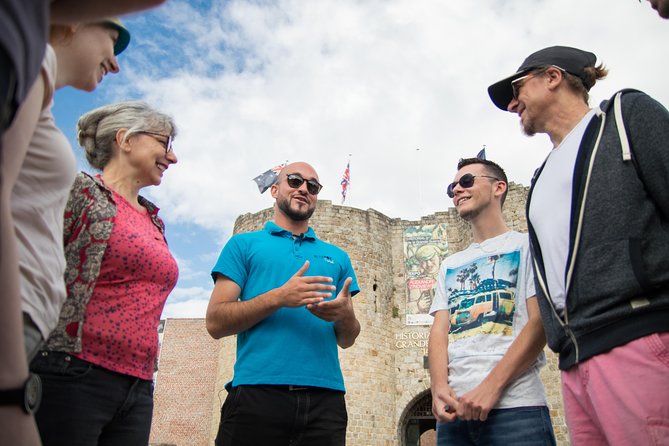
Pozieres Memorial is shorter, around 10 minutes. That’s the tightest stop on the day, so you’ll want to arrive ready to focus.
Even in a short window, you can get the main impact: this is another place commemorating those with no known grave, tied to the brutal fighting around Pozieres. If you rush, you’ll miss the tone of the site.
My advice is simple: use Pozieres as your reset point. Take a moment, then move on, instead of trying to “fit in” everything at once.
Villers-Bretonneux Military Cemetery: the Australian story hits close to home
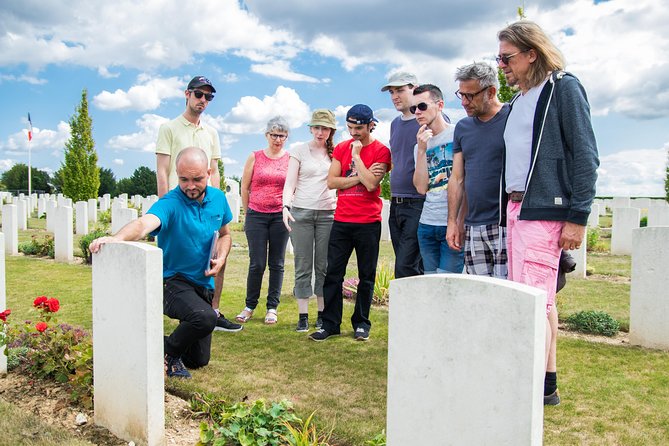
Then you reach Villers-Bretonneux, where the emotional weight shifts toward the Australian role. The military cemetery commemorates 10,738 Australian servicemen with no known grave who died on the Western Front.
This stop lasts about 30 minutes. It’s also a powerful place for context because Anzac Day celebrations take place at the memorial every April 25. Even if you visit any other month, you’ll feel how central this site is for Australians and their families.
If you’re coming from Australia, this is often the “I get it now” moment. Many people only partially understand the significance of Villers-Bretonneux until they see it in person. The town became a safe zone for allied forces after Australian defence efforts prevented Germans from advancing on Amiens.
Sir John Monash Centre: turning battlefield facts into human stories
After Villers-Bretonneux, you spend about 1 hour at the Sir John Monash Centre. This is where the day becomes more than memorial stops.
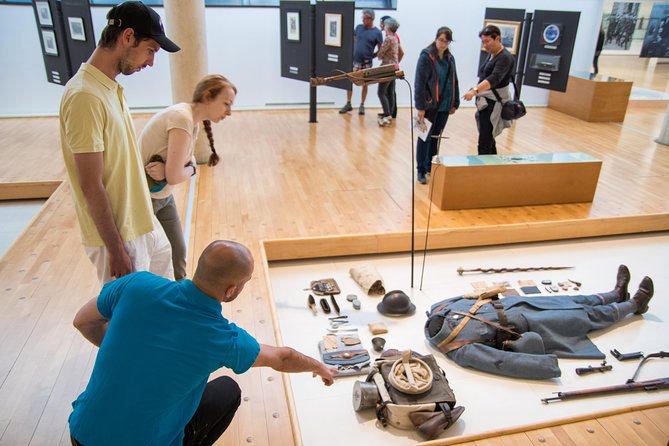
There are video testimonials and interactive displays, designed to pull you into personal stories about how men lived through the hardships and horrors of the Great War. For me, this is where your earlier stops gain sharper meaning. Names and trenches start to connect into a bigger picture: not just what happened, but what it took to keep going.
If your guide has a strong grasp of the broader campaign story, the Monash Centre feels even better. Several guides associated with this tour, including Oliver, Matthew, and Victor, are praised for building understanding across multiple stops, not just reciting facts.
Lunch at Le Tommy with Dominique and the Somme artifacts
You get about 1 hour free time for lunch at Le Tommy. This is not just a quick meal stop. The restaurant is owned and operated by Dominique, described as a local legend for his passion for Somme history, and he offers the chance to explore his private collection of artifacts.
Lunch is not included, and the menu you choose will affect your budget. In terms of practical planning, you might want to have a backup plan if you have specific dietary needs. One traveler specifically noted limited vegan options at this lunch spot, so if that matters to you, check what you can eat before committing.
The upside is that even if the meal itself is just practical for you, the attached history details can make the time feel like a bonus stop. It’s a good place to warm up or reset before the cathedral.
Amiens Cathedral: the contrast that makes the day feel complete
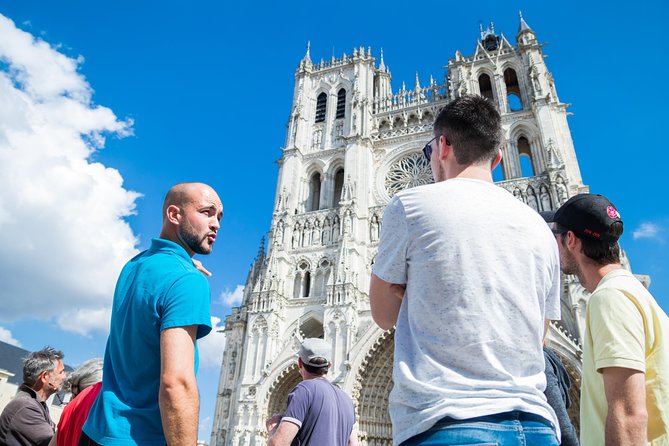
You end at Cathedrale Notre-Dame d’Amiens, a 13th-century cathedral and the largest in France. You have about 20 minutes here, and while it’s the shortest stop at the end, it often lands the hardest.
Amiens Cathedral was damaged by German bombings in 1918. Finishing the day here gives you that important shift from war-time reality into stone, light, and endurance. It’s a reminder that even massive destruction is followed by rebuilding, and that the places you’re visiting still matter as living communities.
If you want to make the most of the time, take a breath at the entrance, then look around slowly. Don’t try to “tour” the cathedral in 20 minutes. Just absorb the scale and the calm.
What to wear and how to handle the emotional side
This day runs in all weather. You should dress like you’ll be outside longer than you expect. If you’re visiting in winter, cold rain, wind, and damp air can hit hard, even if you think you packed enough layers.
Bring waterproof shoes with decent tread. Many people end up thankful they did, because the ground around battlefield sites can be slick and uneven. A compact umbrella can help in rain, but a hood and warm outer layer usually beats trying to fight wind.
Mentally, this is one of those tours where the emotion is part of the point. You’re visiting memorials for men with no known grave, preserved trenches, and sites of intense fighting. It can be moving in a quiet, steady way rather than dramatic. If you’re traveling with kids, keep expectations realistic, plan small breaks, and let them stop to ask questions when they’re ready.
Guides, pacing, and why small-group matters here
One repeated theme is that the best moments often come from the guide. Guides such as Etienne, Aaron, Sarah, and Pierre are praised for being thoughtful, respectful, and for taking time at each stop. The common thread is pacing, not performance. You’re not just dropped at the entrance and rushed out.
Small group size also helps you deal with timing. When you can ask one question instead of competing for attention, you get a better experience at memorials. And at places like Beaumont-Hamel, where you’re walking trenches, it helps to have space and not feel crowded.
The only drawback tied to comfort is that it’s still a full day out, and you will spend hours in transit. If you need frequent frequent breaks, plan your day with that in mind.
Who should book this Somme day trip from Paris?
If you’re Australian, this is a strong match. Villers-Bretonneux and the Sir John Monash Centre give you the context that Australians often look for once they learn the basics of WWI.
If you’re Canadian too, the day also works well because major battlefield preservation and memorial sites connect the Allied experience across national lines. If you simply want a WWI day trip that goes beyond Gallipoli talking points, this route gives you a clear entry into the Western Front story.
It may not be ideal if you want a light, carefree day. This is a sober experience. You’ll still be moved, and you’ll likely think about it afterward.
Should you book? My straight answer
Book it if you want a one-day Somme experience that’s tightly organized, focused on Australian commemoration, and rooted in places you can actually walk and see. The value stacks up because transport is handled, free admissions are built in, and the small-group format makes the sites feel more personal.
Skip it or rethink it if you’re extremely weather-sensitive or you hate long days on the road. Also, if you know you need specific dietary options, plan for lunch accordingly.
If you do book, pack for cold and damp. Bring good shoes. Then show up with an open mind. This day gives you more than photos. It gives you perspective you can’t get from a classroom or a screen.
FAQ
How long is the Somme battlefields tour from Paris?
The tour runs for about 11 hours.
What is the meeting point and start time?
You meet at Dada12 Av. des Ternes, 75017 Paris, France, with a start time of 7:00 am. The tour ends back at the meeting point.
Is admission included for the main stops?
Yes. The listed stops have admission tickets that are free, and the tour includes all taxes and handling charges. Food is not included.
How many people are in the group?
This is a small-group tour with a maximum of 8 travelers.
Is the tour available in English?
Yes, it is offered in English, and you’ll receive a mobile ticket.
What should I pack for the day?
The tour operates in all weather, so dress appropriately. Reviews strongly suggest bringing warm layers and wearing waterproof footwear with good tread.
Latest Paris entries, notes attached






Things to Do in Paris, compared.

1-Hour Seine Cruise departing from the Eiffel Tower
Read our review →
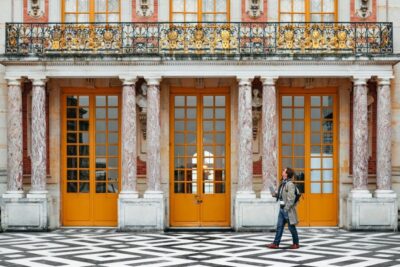
Versailles Palace and Gardens Full Access Ticket
Read our review →
Eiffel Tower Entry Ticket with Optional Summit Access
Read our review →