
Reviewed · PROVENCE DAY TOURS
Truffle Hunting in Provence
Black truffles start with a dog’s nose. On this Les Pastras farm tour near Cadenet, I love how quickly you go from learning the basics to truffle dogs in action, then finish with a proper feast. You’ll dig truffles with a French hunter and his team, followed by three truffle hors d’oeuvres, Champagne with the meal, truffle ice cream with truffle honey, and tastings of truffle oil, truffle salt, and olive oil.
I also like that the experience is led in English by Johann, who keeps things fun while still explaining the farming side clearly. The one drawback to keep in mind is that the meeting area can be a little hard to locate, so I’d plan extra time to get there and arrive a few minutes early.
In This Review
- Key highlights you will care about
- Arriving at Les Pastras: the start of the farm walk
- The “cool and shady” lesson: how truffles grow and how you hunt them
- Truffle hunting with Johann and the dog team in Provence
- The scenic summer kitchen feast: hors d’oeuvres to ice cream
- Champagne with truffles: pairing lessons you can actually use
- What to buy: truffle oil, salt, and spotting the good stuff
- Price and timing: is $139.27 worth it?
- Seasons, weather, and what to wear
- Who should book this truffle hunt, and who should think twice
- Should you book Truffle Hunting in Provence?
- FAQ
- Where does the tour start and end?
- How long is the truffle hunting experience?
- What language is the tour offered in?
- Is the tour available all year?
- What happens during the tasting after the hunt?
- How many people are in the group?
- Do I get a mobile ticket?
- What if the weather is bad or I need to cancel?
Key highlights you will care about
- Small group, big access: up to 14 people, so you are not lost in the crowd.
- Hands-on truffle hunting: you join the French hunter and his dogs to dig.
- Named dog team: you may meet Mirabel, Caramel, and Eclair at work.
- A full truffle tasting, not a sample: hors d’oeuvres, ice cream with truffle honey, plus oils and salt.
- Practical food shopping tips: learn what to look for when buying truffle products.
Arriving at Les Pastras: the start of the farm walk
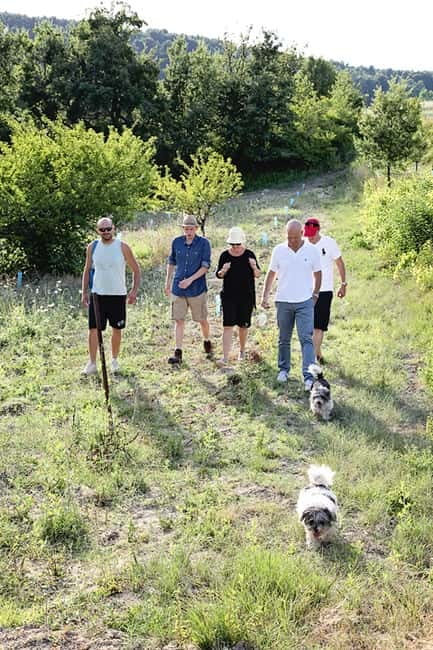
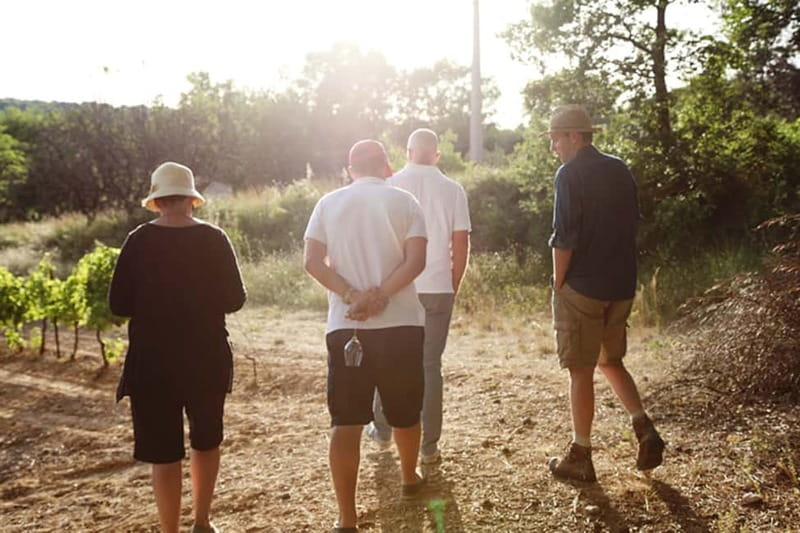
The tour starts at Les Pastras, 84160 Cadenet, France, and ends back at the same place. The setting matters here. This is a working truffle property, not a staged “look but don’t touch” attraction. Even before you get to the hunt, you’re walking onto farm terrain where the light, shade, and soil feel real.
Plan for outdoor time. Comfortable shoes are the best move, because you are moving around the property and joining an activity tied to the ground. Weather swings in Provence can be noticeable too, especially in the November to March season and the May to September window. I suggest dressing in layers, with something you can take off once you warm up during the hunt.
One more practical tip: because the meeting point can be a bit tricky to find, give yourself buffer time. A few extra minutes can keep you from rushing, which is a big deal when the schedule is tight and the farm walk sets the pace.
The “cool and shady” lesson: how truffles grow and how you hunt them
Your guide takes you to a cool, shaded area of the property first. This is where you get the context that makes the rest of the tour click. Instead of treating truffles as a mysterious luxury, you learn how truffles are grown and why they show up the way they do.
You’ll hear how truffle hunting works in practice, not just the romantic version. The guide explains what you are looking for and why the timing matters. Then you get set up for the real thing: joining the hunter and dogs in the search process. This portion is one of the strongest parts of the experience because it turns a fun activity into real understanding.
What I like is that the farm lesson doesn’t feel like a lecture. It’s paced to match what you will do next. By the time you’re out in the hunting area, the advice makes sense. You understand that truffles are not “found everywhere,” and you learn to think in terms of terroir and harvest windows instead of luck.
Other Avignon bookings in the margin notes
- Provence Highlights Full-Day Tour from Avignon
★ 5.0 · 499 reviews - Chateauneuf du Pape wine tour
★ 5.0 · 484 reviews - From Avignon: Châteauneuf du Pape Half-Day Wine Tour
★ 4.7 · 365 reviews
Truffle hunting with Johann and the dog team in Provence
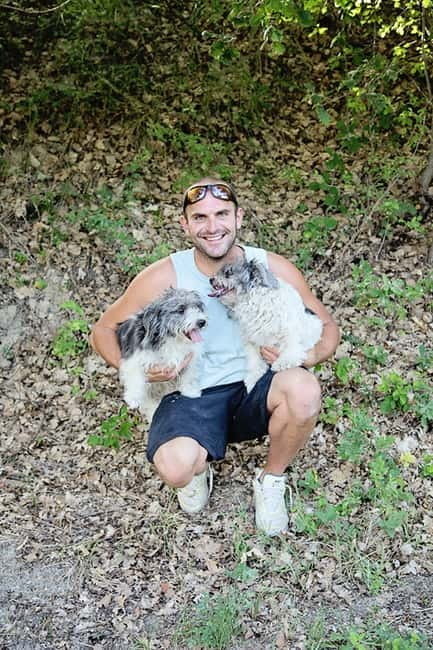
After the farm background, you meet the French hunter and his three dogs. This is the moment most people came for, and it’s not just cute. The dogs are working animals, and you’ll see how they move from place to place, guided by scent.
If you get the dog names Mirabel, Caramel, and Eclair, pay attention to their rhythm. The dogs’ behavior is the whole system: they indicate where attention should go, then you get involved with the digging. Your role is hands-on, and that is where the tour feels special. You are not watching from a safe distance. You are helping the hunt along while the hunter manages the process.
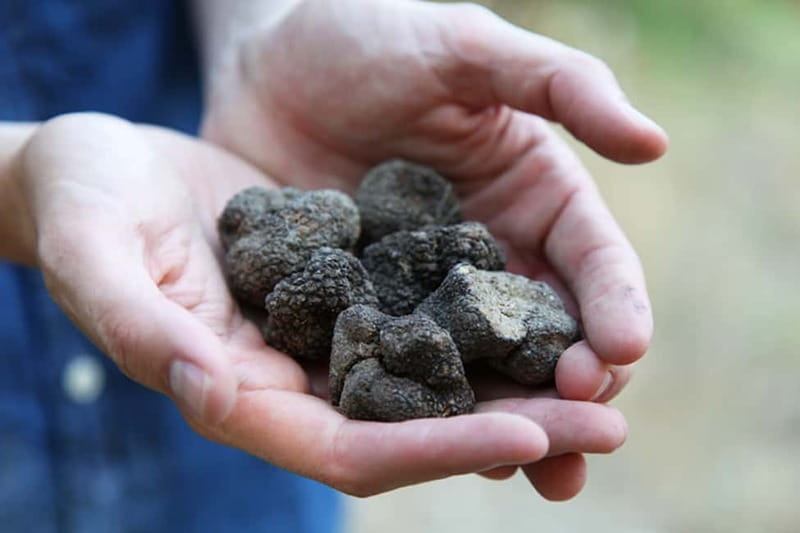
It’s also a great way to understand why fresh truffles are so expensive. You see how labor-intensive discovery can be, and you start to understand why truffles are harvested only when conditions are right. Even in an afternoon format, the hunt gives you that “oh, this is hard work” perspective that makes the tasting afterward more meaningful.
Watch your footing and stay patient. Hunting is not a quick guarantee. Some finds come fast, others take longer, and your best job is to focus on the process instead of forcing a result.
The scenic summer kitchen feast: hors d’oeuvres to ice cream
When the hunting part ends, you return to a scenic summer kitchen area. This is where the tour shifts from outdoor activity to food education. The tastings are not random. They are built to show different forms of truffle use, from fresh to infused products.
First, you’ll taste three different truffle hors d’oeuvres. This gives you a feel for how truffle flavor can show up in simple, controlled bites. Then comes truffle ice cream with truffle honey. That pairing surprises people in a good way because it shows truffle can be more than savory topping. It also helps you taste truffle as an ingredient with a distinct aroma, not just as an imitation.
After the sweets, you move into products you can buy: organic extra-virgin olive oil, truffle oil, and truffle salt. You’ll learn how these are used, and the tasting helps you understand what each product is doing in the kitchen. Olive oil gives a base aroma, while truffle oil and truffle salt can bring stronger flavor in smaller amounts.
This is a lot of food in about three hours. The pacing is also friendly. You get a hunt, then a feast, then finishing tips while you’re already in a food mindset.
Champagne with truffles: pairing lessons you can actually use
Champagne is served during the tasting, with all you care to drink. It’s not just a party add-on. The point is to let you enjoy the food while staying relaxed enough to focus on the learning parts.
Truffle flavor can be intense, and it can be easy to overdo it at home. The tour helps you notice how much is enough and how truffles behave when paired with fat, salt, and cream. You also get to taste truffles across different preparations, which makes future restaurant ordering easier.
During the tasting, Johann explains what to look for when dining out on truffles. That includes practical signals that help you avoid disappointment when something is labeled truffle but tastes more like something else. You’ll also learn how to clean, store, and prepare fresh truffles yourself, which is the kind of advice that turns your souvenir into an actual ingredient you can use.
If you like learning through eating, this is where the experience really earns its keep. The hunt is fun, but the tastings are where you leave with skills, not just photos.
The Avignon dossier continues:
What to buy: truffle oil, salt, and spotting the good stuff
A major value of this tour is that it teaches you how to think about truffle products after you leave. Fresh truffles are one category, but everyday truffle flavor often comes through oils, salts, and other infused items. The tour gives you a framework for choosing what makes sense.
You’ll learn about what to look for when buying truffle oil and truffle salt, and you’ll also get guidance on how to handle fresh truffles once you’ve purchased them. That includes basics like storage and cleaning, which are essential if you want truffles to taste like truffles rather than like a dried mystery.
The tour also covers how to use truffles in the kitchen. You will hear advice on preparation and portioning, and you’ll get a feel for how truffle flavor works best when it supports food instead of overpowering it.
If you have ever stood in a shop staring at bottles labeled truffle, then this portion will save you money and frustration. It helps you buy with intention instead of hope.
Price and timing: is $139.27 worth it?
The price is $139.27 per person for an experience that lasts about 3 hours, capped at 14 travelers. On paper, it sounds like a high-end food tour, and it is. But the value comes from what you get: active hunting with dogs and a hunter, plus a structured tasting that includes multiple truffle dishes and truffle-based products, with Champagne served during the meal.
Smaller group size matters here. When you are digging and learning, you need attention and space. With a maximum of 14 people, you are much more likely to participate than to watch. That makes the hunt feel personal and helps you ask questions as you go.
Timing also shows demand. This tour is booked about 70 days in advance on average, so it’s not something I’d leave to the last minute if you’re visiting in a peak window. The experience runs weekdays (excluding public holidays) during November to March and May to September, so it’s seasonal. If your dates line up, booking sooner can keep options open.
Seasons, weather, and what to wear
This experience is weather-dependent. It requires good weather, and if it’s canceled due to poor weather, you’ll be offered a different date or a full refund. That’s important in Provence, where a cloudy day can still be fine, but heavy weather changes farm conditions quickly.
For clothing, you will be moving through a farm environment. Wear something you’re comfortable getting a little dusty or dirty. Bring closed-toe shoes. Layers are smart for comfort in morning shade and later sun.
If you’re visiting during November to March, expect cooler conditions and dress accordingly. In May to September, plan for warm afternoons. Either way, the key is comfort and grip underfoot, because the hunt is grounded in the landscape.
Language is English, and the tour is designed for most travelers to participate. You’re not required to be an athlete, but you should be ready for real outdoor walking and standing during the farm lesson and hunt.
Who should book this truffle hunt, and who should think twice
This tour is ideal if you want a hands-on Provence experience that connects farming to food. You’ll get a genuine taste of how truffles are discovered, how they are used, and how they show up in the real products sold in France.
You’ll also enjoy it if you like learning through a mix of storytelling and tasting. The guide’s humor and practical tips help you pay attention without feeling like you’re in a classroom. Watching the dog team work adds a lively, memorable element that makes the whole afternoon feel like more than just dinner with a lesson.
Who might think twice? If you want a purely relaxing food experience with zero outdoor time, the hunt may feel like extra work. Also, if you’re traveling with very young kids, the learning portion and schedule may not always feel fun for them. Adults who are curious about food, farming, and ingredients usually get the most out of it.
Should you book Truffle Hunting in Provence?
If truffle is on your radar, I’d book this. The combination of active hunting, a working farm setting, and a structured tasting with both fresh and product forms is exactly the kind of experience that changes how you eat and shop afterward. For me, the best part is that you leave with practical guidance, not just a short taste of luxury.
Book it sooner if your travel dates match the operating seasons, since it fills up and the experience has a small group limit. And do yourself a favor by planning extra time for the meeting spot.
FAQ
Where does the tour start and end?
It starts at Les Pastras, 84160 Cadenet, France, and the activity ends back at the same meeting point.
How long is the truffle hunting experience?
The duration is approximately 3 hours.
What language is the tour offered in?
The tour is offered in English.
Is the tour available all year?
No. It runs on weekdays excluding public holidays, during November to March and May to September.
What happens during the tasting after the hunt?
You’ll taste three different truffle hors d’oeuvres, then truffle ice cream with truffle honey, and then you’ll taste organic extra-virgin olive oil, truffle oil, and truffle salt. Champagne is served throughout the tasting.
How many people are in the group?
The tour has a maximum of 14 travelers.
Do I get a mobile ticket?
Yes. The experience uses a mobile ticket.
What if the weather is bad or I need to cancel?
The experience requires good weather. If it is canceled due to poor weather, you’ll be offered a different date or a full refund. You can cancel for free up to 24 hours in advance for a full refund.
Latest Avignon entries, notes attached
Provence Day Tours, compared.
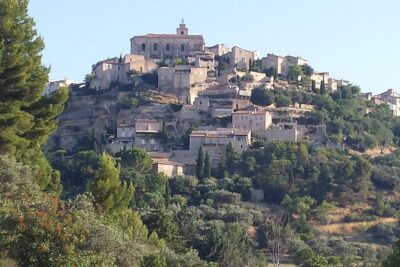
Provence Highlights Full-Day Tour from Avignon
Read our review →
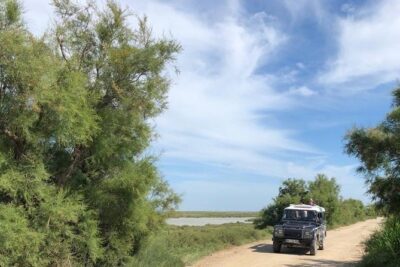
4×4 Camargue Safari 4h – Departure from Arles
Read our review →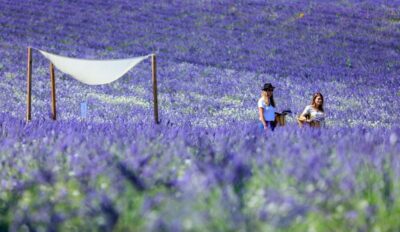
Luberon Villages Half-Day Tour from Aix-en-Provence
Read our review →
This tour also appears in