
Reviewed · 1-DAY TOURS
WWI Somme Battlefields Day Trip from Paris
Somme trenches have a way of staying with you. This 11 hour day trip pairs moving WWI sites with two big visual wins: the Lochnagar Crater and the Cathedral of Amiens. I particularly liked the guided pacing that leaves room to reflect at the memorials, and the small group feel that keeps questions from getting lost. One thing to consider is the schedule is tight, so if you want extra time inside museums or at each cemetery, this circuit may feel a bit rushed.
With a limit of eight people and an A/C minibus, you spend more of the day walking where it matters, and less time stuck on logistics. The guides come across as true hosts, with a careful balance of context, respectful tone, and real time to answer questions.
In This Review
- Key Things I’d Mark on Your Map Before You Go
- A Day in Hauts-de-France That Starts Long, But Stays Human
- Getting There: The 8 Person A/C Van and the Real Meaning of a Small Group
- Thiepval Memorial: Why the Missing Hit Different
- Lochnagar Crater: The Engineering Story Behind the Monster Hole
- Beaumont-Hamel Newfoundland Memorial: The Trench Walk That Gets Under Your Skin
- Lunch at a Local Place: Simple Food, Short Time
- Villers-Bretonneux Cemetery and the Sir John Monash Centre: A Clear Commonwealth Lens
- Pozieres Memorial: When the Names Stretch Across the View
- Amiens Cathedral: The Perfect Counterpoint After the Battlefields
- The Guides Are the Difference: Watch How They Pace Reflection
- Price and Value: What $271 Buys You Here
- Who This Tour Best Fits
- Should You Book the WWI Somme Battlefields Day Trip From Paris?
- FAQ
- How long is the WWI Somme battlefields day trip from Paris?
- How big is the group?
- What is included in the price?
- Is lunch included?
- Does the tour run in bad weather?
- If a museum is closed, what happens?
Key Things I’d Mark on Your Map Before You Go
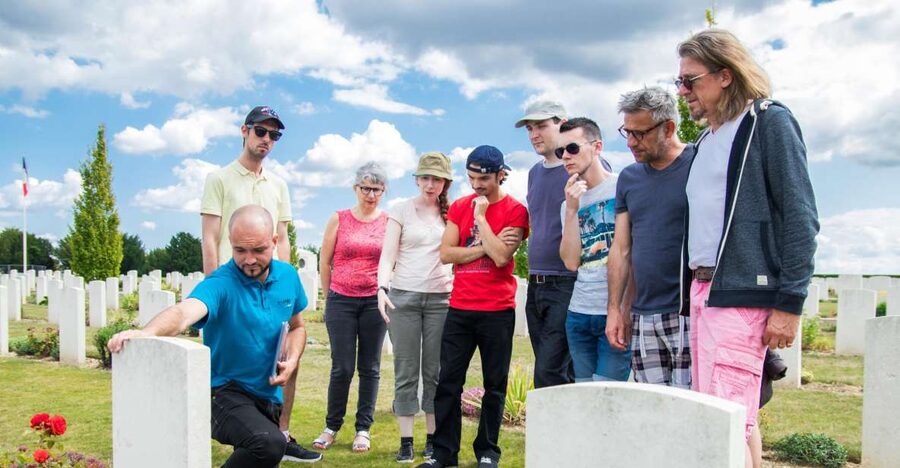
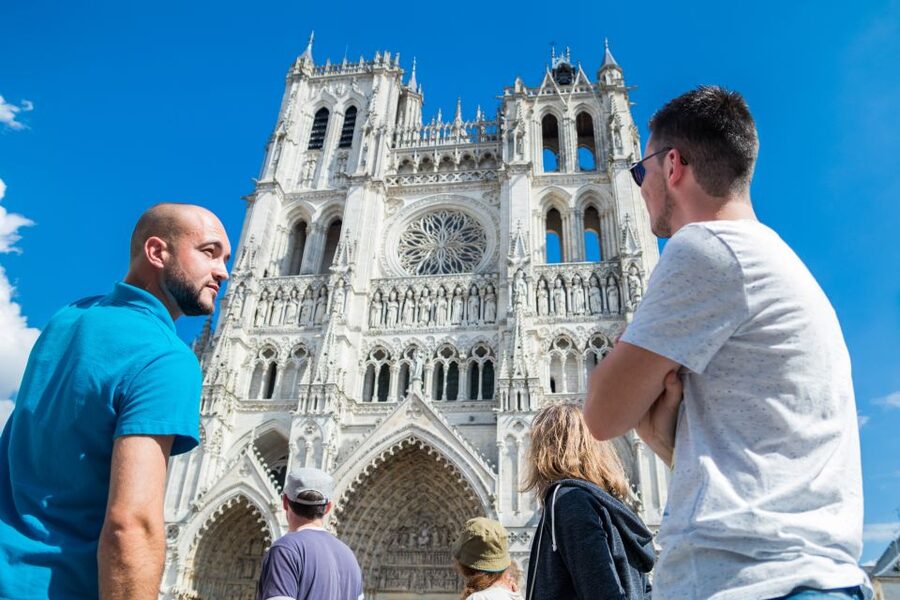
- Cathedral of Amiens: massive 13th century stone you can actually take in, not just skim
- Lochnagar Crater stop: guided context for how tunneling and explosives shaped the battle
- Beaumont-Hamel trenches: walking the same ground tied to the Newfoundland Memorial
- Memorial walls and rows of names: the emotional hit comes from how the sites force stillness
- Small group, 8 max: easier conversations and more flexible attention to what your group cares about
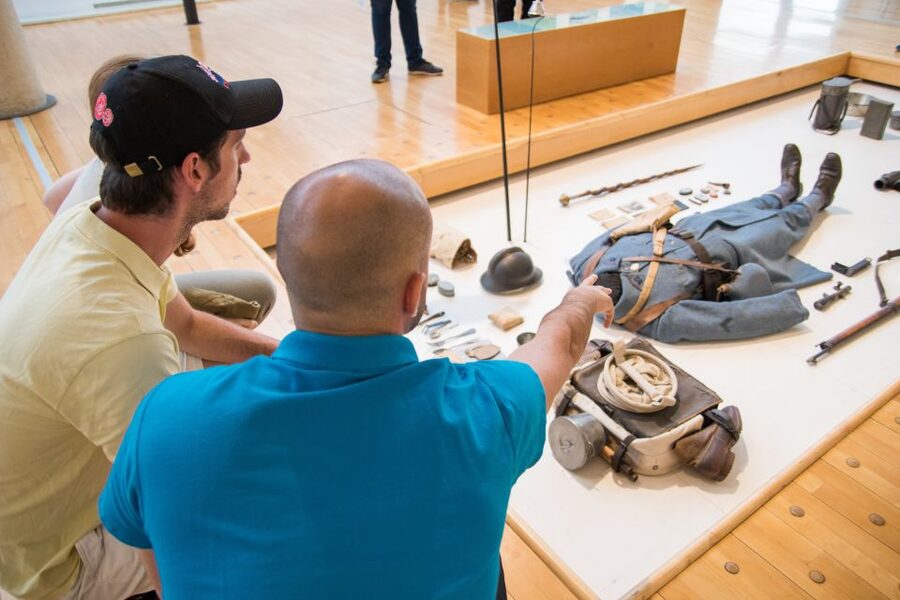
- Museum time: uniforms, artillery, posters, and personal items that turn dates into people
A Day in Hauts-de-France That Starts Long, But Stays Human
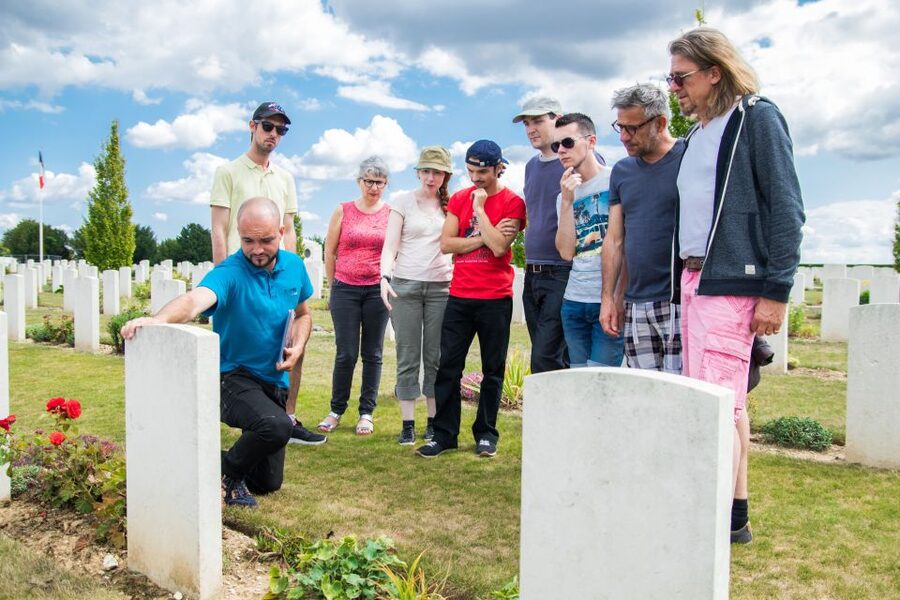
WWI doesn’t show up as one dramatic scene. It shows up as distance, silence, and details you can’t unsee. This is the kind of day trip where the journey out of Paris helps you mentally switch gears. Then the sites do the rest.
The good part is that the day isn’t just a checklist. You get a structured route that moves from major memorials to trenches, then into big places of learning, then back to stone beauty at Amiens Cathedral. If you’re traveling with family, this format is often the sweet spot, because you get both stories and spaces to pause.
Still, it is a full 11 hours. Plan for a long day, early start, and the fact that every stop has a set amount of time. You’ll cover a lot of ground, but you won’t have unlimited time at each place.
Getting There: The 8 Person A/C Van and the Real Meaning of a Small Group
The biggest practical advantage here is the small group limit of eight. That matters because WWI history is not just facts. It’s cause and effect, and it’s geography you need help reading. In a larger tour, you’d spend more time listening from far away. In a small group, you’re more likely to ask the question you’re actually thinking.
You’ll ride in an A/C minibus, and that comfort is not a luxury in this area. By the time you reach the countryside and memorials, you want to arrive with energy. The comfort also helps you handle rain, since the tour operates in rain or shine.
One note I’d take seriously: tours start sharp. Your driver-guide arrives with the grey minibus about 10 minutes before departure, and you should be at the meeting point at least 15 minutes early. That buffer prevents a stressed scramble, especially after an early wake-up.
More Things to Do in Paris
- Paris: 1-Hour Seine Cruise departing from the Eiffel Tower
★ 4.4 · 77,472 reviews - Disneyland® Paris 1-Day Ticket
★ 4.6 · 49,412 reviews - Paris: Versailles Palace and Gardens Full Access Ticket
★ 4.6 · 41,579 reviews
Thiepval Memorial: Why the Missing Hit Different
The day begins with time at the Thiepval Memorial, a site set up to hold the names of those who do not have a known grave. Your visit is about 30 minutes, which means it works best if you go in ready to slow down for a bit.
Here’s what I like about starting with Thiepval. It frames the whole Somme campaign in one clear idea: many of the dead are remembered because they can’t be found. From there, the rest of the day makes more sense. When you later walk trenches or stand by craters, you’re not just seeing battle features. You’re seeing the setting that produced those losses.
If you’re sensitive to emotional sites, this is one of the strongest early hits. Take a breath, read a few names, and then let the guide’s context add structure instead of noise.
Lochnagar Crater: The Engineering Story Behind the Monster Hole
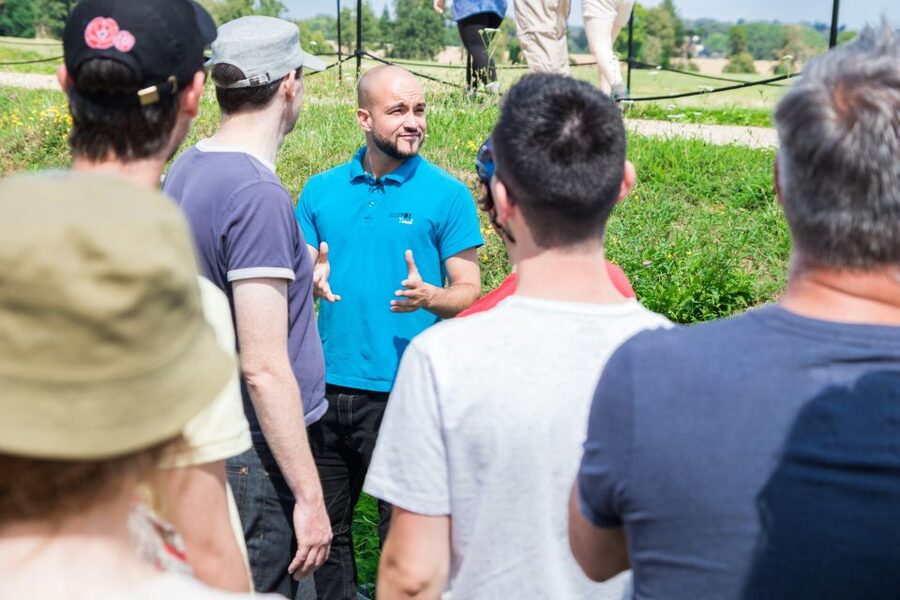
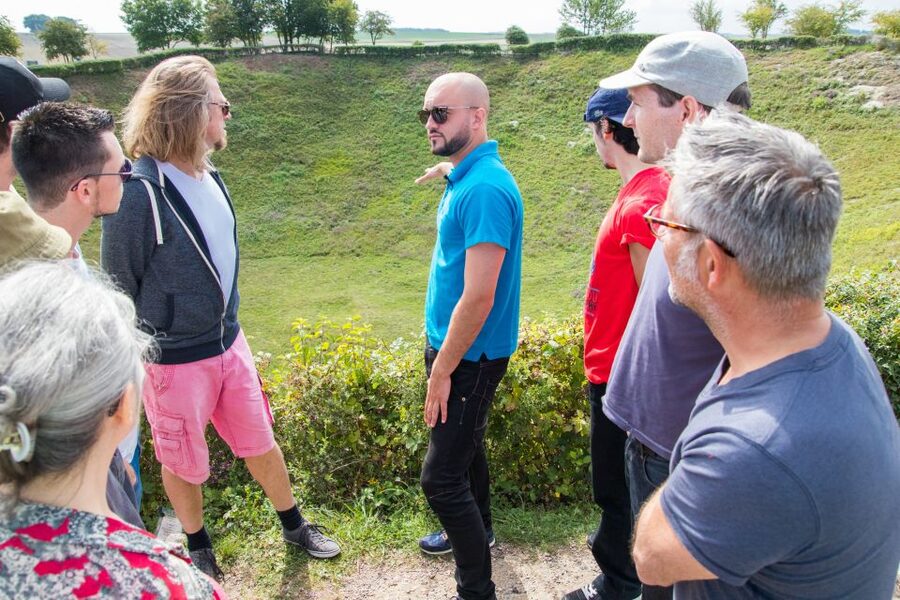
Next comes the Lochnagar crater, with a guided visit around 30 minutes. This is one of the stops where the physical scale does half the job for you. It’s hard to process a crater that size without thinking about the machinery behind it.
What makes this stop stand out is the specific story of the Royal Engineer tunneling companies, using 30 tons of explosives to obliterate German dug-outs. The guide’s role matters here. Without that explanation, you might see a dramatic landscape feature. With it, you see the battle logic: underground work, sudden blasts, and the brutal close quarters that followed.
Practical tip: wear shoes you can walk in comfortably, because this battlefield terrain is not made for delicate footwear. Also, give yourself a moment to just look around before you start reading every plaque. The crater sits in a wider countryside, and understanding that scale helps you picture what soldiers experienced day after day.
Beaumont-Hamel Newfoundland Memorial: The Trench Walk That Gets Under Your Skin
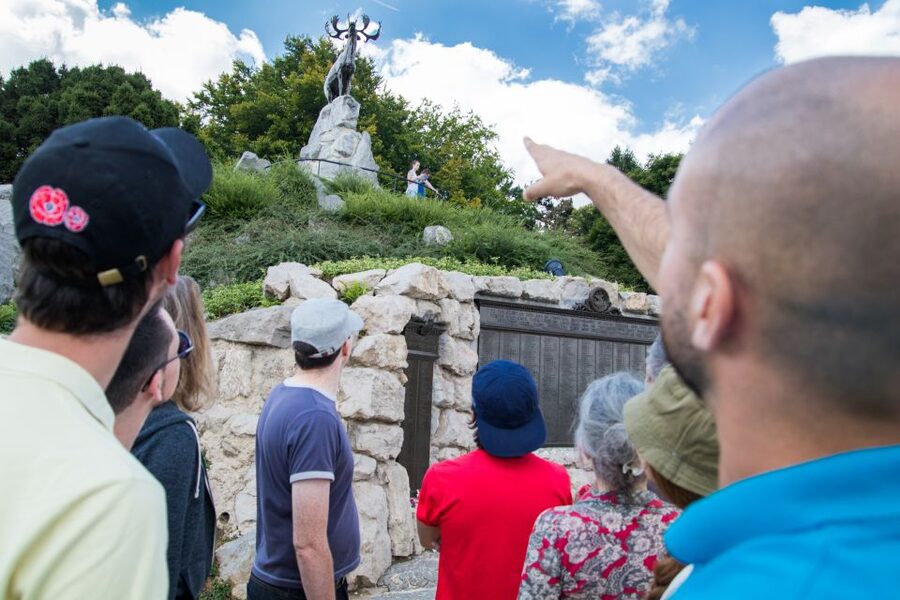
This part is the emotional core for many people, especially anyone with Canadian roots. Beaumont-Hamel is where the day shifts from memorial viewing to walking actual trench ground linked to the Newfoundland Memorial.
You’ll spend about 30 minutes here, with time for the trench walk. The guide helps you understand how these trenches shaped sightlines, movement, and vulnerability. And you get to walk the same general trench-world as Canadian soldiers did.
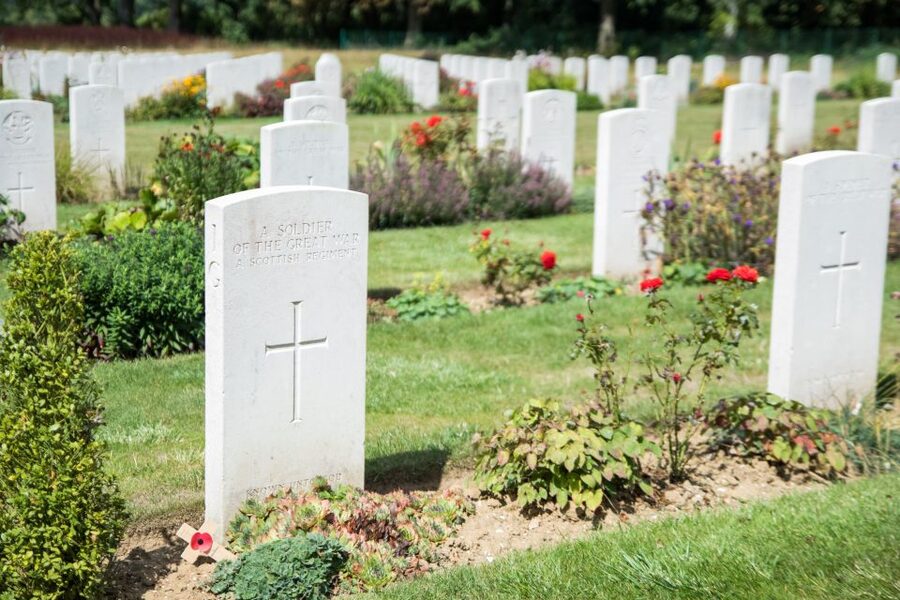
The memorial itself is built to encourage quiet attention. Rows of graves are marked with the line Here lies a soldier known only to God. Even if you don’t read every name, the wording does something. It turns anonymity into a kind of shared voice.
One more reason I like this stop in the day’s sequence: it’s sandwiched between other memorials and museum time. After you walk trenches, the museum objects later in the day hit differently, because you’ve already felt the geometry and proximity of the fighting.
Other Paris bookings in the margin notes
Lunch at a Local Place: Simple Food, Short Time
Lunch is scheduled as a quick break at a local restaurant, with around 10 minutes listed. That alone tells you the expectation: it’s not a long sit-down meal.
What I’d recommend is treating lunch as energy refuel, not a “we should slow down” moment. Eat what’s easy to grab, keep your timing tight, and save your appetite for dinner back in Paris.
Also, because the day runs rain or shine, think about clothing layers. Windy or cool weather can make short outdoor seating more annoying than you’d expect, even if the food is good.
Villers-Bretonneux Cemetery and the Sir John Monash Centre: A Clear Commonwealth Lens
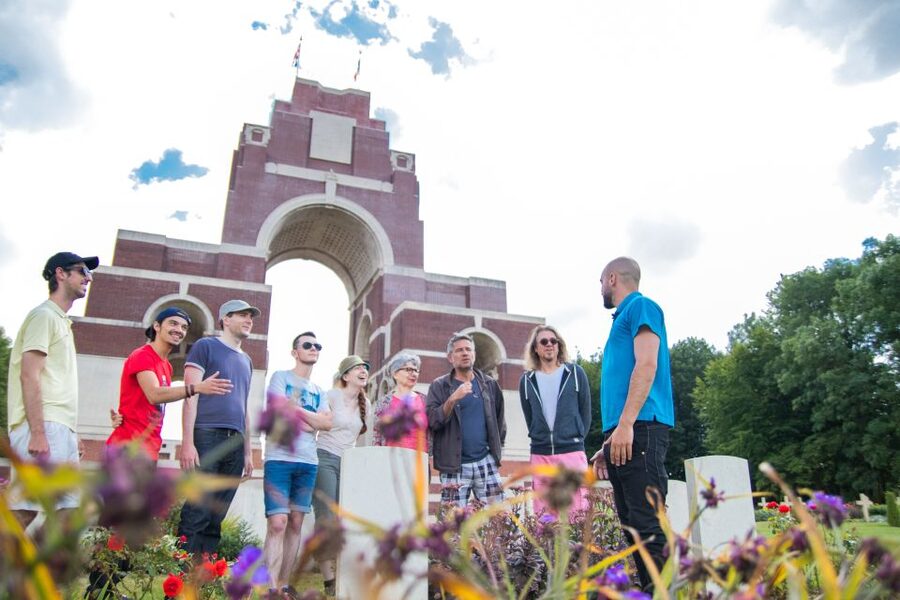
If you want a more focused angle on how different Commonwealth forces shaped the Somme story, this stop delivers. You’ll visit the Villers-Bretonneux Military Cemetery first, then spend about an hour at the Sir John Monash Centre.
This pairing works well because cemeteries give you the human scale, while the centre helps you connect the names to campaign context. It’s especially meaningful for Australians, since the centre centers the Australian perspective. But even if you’re not Australian, it helps you avoid the common problem of seeing WWI as one uniform story.
In past trips, the guides have helped personalize the experience when someone has a family connection. One example from the tour experiences includes a guide making sure a participant could find a great-grandfather’s name on a memorial wall and placing a poppy. That’s the kind of small, thoughtful touch that a small group makes easier.
If the Sir John Monash Centre is closed for exceptional reasons, the tour may replace it with the Historical Museum of Péronne. It’s worth knowing ahead of time so you’re not blindsided if the museum chapter changes.
Pozieres Memorial: When the Names Stretch Across the View
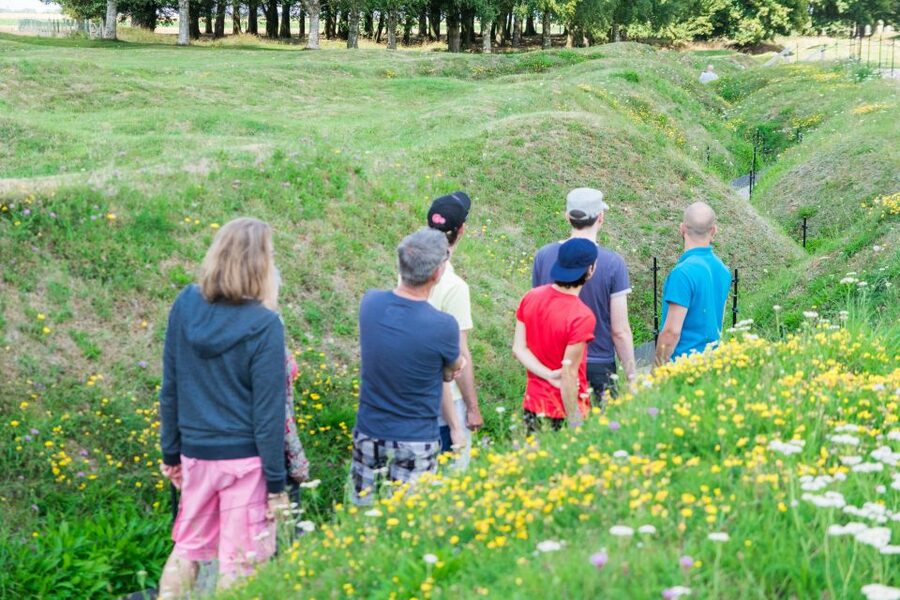
After Villers-Bretonneux, the day continues with the Pozieres Memorial, with a shorter stop time. This memorial works best when you treat it as part of a chain, not a standalone monument.
You’ve already seen the pattern at Thiepval: remembering those without known graves. Pozieres adds another layer by showing how different areas and units are tied to specific losses. The guide’s role is to connect the dots, so the names don’t feel like random lines on stone.
Given the tight timing of the overall day, you might not be able to read everything. That’s okay. Pick a few names, locate what you can, and use the guide’s explanation to build the bigger picture.
Amiens Cathedral: The Perfect Counterpoint After the Battlefields
Then you get to breathe, and you also get a lesson in why this region mattered. Notre Dame Cathedral in Amiens is a 13th century feat of architecture, and it’s the largest cathedral in France.
This is not a random sightseeing add-on. It’s a restorative button. After crater edges and trench lines, you’re suddenly back in a place designed to lift your eyes and slow your thoughts. It also reminds you that this land was lived in, not only fought over.
Your visit is about 30 minutes, which is enough time to appreciate the scale and details without feeling rushed into buying souvenirs or doing photo marathons. If the weather holds, you’ll likely find yourself lingering longer than scheduled, because the building encourages it.
The Guides Are the Difference: Watch How They Pace Reflection
Across tour experiences, the guides tend to receive top marks for a specific style. They don’t just dump dates. They guide you through what you’re seeing, then leave you room to take it in.
I’ve seen this work best with battlefield topics like the Somme, because the tone needs to be respectful and clear. Some guides also bring helpful humor, which sounds odd until you realize what it does. It keeps the group human, so you can handle the heavy parts without the entire day feeling like one long funeral.
If you’re going with a question in mind, write it down before you go. Small groups make it more likely you’ll get an answer. And if your interest is tied to a country, a unit, or a specific family story, tell the guide early. Several tour experiences describe guides tailoring the route or emphasis to match what participants care about.
Examples of guide names from the tour experiences include Will, Marrie, Matthieu, Olivier, Phillipe, Étienne, Phillip, Matthew, Jean-Baptiste, Lisa, Julian, Jonathan, Rocky, Sarah, Antoine, Clemens, Aaron, Oliver, and Clement. The key point for you is not the name itself. It’s the approach: clear explanations, safe driving, and a pacing that supports both learning and reflection.
Price and Value: What $271 Buys You Here
The price is listed at $271 per person for an 11 hour day. That might sound steep until you break down what’s actually included.
You’re getting:
- An English-speaking guide
- Transportation by A/C minibus
- Entrance fees
- Time at multiple major sites, including memorials and museum stops
- A guided trench walk where context matters
Doing this on your own would mean assembling transportation, figuring out the route, and paying for entrances one by one, plus you’d lose the interpretive layer a good guide provides. For many people, the cost is worth it because WWI sites are dense. Even if you can read plaques, you still need help understanding why the ground looks the way it does.
The luxury angle is also real. An A/C minibus for 11 hours is not the same as piecing together public transit when you’re tired and emotionally drained.
My balanced take: this tour is value-forward if you want someone else to do the route thinking and provide context. If you’re the type who wants to wander slowly and linger for hours at one cemetery, you might prefer a slower plan with fewer stops. But if you want the full Somme story arc in one day, this is a strong fit.
Who This Tour Best Fits
This is a great match for:
- Anyone who wants a one-day Somme experience without the stress of planning transportation
- Travelers who appreciate guided context, especially around memorial sites and trench geography
- Families, because the day is structured and the group size keeps the experience personal
- People with Commonwealth connections, particularly Australians and Newfoundlanders, since the sites highlighted include Australian memorial spaces and the Newfoundland Memorial at Beaumont-Hamel
It may be less ideal if:
- You get overwhelmed by emotional sites and prefer lots of private time
- You want long museum sessions, because the schedule has set stop lengths
- You need total control of timing at each site, since this day is built as a circuit
Should You Book the WWI Somme Battlefields Day Trip From Paris?
If WWI matters to you, I’d book it. The combination of Thiepval, Lochnagar Crater, Beaumont-Hamel trenches, key Commonwealth memorials, and Amiens Cathedral creates a day that teaches and heals in the same motion. The small group size and highly praised guiding style are a big part of why this tour works.
But I’d also go in with the right expectations: this is an intense 11 hours. You will see a lot. You won’t sit forever. If you can accept that tradeoff, you’ll come away with a clear sense of how the Somme campaign looked on the ground, and how memory is built into the landscape.
FAQ
How long is the WWI Somme battlefields day trip from Paris?
The duration is listed as 11 hours.
How big is the group?
The tour is limited to eight people, so you can get detailed responses from your English-speaking guide.
What is included in the price?
Transportation by an A/C minibus, an English-speaking guide, and entrance fees are included. Skip the ticket line is also part of the experience.
Is lunch included?
Food is not included. The day includes a short lunch stop at a local restaurant.
Does the tour run in bad weather?
Yes, the tour operates rain or shine.
If a museum is closed, what happens?
If the Sir John Monash Centre has an exceptional closure, it may be replaced by the Historical Museum of Péronne.
Latest Paris entries, notes attached






1-Day Tours, compared.


Normandy D-Day Sites & Cemetery Day Trip from Paris with Lunch
Read our review →


Disneyland® Paris 1-Day Flexible Date Ticket
Read our review →
Loire Valley Castles Day Trip from Paris with Complementary Wine
Read our review →
Giverny, Monet’s Home & Gardens Half-Day Trip
Read our review →
Normandy D-Day Small-Group Day Trip with Omaha Beach, Cemetery & Cider Tasting
Read our review →This tour also appears in