Reviewed · WINE TOURS
Château de Luc: Unique visit and wine tasting
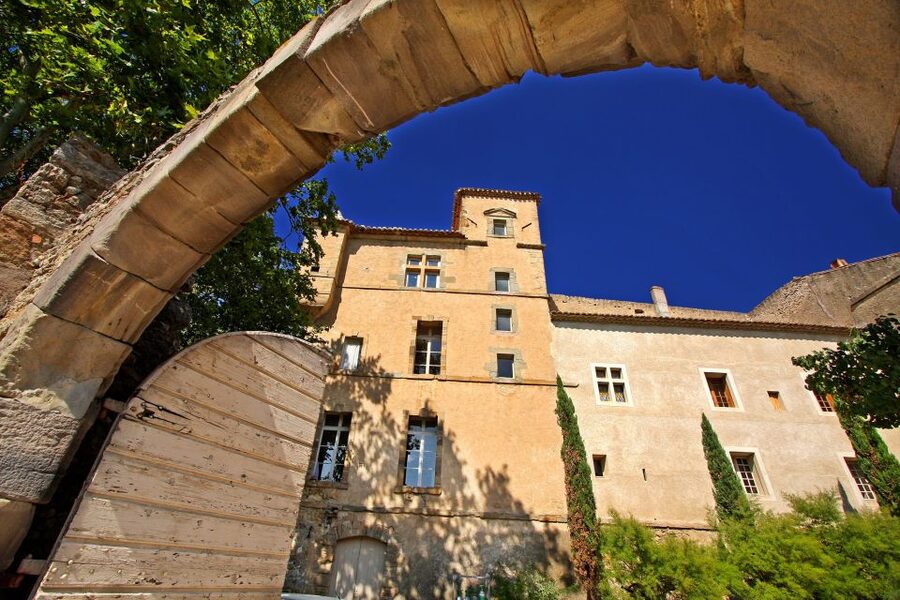
Wine and history go underground here. At Château de Luc, you get a hands-on tour of a family estate, from historic rooms to a 14th-century underground cellar, plus a guided organic wine tasting in the cellar space.
I especially like the clear, human explanations of how Languedoc vineyards and winemaking work, and I love that the tasting focuses on organic wines with a range of appellations. One heads-up: it is not suitable for wheelchair users, so plan accordingly if mobility is an issue.
In This Review
- Key highlights to look for
- Château de Luc: A family wine tour that feels like walking through time
- What the setting does to the experience
- Historic rooms first: how the château tour sets up the cellar
- A practical tip: ask questions early
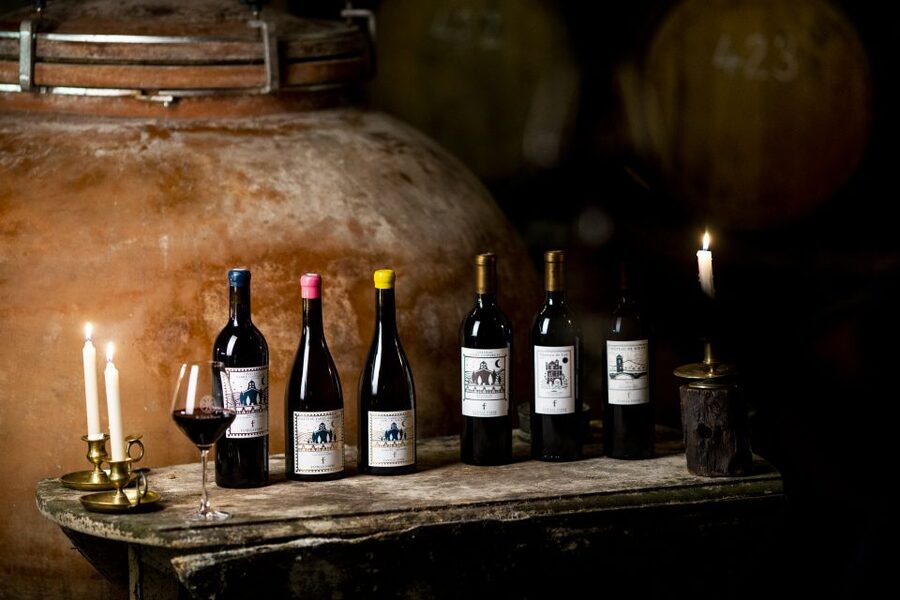
- Going underground: the 14th-century cellar experience that changes your senses
- Why this stop is worth the ticket
- The Midi viticole timeline: 19th-century golden age to 1907
- How history turns into wine understanding
- Organic wine tasting in an old stable: what you actually try
- What to expect from the tasting guide
- Should you buy a bottle?
- Price and value: why $15 can feel like a steal
- A quick fairness note
- Who will love this tour, and who might want to choose something else
- Best time to go mindset
- Practical tips for a smooth visit south of France
- Should you book Château de Luc?
- FAQ
- How long is the Château de Luc visit?
- What’s included in the wine tasting?
- What languages are available?
- Is this experience wheelchair accessible?
- Are children allowed?
- Can I cancel or change my plans?
Key highlights to look for
- A 14th-century underground cellar visit that changes the pace fast, from rooms above to cool stone below
- Organic wine tasting featuring multiple wines, usually 3 to 6
- Midi viticole storytelling from the 19th-century golden era to the 1907 revolt
- A family-run, multi-language guide (French, English, Spanish), often taught with genuine pride
- Tasting cellar set in an old stable, which makes the experience feel practical, not museum-still
Château de Luc: A family wine tour that feels like walking through time
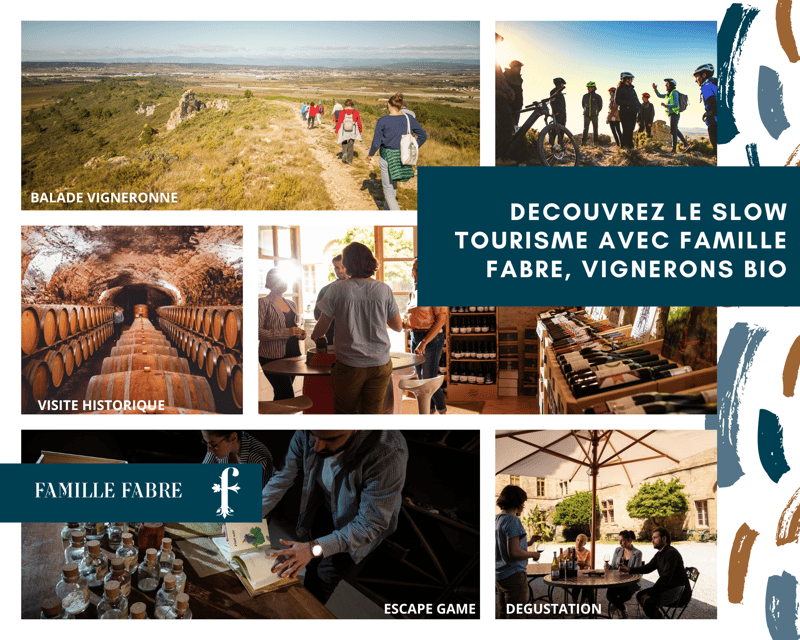
If you like wine culture that comes with context, this is a great stop in the South of France. Château de Luc is a family-run winegrowing business, and the visit is built around movement through the estate, not just standing in one room waiting for someone to talk. You start with the château itself, then go down into the underground cellar, and finish in a tasting area where you can actually compare wines and ask questions.
At $15 per person for a 1-day experience, it sits in the value sweet spot. You’re not just buying a taste flight, you’re paying for a guided tour in three languages and a structured tasting of organic wines. Even better, it’s the kind of outing where you walk away with names, dates, and a clearer idea of why this region tastes the way it does.
What the setting does to the experience
The underground part is the big reason people remember this tour. Stone, humidity, and temperature control are not just details here. They directly affect how wine ages, and the tour uses the space to make that idea feel real. Then the tasting room is different again, set in an old stable, which keeps the tone grounded, like you’re in a working property, not an exhibit.
More French appellations, visited:
- Paris: Moulin Rouge Cabaret Show Ticket with Champagne
★ 4.7 · 16,088 reviews
Historic rooms first: how the château tour sets up the cellar
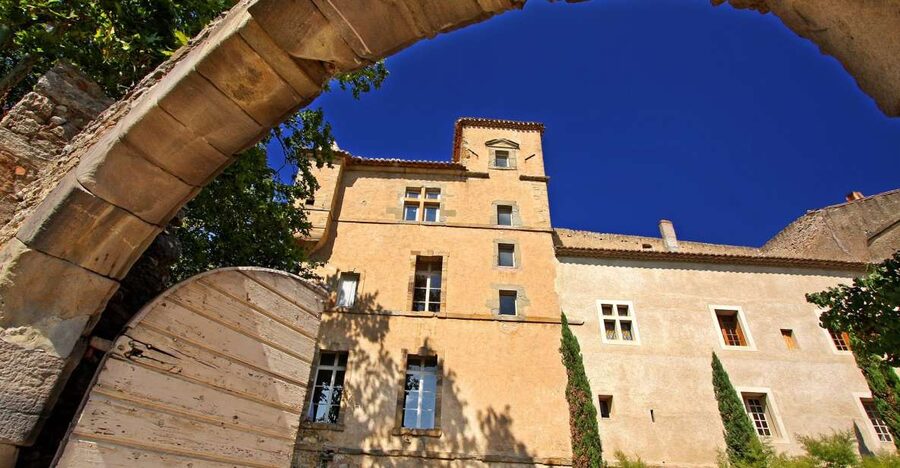
You begin with a guided walk through Château de Luc’s historic rooms, paced to take you through the centuries. This section matters because it tells you what you’re looking at before you go underground. Instead of treating the cellar as a standalone attraction, the visit links the château to the people and pressures that shaped the vineyard life around it.
You’ll also get to hear how the estate fits into the bigger Languedoc story. The tour framing is built for anyone who likes history, but it never forgets it’s a wine business. That balance is what makes the time feel worthwhile, even if you’re not a hardcore wine historian.
A practical tip: ask questions early
If you’re the type who loves to understand rather than just taste, bring your questions from the start. Ask about vineyard management or why certain grapes do better in certain areas. Guides here are positioned to answer those topics because the visit covers both the physical spaces and the winemaking thinking that goes with them.
Going underground: the 14th-century cellar experience that changes your senses
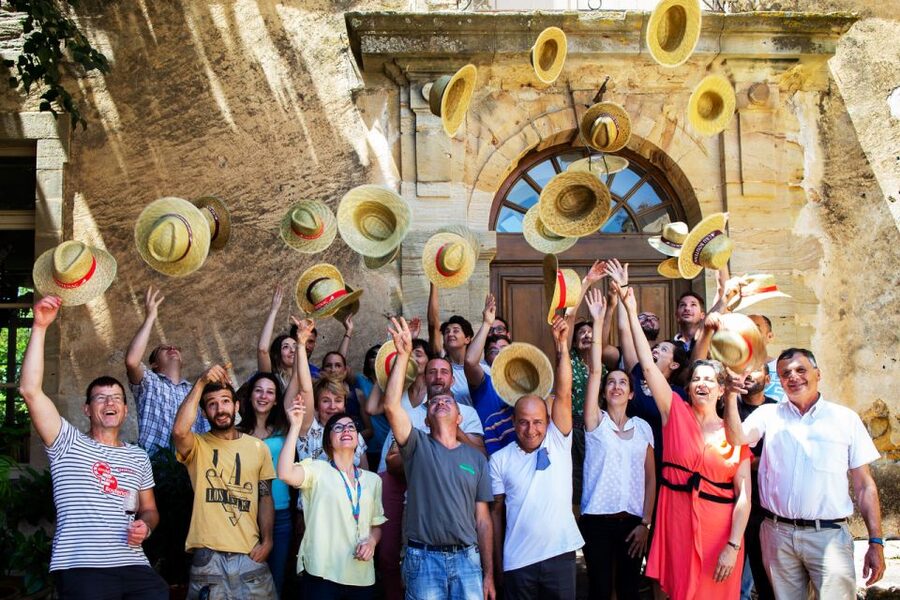
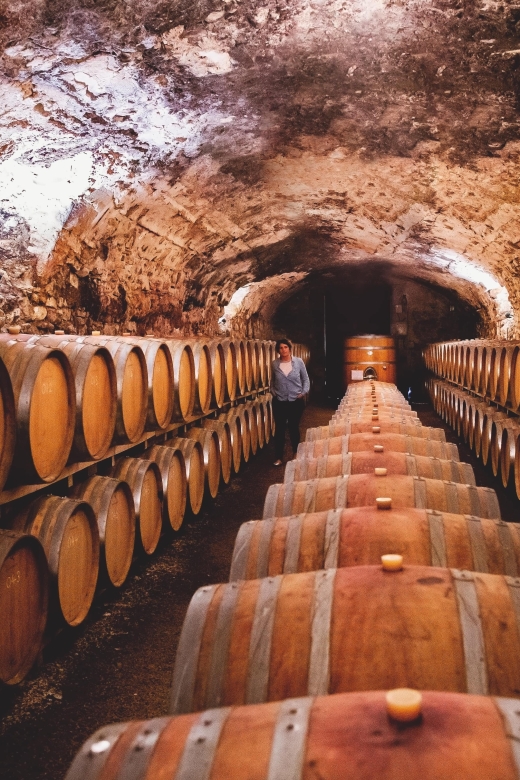
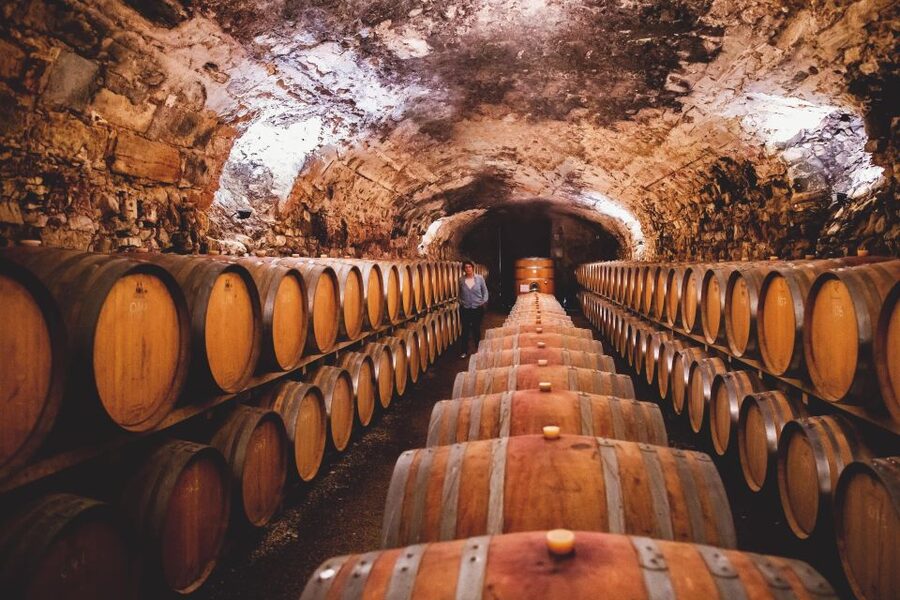
The highlight is the underground cellar, dating from the 14th century. The tour brings you into the underground space to see where wine aging happens, and the shift is immediate. Lighting, temperature, and acoustics all change as you go deeper. That’s not just ambiance, it’s the practical reality of cellars, and the guide uses the setting to explain how that environment supports aging.
This is where the visit earns its “unique” label. Many wine tastings stop at a tasting room. Here, you get the behind-the-scenes setting first, so the tasting feels earned. You can taste with a better mental picture of what the wine has been doing while it sat underground.
Why this stop is worth the ticket
The ticket includes a full guided flow, and the cellar is the pivot point. If you only want to drink, you might feel like it’s a lot of walking and explanations. But if you enjoy connecting wine with process, this cellar section makes the tasting more meaningful, not just another flight.
The Midi viticole timeline: 19th-century golden age to 1907
One of the most interesting parts of the tour is the historical thread tied to the region. You’ll hear the Midi viticole story from the Golden Age of the 19th century to the great revolt of 1907. That timeline isn’t thrown in as name-dropping. It helps you understand why wine culture in Languedoc has the character it does, and why the region’s vineyards and production methods became tied to politics, economics, and local identity.
For me, that history is the difference between a nice tour and a memorable one. When you know why things happened, you taste with more context. The same wine labels start making more sense, not just as products but as results of long regional change.
How history turns into wine understanding
As the tour moves through the story, you’ll be better prepared to ask intelligent questions during the tasting. You’ll notice how terms like appellations and vineyard practices connect to real people and real periods. If you’ve ever wondered why certain wines carry specific regional names, this is the kind of visit that gives you a path to that answer.
Organic wine tasting in an old stable: what you actually try
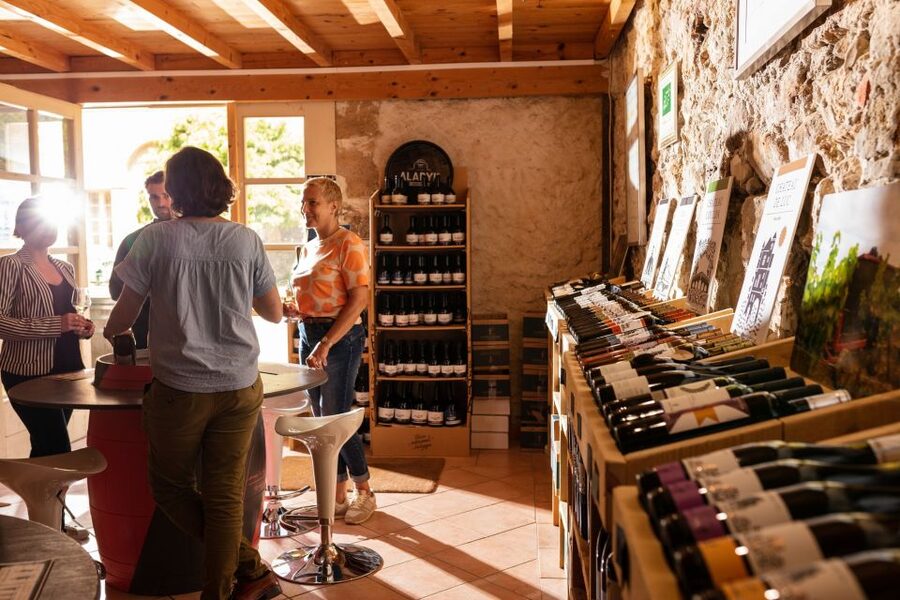
After the historic rooms and the underground cellar, you reach the tasting cellar set in an old stable. This is a smart setup. It signals function first. You’re there to sample and talk, not pose for photos in a perfectly staged room.
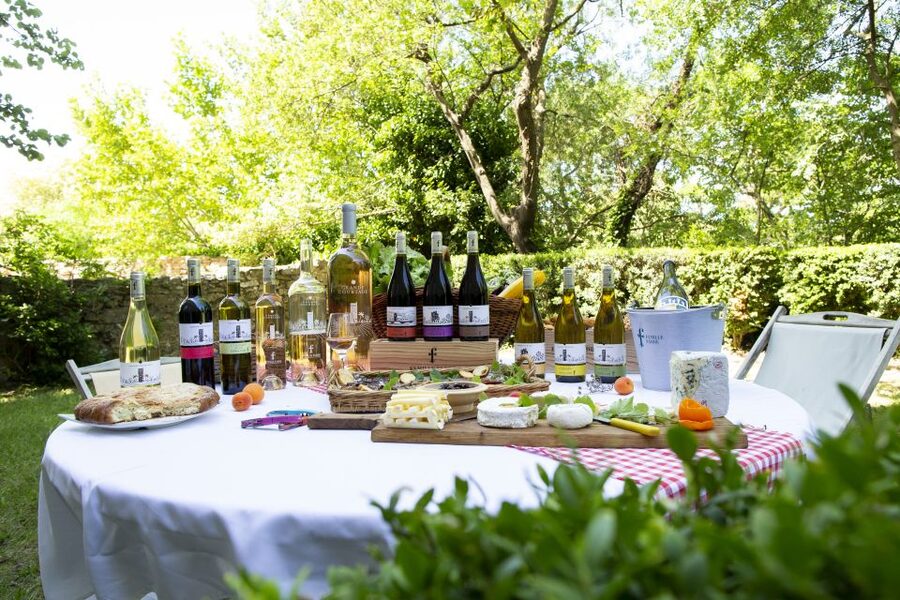
The tasting includes a selection of organic wines, typically 3 to 6 wines. You’ll taste across styles and classifications, with options ranging from IGP Pays d’Oc up through AOC Languedoc, plus Corbières and Minervois. That range is useful because it shows you how labels relate to place, not just marketing.
What to expect from the tasting guide
The tour is led by a guide working in French, English, and Spanish. From the way the explanations come across, the guides focus on the practical side of viticulture and winemaking, so you can connect aromas and flavors to decisions made in the vineyard and cellar.
Some visitors mention guides like Jeanne, who brings a calm expertise and a passion for both the family estate and the craft. You might not have the same guide, but you can expect the same vibe: friendly answers, clear explanations, and time for your questions.
Should you buy a bottle?
If you find two wines you like, buying can be a good way to extend the experience. Some wines are described as having excellent variety and strong value, and the tasting is set up so you can compare rather quickly. If you’re driving, plan ahead for transport and try to pick one or two bottles you truly enjoyed, not just the “safest” pick.
Price and value: why $15 can feel like a steal
At $15 per person for a 1-day visit, the pricing works because the ticket covers more than just tasting. You get a guided tour of the château spaces, the underground cellar visit, and the tasting of a selection of organic wines (usually 3 to 6). On top of that, the tour is in three languages, which is not always included at this price point.
Here’s the value logic I like: you’re paying for access and interpretation. Many wine experiences charge a lot for the tasting portion alone. This one adds the “why” with the château history and the Midi viticole timeline, so the tasting comes with context.
A quick fairness note
Not every palate reacts the same way. If you expect only high-octane, big-name international styles, you might be disappointed by how region-driven and varied the organic wines taste. Also, if your main goal is a very long sit-down, this is a tour format, so the experience is structured and moving.
Who will love this tour, and who might want to choose something else
This tour is a strong match if you want:
- Wine culture with historical context, especially for Languedoc and the Midi viticole story
- A chance to ask questions about vineyard management and winemaking
- A tasting that includes multiple organic wines, not just one quick sip
It may be a less ideal match if:
- You need wheelchair access, since it is not suitable for wheelchair users
- You want only a short, minimal explanation and no historical pacing
- You are looking for a heavy emphasis on food pairing, since the core format here is tour plus wine tasting
Best time to go mindset
Because it’s a guided tour with clear steps, arrive with enough time to settle in. If you show up rushed, you’ll miss the chance to connect the story to the tasting, which is where the experience really clicks.
Practical tips for a smooth visit south of France
A few things will help you get the most out of Château de Luc:
- Bring questions. The guide’s role is to explain vineyard and winemaking choices, so your curiosity will pay off.
- Plan your tasting pace. You’re tasting several organic wines, so slow down and compare. Take a moment to connect aroma to the style names you hear.
- Wear comfortable shoes for the tour walk and the underground cellar portion.
- If you’re with kids, there’s a free visit for under-age children, which can make the outing easier to manage.
- Know the format is guided. It runs within a set day window and you’ll want to follow the group pace.
If you like flexibility, you can reserve now and pay later, and you can cancel up to 24 hours in advance for a full refund. That setup makes it easier to fit into a travel day without losing sleep.
Should you book Château de Luc?
Book it if you want an honest, regional wine experience that combines historic spaces, a very specific 14th-century underground cellar visit, and an organic tasting that includes multiple wines across appellations. The Midi viticole timeline adds real meaning, not extra noise.
Skip it if you need full wheelchair access or if you’re only interested in a quick tasting with minimal storytelling. For everyone else, this is a strong value way to understand Languedoc wine culture while standing in the places where wine aging actually happens.
FAQ
How long is the Château de Luc visit?
The activity is listed as lasting 1 day.
What’s included in the wine tasting?
The tour includes a tasting of a selection of the winery’s organic wines, typically 3 to 6 wines.
What languages are available?
The tour is offered in French, English, and Spanish.
Is this experience wheelchair accessible?
No, this activity is not suitable for wheelchair users.
Are children allowed?
Yes. There is a free visit for under-age children.
Can I cancel or change my plans?
You can cancel up to 24 hours in advance for a full refund, and you can also use a reserve now and pay later option.
France by the Course
- Paris: Seine Cruise & Crepe Tasting near the Eiffel Tower
★ 4.4 · 11,231 reviews - Authentic Parisian Gourmet Food Tour with 10 Local Dishes & Wines
★ 5.0 · 4,754 reviews - Bordeaux: Cité du Vin Entry Ticket and Wine Tasting
★ 4.6 · 3,885 reviews - Normandy D-Day Small-Group Day Trip with Omaha Beach, Cemetery & Cider Tasting
★ 5.0 · 2,786 reviews
Latest Narbonne entries, notes attached
Wine Tours, compared.

Authentic Parisian Gourmet Food Tour with 10 Local Dishes & Wines
Read our review →
Loire Valley Castles Day Trip from Paris with Complementary Wine
Read our review →

River Garonne Cruise with Glass of Wine and Canelé
Read our review →
Montmartre Hill French Gourmet Food and Wine Tasting Walking Tour
Read our review →
Montmartre Cheese, Wine & Pastry Guided Walking Tour
Read our review →
Loire Valley Castles Day Trip With Wine Tasting
Read our review →