
Reviewed · MACARON & PASTRY CLASSES
Croissant Baking Class, Mastering the Art with a Pastry Chef
Croissant making in Paris hits different than watching. In a max 8-person class, you get one-on-one coaching while you practice laminating and shaping, then walk away with that golden, flaky result. It is also one of those rare activities where the room stays friendly, and you can chat with other baking lovers while you work.
The main catch is physical. You need enough hand strength to knead dough, and the class is for age 17 and up, so plan on real, hands-on effort for about 3 hours.
In This Review
- Key things that make this class worth it
- Where Studio Pâtisserie is, and why the neighborhood matters
- The 3-hour flow: from dough basics to a tray you can feel proud of
- 1) Welcome and the croissant-making logic
- 2) Hands-on dough work, with real guidance
- 3) Laminating and shaping, the heart of the class
- 4) Baking time, then take-home results
- Small group focus: what max 8 people changes
- Meet your instructor: Leo and Maria’s teaching style
- Butter, layers, and the 16-layer goal (plus what to do at home)
- Proofing and timing: why your dough might not start from zero
- What you take home: croissants plus pain au chocolat
- Price and value: is $143.92 reasonable for this class?
- Who should book this croissant class
- Should you book Studio Pâtisserie’s croissant class?
- FAQ
- Where is the meeting point for the croissant class?
- How long is the class, and what is the group size?
- Is the class taught in English?
- What do I take home at the end?
- What are the age and physical requirements?
- Are recipes provided?
- Is the experience refundable if plans change?
Key things that make this class worth it
- Small group setup (max 8) keeps the focus on you, not on a big lecture
- Laminating and shaping practice teaches the steps behind flaky layers
- Chefs bring the energy, with instructors like Leo and Maria described as fun, funny, and patient
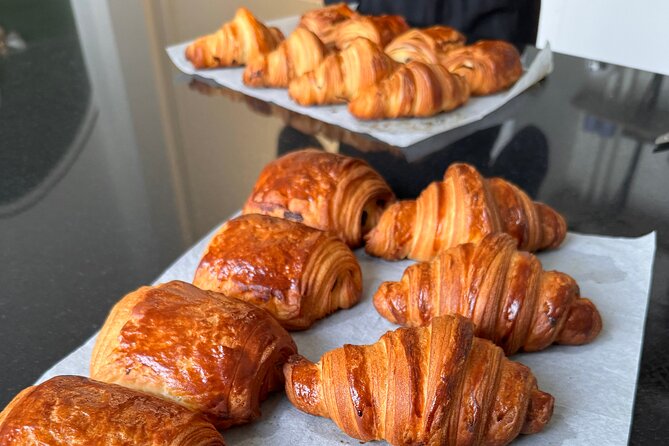
- You take home a serious payoff, including croissants and pain au chocolat
- You get home-baking guidance, like notes on rectangle dimensions and metric conversions
- Recipes are shared, with at least one participant reporting emailed recipes
Where Studio Pâtisserie is, and why the neighborhood matters
The class meets at Studio Pâtisserie, 85 Rue de Rome, in the 17th arrondissement (75017). It is also listed as near public transportation, which matters in Paris because walking can turn from pleasant to tiring fast. A smooth start helps here, because you are going to spend the next few hours using your hands.
The studio experience is intentionally intimate. With a maximum of eight people, you are not squeezed in with a crowd. That means you can ask questions without waiting your turn, and you can actually follow the chef’s corrections while you shape dough.
Also note the basics: you receive a mobile ticket, confirmation happens at booking time, and the class is offered in English. If you want to follow step-by-step without translating in your head, that part is a big quality-of-life win.
The 3-hour flow: from dough basics to a tray you can feel proud of
This is not a passive food tour. You are guided through the real work of French pastry making, then you do it. The full session runs about 3 hours and ends right back where you start.
Here is the rhythm you can expect:
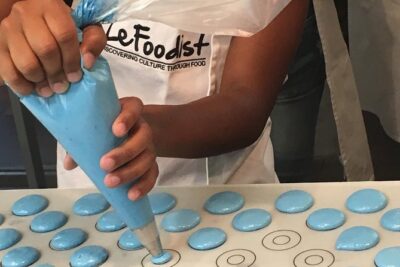
More piping bags and patient shells:
- Paris: Montmartre Cheese, Wine & Pastry Guided Walking Tour
★ 4.8 · 2,255 reviews - Paris: Macaron Class at Galeries Lafayette
★ 4.2 · 1,196 reviews - Paris Croissant Small-Group Baking Class with a Chef
★ 5.0 · 910 reviews
1) Welcome and the croissant-making logic
You start with an introduction to French pastry making. The chef focuses on why quality ingredients and precise measurements matter, then ties it to the texture people love in croissants: the balance of folding and rolling that leads to that signature layered bite.
Even if you have baked before, this “why” piece helps. Most home bakers get stuck because they copy the shape but miss the process. Here, the emphasis is on technique, especially how the dough is handled through folding and rolling.
2) Hands-on dough work, with real guidance
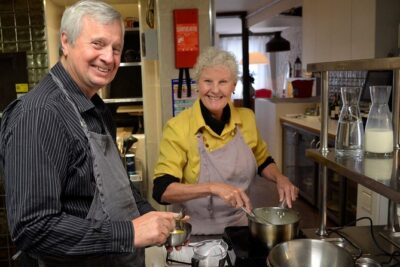
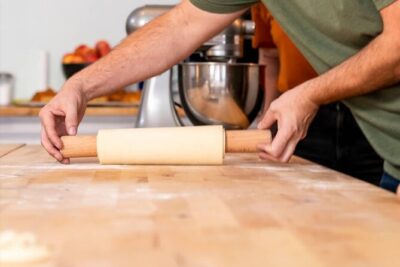
Next comes the physical part. You roll up your sleeves and get working with the dough under your instructor’s supervision. Reviews highlight that everyone in the group gets dough to roll out and shape for baking, so you are not just watching someone else do the lamination.
Because you need strength to knead dough, you should show up ready to work. If kneading is a problem for you, this is the part that could feel awkward. If it is fine, you will probably find the structure helps a lot, because you get instructions while your hands are in motion, not after the fact.
3) Laminating and shaping, the heart of the class
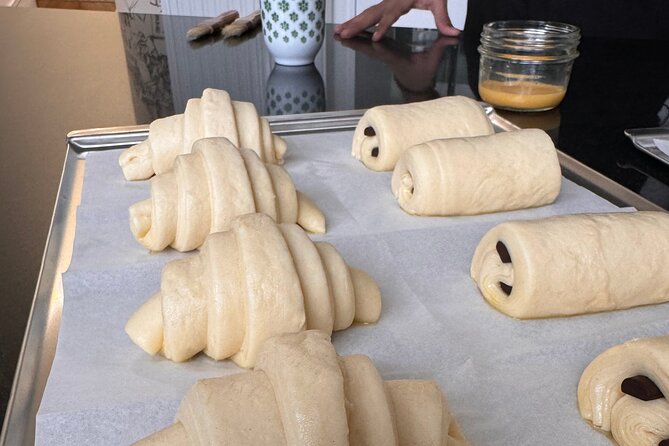
The core skills are laminating and shaping into iconic crescent pastries. Your instructor guides you through folding and shaping so you can create the right form and layering.
One review also mentions learning about butter and flour, and ending up with a 16-layer pastry, with the instructor helping when problems showed up. That detail is exactly the kind of “real learning” you want, because laminating errors usually come from small mistakes that are hard to spot on your own.
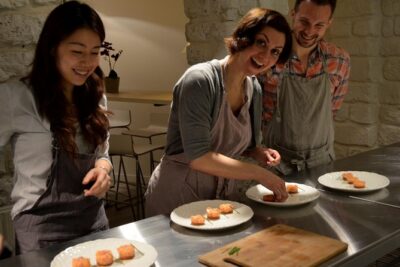
More French technique, taught properly:
4) Baking time, then take-home results
While your croissants bake, there is time to savor the moment and share tips with your group. Reviews describe a relaxed, camaraderie vibe, not a stiff classroom.
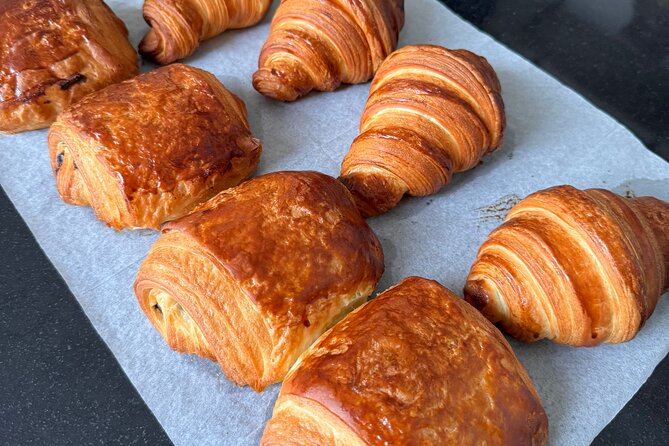
Then comes the part that makes the class feel like more than a lesson: the edible payoff. One participant reported taking home four croissants and four pain au chocolat each, which lines up with other comments about leaving with a full batch of pastries.
Small group focus: what max 8 people changes
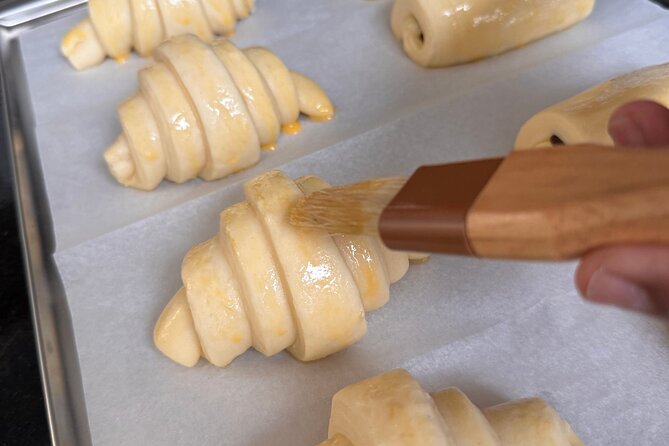
A lot of “classes” in Paris feel like a demo with a few hands-on moments. This one is built around the opposite idea: a max group size of eight so you can practice and get corrections.
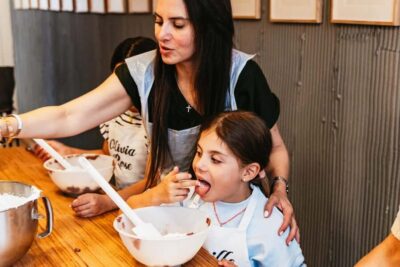
That structure shows up in reviews as patience and attention. Chefs like Leo and Maria are repeatedly described as fun, supportive, and organized, and the vibe is easygoing rather than stressful. In practical terms, that means when your fold or cut looks off, you are more likely to fix it in the moment.
The other quiet benefit is pacing. In a tiny class, you can keep momentum. You are still learning, but you are not stuck waiting for the group to catch up.
Meet your instructor: Leo and Maria’s teaching style
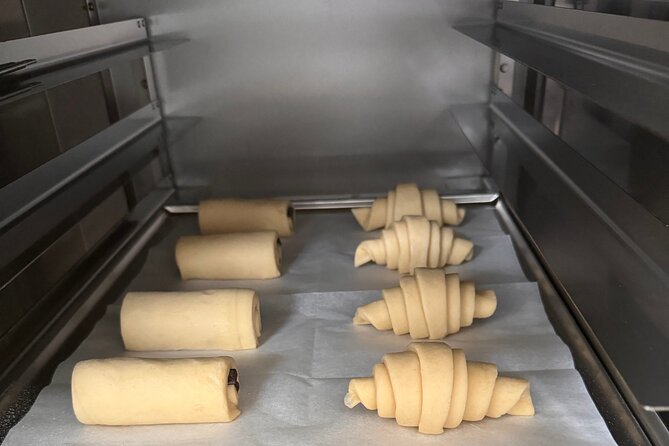
The class runs with pastry chefs at Studio Pâtisserie, and the names that appear in the feedback include Chef Leo and Chef Maria.
What sticks out is not just skill. It is how they teach:
- Fun explanations that keep you engaged
- Step-by-step directions you can follow even if you have never made croissants
- Patient corrections, especially when your dough acts differently than it did for the demo
- A friendly chat element, with one review mentioning Paris in addition to baking tips
If you learn best through clear talk and hands-on repetition, this setup is a good match. Several comments point out that instructions make the process easier to follow, even for people who only bake occasionally.
Butter, layers, and the 16-layer goal (plus what to do at home)
Croissants live or die by lamination. Here, you are explicitly taught laminating and shaping, and at least one past class focused on building layers through the butter and flour process.
That is where your take-home success depends on more than taste. It depends on consistency and repeatable dimensions. One review gives a very practical warning for future bakers: you roll out lots of rectangles and triangles during the process, and you will likely want to write down the dimensions used in class. If you plan to bake at home, bring a notebook and actually record sizes.
If you are coming from the US, you will also want to be comfortable with conversions. One participant specifically suggested getting your phone to handle metric-to-English changes for length, weight, and volume, since pastry dough measurements often live in grams and millimeters.
If you do those two things, you are setting yourself up to replicate the structure you learned. Without them, you can end up with croissants that taste decent but do not look or layer the same.
Proofing and timing: why your dough might not start from zero
One of the smarter operational details mentioned in feedback is that some classes use dough that has been made by a previous day’s class to ensure proper proofing. That helps explain why the baked results are so reliable by the end of the session.
From your perspective, it means less waiting and fewer variables. You get to focus on the folding, rolling, laminating, and shaping skills the class is trying to teach, rather than starting from raw dough and hoping timing lands perfectly.
If you are picky about results, that is a big deal. Proofing is where many home attempts go sideways. Using dough prepared in advance helps the instructor keep the learning focused and the outcome strong.
What you take home: croissants plus pain au chocolat
The class is not just a single-item souvenir. Feedback mentions leaving with a full set of baked pastries.
One review was very specific: four croissants and four pain au chocolat each. Another describes leaving with a batch of eight extraordinary pastries. So you should plan on eating well that night, and you might even have enough to share.
This also affects value. When a class includes a meaningful take-home result, you are paying for instruction plus product, not just a cooking story.
Price and value: is $143.92 reasonable for this class?
At $143.92 per person for about 3 hours, this is not a budget activity. But it can still feel like good value if you care about technique and you want a repeatable outcome.
Here is the value math that matters:
- Small group size (max 8) means more individual coaching, not a crowd-managed demo
- Hands-on instruction with laminating and shaping takes time and skilled oversight
- A real tray of pastries to take home boosts the payoff beyond “fun class”
- English instruction removes one more friction point, especially for detailed steps like cutting and shaping
If you are the type who can buy a croissant anywhere but also loves learning the process, the price is easier to justify. If you just want to eat pastries and move on, you might find the cost steep. Think of this as a skill workshop with an edible ending, not a snack stop.
The fact that it is often booked about 47 days in advance also hints at demand. If you are traveling during peak dates, plan early.
Who should book this croissant class
This is a great fit if you:
- Want hands-on baking instruction in Paris
- Learn best with step-by-step guidance and fast corrections
- Like small group experiences where you can chat while you work
- Prefer English-led instruction
- Want a take-home result, not just a tasting
It is less ideal if:
- Kneading dough is a deal-breaker for you (strength is needed)
- You are looking for purely sightseeing time with minimal physical effort
- You are under 17
Families can be a possible match in the sense that the experience is social and engaging, but the published age requirement is 17 and up, so plan accordingly.
Should you book Studio Pâtisserie’s croissant class?
I would book it if you want the kind of Paris food experience that actually changes what you can do at home. The strongest signals are the small group size, the repeated praise for patient, fun instruction from chefs like Leo and Maria, and the clear take-home payoff (croissants plus pain au chocolat).
Do it sooner rather than later, since it is commonly reserved about a month and a half ahead. Bring a notebook for rectangle and triangle dimensions, and if you bake from the US, get ready for metric conversions.
If you want a low-effort activity, skip it. If you are happy to knead, roll, fold, and learn, this class is one of the most satisfying ways to spend a chunk of time in Paris.
FAQ
Where is the meeting point for the croissant class?
You meet at Studio Pâtisserie, 85 Rue de Rome, 75017 Paris, France. The activity ends back at the same meeting point.
How long is the class, and what is the group size?
The class runs about 3 hours and has a maximum of eight travelers.
Is the class taught in English?
Yes. The experience is offered in English.
What do I take home at the end?
You’ll bake croissants, and pain au chocolat is included as well. One participant specifically reported taking home four croissants and four pain au chocolat each.
What are the age and physical requirements?
Participants need to be 17 years of age and above, and strength is needed to knead the dough.
Are recipes provided?
In at least one review, the instructor sent recipes by email. So you should expect to receive written instructions to help you recreate the results.
Is the experience refundable if plans change?
Free cancellation is available if you cancel up to 24 hours in advance for a full refund. Changes made less than 24 hours before the start time are not accepted.
More Workshops in Paris
- Fragonard Paris: Mini Perfume Workshop
★ 4.5 · 1,924 reviews - Paris: 2-Hour Perfume Creation Workshop
★ 4.8 · 731 reviews - Paris: French Macaron Culinary Class with a Chef
★ 4.9 · 591 reviews - Paris: French Wine Tasting Class with Sommelier
★ 4.8 · 550 reviews
Latest Paris entries, notes attached
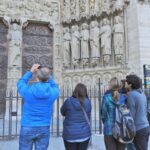



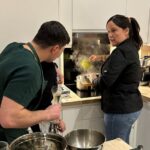


Macaron & Pastry Classes, compared.
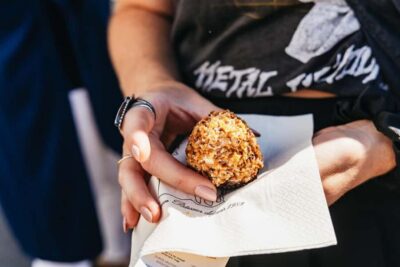
Montmartre Cheese, Wine & Pastry Guided Walking Tour
Read our review →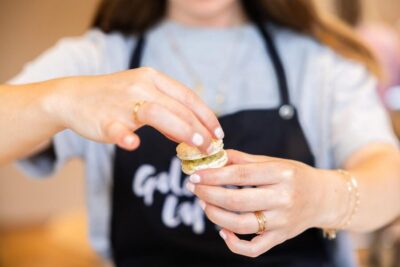
Paris Croissant Small-Group Baking Class with a Chef
Read our review →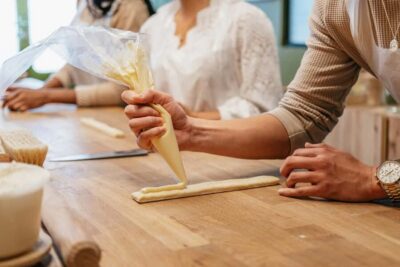
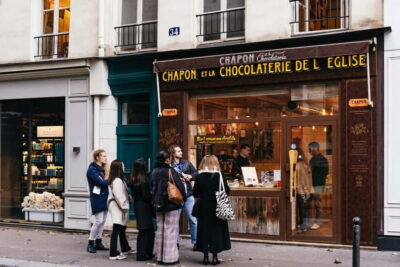
Saint-Germain: Gourmet Chocolate & Pastry Walking Food Tour
Read our review →
Paris Chocolate, Macaron & Pastry Food Tour: 10 Gourmet Tastings
Read our review →
Macaron Bakery Class at Galeries Lafayette Paris
Read our review →This tour also appears in