Reviewed · FRANCE
Domain visit
Amphora wine science in 2 hours. At Château de la Selve, you get a guided walk through a real working wine estate, from vineyards to cellar, with a strong focus on organic wine making. It’s a compact outing that still covers the full story of how the grapes turn into wine.
I love two things most: first, the chance to taste nine different vintages from the estate, and second, the way the guide connects what you see (vat room, cellar) with what you taste. The only real catch is language, since the tour is generally in French even though guides speak good English.
In This Review
- Key things to know before you go
- Château de la Selve in Grospierres: a tight, practical 2-hour format
- Getting your bearings: where to start and how the tour is paced
- The tasting payoff: nine vintages and what you learn by comparing them
- Inside the estate route: vineyards, vat room, and the cellar finish
- Organic wine made understandable: amphora breeding and barrel tasting
- English-friendly without overselling it: language and expectation setting
- Price and value: $14.38 for admission, guidance, and real tasting time
- Who should book this wine estate tour?
- Should you book Château de la Selve?
- FAQ
- How long is the Château de la Selve tour?
- What does the price include?
- Is there a mobile ticket?
- What languages is the tour offered in?
- Is this a private tour?
- Where do I meet for the tour?
- How many wines or vintages will I taste?
- What will the tasting include?
- Can I get a refund if I cancel?
- Are service animals allowed?
Key things to know before you go
- Taste nine estate vintages, so you can compare styles and years back to back.
- Historic estate tour, walking through the main production spaces, not just a quick sales stop.
- Organic winemaking focus, with explanations tied to the process you’re touring.
- Amphora breeding gets a spotlight, including time to see and understand the method.
- On-barrel tasting of a wine as part of the tour flow.
- Ends with cellar tasting, including multiple wine colors (white, rosé, red).
Château de la Selve in Grospierres: a tight, practical 2-hour format
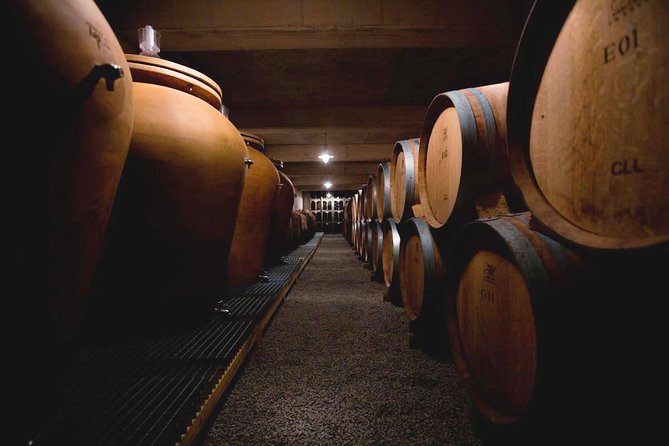
Château de la Selve is in the Ardèche area near Grospierres, at 3120 route d’Alès (07120). The experience runs about 2 hours, and that time matters. This is not a half-day with long gaps. It’s designed to keep you moving through the estate, learning the process, and tasting before you lose interest or appetite.
I like tours like this because you get the “what matters” version of a winery. You’re not waiting around for transfers, and you’re not stuck listening to vague talk about wine. Instead, you follow the steps, from growing grapes near the château to the cellar where you finish tasting. It also helps that it is a private tour/activity, meaning it’s only your group. That usually makes it easier to ask questions and hear instructions clearly.
Price is listed at $14.38 per person, which is the big value angle here. You’re paying for admission plus guidance plus tasting time, not just a look-around. For a wine activity, that’s often the difference between “interesting” and “actually worth it.”
Getting your bearings: where to start and how the tour is paced
You’ll start and end at the same place: Château de la Selve, 3120 route d’Alès, 07120 Grospierres. Since it’s a round trip back to the meeting point, you can plan your day around that 2-hour window without worrying about getting dropped off somewhere inconvenient.
The tour structure is straightforward. The guiding runs you through the estate in stages, beginning with the vineyards near the château and continuing through the vat room and into the cellar. That matters because it mirrors how wineries actually work. You can connect the terms you hear with the actual spaces you’re standing in.
If you’re choosing what to do that day, this is a good “anchor” activity. You can put it in the middle or near the start of your wine time in the region, then build the rest of your schedule around it.
A page later in the France notebook:
- Leisure ride on an electric scooter
★ 5.0 · 276 reviews - Canyoning Annecy Angon Discovery
★ 5.0 · 181 reviews - Cave Museum Village Troglodyte of Rochemenier Admission Ticket
★ 4.5 · 143 reviews
The tasting payoff: nine vintages and what you learn by comparing them
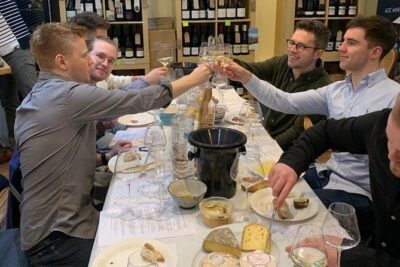
The headline is simple: you taste nine different vintages from the estate. That is a lot of comparison for a 2-hour visit. Instead of learning about wine from theory alone, you get to react in real time to different years and production outcomes.
This kind of lineup helps you train your palate fast. You’ll start to notice patterns you might not catch with just one bottle or one year. And because you taste across multiple styles, you get a wider sense of the estate’s range.
One detail that makes this more fun: the tasting includes white, rosé, and red. That gives you a practical way to figure out what you like. If you tend to choose one color when shopping, this is how you confirm it, or how you get surprised and broaden your picks.
The other tasting moments are built into the route, not dumped at the end. You get barrel tasting of a wine along the way, which lets you compare “in progress” flavors to what you taste later in the cellar. That adds depth to the experience, even if you’re not a wine expert.
Inside the estate route: vineyards, vat room, and the cellar finish
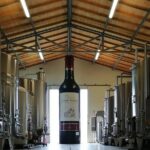
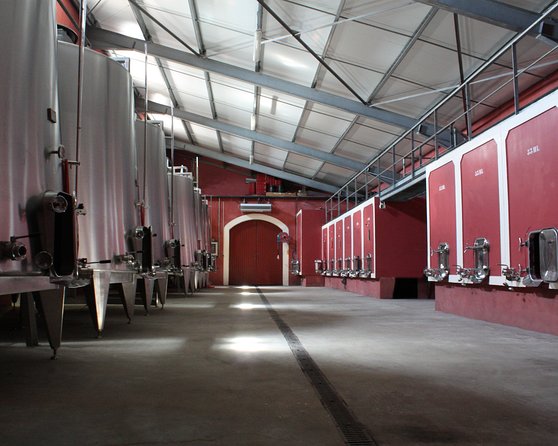
The tour is basically a guided storyline. It starts with the vineyards near the château, then moves into the production areas: the vat room, and finally the cellar. You’re not just looking at buildings. You’re following a path that matches the winemaking process.
Here’s what to watch for as you walk through. In the vineyard portion, listen for anything the guide ties to grape quality and how the estate’s decisions affect the finished wine. When you reach the vat room, focus on how fermentation and handling show up in the resulting taste. Then in the cellar, you get the moment that ties it together, because this is where the tour ends with tastings.
The cellar finish is important. That’s where the estate tasting happens, and you’re doing it after you’ve already seen key production spaces. Your brain connects the dots faster. You’ll also be more relaxed, because the route is coming to a natural end, and you’re not switching between “look” and “taste” every five minutes.
If you’re the kind of visitor who likes to take notes, this tour gives you plenty to write down: wine names, vintage years, and the guide’s explanations. If you don’t take notes, no problem, the flow is still easy to follow.
Organic wine made understandable: amphora breeding and barrel tasting
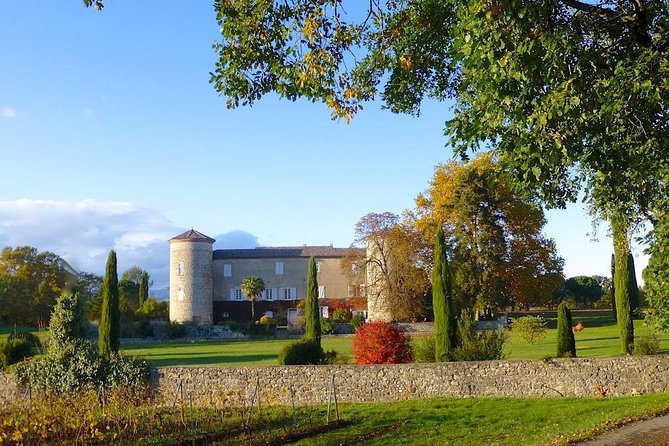
One of the stated goals is to learn how organic wine is made. Even if you already understand the basic idea of organic agriculture, this visit is useful because the guide translates that concept into the actual production story you’re walking through.
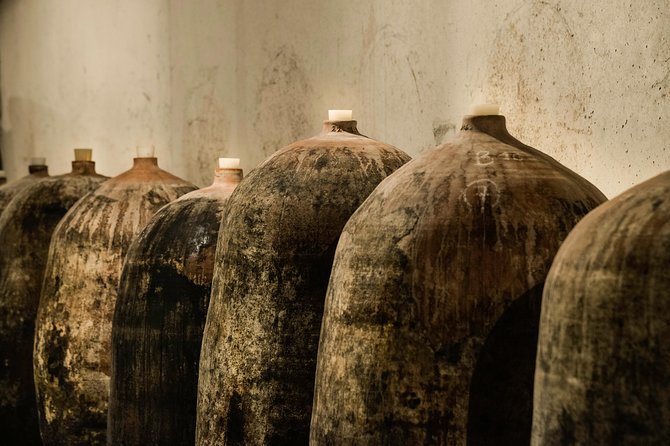
A standout part is the attention to amphora breeding. Amphora (traditional vessels) is not just a headline term here. The tour is structured to give you time to discover that method as part of the process. When you see the production setup, you can better understand why it affects wine character, even if you only grasp the concept at a beginner level.
Then you get an additional tasting stop: on barrel tasting. That means you taste a wine directly connected to the maturation stage, before it is presented as a finished bottle. It’s a smart way to understand that wine changes in the cellar, not just in the vineyard.
This is also where you benefit from listening closely to the guide’s explanations. A lot of wine tours treat wine as a mystery box. Here, you get enough context to make the tastings feel like evidence, not just a sip-and-smile moment.
The France dossier continues:
English-friendly without overselling it: language and expectation setting
The tour is generally in French, but guides speak good English. That’s a workable setup for most English speakers, especially if you’re comfortable with some French terms you might hear around wine.
Here’s a practical tip: if you’re relying on English, ask your guide questions early. In a 2-hour tour, you want to lock in your understanding quickly. If there’s a term you keep hearing, get it straight the first time you hear it.
Also, remember that “good English” doesn’t always mean every detail will be translated perfectly. You may still catch key concepts and overall process clearly. If you’re the type who enjoys learning through visuals and not just translation, you’ll likely feel right at home.
Price and value: $14.38 for admission, guidance, and real tasting time
At $14.38 per person, the value comes from what’s included and how the time is used. You get admission, a guided tour, and a structured tasting experience that includes nine vintages plus multiple wine colors. You’re not paying only to enter a property. You’re paying for a planned session with tastings built into the route.
Compare that to winery visits that charge similarly but give you a passive experience. Here, the tour is guided through production spaces, and the tasting is tied to what you just learned. That makes the price feel fair, because the learning and tasting are linked.
One more value win is the private-group setup. Being private often improves the quality of the visit, because the guide can pace to your group and answer questions without competing with a crowd.
If you want a wine experience that is structured, not random, this is the kind of pricing that makes sense.
Who should book this wine estate tour?
This is a strong fit if you want a focused winery visit and you like tastings that let you compare. The nine-vintage format is especially good for people who want to understand an estate quickly.
It’s also a solid choice if you’re curious about organic winemaking but do not want a long lecture. You’ll learn by walking through key parts of the process: vineyards, the vat room, amphora breeding, and the cellar.
You should consider whether you’re comfortable with a French-led experience. With good English from the guide, most people can participate, but if you need fully English-only instruction, you might want to double-check your expectations before booking.
Should you book Château de la Selve?
Yes, I’d book it if you want maximum tasting value in a tight time window and you enjoy guided winery tours that connect production spaces to what ends up in your glass. The amphora breeding focus and organic winemaking explanations give it more substance than a basic tasting.
Skip it only if language is a hard requirement for you. Since the tour is generally in French, English support may not satisfy everyone who needs every sentence translated. Also, if you hate structured tasting formats and prefer free-form wine shopping, this tour is more “guided education plus tastings” than “wander and browse.”
FAQ
How long is the Château de la Selve tour?
It’s listed at about 2 hours.
What does the price include?
Admission ticket is included.
Is there a mobile ticket?
Yes, the tour uses a mobile ticket.
What languages is the tour offered in?
It is offered in English, though the tour is generally in French.
Is this a private tour?
Yes. It’s private, so only your group participates.
Where do I meet for the tour?
You meet at Château de la Selve, 3120 route d’Alès, 07120 Grospierres, France, and the tour ends back at the meeting point.
How many wines or vintages will I taste?
You’ll have the opportunity to taste nine different vintages from the estate.
What will the tasting include?
The experience ends with wine tasting in the cellar, and it includes white, rosé, and red wines.
Can I get a refund if I cancel?
Yes. Free cancellation is offered. You can cancel up to 24 hours in advance for a full refund.
Are service animals allowed?
Yes, service animals are allowed.