

Reviewed · D-DAY BEACHES TOURS
From Bayeux: D-Day American Beaches and US Airborne Day Tour
Omaha Beach reads different with a guide. This Bayeux D-Day tour connects Omaha and Utah with Pointe du Hoc, plus US airborne stops around Sainte-Mère-Eglise and Angoville-au-Plain, so the story clicks into place fast. I like the small group size of up to 7, and I like that headsets help you catch every detail clearly while you’re moving between sites.
The one possible drawback is that it’s an outdoor day with rain or shine, and it isn’t suitable for people with mobility impairments. If you get cold, wet, or tired standing and walking on uneven ground, plan accordingly.
In This Review
- Quick highlights worth prioritizing
- A practical 8.5-hour plan that hits the key American story
- Omaha Beach: how the terrain shapes the first landings
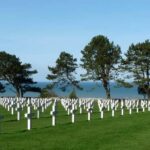
- Normandy American Cemetery: paying respects in the right emotional order
- Pointe du Hoc: Rangers, cliffs, and the gun battery problem
- Sainte-Mère-Église: the airborne operation in a small town setting
- Utah Beach: the breakthrough story and Roosevelt Jr at 6:30am
- Angoville-au-Plain church: the aid-station story that lands hard
- Price and value: what $165 really buys you
- What to bring, and how to survive Normandy weather without getting grumpy
- Should you book this Bayeux D-Day and US Airborne tour?
- FAQ
- Where is the meeting point for the tour?
- How long is the D-Day American Beaches and US Airborne Day Tour?
- What does the tour include?
- Is the tour offered in English?
- Are food and drinks included?
- Is the tour suitable for people with mobility impairments?
Quick highlights worth prioritizing
- Omaha Beach and the Cemetery right behind it, with a guided look at how the land shaped the landing
- Pointe du Hoc with the 2nd Ranger Battalion and Lt. Col. James E. Rudder, including bomb craters, bunkers, and dugouts
- Sainte-Mère-Église and the Airborne Museum, tied to the first town taken by American paratroopers
- Utah Beach with 4th Infantry Division context, including the role of Brigadier General Theodore Roosevelt Jr at 6:30am
- Angoville-au-Plain church aid-station, where two young medics treated about 80 wounded soldiers for two days
A practical 8.5-hour plan that hits the key American story
This tour is built for people who want the major US D-Day landmarks without spending your whole day on logistics. You start at Place de Québec, then ride by van to the American sites. The pacing is tight but not frantic, with guided time at each battlefield plus a little breathing room for sights and photos.
The format also matters. With a small group of 7, you can ask questions and actually hear answers, especially because headsets are included. That’s a big deal at places where wind, crowds, and moving buses can make “group tours” feel noisy and hard to follow.
And yes, it’s a 510-minute day. That’s about 8.5 hours, rain included. Bring shoes you can walk in for hours, and pack real rain gear, not hope.
Omaha Beach: how the terrain shapes the first landings
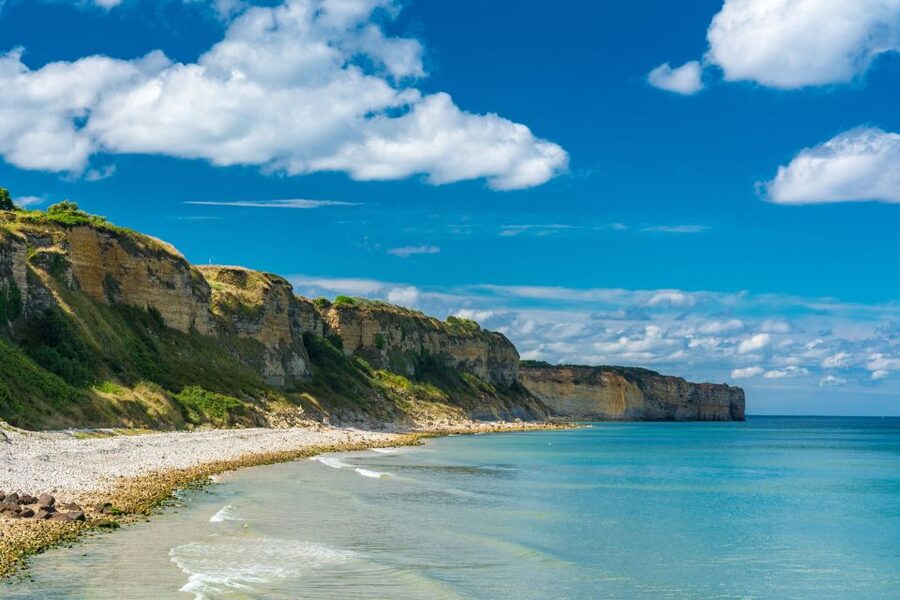
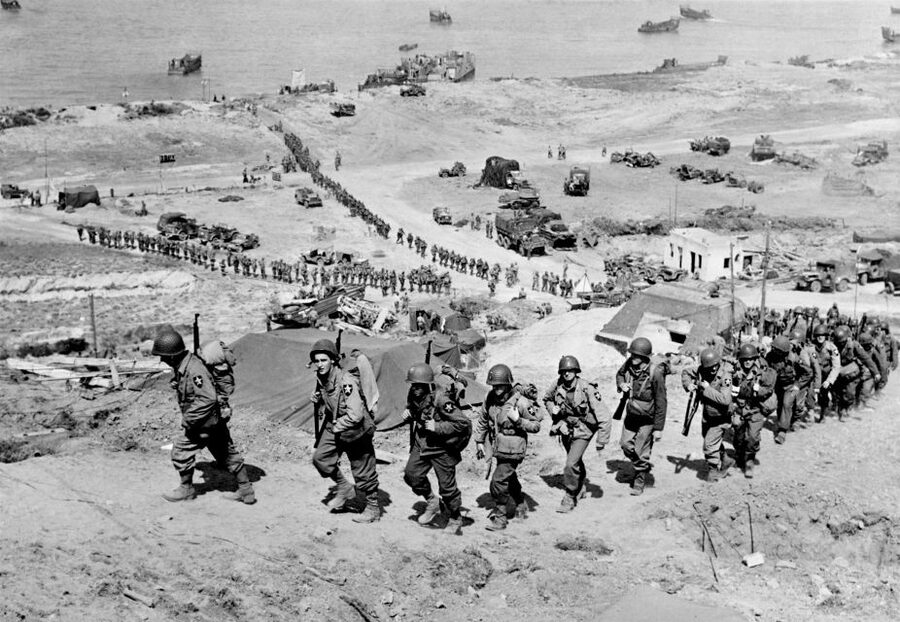
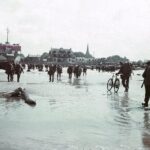
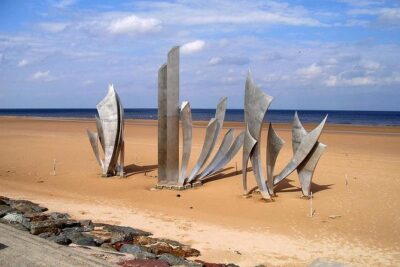
You begin at Omaha Beach, focusing on the landings of the 1st and 29th US infantry divisions. What makes this stop effective is that the guide explains the “why,” not just the “what.” Expect a map-based walk-through of the German defenses’ layout, then a look at the beach from the perspective of the first waves.
There’s a difference between reading about Omaha and standing on the ground where those decisions had instant consequences. The guide uses maps and pictures to connect the coastline and obstacles to the stories of the GI’s who faced them. If you’ve only seen Omaha from a distance before, this is the part where the scale starts to make sense.
Time on the beach is about 40 minutes. That’s long enough to get oriented, but short enough that you won’t feel trapped. If you’re someone who likes to linger and absorb on your own, use your notes and let the guide’s overview do the heavy lifting so you’re not just guessing.
More visits along the D-Day coast:
- Normandy American D-Day Beaches Full Day Tour from Bayeux
★ 5.0 · 2,103 reviews - Normandy American D-Day Experience – Group tour from Bayeux
★ 5.0 · 1,566 reviews - Omaha and Band Of Brothers Full Day Tour
★ 5.0 · 1,104 reviews
Normandy American Cemetery: paying respects in the right emotional order
Just after Omaha, you visit the Normandy American Cemetery, which sits behind the beach. This is where the tour slows down in a good way.
You’ll get a guided visit plus free time. The cemetery is run by the American Battle Monuments Commission, and it holds more than 9,000 American servicemen and women. It’s also described as the most visited D-Day site in Normandy, and you can see why once you’re there.
What I appreciate about doing the cemetery right after Omaha is emotional sequencing. You see the beach, you understand the struggle, and then you step into a place built for quiet remembrance. It avoids the odd feeling of “cool, history facts” followed by “please be respectful” with no connection in between.
Plan for a walk around memorials and rows. Even if you don’t do much reading, the space itself helps you slow your brain down.
Pointe du Hoc: Rangers, cliffs, and the gun battery problem
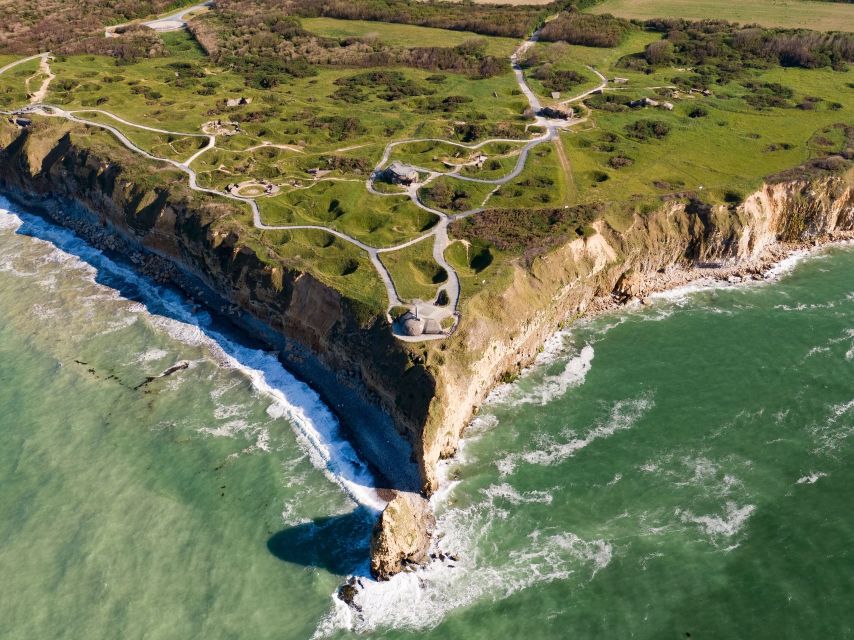
Next up is Pointe du Hoc, and this is one of the most dramatic sites on the route. You’ll spend about 50 minutes here with a guided tour.
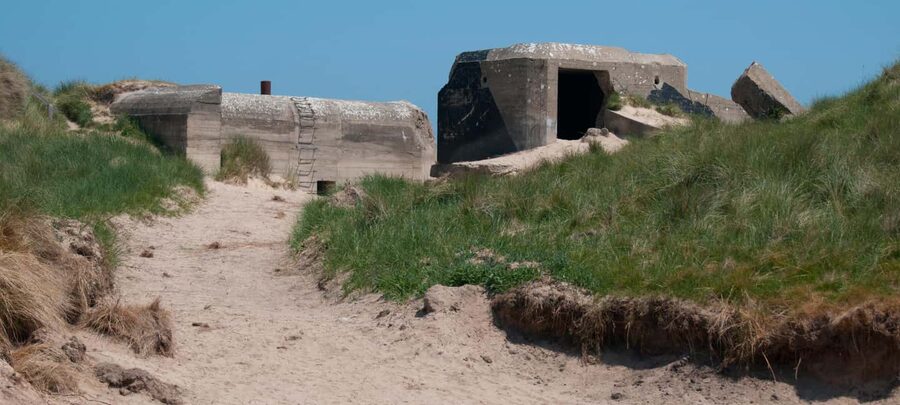
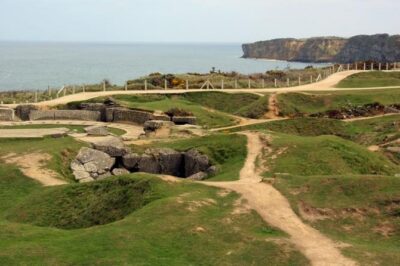
The key story is the 2nd US Ranger Battalion, led by Lieutenant Colonel James E. Rudder, scaling the cliffs to destroy a German gun battery that threatened the entire US landing operation. The tour doesn’t treat it like a movie set. You walk through areas marked by bomb craters, bunkers, and dugouts, and your guide ties those features to the tactical reason the Rangers had to get there.
This stop is worth your attention if you want the battle to make sense on a human level: small groups making hard choices fast, because the timeline mattered.
A practical note: the ground here can feel uneven and exposed. Comfortable shoes matter. Also, since the scenery can pull your attention, it helps to listen first, then take photos once you understand what you’re looking at.
Sainte-Mère-Église: the airborne operation in a small town setting
In the heart of the airborne story, you go to Sainte-Mère-Église, a town tied to the first American paratroopers taking it. You’ll also have lunch and free time plus shopping time around this stop.
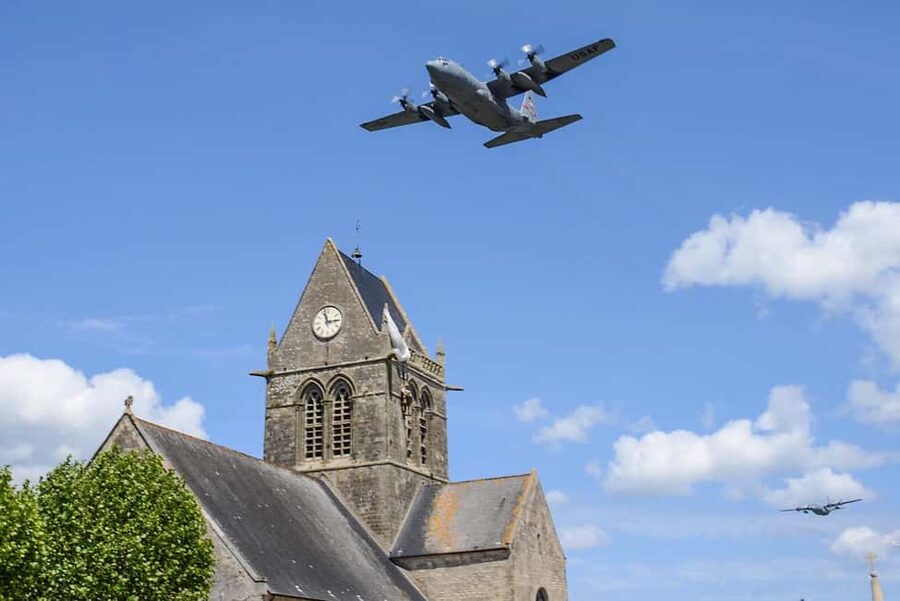
The standout detail is the famous moment when a paratrooper got stuck on the church tower during the night. It’s the kind of story that sounds almost impossible until you see the church in place and realize how quickly a chaotic mission can become one person’s survival challenge.
The guided portion connects that “stuck on the tower” moment to the wider operation. The guide also brings the bigger picture into focus, so you’re not just collecting anecdotes.
There’s also Airborne Museum time included, about 1 hour of free visit. This museum is described as extremely well done and it’s a strong way to reset your brain between beach battlefields. Instead of only focusing on one day, it helps explain what the paratroopers were trying to accomplish and why the airborne part of D-Day mattered.
More Things to Do in Normandy
Utah Beach: the breakthrough story and Roosevelt Jr at 6:30am
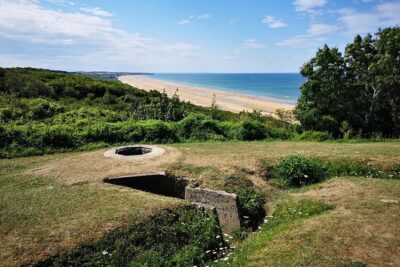
After the airborne stop, the tour shifts to Utah Beach for a guided look at the 4th Infantry Division and how they breached German defenses. Expect about 40 minutes here.
The first-wave detail is one you’ll likely remember: Brigadier General Theodore Roosevelt Jr landed at 6:30am. The tour connects his role on the beach to the broader outcome, and you’ll also hear that he was eventually awarded the Medal of Honor.
Why this stop is valuable: Utah gives you a different angle than Omaha. Omaha often feels like the hardest, most chaotic landing to visualize. Utah helps you compare, not just “collect beaches.” You’ll finish with a clearer sense of how D-Day wasn’t one uniform event across the coastline. Tactics, terrain, and timing changed the experience.
When you’re on Utah Beach, look for the places where the shoreline geometry affects movement. Then let the guide interpret how the first assault turned into progress.
Angoville-au-Plain church: the aid-station story that lands hard
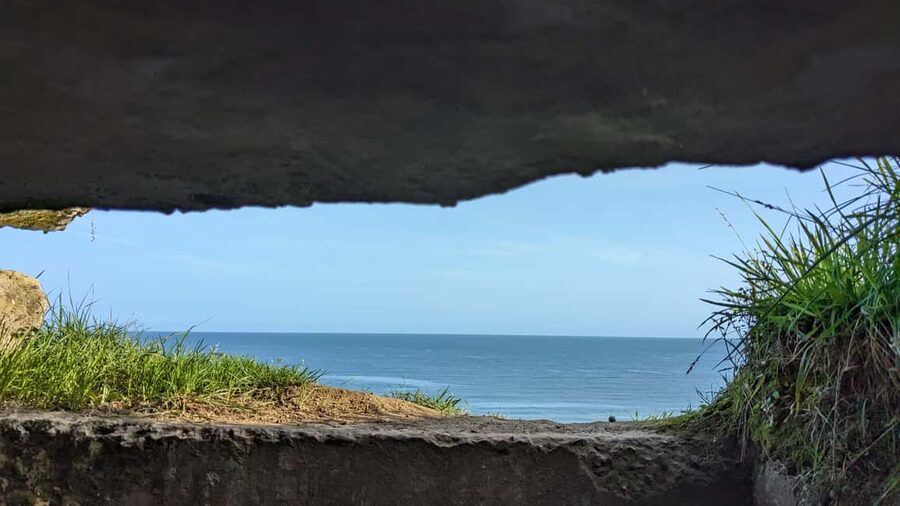
The last major stop is Angoville-au-Plain, visiting the church used as an aid-station. You’ll have about 20 minutes here with a guided tour.
This is one of the most human parts of the day because it isn’t just about weapons and positions. The guide shares the story of two young medics who treated about 80 wounded soldiers for two days. It’s a brutal reminder that battles are made of people, and people suffer in more than one way.
If you’ve been feeling emotionally “peaked” by the beach and cemetery moments, this stop can feel like a different emotional gear. It shifts focus toward care, endurance, and responsibility under pressure.
Because your time here is shorter, listen closely at first. Once the key story clicks, you’ll be better able to look around and make sense of the setting without needing a long lecture.
Price and value: what $165 really buys you
At $165 per person, this isn’t a “cheap bus ride.” But it also isn’t just paying for transport. Your money goes to a licensed guide, headsets, and entry tickets to the Airborne Museum in Sainte Mère Église.
You also get a lot of coverage in one shot. The day touches the American Cemetery, Omaha, Pointe du Hoc, Sainte-Mère-Église town time plus the museum, Utah Beach, and Angoville-au-Plain. For many visitors, the alternative is either doing a self-guided loop that can feel confusing or booking separate tours that add up quickly.
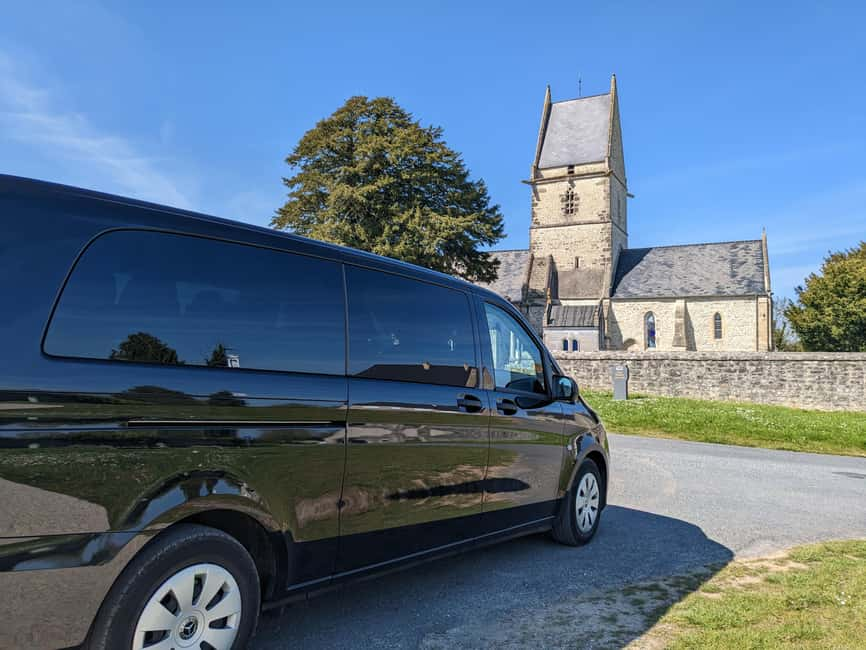
The small group up to 7 helps justify the price because it supports better communication at each stop. Also, several recent trip experiences highlight comfortable van transport and smooth planning, which matters because you’re spending most of a day in motion.
Not included: food and drinks, and there’s no mention of hotel pickup and drop-off. So you’ll want to budget for lunch on your own during the Sainte-Mère-Église free time.
What to bring, and how to survive Normandy weather without getting grumpy
The tour runs rain or shine, and the route is outdoors for most of the day. Bring comfortable shoes. Bring rain gear you actually trust. If your shoes soak through, you’ll end up tired in the places you want to focus.
Also, treat your headset like a tool. Put it on when you board, and don’t take it off every time you stop. Listening while you look helps you connect the ground to the story. This is especially true at Pointe du Hoc, where bunkers, craters, and dugouts can otherwise feel like random war scars.
If you’re planning photos, decide early what matters most to you. Omaha and Pointe du Hoc can tempt you into overshooting pictures before you understand what you’re capturing. Let the guide point out the right “look here first” moments, then take your time.
Finally, if mobility is a concern, take the note seriously: it’s not suitable for people with mobility impairments.
Should you book this Bayeux D-Day and US Airborne tour?
Book it if you want a focused American D-Day day with the big emotional and tactical beats: Omaha Beach, the American Cemetery, Pointe du Hoc, Sainte-Mère-Église, Utah Beach, and Angoville-au-Plain. The structure works well for people who feel overwhelmed by Normandy history and want a clear route with interpretation, not guesswork.
Pass or rethink if you can’t handle a long outdoor day, or if your needs don’t match the tour’s suitability limits. Also, if you’re the type who hates guided time and wants total freedom, you might find the schedule a bit full.
If you do book, you’ll get one of the best values in this theme category: guided navigation of the American story across multiple battle zones, plus the Airborne Museum ticket, all in a small group where you can actually ask questions and follow the narrative.
FAQ
Where is the meeting point for the tour?
The tour meets at Place de Québec. Look for the van with the HQ Company Tour sign at the back.
How long is the D-Day American Beaches and US Airborne Day Tour?
The duration is 510 minutes, so it is about an 8.5-hour day.
What does the tour include?
It includes a licensed English-speaking live guide, headsets, and entry tickets to the Airborne Museum in Sainte Mère Église.
Is the tour offered in English?
Yes, the live tour guide speaks English.
Are food and drinks included?
No. Food and drinks are not included, so you’ll need to plan for lunch during the free time.
Is the tour suitable for people with mobility impairments?
No, it is not suitable for people with mobility impairments.
Latest Bayeux entries, notes attached


D-Day Beaches Tours, compared.

Normandy D-Day Sites & Cemetery Day Trip from Paris with Lunch
Read our review →
Normandy D-Day Small-Group Day Trip with Omaha Beach, Cemetery & Cider Tasting
Read our review →
Normandy D-Day Beaches and American Cemetery Day Trip from Paris
Read our review →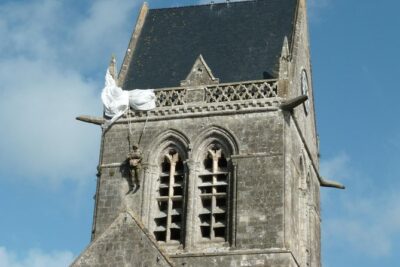
Normandy American D-Day Beaches Full Day Tour from Bayeux
Read our review →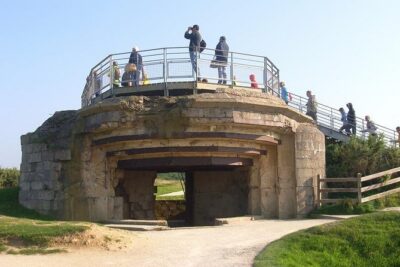
Normandy American D-Day Experience – Group tour from Bayeux
Read our review →
Omaha Beach D-Day Experience – Afternoon group tour from Bayeux
Read our review →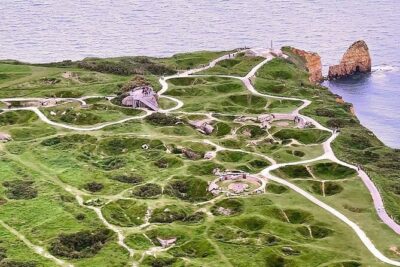
This tour also appears in