
Reviewed · THINGS TO DO IN NORMANDY
Guided Tour in an Old Convertible Car on the Côte de Nacre
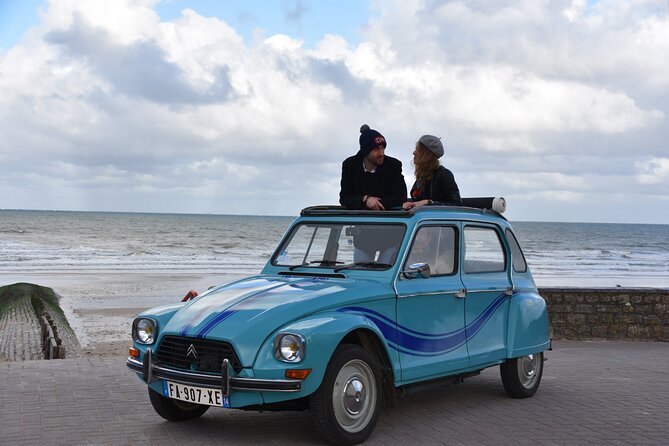
Wind in your hair, Normandy on four wheels. This guided drive and walk around Caen’s Côte de Nacre is all about seeing small coastal towns up close, with an open-top Citroën Dyane and a guide who explains what you are looking at. I loved two things most: the breeze-friendly comfort of the car and the way Bernard ties together architecture, villages, and World War II landmarks into one easy afternoon.
If you hate short walking stretches, this may not be for you. The tour is built around quick stops and brief passages (often 10 to 20 minutes on foot), so you will spend more time moving between highlights than lingering in a single place.
In This Review
- Key moments that make this tour worth it
- Why the Côte de Nacre looks better from an old convertible
- Price and timing, and what you actually get in 3 hours
- Your route: short walks, dike passages, and town-by-town contrasts
- Stop 1: Eglise Saint-Samson, then you’re off
- Stop 2: Colleville-Montgomery villas and the dike
- Stop 3: Hermanville-sur-mer, where styles mix on purpose
- Stop 4: Luc-sur-Mer streets and a dike walk
- Stop 5: Langrune-sur-Mer alleys and Tournebu castle views
- Stop 6: Lion-sur-mer, town hall and the castle front
- Stop 7: Saint-Aubin-sur-mer houses by the sea
- Stop 8: Douvres-la-Delivrande and architecture stories
- Stop 9: Pegasus Bridge, plus the small town moment nearby
- Stop 10: Ouistreham return along the Orne, locks, and the old district walk
- What it feels like on the ground: relaxed, breezy, and easy to follow
- Practical tips before you go
- Who should book this Dyane tour, and who might skip it
- Should you book the Côte de Nacre guided ride?
- FAQ
- How long is the tour?
- What time does the tour start, and where does it begin?
- Is the tour offered in English?
- Is this a private tour?
- Are admission tickets required for the stops?
- What is the cancellation policy?
Key moments that make this tour worth it
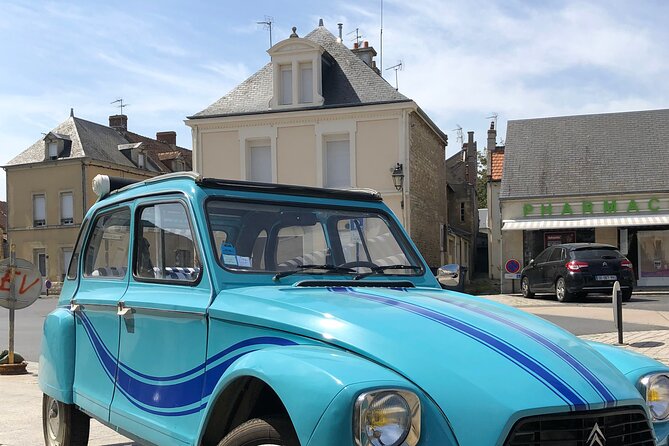
- Open-top Citroën Dyane makes the Channel coast feel immediate, not distant
- Bernard’s storytelling connects buildings, neighborhoods, and WWII sites
- A mix of architecture styles from Art Nouveau to Anglo-Norman details
- Pegasus Bridge stop brings the D-Day story into everyday town views
- Short, frequent strolls along dikes and in old streets, with built-in pacing
- Ouistreham return walk through fishermen houses and Saint Samson church area
Why the Côte de Nacre looks better from an old convertible
The Côte de Nacre is the kind of coastline where speed often ruins the view. Roads hug water, dikes cut through neighborhoods, and the best details sit just off the main lanes. An open car flips that. You do not just watch Normandy pass, you feel it, with the wind doing half the sightseeing for you.
I also liked that this is not a lecture tour. Bernard keeps it conversational and grounded in what you can actually see, down to the way certain facades and street layouts developed. It helps that the car ride is comfortable enough for a relaxed pace, even though it is an older vehicle, and the guide uses the stopping points like little chapters in a story.
Price and timing, and what you actually get in 3 hours
At $108.61 per person for about 3 hours, you are paying for three things: a guide, a private group experience, and the unique vehicle. That matters because a lot of self-guided driving around this stretch leaves you with a blur of towns and no thread tying it together.
The tour runs at 2:00 pm and returns to the same meeting point. It is also designed around manageable chunks, with short walk times sprinkled between driving. If you want a calm afternoon instead of a full day of museums, this format is a strong fit.
One more practical note: the average booking window is listed as 48 days in advance, which is a hint that spots can go early, especially around peak travel times. If you are aiming for a specific day, booking earlier is a good habit.
More Things to Do in Normandy
- Normandy American D-Day Beaches Full Day Tour from Bayeux
★ 5.0 · 2,103 reviews - Normandy American D-Day Experience – Group tour from Bayeux
★ 5.0 · 1,566 reviews - Normandy Beaches Half-Day Afternoon Trip from Bayeux (A2)
★ 4.5 · 1,116 reviews
Your route: short walks, dike passages, and town-by-town contrasts
The tour starts in Ouistreham, then moves through a string of coastal towns. Expect a pattern: a brief stop, quick photo-friendly walk time, then back into the car for the next section. The route is ideal if you like history and architecture, but you also want a break from long, exhausting sightseeing days.
Below is the flow you can expect, in the same order you will experience it.
Stop 1: Eglise Saint-Samson, then you’re off
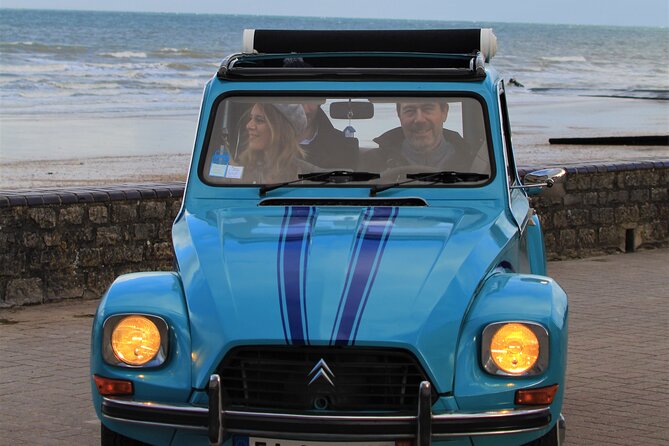
The afternoon begins at 2 Pl. Albert Lemarignier, 14150 Ouistreham. You meet at Eglise Saint-Samson, where you get your bearings, a presentation of the car, and a quick outline of what you will do and where you will go.
This first moment matters more than you might think. Once you understand how Bernard is going to connect each stop, the whole ride feels less like hopping between postcards and more like following a guided route through living towns.
Stop 2: Colleville-Montgomery villas and the dike
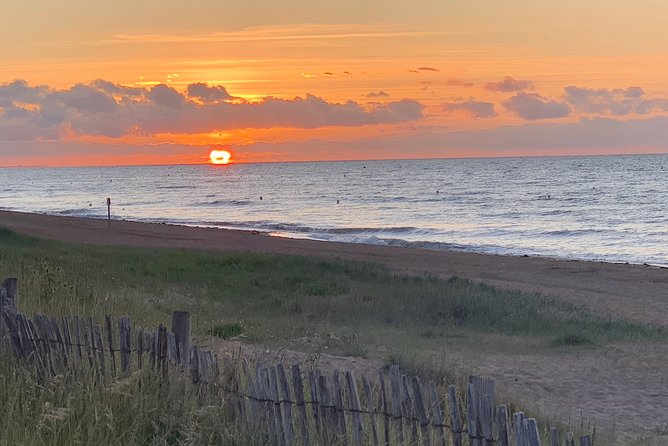
Next up is Colleville-Montgomery. This is where you get that classic Normandy feel, with remarkable villas and the coast-side relationship between neighborhoods and the dike.
The dike passages are key to this itinerary. You see how the coast’s defenses and layouts shaped everyday life, not just how it looks on a map. If you like architecture, this is a good early teaser.
A minor consideration: the stop is short (about 15 minutes), so if you want lots of lingering and deep looking, keep your expectations aligned. You can use the walk to spot details and then rely on Bernard’s explanations to fill in what you cannot immediately read from the street.
Other Normandy bookings in the margin notes
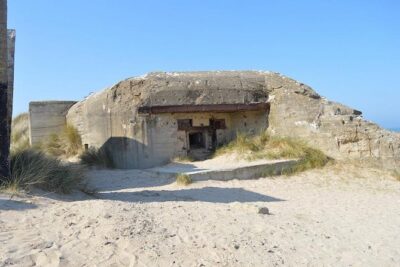
Stop 3: Hermanville-sur-mer, where styles mix on purpose
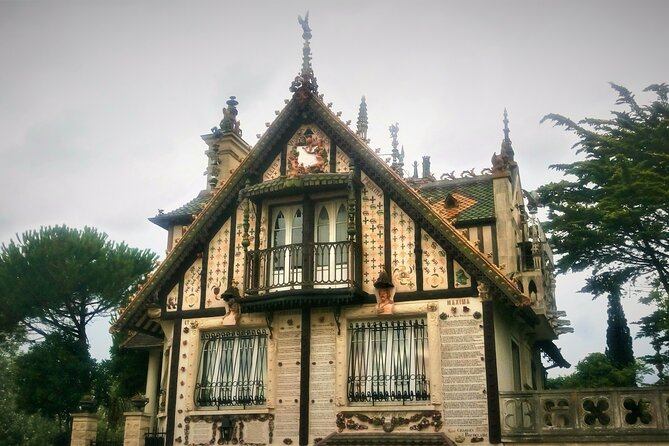
In Hermanville-sur-mer, the focus shifts to architecture and how it tells a story. You will pass through areas associated with Art Nouveau, Baroque, and Anglo-Norman influences.
This is the part of the tour I think architecture fans will enjoy most. It is not just “pretty buildings.” Bernard’s approach helps you notice how style and period overlap along a coastline where development evolved over time.
The stop lasts about 30 minutes, giving you a bit more breathing room than some of the others. Still, keep comfortable shoes in mind, because even short stretches can add up.
Stop 4: Luc-sur-Mer streets and a dike walk
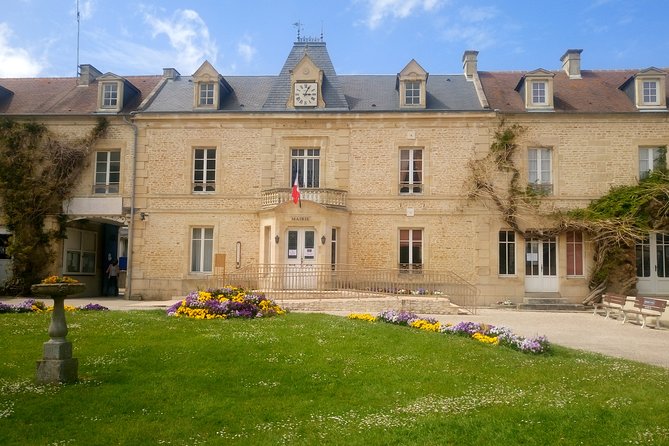
At Luc-sur-Mer, you get small picturesque streets and a passage on the dike. Think postcard alleys and water-side perspective, with the coast shaping the neighborhoods.
This is a good stop if you want a visual reset. After the architecture focus, the street-and-path combination slows things down, and the open car makes the views feel bigger.
Stop 5: Langrune-sur-Mer alleys and Tournebu castle views
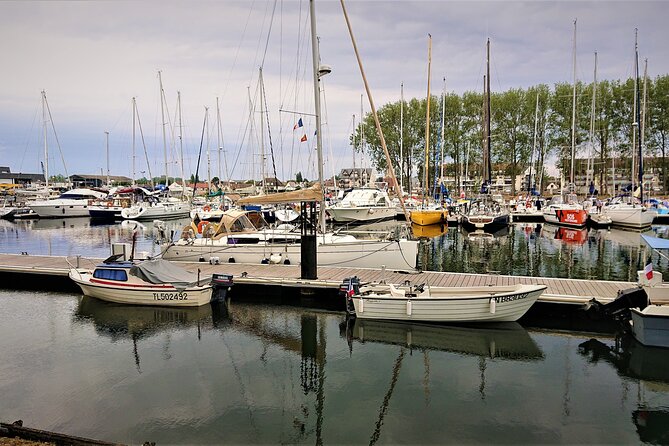
In Langrune-sur-Mer, you pass through alleys and get close views in front of Tournebu castle, plus a route that keeps you near the sea on the dike.
The castle mention is the kind of landmark that gives context fast. Even in a short 10 minute stop window, it helps you place the coastline’s history in a more human, local way.
If you are traveling with someone who wants less time on buildings and more time on scenery, this stop hits a nice balance.
Stop 6: Lion-sur-mer, town hall and the castle front
Next comes Lion-sur-mer, with a route through small picturesque streets. You will see the town hall area and pass in front of the castle.
This stop is about the contrast between civic life and older structures. You get the sense of the town’s identity, not just a single monument. Even with around 20 minutes here, Bernard’s explanations help you avoid the usual problem of “I saw it, but I did not know what I was looking at.”
Stop 7: Saint-Aubin-sur-mer houses by the sea
Then you shift into Saint-Aubin-sur-mer, where the emphasis is simpler: houses by the sea. You are not here for one big attraction, you are here to understand how everyday homes face the coast.
This can be surprisingly moving if you like places that feel lived-in rather than staged for visitors. It also works well as a mental break before the WWII landmark ahead.
Stop 8: Douvres-la-Delivrande and architecture stories
At Douvres-la-Delivrande, you get some fine examples of architecture and the stories behind them, including a barony angle.
Stops like this are where the guide makes a difference. The buildings do not come with labels telling you the meaning, so it helps to have Bernard connect details to the region’s history. Even if you are not an architecture person, the stories give your eyes a job.
Expect about 20 minutes at this stop.
Stop 9: Pegasus Bridge, plus the small town moment nearby
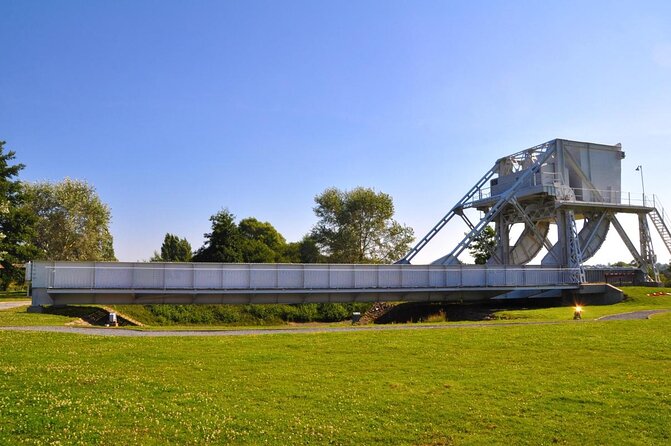
Now for the WWII-focused highlight: Pegasus Bridge. You cross the bridge and pass by Gondrée café, adding a touch of real-day town life to a landmark that is easy to treat like a museum exhibit.
This is the stop that gives the entire Côte de Nacre route emotional weight. Before this, you have been learning the coastal towns as places. After it, you understand how war reshaped and interrupted those lives.
The stop time is about 10 minutes, so do not plan on reading everything on your own. Instead, let Bernard explain what you are seeing so you can absorb the key points quickly.
Stop 10: Ouistreham return along the Orne, locks, and the old district walk
You finish back in Ouistreham, driving along the Orne and near the lighthouse. Along the way, you cross vehicle locks, then you do a final walk in the old district.
This includes fishermen’s houses and the area around Saint Samson church. The walking time is about 20 minutes.
I like this ending because it turns the tour full circle. You start at Saint Samson, and you end in the same neighborhood world, but with new context. By then, you notice street patterns, building styles, and the coast’s layout differently.
What it feels like on the ground: relaxed, breezy, and easy to follow
From the way Bernard runs the route, the vibe is calm. You do not feel rushed from one “thing” to the next. Instead, you get a string of short scenes that add up to a clear picture of the coast.
The best part is that it suits different styles of travelers:
- If you love WWII history, Pegasus Bridge gives you a tangible anchor.
- If you care about architecture, the mid-route stops on mixed styles do the heavy lifting.
- If you just want fresh air and a pleasant way to see towns without the stress of driving, the open car makes it enjoyable.
There is also a practical comfort factor. People often assume vintage open cars are uncomfortable, but Bernard keeps the experience user-friendly, including the basic setup and guidance you need to enjoy the ride rather than worry about it.
Practical tips before you go
Here are a few things I would bring or plan for based on how this tour is structured.
- Wear comfortable shoes for short dike and alley walks.
- Bring a light layer. Open-top sun and wind can switch from pleasant to chilly quickly.
- If you like photos, plan for quick stops. You will get time to see and shoot, but not long enough to move slowly.
- Since it is offered in English, if you want a smooth experience, choose it when you are comfortable following explanations at a normal guided pace.
Who should book this Dyane tour, and who might skip it
You should book if you want:
- A 3-hour Normandy highlight that does not eat your whole day
- A guided explanation that connects architecture and WWII landmarks
- An easy, scenic experience with short walks and frequent viewing from the car
- A more personal tour setup, since it is a private group experience
You might skip if:
- You need long museum-style time in one place
- You dislike any walking at all, because even the shortest stops include getting out and moving around briefly
Should you book the Côte de Nacre guided ride?
Yes, if your goal is a relaxed afternoon with real local texture. The combination of open-top car charm, Bernard’s storytelling, and the route’s mix of coastal towns plus Pegasus Bridge makes it more than a scenic drive.
If you are unsure, here is the simplest way to decide: if you like the idea of learning as you go, and you enjoy short walks in pretty towns, this is an excellent use of time on the Normandy coast. It is the kind of trip that leaves you feeling like you understood a stretch of coastline, not just passed through it.
FAQ
How long is the tour?
The tour is approximately 3 hours.
What time does the tour start, and where does it begin?
It starts at 2:00 pm and meets at 2 Pl. Albert Lemarignier, 14150 Ouistreham, France.
Is the tour offered in English?
Yes, the tour is offered in English.
Is this a private tour?
Yes. It is listed as private, so only your group will participate.
Are admission tickets required for the stops?
The stops listed show free admission ticket status.
What is the cancellation policy?
Free cancellation is available. You can cancel up to 24 hours in advance for a full refund. If you cancel less than 24 hours before the experience’s start time, the amount paid is not refunded.
Latest Normandy entries, notes attached




Things to Do in Normandy, compared.
Normandy American D-Day Beaches Full Day Tour from Bayeux
Read our review →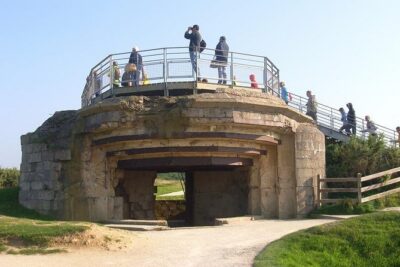
Normandy American D-Day Experience – Group tour from Bayeux
Read our review →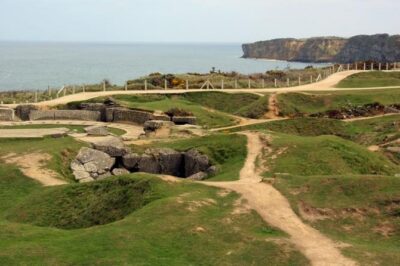
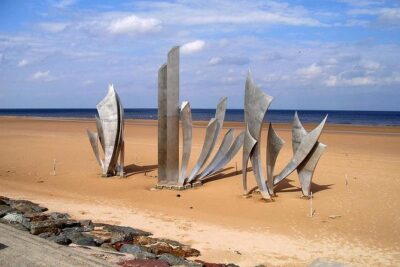
Normandy Beaches Half-Day Afternoon Trip from Bayeux (A2)
Read our review →
Omaha Beach D-Day Experience – Afternoon group tour from Bayeux
Read our review →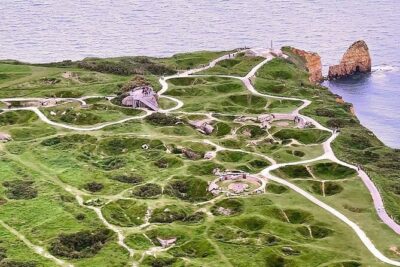
Normandy Battlefields Tour – American Sites (A3)
Read our review →
This tour also appears in