
Reviewed · CITY TOURS
Metz: a guided walking tour of the city’s key spots
Metz reads like a timeline on foot. This 2-hour guided walk turns Place Saint-Jacques into the opening chapter and keeps everything moving with small-group attention. I like how the guide frames the city in plain language, so you actually understand why Metz looks the way it does.
I also love the focus on what you can see from the street. The tour stays outside-only, yet it still helps you notice the clues, from the Cathedral area to the stately buildings along Avenue Foch.
One drawback to plan for: you will not go inside monuments or buildings. If you want interior visits, you will need to pair this walk with separate ticketed stops.
In This Review
- Quick hits before you go
- Entering Metz at Place Saint-Jacques, the origin stop
- Following the story to Place Jean-Paul II and the Saint-Etienne Cathedral area
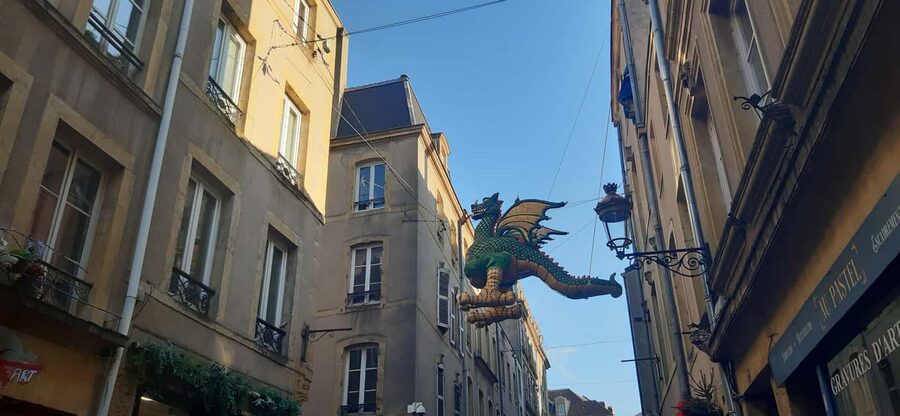
- Rue Taison and the legend stop that makes locals smile
- Place Saint-Louis: switching gears from medieval to modern Metz
- Place de la Comédie and the Marquis de La Fayette connection
- Palais du Gouverneur Militaire: big power, viewed from the street
- Metz Imperial Quarter and Avenue Foch, from grand buildings to elegant mansions
- Ending at General de Gaulle, right in front of the station
- Price and pacing: what you get for $35 in 2 hours
- What the tour includes, and what you should plan separately
- Practical rules that keep the walk smooth
- Who this Metz guided walking tour is best for
- Should you book this Metz walking tour?
- FAQ
- Where is the tour meeting point and where do we end?
- How long is the tour and what does it cost?
- Is anything included besides the guide?
- Can you go inside buildings or monuments during the tour?
- What languages are offered and how large is the group?
- What should I bring, and what is not allowed?
Quick hits before you go
- Near-chronological route that walks you through Metz across eras, rather than zigzagging randomly
- Outside-only viewpoints that teach you what to look for, plus time for photo stops
- Frédéric leads with clear stories and question-friendly pacing in French or English
- Imperial district finish near the train station, with stops that link past emperors to modern Metz
Entering Metz at Place Saint-Jacques, the origin stop
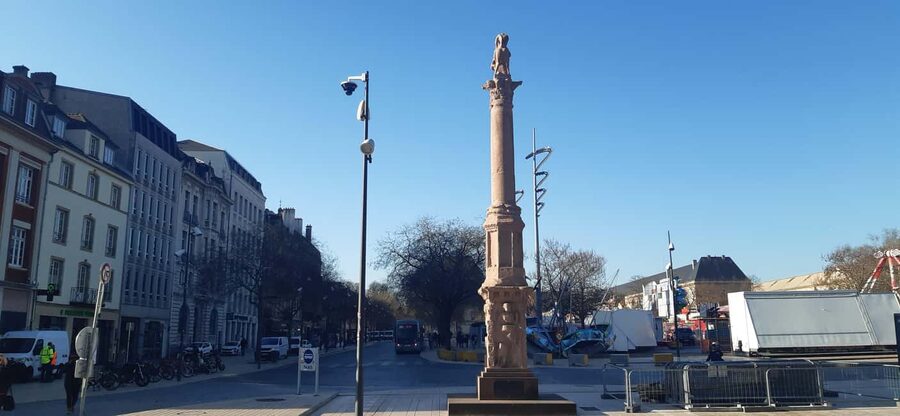
Your tour starts in Place Saint-Jacques, right at the base of the tall column-shaped statue in the middle of the square. It is a smart first move, because the guide immediately anchors Metz’s story in the setting you can actually see, not in a vague lecture.
From there, you do a short photo stop and get the origin story of the city. I like starting here because it gives you a mental map before you start walking, and you’ll know what the guide is pointing at when you hit the next squares and streets.
Following the story to Place Jean-Paul II and the Saint-Etienne Cathedral area
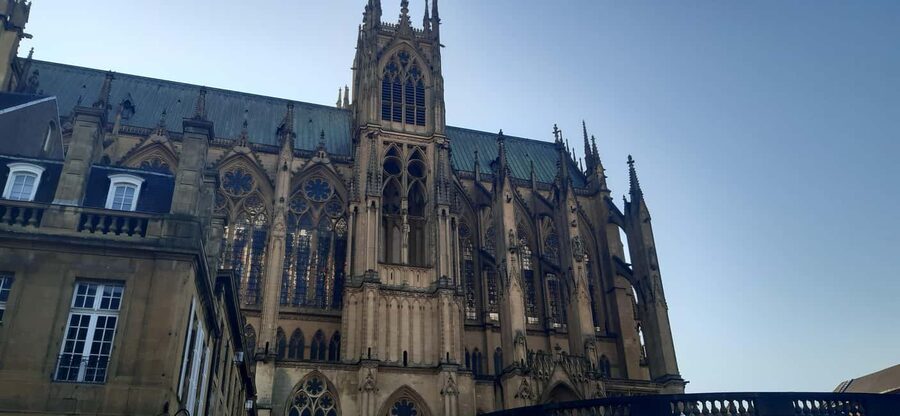
Next comes Place Jean-Paul II, where you can view Saint-Etienne Cathedral from the outside. Even without entering, this stop helps you understand how the Cathedral fits into Metz’s early spiritual and political life.
The guide also tells you about the first bishop of Metz, and that detail matters. When you connect a religious figure to a specific place you are standing near, the architecture feels less like random stonework and more like a community marker.
Practical note: expect another outside perspective, not an interior visit. If you’re hoping for a full Cathedral experience, you’ll still get great exterior context here, then you can decide later whether you want to add an entry on your own.
Rue Taison and the legend stop that makes locals smile
At Rue Taison, the tone shifts from big monuments to something more human: a legend that plays a major role in Metz’s history. This is the kind of moment that turns a sightseeing walk into a story walk, because legends have characters and consequences, not just dates and names.
You’ll get time to pause and listen, then keep moving. The pacing works well if you like learning while you walk, rather than stopping constantly.
If it’s rainy, bring your waterproof layer and keep a dry spot for your phone. You’ll likely be using your camera during the photo moments, and the tour expects you to stay close to the guide while photos are taken at each stop.
Place Saint-Louis: switching gears from medieval to modern Metz
Then you reach Place Saint-Louis, which signals the tour’s shift into the middle ages and into more modern times. This stop is useful because it helps you see how the city layers different eras side by side, not as separate worlds.
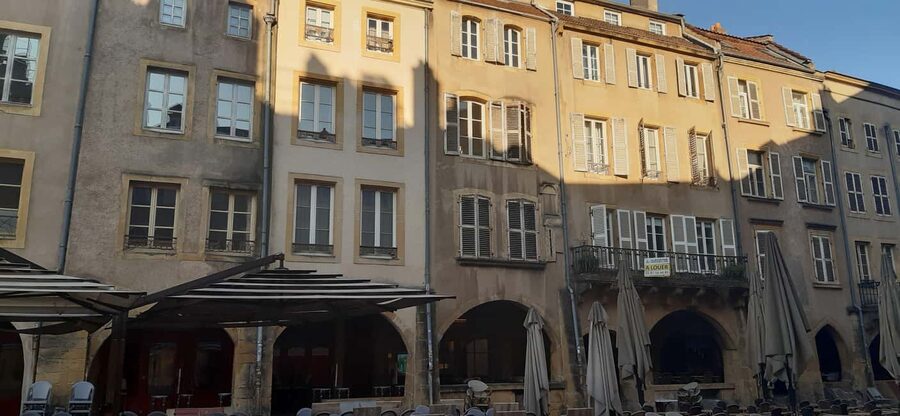
The square gives you a chance to reorient, think about what kind of power shaped Metz over time, and watch how the urban fabric changes as the tour progresses. I find this transition point especially helpful if you only have a day or two in the Grand Est region and need a quick framework.
Place de la Comédie and the Marquis de La Fayette connection
At Place de la Comédie, the guide brings in the Marquis de La Fayette. It is not just a name drop. The story helps you understand why a figure connected to broader European political movements shows up in Metz’s own local narrative.
This stop also gives you a breather. It’s one of the places where you can stand, look around, and start noticing the contrast between older religious sites and the civic feel of later squares.
Tip: keep your charged phone handy here. Even if you take fewer photos on the walk, a square like this often gives you the best angles for quick shots without climbing or crowding.
Palais du Gouverneur Militaire: big power, viewed from the street
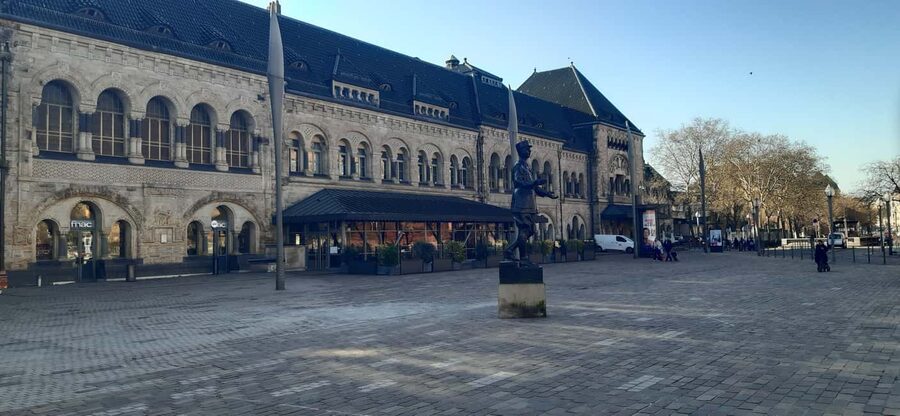
Next is the Palais du Gouverneur Militaire. Again, it is an outside look, but the building still does its job: it visually communicates authority, administration, and the kind of structure that runs a city.
The tour guide uses this exterior to connect Metz to shifting governments and the way ruling power leaves architectural footprints. It’s a good stop for anyone who likes understanding why certain areas feel more formal or institutional than others.
Because you are not going inside, you should treat this as interpretation time. Use it to ask yourself: what would it feel like to live in a city organized by military and governance priorities? That mental exercise makes the rest of the walk click.
Metz Imperial Quarter and Avenue Foch, from grand buildings to elegant mansions
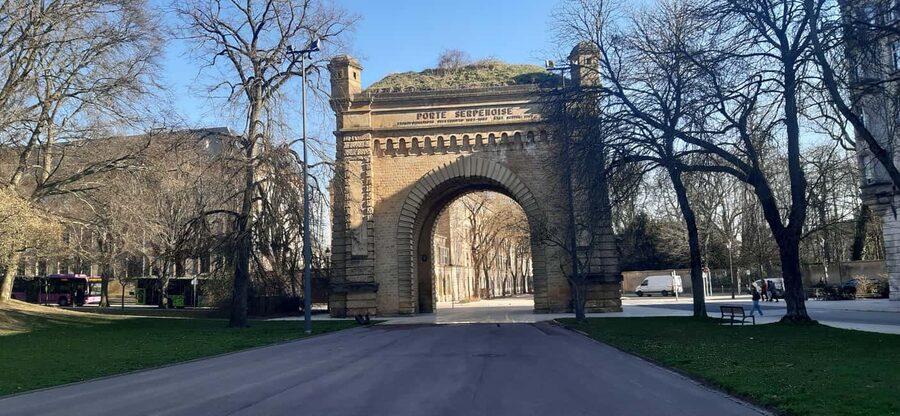
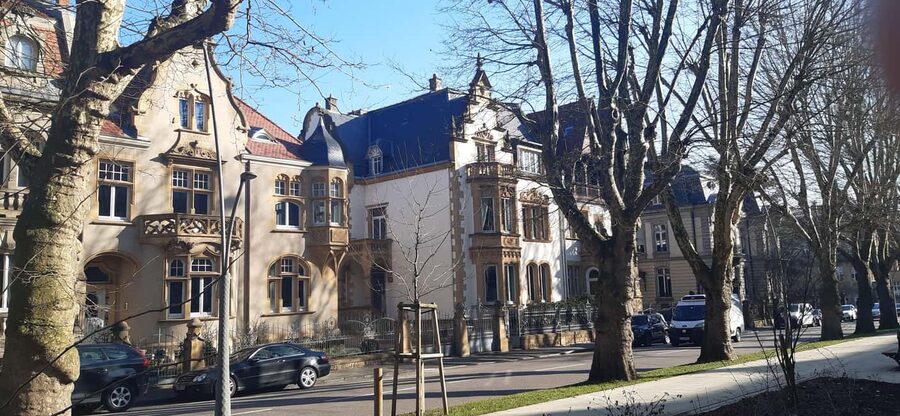
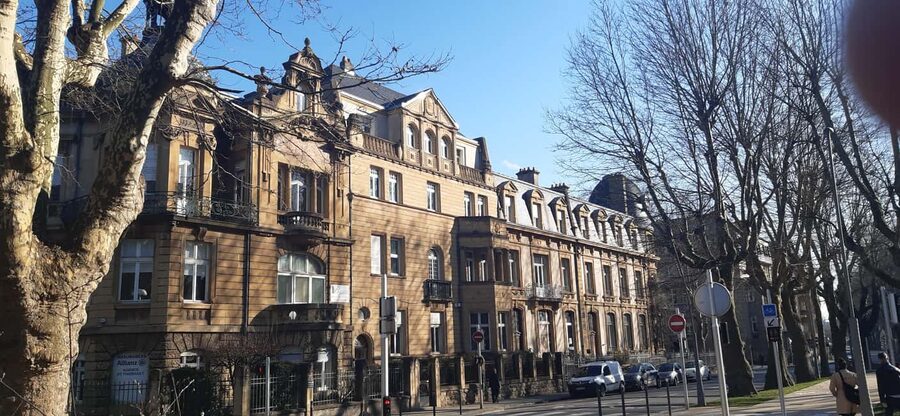
Now the tour moves into the Imperial Quarter of Metz, starting with Avenue Foch. This is where you really get the “wow, okay, Metz can do grand” effect from the street. The guide points out the stunning buildings and gorgeous mansions, and you’ll likely want photos here.
Avenue Foch works because it visually connects the idea of empire and prestige to real frontage, real proportions, and real streetscape details. You’ll also keep learning as you move, so it’s not just pretty scenery.
The walk continues past Metz train station and the central post office, which dates back to the time of Emperor William II. That is a key context point. It links major infrastructure to political eras, so you understand why the city’s monumental buildings look the way they do.
Ending at General de Gaulle, right in front of the station
Your tour finishes in front of the statue of General de Gaulle, located at Pl. du Général de Gaulle near Metz train station. Ending here is practical. You are right where you need to be if you plan to catch a train, meet someone, or hop to another part of town afterward.
It also closes the loop nicely. The walk moves from the city’s early identity, through religious and medieval symbols, then toward governance and imperial-era grandeur, and finally lands at a figure closely associated with modern French identity.
If you’re doing this as your first activity in Metz, I’d treat it like an orientation walk that helps you navigate your next stops with confidence.
Price and pacing: what you get for $35 in 2 hours
At $35 per person for about two hours, this is strong value if your goal is context fast. You are paying for a guided route that links multiple eras through key spots, plus tips for where to visit and where to eat while you’re in Metz.
The small group size, limited to 10 participants, matters here. It keeps the experience from turning into a noisy shuffle and makes it easier for the guide to manage questions during photo moments.
Pace is steady but not rushed. You’ll have scheduled photo stops, and the tour has rules that shape your rhythm: you should stay close to the guide, and photos happen at designated points rather than between every stop. If you like structure, this is a plus.
What the tour includes, and what you should plan separately
This tour includes the guided walking experience and it focuses on monuments and buildings from the outside. It also includes visit tips and good spot recommendations for food during your time in Metz.
What is not included is important: inside visits are not part of this format, and you should not expect entry tickets for monuments. You’ll also need to handle transportation, parking, food, and any other tours or purchases separately.
So I’d pair this walk with at least one standalone inside visit later, if you have the time. Think of this tour as the framework, then your extra ticketed stops can be the payoff.
Practical rules that keep the walk smooth
Comfort first. Bring comfortable shoes, and if it looks sunny, a sun hat helps. Metz weather can change fast, so have a waterproof camera, waterproof bag, and waterproof shoes if you want to stay relaxed during the walk.
Bring a charged smartphone too. Even if you only capture key moments, you’ll want it for quick reference and photos at the photo stops.
Also, be ready for these tour rules:
- no pets
- no weapons or sharp objects
- no bikes or scooters
- no alcohol or drugs
- no unaccompanied minors
- no climbing
- no audio recording
- no party groups
- no bare feet
If you travel with a stroller or mobility device, ask about your specific needs. The tour is listed as wheelchair accessible, but it’s still a walking route with outdoor stops.
Who this Metz guided walking tour is best for
This tour fits best if you want context without a car. If you like walking and you want your time in Metz to make sense across eras, this guide-led chronology is a good match.
It’s also a solid pick if you prefer not to commit to lots of individual tickets. Since the tour is outside-only, you can keep your day flexible and decide later what deserves an interior visit.
Two groups should take extra care. It’s not suitable for people with low level of fitness, and it’s not suitable for people over 95 years. If either applies, you may want a gentler plan.
Language options are French and English. The guide is able to explain in both, though some content may appear in its original language, so it’s worth going in knowing not every detail will be spoken in your preferred language.
Should you book this Metz walking tour?
If you want an easy way to understand Metz quickly, I’d say yes. This is the kind of 2-hour walk that helps you feel oriented, with story points placed at places you can actually revisit later.
Book it if:
- you want a small-group guide
- you like learning while walking
- you’re happy with exterior views and photo stops
- you want a start-to-finish route ending near the station
Skip it or plan differently if:
- you mainly want inside cathedral time or museum-grade visits
- you need a very low-effort outing due to mobility limits
- you hate structured photo pauses and prefer unguided wandering
FAQ
Where is the tour meeting point and where do we end?
You meet at Place Saint-Jacques, at the foot of the tall column-shaped statue in the middle of the square. The tour ends at Pl. du Général de Gaulle, 57000 Metz, in front of the General de Gaulle statue near the train station.
How long is the tour and what does it cost?
The tour lasts 2 hours and costs $35 per person.
Is anything included besides the guide?
Yes. The guided walking tour is included, and you’ll receive tips on places to visit and good spots to check out for food during the experience.
Can you go inside buildings or monuments during the tour?
No. It is an outside-only tour, and you cannot enter the monuments or buildings.
What languages are offered and how large is the group?
The tour guide offers French and English. The group is kept small, with a maximum of 10 participants.
What should I bring, and what is not allowed?
Bring comfortable shoes and plan for weather with items like a sun hat, waterproof camera, charged smartphone, waterproof bag, and waterproof shoes. Not allowed items include pets, weapons or sharp objects, bikes, alcohol and drugs, and audio recording, along with restrictions like no climbing and no scooters.
Boulevard Pace
- Paris Top Sights Half Day Walking Tour with a Fun Guide
★ 5.0 · 2,893 reviews - Montmartre Hidden Gems and Scenic Highlights Walking Tour
★ 5.0 · 2,684 reviews - Montmartre Hill French Gourmet Food and Wine Tasting Walking Tour
★ 5.0 · 2,588 reviews - Paris: Montmartre Highlights Walking Tour with a Local Guide
★ 4.9 · 2,318 reviews
City Tours, compared.

Eiffel Tower Summit Option with Seine River Cruise and City Tour
Read our review →
Paris in a Day: Louvre or Orsay, Eiffel Tower, City Walk & Cruise
Read our review →
Lyon City Hop-on Hop-off Sightseeing Bus Tour
Read our review →
Eiffel Tower Hosted Tour, Seine Cruise and City Tour
Read our review →
Paris City Center Free Walking Tour (Tip-Based)
Read our review →
Golf Cart in Paris – Private Guided City Tour – Pickup Included
Read our review →This tour also appears in