
Reviewed · MONTMARTRE WALKS
Montmartre 3-Hour Local Gastronomy Tour with Tastings
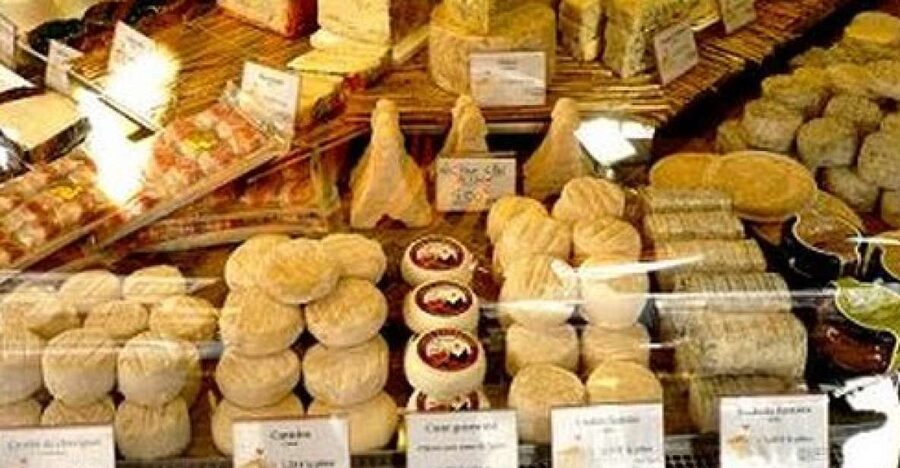
Montmartre tastes like Paris on foot. I like the way this 3-hour walk turns local shopping streets into an actual food route, not just sightseeing. Two things I really enjoyed: the pastry start, where you kick things off with tarts from a shop known for fine tart making, and the wide range of stops that run from fish and charcuterie to bread, pastries, and wine.
One thing to plan for: the tasting lineup can feel sweet-leaning, so if you want a big focus on cheese or savory drinks, you might feel a bit more limited by set portions. Still, you get enough variety to leave with a clear sense of how Montmartre eats.
This tour also works well because it stays small, limited to 8 participants, and you get a live guide (English, French, or Japanese). It is built around a guided walk from central meeting point near Blanche up toward the Butte of Montmartre, with the guide adjusting the flow if weather changes.
In This Review
- Key Highlights You Should Know Before You Go
- Why Montmartre’s Food Stops Feel More Authentic Than a Typical Tasting
- Starting Near Place Blanche: How the Route Gets You Moving Fast
- The Tart-First Pastry Shop: Where the Tour Sets the Sweet-Savory Tone
- Fishmonger and Butcher: Reading France Through What’s Fresh and Prepared
- Charcutier and Meat Traditions: How Montmartre Built Daily Meals
- Wine Tasting With a Local Lens: What to Do With Your Glass
- Baker and Vegetable Seller: The Bread Window You’ll Remember
- The Walk Toward the Butte of Montmartre: History That Actually Shapes the Bites
- What the $165 Price Buys You in Real Terms
- Best Fit: Who Will Enjoy This Montmartre Food Tour Most
- Quick Practical Tips Before You Book
- Should You Book This Montmartre Gastronomy Tour?
- FAQ
- How long is the Montmartre 3-Hour Local Gastronomy Tour?
- Where do I meet the guide?
- What tastings are included?
- Is the group size small?
- What languages are the tours offered in?
- What is the cancellation policy?
- Is there a pay later option?
Key Highlights You Should Know Before You Go
- Pastry shop first: You start with fine tart energy, setting the tone for everything that follows.
- Whole food-maker route: Fishmonger, charcutier, butcher, baker, and a vegetable seller, all in one guided loop.
- Wine and bread included: You do not just snack, you learn how those flavors show up in local eating.
- Small group pacing: With a group size capped at 8, questions and questions get answered.
- Montmartre food plus neighborhood context: The walk comes with history and practical tips for choosing shops later.
Why Montmartre’s Food Stops Feel More Authentic Than a Typical Tasting
Montmartre is famous for artists, stairs, and postcard views. But what I like about putting food at the center is that it makes the neighborhood feel lived in, not staged. As you walk its narrow streets, you start noticing the same kind of place patterns Paris has in every good neighborhood: specialized shops, repeat customers, and products that are made for everyday meals.
This tour leans into that real rhythm. You taste what locals buy, in the kinds of shops locals rely on. The experience is not just a sampler of random bites. It is a guided path through different food trades, which helps you understand why charcuterie tastes the way it does, how bread fits into the meal, and how wine belongs alongside both.
And I love the practicality of that. After a tasting like this, you are not just thinking, That was delicious. You are thinking, Okay, I know what to look for next time I am inside a similar shop.
Starting Near Place Blanche: How the Route Gets You Moving Fast
You meet your guide in front of Starbucks at 5, place Blanche, with the nearest metro station Blanche on Line 2. This is a helpful meeting point because it is easy to reach and it gives you options for getting there before you start. From there, you get a guided walk designed to use time well: the full tour is about 150 minutes.
The small group limit of 8 matters more than it sounds. In a food tour, you need breathing room. People crowd in front of display cases, and a tight group makes it easier for the guide to keep the line moving, explain what you are tasting, and still give you time to actually enjoy the bites.
It also helps that the tour is offered with live guides in English, French, and Japanese. If you prefer one of those languages, you can feel confident the explanations will be clear, not improvised.
If weather gets messy, guides may adapt the walk to keep you comfortable. One past experience noted that the guide adjusted for partial rain, so do not worry that a quick drizzle will ruin the day.
More climbs through Montmartre:
- Paris: Montmartre Street Art Tour with an Artist
★ 4.8 · 58 reviews
The Tart-First Pastry Shop: Where the Tour Sets the Sweet-Savory Tone
Most food tours jump around too quickly. Here, the approach is smarter: you start with a pastry shop that specializes in fine tarts. That first stop is about more than sugar. It trains your palate for what comes next.
Tarts are an excellent gateway food because they show balance. You can taste the crust texture, the fruit or filling style, and the way the pastry shop handles sweetness. Once you taste a good tart early, it becomes easier to understand the flavors in later stops, especially when you move from pastry to bread, charcuterie, and wine.
If you are the type who likes to compare what different bakers do, this start gives you a reference point. If you are not a sweet fan, you will still get enough savory variety through the route, but you should know the schedule begins on the pastry side.
Fishmonger and Butcher: Reading France Through What’s Fresh and Prepared
After the pastry start, the route shifts into real market thinking. You visit a fishmonger and a butcher, which changes the whole character of the tasting walk. Instead of focusing on baked textures, you start tasting and hearing about how meat and seafood products are handled and selected in a specialty shop.
Why that matters: fish and meat shops treat products differently than general groceries. You learn that freshness is not a vague word. It is something tied to cuts, preparation, and the way customers expect the product to be served.
This is also where your guide’s explanations can make a big difference. Some guides focus on shop choices and history alongside food. In one experience, the guide talked about architecture and how Parisian neighborhoods developed alongside traditional trades. Even if you are not an architecture buff, you benefit, because it gives meaning to why certain shops exist in certain places.
Practical tip for this segment: pace yourself. Fish and meat tastings can land heavy if you rush them. Take small bites, pause between shops, and let the flavors reset.
Charcutier and Meat Traditions: How Montmartre Built Daily Meals
Next comes charcuterie, a key part of French eating that many people only try in restaurants. Here, you taste charcutier specialties through a local shop experience. That changes your perspective because you are not just eating a dish, you are sampling how a charcutier thinks about cured flavors.
What I like about this part of the tour is that charcuterie is a bridge food. It works with bread, it fits alongside wine, and it turns even a simple walk into a meal-like experience. The guide helps you understand why those combinations make sense, so you leave knowing what to pair later when you buy items on your own.
If you are a fan of savory flavors, this is likely one of your favorite stops. One earlier experience highlighted how the charcuterie tasting felt like a real local treat, especially when paired with other items like honey and cheese at a shop stop. That kind of combination is exactly what you want to replicate after the tour.
Wine Tasting With a Local Lens: What to Do With Your Glass
Wine is included, along with bread and other tastings. This is not just a sip-and-go situation. The better guides teach you what to notice so you can taste more than just sweetness or alcohol warmth.
I like wine lessons on a walking tour because you are not stuck in a classroom. You are standing in the neighborhood where wine and shop culture connect. The guide may also include guidance on how to taste wine, what textures to look for, and how the flavors match the food you just ate.
One thing to keep in mind, though: there have been notes from at least one group that they did not feel like the wine or drink offerings matched expectations. The official description says wine is part of the tastings. If wine is a high priority for you, I suggest you confirm what is included for your specific departure time, especially if you are hoping for extras like coffee or additional beverages.
Practical wine tip: do not treat it as a heavy drinking session. Think of it as tasting. If you want to enjoy the rest of the walk, take small sips and keep water nearby when possible.
Baker and Vegetable Seller: The Bread Window You’ll Remember
Bread shows up here, and it is a big deal. In Paris, bread is not an afterthought. It is part of the daily shopping logic, and a guide who knows the neighborhood can point out what makes one bakery’s style different from another.
You also visit a vegetable seller, which adds a welcome reality check. It reminds you that Parisian food culture is not only meat and cheese. Even on a short tasting tour, you get the sense that fresh produce matters and that local shops are part of a whole meal system.
This segment can also help you build a shopping checklist for later. If you like to buy picnic-style food, the vegetable tasting helps you choose items that will actually hold up and taste good outdoors. And if you love the savory route, bread and produce balance the sweet energy that starts the tour.
If you are someone who dislikes sweets, keep an eye on how you feel after the pastry start. The baker and vegetable seller stop can work as your reset button, adding freshness and savory texture.
The Walk Toward the Butte of Montmartre: History That Actually Shapes the Bites
The tour includes time walking through Montmartre’s classic street maze, up toward the Butte of Montmartre. This matters because the neighborhood itself helps explain the food choices. When you move uphill and around little corners, you feel the geography that shaped daily routines.
The guide also tells you why Montmartre is a must-see area of Paris, and the neighborhood history is tied into the food trades you are sampling. One experience even described the guide talking about Hausmannian architecture alongside bakery and wine topics. That mix may sound unusual, but the result is useful: it helps you connect Montmartre to the bigger Paris story, not just the artist stereotype.
I also find that walking to the Butte turns tastings into something more than a snack run. You get breaks built into the route. You taste, you walk, you look up at the neighborhood, then you taste again. It makes the whole thing feel like a guided meal spread across time.
What the $165 Price Buys You in Real Terms
At $165 per person for about 150 minutes, this is not a cheap activity. So the right way to evaluate it is by what you receive, not just what it costs.
You get a small group experience limited to 8 participants. That is a cost driver because it requires more guide attention per person. You also get multiple specialty tastings across distinct food trades, including charcutier specialities, bread, wine, and pastries. That combination is usually harder to replicate on your own because you need access to shops that will share bites, plus you need someone to explain what you are seeing and tasting.
Where the value can feel strongest is when you care about learning the neighborhood. This tour offers history context, and it helps you understand how to choose products you will later recognize on shop shelves. For many people, that learning saves money later, because you stop guessing and start buying with confidence.
Where you should be realistic is the tasting volume itself. At least one experience flagged that portions can feel sweets-heavy and that cheese might be minimal. If you are coming in hungry and expecting a full meal, you might need a plan for what to eat after.
Best Fit: Who Will Enjoy This Montmartre Food Tour Most
This tour is a strong match if you want:
- A focused Montmartre outing without spending the entire day in a museum
- A guide to steer you through multiple specialty shops
- Tastings that show how French eating works across pastry, meat, bread, and wine
- A small group pace so you can ask questions and move comfortably
It may be less ideal if you:
- Hate sweets or want a mostly savory tasting
- Expect cafe drinks or extra beverage service beyond what is included in the tastings
- Want a large quantity of cheese or a full lunch experience
One more fit note from past experiences: guides like Luis Jorge and Luis have been praised for clear explanations and on-the-ground knowledge of the Montmartre area. In one case, the walk even ended at the LAB shop with Edouard, where the tasting included wine, charcuterie, honey, and Comte. That kind of friendly, local-shop finish is the sort of thing that makes a guided tour feel special.
Quick Practical Tips Before You Book
- Eat something light before you go, then approach tastings like courses, not snacks.
- Wear shoes built for hilly streets. Montmartre is walking heavy even on short tours.
- If you care a lot about wine, check on what is included at your departure.
- Bring curiosity, not a shopping list. The guide will show you what locals actually pick up.
Should You Book This Montmartre Gastronomy Tour?
I think you should book if you want a structured Montmartre experience that mixes food education with real neighborhood walking. The small group size, the variety across fishmonger, charcutier, butcher, baker, and vegetable seller, plus wine and bread tastings, make it a practical way to understand how Montmartre eats.
I would hesitate if you are not a fan of pastry and sweets, or if you want lots of cheese and coffee-type drinks as part of the tasting. The best use of this tour is as a taste route with learning built in. Plan to top up with a real meal afterward.
If your goal is to come away with a sharper palate and better instincts for Montmartre shops, this is a solid choice.
FAQ
How long is the Montmartre 3-Hour Local Gastronomy Tour?
The tour lasts about 150 minutes.
Where do I meet the guide?
Meet your guide in front of Starbucks at 5, place Blanche, 75 018 Paris. The nearest metro station is Blanche (Line 2).
What tastings are included?
You get tastings of charcutier specialities, bread, wine, and pastries.
Is the group size small?
Yes. The group is limited to 8 participants.
What languages are the tours offered in?
The live tour guide is available in English, French, and Japanese.
What is the cancellation policy?
You can cancel up to 24 hours in advance for a full refund.
Is there a pay later option?
Yes. You can reserve now and pay later to keep your plans flexible.
Latest Montmartre entries, notes attached
Montmartre Walks, compared.
Montmartre Hidden Gems and Scenic Highlights Walking Tour
Read our review →
Montmartre Hill French Gourmet Food and Wine Tasting Walking Tour
Read our review →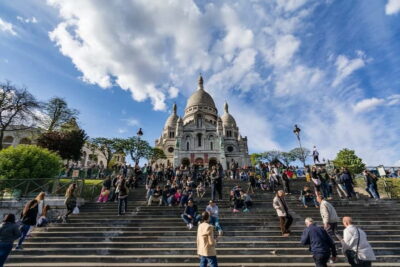
Montmartre Highlights Walking Tour with a Local Guide
Read our review →
Montmartre Cheese, Wine & Pastry Guided Walking Tour
Read our review →
Private Montmartre Food Tour with Wine, Cheese & Pastries
Read our review →
Sacré-Coeur and Montmartre Tour with Expert Guide
Read our review →
Paris Montmartre Food Tour – A Full French Meal by Do Eat Better
Read our review →This tour also appears in