
Reviewed · MONTMARTRE WALKS
The Secrets of Montmartre Walking Tour
Montmartre gets better with a guide. This 2-hour walk turns the “postcard” spots into scenes from real lives, with stops that connect cabaret, painting, and street legends in one climb.
I especially love the highlights-per-minute pace, from the Moulin Rouge up to Sacré-Cœur. I also like the storytelling focus, where you hear why artists and oddball characters wanted to live here, from Van Gogh to Picasso, plus Montmartre legends like the headless Saint Denis.
One thing to consider: you do a fair amount of uphill walking. Even if the tour is short on paper, the hill plus quick photo stops can feel like a mini workout.
In This Review
- Key points before you go
- Montmartre, packed into 2 hours (without feeling rushed)
- Where you meet, and how to spot your guide
- The uphill rhythm: comfy shoes beat fancy plans
- Moulin Rouge to Place du Tertre: cabaret culture before the climb
- Lapin Agile and the Montmartre legends thread
- Sacré-Cœur: more than a white dome at the top
- Dalida, the vineyard angle, and the story behind the neighborhood’s quirks
- Moulin de la Galette, the last windmill, and why “París” was built on small things
- La Maison Rose and Pigalle: the edges of fame
- Picasso connections and the artistic “trade” stories
- How good are the guides, really?
- Price and value: why $33 works if you care about context
- Who should book this Montmartre walking tour
- Should you book it?
- FAQ
- FAQ
- How long is the Montmartre Walking Tour?
- Where is the meeting point?
- What sights does the tour include?
- Does the tour go into museums or paid attractions?
- Is the tour in English?
- Is it family-friendly?
- How much does it cost?
- Can I cancel or change plans?
Key points before you go
- Moulin Rouge to Sacré-Cœur in one tight loop, with lots of quick photo moments
- No museum entries, so you keep moving and get context without ticket lines
- Artist stories you won’t spot on your own, including Van Gogh and Picasso connections
- Montmartre’s last windmill and the Renoir angle on village life
- Café des Deux Moulins and Amélie fans, you’re in the right neighborhood
- Highly rated guides, with many guests calling out animated, funny, and adjustable guiding
Montmartre, packed into 2 hours (without feeling rushed)
This is the kind of tour that works because it does not try to do everything. You walk the neighborhood at a smart pace, stopping for photos at big landmarks, then getting the context you usually miss if you just wander.
You’ll spend your time in the heart of Montmartre’s “how did art happen here?” story. The tour is built around what people did, where they hung out, and what made the area magnetic. That’s why the famous places feel more meaningful once you connect them to the people and the times.
The other practical win is the “no museum entry” setup. You’re not burning half your day waiting in lines or shuffling through galleries. Instead, your guide points out details along the street and keeps the flow moving.
Where you meet, and how to spot your guide
Meeting is at Blanche metro station. Look for the guide wearing a red t-shirt and holding a red umbrella outside the Starbucks across the street from the Moulin Rouge.
That detail matters. Montmartre can look like a maze, and you do not want to waste your first 10 minutes trying to find the group. Once you spot the red umbrella, the rest is straightforward.
More Walking Tours in Paris
- Paris Top Sights Half Day Walking Tour with a Fun Guide
★ 5.0 · 2,893 reviews - Montmartre Hidden Gems and Scenic Highlights Walking Tour
★ 5.0 · 2,684 reviews - Montmartre Hill French Gourmet Food and Wine Tasting Walking Tour
★ 5.0 · 2,588 reviews
The uphill rhythm: comfy shoes beat fancy plans
Montmartre is famous for its views, which also means it is famous for its slopes. Some guests call it a step-up climb. My advice: wear comfortable walking shoes and dress for the weather. You’ll be taking photo stops and doing short stretches between them, so you want feet that feel good from start to finish.
Also keep expectations realistic. Even though the tour is scheduled for 2 hours, guides may slightly adjust timing based on group interests and pacing. You might end up finishing a bit later if your guide stops often for pictures or questions.
Moulin Rouge to Place du Tertre: cabaret culture before the climb
The tour begins at 5 Pl. Blanche, then heads straight toward the Moulin Rouge. You get a 15-minute photo stop right at the start, which is a smart move. It sets the mood instantly, because Moulin Rouge is still Montmartre’s loudest calling card.
From there, you walk toward Place du Tertre. This is where the neighborhood shows its bohemian face. You’re not just looking at scenery, you’re getting the background behind why artists and performers flocked to these streets. Your guide will also mention how the district built an identity around performance, art, and spectacle, long before “Instagram Montmartre” existed.
Drawback? If you arrive during peak crowds, the most famous squares can feel busy. The tour structure helps because you spend more time moving than staring at a single spot.
Lapin Agile and the Montmartre legends thread
Next up is Lapin Agile, with another short 15-minute photo stop. This is one of those places that feels like a story you want to hear out loud. The tour ties it to the bigger artistic world of Montmartre, not just the landmark itself.
One of the tour’s strengths is how it links oddball tales to the real atmosphere of the district. You’ll hear legends and name-check famous figures connected to the area, and your guide uses those characters to explain why Montmartre had staying power for decades. Think of it like learning the “characters” of Montmartre before you try to understand the “plot.”
More climbs through Montmartre:
Sacré-Cœur: more than a white dome at the top
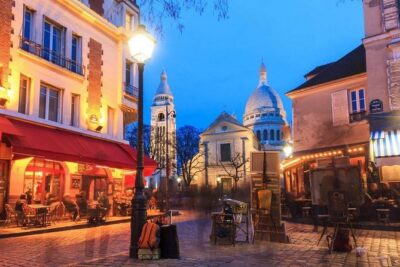
At Sacré-Cœur, you get a photo stop and time to take in the big view. It’s the highest point in Paris, and the church’s white silhouette is the reason many people first fall for Montmartre.
But the tour helps you read the place better. Your guide explains what drew people here and how the district’s creative reputation connects back to the city’s larger story. You may also hear about local figures and church-related legends, including the tale of the headless Saint Denis.
Practical tip: bring water. Even if the stops are short, the combined hill walking plus photo pauses can make you thirstier than you expect.
Dalida, the vineyard angle, and the story behind the neighborhood’s quirks
You’ll pass Buste de Dalida for a photo stop. Dalida is one of those Montmartre figures people bring up again and again, especially because the area embraced entertainers and celebrity culture long before it was a global product.
Then you’ll walk past Vigne du Clos Montmartre, Paris. This moment is easy to overlook if you are only chasing big sights, but it’s a nice reminder that Montmartre is not only about art studios and cabarets. There’s also a working, human-scale side to the hill.
Finally, you move toward Café des Deux Moulins for a photo stop. Film fans love this one because it’s the cafe associated with Amélie. The tour uses the pop-culture connection as a doorway, then brings you back to the real neighborhood around it.
Moulin de la Galette, the last windmill, and why “París” was built on small things
One of the highlights is discovering the last windmill in Paris. This is the kind of detail that makes the tour worth it, because you don’t usually stumble on these facts while walking.
Your guide ties this windmill history to the art scene too, including references like Renoir’s Bal au Moulin de la Galette. When you hear that story in context, the neighborhood stops being just “cute streets.” It becomes a place where people actually worked, made money, performed, and turned daily life into art.
If you like explanations that connect landmark to meaning, you’ll enjoy this portion a lot. If you mainly want panoramic views and photos, you might care less, but even then it’s a memorable stop.
La Maison Rose and Pigalle: the edges of fame
Next is La Maison Rose, then a walk toward Place Pigalle. These parts of the tour help you understand Montmartre as a district with edges, not only one glossy postcard layer.
The tour also touches the Red Light District area and connects it to the neighborhood’s reputation for art, nightlife, and taboo stories. Expect the guide to point out how the district’s “rules” changed depending on who you were, what you did, and what decade you lived through.
From a practical standpoint, this area can feel more adult and chaotic than the postcard lanes. If you’re traveling as a couple, it can still feel fun and interesting. If you’re traveling with kids, you’ll want to use your own judgment based on what your family is comfortable with. The tour is generally described as enjoyable for a range of ages, but it does cover nightlife culture.
Picasso connections and the artistic “trade” stories
You’ll pass sights connected to famous artists, including Picasso’s former studio and Van Gogh’s House. Because the tour does not enter museums or specific sites, you’ll get this through street-level observation and narration, not inside museum rooms.
This is where the guide’s role matters most. A strong guide turns “I saw a building” into “I understand why this mattered.” One guest specifically praised guides for acting out artists using different voices, which gives you a sense of the district as a lived-in stage rather than a set of plaques.
You may also hear about Picasso exchanging paintings for food at a cabaret bar. Whether you love this story or find it a little surreal, it fits Montmartre perfectly: art here was never fully separated from daily hunger and nightlife.
How good are the guides, really?
The overall rating is very high, and the recurring theme is guide performance. People name specific guides like Dawid, Sebastian, François, Alberto, Paloma, Panama, Michelle, and Roberto, and many guests mention that the tour feels fun and fast because the guide keeps the group engaged.
A few details show up again and again:
- Guides adjust pacing and stories based on group interests.
- Guides keep English easy to follow.
- Many guides are animated and use humor, not just facts.
- Guests love when guides also offer food and drink suggestions after the walk.
So yes, you are paying for more than sightseeing. At this price point, your best “value” is the chance to get a guide who can explain Montmartre like it’s a living neighborhood, not a textbook.
Price and value: why $33 works if you care about context
At about $33 per person for roughly two hours, you’re not buying a museum ticket or a long-day package. You’re buying a guided lens.
That value comes from three things:
- You cover major landmarks quickly, including Moulin Rouge, Sacré-Cœur, and spots tied to big artists.
- You get stories that explain why Montmartre attracted creative people.
- You save time by staying outdoors and keeping the tour moving.
If your plan is mostly “walk around and take photos,” you could do Montmartre on your own. But if you want to understand what you’re looking at, and you like stories that connect buildings to human behavior, this guided format makes sense.
Who should book this Montmartre walking tour
This tour is a strong fit if you:
- Want a short, efficient way to see major Montmartre landmarks.
- Prefer outdoor walking with narration over museum time.
- Like art and history, but also want it told in plain, human terms.
- Want a guide to help you avoid missing the small details, like the windmill and why certain places gained fame.
It’s less ideal if you:
- Hate uphill walking.
- Want long stops to sit and absorb views.
- Expect museum entry, because this tour does not go inside museums or specific sites.
Should you book it?
Yes, if your goal is to get more meaning out of Montmartre in less time than wandering alone. The mix of iconic landmarks, artist connections, and street legends is exactly what makes Montmartre fun to understand.
If you’re deciding between doing Montmartre solo or booking a guide, ask yourself one question: do you want the “why” behind what you see? If the answer is yes, this tour is a good use of your time.
FAQ
FAQ
How long is the Montmartre Walking Tour?
The tour lasts 2 hours.
Where is the meeting point?
Meet your guide at Blanche metro station. The guide wears a red t-shirt and holds a red umbrella outside the Starbucks across the street from the Moulin Rouge.
What sights does the tour include?
You’ll see or pass by stops such as Moulin Rouge, Place du Tertre, Lapin Agile, Sacré-Cœur, Buste de Dalida, the Montmartre vineyard area, Café des Deux Moulins, La Maison Rose, Place Pigalle, and you finish at Sacré-Cœur. The tour also includes stories connected to Van Gogh’s House, Picasso’s studio, and other artist ties.
Does the tour go into museums or paid attractions?
No. The tour does not enter museums or specific sites, so it stays focused and keeps the walking flow.
Is the tour in English?
Yes, the live guide speaks English.
Is it family-friendly?
Children under 13 go free of charge with a valid ID. The tour involves walking and uphill portions, so use your judgment for younger kids.
How much does it cost?
It is priced at $33 per person.
Can I cancel or change plans?
Free cancellation is offered up to 24 hours in advance for a full refund. There is also a reserve now, pay later option to keep plans flexible.
If you tell me your travel dates and whether you have kids or mobility limits, I can help you judge if the uphill pace will feel comfortable for your group.
Boulevard Pace
- Paris Île de la Cité and Notre-Dame Walking Tour With Crypt
★ 5.0 · 2,272 reviews - Paris in a Day: Louvre or Orsay, Eiffel Tower, City Walk & Cruise
★ 5.0 · 1,956 reviews - Paris City Center Free Walking Tour (Tip-Based)
★ 5.0 · 1,340 reviews - Paris: Dark History and Ghostly Guided Walking Tour
★ 4.7 · 1,000 reviews
Latest Paris entries, notes attached






Montmartre Walks, compared.
Montmartre Hidden Gems and Scenic Highlights Walking Tour
Read our review →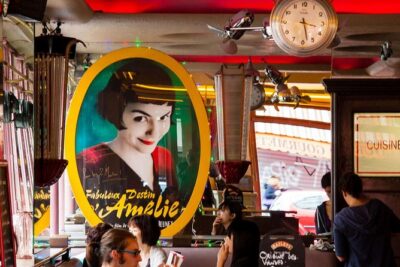
Montmartre Hill French Gourmet Food and Wine Tasting Walking Tour
Read our review →
Montmartre Highlights Walking Tour with a Local Guide
Read our review →
Montmartre Cheese, Wine & Pastry Guided Walking Tour
Read our review →
Sacré-Coeur and Montmartre Tour with Expert Guide
Read our review →
Private Montmartre Food Tour with Wine, Cheese & Pastries
Read our review →
Paris Montmartre Food Tour – A Full French Meal by Do Eat Better
Read our review →
This tour also appears in