
Reviewed · MONTMARTRE WALKS
Montmartre Highlights – Bohemian Streets & Sacré-Coeur Basilica
Montmartre turns into stories fast. This 2-hour walk is a smart way to connect the bohemian streets to the big icons, with engaging live commentary and a small group capped at 15 people. You also get the freedom to start in the morning, afternoon, or evening, so you can match it to your Paris plans.
I like that it hits the major landmarks without dragging you around for half a day. The only real drawback to keep in mind is the steep uphill walking, including steps, which can feel intense if you are not used to hills.
You’ll end in the heart of the Montmartre vibe at Place du Tertre, where restaurants, cafés, and artists fill the square. It makes an easy landing spot for lunch, a snack, or a slower wander afterward.
In This Review
- Key highlights before you go
- Montmartre Highlights, a tight plan that actually fits Paris
- Sacré-Cœur and that 480 m2 fresco moment
- Moulin Rouge red windmill stories, seen the right way
- Walking where Monet, Van Gogh, Picasso, and Zola once moved
- Pigalle, from red light district to layered street stories
- Place du Tertre, the calm village feel at the end
- Who should book this Montmartre walk, and who should skip it
- Price value: what $47.79 gets you in real terms
- How to pick your start time in Montmartre
- A few practical tips so the tour feels easy
- Should you book Montmartre Highlights?
- FAQ
- What is the duration of the Montmartre Highlights tour?
- What group size should I expect?
- Is the tour offered in English?
- Where does the tour start and end?
- Is Sacré-Cœur admission included?
- Is Moulin Rouge admission included?
- What if the weather is poor or I need to cancel?
Key highlights before you go
- Small group, max 15 people means the guide can keep things moving and still explain details
- Sacré-Cœur hilltop payoff with wide views across Paris after a visit inside the church
- Moulin Rouge and the red windmill story seen from the outside, with context that makes it more than a photo stop
- Artist-era street walking tied to painters and writers like Monet, Manet, Van Gogh, Picasso, and Zola
- Pigalle turned into real-time history through the district’s past and present character
- Place du Tertre at the end so you can immediately pivot to food, shopping, or people-watching
Montmartre Highlights, a tight plan that actually fits Paris
This tour is built for the reality of Paris: streets that curve, crowds that thicken, and time that disappears fast. You meet at Blanche (75018) and start walking from there. It runs about 2 hours, and the pacing is guided, not a free-for-all.
The group stays small, up to 15 people, and the guide uses a loudspeaker to help everyone hear clearly while maintaining physical distance. That matters on Montmartre, where streets can get crowded and your view lines can be messy.
You’ll also have flexibility on timing. Choose a morning, afternoon, or evening start depending on your energy level and what kind of photos you want. If you care about daylight for climbing and views, an earlier start is a good move, especially because you will be going up and down fairly steep sections.
And when the tour ends, you end in Place du Tertre, which is convenient. It saves you from that awkward moment where you are done sightseeing but still need to find your next step.
Sacré-Cœur and that 480 m2 fresco moment
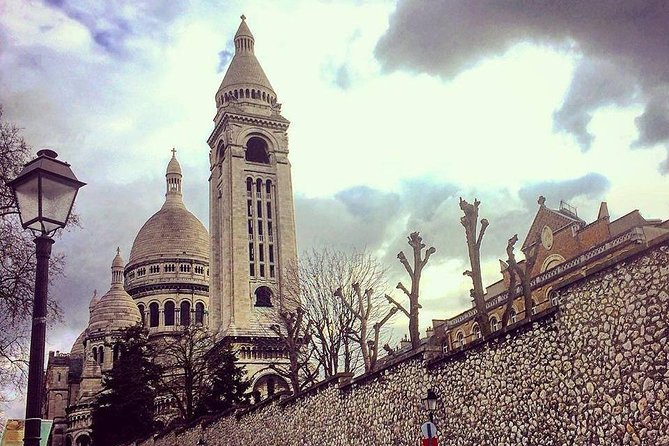
Sacré-Cœur is not subtle. It is one of the biggest churches in Paris, and the stop gives you time to experience it properly, not just pass by the stairs.
You go inside and learn about the church’s scale, including the big fresco area (480 m2) on the walls and the impressive cupola. Then the tour climbs to the top of the hill for a view across Paris. That view is why many people come to Montmartre in the first place, and here it is built into the tour flow.
One practical note: you are dealing with steps and a hill. Even if you are comfortable walking, plan on slowing down and taking breaks as needed. In the interviews I read, the hills and steps are repeatedly mentioned as the main physical challenge, and that makes sense. Bring comfy shoes with grip, and treat Sacré-Cœur like the hardest part of your exercise, not an optional add-on.
The good news is that admission for the Sacré-Cœur visit is free on this tour. So you pay for the guide and the experience, not for another ticket hurdle. If you want a church stop that feels meaningful and not rushed, this is the strongest anchor.
More climbs through Montmartre:
- Montmartre Hidden Gems and Scenic Highlights Walking Tour
★ 5.0 · 2,684 reviews - Montmartre Hill French Gourmet Food and Wine Tasting Walking Tour
★ 5.0 · 2,588 reviews - Paris: Montmartre Highlights Walking Tour with a Local Guide
★ 4.9 · 2,318 reviews
Moulin Rouge red windmill stories, seen the right way
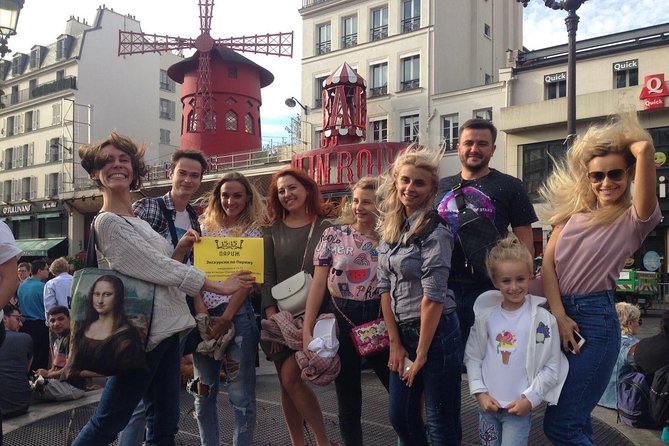
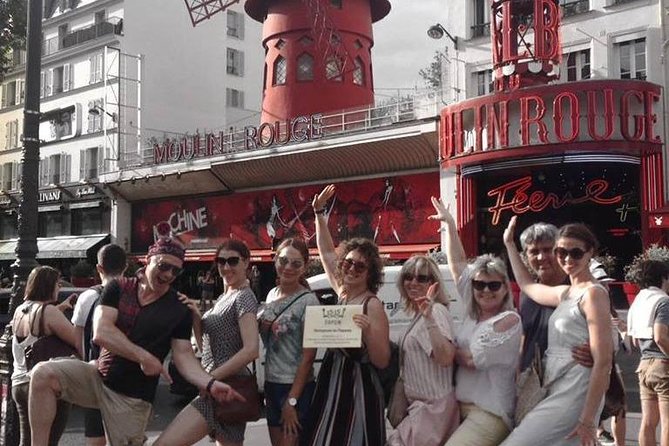
From the outside, you will view the world-famous Moulin Rouge. This is a quick stop, but it is not empty. The guide explains the history behind the emblem, the red windmill, and why it became the symbol people recognize instantly.
You also hear how the first French Cancan was introduced to the Parisian public, tying the building to the broader entertainment story of the city. That context matters. Otherwise it is just a famous façade and a line of tourists.
Admission is not included for Moulin Rouge. Since the tour is designed around outside views, you are not forced into paying for an entrance. Still, if you want a closer look later, you know in advance that any ticketing would be your choice.
This stop is also a useful pacing break. It gives you a moment to look up, take a photo, and reset before the walking continues into deeper Montmartre streets.
Walking where Monet, Van Gogh, Picasso, and Zola once moved
After Sacré-Cœur, you shift from landmark scale to street scale. This part of the tour is where Montmartre stops feeling like a checklist and starts feeling like a neighborhood with memory.
You walk on the paths and steps connected to the artists, painters, and writers associated with this area at the end of the 19th and start of the 20th century. The names mentioned include Monet, Manet, Van Gogh, Pisarro, Rodin, Picasso, Zola, and others.
What I like about this segment is how it turns a walk into a guided timeline. You hear why these artists mattered, and you start noticing details you might otherwise skip, like the street turns, the vantage points, and the way the hilltop area shaped daily life.
There is also a chance of film-familiar moments. One guide experience I saw included pointing out locations linked to Amélie. You should not count on spotting every pop-culture connection every time, but it is the kind of thing a good guide can weave in when the streets match the story.
This stop lasts about 30 minutes, so you get enough time for explanation without the tour turning into an endless ramble. The main consideration is still the walking. Montmartre is not flat, and this is where your legs will feel it most.
Pigalle, from red light district to layered street stories
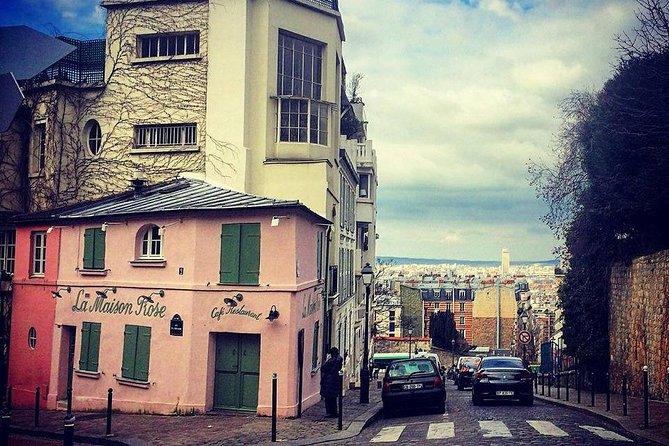
Next comes Pigalle, and the tour treats it as more than one theme. You see the famous red light district with cafés, cabarets, sex shops, and plenty of nightlife energy. But the guide also points out the hidden pearls from earlier days, when parts of the area were home to painters and writers.
This is an important contrast. Many people picture Pigalle only through the modern neon lens. Here you connect the district to the creative world that also played out on these streets. It helps you understand why the area carries an edge and a certain theatrical quality, even in daytime.
Keep your expectations realistic. This is a walking pass-through, not a deep museum session. The goal is to give you the street-level context so when you see something like a historic emblem or a distinctive façade, you know what it might mean.
Also, use common sense with personal safety. Montmartre can be busy, and you are near crowds. One guide tip that came up in the experiences I read included advice on avoiding pickpockets near Sacré-Cœur. Even if you are careful already, this kind of prompt is useful because it reminds you where risk tends to cluster.
More Things to Do in Paris


Place du Tertre, the calm village feel at the end
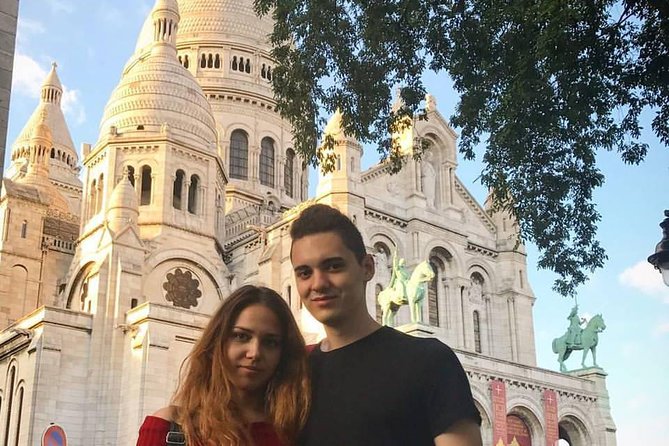
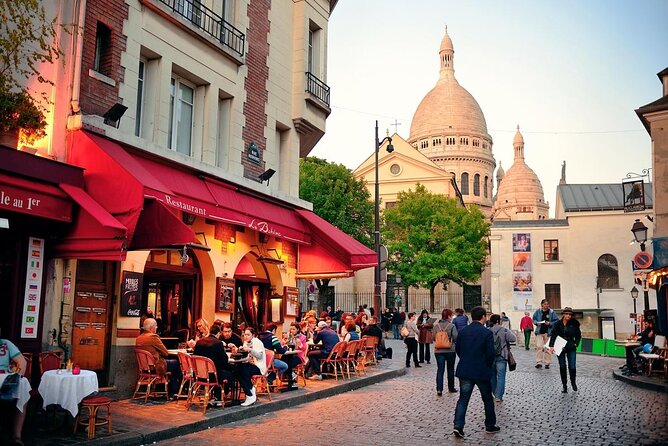
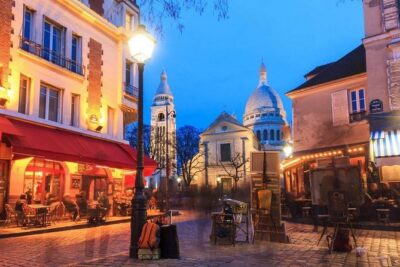
The tour finishes at Place du Tertre, and this is a smart choice. You end in a square known for painters and caricaturists, with restaurants and cafés all around. That means you can immediately take a seat, refuel, and continue at your own pace.
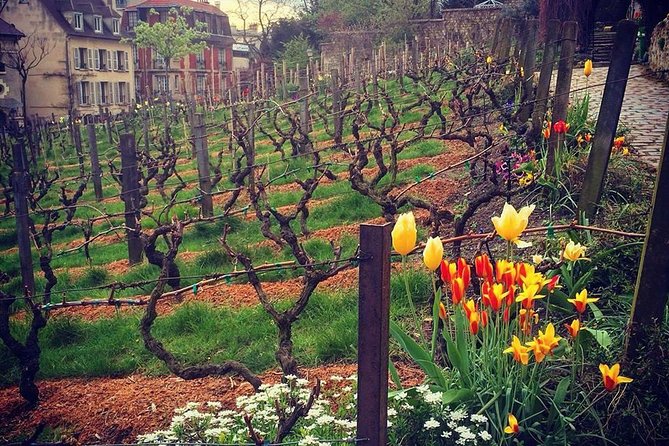
This stop is also where Montmartre gets its “Paris countryside” reputation. The square is described as keeping bucolic charms from earlier centuries, especially compared to the nightlife nearby at Pigalle. You hear about vineyards, bocce fields, and hidden parks just a few meters away from the busy streets.
Even if you do not wander far off the main square, Place du Tertre has a built-in atmosphere. Artists are part of the scene, and watching them work is one of the easiest ways to keep enjoying Montmartre without more uphill effort.
Because the tour ends here, you can also choose how to continue. Want more food? Stay. Want views? Move toward the hill again. Want to relax? Sit and people-watch with a cold drink.
Who should book this Montmartre walk, and who should skip it
This tour fits best if you want structure. You have limited time, you want to cover the key Montmartre landmarks, and you like your sightseeing with a story attached.
It is also a good match if you value a human guide. The guide is live throughout, and in the experiences I read, the standout factor was how much energy and humor guides like Sacha, Max, Katrina, Catherine, Christian, and others brought to the walk. People repeatedly praised guides for being entertaining while staying focused on art, culture, and city evolution.
You should consider skipping or adjusting if hills are a problem. Moderate physical fitness is the baseline, and many comments flagged steep climbs and lots of walking. If you have mobility limits, knee pain, or fatigue issues, think hard about whether you want to spend two hours going up and down stairs. If you do go, wear supportive shoes and expect slow moments on the hill.
Price value: what $47.79 gets you in real terms
At $47.79 per person, you are paying for an organized walking route, a guide with live commentary, and a guided way to connect Montmartre’s biggest symbols to the people who lived here. For many visitors, that is better value than buying separate tickets and trying to interpret everything alone.
A few things make the cost feel reasonable:
- Sacré-Cœur admission is free on this tour, which lowers the total “out of pocket” burden
- Most other highlights are outside views or walking stops without ticket costs
- The small group size helps you actually hear and understand what you are seeing
The one extra cost to know about is Moulin Rouge, since admission is not included. If your interest is only the exterior and the story behind the red windmill, you will not feel nickel-and-dimed. If you want to go inside later, you can decide then.
Also, the tour is offered in English, and that matters for comfort. In a neighborhood full of details and history, being able to follow the guide smoothly turns “I walked around” into “I understood what I saw.”
How to pick your start time in Montmartre
You can start in the morning, afternoon, or evening. For most people, the best choice comes down to how you want the walking to feel and what you want the views to look like.
If you want the climb when it is easier to see paths and step edges, go earlier in the day. One experience I saw suggested booking early so you enjoy the hills in daylight. That is practical advice, especially if you will be taking photos.
If you prefer a more relaxed pace, consider an afternoon start. The tour still moves, but you might feel better after a meal and some coffee before committing to the uphill.
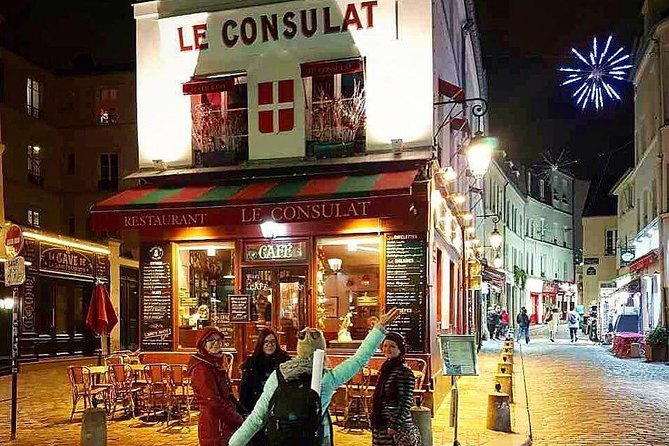
Evening starts can be fun if you like atmosphere. You will still climb, so it is not a shortcut, but Montmartre at night has a different vibe. Just remember that it will still be a guided walk with time limits at each stop.
A few practical tips so the tour feels easy
I would plan your day around this walk. Wear shoes that you trust on stone steps. Bring water if you tend to get dry. And mentally expect that the Sacré-Cœur area will be the most demanding stretch.
Photo-wise, prioritize Sacré-Cœur and the hilltop view. The rest is more about recognizing places and understanding why they matter. If you stop too long for photos on every corner, you will feel rushed when you get to the church viewpoint.
Finally, pay attention to the guide. In the better guide experiences, the person at the front is what turns streets into stories. People also mentioned guides using maps or visual references. Even without a specific promise, the loudspeaker and the way the story is delivered is a big part of why this tour gets such strong marks.
Should you book Montmartre Highlights?
Book it if you want a focused Montmartre orientation in about two hours. The Sacré-Cœur visit with hilltop views is worth it, and the added stops connect Moulin Rouge, artist-era streets, and Pigalle into one coherent walk. The small group size and live narration make it feel more personal than the big bus-style approach.
Skip it or swap it for something easier if you hate steep hills or you have mobility concerns. The walking load is real, and even with breaks you are still climbing and stepping for parts of the route.
If you are landing in Paris with limited time and you want your Montmartre to feel like more than a postcard, this is a strong choice.
FAQ
What is the duration of the Montmartre Highlights tour?
The tour lasts about 2 hours.
What group size should I expect?
The tour has a maximum of 15 travelers.
Is the tour offered in English?
Yes, the tour is offered in English.
Where does the tour start and end?
It starts at Blanche (75018 Paris) and ends at Place du Tertre (Pl. du Tertre, 75018 Paris).
Is Sacré-Cœur admission included?
Yes. The Sacré-Cœur stop includes an admission ticket that is listed as free.
Is Moulin Rouge admission included?
No. The Moulin Rouge stop is not included for admission, since it is handled as a viewing stop outside.
What if the weather is poor or I need to cancel?
The experience requires good weather. If it is canceled due to poor weather, you are offered a different date or a full refund. You can also cancel for a full refund if you cancel at least 24 hours before the start time.
Latest Paris entries, notes attached






Montmartre Walks, compared.
Montmartre Hidden Gems and Scenic Highlights Walking Tour
Read our review →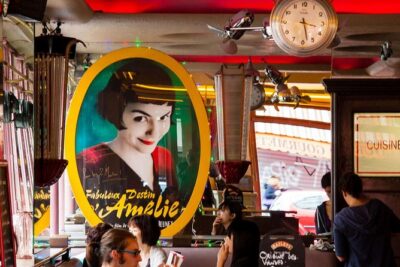
Montmartre Hill French Gourmet Food and Wine Tasting Walking Tour
Read our review →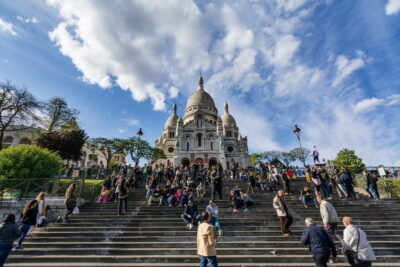
Montmartre Highlights Walking Tour with a Local Guide
Read our review →
Montmartre Cheese, Wine & Pastry Guided Walking Tour
Read our review →
Sacré-Coeur and Montmartre Tour with Expert Guide
Read our review →
Private Montmartre Food Tour with Wine, Cheese & Pastries
Read our review →
Paris Montmartre Food Tour – A Full French Meal by Do Eat Better
Read our review →This tour also appears in