
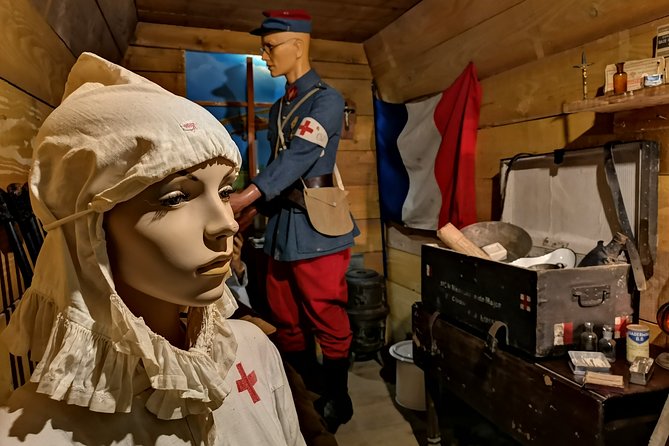
Reviewed · MUSEUMS
Musee Somme 1916 Admission Ticket
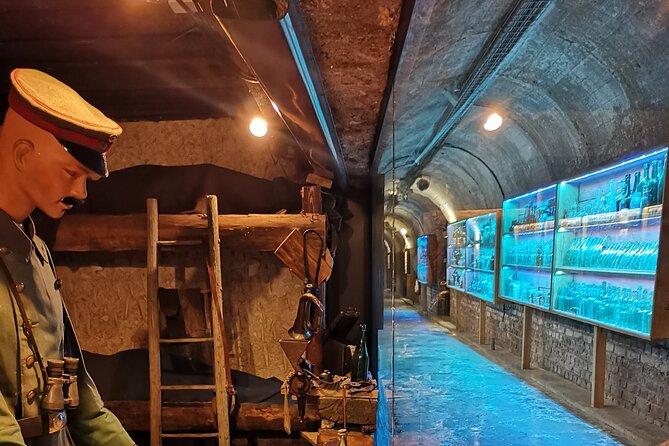
A tunnel leads you straight into 1916. The Somme Trench Museum drops you into a 250-meter underground passage and then walks you through trench warfare with sound and light effects. If you want WWI context that feels immediate, this is one of those sites where the setting helps the story land.
What I like most is how hands-on it feels once you get inside: you can study WWI artifacts and weaponry in 25 display cabinets. Then you do not just leave on a sad note, you exit into Albert’s town park and the nearby Arboretum for views over the Ancre River and its cascades. One thing to plan for: the venue is not actually in Amiens proper, it is about 20 miles past the city, so factor in travel time.
In This Review
- Key things to know before you go
- Why this Somme museum hits you in the right way
- Getting inside: tunnel route, languages, and what the layout does for you
- The trench warfare walk: 15 alcoves that keep you moving
- Artifacts, weapons, and the sound-light moments that make it real
- Gallery of Heroes: why the ending section feels different
- Exiting through Albert’s Arboretum: Ancre River views you can feel
- Price and value: what $9.67 buys you and why it is fair
- Who should book this, and who might want a different pace
- Should you book the Musee Somme 1916 ticket?
- FAQ
- How long does the Musee Somme 1916 visit take?
- What languages are available in the museum?
- What is included with the admission ticket?
- What is the price per person?
- Where do you exit the museum?
- What can you see at the exit area?
- What are the opening hours?
- Is free cancellation available?
- Is there a maximum group size?
- Do children need to be accompanied by an adult?
Key things to know before you go
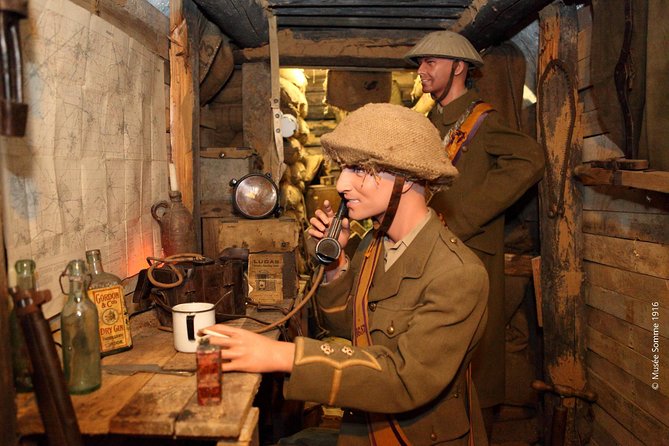
- Underground approach: enter via a hall by the Basilica, then go through a 250 m tunnel about 10 m below the surface
- Four-language visit: English, French, German, and Dutch
- 15 alcoves of storytelling: a sequence of scenes that guide you through trench warfare
- Sound and light effects: built to help you picture bombardments and the Great War atmosphere
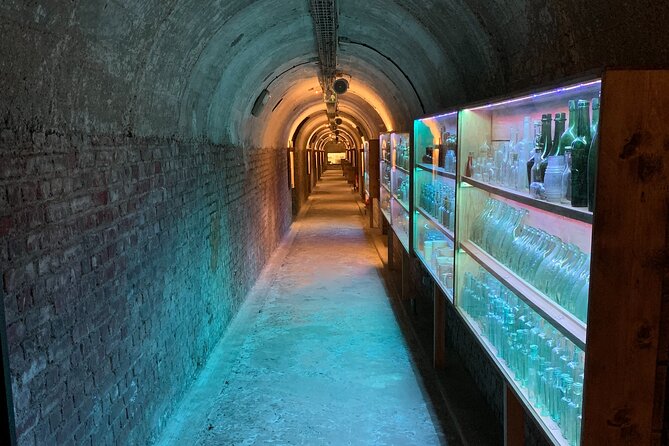
- WWI artifacts close-up: 25 display cabinets with items and weaponry
- Outdoor wrap-up: exit through Albert’s town park toward the Arboretum and Ancre River views
Why this Somme museum hits you in the right way
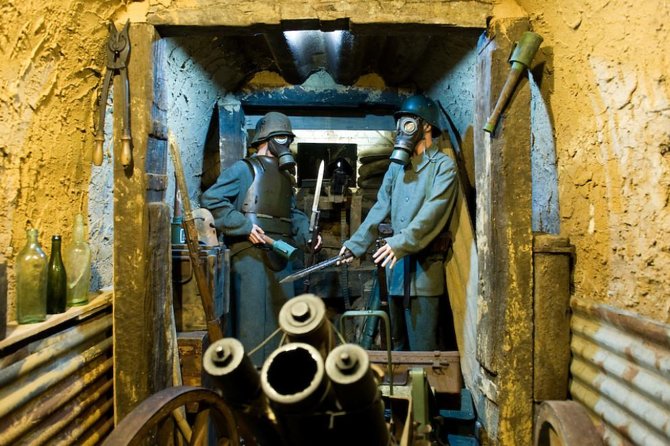
WWI can feel like dates and names on a page. Here, it becomes a physical experience, and that matters. You start underground, and you move through a purpose-built route that turns the Somme into something you can see, not just read about.
The emotional weight is part of the design, and the key figure is stark: 56,000 British soldiers were killed on the first day alone. That fact is not just trivia. It frames everything you see afterward, from trench scenes to the final section that shifts from battle chaos to individual recognition.
I also appreciate the balance between storytelling and objects. You get scenes in a series of fifteen alcoves, then you can slow down in front of display cabinets. That mix is useful because some people want narrative flow, while others need details to process what they are seeing.
One more practical note, this is not a quick stop. The museum experience works best when you give it enough time to absorb the rooms, especially if you bring kids who can handle a serious subject. Plan for about 1 to 3 hours so you are not rushing through the emotional parts.
Getting inside: tunnel route, languages, and what the layout does for you
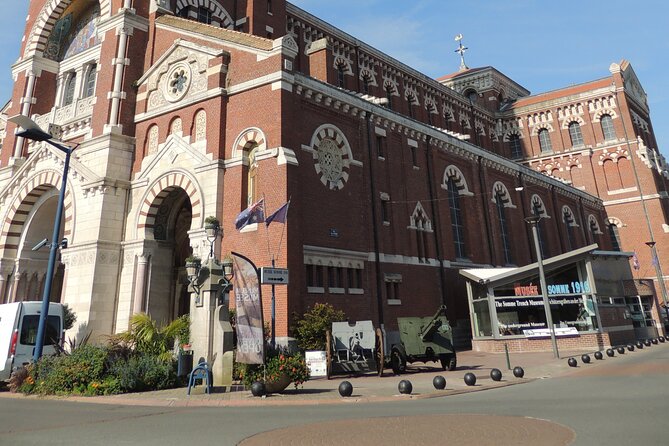
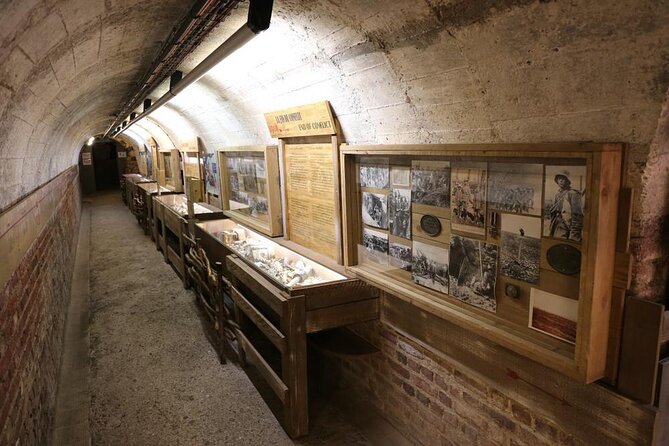
Your visit starts at the entrance hall next to the Basilica. From there, you go into a 250-meter tunnel that sits about 10 meters below the surface. That is not just architecture. It changes how you experience the museum because you feel the transition from everyday street life into the world of 1916.
As you leave the tunnel, you come out into the souvenir shop area before continuing on to Albert’s town park. That sequencing is handy. It gives you a natural moment to grab a small item or orient yourself, rather than trying to do everything at once right at the beginning.
Language options are a real quality-of-life factor here. The museum visit is available in English, French, German, and Dutch. Even if you are traveling with someone who prefers another language, you should be able to find the option that fits. The best part is that language availability does not feel like an afterthought. It is built into the experience.
And since you are underground, you might notice the air feels different compared to the outdoors. That can be a small comfort, not scary, just another reminder that you are in a special setting.
More French collections worth the coat check:
- Paris: Orsay Museum Entry Ticket
★ 4.7 · 25,647 reviews
The trench warfare walk: 15 alcoves that keep you moving
Once you are past the early transition, the museum tells its story through a sequence of fifteen different alcoves. This is how the experience keeps from turning into one long lecture. You move from scene to scene, and each alcove gives you a new angle on trench warfare on the Somme in 1916.
The design is also meant for pacing. Alcoves give you natural pauses. You can look at what is being shown, then turn the page mentally as you step into the next space. That matters because trench warfare is hard to process if you only get one perspective for too long.
If you like museum storytelling that is guided but not robotic, this approach works. You are not stuck reading labels the whole time, but you are not forced to ignore them either. You can let the scenes do their job, then come back to details in the display cabinets when you want more.
One consideration is that parts of the storytelling can feel focused on deaths, which may leave you thinking about the full range of suffering. That is not a reason to avoid the museum, but it is good to know that your emotional takeaway may include questions about what the display chooses to emphasize.
Artifacts, weapons, and the sound-light moments that make it real
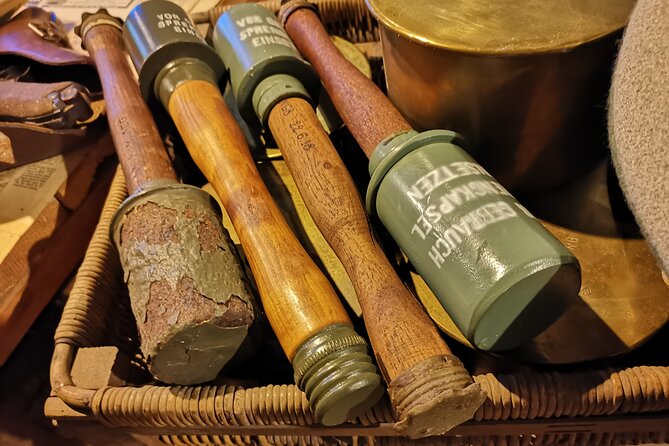
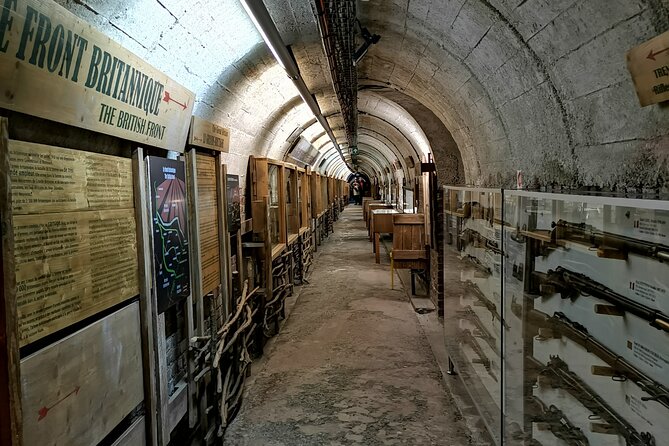
After the alcoves, you get to slow down with 25 display cabinets filled with WWI-era artifacts and weaponry. This part is valuable because it gives you physical proof behind the scenes. It turns the story from something abstract into something tangible you can examine at close range.
Then there are the sound and light effects. These are designed to add atmosphere and help you picture bombardments and the intensity of what soldiers faced. The effects are realistic enough that they can feel unsettling, which is exactly why they are effective. You are not just learning, you are reacting.
I also found this to be one of the better ways to handle heavy subject matter. The museum does not rely solely on graphics or long panels of text. It uses the environment and the staging, which can help you understand events faster than if you were reading a chapter on your own.
For practical planning, this is the part where you might want to linger if you are the type who likes to study objects. If you are short on time, you can still get the gist in the alcoves and then skim the cabinets, but you will miss out on some of the depth.
If you are bringing children, this section is often where interest stays high, because artifacts are easier to point at and discuss than distant battle plans. Still, keep expectations realistic. This is a remembrance site, not an amusement stop.
Gallery of Heroes: why the ending section feels different
The final part of the visit is the Gallery of Heroes. It is dedicated to nine individuals who distinguished themselves during the war. That is a notable structural shift. You move from trench scenes and battlefield conditions into recognition of particular people.
Why this matters is simple: it changes the emotional tone. After all the chaos, you get a segment that asks you to connect history with specific human lives. It is not the same as turning the page to something lighter, but it does offer a clearer ending.
It is also a good moment to stop and reflect. You have spent time in underground rooms and watched scenes that portray war conditions. Now you can look at how the museum chooses to frame courage, action, and distinction.
If you tend to process better by ending with a calmer section, you might like this format. If you prefer to leave right after the main displays, make sure you do not skip this part, because it is part of the museum’s intended journey.
Exiting through Albert’s Arboretum: Ancre River views you can feel
Here is the practical trick that many people do not think about when booking WWI sites. The museum is not designed to end with a corridor. You exit into a public garden space in the city, and from there you can discover the Arboretum.
This Arboretum area includes the Ancre River, including cascades. That outdoor transition is not a gimmick. It gives you a break for your eyes and your body after dark indoor scenes. You go from underground realism to open air and river views, which helps your brain reset before you travel onward.
It also makes your time feel more complete. Instead of thinking you spent 60 minutes in a serious building and then rushed to lunch, you get a natural wind-down period.
If you are traveling with a tight schedule, build in enough buffer to enjoy the walk. Even 10 to 15 minutes outdoors can change how the whole visit lands.
Price and value: what $9.67 buys you and why it is fair
At $9.67 per person, this ticket is mainly buying admission plus a free app. For many visitors, that is the core value: you are paying for entry to a museum built around a specific experience, including underground staging, language options, and the final Arboretum exit setup.
You do not need to pack your day around a long guided tour. The visit itself is listed at about 1 to 3 hours. That means it can work as a half-day anchor even if you are also visiting other Somme sites.
One more value point is the capacity limit, with a maximum group size of 15 people. Smaller groups tend to mean less crowding pressure inside rooms, which matters in a museum where you need quiet attention to read and look.
Also, food and drinks are not included. That is normal, but it changes how you plan. If you want snacks, bring them or plan a stop nearby. The museum experience plus an Arboretum walk can comfortably take you past a meal time, so have a plan rather than hoping hunger stays polite.
Who should book this, and who might want a different pace
This museum suits people who want WWI context that is structured and sensory, not just informational. If you like museum visits where you move through scenes and then slow down with objects, you will probably feel satisfied. The combination of alcoves, artifact cabinets, and sound-light effects is built for that style of learning.
It also works well for families who are prepared for a remembrance site. Reviews note that children can be engaged, and the museum can become a teaching moment, as long as an adult is involved. The key rule is that children must be accompanied by an adult.
On the other hand, consider skipping or adjusting expectations if you need a lighter, casual atmosphere. This is serious material, and the staging can feel intense, especially during effect-heavy sections.
Should you book the Musee Somme 1916 ticket?
Yes, you should book it if you want a focused WWI museum visit with strong design choices, including a tunnel approach and a clear story route. The price is reasonable for what you get: admission, a free app, four language options, and a visit that finishes with outdoor Ancre River views.
Book it with a simple plan: allow 1 to 3 hours, factor in that it is about 20 miles past Amiens, and do not rush the outdoor exit. If you do that, you will leave with context that feels real, not just remembered.
FAQ
How long does the Musee Somme 1916 visit take?
The visit is approximately 1 to 3 hours.
What languages are available in the museum?
The museum visit is available in English, French, German, and Dutch.
What is included with the admission ticket?
The admission ticket is included, and so is a new free app.
What is the price per person?
The price is $9.67 per person.
Where do you exit the museum?
You exit into the city’s public garden area, with access toward Albert’s town park and the Arboretum along the Ancre River.
What can you see at the exit area?
The Arboretum area includes views over the Ancre River, including cascades.
What are the opening hours?
From 01/25/2026 to 12/31/2026, it is open Monday through Sunday from 9:00 AM to 6:00 PM.
Is free cancellation available?
Yes. You can cancel up to 24 hours in advance for a full refund.
Is there a maximum group size?
Yes. The experience has a maximum group size of 15 people.
Do children need to be accompanied by an adult?
Yes. Children must be accompanied by an adult.
Latest Amiens entries, notes attached
Museums, compared.

Louvre Museum Masterpieces Guided Tour with Access
Read our review →
Louvre Museum Entry Ticket With Host and River Cruise
Read our review →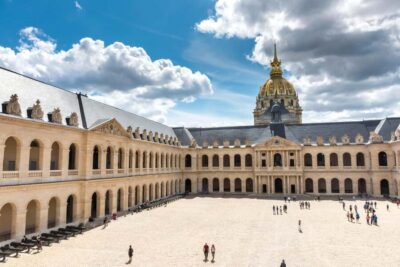
Les Invalides: Napoleon’s Tomb & Army Museum Entry
Read our review →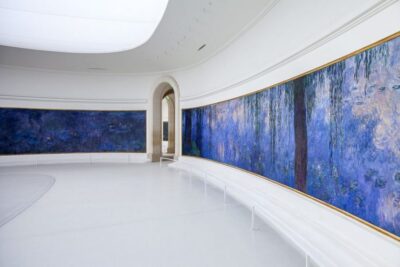
Musée de l’Orangerie Reserved Entrance Ticket
Read our review →
Louvre Museum – Exclusive Guided Tour (Entry Included)
Read our review →
Louvre Museum Hosted Entry and Mona Lisa Audioguide
Read our review →
This tour also appears in