
Reviewed · MACARON & PASTRY CLASSES
Paris: Croissant Baking Class with a Chef
Butter plus physics. That’s the secret here.
In Paris, this croissant class turns a classic French snack into a real hands-on skill, with small-group coaching from Chef Léo at Studio Pâtisserie.
I especially love the hands-on guidance you get while you roll, fold, and shape. And I like that the chef mixes technique with the science of butter and proofing, so you know what to change when your dough acts up.
One thing to plan for is the physical work. Rolling and handling laminated dough takes some arm strength, and the class has age limits for younger kids.
In This Review
- Key Highlights Worth Planning For
- Why This Croissant Workshop Feels Like Real French Pastry Training
- Studio Pâtisserie Meeting Point and Getting There Without Stress
- The 3-Hour Flow: From Dough Prep to Fresh, Warm Croissants
- 1) Start with dough prep and hands-on kneading
- 2) Learn lamination and folding, then let it rest
- 3) Shape the crescents and keep the dough stage under control
- 4) Sample what you made, fresh and warm
- The Chef’s Teach-By-Doing Approach: What You Learn Beyond a Recipe
- Butter quality and how it changes everything
- Proofing and timing, the science you can actually use
- Clear feedback during shaping and rolling
- Bi-Color Croissants on Selected Days, and Why It Is a Great Extra
- What You Get to Eat and Take Home
- Price and Value: Is 140 Per Person Worth It in Paris?
- Who This Croissant Class Suits Best (And Who Might Not)
- Practical Tips So Your Croissants Turn Out Better
- Show up ready to work your arms
- Ask questions during rest time
- Pay attention to the feel, not just the look
- Come hungry, then pace yourself
- Should You Book This Croissant Class in Paris?
- FAQ
- How long is the croissant baking class?
- What does it cost?
- How big is the group?
- Is the class taught in English?
- Is there a minimum age?
- Where do I meet for the class?
- What is included in the class?
Key Highlights Worth Planning For
- Small group of up to 8 means you are not standing on the sidelines.
- Chef-led lamination training helps you learn the folds that create flaky layers.
- Technique plus theory covers butter quality, folding, and proofing.
- You eat what you make, warm and fresh from the oven.
- Optional bi-color croissants adds a fun twist on the dough process (selected days).
Why This Croissant Workshop Feels Like Real French Pastry Training
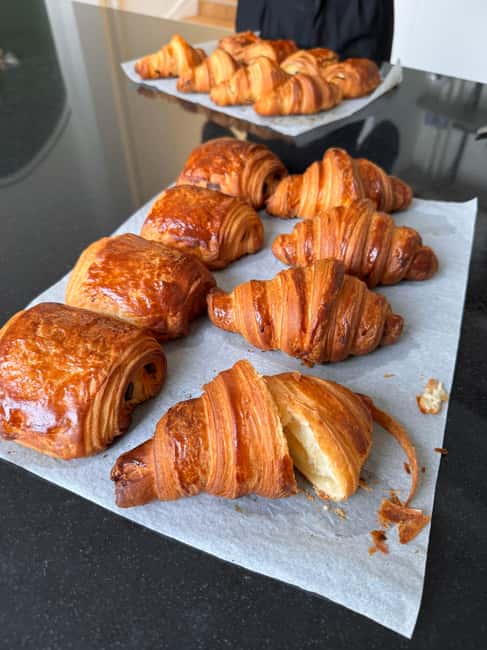
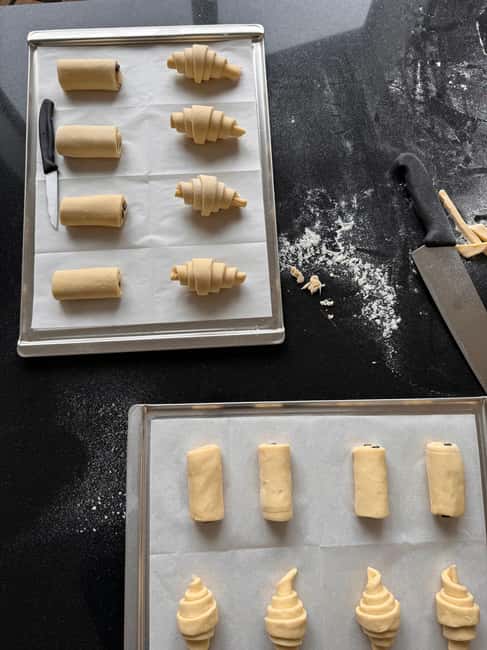
A croissant looks simple until you try it. The magic is in the layers, and those layers come from controlled lamination, resting, and timing. That is what makes this class more satisfying than a typical cooking demo.
I like that you are guided through the process step by step, in a cozy bakery kitchen setup. You get to learn the motions you need to repeat at home, not just the final result.
And Chef Léo (and other in-house chefs you may be assigned, like Maria) puts emphasis on doing it correctly the first time. Many small details matter: how you handle butter, how you fold, and how you know the dough is ready for the next stage.
Studio Pâtisserie Meeting Point and Getting There Without Stress
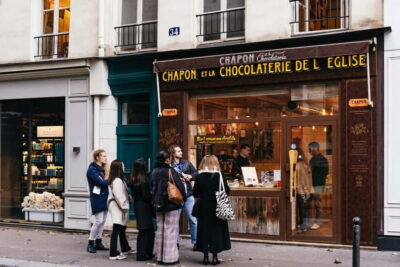
You meet at Studio Pâtisserie, in a building with a gray storefront. It is designed for an easy start, and the location is reachable by public transport.
The nearest metro options listed are Line 2 (Rome) and Line 3 (Villiers). If you like arriving early to settle in and get oriented, you should. The class moves with a natural pace, and croissant dough does not care about your schedule.
This is also one of those activities that works well even on a rainier Paris day, since you stay inside and work at your station.
More piping bags and patient shells:
- Paris: Montmartre Cheese, Wine & Pastry Guided Walking Tour
★ 4.8 · 2,255 reviews - Paris: Macaron Class at Galeries Lafayette
★ 4.2 · 1,196 reviews - Paris Croissant Small-Group Baking Class with a Chef
★ 5.0 · 910 reviews
The 3-Hour Flow: From Dough Prep to Fresh, Warm Croissants
The schedule is built around the reality of croissant dough. You will do active work, then wait while the dough rests and rises. That pause is not a waste. It is part of the lesson.
Here is the typical rhythm you should expect:
1) Start with dough prep and hands-on kneading
You gather around the workstation and begin the dough process with the chef guiding you. The key is learning how the dough feels under your hands, not just what it looks like.
You also get practical tips for working with the dough without tearing or overworking it. Expect some physical effort here. Multiple class notes mention the need for arm strength during kneading and rolling, so go in ready to work.
2) Learn lamination and folding, then let it rest
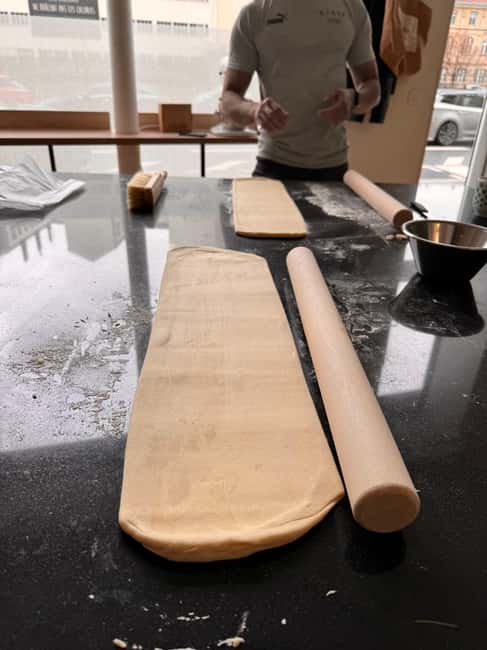
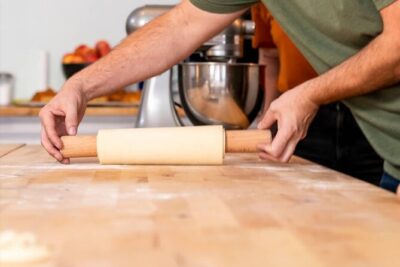
The core skill is folding. You will practice the technique that creates the alternating dough and butter layers. The chef watches closely and corrects as needed so you do not build layers that collapse later.
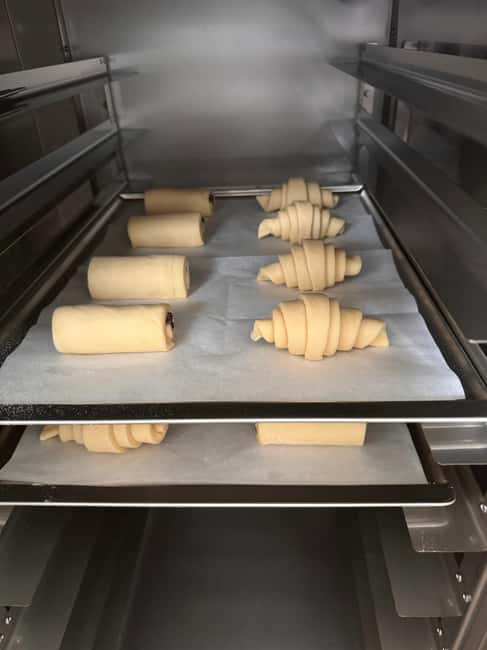
After folding comes rest time. Croissant dough rests so gluten relaxes and the butter stays workable. During this stage, you also get the why behind the steps.
More French technique, taught properly:
3) Shape the crescents and keep the dough stage under control
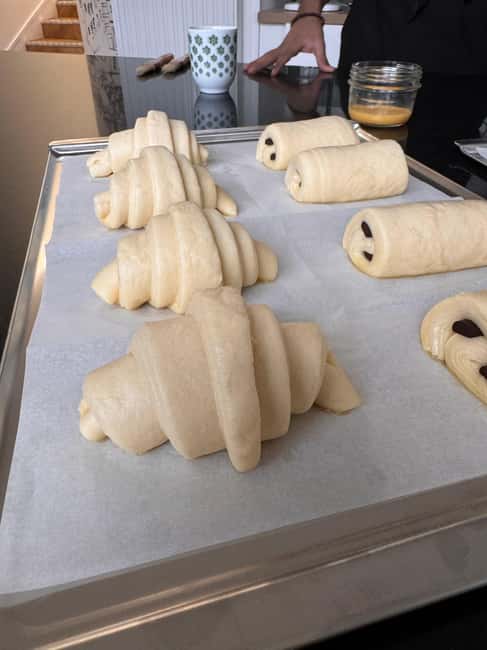
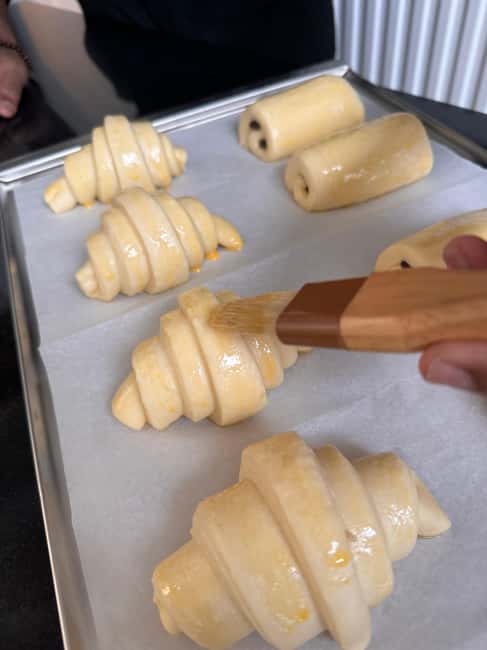
Once the dough is ready, you cut, roll, and shape into classic crescents. Your chef’s watchful eye matters here. If the dough is too warm or handled too roughly, the final texture can suffer.
You finish with shaping and then move into the final baking stage. The goal is not just to create a pretty crescent, but to create a consistent one.
4) Sample what you made, fresh and warm
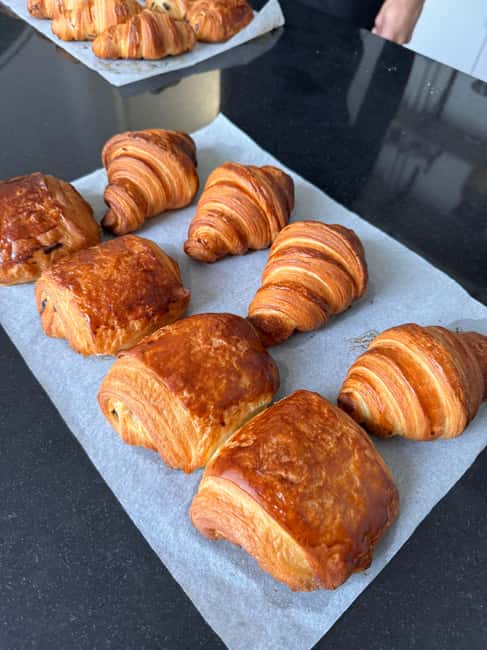
At the end, you get to enjoy croissants you baked during the class. Most classes include tasting plenty of fresh pieces, often warm right after baking.
Some reports also mention a drink with the end-of-class tasting, which makes the closing feel like a small celebration instead of a rushed handoff.
The Chef’s Teach-By-Doing Approach: What You Learn Beyond a Recipe
I find the best cooking classes teach you failure points. This one does that, without making it scary.
Chef Léo guidance is built around a clear method: the chef explains each step, then checks your technique while you perform it. That is how you learn the subtle moves that matter for layers.
Butter quality and how it changes everything
You learn that croissant butter is not just an ingredient, it is a structural element. Butter needs to be the right quality and kept in the right temperature range so it layers instead of melting into the dough.
This is also why the chef talks about the details while you work. The lesson connects to real-time technique, so you can adjust instantly.
Proofing and timing, the science you can actually use
Croissants rely on controlled proofing. The class includes insights into the science behind the perfect croissant, including proofing nuances and how the dough should develop.
This is valuable because croissants are sensitive. If you ever tried at home and got dense layers or a dough that did not puff, proofing timing is usually where the problem starts.
Clear feedback during shaping and rolling
A lot of classes assume you can figure out shaping on your own. Here, you get personalized tips and tricks, which helps a beginner get to a good result quickly.
You will also get encouragement that keeps the room light. Multiple class comments highlight a fun, relaxed atmosphere with professional coaching underneath.
Bi-Color Croissants on Selected Days, and Why It Is a Great Extra
On selected days, you can choose a bi-color croissant option. If that option is selected, the class includes the bi-color ingredients and a dedicated approach to incorporating color into the dough.
What is valuable here is that it still teaches the core skill of lamination. Color is just a twist on the dough process. So you are not wasting your class time experimenting in a way that skips the fundamentals.
If you are an experienced baker, the bi-color option gives you another challenge. If you are new, it is a fun way to make your croissants feel special while still learning the real technique.
What You Get to Eat and Take Home
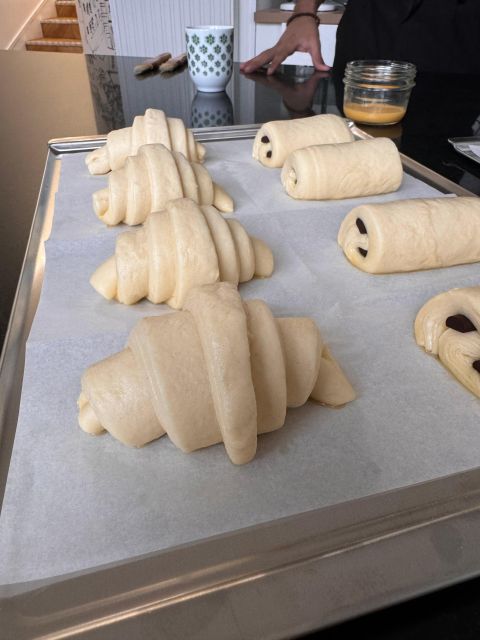
This class is not just about watching or tasting at the end. You do the work, then you eat the result.
You receive:
- Plenty of sampling of freshly baked croissants, including those you made
- A recipe to take home for future practice
- Ingredients for your own croissants
- Access to professional-grade kitchen equipment and tools
- A mix of history and science insights as you bake
Many class notes also mention that groups may make both croissants and pain au chocolate. If you want chocolate-filled pastry, you should feel comfortable expecting it is part of at least some sessions.
Also, the class size helps here. With a maximum of 8 participants, it is easier for the chef to keep each station moving.
Price and Value: Is 140 Per Person Worth It in Paris?
At $140 per person for about 3 hours, this is not a bargain. But it can be good value for the right kind of traveler.
Here is what you are paying for:
- Chef time and close supervision in a small group
- A practical, hands-on session with equipment and ingredients handled for you
- A learning approach that covers both technique and science, not just one recipe
- Food you bake and sample immediately, which reduces the usual “cook then stare” feeling
If your goal is to learn how croissants work, not just to eat one good breakfast, the price can make sense. You are leaving with skills you can repeat, plus a take-home recipe.
If you simply want a quick snack, you could find plenty of bakeries for far less. But that is not the point of this experience. This is about making croissants, with real feedback, and walking away feeling capable.
Who This Croissant Class Suits Best (And Who Might Not)
This fits best if you like learning by doing and you do not mind physical work. Rolling laminated dough takes effort, and the class reflects that.
It is listed as:
- Instructor language: English
- Small group: up to 8 participants
- Not suitable for children under 15
- Children under 17 must be accompanied by a paying adult
So, I would steer you here if you are:
- An adult (or teen 15+) who wants an authentic Paris food skill
- A couple looking for something active but still cozy
- A solo traveler who likes small-group interaction
- Someone who appreciates clear, patient teaching
If you have mobility or stamina limits, you might find the kneading and rolling portion challenging. In that case, you can still watch from a supportive role if allowed, but the activity is designed for active participation.
Practical Tips So Your Croissants Turn Out Better
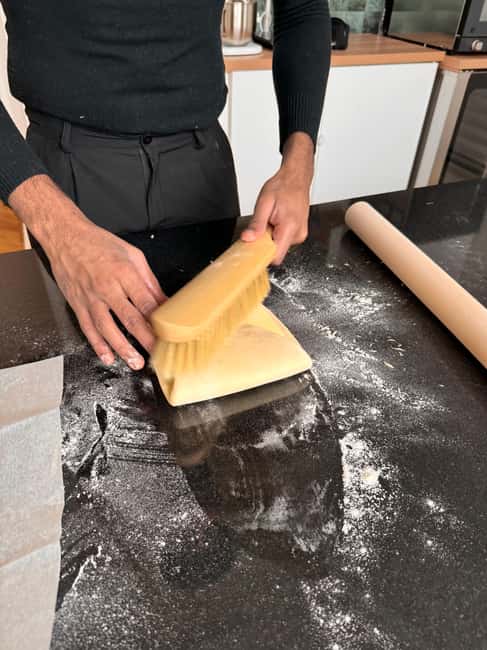
You will get guidance, but you can help yourself. These are small moves that line up with what the chef teaches.
Show up ready to work your arms
The class explicitly requires physical strength for rolling dough. Even if you are new, plan on doing the kneading and rolling yourself.
Ask questions during rest time
Rest periods are when you get explanations. Use that time to ask why the dough is waiting, what temperature issues look like, and what to do if your folds are uneven.
Pay attention to the feel, not just the look
Croissants are texture-driven. The chef’s approach helps you learn what readiness feels like, especially during lamination and proofing stages.
Come hungry, then pace yourself
You will sample warm croissants during the class. Some class notes say coming hungry is a good idea because you will likely end up with more pastry than you expect.
Should You Book This Croissant Class in Paris?
I think you should book it if you want more than a tourist pastry stop. This is a hands-on Paris croissant baking class with small-group coaching and a chef who explains the science behind the flaky layers.
Skip it if your priority is low-cost fun or if you cannot handle the physical kneading and rolling. Also, if you only want to learn how to make one quick pastry at home, you may find the patience required by the dough rests a lot.
If you fit the hands-on, learning-by-doing type, this class is a strong choice. You leave with croissants you made yourself, a recipe for practice, and the confidence to try again instead of guessing.
FAQ
How long is the croissant baking class?
The class lasts 3 hours.
What does it cost?
The price is $140 per person.
How big is the group?
The group is limited to 8 participants.
Is the class taught in English?
Yes, the instructor teaches in English.
Is there a minimum age?
Children under 15 are not suitable. Children under 17 must be accompanied by a paying adult. The class notes that croissant making needs physical strength to roll out the dough.
Where do I meet for the class?
Meet at Studio Pâtisserie, in the building with a gray-colored storefront. The nearest metro stations listed are Metro Line 2 (Rome) and Metro Line 3 (Villiers).
What is included in the class?
You get expert guidance from Chef Léo, all necessary ingredients to craft your croissants, access to professional kitchen tools and equipment, sampling of freshly baked croissants, and a recipe to take home. The class also includes insights into the history and science of croissant-making, plus personalized tips and tricks. If you select the bi-color option, bi-color ingredients and that class are included too.
More Workshops in Paris
- Fragonard Paris: Mini Perfume Workshop
★ 4.5 · 1,924 reviews - Paris: 2-Hour Perfume Creation Workshop
★ 4.8 · 731 reviews - Paris: French Macaron Culinary Class with a Chef
★ 4.9 · 591 reviews - Paris: French Wine Tasting Class with Sommelier
★ 4.8 · 550 reviews
Latest Paris entries, notes attached





Macaron & Pastry Classes, compared.
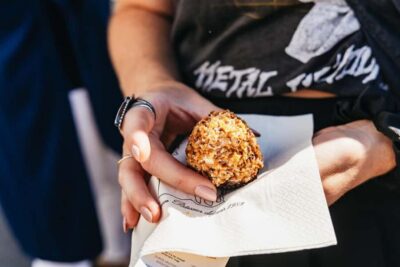
Montmartre Cheese, Wine & Pastry Guided Walking Tour
Read our review →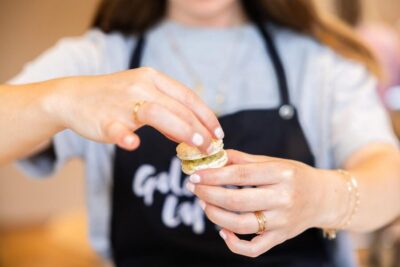
Paris Croissant Small-Group Baking Class with a Chef
Read our review →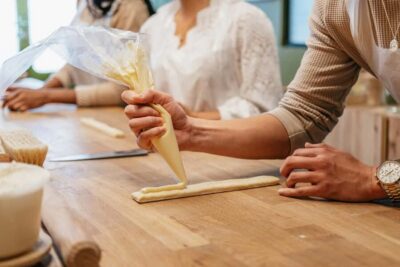
Saint-Germain: Gourmet Chocolate & Pastry Walking Food Tour
Read our review →
Paris Chocolate, Macaron & Pastry Food Tour: 10 Gourmet Tastings
Read our review →
Macaron Bakery Class at Galeries Lafayette Paris
Read our review →This tour also appears in