
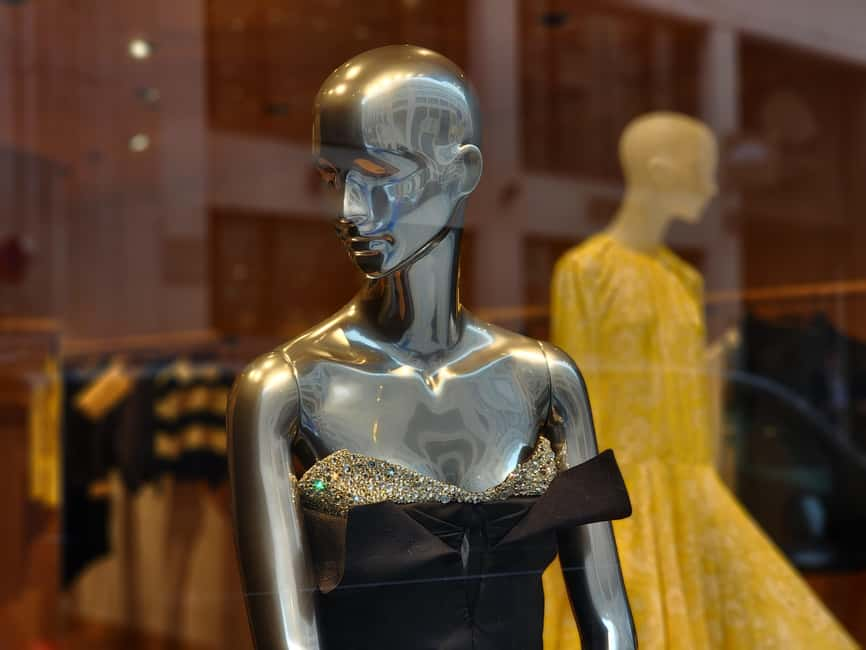
Reviewed · WALKING TOURS
Paris: Fashion Week Haute Couture Walking Tour
Couture stories, right on Paris sidewalks. This 2-hour Paris Haute Couture walking tour links iconic houses to the exact streets and squares where their legends still feel alive. You’ll hear the people, rivalries, and big historical pressures that shaped what later became luxury fashion.
I love how the guide turns names like Coco Chanel and Elsa Schiaparelli into street-level stories, not museum-only trivia. I also like the pacing, with frequent photo moments and plenty of context about why Paris became the fashion capital.
One possible drawback: it’s short, and there’s no food or drinks built in, so plan water and a proper meal after.
In This Review
- Key highlights I’d plan this tour around
- What this Paris Haute Couture walk covers (and why it works)
- Starting on Rue du Faubourg Saint-Honoré near Roger Vivier
- Palais de l’Élysée: where couture meets power
- Place Vendôme: the jewelry energy you can see in front of you
- Opera and the streets around it: style as performance
- Rue Saint-Honoré: the Dior, Hermès, and couture mindset zone
- Louvre Museum area finale: why these stories last after the tour
- What you’ll learn from the key fashion threads
- Price and value: is $64 for 2 hours fair?
- Guides, group size, and how to get the most from the walk
- Who should book this tour, and who might skip it
- Should you book this Paris Haute Couture Walking Tour?
Key highlights I’d plan this tour around

- A tight 2-hour route that still covers multiple legendary fashion houses and key Paris locations
- Coco Chanel vs Elsa Schiaparelli presented as a real rivalry, not just a fact list
- Cartier and the jewelry mindset tied to the parts of Paris you can actually see
- Hermès handbags and the rise of an empire explained in a way that fits the walk
- Dior’s New Look and Charles Worth connected to how couture thinking changed over time
- History you don’t usually hear on simple fashion tours, including how fashion pushed back during Adolf Hitler’s era
What this Paris Haute Couture walk covers (and why it works)
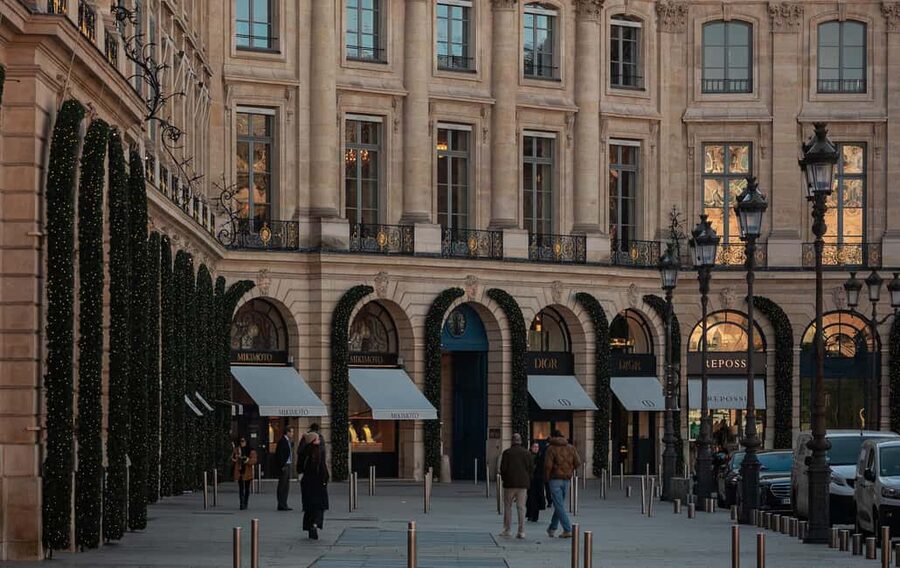
This tour is built for people who want more than pretty buildings. You’re not just looking at luxury, you’re learning how couture ideas traveled into the public imagination through designers, business empires, and changing social rules. And because it’s a walking format, the stories feel grounded instead of floating.
A big strength is the way it mixes fashion names with Paris itself. You’ll connect the why behind Parisian style, including the drama between Coco Chanel and Elsa Schiaparelli, the jewelry genius credited to Louis-François Cartier, and the handbag empire associated with Hermès. You also get threads that help you see how fashion evolved, including the role of Christian Dior and his New Look, and the earlier couturier influence tied to Charles Worth.
I also like that the tour doesn’t treat fashion as sealed off from world events. You’ll hear about fashion fighting against Adolf Hitler, plus a different viewpoint on authorship and design history through Rose Bertin as the first female couturier. It gives you a clearer sense of what couture meant when the stakes were higher than taste alone.
If you like fashion history with real-world anchors, this format is a good fit. If you only want store time or you expect a full museum visit, you might feel a little rushed, because the tour is designed to stay outdoors and moving.
Starting on Rue du Faubourg Saint-Honoré near Roger Vivier
You meet at 29 Rue du Faubourg Saint-Honoré, with the practical reference point that it’s near the Roger Vivier store and by the Palais de l’Elysée area. That matters because the starting point is in the part of Paris where luxury retail and formal architecture sit close together. In other words, you get the vibe immediately.
This first stretch sets expectations. The guide can’t waste time on getting organized, so you’ll likely get straight into how Paris became the fashion capital and what couture even meant in different eras. It’s also a helpful moment to get your bearings, since later stops fan out through some of the city’s most photogenic zones.
Do come ready for walking. The tour is only 2 hours, so every pause is part of the schedule, not a “we’ll get there eventually” situation. Comfortable shoes and water aren’t optional here, even if the weather is mild.
Also, think about your photo strategy. The tour promises picturesque spots, and in central Paris that often means quick angles and fast movement. If you want clean pictures, keep your camera accessible and don’t wait until the crowd thickens at the exact same spot.
More Walking Tours in Paris
- Paris Top Sights Half Day Walking Tour with a Fun Guide
★ 5.0 · 2,893 reviews - Montmartre Hidden Gems and Scenic Highlights Walking Tour
★ 5.0 · 2,684 reviews - Montmartre Hill French Gourmet Food and Wine Tasting Walking Tour
★ 5.0 · 2,588 reviews
Palais de l’Élysée: where couture meets power
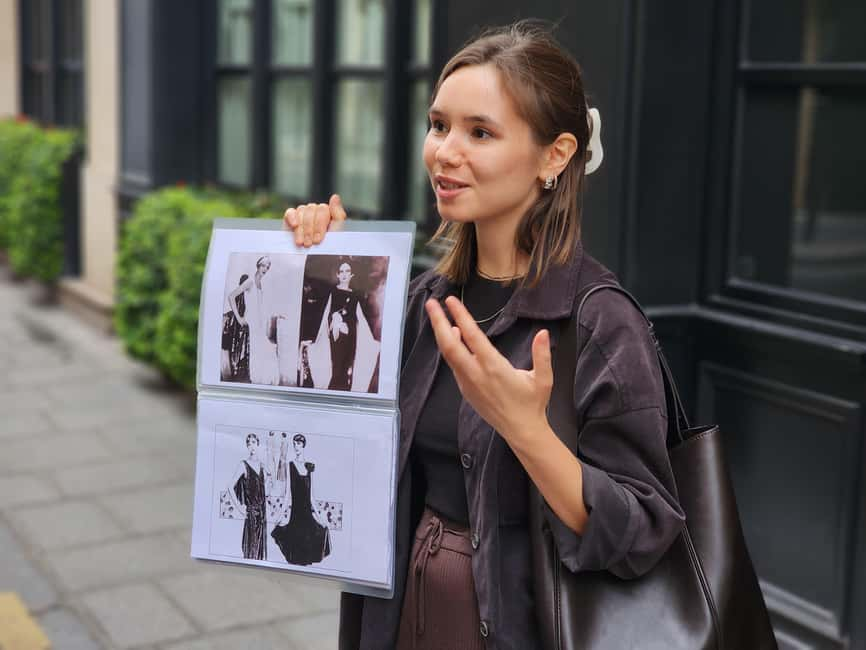
The tour heads from the meeting area to the Palais de l’Élysée, with a guided walkthrough and walking segment. This is one of those stops that helps you understand how fashion history and political prestige can overlap in the real city. Even if you’re not focused on government buildings, it gives context for why fashion in Paris has often been tied to status.
What makes this stop useful is the setup for the rest of the walk. When you’re learning about designers and fashion houses, you need a sense of where influence lives, and the route’s first major landmark does that job fast. It’s a good time to listen for the guide’s framing of Paris as a stage where luxury ideas took shape.
If you tend to get bored with “big building” sightseeing, I’d still give this part a chance. The value here is not the architecture alone. It’s the way it helps connect couture to a place where the world noticed.
One practical note: in the area around major landmarks, you’ll often have more foot traffic than you might expect. Keep close to your guide when the group slows down, so you don’t lose the story in the shuffle.
Place Vendôme: the jewelry energy you can see in front of you
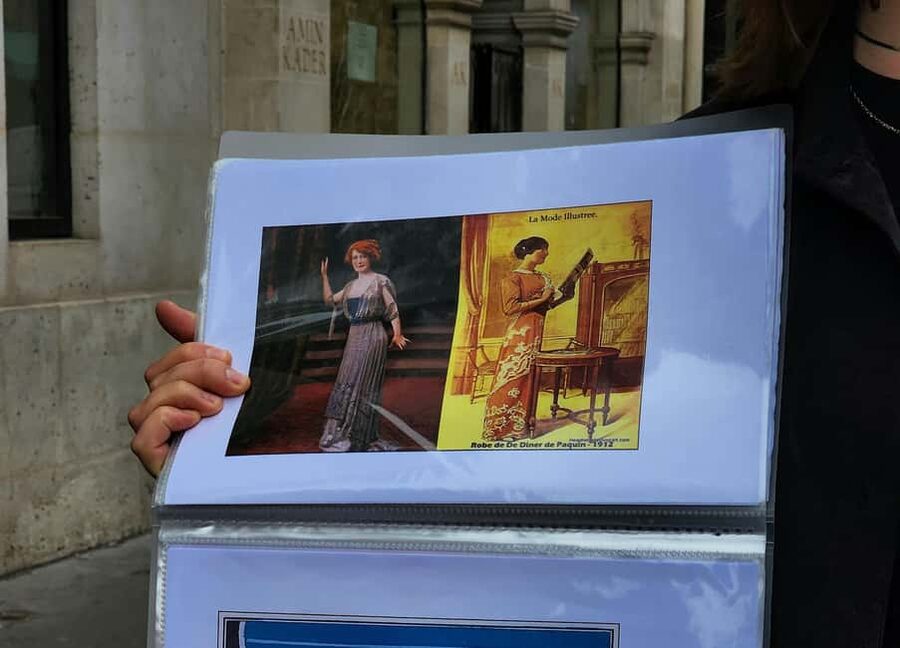
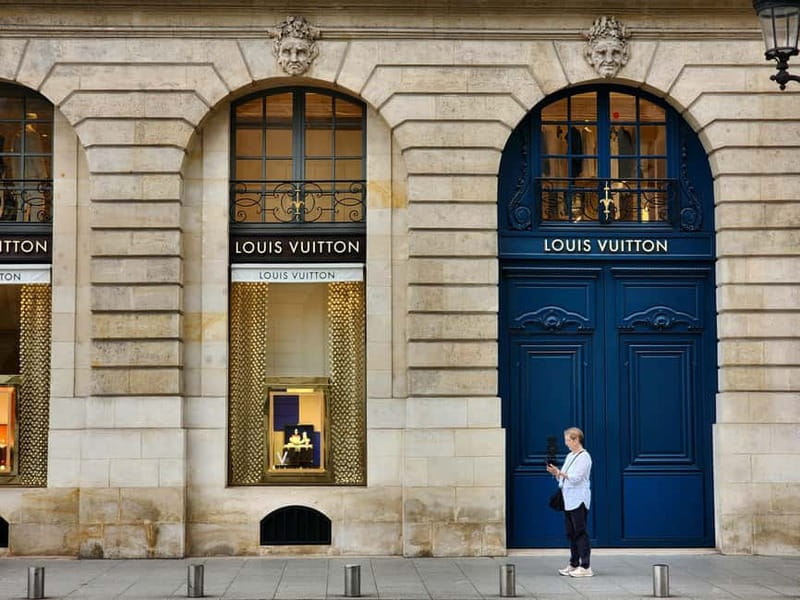
Next comes Place Vendôme, a classic square that pairs perfectly with the tour’s focus on jewelry and luxury craftsmanship. The guide includes it as a sightseeing and walking stop, which means you’re meant to look outward at the space, not just stand still for trivia.
This is where the tour’s Cartier thread becomes extra satisfying. You’ll hear the story behind Louis-François Cartier, including the significance behind titles often used for him like Jeweler of Kings and the broader idea of Cartier as a “king of jewelers” brand. Even if you don’t memorize every detail, the point lands: jewelry in Paris is not only decoration, it’s part of power, reputation, and messaging.
I love this kind of stop because it gives your brain a visual hook. When later you hear about couture fashion houses and their empires, you’ll have already felt how luxury works in different formats, including wearable art.
A consideration: squares like this can be busy, and that can affect how long you linger for photos. The tour includes picture moments, but you’ll still want to be efficient and ready to move.
Opera and the streets around it: style as performance
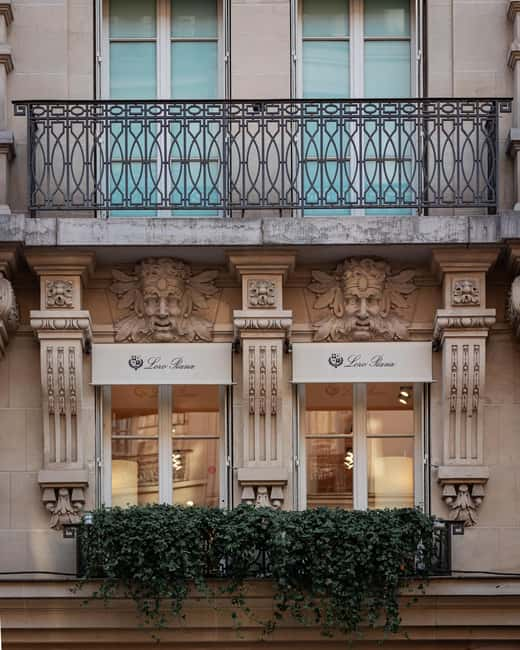
After Place Vendôme, the walk includes the Opera, Paris area, again with guided commentary and walking. This part of the route supports a theme that shows up again and again in Paris fashion: style is performance, and the city is a stage.
This is a strong place for the tour’s designer rivalry thread, especially Coco Chanel versus Elsa Schiaparelli. The guide doesn’t just name them, the story helps you understand why couture could be competitive and why one designer’s idea could challenge another’s identity. You’ll also get the kind of connections that make Paris fashion feel like a living conversation across generations.
If you love fashion and you also like a little theatrical energy in your sightseeing, you’ll probably enjoy this stretch. The Opera area naturally supports that mood, and the tour seems designed to match it rather than fight it.
One drawback to plan for: the Opera area is central and can feel more crowded than calmer streets. If you’re sensitive to crowds, keep your expectations realistic. You’ll get stories and photo opportunities, but you may not get a quiet walk.
More France at boulevard pace:
Rue Saint-Honoré: the Dior, Hermès, and couture mindset zone
Then you move along Rue Saint-Honoré, with guided sightseeing and walking. This street is one of the most important “fashion symbols” in the city, which means it’s a logical place for the tour to connect couture to where the brands live today.
In this section, the big fashion-house themes come into focus. You’ll hear about Christian Dior and the legendary New Look, plus the broader rise of Hermès as a fashion empire associated with the world’s best handbags. The point isn’t only that these brands are famous. The point is that Paris turned style into a system, with signature ideas and recognizable products.
This is also a good stage to pay attention to how the guide explains innovation across eras. You’ll hear about René Lalique as the master of glass, Charles Worth as the first couturier associated with royal-level fashion, and the idea of early supermodels as the first faces behind the look. The cumulative effect is clear: couture in Paris depended on more than one genius. It depended on craft, marketing, media, and public appetite.
If you want a personal takeaway, it’s this. After you hear these stories, you’ll start spotting patterns. You’ll notice how fashion houses built identity through objects, materials, and visual signatures, not just through clothing.
For photo lovers, Rue Saint-Honoré is a great place to stop and frame carefully. Just remember the tour is moving, so don’t let one perfect picture stall the group.
Louvre Museum area finale: why these stories last after the tour

The walk includes the Louvre Museum area, finishing with drop-off near Pl. du Louvre / Place du Louvre. This ending point is practical. It puts you back in the center of Paris, close to major transit and surrounded by more things to do if you want to extend the day.
This last segment is where the tour’s broader “cast of characters” comes together. You’ll hear about Rose Bertin and the early role of a female couturier, plus the idea of fashion pushed against Adolf Hitler. Those topics can feel heavy compared with brand glamour, but that’s exactly why the ending makes sense. You’re learning that fashion history includes resistance, not just elegance.
The guide also ties the couture narrative back to the city. By this point, you’ve already heard the Chanel and Schiaparelli rivalry, the Cartier jewelry identity, and the Dior and Hermès contributions. The Louvre area finale helps you connect the dots: Paris didn’t become a fashion capital by accident. It became one because it turned creativity into legacy, and legacy into a language people could recognize.
Practical note: since this is the finish zone near a major museum complex, you’ll likely have other crowds around you. Keep your belongings secure and check meeting signals for your next plan if you’re doing additional sightseeing.
If you have extra time, I’d plan a second day for shopping. This tour is excellent for context, but it also makes you want to see the brands in person, especially houses like Dior, Chanel, and Hermès.
What you’ll learn from the key fashion threads
The tour organizes its stories around the way Paris fashion evolved through people, rivalries, and social forces. Here are the main threads, and what they mean for you as a visitor.
Chanel vs Schiaparelli
This rivalry is a core hook of the tour. It helps you understand that couture is not just craftsmanship. It’s also personality, competition, and a battle over what women should want and how they should be seen.
Cartier’s jewelry empire mindset
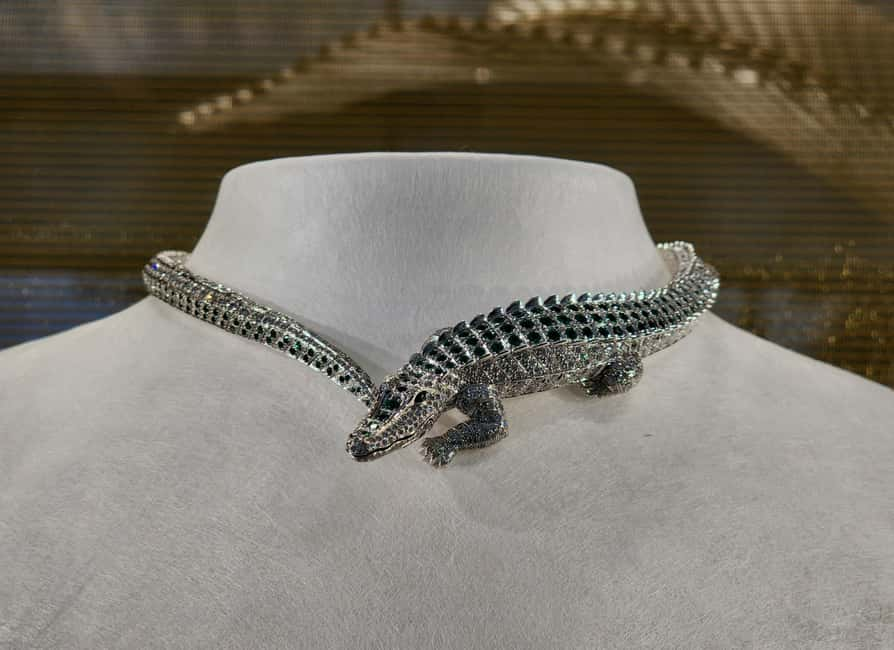
Louis-François Cartier’s story is framed around prestige and influence. It’s useful because it shows luxury doesn’t live only in clothing. It also lives in design languages that communicate power with materials, symbols, and precision.
Hermès and the handbag as an empire
Hermès is treated like a history of how an object becomes a brand identity. Once you hear that idea, shopping later feels more informed, because you’ll know what kind of story a handbag is meant to tell.
Dior’s New Look and couture change
Christian Dior’s New Look is included as a major turning point theme. It gives you a sense of how fashion reshaped silhouettes and expectations, and how a single concept can influence style for years.
Charles Worth, René Lalique, and craft beyond clothing
The tour includes Charles Worth, often described as the first couturier, and René Lalique, master of glass. That combination is clever. It reminds you couture history includes craft industries and materials, not only sewing.
First supermodels and the faces behind the look
You’ll hear about the first supermodels. This is one of the more practical ideas for modern visitors, because you’ll start seeing how images and celebrity helped fashion become a global obsession.
Fashion fighting during Adolf Hitler’s era
This topic is included explicitly. Even if you do not want a heavy lesson, it matters, because it shows fashion can be moral and political, not just ornamental.
Rose Bertin and early female authorship
Rose Bertin is the first female couturier named in the tour description. It’s a strong theme for anyone who wants to understand who got credit and who shaped style from the inside.
Price and value: is $64 for 2 hours fair?
At $64 per person for a 2-hour Paris haute couture walking tour, the value comes from how tightly the experience is packed. You’re paying for a professional and local guide, plus historical insights, plus curated photo moments across key central locations.
If you usually do sightseeing solo, a guide can be worth it even when you do not love “guided tours.” Here, the guide’s role is central, because you’re hearing why these luxury names matter and how they connect to Paris streets. Without that, you’d still see beautiful architecture, but the story would be missing.
Also, the price makes sense for the content density. Within 2 hours you cover multiple fashion houses and several historical themes, including Chanel, Schiaparelli, Cartier, Hermès, Dior, Worth, and Lalique, plus broader topics like the first supermodels, fashion during Adolf Hitler’s era, and Rose Bertin. That’s a lot of narrative for a short walk.
The only cost-related tradeoff is that food and drinks are not included. So you need to handle your own snack plan, and that slightly changes the true total day budget. Still, for many people, the guided context is worth stepping out for a café afterward.
Guides, group size, and how to get the most from the walk
This tour runs in English and Russian, which is a big deal if you want your fashion history explained clearly rather than summarized. The experience is offered as private or small groups, so you should be able to get questions answered without shouting over everyone.
From the guide names attached to recent bookings, you may see a range of personalities leading the walk, including Slava, Sylvia, and Angelika. What I like about that pattern is consistency in the service style: guides seem to mix fashion history with broader Paris context and keep the energy up through multiple stops.
If you want extra personalization, pay attention to your guide’s approach. One useful detail to know is that the route can sometimes include a tailored church stop along the way, with an explanation of why it matters to the city. That’s the kind of flexible, story-driven addition that makes a walking tour feel alive.
To get the most value, bring a short list of what you care about. If Chanel and Schiaparelli are your focus, listen for the rivalry framing and take notes. If you love jewelry, prioritize the Cartier moments and then use the rest of the walk to understand the wider luxury ecosystem.
And yes, wear comfortable shoes. The tour is built for movement, not museum-stamina.
Who should book this tour, and who might skip it
This is a great match if you are a fashion lover, a history enthusiast, or someone who wants Paris elegance with real context. It’s also ideal if you plan to do brand shopping afterward, because the stories help you understand what you are buying into.
It’s also a good fit if you enjoy stories with strong personalities. Coco Chanel, Elsa Schiaparelli, Cartier, Dior, Hermès, and Charles Worth are not mild topics. The tour leans into why they mattered, and that makes the walk feel like more than just sightseeing.
I’d consider skipping or pairing it with something else if you want a long deep museum experience. The tour is only 2 hours, and it ends near the Louvre area, so it is more like a well-paced introduction than a full day of couture immersion.
If you are traveling as a solo person, or you prefer one-on-one style, this tour may be able to feel very personal since it supports private or small groups.
Should you book this Paris Haute Couture Walking Tour?
Yes, I’d book it if you want a fast, story-driven way to understand why Paris couture became famous and how major houses connect to the city. The $64 price is reasonable for the amount of narrative you get in 2 hours, especially with a guide who can explain fashion history alongside wider Paris context.
Book it if you like the idea of walking past the symbols, hearing the rivalries, and leaving with names and themes you can carry into later sightseeing and shopping. If you’re expecting food included, a full museum visit, or a super long tour, you’ll want to adjust expectations first.
If your ideal Paris day includes elegance plus explanations, this one is a smart use of time.
Latest Paris entries, notes attached





Walking Tours, compared.
Paris Top Sights Half Day Walking Tour with a Fun Guide
Read our review →
Montmartre Hidden Gems and Scenic Highlights Walking Tour
Read our review →
Montmartre Hill French Gourmet Food and Wine Tasting Walking Tour
Read our review →
Montmartre Highlights Walking Tour with a Local Guide
Read our review →
Paris Île de la Cité and Notre-Dame Walking Tour With Crypt
Read our review →
Montmartre Cheese, Wine & Pastry Guided Walking Tour
Read our review →
Paris in a Day: Louvre or Orsay, Eiffel Tower, City Walk & Cruise
Read our review →
Paris City Center Free Walking Tour (Tip-Based)
Read our review →This tour also appears in