
Reviewed · LE MARAIS WALKS
Paris: Guided tour of Marais in German
Marais tells stories in every doorway. This private German tour strings together Jewish Quarter landmarks and major Paris sights into a tight 2-hour walk with clear context.
What I like most is how the guide connects street scenes to meaning, so you feel the area rather than just see it. Guides such as Lucy, Marie-Elene, and Solène are especially good at turning corners into short, understandable history lessons you can actually remember.
I also like the highlight mix: Hôtel de Ville, Centre Pompidou, Place des Vosges, Musée Carnavalet, and Rue des Rosiers all fit into one plan. You get the look of 16th and 17th century city palaces plus the atmosphere of the oldest square in Paris, then ending with last traces of medieval Paris.
One thing to consider: entrance tickets are not included, so if you want museum or building interiors beyond what your guide shows on the walk, you will need to plan tickets on your own. Also, 2 hours is short, so it is best if you treat it as orientation and pick your deeper stops afterward.
In This Review
- Key takeaways
- Why Marais works best with a German private guide
- Meeting at Hôtel de Ville, then walking a tight loop
- Hôtel de Ville and Centre Pompidou: big landmarks, explained simply
- Place des Vosges: the oldest square you can actually feel
- Musée Carnavalet: the home base for Paris memory
- Rue des Rosiers: Jewish life in the streets, not just on a map
- Where the palaces fit: 16th and 17th century facades you will recognize later
- Ending with medieval traces: leaving with better street instincts
- Price and value for a 2-hour private German tour
- Who this tour suits best
- Should you book this Marais tour?
- FAQ
- How long is the Paris Marais guided tour (German)?
- What language is the tour guide?
- Is this tour private?
- Where does the tour start?
- What is included in the price?
- Are entrance tickets included?
- Are children allowed?
- Is free cancellation available?
Key takeaways
- German language, private group format so you can ask questions without fighting crowds
- Jewish life in Marais with time focused on Rue des Rosiers and the quarter’s roots
- Place des Vosges plus Hôtel de Ville and Centre Pompidou area for big-sight alignment in a small footprint
- Old city palaces from the 16th and 17th centuries help you spot why Marais still looks the way it does
- Musée Carnavalet stop gives you a direct link to how Paris explains itself
- Short 2-hour route that works well as your first or second day in the city
Why Marais works best with a German private guide
The Marais can feel like a picture postcard, but the details matter. With a German-speaking guide, you are not stuck decoding signage or guessing what you are looking at. You can ask simple questions, like why this street mattered or what you are seeing in the facades, and you get answers in your own language.
The private format also changes the vibe. Instead of speed-walking past every corner, your guide can slow down where you have interest. In the guides I’ve seen people praise, Lucy is noted for empathy and atmosphere, Katharina for patience with kids and lots of questions, and Marilena for smart pacing with small stops to handle real-life needs. That matters because Marais is a lot more enjoyable when you are not racing.
Meeting at Hôtel de Ville, then walking a tight loop
You meet at Hôtel de Ville area, in front of the store Basket4Ballers on Rue de Rivoli (31 Rue de Rivoli). It’s an easy start point because it keeps you central and connected to the rest of your Paris day.
From there, the tour is built like a loop: it moves from big institutions and public spaces toward the narrow streets and classic squares that define the Marais. The route is designed for understanding, not just photos. You’ll see how the quarter’s look formed over time, including the fact that Marais was once swampland on the edge of the city. That detail helps everything click, because it explains why the urban fabric and development feel different than in older, more established areas.
Practical tip: wear comfortable shoes. Marais streets are fine, but your 2 hours include multiple short transfers and stops.
More Marais doorways worth a pause:
- Award-Winning Paris French Bakery Experience — Le Marais, 4th Arr
★ 4.5 · 1,186 reviews - Paris Le Marais Food Tour With 10+ Tastings, Cheese, Wine & More
★ 5.0 · 985 reviews - Paris Le Marais District Original Food and Wine Tasting Tour
★ 4.5 · 880 reviews
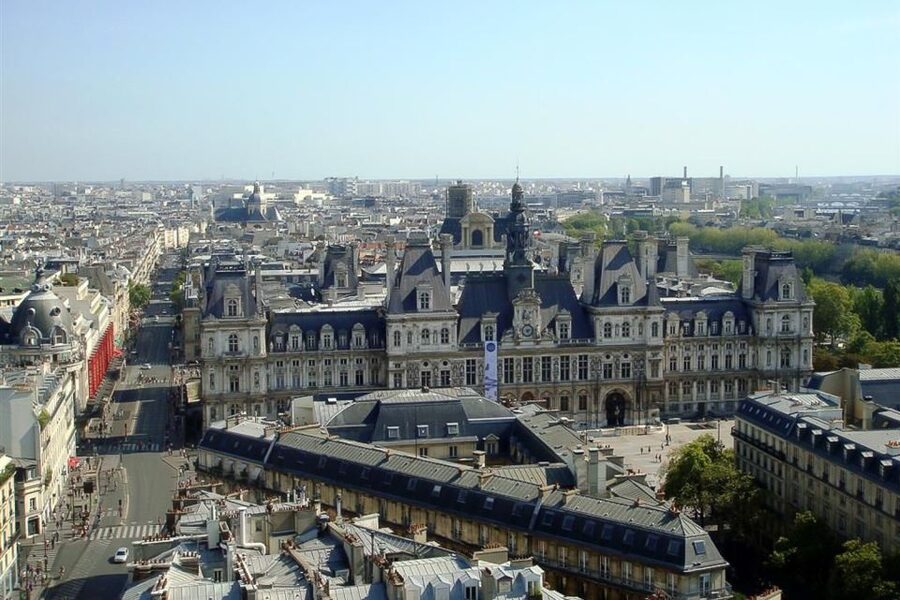
Hôtel de Ville and Centre Pompidou: big landmarks, explained simply
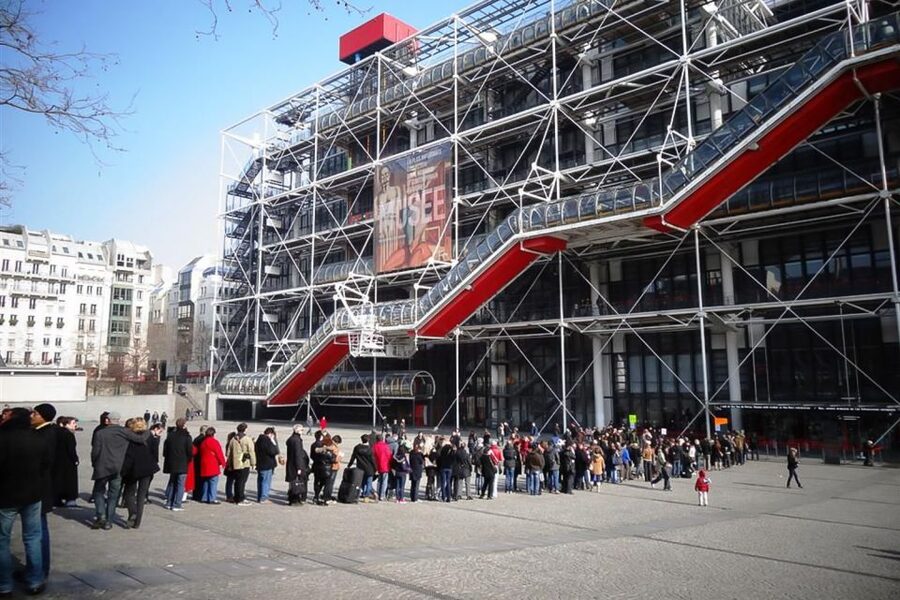
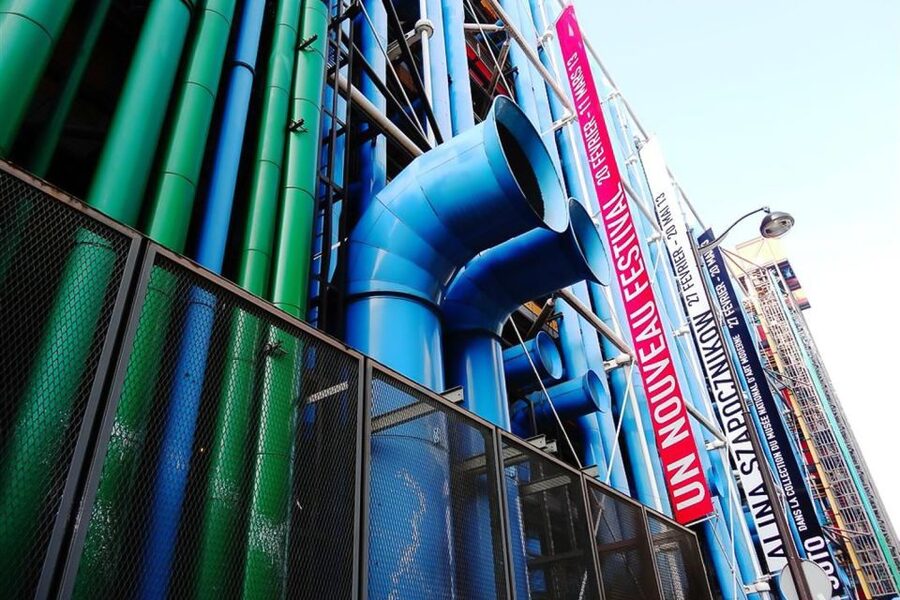
One of the best ways to start Marais is with its contrast. Hôtel de Ville and the Centre Pompidou area give you scale, energy, and modern Paris in the middle of a historic neighborhood. Then your guide helps you connect that modern presence back to older Paris layers around it.
If you care about architecture, this part is worth your attention. Your guide frames what these places mean in the city’s story, so they do not feel like random landmarks you check off. And because this is a private walk, you can spend an extra minute on a detail that catches your eye.
Consider also pacing. Centre Pompidou is visually loud, and it can be distracting if you’re not guided. With a good guide, you use it as a reference point for orientation in Marais. Without that context, you can end up with great photos but a blur of locations.
Place des Vosges: the oldest square you can actually feel
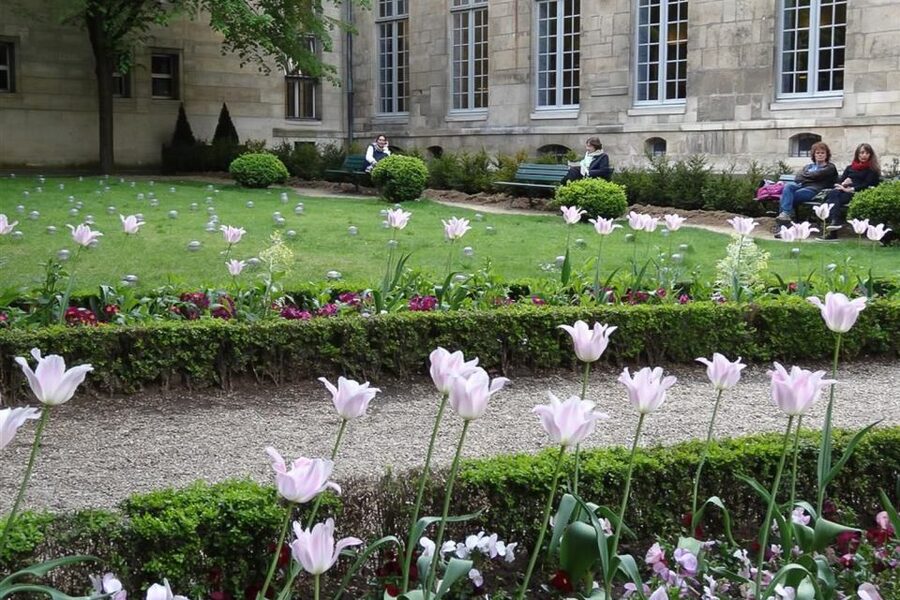
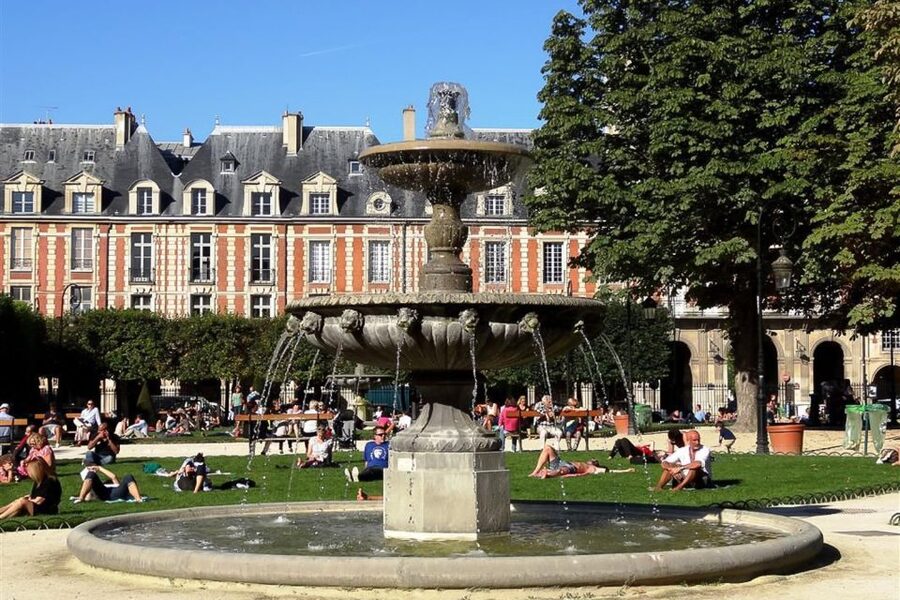
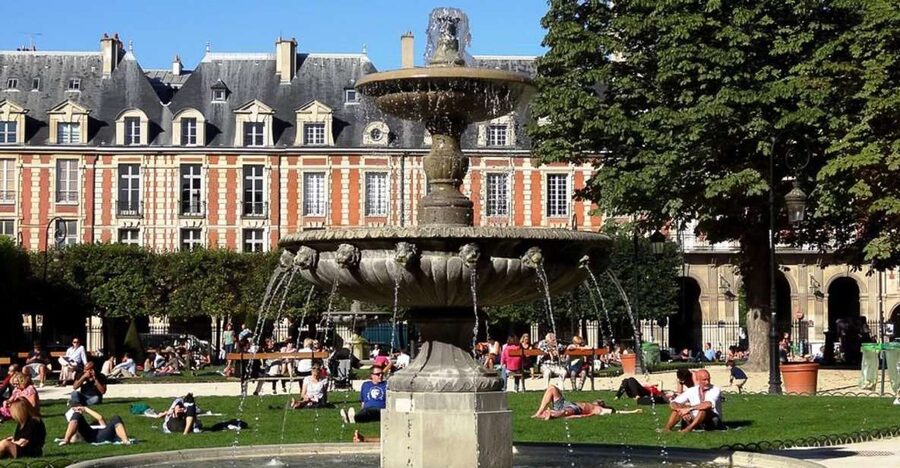
Place des Vosges is where Marais stops being abstract. This is the oldest square in Paris, and when you stand in it, you understand why it became a cornerstone of the neighborhood’s identity. The tour includes a guided stop here, which is the difference between walking through and noticing the design logic.
Your guide focuses on the square’s extraordinary architecture and history, and then ties it back to the surrounding urban pattern. That connection is what makes the square useful for the rest of your walk. After Place des Vosges, you’ll start spotting the 16th and 17th century palaces that remain, and you’ll have a better sense of why so many buildings here look preserved.
A tip for your own timing: if you want photos without people being in every frame, step to the edges of the square for a moment before you aim for the classic view lines.
Musée Carnavalet: the home base for Paris memory
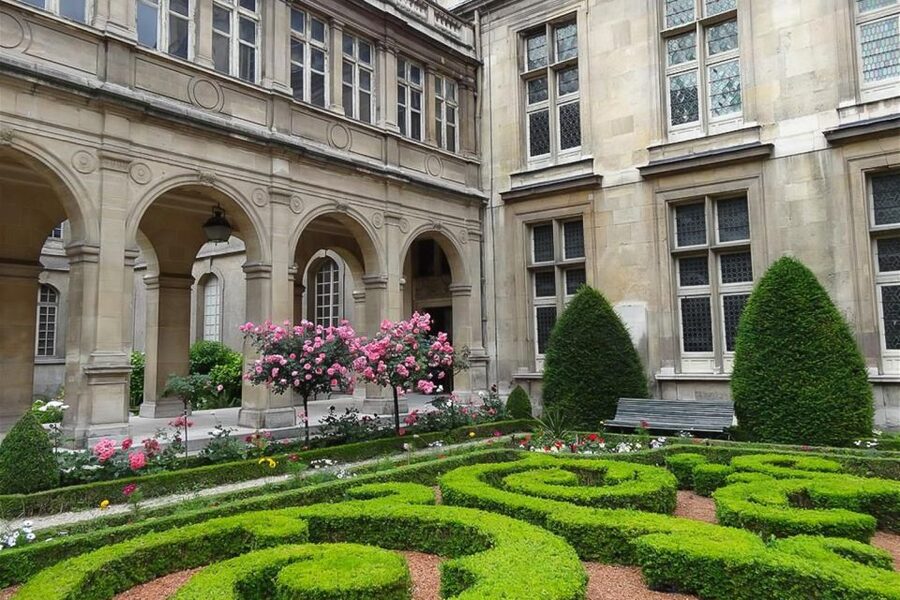
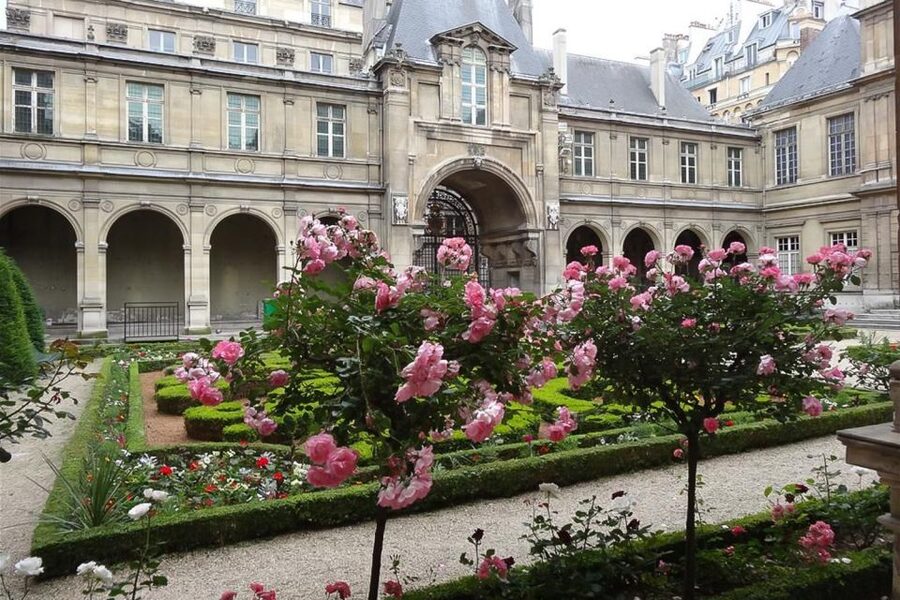
Musée Carnavalet is included as part of the guided route. This is a smart stop because it helps you understand what you are seeing on the streets. Marais looks like a time capsule for many visitors, but a museum visit gives you the city’s official version of that story, and it can make your street walk feel more meaningful.
Important practical note: entrance tickets are not included. So if you want to go inside the museum, you’ll need to handle tickets yourself. If you choose not to enter, your guide can still use the stop to frame what you should look for outside.
Either way, this stop is valuable for breaking up the walk mentally. You get a reset point, and you come back to the street with clearer context about how Paris developed and how the Marais became what it is today.
More Things to Do in Paris



Rue des Rosiers: Jewish life in the streets, not just on a map
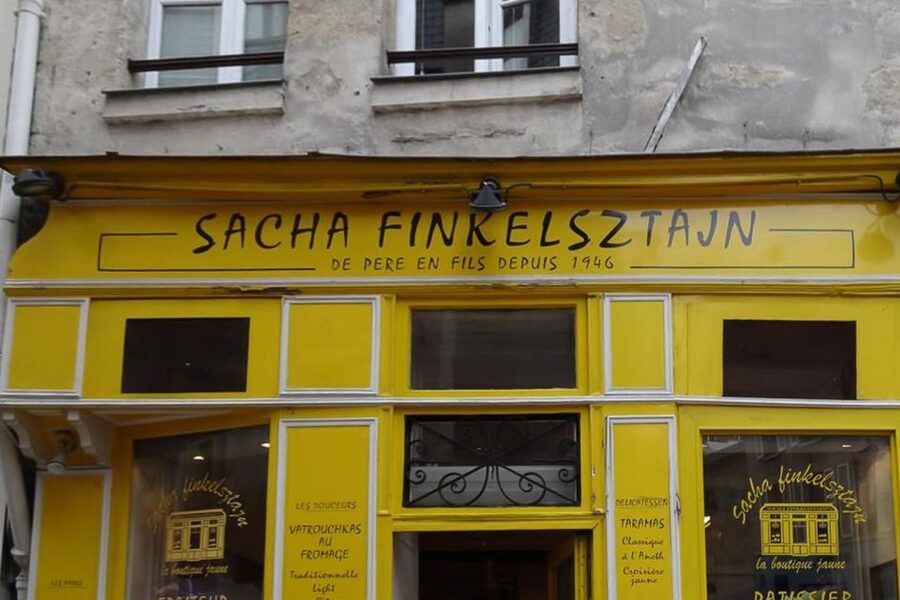
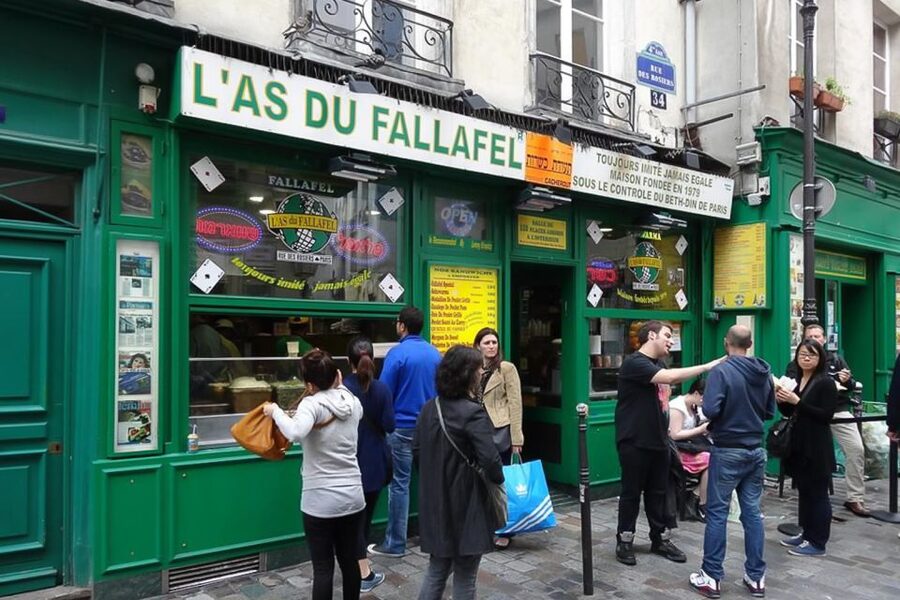
Rue des Rosiers is one of the most famous Jewish streets in Paris, and this tour gives it focused time. This is not only about naming landmarks. The aim is to show how Jewish life shaped the quarter’s identity, and why the street still carries a strong sense of community.
The best tours here do two things: they connect the past to present-day atmosphere, and they teach you how to observe without turning everything into a checklist. Guides highlighted in the feedback often pay attention to both. People praise how their guide shows not only historical highlights, but also the special Stimmung, the feeling of the neighborhood, with lots of small moments that help you “get it” fast.
If you plan food shopping or a quick break on your own, build it around your guide’s rhythm. Because this is a private group, you can usually coordinate small pauses without derailing the tour.
Where the palaces fit: 16th and 17th century facades you will recognize later
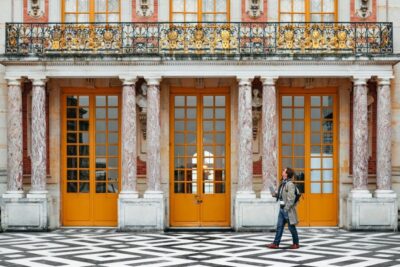
Marais is famous for city palaces, and the tour explicitly aims to show you why so many are still preserved. The guide points out the kinds of buildings that were typical of the 16th and 17th centuries, including what the tour calls the oldest city palace.
Here’s why this matters for you: after learning what to look for, Marais stops being “pretty buildings” and becomes a visual language. You’ll start noticing patterns in windows, doorways, and courtyard layouts. Even when you don’t memorize dates, you’ll feel the difference between eras when you walk outside your guided time.
This is also why the tour feels like more than a sightseeing loop. It trains your eye, so the next day you can wander confidently without feeling lost.
Ending with medieval traces: leaving with better street instincts
The tour ends with the last traces of medieval Paris. That phrase matters because medieval Paris is not something you usually see all at once. You tend to spot it in fragments: street lines, leftover shapes, or sudden differences in how old space behaves.
By finishing this way, you leave with street instincts. You know what you are looking for when you notice an older alignment or a strange pocket of the neighborhood that feels different. Instead of leaving Marais feeling like you did a highlight tour, you leave feeling like you understand how to keep exploring.
If you still have energy afterward, use the momentum to do one more short stretch on your own. Pick a direction your guide pointed out, and try to find one detail you learned. It’s the fastest way to lock it in.
Price and value for a 2-hour private German tour
The price is listed at $94 per person for a 2-hour private guided tour. That’s not cheap compared to group tours, but it is often fair if you value language comfort and the freedom to ask questions.
You also need to weigh what’s included. The tour includes the private guided experience, but entrance tickets and food and drinks are not included. So your real total depends on whether you choose to go inside stops like Musée Carnavalet or any other ticketed sites on the route.
Where the money can feel worth it:
- You get a structured route with context, so you waste less time wandering
- German language support makes the explanations easier to process
- The private group format often means better pacing and less rushing
Where it might not fit:
- If you mainly want free wandering and you already know Marais well, you might spend less elsewhere
- If you hate ticket planning, you may need to treat museum stops as exterior orientation only
A smart strategy: treat this as your orientation tour. Then choose one longer museum visit later on your schedule, when you can go at your own speed.
Who this tour suits best
This is ideal if you want Marais structure without crowds. It also works well for families, since children under 12 can participate free of charge, and guides like Katharina are praised for patience with young questions.
It’s also a good fit if German is important to you. Several guide comments emphasize excellent German and personalized attention. If you prefer to understand what you’re seeing, rather than just follow along visually, this format is a strong match.
If you are short on time in Paris, 2 hours is a practical commitment. You will get major highlights and a meaningful neighborhood focus without sacrificing your whole day.
Should you book this Marais tour?
Book it if you want a German private guide who connects Jewish Quarter streets, Place des Vosges, and major Paris landmarks into one coherent walk. It’s also a good call if you enjoy learning how a neighborhood developed, because the tour explains things like the swampland origin and the preserved 16th and 17th century palaces.
Skip or rethink it if you only want museum interiors, because entrances are not included. In that case, you can still enjoy the street views and guided context, but you may have to add tickets separately to fully get what you want from museum stops.
FAQ
How long is the Paris Marais guided tour (German)?
It lasts 2 hours.
What language is the tour guide?
The live guide speaks German.
Is this tour private?
Yes, it is a private tour for your group only, and the price is quoted per person.
Where does the tour start?
Meet at Hôtel de Ville, in front of the store Basket4Ballers, on Rue de Rivoli (31 Rue de Rivoli).
What is included in the price?
The price includes the private guided tour.
Are entrance tickets included?
No, entrance tickets are not included.
Are children allowed?
Yes. Children under 12 years old can participate free of charge.
Is free cancellation available?
Yes. You can cancel up to 24 hours in advance for a full refund.
Latest Paris entries, notes attached






Le Marais Walks, compared.

Award-Winning Paris French Bakery Experience — Le Marais, 4th Arr
Read our review →
Paris Le Marais Food Tour With 10+ Tastings, Cheese, Wine & More
Read our review →
Paris Le Marais District Original Food and Wine Tasting Tour
Read our review →
Paris Bike Tour Hidden Secrets in the Latin Quarter & Le Marais neighborhoods
Read our review →
Paris Culinary Tour: 11 Tastings & 2 Wines in Le Marais
Read our review →

Le Marais District Food Tour with 10+ Tastings & Wine
Read our review →
This tour also appears in