
Reviewed · MONTMARTRE WALKS
Paris: Musée de Montmartre and Gardens Entry Ticket
A small museum with big Montmartre energy. The Musée de Montmartre turns a quiet 17th-century house into a guided walk through the neighborhood’s rise from countryside to Paris.
What I like most is the way the exhibits connect real places to real artists, especially with the house setting and studio-life details. I also love that you get a 90-minute audioguide route that explains how Montmartre became the place for cabaret, theater, and painters.
One thing to watch: the Café Renoir can be limited by events, so plan for the possibility of a snack-free garden moment.
In This Review
- Key points to know before you go
- Entering Bel Air House: Montmartre’s Oldest Building as Your Starting Point
- The 90-Minute Audioguide Route That Keeps You Oriented
- How Montmartre Became Paris: From Countryside to Cabaret Capital
- Chat Noir, Théâtre d’Ombres, and the Performers Who Made the Night Famous
- Studios and 12 Cortot: Seeing Artist Life as a Network, Not a Solo Act
- Gardens, Renoir Private Garden, and the Montmartre Vineyard
- Temporary Exhibitions: Extra Art Hits Without Taking Over Your Day
- Timing and Hours: How to Plan a Smooth, Not-Rushed Visit
- Price and Value: Why $16 Feels Reasonable Here
- Who Should Book This Montmartre Ticket
- Should You Book the Musée de Montmartre and Gardens Entry Ticket?
- FAQ
- How long is the audio guide?
- Does the ticket include entry to temporary exhibitions?
- Can I skip the ticket line?
- Are the gardens included?
- Is there a live guide?
- What are the museum opening hours?
- What are the Café Renoir hours?
- What language options are available?
- Is the museum wheelchair accessible?
- What is the cancellation policy?
Key points to know before you go
- Skip-the-line entry gets you moving fast into the Bel Air House museum spaces
- Audio guide for 90 minutes keeps the story flowing, then you can go at your own pace
- Renoir private garden plus Montmartre vineyard gives you a green pause right in the neighborhood story
- Cabaret and theater history covers Chat Noir and the shadow theatre linked to Henri Rivière and Henry Somm
- Temporary exhibitions can add extra art focus, including shows that have featured artists like Maximilian Luce and Herbin
- House and studios matter here with places tied to artist life, including 12 Cortot
Entering Bel Air House: Montmartre’s Oldest Building as Your Starting Point
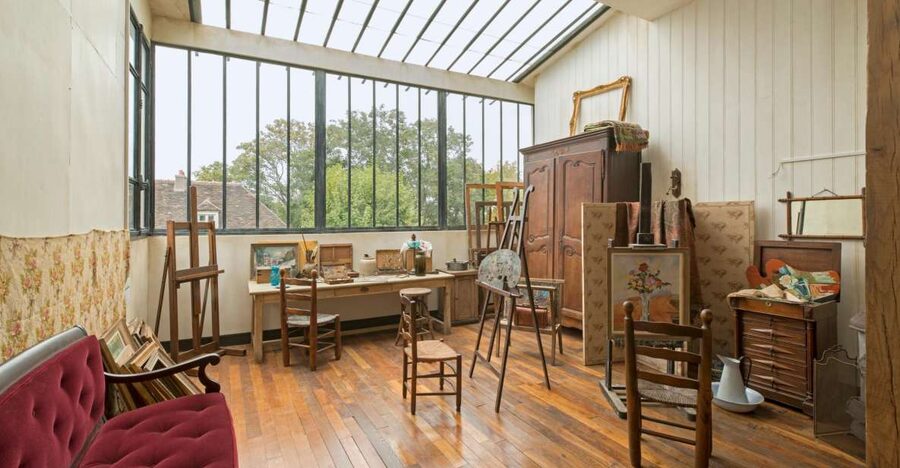
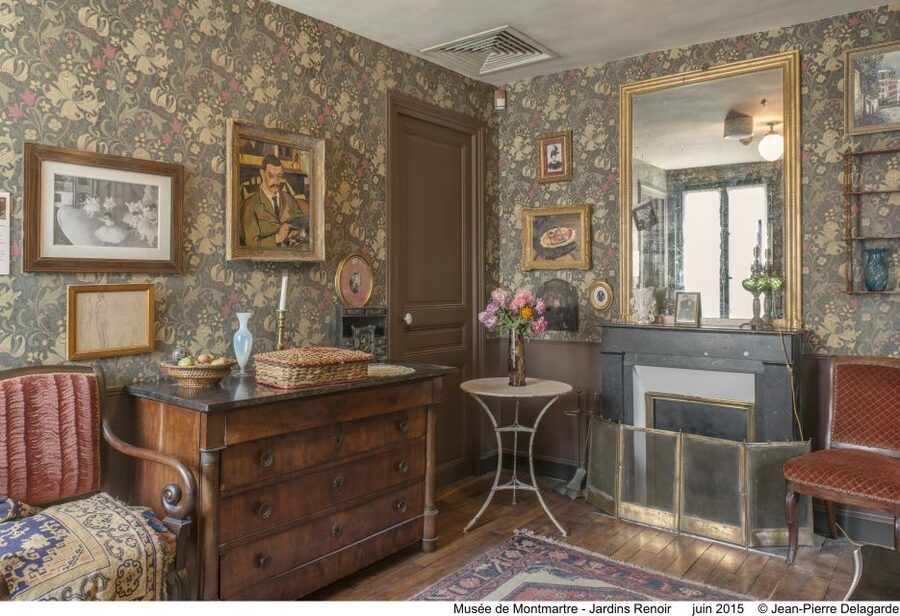
Start in the right mood. This museum is set in a 17th-century building called the Bel Air House, described as the oldest structure in Montmartre. Instead of feeling like a generic gallery, the house helps you imagine what life was like before Montmartre became a magnet for fame.
A big part of the appeal is how the museum uses that setting to connect to artists. You’re not just looking at paintings in a vacuum. The building and its rooms are framed as a meeting point and a house tied to creatives, so the story feels closer and more human.
Also, the museum experience doesn’t limit itself to one era. The audio guide and exhibits trace how Montmartre changed over time, and you’ll see how the neighborhood grew from local life into something Paris started paying attention to. That shift matters, because it’s what explains why Montmartre’s art scene got so loud, so fast.
The 90-Minute Audioguide Route That Keeps You Oriented
The ticket includes an audioguide, and the guided portion runs about 90 minutes. The best part for most people is that it gives structure. You can follow a logical path and understand what you’re seeing, then slow down for the details that catch your eye.
This is a self-paced visit, too. The museum encourages you to stay and explore beyond the audio portion. That’s useful because Montmartre stories show up in multiple spots, including rooms, garden areas, and exhibition spaces.
Practical tip: use the audio guide as your backbone, then switch to free roaming when you reach themes you really like. If you’re more interested in the cabaret and performance side, you can spend extra time on those sections. If you love art history, you can spend extra time on the artwork and interpretive displays.
More climbs through Montmartre:
- Montmartre Hidden Gems and Scenic Highlights Walking Tour
★ 5.0 · 2,684 reviews - Montmartre Hill French Gourmet Food and Wine Tasting Walking Tour
★ 5.0 · 2,588 reviews - Paris: Montmartre Highlights Walking Tour with a Local Guide
★ 4.9 · 2,318 reviews
How Montmartre Became Paris: From Countryside to Cabaret Capital
The audio guide explains a timeline that makes Montmartre click. It covers the 19th-century period and the moment Montmartre got annexed to Paris. After that, the city pressure hit the countryside, and things began to change quickly.
Then it turns to the practical side of culture. Artists began moving to Montmartre around 1870, and by the 1880s the cafes and cabarets multiplied. That growth isn’t just mentioned. You can feel how the museum links those changes to the kind of art and entertainment that flourished there.
This is where the museum’s story gets especially fun. Montmartre wasn’t only about painting and drawing. The museum connects theater, music, circus, and dance as part of the same creative ecosystem.
Chat Noir, Théâtre d’Ombres, and the Performers Who Made the Night Famous
If you like performance history, this museum rewards you. The guides include the cabaret Le Chat Noir, which welcomed performances of Théâtre d’Ombres, a shadow theatre created in 1866 by Henri Rivière and Henry Somm.
It’s a great example of why this museum feels more lively than some “quiet-house” attractions. The audio guide ties names and ideas together so you understand why Montmartre’s nightlife mattered to the art world, not just to partygoers.
You’ll also encounter the spoken-text and star-performer side of cabaret, with references to entertainers such as Aristide Bruant and Yvette Guilbert. The museum also connects the famous Moulin Rouge dancers La Goulue, La Môme Fromage, and Grille d’Egouts to the broader Montmartre performance scene.
And yes, it brings in art-world heavyweights too. Toulouse-Lautrec is highlighted as one of the assiduous artists representing these performances. If you associate Lautrec only with posters and printmaking, this museum’s story helps explain the cultural fuel behind the work.
Studios and 12 Cortot: Seeing Artist Life as a Network, Not a Solo Act
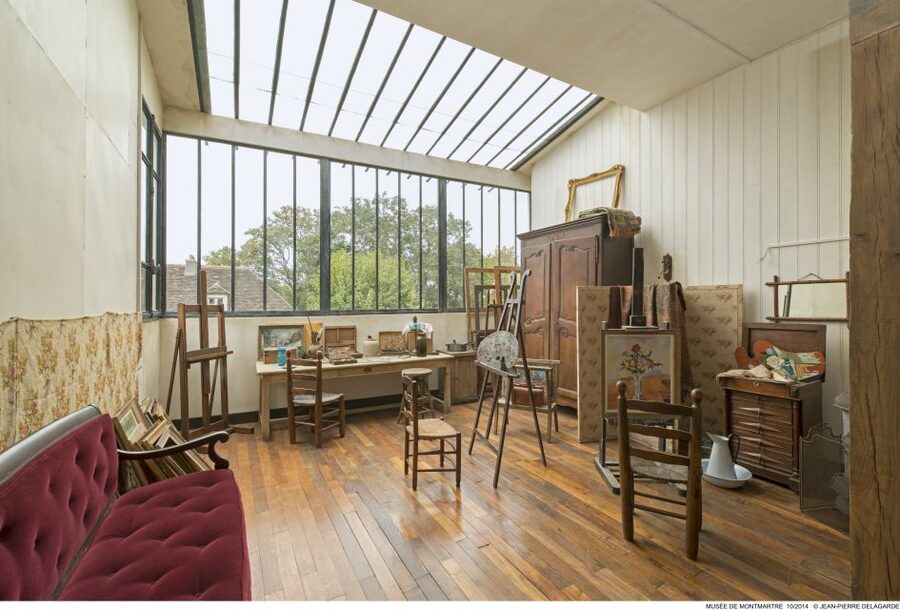
One of the most charming parts is how the museum treats studios as community spaces. The exhibits talk about artists’ studios and how creativity traveled between places and people.
A named highlight is 12 Cortot, a space tied to the passage of multiple artists. The museum frames it as a place where residents lovingly painted their home, which turns the usual “artist biography” story into something more tactile and daily-life based.
This matters because Montmartre’s creative output didn’t come from isolated geniuses. It came from shared energy, repeat visits, and overlapping social circles. The museum does a good job making that feel logical, especially when paired with the audio guide’s timeline.
More French collections worth the coat check:




Gardens, Renoir Private Garden, and the Montmartre Vineyard
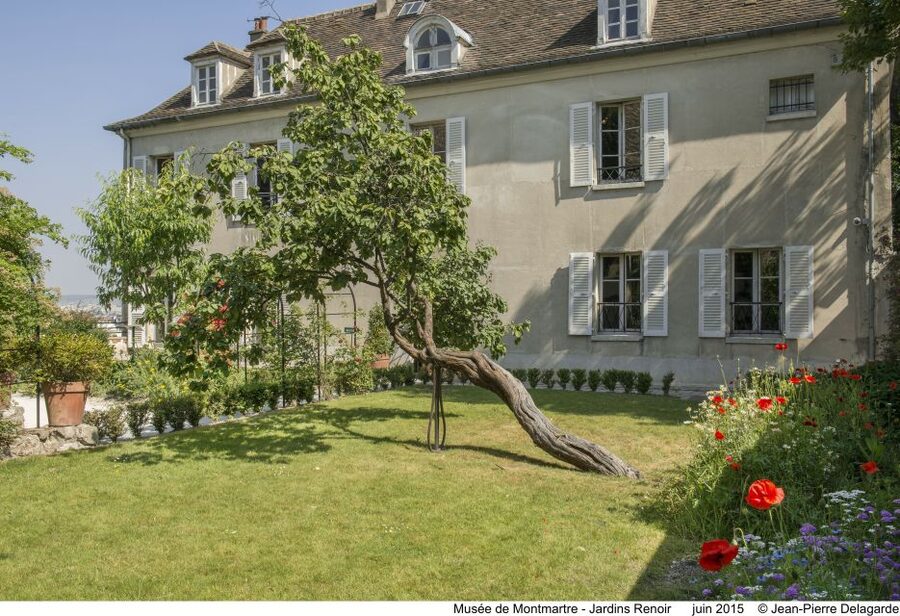
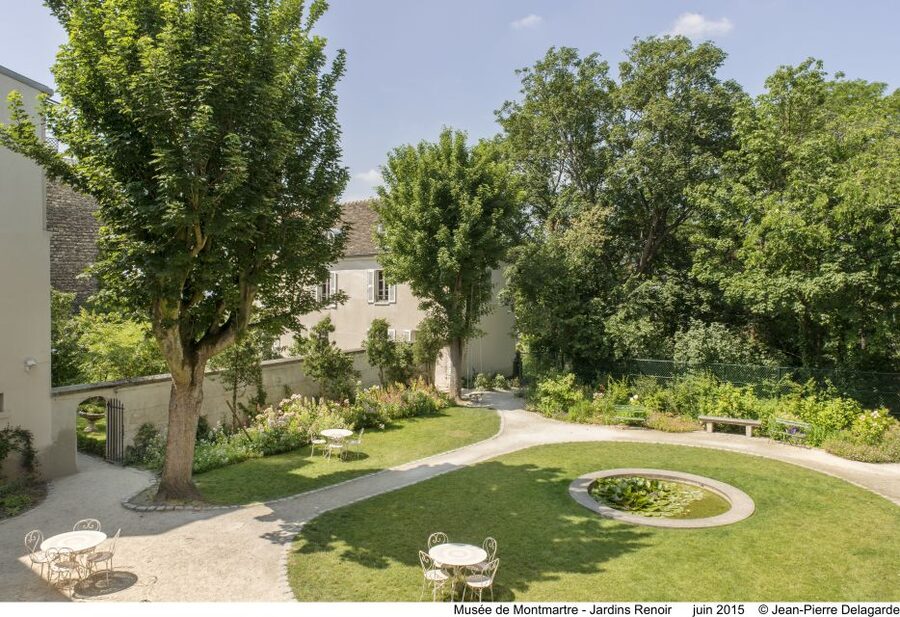
This museum’s outdoor space is a major reason people love it, and it’s easy to understand why once you step outside. The ticket includes access to the museum gardens, plus entry to the Renoir private garden.
Expect real garden time here. The gardens are described as lush, with standout flora, and there’s also mention of a Montmartre vineyard. Even if you’re not thinking about wine, a vineyard in Montmartre is a perfect reminder that the area has agricultural roots, not just postcard views.
You’ll also have access to the coffee shop area. In practice, this is your built-in pause button. I like using garden museums for the same reason I like country walks near cities, you get a reset between indoor history rooms.
One more practical point: garden visits work in bad weather too. The garden is part of what makes the visit feel calm even when you’d rather not wander long streets outside.
Temporary Exhibitions: Extra Art Hits Without Taking Over Your Day
In addition to the permanent collection, the museum offers temporary exhibitions. That’s a smart way to keep the visit fresh, especially if you’ve already heard Montmartre stories before and want something more than the basics.
Some recent exhibition themes mentioned include work by artists such as Maximilian Luce and a special exhibition on Herbin. The point for you is not the names, it’s the variety: the museum isn’t only telling a local history tale, it’s also showing art to match that story.
A good approach is to treat temporary shows as optional bonus chapters. If you have limited time, you can still get the full Montmartre arc from the main exhibits and audio route. If a temporary exhibition grabs you, you’ll have the time allowance to follow it.
Timing and Hours: How to Plan a Smooth, Not-Rushed Visit
The museum is open from 10:00 AM to 7:00 PM. The last entry is 45 minutes before the halls close. That’s important if you like taking your time in museums, because it changes the way you should pace the visit.
The Café Renoir is open from 11:00 AM to 6:00 PM. For most people, that’s perfect for a mid-visit snack or a slower sit-down. Just don’t treat it like guaranteed lunch at any moment. One limitation to note is that the café has been closed at times for private events, so if you’re counting on coffee plus a quiet break, plan a backup plan.
How long should you set aside? The audioguide’s guided portion is 90 minutes, then you’re welcome to explore at your own pace. I’d plan your day around the 90 minutes plus extra time for gardens, especially if you want photos or you tend to linger in outdoor spaces.
Also, keep in mind that the museum is composed of many spaces. One common practical tip is to allow extra time to avoid missing areas that require signage to find.
Price and Value: Why $16 Feels Reasonable Here
At about $16 per person, this ticket can be good value if you actually use what’s included. You’re not just buying access to a small room of paintings.
What you get for the price:
- Entrance to permanent and temporary exhibitions
- Skip the ticket line
- Access to the museum gardens and the Renoir private garden
- Access to the coffee shop
- An audioguide (about 90 minutes)
That combination is the key. You get story plus art plus a garden setting, and you get it in a way that doesn’t require a live guide. If you’ve ever paid museum entry and then wished you had context, the audioguide is the balancing factor here.
If you’re the type who wants to hear every explanation in real time, note that a live guide is not included. You’ll still get strong context through the audio, but this isn’t designed for Q and A.
Who Should Book This Montmartre Ticket
This visit suits you best if:
- You want Montmartre’s story in a structured way, especially the 19th-century shift into Paris
- You care about more than postcards, and you like understanding how art and nightlife connect
- You want a museum day that ends with a calm garden pause rather than only indoor rooms
- You’re trying to experience art culture without stacking up long crowds and constant street noise
It’s also a nice choice when you have limited energy for big walking days. You’ll still climb to the area, but the museum itself is designed for a focused, walkable experience with indoor and outdoor stops.
Should You Book the Musée de Montmartre and Gardens Entry Ticket?
Yes, if your goal is a low-stress Montmartre day with real context. The Bel Air House setting helps everything feel grounded, and the audioguide keeps you from wandering without purpose. Add the Renoir private garden and the vineyard area, and you get a visit that’s part museum, part reset, and part neighborhood story.
I’d think twice if you only have a strict snack-and-go schedule. The Café Renoir hours are defined, and there’s a chance it can be affected by private events. Still, you can plan your break around the garden time, and the rest of the experience holds up well.
If you’re curious about Montmartre’s creative engine, this ticket is a smart use of time.
FAQ
How long is the audio guide?
The audioguide is about 90 minutes. You can stay and explore the museum at your own pace after that.
Does the ticket include entry to temporary exhibitions?
Yes. Your ticket includes access to the museum’s permanent and temporary exhibitions.
Can I skip the ticket line?
Yes. Skip the ticket line is included with this entry ticket.
Are the gardens included?
Yes. The ticket includes access to the museum gardens and the Renoir private garden.
Is there a live guide?
No. A live guide is not included.
What are the museum opening hours?
The museum is open from 10:00 AM to 7:00 PM. Last entry is 45 minutes before closing.
What are the Café Renoir hours?
The Café Renoir is open from 11:00 AM to 6:00 PM.
What language options are available?
The activity data lists languages, but it does not specify which languages are offered.
Is the museum wheelchair accessible?
Yes. The museum is wheelchair accessible.
What is the cancellation policy?
Free cancellation is available up to 24 hours in advance for a full refund.
Latest Paris entries, notes attached







Montmartre Walks, compared.

Montmartre Hidden Gems and Scenic Highlights Walking Tour
Read our review →
Montmartre Hill French Gourmet Food and Wine Tasting Walking Tour
Read our review →
Montmartre Highlights Walking Tour with a Local Guide
Read our review →
Montmartre Cheese, Wine & Pastry Guided Walking Tour
Read our review →
Sacré-Coeur and Montmartre Tour with Expert Guide
Read our review →
Private Montmartre Food Tour with Wine, Cheese & Pastries
Read our review →
Paris Montmartre Food Tour – A Full French Meal by Do Eat Better
Read our review →This tour also appears in