
Reviewed · ORSAY TICKETS
Paris: Musée d’Orsay Masterpieces Guided Small Group Tour
Paris can be overwhelming. Orsay can be, too. This small-group Musée d’Orsay tour is a smart way to see the highlights without getting lost in a sea of people, all inside the former rail station’s Beaux Arts shell.
I especially like the human part: you get commentary from professional, certified guides who can turn art history into a story you can follow. I also like the pacing, with enough guided time plus breathing room to look closely. One thing to consider, though, is that 150 minutes is built for “best of” and a few lesser-known moments, not the entire museum.
In This Review
- Key points to know before you go
- Musée d’Orsay in 150 minutes, why the small group matters
- The Beaux Arts station building is part of the art lesson
- How the tour typically flows inside the museum
- First guided stretch: orientation plus key works
- Free time to look, not just to stand
- Break moments that prevent museum fatigue
- The art story you’re actually walking through: Manet to Gauguin
- Why Impressionist technique makes more sense with an explanation
- “Art rebels” framing helps you connect the dots
- Guides you might get, and what makes them worth following
- Breakdown of what you’ll notice once you have the tour roadmap
- Practical value of the $156 price, and when it feels like a bargain
- Who this tour is best for
- What to watch for: museum rules and your comfort
- Should you book this Orsay small-group tour?
- FAQ
- How long is the Musée d’Orsay guided small group tour?
- What is included in the price?
- Is there a language option for the guide?
- How big is the group?
- Are luggage or large bags allowed during the tour?
- How much time do I get for photos and independent looking?
- Where do we meet?
- Can I cancel or adjust my booking?
Key points to know before you go
- Small group cap (max 6 per guide) keeps questions possible and the tour moving.
- Beaux Arts former train station setting makes the building part of the experience, not just a backdrop.
- Tickets and permanent-collection entrance included, so you spend less time figuring out logistics.
- Guide-led flow through busy galleries helps you avoid the worst crowd slowdowns.
- 19th-century focus with artists like Manet, Renoir, Cézanne, and Gauguin, plus context for Impressionists and art rebels.
- Multi-language guide options (Russian, French, English, Spanish, Italian, German) make it easier to match your comfort level.
Musée d’Orsay in 150 minutes, why the small group matters
Musée d’Orsay is popular for a reason, but popularity brings friction. Big museums usually mean a tradeoff: either you move fast and miss nuance, or you slow down and spend time stuck in front of the same paintings. This tour’s small-group size, max 6 guests per guide, is the difference. You can actually hear the guide, ask a question, and still have time to look.
I like that the tour is designed as an introduction for first-time visitors. That usually means the guide doesn’t just name paintings, they help you understand why these artists changed what art could be, and how new techniques and ideas spread. You end the tour with a mental map, so you enjoy the museum even after the guided portion.
The Beaux Arts station building is part of the art lesson
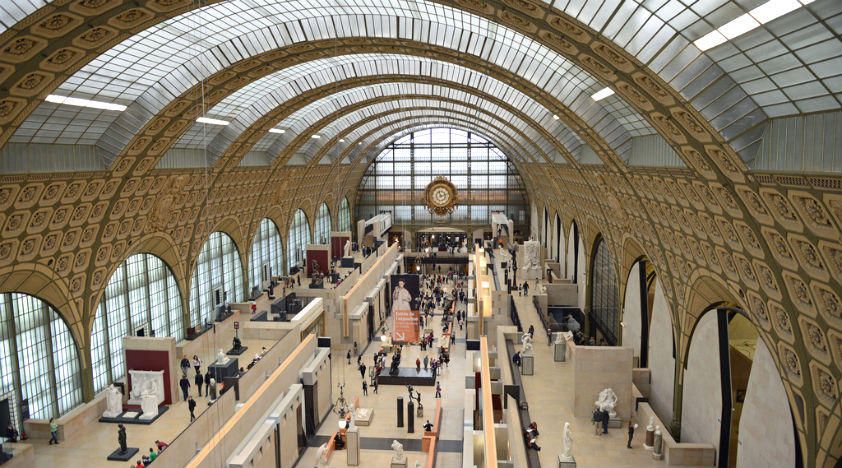
Orsay’s charm is obvious from the outside, but inside it’s more than architecture eye-candy. The museum lives in a former rail station, and that transformation creates a mood that matches the art inside. You’re stepping from a place built for movement into a gallery built for looking closely. It helps the 19th-century story feel physical.
A good guide uses that setting. In past groups, guides have pointed out how the building’s identity and atmosphere frame the museum experience, not just the paintings. So even if your main goal is names like Manet or Renoir, you also come away with a sense of how Orsay functions as a cultural switchboard for the period.
More afternoons under the Orsay clock:
- Paris: Orsay Museum Entry Ticket
★ 4.7 · 25,647 reviews - Paris: Orsay Museum Entry Ticket and Digital Audio Guide App
★ 4.4 · 3,170 reviews - Paris in a Day: Louvre or Orsay, Eiffel Tower, City Walk & Cruise
★ 5.0 · 1,956 reviews
How the tour typically flows inside the museum
You start at a meeting point that can vary depending on the option you choose, so confirm your exact location before you arrive. Once you’re in, the structure is simple and practical: guided tour time, then breaks for photos and looking on your own.
First guided stretch: orientation plus key works
The early part is where the guide does the heavy lifting. Expect an explanation of what you’re seeing and why it matters, with an emphasis on 19th-century French art. The guide’s goal is to get you oriented fast, so you’re not reading the museum like a homework assignment.
This is also where you benefit most from a guide who can steer through crowds. One standout theme from guide performance is crowd control that feels natural, not bossy. You should be able to get to major works without losing an hour to bottlenecks.
Free time to look, not just to stand
You get free time during the experience, including a longer chunk where you can slow down. This matters because Orsay rewards close looking. Brushwork, color choices, and the way light behaves across a scene can be easy to miss when you’re only hearing facts. Use this time to do what most people skip: pick a few paintings and really stare.
If your group is small enough, it’s a great moment to ask your guide for a quick viewing tip. Even a simple prompt like what to watch for in a painting’s technique can change how you see everything afterward.
More French collections worth the coat check:


Break moments that prevent museum fatigue
There’s also a break period built in. Museum fatigue is real, especially with limited time. You’ll feel better if you treat the break like a reset: water, a quick look around, then back in for the final guided portion.
The art story you’re actually walking through: Manet to Gauguin
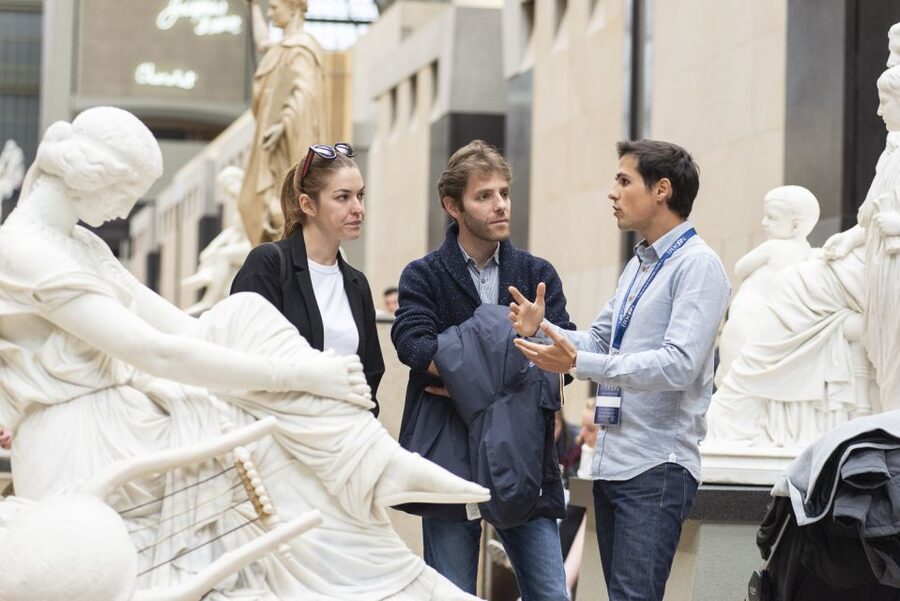
This tour isn’t just a tour of famous names. It’s organized around what you need to understand to make sense of the period. The focus stays on artists central to the museum’s 19th-century French collection, including Manet, Renoir, Cézanne, and Gauguin.
Here’s what that often means in practice: you’ll hear how artists respond to their world, how style evolves, and how Impressionists and post-Impressionists pushed against the rules of the day. If you’ve ever felt like Impressionism is just “pretty light,” this is where the context pays off. The guide talks about the techniques behind the look, not only the look itself.
Why Impressionist technique makes more sense with an explanation
Impressionist painting can feel spontaneous, but the effects are carefully built. During the guided portions, you should expect discussion of the secrets around techniques used by Impressionists and post-Impressionists. That’s the practical value: once you know what to look for, those quick-looking brushmarks turn into a readable system.
“Art rebels” framing helps you connect the dots
A big theme is how a handful of art rebels paved the way for the Impressionist movement. That rebel framing helps you avoid a flat timeline. You start to see the period as a chain reaction, where artists react to each other, to institutions, and to changing society.
In groups led by guides like Lili P. and Mathieu, the strongest feedback has been about narrative flow: stories that connect artwork to artwork, and make the art feel like it belongs to real people making real choices. That is the difference between knowing facts and actually understanding the progression.
Guides you might get, and what makes them worth following
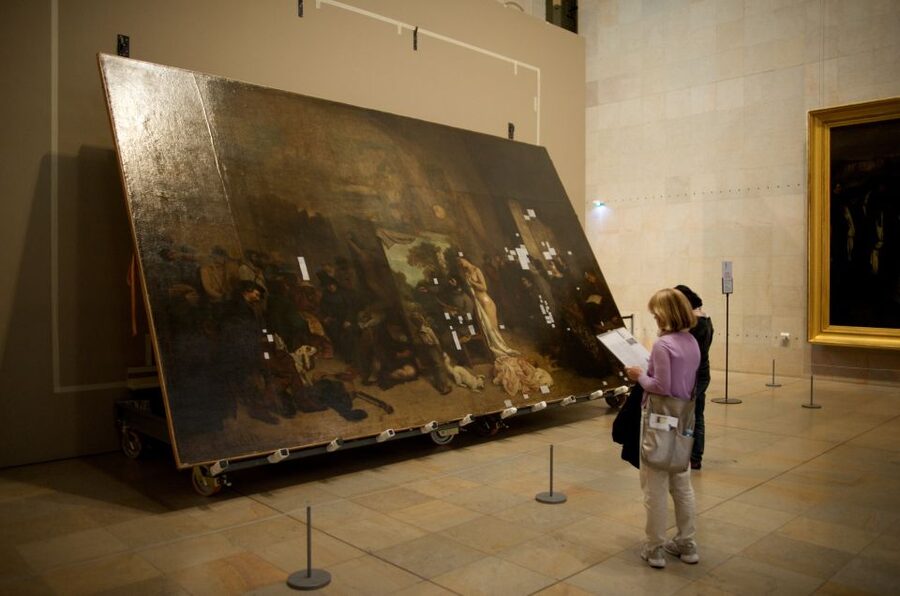
A tour is only as good as the guide, and this one has a track record of strong leadership. You could be led by names that have shown up in this experience, such as Lili P., Mathieu, Marcel, Miriam, Nadia, Tristan, Alex, Felix, Taylor, Oliver, Dario, and Belen.
Not every guide will teach in the exact same voice, but the common thread is clarity and energy. Several guides have been praised for shaping the museum into a coherent story, and for walking groups through busy rooms efficiently. You also might encounter extra tools, like an iPad being used to add information on key paintings.
If you have even one moment where you want a deeper explanation, this small group format helps. You’re not shouting across a crowd. You can get a real answer, then go look for that detail with your own eyes.
Breakdown of what you’ll notice once you have the tour roadmap
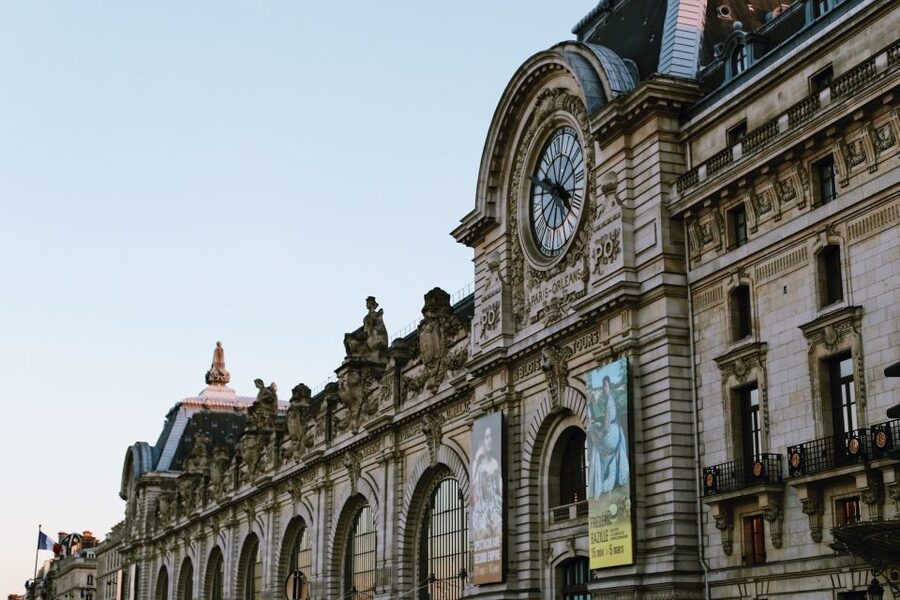
After the guided introduction, your museum experience usually improves in two ways.
First, you recognize patterns. Instead of treating each painting like an isolated masterpiece, you can group ideas: how colors shift, how subjects change, and how technique becomes a language.
Second, you know what to prioritize. Orsay is packed. A good tour funnels your attention to the works and themes that unlock the rest of the collection. That is why people often describe the tour as a time-saver even when they also enjoy the slower, self-guided looking afterward.
Practical value of the $156 price, and when it feels like a bargain
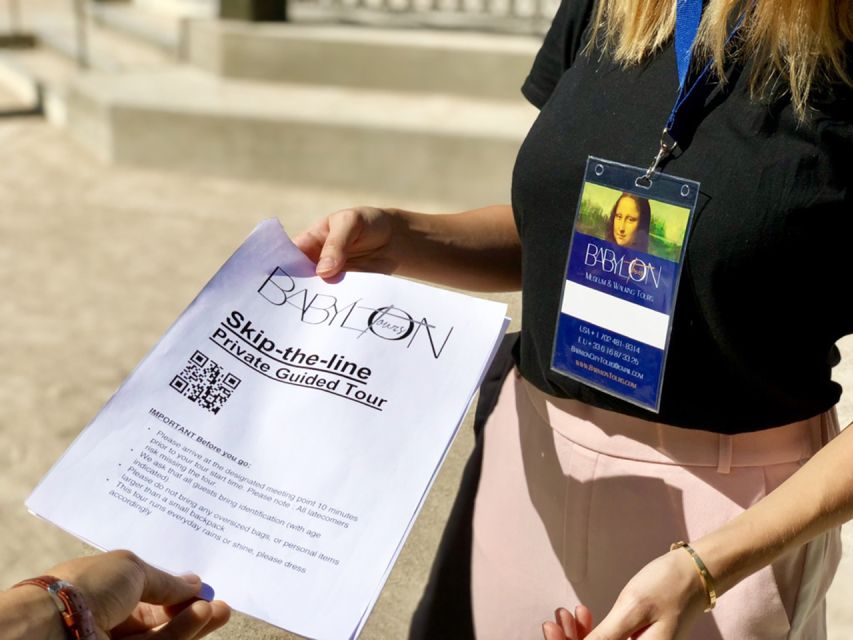
At $156 per person for 150 minutes, you’re paying for three things: guided interpretation, included entrance fees for the permanent collection, and a small-group ceiling that keeps the experience from turning into chaos.
The entrance fee piece matters because it reduces upfront friction. You are also not buying your time back with stress. You’re buying a plan, a guide, and crowd-smart movement.
Is it worth it? For most first-time Orsay visitors, yes, because the museum can feel like drinking from a fire hose. If you want art context, this price buys a faster path to understanding. If you only want to wander and you already know what you want to see, you might choose a self-guided plan instead. But if you want to come away with an actual story, $156 starts to look reasonable.
Who this tour is best for
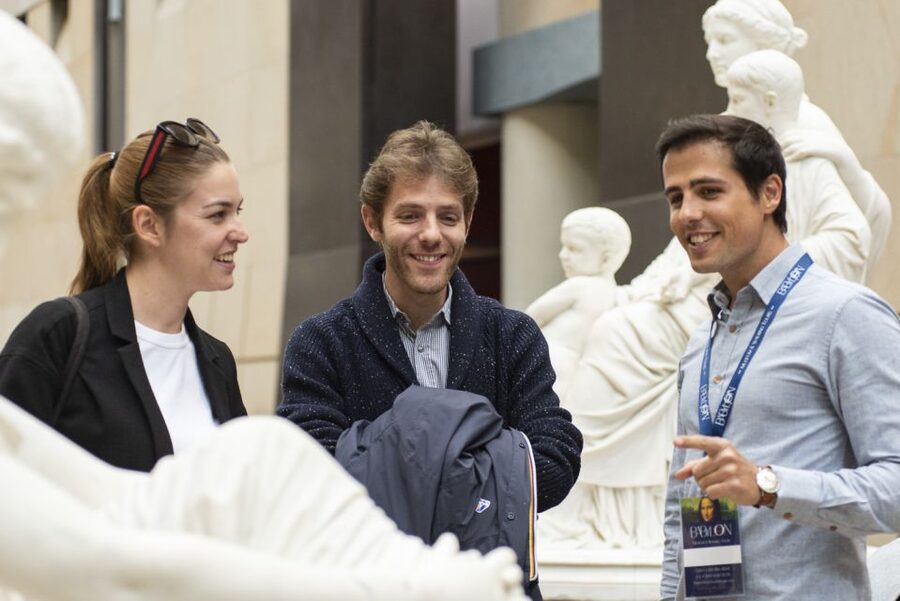
This is a great fit if you:
- are visiting Orsay for the first time and want a clear introduction to 19th-century French art
- like hearing the how and why behind Impressionist and post-Impressionist techniques
- prefer small-group energy over large group herding
- want multilingual guide options that match your comfort level
It may be less ideal if you:
- want to spend the full day at Orsay without any structured pacing
- are bringing luggage or large bags, because luggage storage is not included and large bags are not allowed
- dislike any rule-based quiet spaces, since some specific rooms may require quiet or restrict speaking
What to watch for: museum rules and your comfort
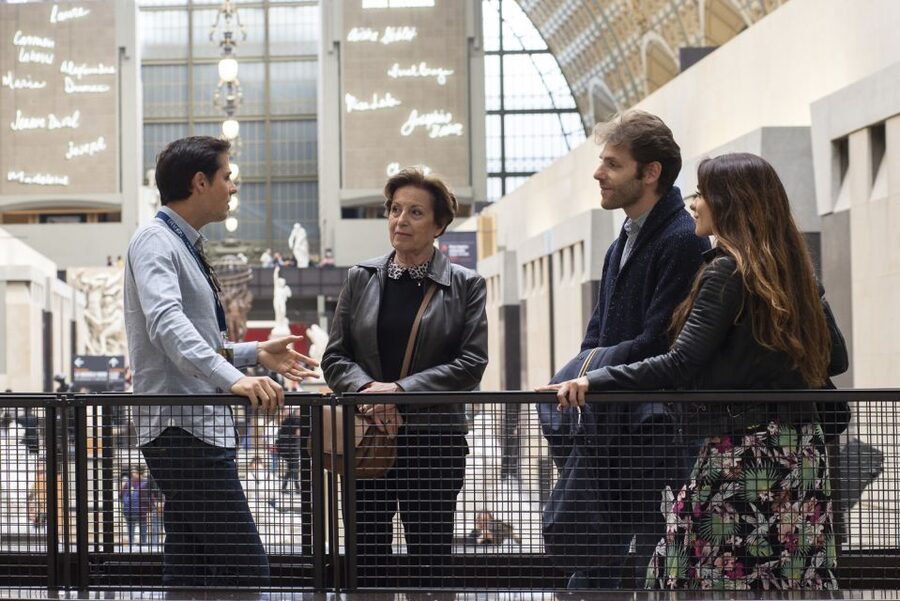
One practical note: luggage or large bags are not allowed, and luggage or coat storage is not included. Pack light, or plan to handle your bags elsewhere.
Also, some rooms may have rules about quiet or restricted speaking. That’s not unusual in museums, but it does affect how you experience a guided talk. If you’re the type who likes to chat with your group, be prepared for moments where your best option is to listen closely and look.
Should you book this Orsay small-group tour?
Book it if you want an efficient, guided introduction that helps you understand the museum instead of just scanning highlights. The biggest selling points are the small group size and the guide-led storytelling focused on major artists like Manet, Renoir, Cézanne, and Gauguin, plus the techniques and rebellion that feed Impressionism.
Skip it if you already have a detailed game plan for Orsay and you’re happy decoding things on your own. Also consider passing if you’re traveling with large bags, since the tour does not handle storage.
My take: for many people, this is the best way to turn Orsay from a famous building into a clear art timeline you can remember.
FAQ
How long is the Musée d’Orsay guided small group tour?
The tour duration is 150 minutes.
What is included in the price?
The price includes museum entrance fees for the permanent collection and a live guide.
Is there a language option for the guide?
Yes. Live tour guides are available in Russian, French, English, Spanish, Italian, and German.
How big is the group?
The tour has a maximum of 6 guests per guide.
Are luggage or large bags allowed during the tour?
No. Luggage or large bags are not allowed.
How much time do I get for photos and independent looking?
The schedule includes guided tour time plus free time, including time listed for free time and a short break period. Exact balance can depend on the flow inside the museum.
Where do we meet?
The meeting point may vary depending on the option booked, so you should verify your exact pickup point for your chosen option.
Can I cancel or adjust my booking?
Cancellation is free up to 24 hours in advance for a full refund. The tour also offers a reserve now, pay later option to keep your plans flexible.
Latest Paris entries, notes attached






Orsay Tickets, compared.
Orsay Museum Entry Ticket and Digital Audio Guide App
Read our review →
Paris in a Day: Louvre or Orsay, Eiffel Tower, City Walk & Cruise
Read our review →
Musée d’Orsay Entry Ticket and Seine River Cruise
Read our review →
Musée d’Orsay Skip-the-Line Tour with Expert Guide
Read our review →
The Musée d’Orsay Guided Tour Orsay Museum Semi-Private 6ppl Max
Read our review →
Louvre & Musée d’Orsay Guided Museum Tour Semi-Private 6ppl Max
Read our review →
This tour also appears in