
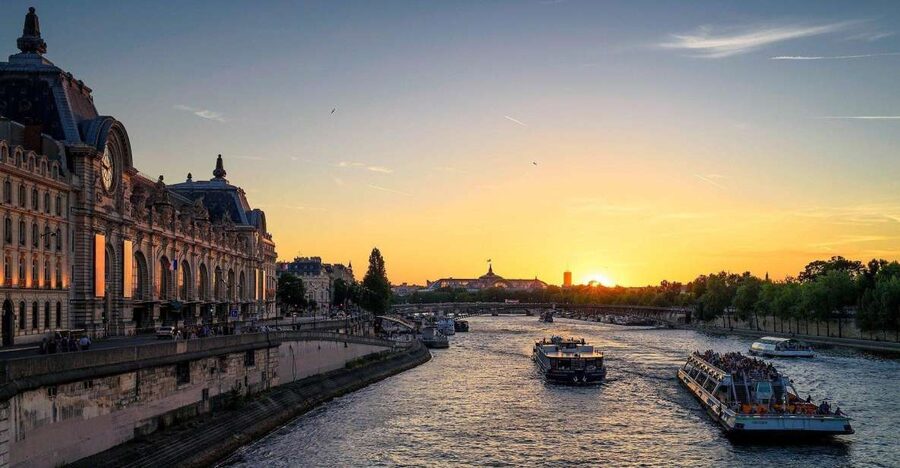
Reviewed · ORSAY TICKETS
Paris: Musée d’Orsay Private Guided Tour with Reserved Entry
Great art, minus the museum maze. A private, 2-hour visit at the Musée d’Orsay is a smart way to see the core of the collection without getting lost in the bigger building. You get reserved entry so you skip the long ticket-line drag, then a guide helps you connect the dots across Impressionist and Post-Impressionist works.
I especially like that you’re not stuck with a fixed script. You can ask questions and share what you notice, and your guide has a way of turning paintings into stories about France and the art world of the late 1800s. Another strong point is the museum context, because you’re not only looking at art, you’re learning how this place came to be.
The main drawback to plan around is time. In just 2 hours, you will focus on the highlights and themes of the permanent collection, not the full museum, and temporary exhibitions are not included.
In This Review
- Key points to know before you go
- Why a private 2-hour Orsay tour is the right kind of tight
- Getting inside: reserved entry at the Esplanade du Musée d’Orsay
- Orsay in one big concept: 1848 to 1914 inside a landmark building
- What you’ll see: Monet, Van Gogh, Degas, and the Impressionist core
- Beyond Impressionism: Neoclassicism, Realism, and Symbolism
- The guide factor: why expert commentary changes what you notice
- Itinerary flow: what the 2 hours feel like on the ground
- Price and value: what $282 buys you at Orsay
- Who this tour suits best (and who might not)
- Practical tips to make your 2 hours count
- Should you book this Musée d’Orsay private guided tour?
- FAQ
- How long is the Musée d’Orsay private guided tour?
- Is this a private group experience?
- Does the ticket for Orsay include the permanent collection?
- Are temporary exhibitions included?
- Can I skip the ticket line?
- What languages are available for the live guide?
- Is the tour wheelchair accessible?
- Who gets free admission at the museum?
Key points to know before you go
- Reserved entry helps you get inside faster and start seeing art sooner
- A private expert guide keeps the pacing flexible and answers your questions
- You’ll move through the museum’s big art eras, from Impressionism to Symbolism
- The tour focuses on the permanent collection (1848 to 1914), not rotating exhibits
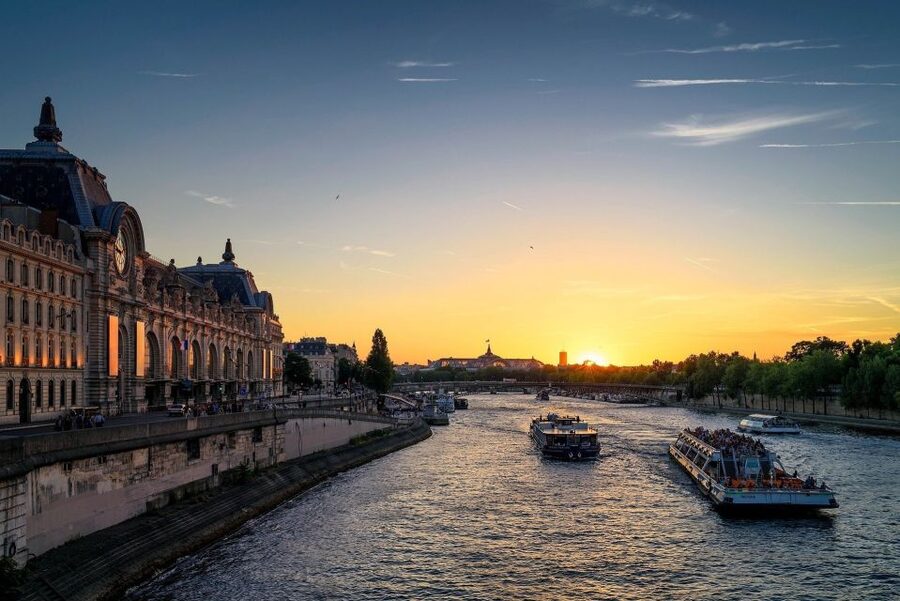
- Expect strong context about French art and the museum’s architecture
- Works you’ll likely spend time on include favorites by Monet, Van Gogh, Degas, and more
Why a private 2-hour Orsay tour is the right kind of tight
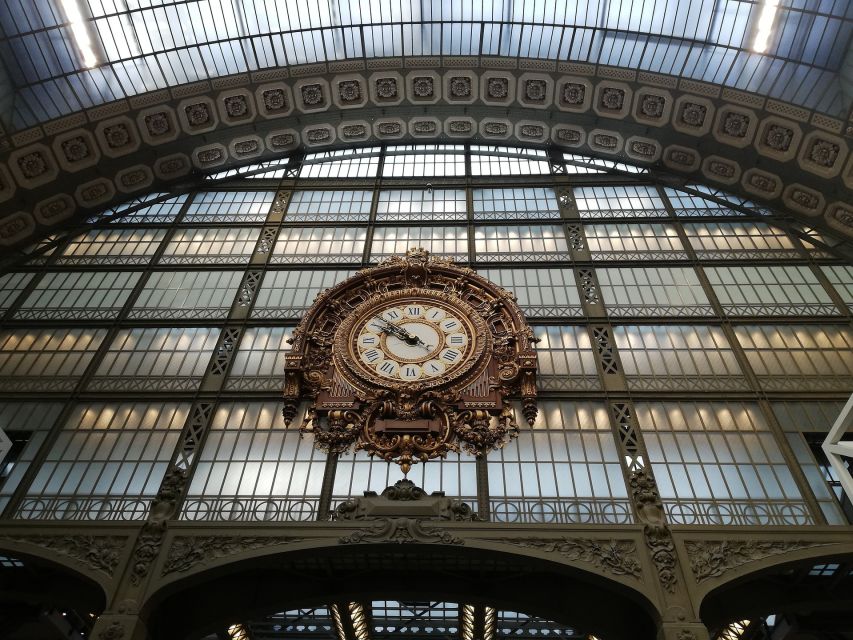
The Musée d’Orsay can overwhelm you in the first five minutes. Big rooms, bright masterpieces, and that special Parisian problem where you want to see everything at once. A private tour fixes that with a clear, focused route and a guide who can steer you toward what matters most.
This is also an efficient format for first-timers. If you only have a limited window for art museums, 2 hours is long enough to understand what you’re seeing, but short enough to stay energized. You’re not paying for a marathon of standing and silence, you’re paying for interpretation and momentum.
And it’s private, which matters here. Orsay is the kind of place where you can miss meaning if you just float through galleries. With a dedicated guide, you can ask why a brushstroke looks different, what an era was reacting to, and how the museum itself fits the story.
Getting inside: reserved entry at the Esplanade du Musée d’Orsay
Your tour starts at the Esplanade du Musée d’Orsay (the meeting point is the same for both the starting and drop-off options listed). That matters because it keeps your pre-museum time simple. You’re already in the right zone, ready to walk in and settle.
Reserved entry is the practical win. Instead of losing time in a line, you start with the part you actually care about: the paintings and the ideas behind them. If you’re trying to line up multiple things in Paris in one day, that time saved can be the difference between a smooth itinerary and a stressful one.
Also note the tour’s language setup. The live guide can work in several languages, including English, French, Spanish, German, Italian, Portuguese, Russian, Chinese, and Japanese. If you want discussion (not just background noise), choosing a language you’re comfortable asking questions in makes the experience better.
More Private Tours in Paris
- Louvre Museum Paris Essential Guided Tour Semi-Private 6ppl Max
★ 5.0 · 3,807 reviews - SUV Private Transfer: Paris to Charles de Gaulle Airport (CDG)
★ 4.0 · 3,091 reviews - Paris: Private Photoshoot at the Eiffel Tower
★ 4.7 · 2,636 reviews
Orsay in one big concept: 1848 to 1914 inside a landmark building
One reason Orsay is so special is that it’s built for looking at art from a specific slice of time. The museum’s permanent collection covers western art from 1848 to 1914, and your tour is designed to walk that arc in a manageable way.
As you move through corridors and galleries, your guide connects the styles to the era. You’ll spend time on the Impressionist Movement, then shift toward Neoclassicism, Realism, and Symbolism. That sequencing helps you see the collection as a conversation between movements, not as unrelated masterpieces lined up like trophies.
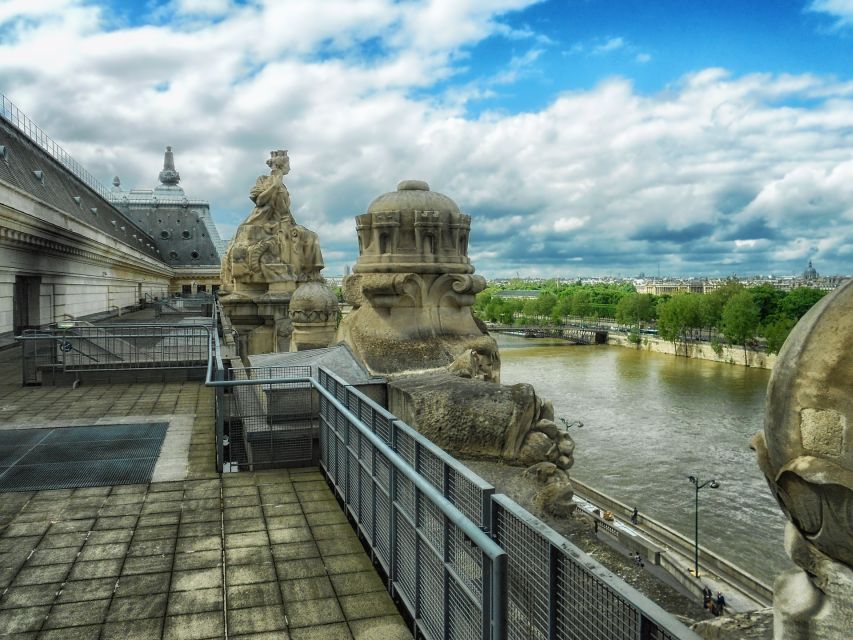
You’ll also get commentary on the museum’s history and architecture. This is more than trivia. Knowing the building context helps you understand the mood of the visit. The space itself influences how the art feels, and the guide can point out how that setting shaped the visitor experience.
What you’ll see: Monet, Van Gogh, Degas, and the Impressionist core
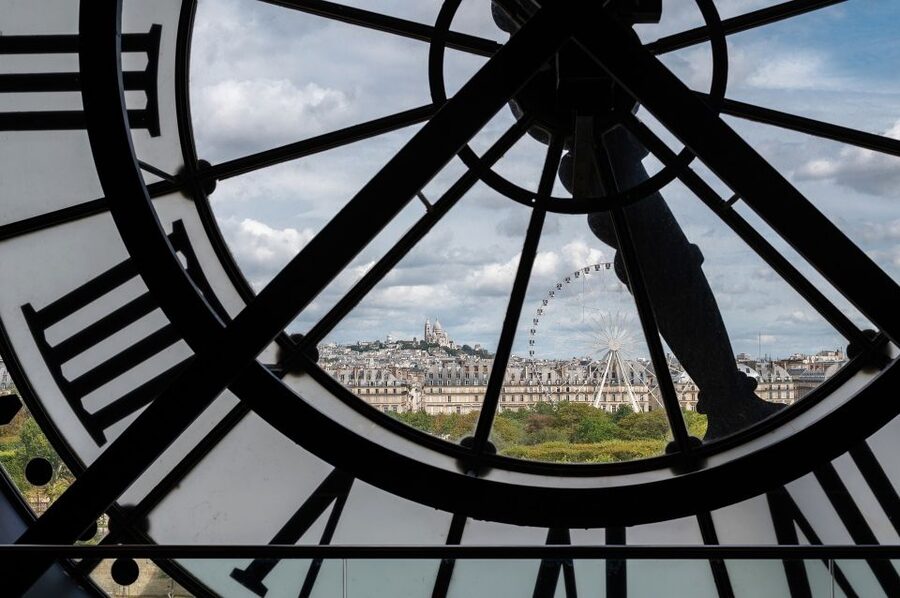
If Impressionism is your reason for coming, you’re in the right place. The tour is set up to give you a strong look at the Impressionist and Post-Impressionist works, and that typically includes major artists such as Monet, Van Gogh, Degas, and others.
Here’s what I like about this approach: it doesn’t treat Impressionism as a style you either like or dislike. It gives you a framework for noticing. You learn how artists used light, color, and modern subject matter, and you understand what each painter was trying to do in their own language.
In a traditional self-guided visit, you can end up spending 15 minutes in one room and then rushing through the next two. With a private guide, you get a steadier pace. You can linger where something clicks, and you can move on when you’ve learned what you need to learn.
And since you can share your opinions during the tour, you’re not just being told what to think. You’re responding, comparing, and building your own take, guided by an expert who can correct misunderstandings and add missing context.
Beyond Impressionism: Neoclassicism, Realism, and Symbolism
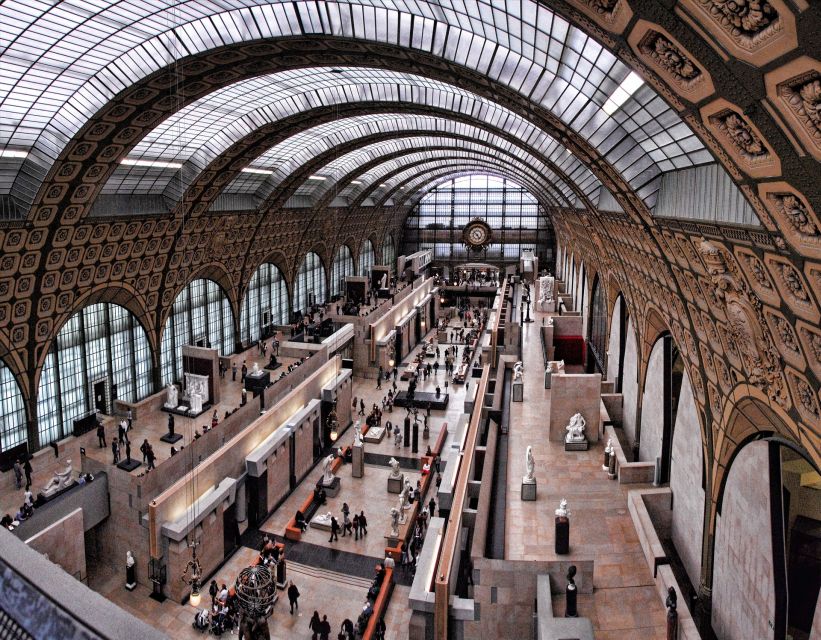
Orsay isn’t only for fans of soft light and modern life. Part of the value of a guided route is that you see the museum’s full range. That includes Neoclassicism, Realism, and Symbolism, all of which show up as major chapters as you walk.
This matters because those movements help you read the Impressionists more intelligently. When you understand what came before, you see what Impressionism was reacting to. When you understand Symbolism, you can notice when an artist is using emotion and ideas more directly than surface realism.
If you’re the kind of visitor who worries you might not like certain art styles, don’t stress. A good private guide doesn’t force you to love everything. They help you understand what each style is trying to communicate, so even if you don’t connect emotionally, you can still appreciate the logic behind the choices.
Also, since this is a permanent collection focus, you’re getting the core story rather than the rotating “what’s on right now” factor. You’ll see the museum’s main strengths.
More afternoons under the Orsay clock:
The guide factor: why expert commentary changes what you notice
A private tour lives or dies on the guide, and this one is designed around live interpretation. You’re not getting a generic walkthrough. You’re getting commentary that explains what you’re seeing and how it fits into the broader French art and Paris story.
One standout theme from the available guide feedback is how some guides, including Antoine, connect museum art to the bigger history of France and Paris. That style of explanation is what turns a gallery visit into real understanding. Instead of just looking at a painting and moving on, you start seeing relationships, influences, and context.
You also get personalized attention and flexible pacing. That’s a big deal at Orsay, because people have different energy levels and different attention spans. Want to slow down at a key work? You can. Want to speed up if you already get the idea? You can.
And because it’s private, you can ask questions without worrying about holding up a large group. If you care about why a scene looks the way it does, what a movement was reacting to, or why a museum like Orsay houses this range, a private format gives you room to ask.
Itinerary flow: what the 2 hours feel like on the ground
Think of your visit as a guided loop through the museum’s major style zones. You meet outside at the Esplanade du Musée d’Orsay, then go into the galleries where the guide leads you through key works.
From there, expect the tour to focus on the permanent collection highlights rather than trying to cover everything. The route is built around the museum’s art timeline and the big movements you’ll see along the way. You’ll spend time on the Impressionist core, then shift toward related styles like Neoclassicism, Realism, and Symbolism.
As you move, the guide brings in museum history and architecture. That usually works like a reset button for your brain. You go from noticing brushwork and composition to understanding how the museum is shaped and why this collection belongs here.
Throughout the 2 hours, the guide encourages discussion. That gives you a chance to connect what you’re seeing with what you already know, and it turns the time into an active conversation rather than a passive lecture.
Finally, the tour returns you to the Esplanade du Musée d’Orsay as the drop-off point.
Price and value: what $282 buys you at Orsay
At $282 per person, this is not a budget activity. But it can be good value if your priority is understanding and efficiency.
Here’s the honest math of it. You get a private 2-hour guided tour plus a ticket for the permanent collection, and the tour includes reserved entry so you skip the ticket line. You’re also paying for the guide’s time and expertise, in a format where you can ask questions and control pacing.
If you’re the type who likes museums but dislikes the guesswork, the guide can pay you back in one visit. You’ll spend your time in front of meaningful works, instead of trying to pick priorities on your own. And because the museum’s range is broad, commentary helps you avoid the common problem of leaving without fully understanding what you saw.
What you do not get is also important. You don’t get temporary exhibitions ticket coverage, and you’re not given an audio guide device. If you specifically want to chase special exhibits that day, you might need a separate plan.
So the real decision is this: do you want a guided interpretation of Orsay’s permanent highlights in a tight window? If yes, the price makes more sense. If you’d rather browse slowly on your own and you already know a lot about 19th-century French art, you might find a self-guided visit more cost-effective.
Who this tour suits best (and who might not)
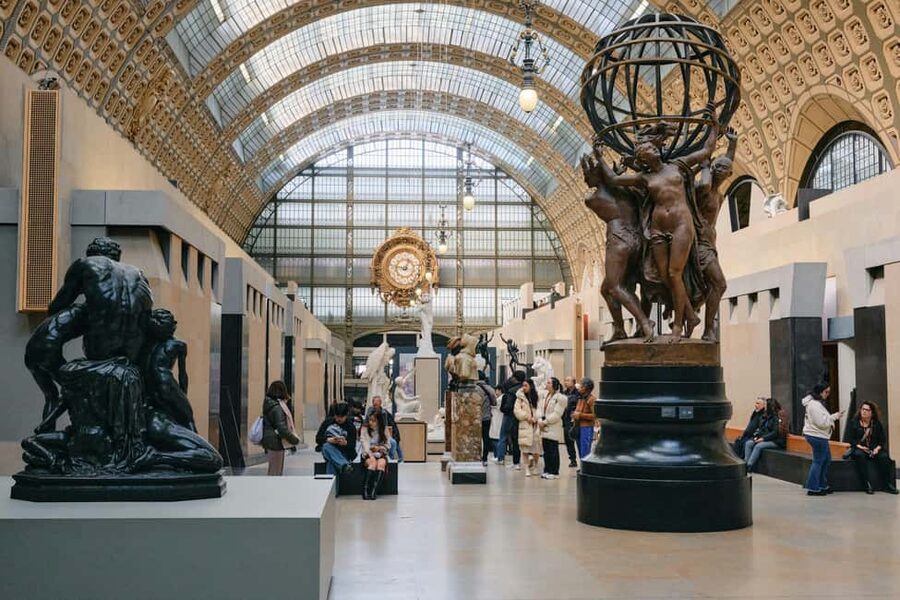
This experience fits especially well if you’re a first-timer at Orsay or if you want to upgrade a casual visit into something smarter. It also works nicely for couples who want one shared plan and a guide to lead the conversation.
If you like Impressionism but also want to understand the bigger art timeline, you’ll appreciate the way the tour moves through multiple movements. And if you’re traveling with limited time, 2 hours is an efficient target.
Where it may not match your style is if you hate guided pacing or you prefer to wander and discover at random. In that case, a private tour can feel like a plan with rails. Also, if your main goal is temporary exhibitions, this permanent-collection focus means you might feel like you missed something.
Practical tips to make your 2 hours count
A guided Orsay visit is best when you come in with a little structure. Before you go, decide what you care about most. Pick one theme, like light and modern life for Impressionism, or emotion and ideas for Symbolism. Your guide can help you steer your attention there.
Wear comfortable shoes. Orsay is walk-heavy, and you’ll spend time moving between rooms quickly at points. Bring a phone for notes if you like remembering details, but try not to turn the visit into constant filming.
If you have mobility needs, this tour is wheelchair accessible if you inform the operator beforehand. That matters for routing and pace, so plan ahead rather than assuming everything will automatically be smooth.
Finally, consider your language. If English (or any of the other listed languages) is your comfort zone, choose it. A private discussion works best when you can ask questions without translating in your head.
Should you book this Musée d’Orsay private guided tour?
I’d book it if you want reserved entry, a private guide, and a clear path through Orsay’s core permanent collection. You’re paying for time saved, interpretation delivered in real language, and a focused look at major Impressionist and Post-Impressionist artists like Monet, Van Gogh, and Degas.
I’d pause and compare if you’re primarily chasing temporary exhibitions or if you’re a very independent museum walker who already knows exactly what rooms and movements to hit. In that case, the cost may feel steep for only 2 hours.
For most people, though, Orsay is one of those museums where a little guidance goes a long way. If your goal is to leave feeling like you actually understood what you saw, this private format is a strong bet.
FAQ
How long is the Musée d’Orsay private guided tour?
The tour duration is 2 hours.
Is this a private group experience?
Yes, it is a private group tour.
Does the ticket for Orsay include the permanent collection?
Yes. The permanent collection ticket is included.
Are temporary exhibitions included?
No. Temporary exhibitions are not included.
Can I skip the ticket line?
Yes. The tour includes reserved entry to help you skip the ticket line.
What languages are available for the live guide?
The live guide is available in Spanish, German, Italian, Portuguese, Russian, Chinese, Japanese, English, and French.
Is the tour wheelchair accessible?
Yes, it is wheelchair accessible, and you should inform the operator beforehand.
Who gets free admission at the museum?
Admission is free for all EU citizens under 25 years of age.
Worth the Coat Check
- Louvre Museum Masterpieces Guided Tour with Access
★ 4.5 · 12,023 reviews - Paris: Louvre Museum Entry Ticket With Host and River Cruise
★ 4.6 · 9,926 reviews - Les Invalides: Napoleon’s Tomb & Army Museum Entry
★ 4.6 · 9,185 reviews - Louvre Museum – Exclusive Guided Tour (Entry Included)
★ 5.0 · 6,296 reviews
Latest Paris entries, notes attached







Orsay Tickets, compared.
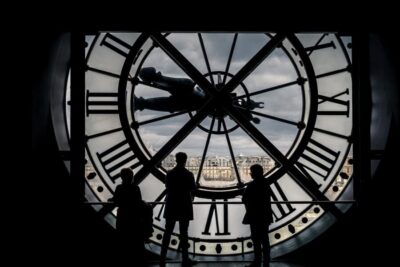
Orsay Museum Entry Ticket and Digital Audio Guide App
Read our review →
Paris in a Day: Louvre or Orsay, Eiffel Tower, City Walk & Cruise
Read our review →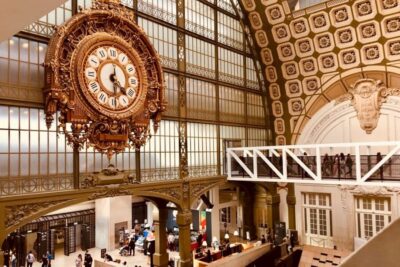
Musée d’Orsay Entry Ticket and Seine River Cruise
Read our review →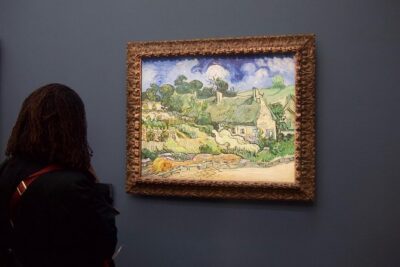
Musée d’Orsay Skip-the-Line Tour with Expert Guide
Read our review →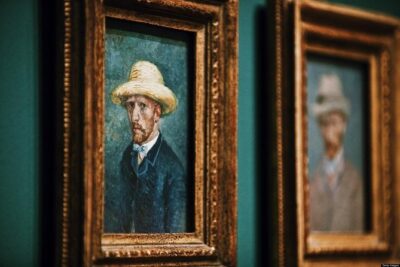
The Musée d’Orsay Guided Tour Orsay Museum Semi-Private 6ppl Max
Read our review →
Louvre & Musée d’Orsay Guided Museum Tour Semi-Private 6ppl Max
Read our review →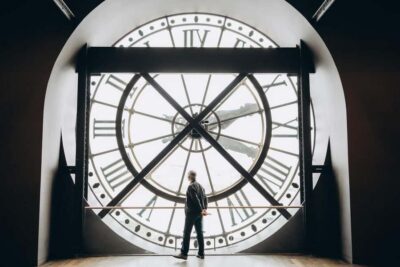
This tour also appears in