
Reviewed · MONTMARTRE WALKS
Paris: Pastries & Tragedies – A sweet tour of Montmartre
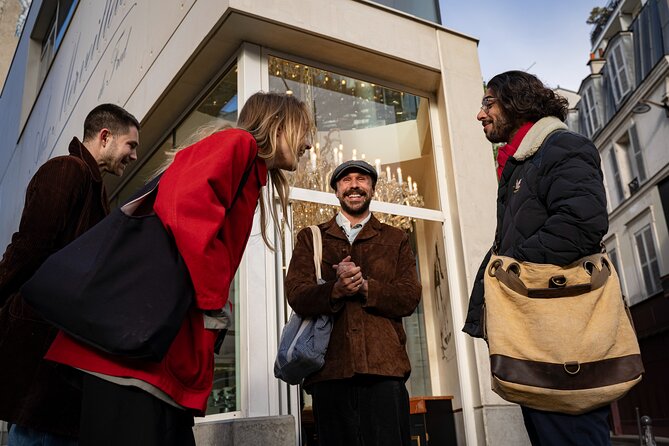
Paris turns strange in Montmartre, and this tour leans in. I like the way pastries make the history easier to swallow, and I love how the guide turns street corners into story. One thing to consider: the route includes a steep uphill stretch on cobblestones, so comfy shoes matter a lot.
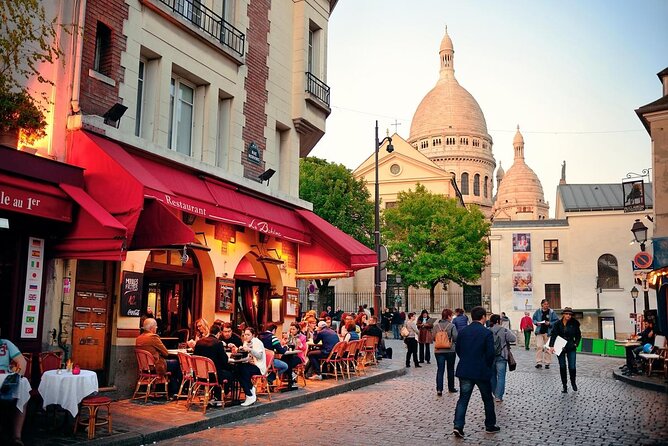
You start near Place Blanche and spend about two hours weaving through Montmartre’s famous spots, with the tastings paced to keep you moving but not rushed. The tour is in English, capped at a small group size (up to 10), and it runs with a mobile ticket, which helps if you are hopping on and off public transit.
The title Pastries and Tragedies is not just a marketing line. It is an approach, you get treats plus personal and political heartbreak, all wrapped into a neighborhood walk that ends with Sacré-Cœur.
In This Review
- Key things to know before you go
- Pastries and Tragedies: Why this theme works in Montmartre
- The walk, the timing, and what $83.45 really covers
- What you’ll actually taste on the way
- Stop-by-stop in Montmartre, with the stories behind each corner
- Starting around Place Blanche
- Montmartre history through tragedy, betrayal, and redemption
- An iconic artist studio stop
- Windmills that still exist in Montmartre
- Ending at Sacré-Cœur, free to enter
- The storytelling style: how the mix keeps it from getting heavy
- What to do with your energy after the tour
- Practical tips so you enjoy it instead of just enduring it
- Wear shoes you trust on cobblestones
- Plan for no bottled water
- Bring a warm drink in colder months
- Flag allergies early
- Work with the time of day
- Who should book this Montmartre pastry-and-story walk
- Should you book Pastries and Tragedies in Montmartre?
- FAQ
- Do I get food with this tour, or is it just tastings?
- How long is the Montmartre walking tour?
- Is the tour offered in English?
- Where does the tour start and where does it end?
- Is bottled water provided?
- How big is the group?
- Is Sacré-Cœur included, and is entry free?
Key things to know before you go
- Six-plus treats are included, with all food part of the $83.45 price
- English guide, small group size (max 10), and a mobile ticket
- Montmartre storytelling focuses on tragedy and redemption, not just monuments
- You learn fun Montmartre facts like the can-can and Toulouse-Lautrec’s connection to the neighborhood
- You visit real windmills still found in Montmartre
- The tour ends at Sacré-Cœur, and entry is free with a construction story that adds context fast
Pastries and Tragedies: Why this theme works in Montmartre
Montmartre has a split personality, art and aspiration on one side, mess and heartbreak on the other. This tour keeps that tension front and center, using stories of war, political upheaval, and personal drama to explain why the neighborhood feels the way it does.
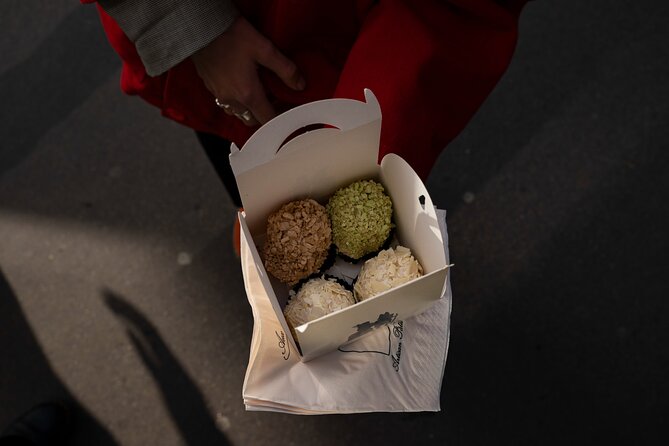
Then it counterbalances all that darkness with something very Parisian: butter, sugar, chocolate, and crisp little pastries that you taste along the route. I like that you do not get history as a lecture. You get it as a reason to look closer at doors, streets, and landmarks while your hands stay busy with your next sweet stop.
The vibe is also honest. If you want Montmartre facts without the over-serious tone, this hits a nice balance. If you are a food lover who gets restless in long museum sessions, the walking rhythm and frequent tastings help keep energy up.
The walk, the timing, and what $83.45 really covers
This is an about two-hour walking tour, with multiple tasting stops spread along the way. At $83.45 per person, the value is mainly that you are not just paying for narration, you are paying for at least six different treats included in the price.
You also get an expert guide and a small group experience (max 10). That matters in Montmartre because the streets are narrow, the hill is real, and it is easier to hear stories when your group is not stretched out.
A small practical note: bottled water is not provided. They say it is to avoid unnecessary waste, so plan on bringing your own way to stay hydrated if you need it.
Comfort is the other real factor. Multiple people highlight the uphill cobblestone walking, and one person in their 80s called it strenuous. If you have limited mobility or you feel nervous on steep, uneven surfaces, this is worth thinking through before you book.
More climbs through Montmartre:
- Montmartre Hidden Gems and Scenic Highlights Walking Tour
★ 5.0 · 2,684 reviews - Montmartre Hill French Gourmet Food and Wine Tasting Walking Tour
★ 5.0 · 2,588 reviews - Paris: Montmartre Highlights Walking Tour with a Local Guide
★ 4.9 · 2,318 reviews
What you’ll actually taste on the way
The tour is built around sweet stops, and you should expect to sample a range of French pastry styles, not just one type. You can plan on chocolate, macarons, and classic pastry shapes, plus items like merveilleux and éclairs. Reviews also mention jams and jellies, cookies, and other small desserts that keep variety high.
One detail I like: at least one stop is tied to a long-running chocolatier, with mention of a shop founded in 1760. That kind of fact is exactly why I enjoy food tours here. You are not only tasting, you are learning why a place has lasted.
Dietary needs come up too. There is mention of alternatives for nut allergies, which suggests you can get help if you flag your needs when you book. Still, do not assume every shop will have the same options. If allergies are part of your planning, message in advance and be specific.
Also, pace matters. People describe the walk as steady and the tastings as a good rhythm. That is useful if you tend to snack too fast and miss the story, or if you need a little break between viewpoints.
Stop-by-stop in Montmartre, with the stories behind each corner

Below is the route flow, and why each stop matters for both history and food.
Starting around Place Blanche
You meet at 5 Pl. Blanche in the 9th arrondissement and move into Montmartre from there. This matters because it sets your expectations: you are not starting at the top of the hill, you are working your way up, one cobblestone street at a time.
The guide sets the tone early, framing Montmartre as a place where art and nightlife grew alongside hardship. Expect a story-driven introduction rather than a simple map walk.
More Things to Do in Paris



Montmartre history through tragedy, betrayal, and redemption
Your first big story focus is Montmartre itself. The guide connects the neighborhood’s role in war and political upheaval to the more personal heartbreak that played out in the same spaces. This is the emotional backbone of the tour name.
Then you get practical, fun-to-remember facts. For example, you learn that the can-can was invented right here. You also hear about Toulouse-Lautrec, including his obsession with the red-light district and its beauties. These are not random party facts. They point to why Montmartre became a magnet for artists and outsiders.
Food starts to show up here, because the tour keeps moving between story and tasting. In my view, that is the secret. You are not stuck listening for long stretches, and the sweets help you process the heavier parts without feeling weighed down.
An iconic artist studio stop
Next you stop at an iconic artist studio of Montmartre. The goal here is to put faces and habits to the neighborhood’s creative reputation. Even without a museum ticket, standing near the kinds of spaces where artists worked changes how you see the surrounding streets.
This is also where the tour tends to feel most personal. The guide connects art life to the neighborhood’s dramas, so the studio stop becomes more than a photo moment.
Windmills that still exist in Montmartre
Yes, you can still find real windmills in Montmartre. That fact alone gives the tour a satisfying twist, because it reminds you the neighborhood is not only about big views and famous churches.
This stop adds contrast. You get a slice of a past landscape while still being surrounded by modern Montmartre energy. The stories around the windmills also help explain why the area has long attracted artists, not just tourists.
Ending at Sacré-Cœur, free to enter
The grand finale happens at Basilique du Sacré-Cœur de Montmartre. The tour ends in front of the basilica, and the guide explains the fascinating story of its construction.
You also get two standout claims that are worth filing away as you look at the building:
- The stones used have the capacity to automatically wash themselves
- The basilica is described as the biggest crowdfunded project of the 19th century
Most importantly for your plans, entry is free. Reviews explicitly recommend going inside, and the ending at Sacré-Cœur gives you a natural moment to pause, catch your breath, and take in the Paris views.
If you like finishing tours with a wow moment, this one does it. And if you like a calm finale after eating, Sacré-Cœur is a good place to settle your stomach and your feet.
The storytelling style: how the mix keeps it from getting heavy
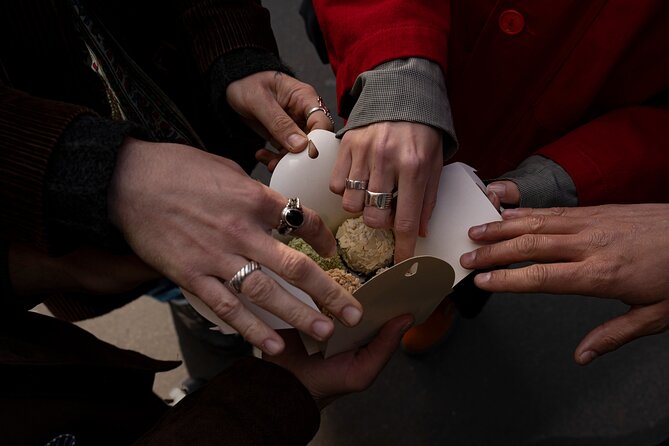
The best comment you can give this tour is that it stays balanced. The tragic stories are part of the walk, but they are not told like a grim history channel episode.
The guide is described as a strong storyteller, with humor and warmth that keep the group engaged. Several people mention that even with a theme as dark as tragedies, the tour feels fun and approachable. That matters if you are not sure you want an all-history tour.
There is also a practical balance to the information level. People describe it as just enough detail, with room to ask questions. In other words, you are not locked into a script. You can ask for more context as you walk, especially when the guide points out something you are seeing with your own eyes.
One more thing I appreciate: this tour helps you connect Montmartre to artists and everyday life, not just postcard landmarks. That shows up in comments about feeling connected to Montmartre even after repeated visits. The neighborhood starts to feel like a lived-in place rather than a set of sights.
What to do with your energy after the tour
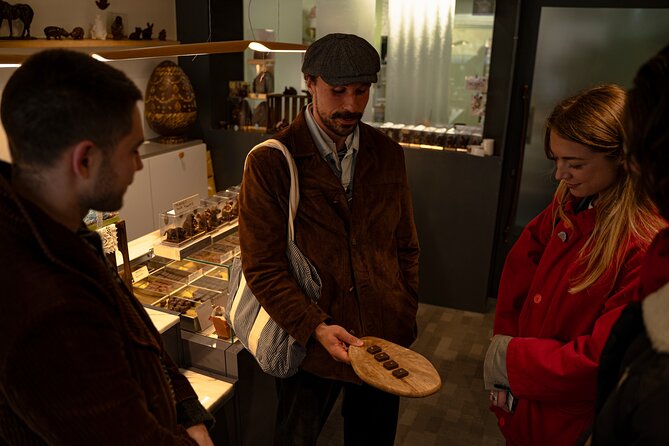
Because you finish near Sacré-Cœur, you are well-positioned for a self-guided stroll. That is a nice setup if you want to continue exploring without committing to another ticketed stop right away.
If you enjoy art and you want a smooth theme continuation, one suggested pairing is Musée d’Orsay. It is not required, but it can make the artists stories feel richer because you can connect names and styles you hear on the walk to what you see indoors.
Also, do not be shy about asking your guide for food or dinner suggestions. At least one person reports getting an excellent, less-touristy restaurant recommendation right after the tour. Even if you do not take their exact pick, you will walk away knowing which directions are worth your appetite.
Practical tips so you enjoy it instead of just enduring it
Here are the small things that can make the difference between a great tour and a tired one.
Wear shoes you trust on cobblestones
Comfortable shoes are a must. The hill up Montmartre is steep, and the surface is cobblestone. If you plan to do this tour, treat it like a short hike with breaks.
If you are traveling with older people or anyone who gets uneasy on uneven ground, consider the walking difficulty before you book. One person regretted not seeing more detail on how strenuous it felt for them.
Plan for no bottled water
Since bottled water is not provided, decide how you will handle hydration. Bring your own or plan a quick stop nearby when you need it.
Bring a warm drink in colder months
A practical tip from a guide-style review: if it is chilly, bring a warm beverage to help you stay comfortable while you climb. It also balances the sweetness, so you do not end up feeling like you are bouncing from one sugar bite to the next with no break.
Flag allergies early
There is mention of nut allergy alternatives. That is encouraging, but the safest move is to tell the provider or guide ahead of time so the stops can be adjusted appropriately.
Work with the time of day
The tour lasts about two hours, so it fits nicely into an afternoon slot. If you like light snacks before dinner, you will likely still feel hungry after, since the tastings are portions, not a full meal.
Who should book this Montmartre pastry-and-story walk
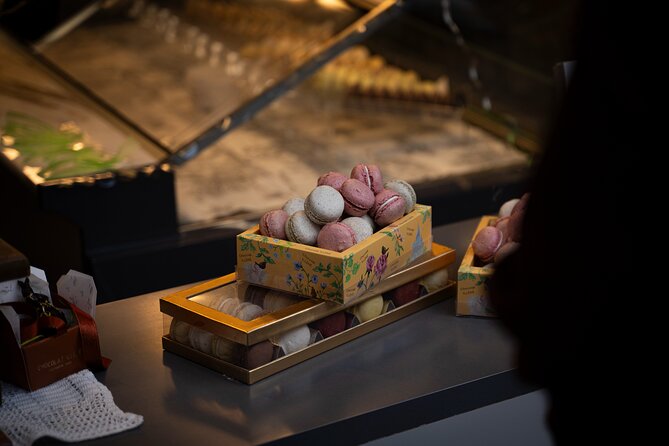
This tour is a great match if you want three things in one package:
- Sweets you can taste as you walk
- Stories that explain why Montmartre got famous
- A small-group pace so you are not fighting noise to hear your guide
It also works well for art and history fans who do not want to sit in one place. Several people mention that the mix of artists, street history, and pastry stops made it feel special even if they had visited Montmartre before.
Families can also work. One comment specifically mentions a 10-year-old historian enjoying the stories and the fun pace. Another family with kids says the boys enjoyed learning and eating along the way.
The main mismatch is mobility. If uphill cobblestones are tough for you, you might want a different Montmartre option that involves less climbing.
Should you book Pastries and Tragedies in Montmartre?
I think you should book it if you like food tours with a point of view. This is not just a stop-and-snack list. It is history with emotional weight, paired with pastries and chocolate that make the walk feel joyful.
You should probably skip or reconsider if:
- Steep uphill walking on cobblestones is a deal-breaker
- You want a purely uplifting tour with light anecdotes only
- You do not enjoy tragedy-themed storytelling, even if it is told in a friendly way
If you are on the fence, a helpful way to decide is this: do you want Montmartre to feel like a neighborhood with real people and real drama, not only a picture backdrop? If yes, the ending at Sacré-Cœur, plus the can-can and Toulouse-Lautrec moments, plus the windmills, makes the experience feel like a complete little story.
FAQ
Do I get food with this tour, or is it just tastings?
Food is included. You get a minimum of 6 different treats along the way, and the food is included in the $83.45 price.
How long is the Montmartre walking tour?
The tour is about 2 hours.
Is the tour offered in English?
Yes, the tour is offered in English.
Where does the tour start and where does it end?
It starts at 5 Pl. Blanche, 75009 Paris, France and ends at Basilique du Sacré-Cœur de Montmartre, 35 Rue du Chevalier de la Barre, 75018 Paris, France.
Is bottled water provided?
No bottled water is provided. They note this is to avoid unnecessary waste.
How big is the group?
The maximum group size is 10 people.
Is Sacré-Cœur included, and is entry free?
The tour ends in front of Sacré-Cœur, and the information provided indicates that admission is free. Reviews also encourage going inside.
Latest Paris entries, notes attached







Montmartre Walks, compared.
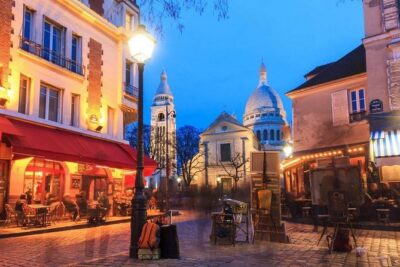
Montmartre Hidden Gems and Scenic Highlights Walking Tour
Read our review →
Montmartre Hill French Gourmet Food and Wine Tasting Walking Tour
Read our review →
Montmartre Highlights Walking Tour with a Local Guide
Read our review →
Montmartre Cheese, Wine & Pastry Guided Walking Tour
Read our review →
Sacré-Coeur and Montmartre Tour with Expert Guide
Read our review →
Private Montmartre Food Tour with Wine, Cheese & Pastries
Read our review →
Paris Montmartre Food Tour – A Full French Meal by Do Eat Better
Read our review →This tour also appears in