
Reviewed · SEINE SIGHTSEEING CRUISES
Paris Seine River Hop-On Hop-Off Sightseeing Cruise by Batobus
This is Paris from the water. I love the easy hop-on hop-off setup, letting you step off near major sights like the Eiffel Tower and Notre Dame area, then ride again when you’re ready. I also like that it’s a 24 or 48-hour pass, so you can spread sightseeing across a full day or two instead of trying to cram everything in one go. One caution: there’s bag control at the entrance, and if you get stuck in the wrong spot or the app does not cooperate, it can turn into an avoidable headache.
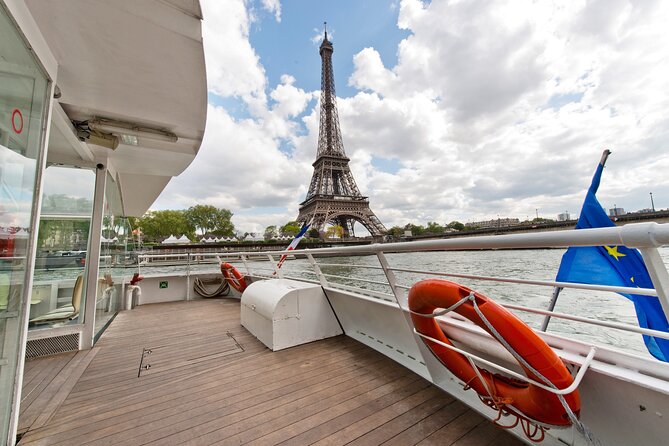
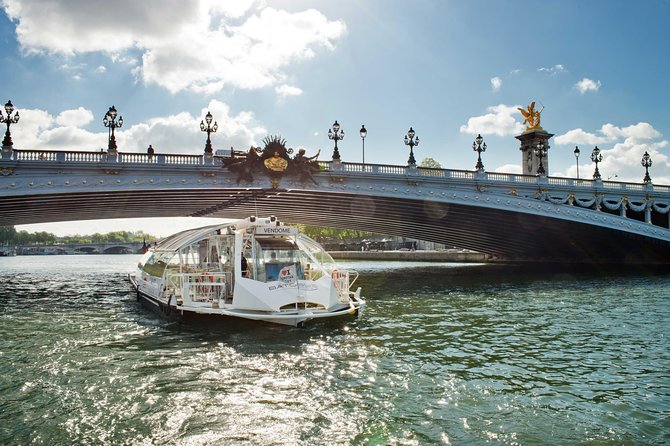
You’ll cruise along the Seine past the UNESCO-listed banks, with bridges and iconic architecture right there at eye level. The back of the boat has an open terrace, and the experience is built for relaxed looking, not for a strict guided march.
The trade-off is that this is a moving transportation service with views, not a deep guided tour. You’ll want your phone and the webapp for the multilingual audio, and you should plan your timing around how long it takes you to get on and off at each stop.
In This Review
- Key things to know before you ride
- A relaxed Seine cruise with hop-on freedom
- Price and what makes it good value
- How the route works, and why the order matters
- Your nine hop-on stops, what to see, and how to plan time
- Stop 1: Port de la Bourdonnais (Eiffel Tower area)
- Stop 2: Port des Invalides (Invalides area)
- Stop 3: Quai de Montebello (toward Musée d’Orsay)
- Stop 4: Quai Malaquais (Saint-Germain-des-Prés area)
- Stop 5: Quai de Montebello (Saint-Michel access via the area)
- Stop 6: Quai Saint-Bernard (Latin Quarter vibe)
- Stop 7: Quai de l’Hôtel de ville (City Hall area)
- Stop 8: Quai du Louvre (Louvre and Palais Royal area)
- Stop 9: Port des Champs-Élysées / Concorde – Quai des Tuileries (Tuileries and western sights)
- What it’s like on board: terrace, audio, snacks
- Getting good photos and a smooth day plan
- Small gotchas that can spoil the day
- Who should book this Batobus Seine cruise?
- Should you book the Paris Seine River Hop-On Hop-Off cruise?
- FAQ
- How long is the Batobus Seine River Hop-On Hop-Off cruise?
- Where can I hop on and off?
- Is there audio commentary on board?
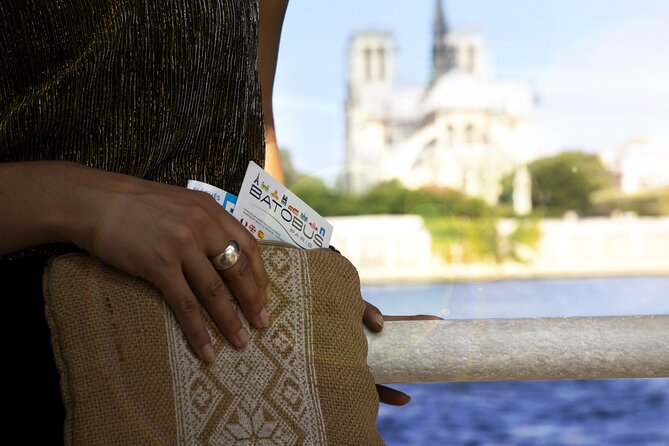
- What kind of ticket do I get, and do I need a paper voucher?
- Are bags and coats allowed?
- Is there a toilet on the boat?
- Can I cancel for a full refund?
Key things to know before you ride
- Unlimited 24 or 48 hours means you can treat the boat like your flexible “base” between neighborhoods
- Nine hop-on stops place you near big hitters such as Musée d’Orsay, Louvre area, and Hôtel de ville
- Audio is delivered through the webapp, so bring your phone and plan to use it
- Open back terrace is great for photos, plus a calmer break from street-level bustle
- Systematic bag checks happen at the entrance, and bulky bags over 16 liters are not allowed
- No onboard toilets is a practical detail you should plan around
A relaxed Seine cruise with hop-on freedom
The Batobus Seine cruise is simple on purpose. You buy a ticket for a consecutive 24 or 48 hour window, then hop on and off at the nine stops along the river. Instead of committing to one guided route, you build your own day in Paris, using the boat as the easy way to move between sights.
This works because the Seine is where Paris becomes very “postcard but real.” From the water, monuments feel closer, bridges frame the skyline, and the city looks less like a traffic problem and more like a connected set of neighborhoods. If you’re bouncing between major attractions, the cruise can save you time and stress, and it gives you that break where you can sit, look, and reset.
Price and what makes it good value
At $27.56 per person, the big value here is the time flexibility. You’re not paying for a single short visit. You’re paying for multiple rides in one travel window, so you can do the boat during the most useful parts of your day.
Here’s how to think about the math. If you only ride once, it’s still an enjoyable scenic cruise. But if you plan to use it as transportation, bouncing between, say, the Louvre area and Saint-Michel, the pass starts to feel like a smart tool. The pass also works well when your plans change because one museum runs long, or you want extra time for photos and cafés.
Two more value boosters: the boat has an open back terrace for better viewing, and you get multilingual audio commentary through the webapp plus an interactive map with nearby activity suggestions. That combination helps you turn “a nice ride” into “a useful way to navigate.”
More Boat Tours in Paris
- Paris: 1-Hour Seine Cruise departing from the Eiffel Tower
★ 4.4 · 77,472 reviews - Paris: Evening River Cruise with Music
★ 4.4 · 22,721 reviews - Paris: Louvre Guided Tour with Reserved Access & Boat Cruise
★ 4.3 · 16,353 reviews
How the route works, and why the order matters
The cruise runs in a loop and takes about 2 hours for a full circuit. That loop time matters because it affects how quickly you’ll reach the next stop you care about. If you want to bounce back and forth between two spots, the circular route gives you repeated chances to board again without backtracking through the city.
The stops are grouped in a way that covers both the classic landmarks and the central neighborhoods around them. You’re not just floating past famous buildings. You’re dropped at piers that line up with major sights and transit connections, so you can hop off, explore on foot, and then return when you’re ready.
Your nine hop-on stops, what to see, and how to plan time
Stop 1: Port de la Bourdonnais (Eiffel Tower area)
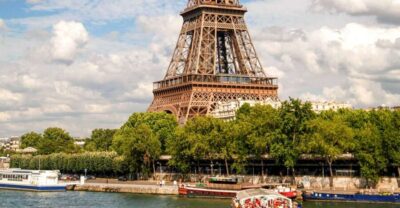
This is your best “first landmark” stop. Port de la Bourdonnais puts you in the general area of the Eiffel Tower, and it’s also very convenient if you want to start with skyline photos and then transition to nearby sights later. The sight advantage is obvious: being on the river gives you angles you can’t get from most streets.
Planning tip: If your goal is Eiffel Tower views plus a smooth day, use this as an anchor stop. Ride the boat to get your orientation, then hop off when you want to spend real time on the tower area.
More bridges counted from the Seine:
Stop 2: Port des Invalides (Invalides area)
Port des Invalides is a solid move if you want a change of pace from the immediate Eiffel Tower zone. From here, you’re positioned for the grand, formal streetscape vibe of the Invalides side of central Paris.
Planning tip: If you’re pairing big-ticket monuments with museums, this stop helps you break the day into manageable blocks. Hop off, walk a bit, and don’t be afraid to return later rather than trying to do everything in one pass.
Stop 3: Quai de Montebello (toward Musée d’Orsay)
This is a good stop for one of Paris’s most classic museum pairings. Quai de Montebello lines up with the Musée d’Orsay area, which is a major draw because it’s both central and scenic from the water.
Drawback to consider: Museums can eat your time. If you plan to return to the boat at a later pier, allow buffer time so you do not feel rushed at your next stop.
Stop 4: Quai Malaquais (Saint-Germain-des-Prés area)
Quai Malaquais feels more “Parisian neighborhood” than pure landmark hunting. It’s where the river ride meets the vibe of Saint-Germain-des-Prés, with cafés and a slower pace that’s ideal for a mid-day break.
Planning tip: If you want to add a meal stop without losing your sightseeing momentum, this is a great place to jump off for a sidewalk café moment and then regroup later.
Stop 5: Quai de Montebello (Saint-Michel access via the area)
This stop repeats the Quai de Montebello pier name in the sequence, and it can still work as a practical boarding point for the broader Saint-Michel area. The area connections matter here, because Saint-Michel is one of those points where the city becomes very walkable and very worth exploring on foot.
Planning tip: Use this stop when you want the mix of river views and neighborhood exploring. You’ll likely do more walking from here than from a pure “view only” stop.
Stop 6: Quai Saint-Bernard (Latin Quarter vibe)
Quai Saint-Bernard is a strong choice if you want the Latin Quarter feel and a more local stretch of central Paris. This part of the river gives you a different atmosphere than the more tightly packaged tourist zones.
What to watch for: Boarding stairs. Getting to the river level involves steps, and the stairs can be tiring after a full day of walking.
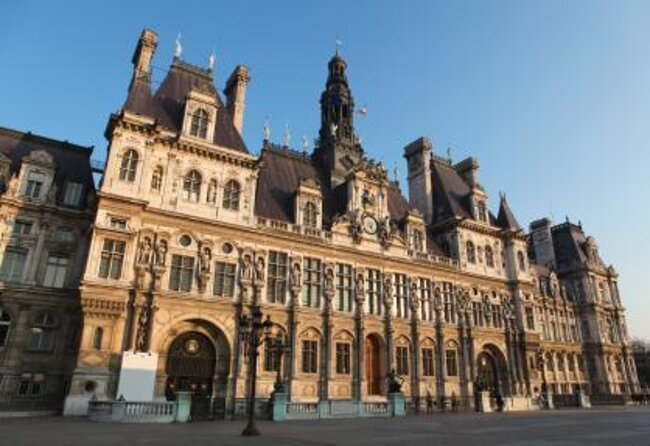
Stop 7: Quai de l’Hôtel de ville (City Hall area)
Quai de l’Hôtel de ville is useful because it puts you near the administrative and historic center energy around Hôtel de ville. It’s a good stop when you want a change from museums and landmark crowds.
Planning tip: If you want to wander without a tight checklist, this stop can help you build a more relaxed route through central Paris.
Stop 8: Quai du Louvre (Louvre and Palais Royal area)
Quai du Louvre is one of the easiest ways to connect to the Louvre area. It’s a strong stop for both daytime exploring and photo ops, since the river gives you a clear visual line toward major buildings.
Planning tip: If you’re doing the Louvre, consider timing your museum visit so you end up near the river for views afterward. That way the boat becomes your decompression, not just a ride to the next stop.
Stop 9: Port des Champs-Élysées / Concorde – Quai des Tuileries (Tuileries and western sights)
This is the “western side” end of the loop. It’s especially helpful if you want to connect to areas like the Tuileries and the broader Champs-Élysées corridor. Since this side of the river often feels different from central core stops, it’s a nice way to round out your two-day sightseeing plan.
Planning tip: If you’re doing two days, this stop can be a good final anchor because it’s a natural transition point toward evening strolls.
What it’s like on board: terrace, audio, snacks
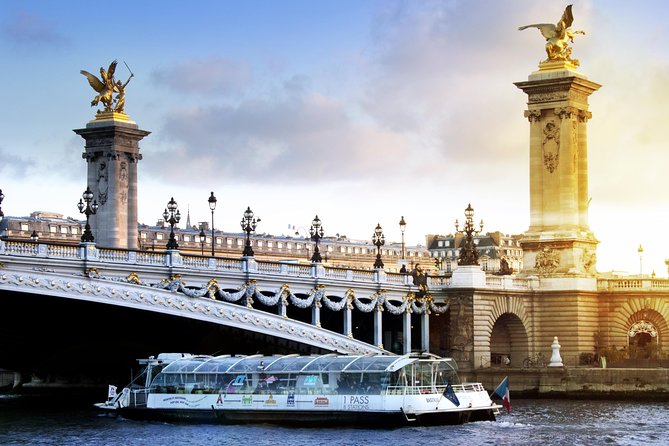
The experience on the boat is built around comfort and views. You’ll have an open back terrace, which is a big deal in a city where the best photos often require being above street level. The deckhand staff are on board, so the vibe is “in service mode,” not “DIY chaos.”
Audio commentary is multilingual and delivered through the webapp (French, English, Spanish, German, Italian). The key practical point: don’t rely on spoken announcements alone. Plan to have your phone ready, because the audio is what helps you understand what you’re passing.
There’s also a vending machine with drinks and snacks, plus bicycle storage on board. So if you need a small refill during longer stretches between stops, you’re not stuck.
Getting good photos and a smooth day plan
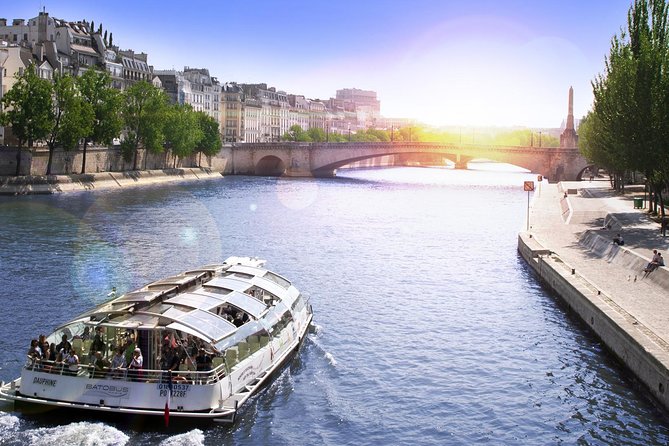
The cruise is best when you treat it like timed transport, not like a parked sightseeing bus. Your aim is to board, move to a stop, explore, then come back for the next leg with a fresh perspective.
A smart strategy is to do “heavy walking” at the stops that match your interests, then use the boat to connect them. For example, you could do a museum stop on one side of the center, then hop to a café neighborhood stop next, and then finish near the Louvre area for an easy walk and more views.
Also, keep in mind that the boat involves boarding stairs at the piers. If you have mobility constraints, that’s a real factor. Plan your day so you are not constantly doing stairs after long museum hours.
Finally, check real-time departure times on the Batobus website link shown on your voucher. The schedule can affect your day, and you don’t want to waste time guessing.
Small gotchas that can spoil the day
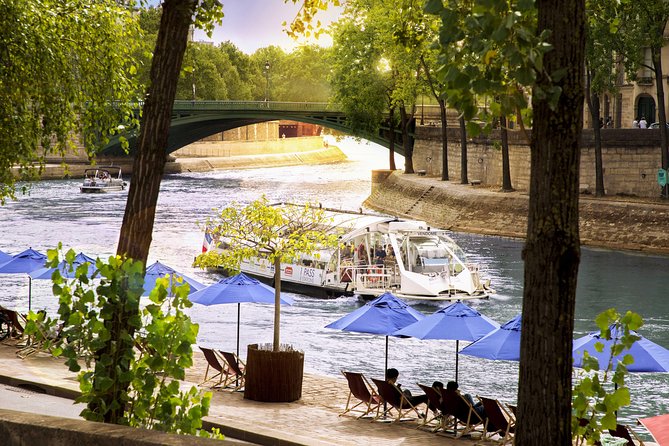
The biggest practical issues are straightforward, and knowing them upfront helps you avoid frustration.
First, bag control. There’s systematic bag screening at the entrance, and jackets and coats must be opened. Bulky luggage over 16 liters (small backpacks and handbags are specifically mentioned as not being in that prohibited range) will not be allowed on the boat. If you arrive with a large bag, you might be turned away.
Second, plan for onboard basics. There are no toilets on the boat, so be thoughtful about your stop timing and do bathroom breaks during your off-boat time.
Third, the experience is not a full guided tour. There are staff onboard, but the main narration is via the webapp audio. If you skip the app, you’ll still see a beautiful river ride, but you may feel like you’re missing context.
And finally, it’s possible for service gaps to happen. If the boat is not running when you arrive at your pier, you’ll need to check the current operating status right away on the website rather than assuming it will catch up.
Who should book this Batobus Seine cruise?
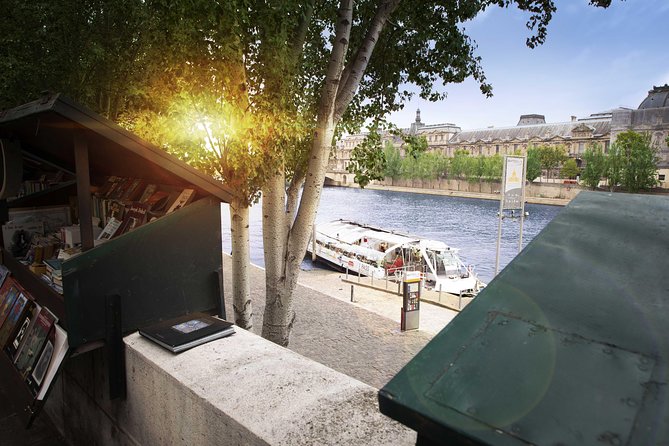
This is ideal for people who want the Seine views with minimal transit stress and who like freedom over strict schedules. It also works well as a first-day orientation tool, because the loop helps you understand where the big sights are along the river.
Book it if you:
- Want multiple stops without committing to one guided itinerary
- Prefer sitting and taking in the city between walks
- Have a “mix and match” plan, like pairing museums with neighborhoods such as Saint-Germain-des-Prés and the Latin Quarter
You might skip it if you:
- Need a very tight, timed schedule tied to reservations at exact minutes
- Want a fully guided narrative ride with on-board tour direction
- Have mobility concerns that make stair access at piers difficult
Should you book the Paris Seine River Hop-On Hop-Off cruise?
I’d book this if your priority is flexible sightseeing along the Seine, especially for first-time or repeat-light Paris visits. The 24 or 48-hour window turns it into a tool you can use across a day or two, and the nine stops put you close to major sights without forcing you into constant metro transfers or long taxi rides.
But book it smart. Bring your phone and plan to use the webapp audio, pack within the bag rules, and plan your bathroom breaks during your off-boat time. If you do those basics, the experience becomes a low-stress way to see Paris from the water and build a route that fits your own pace.
FAQ
How long is the Batobus Seine River Hop-On Hop-Off cruise?
The experience is listed at about 2 hours. The key is that your ticket also covers unlimited hop-on and hop-off cruising for 24 or 48 consecutive hours.
Where can I hop on and off?
You can hop on and off at nine stops along the Seine, including Port de la Bourdonnais, Port des Invalides, Quai de Montebello, Quai Malaquais, Quai Saint-Bernard, Quai de l’Hôtel de ville, Quai du Louvre, and Port des Champs-Élysées / Concorde – Quai des Tuileries.
Is there audio commentary on board?
Yes. There is multilingual audio commentary delivered through the webapp (French, English, Spanish, German, and Italian).
What kind of ticket do I get, and do I need a paper voucher?
You receive a mobile ticket.
Are bags and coats allowed?
There is systematic bag control at the entrance. Jackets and coats must be opened. Bulky luggage more than 16 liters will not be allowed. Bicycle storage is available on board.
Is there a toilet on the boat?
No. There are no toilets on the boat, so plan bathroom stops during your time on shore.
Can I cancel for a full refund?
Yes. You can cancel up to 24 hours in advance for a full refund, as long as you cancel at least 24 hours before the experience’s start time.
Rivers to Slide Along
- Paris: Tootbus Hop-on Hop-off (Optional River Cruise)
★ 4.3 · 15,279 reviews - Paris: Big Bus Hop-On Hop-Off Tour with Optional Cruise
★ 4.4 · 13,279 reviews - Paris: Illuminations River Cruise with Audio Commentary
★ 4.3 · 12,340 reviews - Paris: Louvre Museum Entry Ticket With Host and River Cruise
★ 4.6 · 9,926 reviews
Latest Paris entries, notes attached






Seine Sightseeing Cruises, compared.
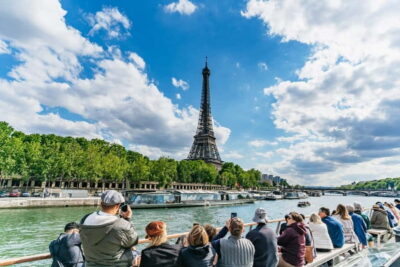
1-Hour Seine Cruise departing from the Eiffel Tower
Read our review →
Seine Cruise & Crepe Tasting near the Eiffel Tower
Read our review →
Eiffel Tower Access by Elevator & Seine River Cruise
Read our review →
3-Course-Dinner Cruise on the Seine with live music
Read our review →
Bateaux Parisiens Seine River Gourmet Dinner & Sightseeing Cruise
Read our review →
Hop-On Hop-Off Seine Cruise Pass with 9 Stops
Read our review →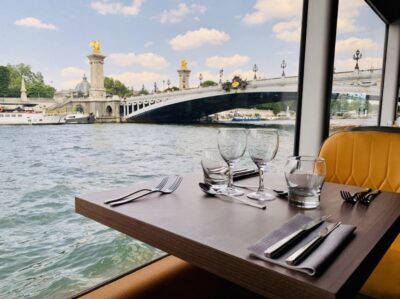
This tour also appears in