
Reviewed · LOURDES TOURS
Private Guided History tour of Lourdes
Lourdes has layers. This private guide tour helps you read those layers, from the famous grotto back to Bernadette Soubirous’ childhood and daily life, without the usual crowd-chaos feeling. Private guiding also means the story stays focused on you and your group, not a big bus schedule.
I love how the tour blends the spiritual sites with plain historical context, so you understand what you are seeing as you walk. You also get a no-rush pace with real time to ask questions, and the guide can adjust the order of what you do next. The Bernadette-specific stops, like her suspected birthplace at Moulin de Boly, make the story feel personal instead of like a textbook.
One thing to plan for: the route can shift depending on what is happening at the sanctuaries, and there are a couple of small extra entrance fees for the castle and the father’s house.
In This Review
- Quick hits before you go
- Why a private Lourdes history tour helps more than you expect
- Sanctuaire Notre Dame de Lourdes, grotto, basilicas, and holy water
- Bernadette’s childhood, Moulin de Boly and Le Cachot
- Chateau Fort of Lourdes versus the father’s house, how the second half works
- Option 1: Chateau Fort for medieval views and a Pyrenees museum
- Option 2: more sanctuary time plus the father’s house
- The guides, the storytelling style, and why you feel un-rushed
- Price and value, what you really pay for
- Timing tips, crowds, weather, and what to wear
- Should you book this Lourdes private history tour?
- FAQ
- How long is the Private Guided History tour of Lourdes?
- What language is the tour offered in?
- What is included in the price, and what costs extra?
- Is this a private tour?
- Where does the tour start and end?
- What is the cancellation policy?
Quick hits before you go
- Sanctuaire Notre Dame de Lourdes in context, including the grotto story from 1858 and time around basilicas and holy-water fountains
- Bernadette’s “life stops”, from her childhood home area at Moulin de Boly to Le Cachot where her family lived during the apparitions
- Two possible second halves, either the Chateau Fort for Pyrenees arts and tradition plus big views, or extra sanctuaries time plus the father’s house
- English-language licensed guide, with multiple guide names reported, including Laure, Lore, Lauri, Jodine, and Sandrine
- Up to 8 people, designed for a calm experience, with the possibility of combining groups if needed
Why a private Lourdes history tour helps more than you expect
If Lourdes is on your list, you probably already know the headline story. The value here is how it gets explained in the places where it actually happened. In about three hours, you go beyond seeing famous buildings, and you start understanding why Lourdes developed the way it did, long before today’s visitors arrive.
What really makes the difference is pacing. A private setup means you are not trying to keep up with a crowd while someone waves a brochure and calls it “history.” You get a licensed guide who can slow down when you want details and move on when you are just ready to see the next spot. One of the most common highlights from the guides who lead this tour is that they take their time, answer questions patiently, and help you feel oriented fast.
The other smart part is the way the tour builds the story backwards and forwards. You start at the sanctuaries, then you move into Bernadette’s early environment, then you finish with either a medieval view of Lourdes or a second closer look at the family side of the story.
Sanctuaire Notre Dame de Lourdes, grotto, basilicas, and holy water
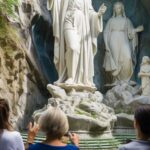
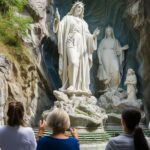
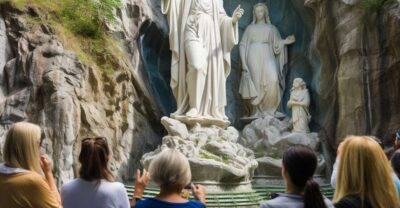
Your first stop is the Sanctuaire Notre Dame de Lourdes, the heart of the whole experience. This is where the world-famous grotto is, tied to the 1858 apparition story and Bernadette Soubirous. The guide does not just point and recite. You get a cultural and historical walkthrough that helps you place the sanctuaries in time and understand what the different spaces mean.
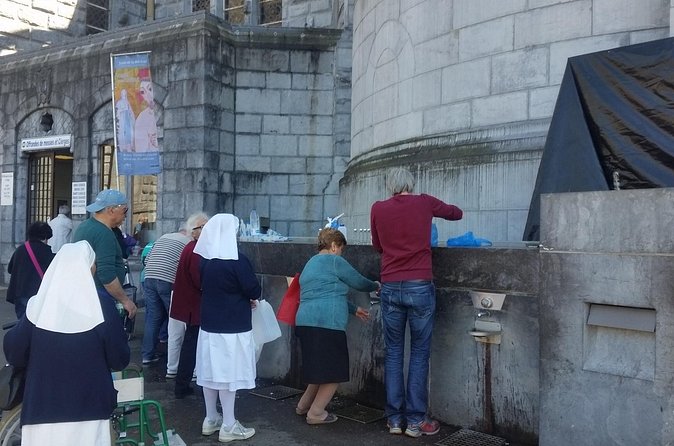
Expect an introduction that connects story to setting. You will then proceed to the basilicas and fountains where you can fetch holy water. That sounds simple, but it helps to know what you are looking at so it does not feel like you are doing rituals on autopilot.
A practical note: church schedules can affect what you access. In at least one guided experience, services happening at the time meant the group could not enter the grotto. This is not unusual in Lourdes. The best strategy is to go in knowing that a great guide will adapt, explain what is currently possible, and still help you understand the key places even if one area is temporarily restricted.
Time at this stop is about one hour, with the admission ticket listed as free for the tour experience.
More visits to the Lourdes sanctuaries:
- Lourdes: Sanctuary Guided Walking Tour
★ 4.6 · 205 reviews - Half-day sailing on the Gave de Pau
★ 5.0 · 180 reviews - From Lourdes: Gavarnie and Pont d’Espagne Day Trip
★ 4.9 · 101 reviews
Bernadette’s childhood, Moulin de Boly and Le Cachot
After the sanctuaries, the tour pivots into the human side of the story. This is where Lourdes shifts from monument to biography.
At Moulin de Boly, you visit Maison Natale de Bernadette, a stop designed to help you imagine what Bernadette’s childhood could have looked like. The format is short, but it matters. A good guide turns that short window into a few solid mental pictures, so you start thinking about age, daily life, and what kind of world a young girl grew up in.
Next comes Le Cachot, where the Soubirous family was living around the time of the apparitions in 1858. This is typically a quick stop, about fifteen minutes, but it often lands emotionally because it shows the setting of the family at that time. Your guide’s job here is to connect place to story, not to turn it into drama. When the guide is strong, you walk away with a better sense of how a personal event could become something that reshaped an entire town.
One more reason I like these stops: they give your Lourdes visit structure. When the day is over, you can remember the journey as a sequence: sanctuaries first, then childhood environment, then family context and views at the top of town.
Chateau Fort of Lourdes versus the father’s house, how the second half works
The tour’s second half is flexible, and that is a real benefit. Your guide will suggest two options based on your interests and time, then guide you accordingly.
Option 1: Chateau Fort for medieval views and a Pyrenees museum
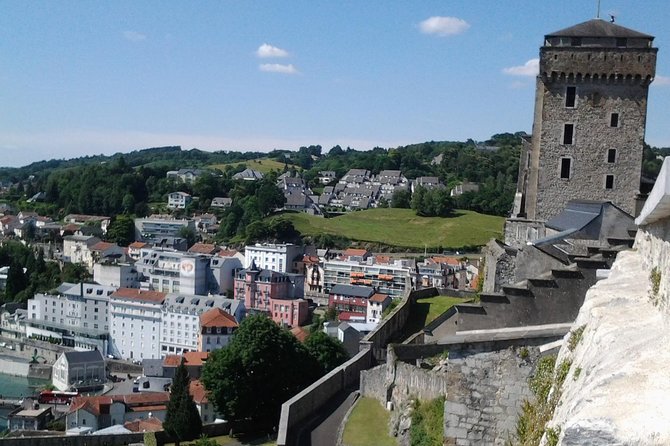
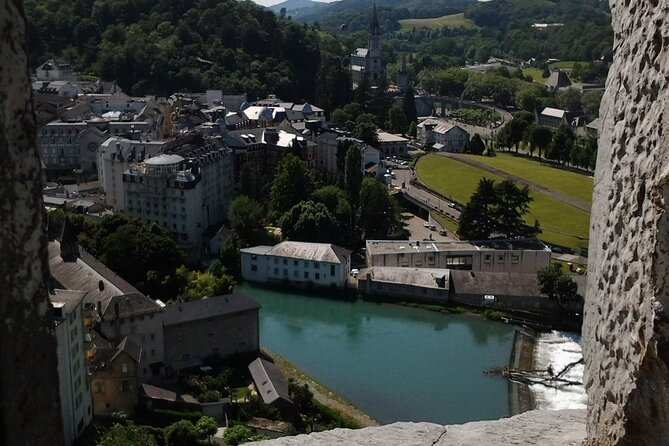
If you choose the upper-town experience, you get the feeling for how Lourdes looked before today’s modern layout took over. You then visit the medieval castle area, Chateau Fort Musée Pyrénéen, where there is a small museum connected to arts and traditions of the Pyrenees.
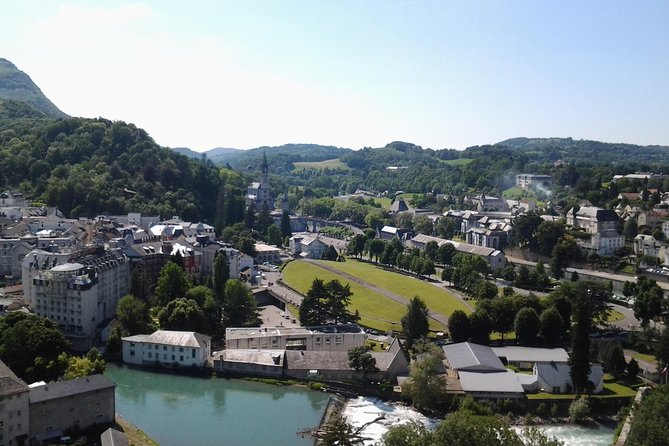
The big payoff here is the view. From the castle area, you can look out toward the sanctuaries and the city, which helps your brain connect locations you saw earlier. One of the tour’s selling points is that you are not just taking pictures. You are placing the sanctuaries in a wider map of town and time.
Budget tip: the castle entrance fee is not included, listed at 7.50 euros per person.
More centuries, footnoted:
Option 2: more sanctuary time plus the father’s house
If you prefer to stay closer to the core sanctuaries story, you can spend more time there, including the basilicas. Then you add the father’s house at Moulin Lacade, Maison Paternelle de Sainte Bernadette.
The listing notes that this is a house that still belongs to descendants of the Soubirous family. Even if you only get about an hour total for this part, that continuity matters. It makes the family story feel less like a distant historical reconstruction and more like something still tied to real people.
Budget tip: the father’s house entrance fee is listed at 2.50 euros per person, also not included.
If you cannot decide, I suggest using this rule of thumb: pick Chateau Fort if you want higher views and Pyrenees culture context, choose the father’s house if you want more time inside the sanctuary world and family detail.
The guides, the storytelling style, and why you feel un-rushed
A huge share of what makes this tour work is the human delivery. Multiple guide names show up in the reported experience, including Laure, Lore (Lorie), Lauri, Jodine, and Sandrine. The common thread is consistent: clear English, patience, and a willingness to shape the sequence to your interests.
You can see what this means in practical terms. If you want more basilicas time, the guide can adjust. If your walking pace is slower, the tour can stretch or pause for photos. If you arrive on a day with rain or unexpected closures, a capable guide does not panic. They manage the plan, keep you moving through what is still open, and still deliver the story arc.
In one experience, water and flooding changed some site visits, but the guide handled it by communicating delays through the tour app and even having another person step in to keep the plan fair. Another experience described a day with masses happening at the sanctuaries that affected grotto access. The good takeaway for you: bring flexible expectations. You are not buying a factory line experience. You are buying a guide who can handle reality on the ground.
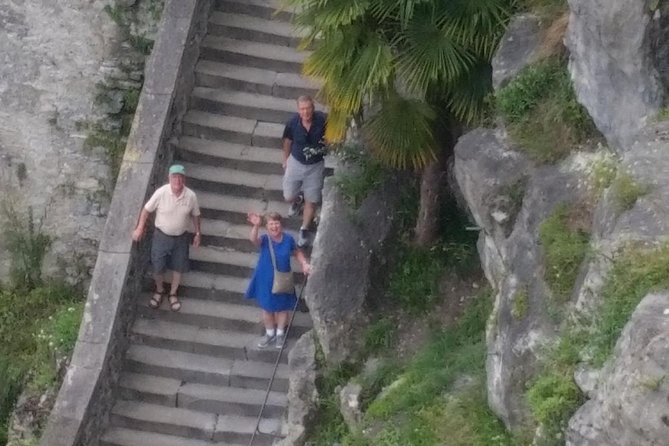
What to watch for yourself: bring comfortable clothes and shoes. This is a walking tour with short stops, and in Lourdes the terrain and stone paths can be slick or tiring depending on the weather.
Price and value, what you really pay for
The tour price is listed at $108.61 per person, for about three hours, offered in English, with licensed guide services included. There are also group discounts, and you get a mobile ticket.
Here is the honest value breakdown. You are paying for three things that are hard to reproduce on your own:
- Context: the guide explains what you are seeing in each place, so you do not just collect sights.
- Pacing: private time means you are not rushed and can ask questions.
- Smart choice support: the guide offers two different second-half options, castle plus museum or extra sanctuary time plus the father’s house.
Then there are the small extra costs you should plan for:
- Chateau Fort entrance: 7.50 euros per person (not included)
- Father’s house entrance: 2.50 euros per person (not included)
If you choose both paid entrances, you should budget for both. If you choose one, you will likely pay only that one fee. For many people, the guidance and time saved make the overall cost feel fair, especially if it is your first day in Lourdes and you want to understand what you will revisit later on your own.
Timing tips, crowds, weather, and what to wear
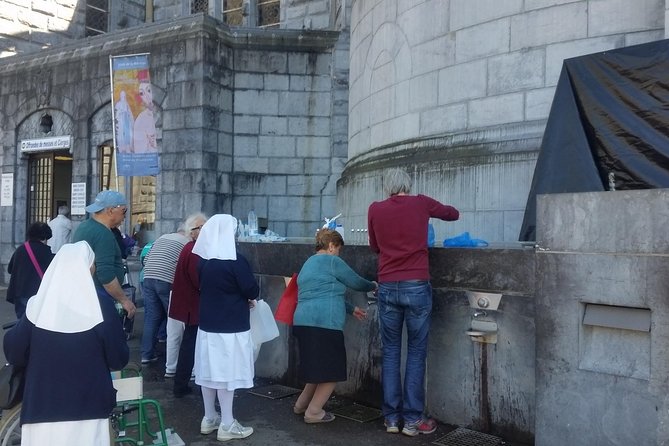
Lourdes can be busy, and religious schedules can affect where you can go at a given moment. One reported tip was about finding a better time to visit the grotto and source area directly, and another guide shared advice about the procession. I cannot promise exact timing, but the point is clear: a good guide can help you time your visit in a way that matches what is going on that day.
Rain happens too. One experience described a rainy day with occasional showers that did not require cancellation, but the guide adjusted the pace so the tour still felt relaxed. Translation for you: pack for weather, and do not assume the plan will be identical hour to hour.
What to wear is simple:
- comfortable shoes for walking
- a light layer if it is cool or wet
- clothing suitable for religious sites (you might find cover-ups helpful)
And one more practical idea: if you want time for food or small purchases, factor in that the guide may add small extras if you have time, like a covered market stop.
Should you book this Lourdes private history tour?
I think this is a strong choice if you want a first-pass map of Lourdes that you can build on later. Book it if you care about the Bernadette story in a place-based way, not just the headline. You’ll likely enjoy the mix of sanctuary focus plus childhood settings like Moulin de Boly and Le Cachot, and you’ll appreciate the way the second half offers a real choice.
I would skip it if you are only looking for a quick highlight loop, you already know the story well, or you prefer to move completely on your own without any guidance. In that case, you might not benefit from the customization or the historical explanations.
One final decision helper: if you are going on your first day in Lourdes, this private format usually pays off because it helps you orient quickly and decide what to revisit. If you are going for the sanctuary experience only, you can still pick the option that emphasizes basilicas and family sites over the castle museum and higher views.
FAQ
How long is the Private Guided History tour of Lourdes?
The tour lasts about 3 hours.
What language is the tour offered in?
The tour is offered in English.
What is included in the price, and what costs extra?
Included is the licensed/accredited guide service. The grotto and sanctuaries visit is listed with free admission for the first stop, but the castle entrance fee is 7.50 euros per person, and the father’s house entrance fee is 2.50 euros per person. Those two are not included.
Is this a private tour?
Yes, it is a private tour, only your group participates. The tour notes that it can be up to 8 persons, and if there are only a few people, it may combine groups.
Where does the tour start and end?
It starts at St. Joseph’s Gate, 15-17 Pl. Mgr Laurence, 65100 Lourdes, France, and ends back at the meeting point.
What is the cancellation policy?
You can cancel for free up to 24 hours in advance for a full refund. If you cancel less than 24 hours before the start time, the amount paid is not refunded.
Latest Lourdes entries, notes attached

Lourdes Tours, compared.

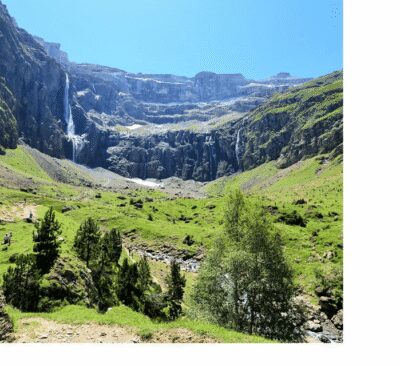
From Lourdes: Gavarnie and Pont d’Espagne Day Trip
Read our review →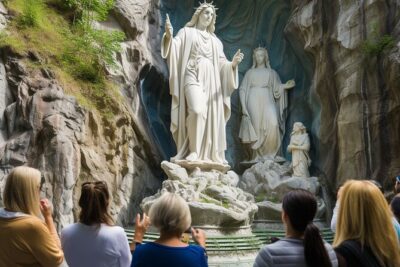
Lourdes, Guided Walking Tour in the Sanctuary
Read our review →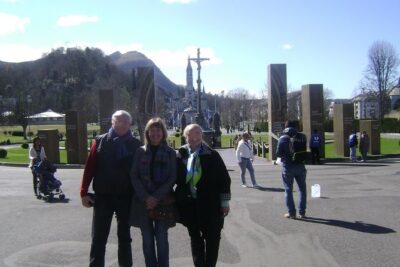
Private guided tours of Lourdes / Walking tour
Read our review →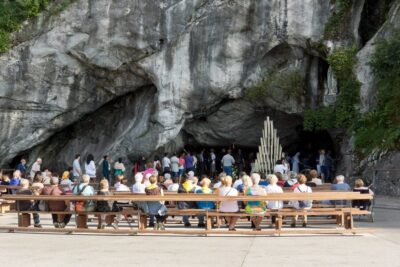
This tour also appears in